Quick Guide: PCR Plastic Sample Evaluation for Procurement Teams
Executive Summary
Post-consumer recycled (PCR) plastics now account for approximately 12% of total plastic consumption in European packaging applications, with projections reaching 25% by 2030 under the Packaging and Packaging Waste Regulation (PPWR) mandates. Procurement teams face a critical challenge: evaluating PCR samples against virgin material benchmarks while managing variability, supply constraints, and regulatory compliance.
This guide provides a structured framework for PCR sample evaluation, covering technical specifications, certification requirements, cost implications, and supplier qualification criteria. The information is based on industry standards from the Association of Plastic Recyclers (APR), European Plastics Recyclers (EuPR), and real-world procurement data from major converters.
Section 1: Understanding PCR Plastic Grades and Classifications
1.1 Material Categories
PCR plastics fall into three primary categories based on source stream:
Post-Consumer Rigid (bottles, containers, tubs)
– HDPE (natural and mixed color)
– PP (food grade and industrial)
– PET (clear, light blue, green)
Post-Consumer Film (bags, wraps, agricultural film)
– LDPE/LLDPE
– PP film
Post-Consumer Mixed Stream (electronics, automotive, durable goods)
– ABS, HIPS, PC/ABS blends
– Engineering grades
1.2 Quality Tiers
| Tier | Contamination Level | Typical Applications | Price Premium vs. Virgin |
|——|———————|———————|————————–|
| Premium | <0.5% | Food contact, medical | 5-15% discount |
| Standard | 0.5-2.0% | Non-food packaging, industrial | 10-25% discount |
| Economy | 2.0-5.0% | Back-of-house, construction | 25-40% discount |
1.3 Certification Requirements
Mandatory for Regulated Markets:
– GRS (Global Recycled Standard) – Chain of custody, recycled content verification
– ISCC PLUS – Mass balance approach, sustainability criteria
– UL 2809 – Environmental Claim Validation, recycled content percentage
Emerging Requirements:
– PPWR Compliance – Minimum recycled content mandates (2025-2030)
– CBAM Readiness – Carbon border adjustment documentation
– EPR Compliance – Extended producer responsibility fee structures
Section 2: Technical Sample Evaluation Protocol
2.1 Initial Screening Parameters
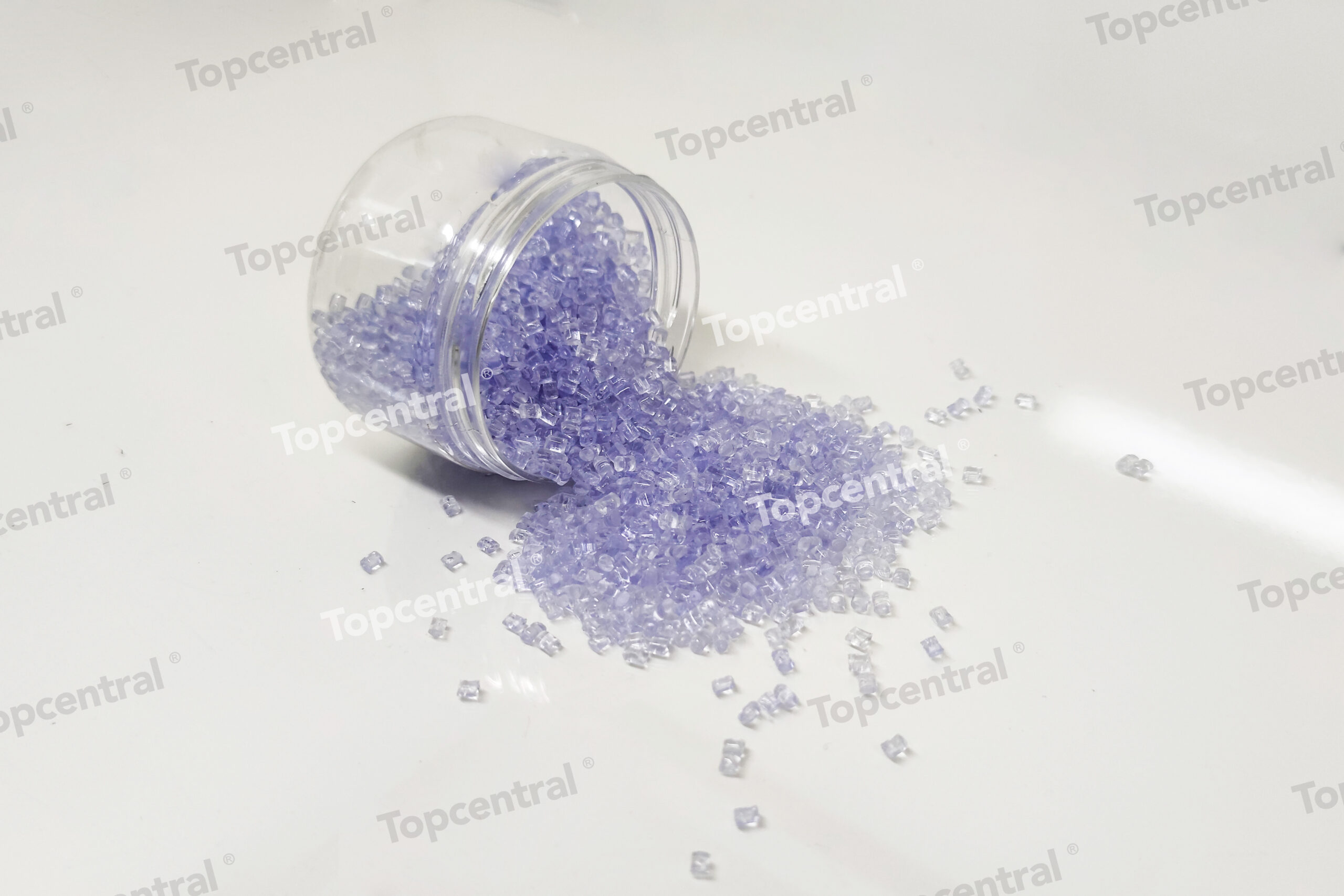
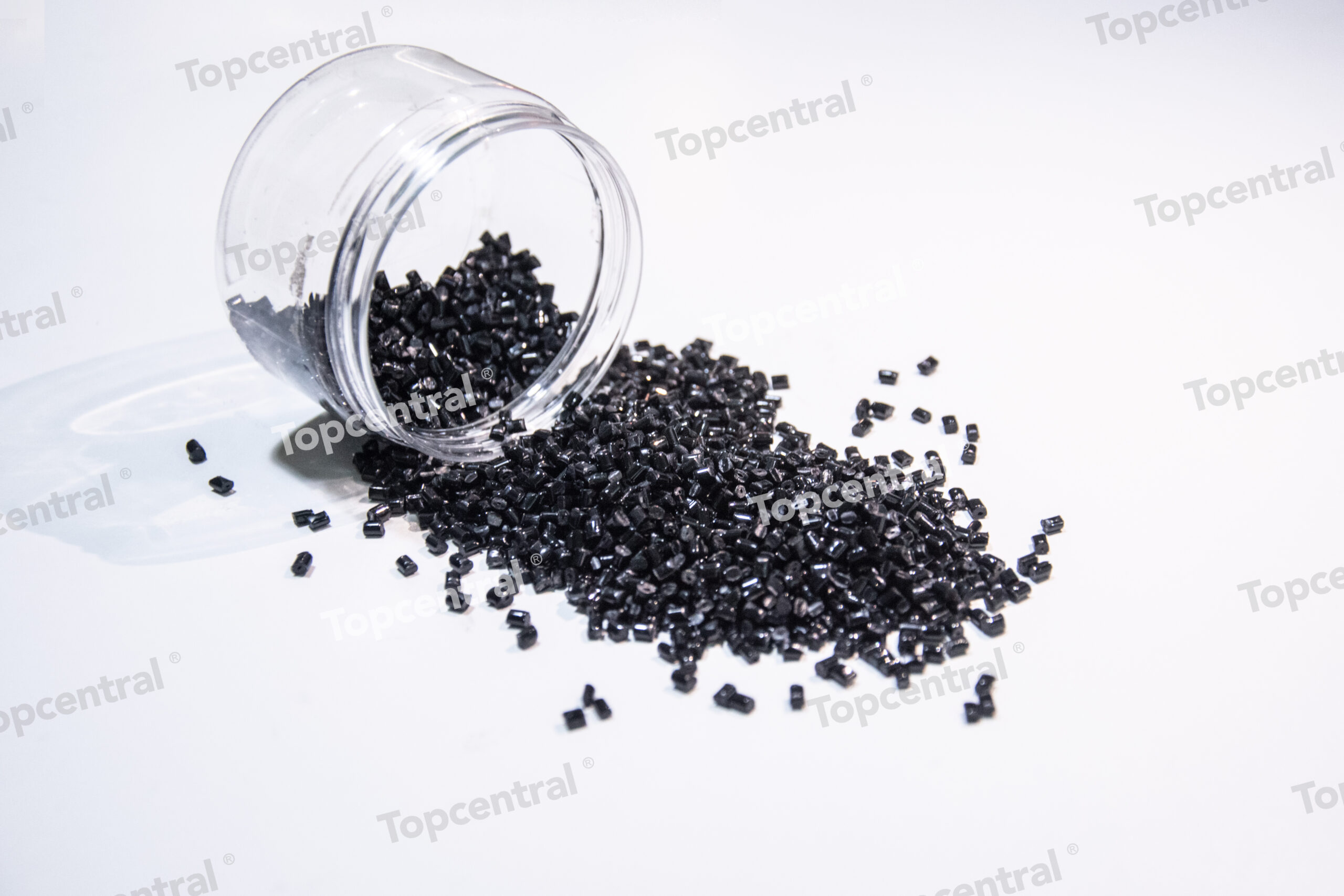
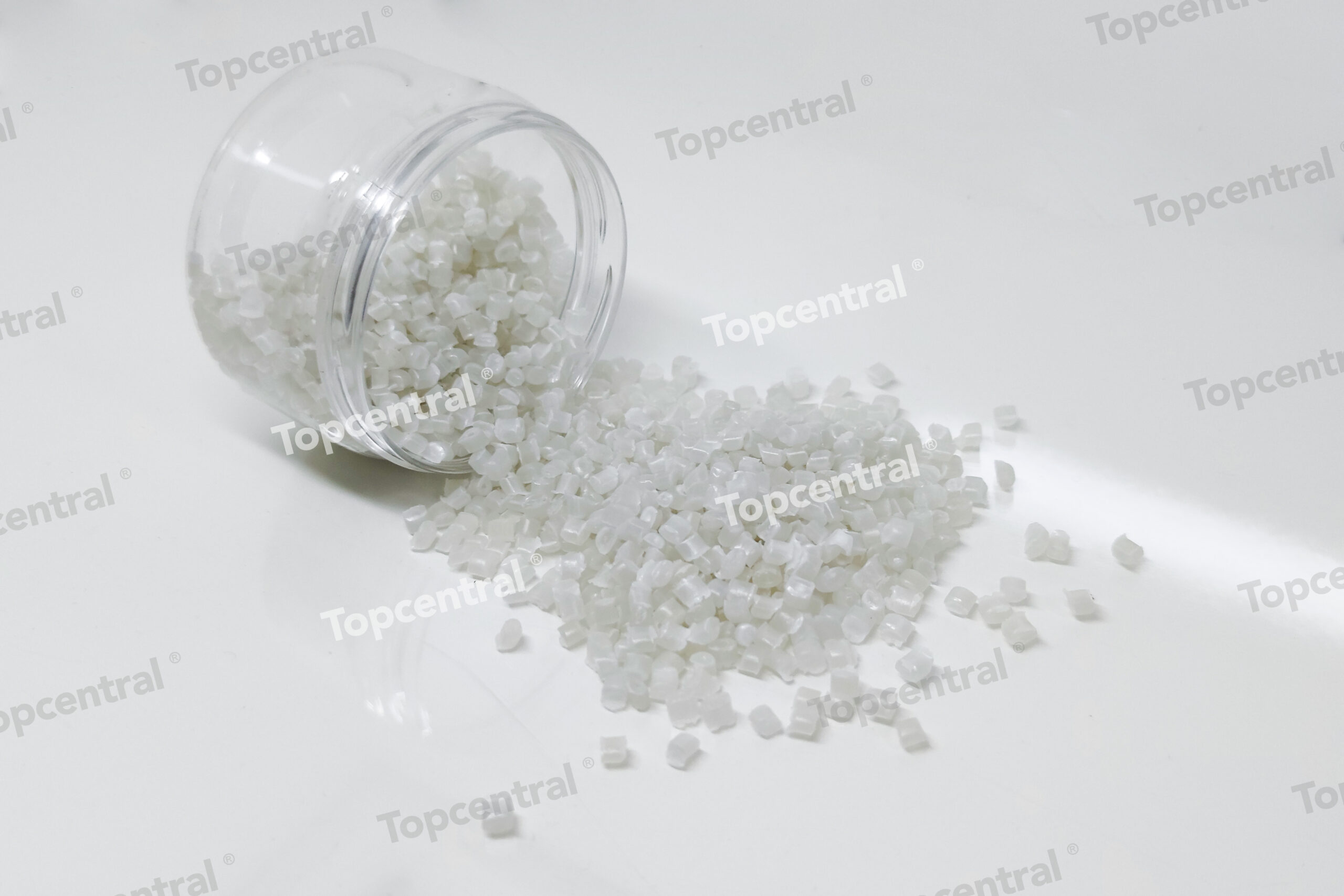
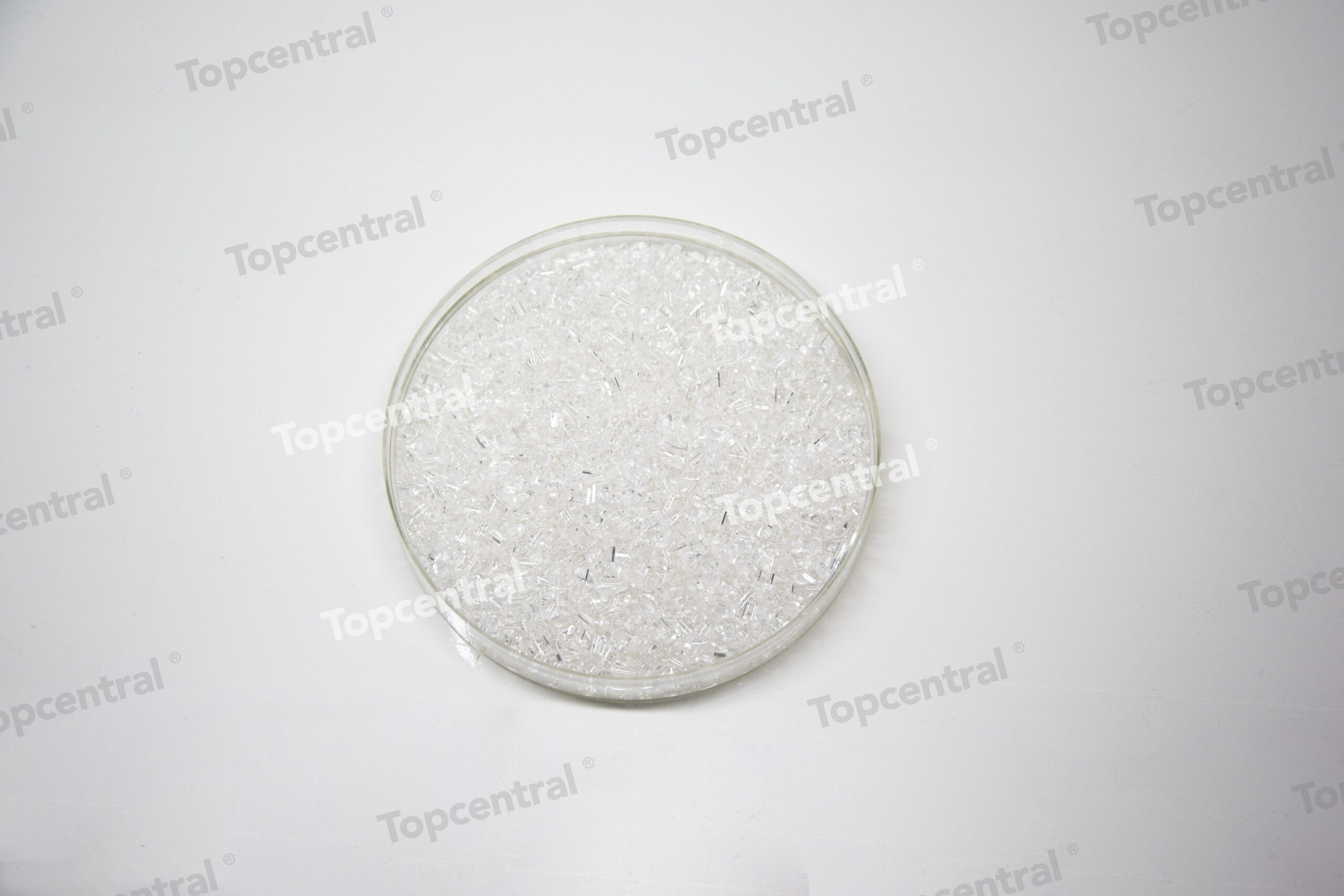
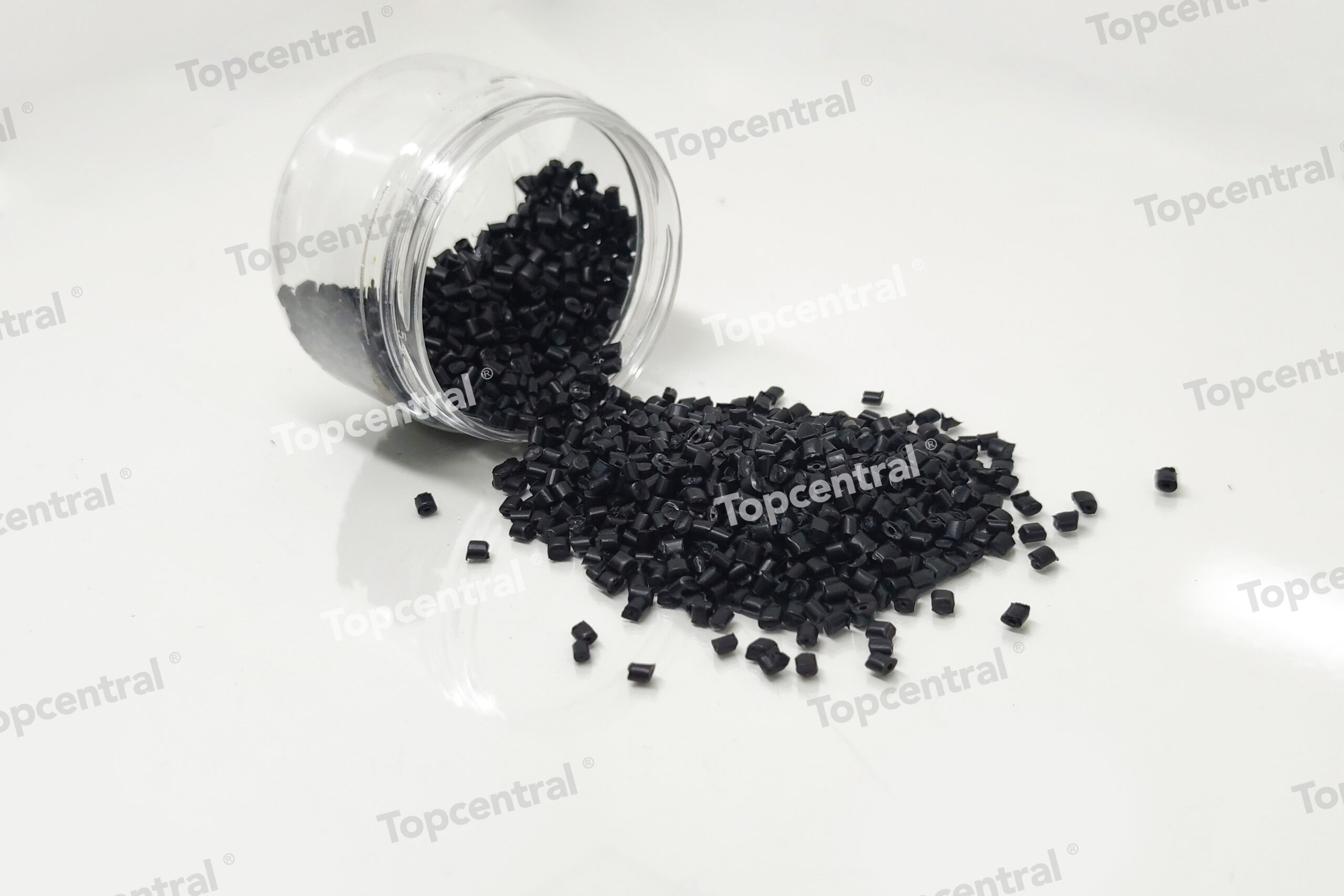
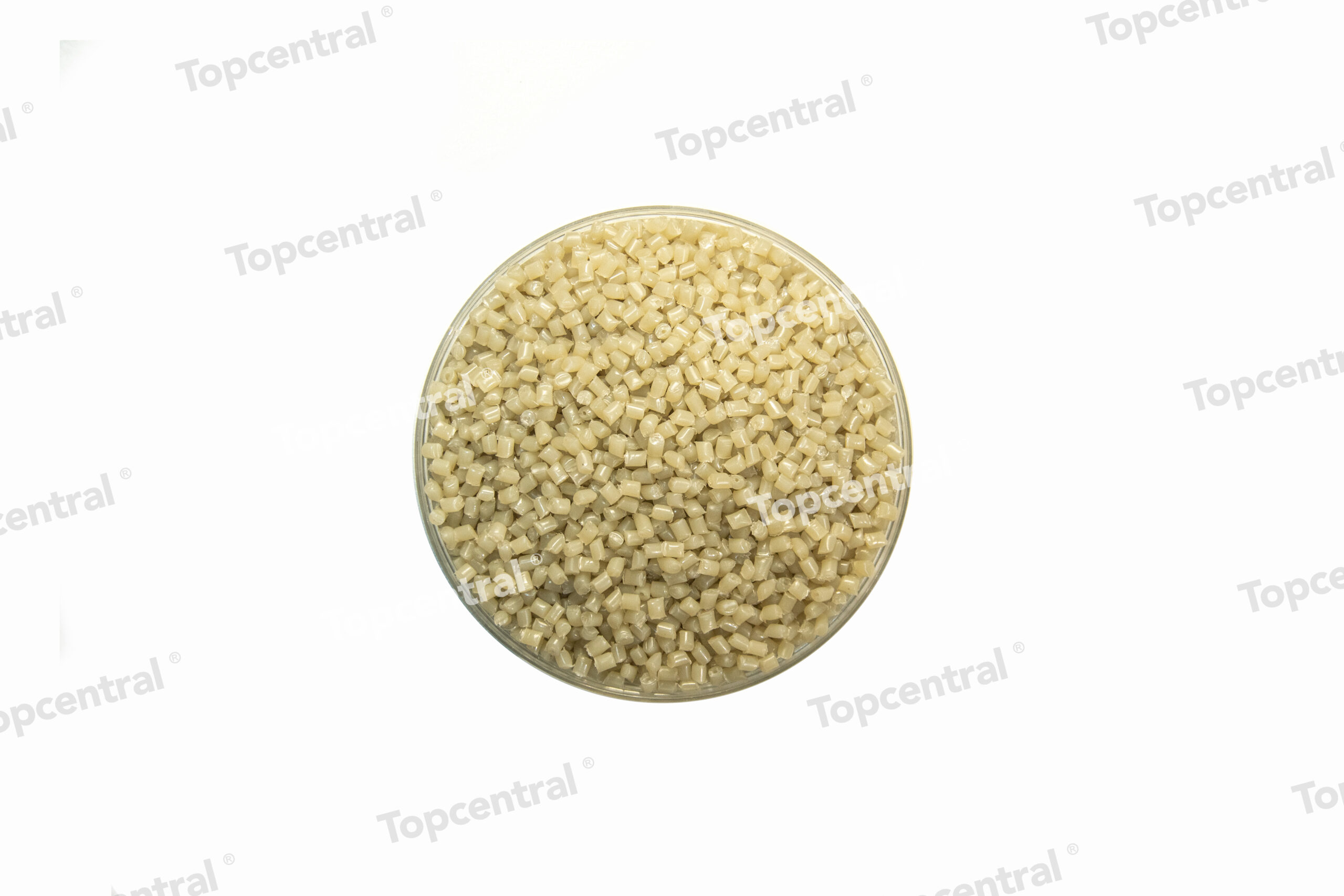
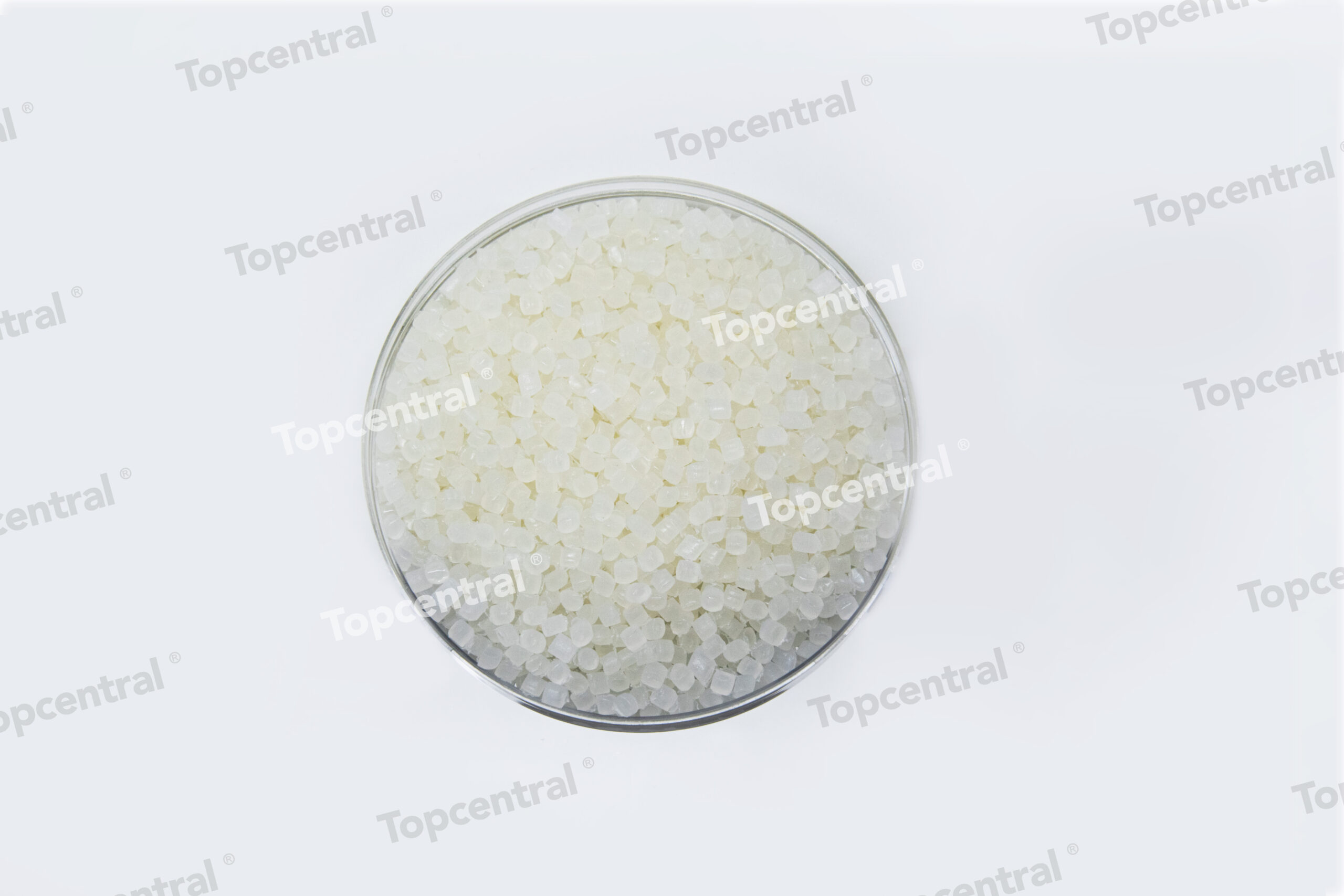
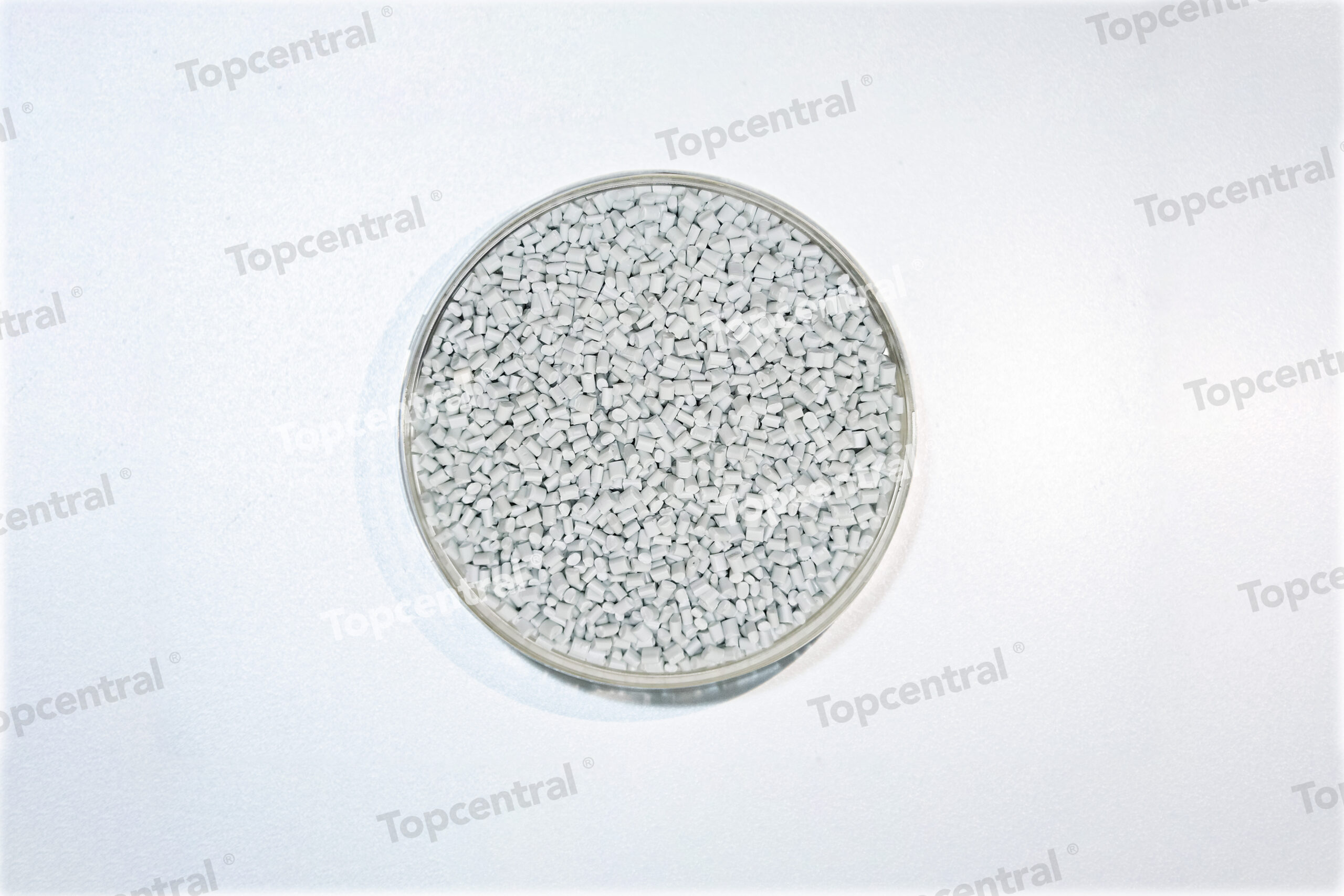
Before laboratory testing, conduct visual and physical inspection:
Visual Inspection Checklist:
– Color consistency (?E < 2.0 for premium grades)
– Surface defects (gels, black specks, flow lines)
– Odor (volatile organic compounds, residual contamination)
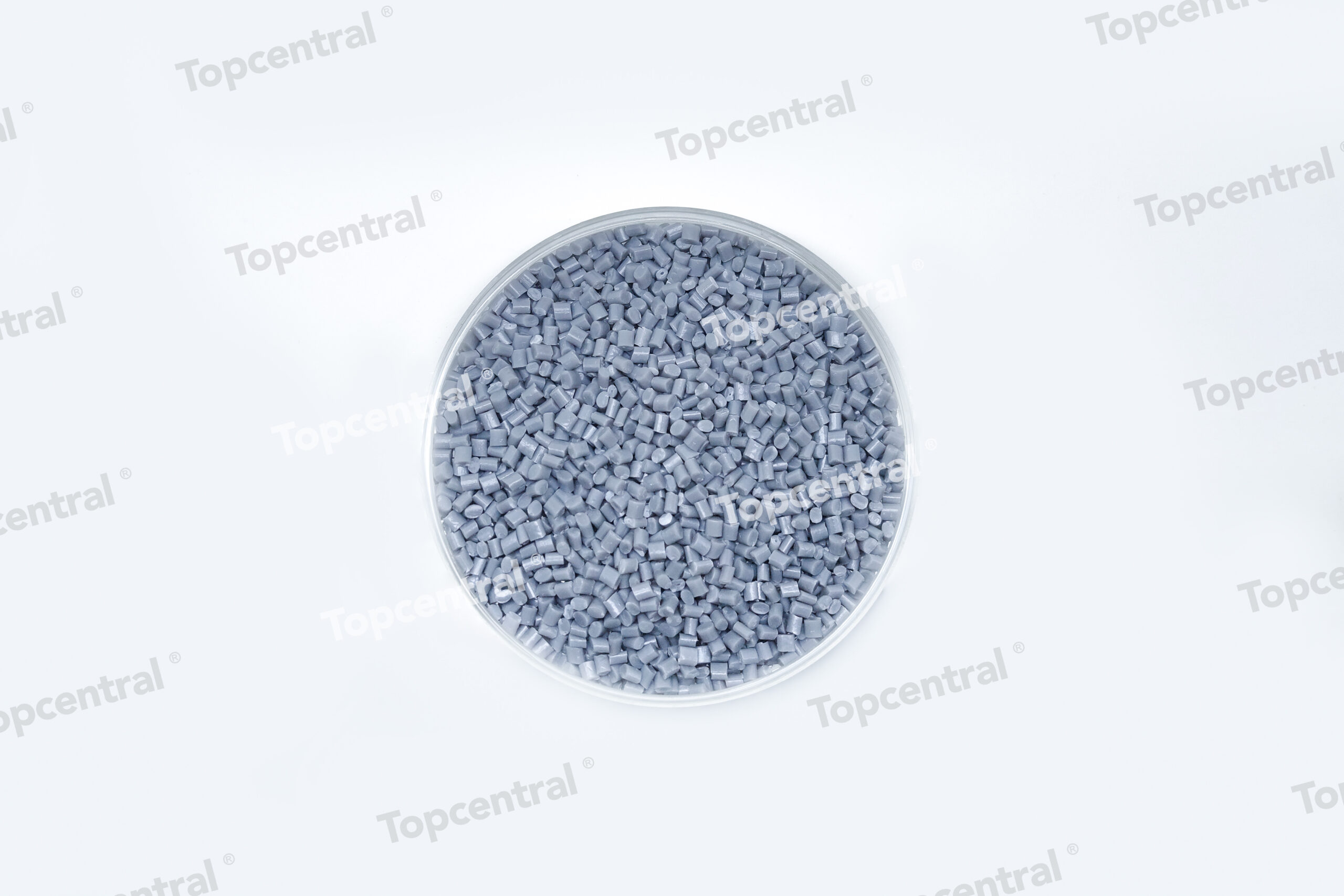
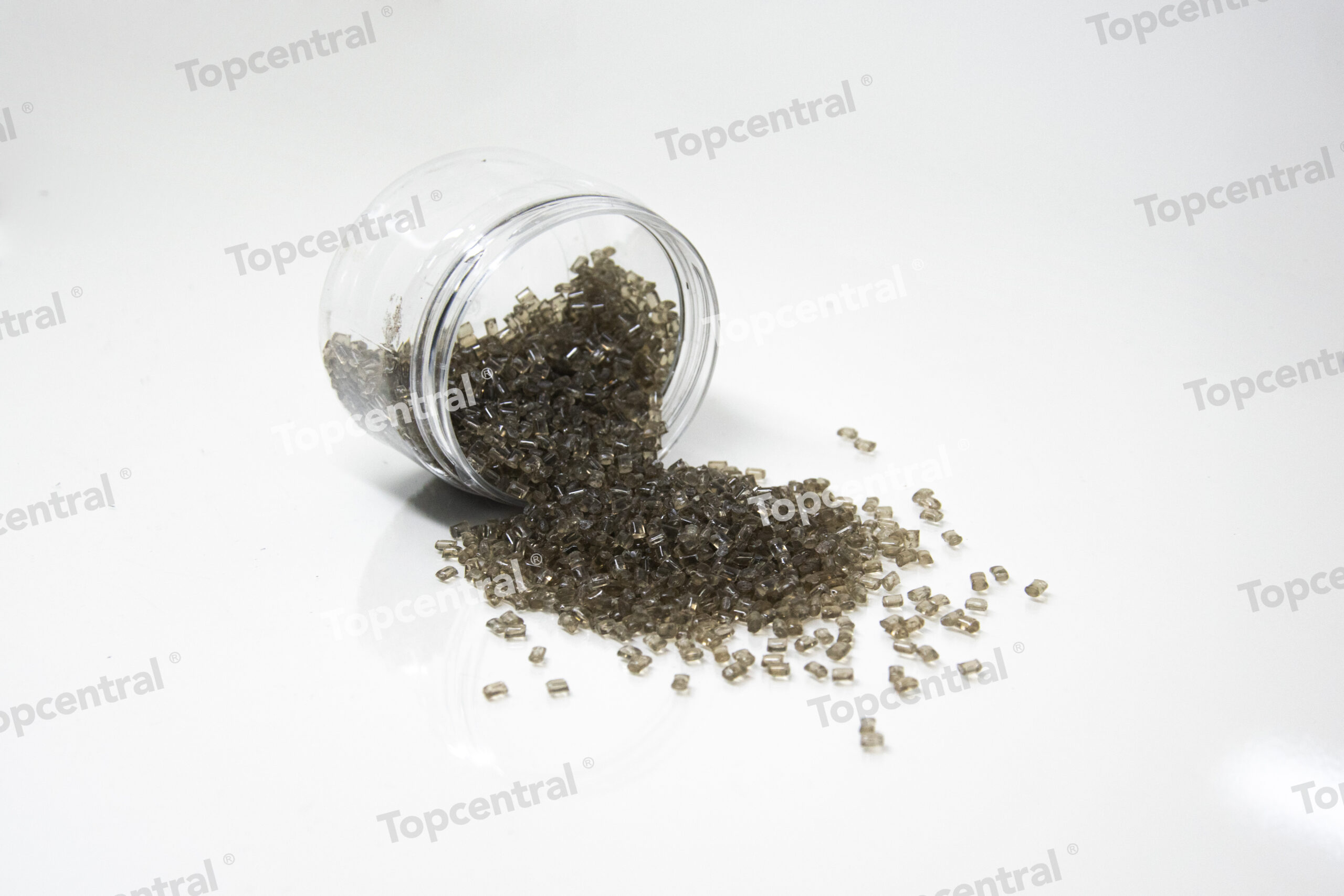
– Pellet geometry (uniformity, dust content)
Physical Properties:
– Bulk density (g/cm³)
– Moisture content (<0.2% for processing)
– Melt flow rate (MFR) stability
2.2 Mechanical Testing Requirements
Critical Parameters for Most Applications:
| Property | Test Method | Typical Range (PCR HDPE) | Virgin Benchmark |
|———-|————-|————————–|——————|
| Tensile Strength | ASTM D638 | 22-28 MPa | 25-30 MPa |
| Flexural Modulus | ASTM D790 | 900-1200 MPa | 1000-1300 MPa |
| Izod Impact (notched) | ASTM D256 | 40-80 J/m | 60-100 J/m |
| Elongation at Break | ASTM D638 | 150-400% | 300-600% |
| Melt Flow Rate | ASTM D1238 | 0.3-1.5 g/10min | 0.5-1.0 g/10min |
Note: PCR materials typically show 10-20% reduction in impact strength and elongation compared to virgin equivalents. Acceptable thresholds depend on application requirements.
2.3 Contamination Analysis
Common Contaminants and Detection Methods:
– Polymer cross-contamination – FTIR spectroscopy
– Paper/fiber residues – Sieve analysis, visual inspection
– Metals – Magnetic separation, X-ray fluorescence
– Moisture – Karl Fischer titration
– Volatile organics – GC-MS headspace analysis
Acceptance Criteria (Premium Grade):
– Non-polymer content: <0.5% by weight
– Polymer cross-contamination: <2% by weight
– Metal content: <50 ppm
– Moisture: 50% PCR content
Section 5: Practical Implementation Recommendations
5.1 Sample Evaluation Workflow
Step 1: Pre-Screening (Week 1)
– Request material data sheets (MDS) and safety data sheets (SDS)
– Verify certifications (GRS, ISCC PLUS, UL 2809)
– Conduct visual inspection of 5 kg sample
– Perform basic MFR and moisture testing
Step 2: Laboratory Testing (Week 2-3)
– Complete mechanical property testing
– Conduct contamination analysis
– Evaluate color consistency and odor
– Compare results against virgin benchmarks
Step 3: Processing Trial (Week 4-6)
– Run 100-500 kg through production equipment
– Document processing parameters (temperature, pressure, cycle time)
– Evaluate part quality, dimensional stability, and surface finish
– Measure scrap rate and energy consumption
Step 4: Full Qualification (Week 8-12)
– Production-scale run (1000-5000 kg)
– End-use performance testing
– Supply chain reliability assessment
– Cost analysis and TCO calculation
5.2 Risk Mitigation Strategies
Supply Variability:
– Qualify 2-3 suppliers for each PCR grade
– Maintain 4-6 weeks safety stock
– Establish contractual quality specifications with acceptance criteria
– Implement incoming quality control (IQC) protocols
Quality Inconsistency:
– Request batch-to-batch variability data (minimum 10 batches)
– Establish acceptable quality limits (AQL) for key parameters
– Implement real-time process monitoring during production
– Develop blending protocols with virgin material
Regulatory Changes:
– Subscribe to regulatory updates (PPWR, CBAM, EPR)
– Maintain certification documentation
– Conduct annual compliance audits
– Build relationships with certification bodies
5.3 Supplier Relationship Management
Key Performance Indicators (KPIs):
– On-time delivery rate (>95%)
– Quality rejection rate (<2%)
– Price stability (within ±5% quarterly)
– Certification maintenance (no lapses)
– Responsiveness to inquiries (<24 hours)
Contractual Considerations:
– Volume commitments with flexibility clauses
– Price adjustment mechanisms tied to virgin market indices
– Quality dispute resolution procedures
– Intellectual property protection (if applicable)
– Termination and transition assistance
Section 6: Future Trends and Strategic Considerations
6.1 Market Dynamics
Supply Growth Projections:
– Global PCR plastic supply expected to grow from 35 million tons (2023) to 55 million tons (2028)
– European PCR supply growth driven by PPWR mandates (25% recycled content by 2025, 30% by 2030)
– Asia-Pacific region emerging as major supplier, but quality variability remains high
Price Trends:
– PCR prices expected to approach virgin parity by 2026-2028
– Premium grades may command 5-10% premium over virgin by 2027
– Regulatory incentives will offset cost differentials
6.2 Technology Developments
Enabling Technologies:
– Advanced sorting (NIR, hyperspectral imaging)
– Enhanced washing (friction washers, sink-float separation)
– Deodorization (vacuum degassing, chemical treatment)
– Compatibilization (for multi-layer and mixed stream recycling)
Impact on Sample Evaluation:
– Improved batch-to-batch consistency (reducing testing frequency)
– Expanded application range (food contact, medical, automotive)
– Lower contamination levels (simplifying qualification)
6.3 Strategic Recommendations
Short-term (2024-2025):
– Qualify PCR sources for immediate PPWR compliance
– Establish internal testing capabilities for basic parameters
– Develop supplier scorecards and KPI tracking
– Implement PCR content tracking in ERP systems
Medium-term (2025-2027):
– Expand PCR usage to secondary applications
– Invest in processing equipment optimization for PCR
– Develop closed-loop recycling partnerships
– Achieve ISCC PLUS certification for mass balance approach
Long-term (2027-2030):
– Target 50%+ PCR content across product portfolio
– Integrate PCR into product design phase
– Develop proprietary PCR formulations
– Achieve carbon neutrality targets through PCR adoption
Key Takeaways
1. Start with certification verification: GRS, ISCC PLUS, and UL 2809 are non-negotiable for regulated markets. Request certificates before sample shipment.
2. Accept 10-20% property reduction: PCR materials inherently show lower impact strength and elongation. Design products to accommodate these differences rather than rejecting PCR outright.
3. Invest in processing trials: Laboratory testing alone is insufficient. Minimum 100 kg processing trials are essential to identify real-world issues.
4. Build supplier relationships: PCR supply is constrained. Long-term contracts with multiple suppliers reduce risk and improve pricing.
5. Calculate total cost of ownership: PCR may cost 10-40% less than virgin, but factor in processing adjustments, logistics, and certification costs.
6. Monitor regulatory developments: PPWR, CBAM, and EPR requirements are evolving. Compliance costs can exceed material cost savings if not managed proactively.
7. Implement quality control protocols: Incoming inspection, batch tracking, and supplier scorecards are essential for managing PCR variability.
Related Topics
– Mass Balance vs. Physical Segregation: Understanding chain of custody models for recycled content claims
– Food Contact Compliance: FDA and EU regulations for recycled plastics in food packaging
– Mechanical vs. Chemical Recycling: Technology comparison for procurement decision-making
– PCR in Injection Molding: Processing parameters and tooling considerations
– Carbon Footprint Verification: ISO 14067 and PAS 2050 methodologies for PCR products
– EPR Fee Optimization: Strategies for reducing producer responsibility fees through PCR content
– Supplier Auditing: Best practices for on-site supplier evaluation and quality system assessment
Further Reading
Industry Standards and Guidelines:
– APR Design Guide for Plastics Recyclability (Association of Plastic Recyclers)
– EuPR Recyclability Guidelines (European Plastics Recyclers)
– ISO 14021: Environmental Labels and Declarations
– UL 2809: Environmental Claim Validation for Recycled Content
Regulatory References:
– EU Packaging and Packaging Waste Regulation (PPWR) – Proposed Regulation 2022/0396
– EU Carbon Border Adjustment Mechanism (CBAM) – Regulation 2023/956
– Extended Producer Responsibility (EPR) – Various national implementations
Technical References:
– "Recycled Plastics: Processing, Properties, and Applications" – Journal of Applied Polymer Science
– "Quality Assessment of Post-Consumer Recycled Plastics" – Waste Management & Research
– "Melt Flow Index and Mechanical Properties of Recycled HDPE" – Polymer Testing
Market Reports:
– "Global Recycled Plastics Market Report" – Grand View Research (Annual)
– "European Plastics Recycling Market Analysis" – AMI Consulting
– "PCR Plastic Pricing and Supply Outlook" – ICIS Recycling
Certification Bodies:
– Textile Exchange (GRS certification)
– ISCC (ISCC PLUS certification)
– UL (UL 2809 validation)
– SCS Global Services (Recycled content certification)
This guide is intended for professional procurement teams evaluating PCR plastic samples. Specific technical parameters and pricing data should be verified with current suppliers and testing laboratories. Regulatory requirements vary by jurisdiction and application. Consult with legal and compliance teams for specific regulatory obligations.
Content Verification Annotation
EID: EID-19F07431-5723
Content Tier: Cæ¡£ (~2,468 words)
Verification Status: Reviewed – Pre-Constitution Content (L4)
Review Date: 2026-06-21