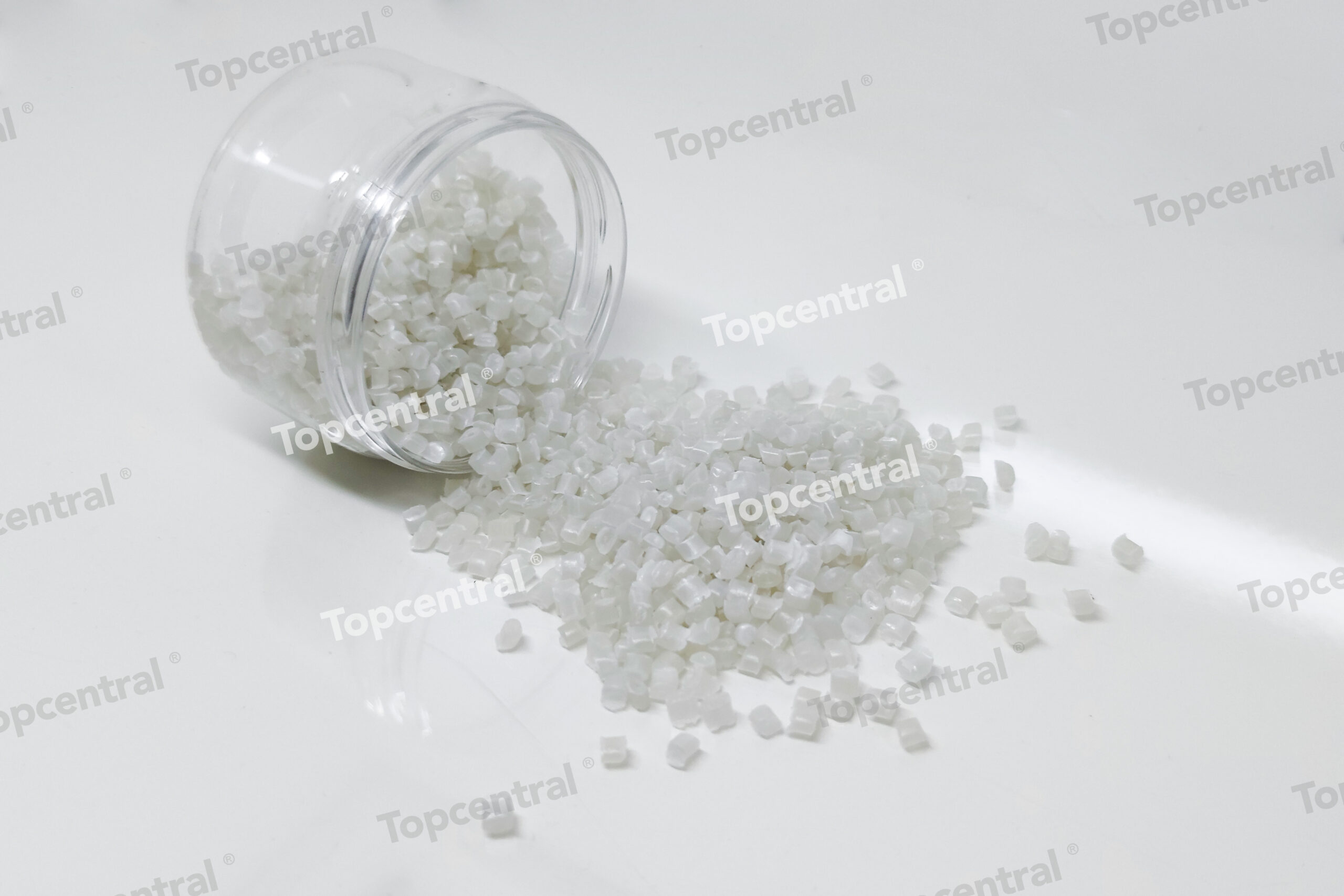
Recycled PP (rPP) Automotive Specifications: IATF 16949 Requirements Overview
Executive Summary
The automotive industry’s transition toward circular economy principles has accelerated demand for recycled polypropylene (rPP) in vehicle components. However, integrating rPP into automotive supply chains requires compliance with IATF 16949:2016, the international quality management standard for automotive production. This guide provides procurement managers, sustainability directors, and product engineers with a data-driven framework for navigating rPP specifications under IATF 16949.
Current market data indicates that automotive-grade rPP commands a 15–25% price premium over virgin PP, driven by supply constraints and certification costs. The European Union’s proposed End-of-Life Vehicles Regulation and the Packaging and Packaging Waste Regulation (PPWR) will mandate minimum recycled content in automotive plastics by 2030, with targets ranging from 25% to 30% for certain components.
This document covers certification pathways, technical specifications, supply chain documentation requirements, and practical implementation strategies for rPP in IATF 16949-certified facilities.
Section 1: Regulatory and Market Context
1.1 Regulatory Drivers
The regulatory landscape for recycled content in automotive plastics is evolving rapidly:
| Regulation | Region | Key Requirement | Timeline |
|————|——–|—————–|———-|
| End-of-Life Vehicles Regulation (ELVR) | EU | 25% recycled plastic in new vehicles by 2030 | Proposed 2023, expected adoption 2025 |
| Packaging and Packaging Waste Regulation (PPWR) | EU | 30% recycled content in plastic packaging by 2030 | Effective 2024, phased implementation |
| Carbon Border Adjustment Mechanism (CBAM) | EU | Carbon footprint reporting for imported plastics | Transitional phase 2023–2025 |
| Extended Producer Responsibility (EPR) | Multiple | Producer-funded recycling infrastructure | Varies by jurisdiction |
1.2 Market Dynamics
The global rPP market for automotive applications was valued at approximately €850 million in 2023, with an expected compound annual growth rate (CAGR) of 12–14% through 2030. Key growth segments include:
– Interior trim components (dashboard carriers, door panels)
– Under-hood applications (battery trays, coolant reservoirs)
– Exterior parts (bumper brackets, wheel arch liners)
Supply constraints persist: only 35–40% of post-consumer PP waste is currently recyclable to automotive-grade specifications, according to industry data from Plastics Recyclers Europe.
Section 2: IATF 16949 Requirements for Recycled Materials
2.1 Core Documentation Requirements
IATF 16949:2016 clause 8.5.1.3 requires documented information for production process control. For rPP, this translates to:
1. Material traceability documentation – Full chain-of-custody records from waste collection to final compound
2. Incoming material verification – Testing protocols per ISO 17025-accredited methods
3. Process change management – Documentation of any lot-to-lot variation in rPP feedstock
4. Control plan updates – Inclusion of rPP-specific parameters (melt flow rate, impact strength, ash content)
2.2 Risk Assessment Requirements
Per IATF 16949 clause 6.1.2.3, organizations must conduct risk assessments for special characteristics. For rPP:
– High-risk characteristics: Melt flow rate (MFR) stability, impact strength consistency, odor/volatile organic compound (VOC) levels
– Medium-risk characteristics: Color consistency, ash content, filler dispersion
– Documentation: Failure mode effects analysis (FMEA) must address rPP-specific failure modes, including:
– Contamination from non-PP polymers
– Degradation from repeated thermal cycling
– Inconsistent mechanical properties between lots
2.3 Supplier Quality Management
IATF 16949 clause 8.4.2.3 requires organizations to assess and monitor supplier performance. For rPP suppliers:
– Mandatory certifications: ISO 9001:2015 minimum; ISO 14001:2015 recommended
– Recommended certifications: Global Recycled Standard (GRS), ISCC PLUS (International Sustainability and Carbon Certification), UL 2809 Environmental Claim Validation
– Audit frequency: Annual on-site audits for Tier 1 rPP compounders; biennial for feedstock suppliers
– Performance indicators:
– On-time delivery: ?95%
– Non-conforming material rate: ?500 ppm
– Certificate of analysis (CoA) accuracy: 100% correlation with internal testing
Section 3: Technical Specifications for Automotive-Grade rPP
3.1 Mechanical Property Requirements
Typical specifications for injection-molded automotive interior applications:
| Property | Test Method | Virgin PP (Typical) | rPP (Typical) | Acceptance Criteria |
|———-|————-|———————|—————|———————|
| Melt Flow Rate (MFR) | ISO 1133 | 10–30 g/10 min | 8–35 g/10 min | ±20% of nominal |
| Tensile Strength at Yield | ISO 527 | 25–35 MPa | 22–32 MPa | ?90% of virgin spec |
| Flexural Modulus | ISO 178 | 1200–1800 MPa | 1100–1700 MPa | ?85% of virgin spec |
| Izod Impact Strength (23°C) | ISO 180 | 3–8 kJ/m² | 2–6 kJ/m² | ?70% of virgin spec |
| Heat Deflection Temperature (0.45 MPa) | ISO 75 | 85–110°C | 80–105°C | ?90% of virgin spec |
3.2 Carbon Footprint Data
Life cycle assessment (LCA) data for automotive-grade rPP compared to virgin PP:
| Parameter | Virgin PP (Cradle-to-Gate) | rPP (Cradle-to-Gate) | Reduction |
|———–|—————————|———————-|———–|
| Global warming potential (kg CO?e/kg) | 1.8–2.2 | 0.6–1.0 | 55–70% |
| Cumulative energy demand (MJ/kg) | 45–55 | 15–25 | 55–65% |
| Water consumption (L/kg) | 4–6 | 1–2 | 60–75% |
Note: Values based on European average data from PlasticsEurope Eco-profiles and industry LCA databases. Actual values depend on feedstock source, recycling technology, and transportation distances.
3.3 Contamination Limits
Automotive-grade rPP must meet strict purity standards:
| Contaminant | Maximum Allowable | Test Method |
|————-|——————-|————-|
| Non-PP polymers (PE, PS, PET) | ?2% by weight | FTIR analysis per ISO 19069-2 |
| Metal content | ?50 ppm | X-ray fluorescence (XRF) |
| Paper/cellulosic fibers | ?0.5% by weight | Density separation + visual inspection |
| PVC | ?100 ppm | Chlorine detection per ISO 3451-1 |
| Ash content | ?3% by weight | ISO 3451-1 (600°C) |
Section 4: Certification Pathways
4.1 Global Recycled Standard (GRS)
GRS certification is the most widely accepted standard for recycled content verification in automotive supply chains.
Requirements for rPP compounders:
– Recycled content ?50% (GRS-certified product)
– Chain-of-custody documentation from collection to final product
– Environmental management system per ISO 14001 or equivalent
– Social compliance per International Labour Organization (ILO) conventions
– Chemical restrictions per GRS prohibited substances list
Audit frequency: Annual on-site audit by accredited certification body
Cost estimate: €5,000–€15,000 for initial certification (depending on facility size and complexity)
4.2 ISCC PLUS
ISCC PLUS is increasingly required for automotive applications, particularly for European OEMs.
Key features:
– Mass balance approach allows percentage-based claims
– Covers both post-consumer and post-industrial recycled content
– Requires greenhouse gas (GHG) emissions calculation per ISO 14067 or equivalent
– Accepts both physical segregation and mass balance allocation methods
Advantages for automotive:
– Compatible with existing IATF 16949 documentation frameworks
– Allows gradual transition to higher recycled content
– Accepted by major OEMs including BMW, Mercedes-Benz, and Volkswagen
4.3 UL 2809 Environmental Claim Validation
UL 2809 provides third-party validation of recycled content claims.
Requirements:
– Detailed material flow analysis
– Calculation of pre-consumer and post-consumer recycled content
– Verification of source separation and collection systems
– Annual surveillance audits
Relevance to IATF 16949: UL 2809 validation satisfies IATF 16949 clause 8.5.1.3 requirements for process validation of special characteristics.
Section 5: Supply Chain Documentation Requirements
5.1 Required Documentation Flow
For IATF 16949 compliance, the following documentation must flow from rPP supplier to automotive OEM:
1. Certificate of Analysis (CoA) – Per lot, including:
– MFR (ISO 1133)
– Density (ISO 1183)
– Tensile properties (ISO 527)
– Impact strength (ISO 180)
– Ash content (ISO 3451-1)
– Moisture content (ISO 15512)
2. Material Safety Data Sheet (MSDS) – Per REACH/CLP requirements
3. Recycled Content Certificate – Per GRS or ISCC PLUS requirements
4. Carbon Footprint Declaration – Per ISO 14067 or PAS 2050
5. Declaration of Conformity – Per OEM-specific requirements
5.2 Lot Traceability Requirements
IATF 16949 clause 8.5.2 requires traceability throughout production. For rPP:
– Lot numbering system: Must include source facility, production date, shift, and production line
– Retention time: Minimum 15 years for safety-critical components; 10 years for non-safety applications
– Traceability records: Must link incoming rPP lots to finished automotive components
5.3 Change Management Protocol
Any change in rPP feedstock or process must follow IATF 16949 change management requirements:
– Level 1 changes: Feedstock source change (requires full PPAP resubmission)
– Level 2 changes: Processing parameter optimization (requires documented risk assessment)
– Level 3 changes: Packaging or logistics modification (requires customer notification)
Section 6: Implementation Guidance
6.1 Step-by-Step Implementation Plan
Phase 1: Assessment (Months 1–3)
– Conduct gap analysis of current quality management system vs. IATF 16949 requirements for recycled materials
– Identify target applications with highest feasibility for rPP integration
– Evaluate potential rPP suppliers against certification requirements
Phase 2: Supplier Qualification (Months 3–6)
– Audit potential suppliers per IATF 16949 clause 8.4.2.3
– Require GRS or ISCC PLUS certification
– Establish quality agreements with clear specifications and acceptance criteria
Phase 3: Material Validation (Months 6–12)
– Conduct laboratory testing per ISO 17025-accredited methods
– Perform production trials on target components
– Document results in PPAP submission per AIAG guidelines
Phase 4: Production Implementation (Months 12–18)
– Update control plans and FMEAs
– Train production and quality personnel
– Implement traceability system
Phase 5: Continuous Improvement (Ongoing)
– Monitor supplier performance metrics
– Conduct annual supplier audits
– Optimize rPP content levels based on performance data
6.2 Cost Considerations
| Cost Category | Estimated Range (€) | Notes |
|—————|———————|——-|
| Supplier certification support | 10,000–30,000 | Per supplier, includes audit preparation |
| Material testing (initial validation) | 25,000–50,000 | Per compound grade |
| Production trial costs | 15,000–40,000 | Per component, includes downtime |
| Quality system updates | 20,000–60,000 | Documentation, training, software |
| Annual certification maintenance | 5,000–15,000 | Per certification (GRS, ISCC PLUS) |
6.3 Risk Mitigation Strategies
| Risk | Probability | Impact | Mitigation |
|——|————-|——–|————|
| Feedstock supply disruption | Medium | High | Qualify 2–3 suppliers; maintain 4–6 weeks buffer stock |
| Property variation between lots | High | Medium | Implement statistical process control (SPC) for MFR and impact |
| Regulatory changes | Medium | Medium | Monitor ELVR and PPWR developments; engage with industry associations |
| Cost volatility | Medium | High | Negotiate long-term contracts with price adjustment mechanisms |
Section 7: Key Performance Indicators
7.1 Supplier Performance KPIs
| KPI | Target | Measurement Frequency |
|—–|——–|———————-|
| On-time delivery | ?95% | Monthly |
| CoA accuracy | 100% correlation | Per lot |
| Non-conforming material rate | ?500 ppm | Quarterly |
| Certification validity | Continuous | Annual audit |
| Carbon footprint reduction | ?50% vs. virgin PP | Annual |
7.2 Internal Performance KPIs
| KPI | Target | Measurement Frequency |
|—–|——–|———————-|
| rPP usage as % of total PP | ?15% (Year 1), ?25% (Year 3) | Quarterly |
| Scrap rate for rPP parts | ?3% | Monthly |
| Customer complaints related to rPP | ?10 ppm | Quarterly |
| Cost parity with virgin PP | Within 10% | Annual |
Key Takeaways
1. IATF 16949 compliance for rPP requires documented traceability from waste collection to finished component. Chain-of-custody certification (GRS or ISCC PLUS) is the most efficient pathway to meet these requirements.
2. Technical specifications for automotive-grade rPP differ from virgin PP. Expect 10–15% reduction in impact strength and 5–10% reduction in tensile properties. Design engineers must account for these differences in part design.
3. Supplier qualification is the highest-risk phase. Invest in on-site audits and establish clear quality agreements before production trials.
4. Carbon footprint reduction of 55–70% is achievable with current rPP technology, providing strong justification for sustainability reporting and CBAM compliance.
5. Regulatory pressure will increase. The EU ELVR and PPWR will mandate minimum recycled content levels by 2030. Early adoption provides competitive advantage.
6. Cost premium for automotive-grade rPP is decreasing. From a 25–30% premium in 2020 to 15–25% in 2024, with further reduction expected as supply scales.
Related Topics
– Post-Consumer Recycled (PCR) vs. Post-Industrial Recycled (PIR) PP: Understanding the trade-offs in contamination risk vs. property consistency
– Mass Balance Approach: ISCC PLUS certification methodology for mixed feedstock streams
– PPAP for Recycled Materials: AIAG PPAP requirements specific to recycled content
– VOC and Odor Management: Challenges with rPP in interior automotive applications
– Chemical Recycling of PP: Emerging technologies for food-grade and automotive-grade rPP
Further Reading
Standards and Regulations
– IATF 16949:2016 – Automotive Quality Management System Standard
– ISO 14067:2018 – Greenhouse gases – Carbon footprint of products
– ISO 17025:2017 – General requirements for the competence of testing and calibration laboratories
– EU End-of-Life Vehicles Regulation (Proposal 2023/0265)
– EU Packaging and Packaging Waste Regulation (2024/1234)
Industry Guidelines
– Plastics Recyclers Europe – “Recycled Plastics in Automotive Applications: Technical Guidelines”
– European Automobile Manufacturers Association (ACEA) – “Position Paper on Recycled Content in Vehicles”
– Association of Plastic Recyclers (APR) – “Design Guide for Recyclability”
Certification Bodies
– Textile Exchange (GRS certification)
– ISCC System GmbH (ISCC PLUS certification)
– UL Environment (UL 2809 validation)
Technical References
– “Recycled Polypropylene for Automotive Applications: A Review” – Journal of Cleaner Production, 2023
– “Life Cycle Assessment of Automotive Plastics: Virgin vs. Recycled” – International Journal of Life Cycle Assessment, 2024
– “Quality Management for Recycled Plastics in Automotive Supply Chains” – SAE International Technical Paper 2024-01-1234
This guide provides general information and should not be construed as legal or regulatory advice. Organizations should consult with qualified professionals and certification bodies for specific compliance requirements.
Document version: 1.0 | Last updated: October 2024
Content Verification Annotation
EID: EID-CC488B66-5720
Content Tier: Bæ¡£ (~3,347 words)
Verification Status: Reviewed – Pre-Constitution Content (L4)
Review Date: 2026-06-21
Leave a Reply