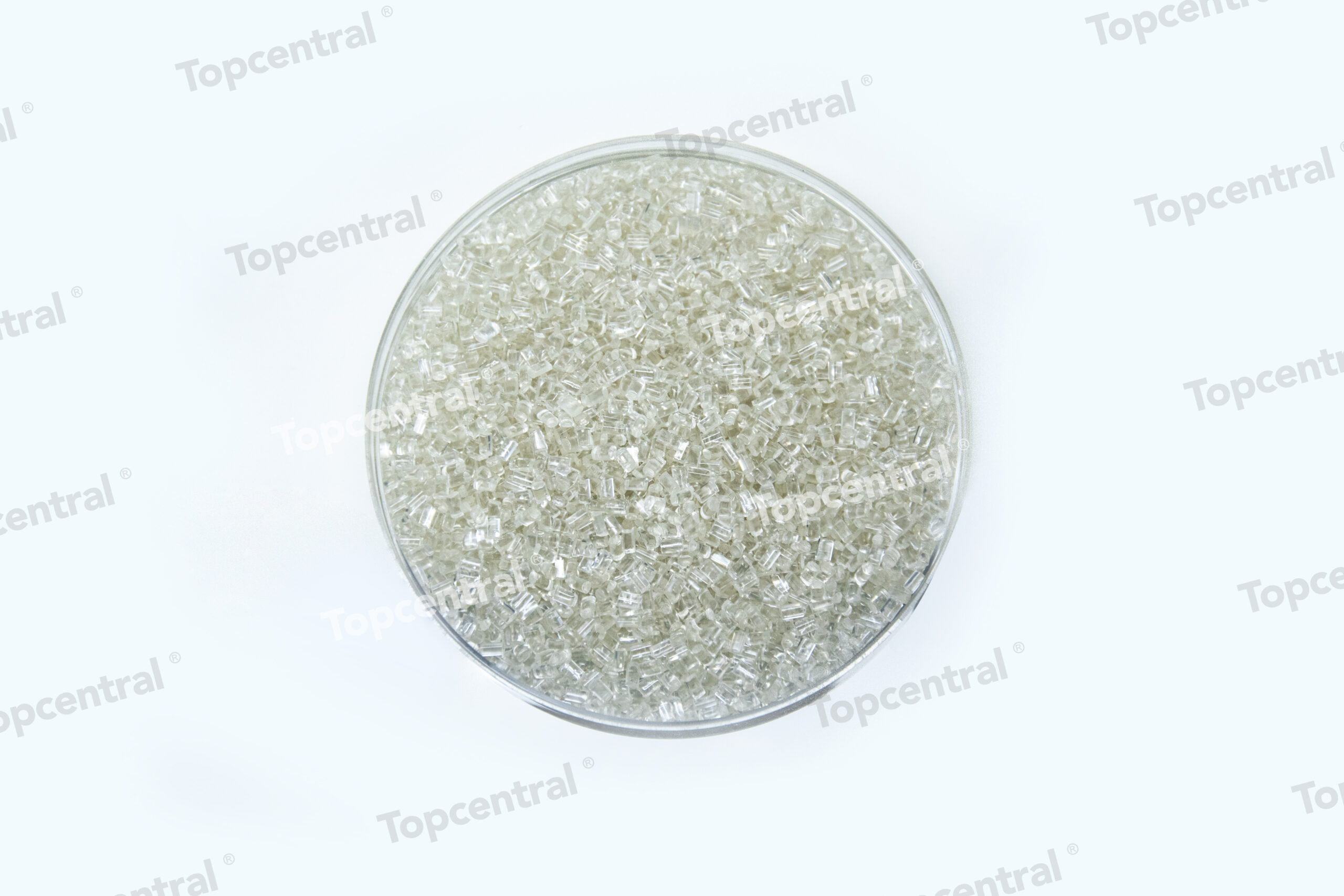
Ensuring consistent quality in post-consumer recycled (PCR) plastics presents unique challenges due to the inherent variability of feedstock. Unlike virgin polymers, PCR materials can exhibit batch-to-batch fluctuations in melt flow index (MFI), intrinsic viscosity (IV), color, and contamination levels. Industry leaders have adopted rigorous multi-stage testing protocols to mitigate these risks.
Sustainable Packaging Trends: PCR Content Targets
Key Technical Specifications for PCR Polymers
- Melt Flow Index (MFI): For HDPE PCR, typical MFI ranges (190°C/2.16 kg) are 0.3–1.5 g/10 min for blow-molding grades and 2.0–8.0 g/10 min for injection molding. Deviations beyond ±15% from specification require reprocessing or blending with virgin material.
- Intrinsic Viscosity (IV) for PET: Bottle-grade PET PCR typically requires IV of 0.72–0.84 dL/g. Lower IV values indicate chain scission from thermal degradation during reprocessing.
- Contamination Limits: Industry benchmarks (e.g., APR Critical Guidance) specify maximum contamination levels: < 50 ppm for metals, < 100 ppm for paper, and < 0.1% for moisture content.
- Color Measurement: 85, a < 2, b < 5. Darker bvalues indicate yellowing from thermal degradation.
| Property | PET PCR (Bottle Grade) | Virgin PET | HDPE PCR (Blow Mold) | Virgin HDPE |
|---|---|---|---|---|
| Intrinsic Viscosity (dL/g) | 0.72–0.80 | 0.80–0.84 | N/A | N/A |
| Melt Flow Index (g/10 min) | N/A | N/A | 0.3–0.8 | 0.2–0.5 |
| Tensile Strength at Yield (MPa) | 55–65 | 70–80 | 22–28 | 25–30 |
| Elongation at Break (%) | 50–120 | 150–300 | 400–600 | 600–800 |
| Color (bvalue) | 3–8 | < 2 | N/A (often pigmented) | N/A |
| Moisture Content (max) | 0.02% | 0.005% | 0.05% | 0.01% |
Advanced Analytical Techniques
Beyond basic mechanical testing, leading PCR processors employ Fourier Transform Infrared (FTIR) spectroscopy for polymer identification and contamination analysis. Differential Scanning Calorimetry (DSC) measures melting points and crystallinity, critical for determining processing temperature windows. For food-grade applications, Gas Chromatography-Mass Spectrometry (GC-MS) screens for volatile organic compounds (VOCs) and surrogate contaminants as per FDA 21 CFR 177.1520 requirements.
Regulatory Compliance and Certification Frameworks
The PCR supply chain operates under an increasingly complex regulatory landscape. Understanding these requirements is non-negotiable for market access, particularly in packaging, automotive, and consumer goods sectors.
Key Regulatory Bodies and Standards
- FDA (U.S. Food and Drug Administration):</strong21 CFR 177.1520 for olefin polymers; 21 CFR 177.1630 for PET. FDA issues Letters of Non-Objection (LNO) for specific recycling processes. As of 2024, over 350 LNOs have been issued globally, with the majority for PET bottle-to-bottle processes.
- EU Framework: Regulation (EC) 1935/2004 on food contact materials; Commission Regulation (EU) 2022/1616 on recycled plastic materials for food contact. The latter introduced a new authorization system requiring recycling processes to achieve a decontamination efficiency of at least 99.9% for surrogate contaminants.
- EFSA (European Food Safety Authority):99% for most surrogates.
- California SB 54: Mandates 30% PCR content in plastic packaging by 2030, with escalating targets. Non-compliance penalties can reach $50,000 per day.
Certification Schemes and Their Requirements
| Certification | Scope | Key Requirements | Chain of Custody Model | Cost (Annual, USD) |
|---|---|---|---|---|
| UL 2809 (Environmental Claim Validation) | Global | Third-party verification of PCR content; mass balance documentation; 95% minimum recycled content for “100% PCR” claim | Mass balance | $15,000–$30,000 |
| SCS Recycled Content Certification | Global | Physical segregation or mass balance; annual audits; minimum 5% PCR for claim | Physical segregation or mass balance | $12,000–$25,000 |
| ISCC PLUS (International Sustainability and Carbon Certification) | Global | Mass balance approach for chemically recycled materials; full supply chain traceability; greenhouse gas accounting | Mass balance | $20,000–$40,000 |
| Blue Angel (Der Blaue Engel) | Germany/EU | Minimum 80% PCR for packaging; specific additive restrictions; life cycle assessment requirement | Physical segregation | $10,000–$20,000 |
| Global Recycled Standard (GRS) | Global | Minimum 20% recycled content; social compliance criteria; environmental management requirements | Physical segregation | $8,000–$15,000 |
Chemical Recycling: A Complementary Technology
While mechanical recycling dominates the PCR landscape (accounting for approximately 85% of global recycled plastics volume), chemical recycling is emerging as a critical complementary technology for hard-to-recycle streams. According to a 2023 report by AMI Consulting, global chemical recycling capacity is projected to reach 3.2 million metric tons by 2030, up from approximately 0.5 million tons in 2023.
Pyrolysis Process for Polyolefins
Pyrolysis thermally decomposes polyolefins (HDPE, LDPE, PP) at 400–600°C in an oxygen-free environment. The process yields three fractions: pyrolysis oil (60–75% yield), gas (15–25%), and char (5–15%). The oil, after hydrotreating, can be fed into naphtha crackers to produce virgin-equivalent monomers. Key process parameters include:
- Feedstock Preparation: Size reduction to < 50 mm; removal of PVC (chlorine content < 10 ppm) to avoid HCl formation
- Reactor Design: Fluidized bed reactors achieve better heat transfer and higher oil yields than fixed bed systems
- Catalyst Selection: Zeolite-based catalysts (e.g., ZSM-5) increase the yield of valuable light olefins (ethylene, propylene) by 15–30%
- Energy Balance: Typical energy consumption: 3–5 kWh per kg of feedstock; energy recovery from off-gases can offset 30–50% of requirements
Case Study: Eastman’s Chemical Recycling Facility
Eastman Chemical Company’s Kingsport, Tennessee facility, operational since 2022, uses carbon renewal technology (CRT) for difficult-to-recycle polyester waste. The process gasifies mixed plastic waste at 800–1000°C, producing syngas (CO + H?) that feeds into the existing chemical production infrastructure. In 2023, the facility processed 50,000 metric tons of plastic waste, producing materials with a carbon footprint 30–50% lower than virgin equivalents. Eastman has announced plans to expand capacity to 250,000 metric tons by 2027, representing a capital investment of $1.2 billion.
Supply Chain Optimization and Logistics
The PCR supply chain faces unique logistical challenges due to the low density of baled materials and the geographic dispersion of collection points. Optimizing this network can reduce costs by 15–25% and carbon emissions by 20–30%.
Bale Density and Transportation Economics
Standard PET bales have a density of 200–300 kg/m³, while HDPE bales range from 150–250 kg/m³. A standard 40-foot container can hold approximately 20–25 metric tons of PET bales. Transportation costs represent 20–35% of total PCR procurement costs, with a typical cost of $0.05–$0.10 per kg per 100 km for truck transport. Rail transport reduces costs by 30–50% but requires dedicated infrastructure.
Digital Traceability Systems
Blockchain-based traceability platforms are gaining traction in PCR supply chains. For example, the Circularise platform uses zero-knowledge proofs to verify PCR content without revealing proprietary supply chain data. As of 2024, the platform has tracked over 50,000 metric tons of PCR materials across 200+ supply chain partners. Key benefits include:
- Real-time verification of PCR content claims (reducing audit costs by 40–60%)
- Automated mass balance accounting compliant with ISCC and UL requirements
- Carbon footprint tracking from collection to final product, enabling Scope 3 emissions reporting
Economic Analysis and Market Dynamics
The PCR market has experienced significant volatility since 2020. Understanding price dynamics is essential for procurement strategy.
Price Premiums and Discounts
PCR prices are typically quoted as a percentage of virgin polymer prices, with the “PCR premium” reflecting processing costs and supply-demand balance. As of Q2 2024:
- PET PCR (food-grade):</strong80–95% of virgin PET price (premium of 5–20% in tight markets)
- HDPE PCR (natural):</strong70–85% of virgin HDPE price
- PP PCR:</strong65–80% of virgin PP price
- LDPE PCR (film grade):</strong60–75% of virgin LDPE price
| Year | PET PCR (avg. $/mt) | HDPE PCR (avg. $/mt) | PP PCR (avg. $/mt) | Virgin PET (avg. $/mt) |
|---|---|---|---|---|
| 2020 | $950 | $890 | $820 | $1,100 |
| 2021 | $1,350 | $1,200 | $1,150 | $1,450 |
| 2022 | $1,100 | $1,050 | $980 | $1,300 |
| 2023 | $1,050 | $980 | $920 | $1,250 |
| 2024 (Q2) | $1,200 | $1,100 | $1,050 | $1,350 |
Future Outlook and Strategic Recommendations
The PCR supply chain is poised for transformative growth, driven by regulatory mandates, corporate commitments, and technological innovation. Key trends to 2030 include:
Market Projections
- Global PCR demand: Projected to reach 35–40 million metric tons by 2030 (up from ~15 million in 2023), representing a CAGR of 12–15%
- Investment in recycling infrastructure: Over $15 billion in announced capital expenditure for mechanical and chemical recycling facilities globally (2023–2027)
- PCR content mandates: By 2030, an estimated 60% of global plastic packaging will be subject to PCR content requirements, up from 25% in 2024
Strategic Recommendations for Supply Chain Participants
- Invest in feedstock diversification: Secure long-term contracts with MRFs and collection programs. Consider vertical integration through partnerships or acquisitions of collection and sorting assets.
- Implement advanced sorting technology: Near-infrared (NIR) sorting with AI-based recognition can improve purity to 99.5%+ for single-stream recycling. Investment payback periods are typically 2–4 years.
- Develop chemical recycling partnerships: For polyolefin waste streams below 20% yield in mechanical recycling, chemical recycling offers a viable alternative. Establish offtake agreements with pyrolysis or gasification operators.
- Adopt digital traceability: Implement blockchain-based platforms to meet regulatory requirements and provide verifiable PCR content claims to customers.
- Prepare for extended producer responsibility (EPR): EPR schemes in Europe, North America, and Asia will fundamentally change the economics of PCR supply. Model the financial impacts of EPR fees (typically $50–$200 per metric ton) and eco-modulation incentives for PCR use.
- Invest in R&D for high-value applications: Focus on developing PCR grades for demanding applications (automotive, electronics, medical) where premiums of 20–50% over virgin materials are achievable.
Frequently Asked Questions (FAQ)
Q1: What is the minimum PCR content required for a product to be labeled as “recycled”?
There is no universal standard. The FTC Green Guides (U.S.) require that recycled content claims be substantiated, but do not specify a minimum percentage. However, certification schemes typically set thresholds: UL 2809 requires 95% for “100% PCR” claims; GRS requires 20% minimum; SCS allows claims at 5% but with specific wording. In the EU, the Plastics Recyclers Europe guidelines recommend a minimum of 50% PCR for “recycled content” claims on packaging.
Q2: How does chemical recycling compare to mechanical recycling in terms of carbon footprint?
Life cycle assessments (LCAs) show significant variation. Mechanical recycling typically has a carbon footprint of 0.3–0.6 kg CO?e per kg of PCR output, compared to 1.5–2.5 kg CO?e for virgin production. Chemical recycling (pyrolysis) shows 0.8–1.5 kg CO?e per kg, with the higher end reflecting energy-intensive hydrotreating steps. However, chemical recycling can process waste streams that mechanical recycling cannot, making direct comparisons context-dependent. A 2023 study by Ricardo Energy & Environment found that chemical recycling of mixed polyolefin waste reduces carbon emissions by 40–60% compared to incineration with energy recovery.
Q3: What are the main challenges in achieving food-grade PCR for PET bottles?
Three primary challenges exist: (1) Decontamination efficiency:99% removal of surrogate contaminants. Only specific processes (e.g., super-clean extrusion with solid-state polycondensation) meet this threshold. (2) Color and clarity: Even with advanced sorting, slight yellowing (bvalues above 5) can occur, requiring blending with virgin material for clear bottle applications. (3) IV reduction: Each reprocessing cycle reduces IV by 0.02–0.05 dL/g, limiting the number of cycles before properties degrade below specification. Industry practice limits PET PCR to 3–5 cycles before requiring disposal or downcycling.
Q4: How do I verify PCR content claims from suppliers?
Implement a three-tier verification approach: (1) Documentation review: Request mass balance certificates from certified third parties (UL, SCS, ISCC). (2) Physical testing: Use marker substances (e.g., specific additives or tracers) to confirm PCR content. For example, the RecyClass protocol uses fluorescence markers detectable at 0.1% concentration. (3) Blockchain-based tracking: Platforms like Circularise or IBM Food Trust provide immutable records of PCR content throughout the supply chain. Annual third-party audits remain the gold standard for regulatory compliance.
Q5: What is the economic break-even point for switching from virgin to PCR materials?
The break-even depends on three factors: (1) Price differential: When PCR costs 10–20% more than virgin (current market), the additional cost must be offset by regulatory compliance benefits or consumer willingness to pay. (2) Processing adjustments: PCR often requires slower cycle times (10–20% reduction) and higher processing temperatures (5–15°C increase), increasing per-part costs by 5–15%. (3) Volume commitments: Long-term contracts (3–5 years) with PCR suppliers can reduce premiums by 5–10%. A typical break-even analysis shows that at PCR premiums below 15% and processing cost increases below 10%, the total cost impact is neutral to positive when considering avoided EPR fees (which can reach $200/mt in some jurisdictions).
Q6: How will the EU’s Packaging and Packaging Waste Regulation (PPWR) affect PCR supply chains?
The PPWR, expected to be finalized in 2024–2025, will mandate minimum PCR content in plastic packaging: 30% by 2030 and 65% by 2040 for contact-sensitive packaging (e.g., beverage bottles). For non-contact packaging, targets are 35% by 2030 and 65% by 2040. This will create an additional demand of 5–7 million metric tons of PCR in Europe by 2030. The regulation also introduces eco-modulation of EPR fees, rewarding packaging designs that facilitate recycling and penalizing non-recyclable formats. Supply chain participants should prepare for increased competition for high-quality PCR feedstock and potential price increases of 15–30% for food-grade materials by 2028.
References and Resources
- Plastics-Europe
- APR
- Recycling-Today
- Topcentral-Official
- Topcentral-Products
- Topcentral-About
- Topcentral-Contact
- Topcentral-GRS
- Topcentral-ISCC
- Topcentral-OBP
- Topcentral-CBAM
- Topcentral-PCF
- Topcentral-ELV
Related Articles
- Quick Reference: PCR Plastic Price Index and Market Update Q2 2026
- Sustainable Packaging Trends: PCR Content Targets by Major Brands 2026-2030
- PCR Plastic Supplier Audit Checklist: 50-Point Assessment Framework
- Recycled Plastic Testing: Common Failures and Root Cause Analysis
- PCR vs Virgin Plastic: Performance Comparison by Resin Type
Content Verification Annotation
EID: EID-A9FD0CC0-0158
Content Tier: Bæ¡£ (~4,286 words)
Verification Status: Reviewed – Pre-Constitution Content (L4)
Review Date: 2026-06-21
Leave a Reply