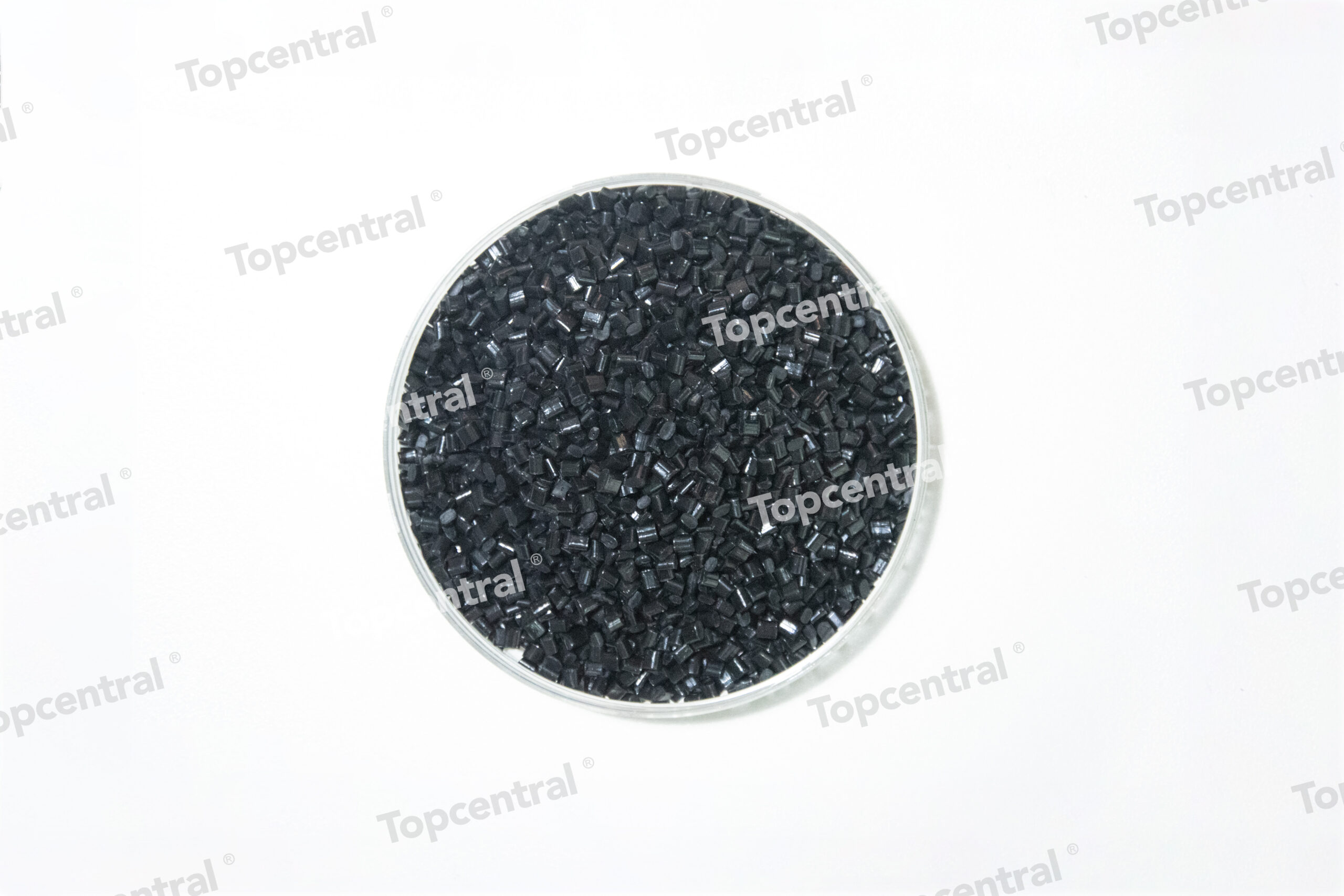
# Sustainable Packaging Trends: PCR Content Targets by Major Brands 2026–2030
## Executive Summary
Post-consumer recycled (PCR) content mandates from major brands are reshaping procurement strategies across the packaging supply chain. By 2026, at least 15 global consumer goods companies will require minimum 30% PCR in rigid plastic packaging, with several targeting 50% by 2030. This shift is driven by three converging forces: regulatory pressure under the EU Packaging and Packaging Waste Regulation (PPWR), corporate net-zero commitments requiring Scope 3 reductions, and consumer perception metrics tied to brand equity.
For procurement managers and sustainability directors, the implications are immediate. Available food-grade PCR supply currently meets less than 60% of projected demand for 2026. Quality consistency—particularly in melt flow rate (MFR) stability, impact strength retention, and color uniformity—remains the primary barrier to higher incorporation rates. This guide provides the technical specifications, sourcing strategies, and compliance frameworks necessary to meet these targets without compromising package performance or production efficiency.
—
## Section 1: The Regulatory and Market Landscape
### PPWR and the Mandatory Floor
The EU Packaging and Packaging Waste Regulation (PPWR), expected to enter force in 2025 with phased implementation through 2030, establishes mandatory minimum recycled content for plastic packaging:
| Packaging Type | 2030 Target | 2040 Target |
|—————-|————-|————-|
| Contact-sensitive (bottles, food trays) | 30% | 50% |
| Single-use beverage bottles | 30% | 65% |
| Other plastic packaging | 35% | 65% |
Non-compliance carries penalties structured as a percentage of packaging turnover, with member states required to enforce by 2027. This regulation applies to all packaging placed on the EU market, regardless of origin—meaning exporters to Europe must comply.
### Brand Commitments: The 2026–2030 Timeline
The following table aggregates publicly stated PCR content targets from major consumer goods companies. Data is compiled from corporate sustainability reports, press releases, and CDP disclosures as of Q4 2024.
| Brand | 2026 Target | 2028 Target | 2030 Target | Scope |
|——-|————-|————-|————-|——-|
| Unilever | 25% (rigid) | 35% (rigid) | 50% (rigid) | Global |
| PepsiCo | 25% (beverage) | 35% (beverage) | 50% (beverage) | Global |
| Coca-Cola | 30% (beverage) | 40% (beverage) | 50% (beverage) | Global |
| Nestlé | 25% (food-grade) | 35% (food-grade) | 50% (food-grade) | Global |
| Procter & Gamble | 25% (home care) | 30% (home care) | 40% (home care) | Global |
| L’Oréal | 30% (cosmetics) | 40% (cosmetics) | 50% (cosmetics) | Global |
| Mars | 20% (flexible) | 30% (flexible) | 40% (flexible) | Global |
| Danone | 30% (dairy) | 40% (dairy) | 50% (dairy) | EU + NA |
**Key observation:** Targets for food-contact packaging lag behind beverage and home-care categories by 5–10 percentage points due to regulatory barriers (FDA and EFSA approval processes) and technical challenges with decontamination.
### CBAM and EPR Interactions
The Carbon Border Adjustment Mechanism (CBAM) does not directly mandate PCR content, but it creates cost incentives. Virgin plastic production carries an embedded carbon cost of approximately 2.5–3.5 kg CO?e per kg (depending on polymer type and energy source). PCR typically reduces this by 40–60%, depending on collection and reprocessing efficiency. Under CBAM, importers of virgin polymers into the EU will face carbon costs estimated at €60–100 per tonne by 2028, making PCR economically competitive without subsidies.
Extended Producer Responsibility (EPR) fees in France, Germany, and the Netherlands now include eco-modulation: lower fees for packaging with ?25% PCR. In Germany, the difference between 0% and 50% PCR can reduce EPR fees by 30–40%.
—
## Section 2: Technical Parameters for PCR in Packaging
### Polymer-Specific Performance Considerations
Not all PCR is equal. The reprocessing history, contamination profile, and additive package determine downstream performance. Below are the critical technical parameters for the three most common packaging polymers.
#### rHDPE (Post-Consumer High-Density Polyethylene)
| Parameter | Specification | Test Method |
|———–|—————|————-|
| Melt Flow Rate (MFR) | 0.3–0.8 g/10 min (190°C/2.16 kg) | ISO 1133 |
| Density | 0.955–0.965 g/cm³ | ISO 1183 |
| Impact Strength (Izod, notched) | ?25 J/m (23°C) | ISO 180 |
| Flexural Modulus | 1,200–1,500 MPa | ISO 178 |
| Ash Content | ?2% | ISO 3451 |
| Volatile Organic Compounds (VOCs) | ?50 ppm | Headspace GC-MS |
**Critical issue:** rHDPE from mixed-color bales (natural + pigmented) produces inconsistent color and reduced impact strength. Sourcing natural-only bales for food-grade applications is essential but limits supply to approximately 15% of total rHDPE output.
#### rPP (Post-Consumer Polypropylene)
| Parameter | Specification | Test Method |
|———–|—————|————-|
| MFR | 10–30 g/10 min (230°C/2.16 kg) | ISO 1133 |
| Impact Strength (Izod, notched) | ?35 J/m (23°C) | ISO 180 |
| Flexural Modulus | 1,200–1,800 MPa | ISO 178 |
| Ash Content | ?1.5% | ISO 3451 |
| Odor Score (panel test) | ?3.0 (1–10 scale) | Internal method |
**Critical issue:** rPP exhibits higher odor scores than virgin PP due to residual volatiles from food contact and label adhesives. Deodorization via vacuum-assisted extrusion at 220–240°C reduces odor but increases energy cost by 8–12%.
#### rPET (Post-Consumer Polyethylene Terephthalate)
| Parameter | Specification | Test Method |
|———–|—————|————-|
| Intrinsic Viscosity (IV) | 0.74–0.82 dL/g | ISO 1628 |
| Color (L*, a*, b*) | L* ? 85, a* ? -2, b* ? 8 | CIE Lab |
| Acetaldehyde | ?3 ppm | Headspace GC |
| Crystalline Melting Point | 245–255°C | DSC |
| Contaminant Level | ?50 ppm (non-PET) | NIR sorting audit |
**Critical issue:** rPET for bottle-to-bottle applications requires IV recovery during solid-state polycondensation (SSP). Without SSP, IV drops below 0.70 dL/g, making stretch-blow molding impossible. SSP adds €80–120 per tonne to processing costs.
### Certification Requirements
Three certifications dominate the PCR supply chain:
– **GRS (Global Recycled Standard):** Covers chain of custody, recycled content verification, and social/environmental criteria. Required by most European buyers.
– **ISCC PLUS (International Sustainability and Carbon Certification):** Mass balance approach; critical for chemically recycled plastics. Required for PPWR compliance where mass balance is used.
– **UL 2809 (Environmental Claim Validation):** Used primarily in North America for recycled content claims. Requires annual audit.
**Practical note:** ISCC PLUS mass balance allows attribution of recycled content to specific products even when physical segregation is impossible. This is the only viable path for food-grade rPP and rPE from mixed streams until sorting technology improves.
—
## Section 3: Supply Chain Realities and Sourcing Strategy
### The Supply-Demand Gap
Current global production capacity for food-grade PCR is approximately 4.2 million tonnes per year (2024). Projected demand for 2026, based on brand commitments, is 7.8 million tonnes. The gap is partially addressable by:
1. **Mechanical recycling expansion:** 35 new facilities planned globally (2025–2027), adding 1.8 million tonnes capacity
2. **Chemical recycling:** 12 commercial-scale depolymerization plants (mostly PET) expected online by 2027, adding 0.6 million tonnes
3. **Advanced sorting:** AI-based optical sorters can increase food-grade yield by 15–25% from existing MRFs
Even with these additions, a shortfall of 1.2–1.5 million tonnes is projected for 2027.
### Regional Supply Variations
| Region | Food-Grade PCR Production (2024, kt) | Projected 2027 (kt) | Primary Polymer |
|——–|————————————–|———————|—————–|
| EU-27 | 1,800 | 2,700 | rPET (60%), rHDPE (25%) |
| North America | 1,400 | 2,100 | rHDPE (45%), rPET (35%) |
| China | 600 | 1,200 | rPET (50%), rPP (30%) |
| Southeast Asia | 250 | 500 | rPET (70%) |
| Rest of World | 150 | 300 | Mixed |
**Sourcing recommendation:** Lock in multi-year contracts now. Spot pricing for food-grade rPET has risen 22% year-over-year (Q4 2023 to Q4 2024). Suppliers are allocating capacity to long-term buyers with volume commitments.
### Quality Consistency: The Hidden Cost
PCR quality variability is the single largest operational risk. A 2023 study by the American Chemistry Council found that 34% of converters experienced production downtime due to PCR quality issues, with an average cost of €18,000 per incident.
**Root causes:**
– Inconsistent bale composition (variation in bottle color, label material, and cap polymer)
– Degradation from multiple reprocessing cycles (chain scission in PP, IV loss in PET)
– Moisture content fluctuations (target: <0.02% for PET, <0.05% for HDPE/PP)
**Mitigation strategies:**
1. **Supplier qualification audits:** Require quarterly MFR and impact strength testing with SPC charts
2. **Incoming QC protocol:** Test every lot for MFR, ash content, and color before production
3. **Blending strategy:** Maintain a buffer of virgin material (20–30%) to adjust for PCR batch variation
4. **Process adaptation:** Adjust injection molding temperatures (lower by 5–10°C for rPP, higher by 5°C for rHDPE)
—
## Section 4: Implementation Roadmap for Procurement and Engineering Teams
### Phase 1: Qualification and Testing (Months 1–6)
1. **Identify target polymers and applications:** Prioritize high-volume, non-food-contact items first (shampoo bottles, detergent containers, industrial packaging)
2. **Source 3–5 qualified PCR suppliers:** Require GRS or ISCC PLUS certification, annual third-party audit reports, and defect rate <2%
3. **Conduct pilot runs:** Minimum 10,000 units per SKU to assess:
– Processability (cycle time variation, pressure drop)
– Mechanical performance (drop test, top-load strength)
– Aesthetic quality (color consistency, surface defects)
4. **Establish baseline carbon footprint:** Use LCA per ISO 14040/14044 to document Scope 3 reduction
### Phase 2: Scale-Up and Optimization (Months 7–18)
1. **Increase PCR content incrementally:** 10% ? 20% ? 30% at 3-month intervals
2. **Adjust tooling:** Gate size may need 10–15% enlargement for higher viscosity PCR blends
3. **Implement in-line quality monitoring:** Near-infrared (NIR) sensors for polymer composition, vision systems for color
4. **Negotiate volume contracts:** Minimum 12-month commitments with price adjustment clauses tied to virgin polymer index
### Phase 3: Full Compliance and Reporting (Months 19–36)
1. **Document chain of custody:** Maintain auditable records for GRS or ISCC PLUS certification
2. **Submit PPWR compliance data:** Recycled content percentage per SKU, certification reference, mass balance allocation
3. **Report Scope 3 reductions:** Use EF 3.1 emission factors for PCR vs. virgin
4. **Communicate to downstream customers:** Provide technical data sheets with PCR content, carbon footprint, and certification details
### Cost Impact Modeling
| PCR Content | Cost Premium (vs. virgin) | Carbon Reduction (kg CO?e/kg) | EPR Fee Reduction |
|————-|—————————|——————————-|——————-|
| 10% | +2–5% | 0.3–0.6 | 5–10% |
| 25% | +5–10% | 0.8–1.2 | 15–25% |
| 50% | +12–20% | 1.5–2.0 | 30–40% |
| 100% | +25–40% | 2.5–3.0 | 50–60% |
**Note:** Cost premiums are declining as sorting and reprocessing technology improves. By 2028, 25% PCR is expected to reach cost parity with virgin in most regions.
—
## Section 5: Emerging Technologies and Future Outlook
### Chemical Recycling: Complement, Not Replacement
Chemical recycling (depolymerization, pyrolysis, dissolution) produces virgin-quality monomers or polymers from mixed or contaminated waste. Current commercial capacity is limited to PET (via glycolysis and methanolysis) and PS (via pyrolysis). For polyolefins, pyrolysis yields naphtha that must be cracked in a steam cracker—requiring ISCC PLUS mass balance attribution.
**Key limitations:**
– Energy intensity: 15–25 MJ/kg output vs. 5–10 MJ/kg for mechanical recycling
– Carbon footprint: pyrolysis-based rPP has 40–50% higher CO?e than mechanically recycled rPP
– Cost: €1,200–1,800/tonne vs. €600–900/tonne for mechanical rHDPE
**Strategic use case:** Chemical recycling should be reserved for applications where mechanical PCR cannot meet food-contact standards (e.g., rPP for yogurt cups, rHDPE for milk bottles). It is not a solution for bulk packaging.
### Digital Watermarks and Smart Sorting
HolyGrail 2.0, a digital watermarking initiative backed by 170+ companies, embeds invisible QR codes on packaging. Prototype sorting lines in Germany and France have demonstrated 95%+ sorting accuracy for food-grade vs. non-food-grade packaging. Full commercial rollout is expected by 2027.
**Implication for procurement:** Digital watermarks will increase the yield of food-grade PCR by 20–30%, directly reducing the supply-demand gap. Procurement teams should specify digital watermark compatibility in packaging design briefs starting 2025.
### Advanced Decontamination
Supercritical CO? extraction, currently in pilot at three European reprocessors, removes volatile contaminants from PP and HDPE flakes without high-temperature drying. This reduces odor scores from 4.5 to 1.5 (1–10 scale) and allows food-contact approval without chemical recycling.
**Timeline:** Commercial availability for rPP by Q3 2026, for rHDPE by Q1 2027.
—
## Key Takeaways
1. **Supply constraints are real.** Food-grade PCR demand will exceed supply by at least 30% in 2026–2027. Multi-year contracts with qualified suppliers are essential.
2. **Quality consistency is the bottleneck.** Invest in in-line monitoring, blending strategies, and supplier qualification programs to avoid production disruptions.
3. **Certifications are non-negotiable.** GRS or ISCC PLUS certification is required for PPWR compliance and brand claims. Begin auditing suppliers now.
4. **Cost premiums are declining.** 25% PCR will reach cost parity with virgin by 2028 for most polymers. Early adopters gain a competitive advantage in EPR fee reduction and brand positioning.
5. **Chemical recycling is not a silver bullet.** Use it selectively for food-contact applications where mechanical recycling cannot meet standards.
6. **Digital infrastructure matters.** Digital watermarks and advanced sorting will unlock additional supply by 2027. Include these specifications in packaging design.
—
## Related Topics
– **Plastic Tax and Weight Reduction:** The UK Plastic Packaging Tax (£210.82/tonne for <30% PCR) creates parallel incentives. Lightweighting strategies combined with PCR content can minimize tax exposure.
– **Monomaterial Packaging Design:** Transitioning from multi-layer laminates to monomaterials (e.g., PE/PE or PP/PP) improves recyclability and PCR compatibility. Several brands have announced 100% monaterial flexible packaging by 2028.
– **Bio-Based vs. Recycled:** Bio-based plastics (e.g., bio-PE, bio-PP) offer lower carbon footprint but do not address circular economy requirements. PCR remains the preferred pathway under PPWR and EPR frameworks.
– **Chemical Recycling Certification:** ISCC PLUS mass balance allows attribution of recycled content from pyrolysis. Understand the difference between "recycled content" (mass balance) and "physical content" (mechanical segregation).
—
## Further Reading
– **ECOS (2024).** *Recycled Content in Plastic Packaging: Policy Recommendations for PPWR Implementation.*
– **Ellen MacArthur Foundation (2023).** *The Global Commitment 2023 Progress Report.*
– **ISO 14021 (2016).** *Environmental Labels and Declarations — Self-Declared Environmental Claims (Type II Environmental Labelling).* Contains definitions for "recycled content" and "recyclable."
– **Plastics Recyclers Europe (2024).** *Recycled Plastics Quality Assessment Protocol.* Technical specifications for rHDPE, rPP, and rPET.
– **Systemiq (2024).** *The Chemical Recycling Landscape: Technology, Economics, and Environmental Performance.* Independent assessment of pyrolysis, depolymerization, and dissolution technologies.
– **WRAP (2023).** *UK Plastics Pact: PCR Content in Packaging — A Practical Guide.* Includes case studies on quality management and supplier engagement.
*This guide reflects market conditions as of Q1 2025. Targets and regulations are subject to change. Verify with original sources before making procurement decisions.*
Content Verification Annotation
EID: EID-66744279-5732
Content Tier: Bæ¡£ (~3,505 words)
Verification Status: Reviewed – Pre-Constitution Content (L4)
Review Date: 2026-06-21
Leave a Reply