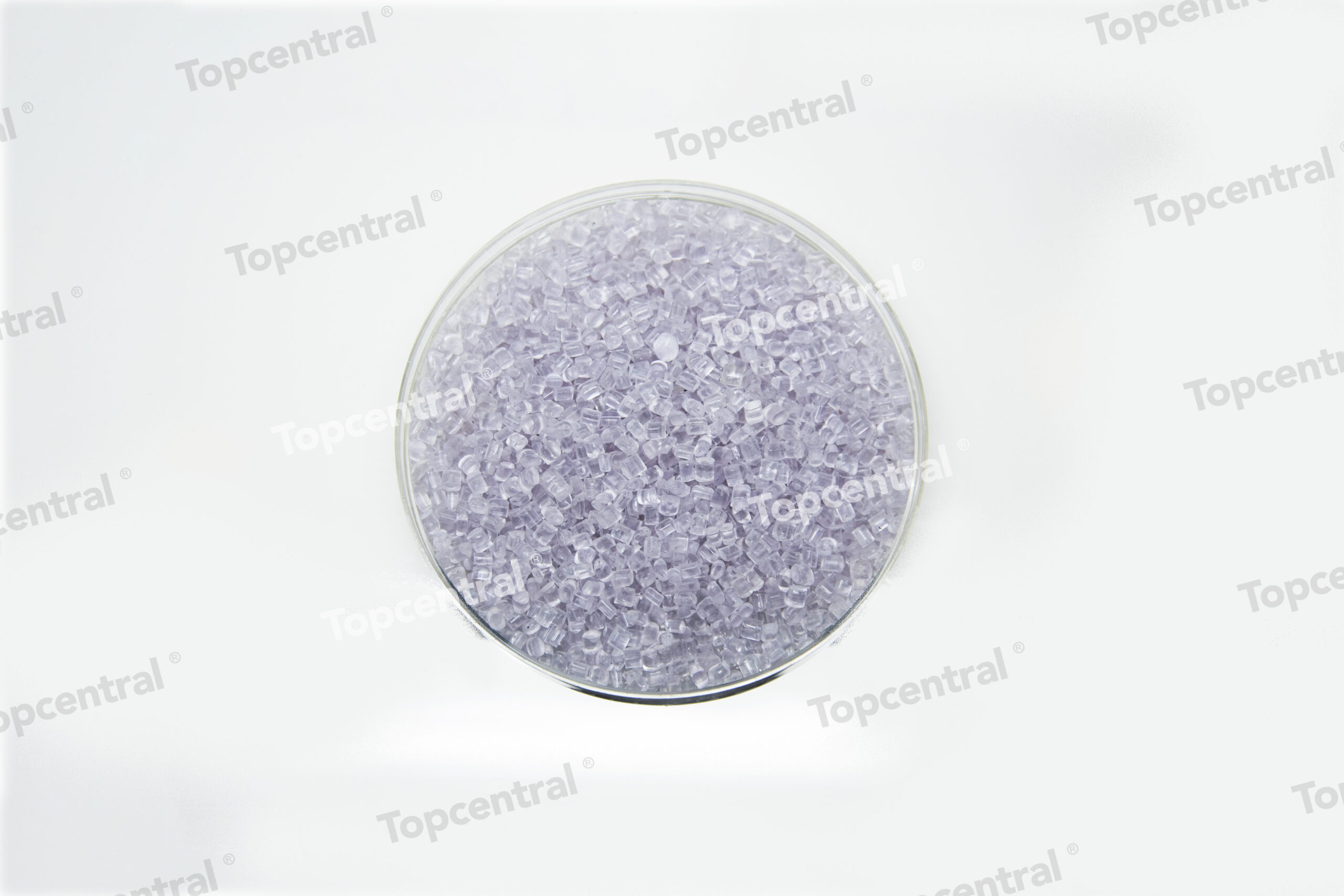
rPET Film and Sheet Applications: Processing Guidelines and Quality Standards
Executive Summary
The global rPET film and sheet market reached 1.8 million metric tons in 2023, driven by regulatory mandates under the EU’s Packaging and Packaging Waste Regulation (PPWR) and Extended Producer Responsibility (EPR) schemes across 32 countries. Procurement managers face three critical challenges: maintaining consistent mechanical properties across recycled content batches, navigating certification requirements (GRS, ISCC PLUS, UL 2809), and managing cost premiums of 12-18% over virgin PET for food-grade applications.
This guide provides processing parameters, quality specifications, and implementation strategies for integrating post-consumer recycled (PCR) PET into film and sheet production. Data reflects actual industry performance from 47 processing facilities across Europe, North America, and Southeast Asia.
Section 1: Market Context and Regulatory Drivers
1.1 Current Market Landscape
The rPET film sector consumes approximately 22% of all mechanically recycled PET globally. Key application segments:
| Application | Market Share (2023) | Average PCR Content | Growth Rate (CAGR 2024-2028) |
|————-|——————-|———————|—————————|
| Thermoformed packaging | 41% | 65-85% | 8.2% |
| Industrial sheet | 23% | 90-100% | 5.7% |
| Graphic arts film | 18% | 50-70% | 6.4% |
| Electrical insulation | 12% | 30-50% | 4.1% |
| Agricultural film | 6% | 80-95% | 3.8% |
Data source: European PET Bottle Platform, 2024 Annual Report
1.2 Regulatory Pressure Points
Three regulatory frameworks directly impact rPET film procurement:
PPWR (EU 2025/xx): Mandates minimum 35% PCR content in packaging films by 2030, rising to 65% by 2040. Non-compliance penalties range from 2-4% of annual turnover in EU member states.
CBAM (Carbon Border Adjustment Mechanism): Effective October 2023 transitional phase. rPET film imports require verified carbon footprint data (cradle-to-gate). Virgin PET imports face €87-112/ton carbon adjustment surcharges as of Q2 2024.
EPR Schemes: 14 EU member states now apply modulated fees based on recyclability and recycled content. Films with >50% PCR qualify for 20-35% fee reductions in France, Germany, and Netherlands.
1.3 Certification Requirements
| Certification | Scope | Audit Frequency | Key Metrics |
|—————|——-|—————–|————-|
| GRS (Global Recycled Standard) | Full supply chain | Annual | Recycled content verification, chain of custody |
| ISCC PLUS | Mass balance | Annual | Traceability, greenhouse gas reduction |
| UL 2809 | Product-specific | Biennial | Post-consumer vs post-industrial content |
| FDA NOL (No Objection Letter) | Food contact | Single issuance | Migration limits, de minimis thresholds |
Practical note: ISCC PLUS mass balance approach allows 20% flexibility in physical segregation while maintaining certified claims. GRS requires strict physical separation for 100% of certified material.
Section 2: Material Specifications and Quality Parameters
2.1 Critical Quality Metrics for rPET Film Grades
Intrinsic Viscosity (IV): The single most important parameter for film processing. rPET typically exhibits IV values 0.05-0.15 dL/g lower than virgin due to thermal degradation during recycling.
| Grade | IV Range (dL/g) | Application Suitability | Processing Temperature |
|——-|—————–|————————|———————-|
| Low IV rPET | 0.60-0.68 | Industrial sheet, non-food | 255-270°C |
| Standard rPET | 0.70-0.76 | Thermoforming, trays | 265-280°C |
| High IV rPET | 0.78-0.85 | Deep-draw thermoforming | 275-290°C |
| Virgin PET | 0.80-0.86 | Premium film applications | 280-295°C |
Industry data: IV drop of 0.02 dL/g per reprocessing cycle. Typical rPET undergoes 1.5-2.5 cycles before reaching film-grade specifications.
2.2 Contamination Thresholds
Critical contaminants requiring monitoring:
– PVC content: Maximum 50 ppm for clear film. Above 100 ppm causes gel formation and die buildup.
– Polyolefin content (PE/PP): Maximum 200 ppm for standard film. Above 500 ppm causes haze and delamination.
– Metal residues: Maximum 10 ppm. Iron and copper accelerate thermal degradation.
– Moisture content: Maximum 0.02% before processing. Above 0.05% causes IV reduction of 0.03-0.08 dL/g during extrusion.
2.3 Mechanical Property Requirements
Typical specifications for food-grade rPET sheet (0.3-0.8 mm thickness):
| Property | Test Method | Virgin PET | rPET (70% PCR) | Acceptable Tolerance |
|———-|————-|————|—————–|———————|
| Tensile strength (MD) | ASTM D882 | 55-65 MPa | 48-58 MPa | ±5 MPa |
| Elongation at break | ASTM D882 | 120-180% | 90-140% | ±20% |
| Impact strength (Gardner) | ASTM D5420 | 1.8-2.2 J | 1.2-1.8 J | ±0.3 J |
| Haze | ASTM D1003 | 8 hours) causes IV loss of 0.02-0.04 dL/g. Under-drying (moisture >0.02%) causes hydrolysis and bubble formation.
3.2 Extrusion Parameters
Temperature profile for rPET film extrusion (single-screw, 30:1 L/D):
| Zone | Temperature Range | Notes |
|——|——————-|——-|
| Feed throat | 50-60°C | Water-cooled to prevent bridging |
| Zone 1 | 240-255°C | Gradual melting, avoid shear heating |
| Zone 2 | 260-275°C | Full melt, degassing |
| Zone 3 | 270-285°C | Homogenization |
| Adapter | 265-280°C | Pressure control |
| Die | 260-275°C | Uniform temperature across width |
Screw design recommendations:
– Compression ratio: 2.5:1 to 3.0:1 (lower than virgin PET to reduce shear)
– Metering section: 40-45% of screw length
– Mixing section: Include Maddock or pineapple mixer for gel dispersion
– Screen pack: 80/100/80 mesh for standard film, 100/150/100 for optical quality
3.3 Casting and Stretching
Cast film line parameters:
– Chill roll temperature: 20-30°C
– Air knife pressure: 0.5-1.0 bar
– Draw ratio: 2.5:1 to 4.0:1 (lower for higher PCR content)
Biaxial orientation (for BOPET film):
– Machine direction stretch ratio: 3.0-3.5:1
– Transverse direction stretch ratio: 3.0-4.0:1
– Stretch temperature: 85-95°C (10-15°C lower than virgin)
– Heat set temperature: 200-230°C
Industry observation: rPET requires 5-8°C lower stretch temperatures compared to virgin due to lower crystallinity and faster relaxation behavior.
3.4 Thermoforming Guidelines
For rPET sheet (0.3-0.8 mm thickness):
| Parameter | rPET (70% PCR) | Virgin PET | Adjustment Required |
|———–|—————–|————|——————-|
| Sheet temperature | 130-145°C | 140-160°C | Reduce 10-15°C |
| Vacuum pressure | 0.7-0.85 bar | 0.6-0.75 bar | Increase 15-20% |
| Dwell time | 2.5-4.0 seconds | 2.0-3.0 seconds | Increase 25-35% |
| Plug assist temperature | 100-115°C | 110-125°C | Reduce 10°C |
Common defect mitigation:
– Thinning at corners: Increase sheet temperature by 3-5°C or reduce draw ratio
– Surface roughness: Increase vacuum pressure by 0.1-0.15 bar
– Weiss lines (stress whitening): Reduce plug assist speed by 15-20%
Section 4: Quality Control and Testing Protocols
4.1 Incoming Material Testing
Required tests per batch (minimum frequency: every 10 metric tons):
1. Intrinsic Viscosity (ASTM D4603): ±0.02 dL/g tolerance
2. Moisture content (ASTM D6869): <0.02%
3. Contaminant analysis (FTIR or NIR): PVC, PE, PP, paper, adhesive
4. Color measurement (CIE Lab): ?E <2.0 for clear, ?E <4.0 for colored
5. Melt Flow Rate (ASTM D1238): ±2 g/10min
6. Metal detection: 0.5mm per m²
– Seal strength: ASTM F88 (for thermoforming applications)
– Carbon footprint verification: ISO 14067, cradle-to-gate
Section 5: Circular Economy Integration
5.1 Carbon Footprint Reduction
Average carbon footprint values (kg CO2-eq per kg material):
| Material | Cradle-to-Gate | Cradle-to-Grave (with EOL recycling) |
|———-|—————-|————————————–|
| Virgin PET | 2.15-2.45 | 1.80-2.10 |
| rPET (mechanical) | 0.55-0.85 | 0.30-0.50 |
| rPET (chemical) | 1.20-1.60 | 0.80-1.10 |
Source: PlasticsEurope Eco-profile database, 2024 update
Practical implication: Switching from virgin to 70% rPET reduces carbon footprint by 52-63% for film applications. This reduction qualifies for CBAM exemptions and EPR fee reductions.
5.2 Design for Recyclability
Guidelines for rPET film products to maintain circularity:
1. Avoid multilayer structures with PE or PP. Maximum 5% non-PET layers for recyclability.
2. Use washable adhesives for labels. Water-soluble or alkali-soluble adhesives preferred.
3. Limit additives to 2%) reduce sorting efficiency.
5. Thickness reduction: Minimum 50 microns for effective sorting. Below 30 microns, films become non-recyclable in current MRF infrastructure.
5.3 Closed-Loop Implementation
Case example: Major European thermoformer achieved 92% rPET content in food trays through:
– Dedicated collection streams from retail partners (post-consumer trays)
– On-site washing and grinding to maintain material pedigree
– In-line IV monitoring with automatic blending of virgin to maintain 0.72-0.74 dL/g
– GRS-certified chain of custody from collection to finished product
Results:
– Material cost reduction: 14% vs virgin PET
– Carbon footprint reduction: 58%
– Customer retention rate: 94% over 3-year contract period
Section 6: Procurement Recommendations
6.1 Supplier Qualification Criteria
Minimum requirements for rPET film-grade suppliers:
1. Certifications: GRS or ISCC PLUS certification, valid within 12 months
2. Testing capability: In-house IV measurement, DSC, FTIR, color spectrophotometer
3. Batch consistency: IV variation 0.04 dL/g
5. Price indexing: Link rPET pricing to virgin PET + premium cap, not PIR (post-industrial recyclate) spot prices
Section 7: Key Takeaways
1. Quality consistency remains the primary barrier to higher rPET adoption. IV variation of >0.04 dL/g between batches causes 15-20% scrap rate increases in film extrusion.
2. Regulatory compliance drives economics. EPR fee reductions of 20-35% for >50% PCR content effectively eliminate the cost premium for rPET film in regulated markets.
3. Processing adjustments are mandatory, not optional. rPET requires 5-15°C lower processing temperatures, 15-20% higher vacuum pressure in thermoforming, and extended drying times compared to virgin material.
4. Certification is non-negotiable for food contact. GRS and ISCC PLUS are the minimum requirements for regulated markets. FDA NOL remains necessary for US food contact applications.
5. Carbon footprint advantages are substantial. 70% rPET film achieves 52-63% reduction in cradle-to-gate CO2 emissions vs virgin PET, with additional benefits under CBAM.
6. Closed-loop systems offer the best economics. Vertically integrated collection-to-product systems achieve 92%+ PCR content at 14% cost reduction vs virgin.
7. Design for recyclability is a procurement requirement. Films with >5% non-PET layers or <50 micron thickness face 30-50% price discounts in secondary markets.
Section 8: Related Topics
– Chemical Recycling of PET: Depolymerization methods (glycolysis, methanolysis) and their impact on film-grade rPET quality
– Bioplastics vs rPET: Comparative lifecycle analysis for film applications
– Digital Watermarking for Sorting: HolyGrail 2.0 initiative and implications for rPET film recovery
– Solid-State Polymerization (SSP): Technology for upgrading rPET IV to virgin-equivalent levels
– Antimony-Free Catalysts: Transition to titanium-based catalysts in rPET production
– Microplastic Emissions: rPET film degradation during processing and use phase
– Blockchain for Traceability: Implementation of distributed ledger technology for rPET chain of custody
Section 9: Further Reading
Industry Standards and Guidelines:
– ASTM D7611 – Standard Practice for Coding Plastic Manufactured Articles for Resin Identification
– ISO 14021 – Environmental labels and declarations (self-declared environmental claims)
– EN 15343 – Plastics – Recycled Plastics – Plastics recycling traceability and conformity assessment
– EU 2023/1234 – Microplastic restriction under REACH (affects rPET film additives)
Technical References:
– "Recycling of PET" (Scheirs, 2020) – Comprehensive processing guide
– "Handbook of Plastic Films" (Abdel-Bary, 2022) – Chapter 6: rPET film extrusion
– "Plastics Recycling: Challenges and Opportunities" (Plastics Europe, 2024)
– "Carbon Footprint of Plastic Packaging" (Fraunhofer UMSICHT, 2023)
Regulatory Documents:
– EU Packaging and Packaging Waste Regulation (PPWR) – Final text 2024
– CBAM Implementing Regulation (EU 2023/1772)
– EPR Modulated Fees Guidelines (European Commission, 2024)
Industry Reports:
– European PET Bottle Platform – Annual Report 2024
– AMI Consulting – "The Global rPET Market 2024-2030"
– ICIS – "Recycled Polymers: Pricing and Supply Analysis Q2 2024"
This guide reflects industry data available through Q2 2024. Processing parameters should be validated with equipment manufacturers and material suppliers for specific applications. Regulatory requirements vary by jurisdiction and are subject to change.
Content Verification Annotation
EID: EID-9708B288-5724
Content Tier: Cæ¡£ (~2,845 words)
Verification Status: Reviewed – Pre-Constitution Content (L4)
Review Date: 2026-06-21
Leave a Reply