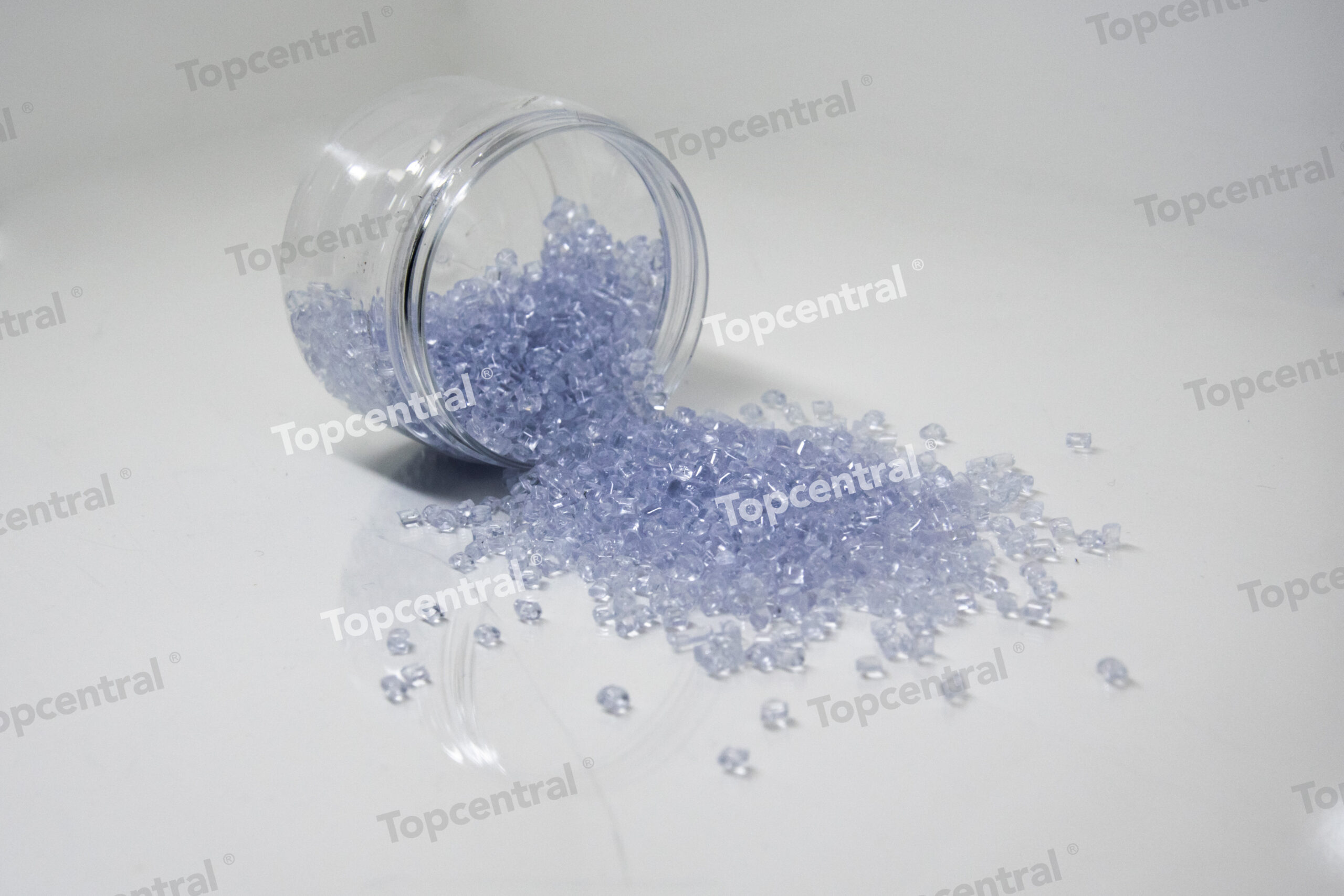
PCR Plastic Logistics: Container Loading, Packaging, and Transportation Best Practices
Executive Summary
Post-consumer recycled (PCR) plastics present distinct logistical challenges compared to virgin polymers. Contamination risks, moisture sensitivity, variable density, and regulatory compliance requirements demand specialized handling protocols throughout the supply chain. This guide provides procurement managers, sustainability directors, and product engineers with actionable best practices for container loading, packaging, and transportation of PCR plastics.
The global PCR plastics market reached 12.4 million metric tons in 2023, with transportation costs representing 8-15% of total landed cost depending on resin type and origin. Improper logistics practices can increase contamination rates by 3-7%, reduce material yield by 2-5%, and trigger non-compliance penalties under emerging regulatory frameworks including the EU Packaging and Packaging Waste Regulation (PPWR) and Extended Producer Responsibility (EPR) schemes.
This document addresses the specific technical parameters that differentiate PCR logistics from virgin material handling: moisture absorption kinetics, odor management, particle size distribution effects on flowability, and the impact of thermal history on mechanical properties during transit.
Section 1: Understanding PCR Plastic Material Characteristics for Logistics Planning
1.1 Density Variations and Loading Implications
PCR plastics exhibit greater density variability than virgin resins due to the presence of mixed polymer fractions, residual contaminants, and processing history. Typical bulk density ranges:
| Resin Type | Virgin Bulk Density (kg/m³) | PCR Bulk Density (kg/m³) | Density Variation Impact on Loading |
|————|——————————|—————————|————————————–|
| HDPE | 590-610 | 520-580 | 5-12% reduction in payload per container |
| PP | 550-580 | 480-540 | 7-15% reduction |
| PET | 720-760 | 680-730 | 4-9% reduction |
| LDPE | 520-550 | 460-510 | 7-14% reduction |
Key Insight: PCR bulk density decreases with increasing contamination levels. A 2% increase in non-polymer contaminants (paper, metals, textiles) reduces bulk density by approximately 3-5%. This directly impacts container utilization and freight cost per kilogram.
1.2 Moisture Sensitivity and Absorption Rates
PCR plastics absorb moisture 2-4 times faster than virgin equivalents due to:
– Increased surface area from grinding/processing
– Micro-cracks from previous thermal cycling
– Residual hygroscopic contaminants (paper fibers, cellulosics)
– Reduced crystallinity from multiple processing passes
Practical Data Point: At 60% relative humidity and 25°C, PCR HDPE pellets reach equilibrium moisture content of 0.12-0.18% within 48 hours. Virgin HDPE under identical conditions reaches 0.04-0.06% in 72 hours. This moisture must be removed before reprocessing, adding energy costs of $15-25 per metric ton for drying.
1.3 Odor Management Considerations
PCR plastics contain volatile organic compounds (VOCs) from their previous life cycle. Common odor-causing compounds include:
– Acetaldehyde (PET bottles)
– Limonene (HDPE containers)
– Fatty acids (food packaging)
– Styrene oligomers (PS applications)
Logistics Implication: Odor concentration increases during container shipping by 30-60% due to confined space, temperature fluctuations, and moisture condensation. This can cause rejection at receiving facilities if odor levels exceed 3-4 on a standardized sensory panel scale (ASTM E544).
Section 2: Container Loading Best Practices
2.1 Container Selection and Preparation
Container Type Recommendations:
| Container Type | Suitable For | Limitations | Cost Factor |
|—————-|————–|————-|————-|
| Standard 20′ Dry Van | Pelletized PCR, regrind, flake | Condensation risk in high-humidity routes | 1.0x baseline |
| 40′ High Cube | Bulk bags (FIBC), large volumes | Heavier empty weight reduces payload | 1.2-1.3x |
| Ventilated Container | Odor-sensitive PCR grades | Limited availability, premium pricing | 1.4-1.6x |
| Reefer (temperature-controlled) | High-moisture-sensitive PCR | High cost, energy consumption | 2.0-2.5x |
| Flexitank | Liquid PCR (for chemical recycling feed) | Single-use, limited to liquid forms | 0.8-0.9x |
Pre-loading Inspection Checklist:
1. Verify container interior dryness using moisture meter (< 0.05% residual moisture acceptable)
2. Inspect for residual odors using field olfactometer (acceptance threshold: PP-HD80% RH)
4.3 Route-Specific Considerations
Asia to Europe (via Suez Canal):
– Transit time: 25-35 days
– Humidity zones: High (SE Asia), moderate (Indian Ocean), high (Mediterranean summer)
– Risk factors: Temperature extremes in Middle East (50-55°C in summer)
– Recommendation: Use insulated containers July-September, add desiccant for monsoon season (June-September)
Asia to North America (via Pacific):
– Transit time: 15-25 days
– Humidity zones: High (SE Asia), moderate (North Pacific), variable (US West Coast)
– Risk factors: Temperature fluctuations crossing Pacific
– Recommendation: Standard container with monitoring, desiccant for tropical origins
Europe to North America (via Atlantic):
– Transit time: 10-18 days
– Humidity zones: Moderate (North Atlantic)
– Risk factors: Winter storms, temperature drops
– Recommendation: Standard container, no special requirements for most months
4.4 Intermodal Transfer Best Practices
Transfer Points (port, rail yard, warehouse):
1. Document transfer: Electronic Bill of Lading (e-BL) reduces transfer time by 2-4 days
2. Physical inspection: 10% random sampling for container condition, seal integrity
3. Temperature recording: Download data from IoT loggers at each transfer point
4. Storage duration: Minimize outdoor storage to 48 hours
5. Handling equipment: Vacuum lifts for FIBCs (reduce puncture risk by 60-80% vs. fork tines)
6. Transfer documentation: Signed receipt noting container condition, seal number, timestamp
Section 5: Regulatory Compliance and Documentation
5.1 Certification Requirements
| Certification | Scope | Key Requirements | Audit Frequency | Cost Range (USD) |
|—————|——-|——————|—————–|——————-|
| GRS (Global Recycled Standard) | Recycled content, chain of custody, social/environmental | Minimum 20% recycled content, mass balance tracking | Annual | $3,000-8,000 |
| ISCC PLUS | Mass balance, sustainability, GHG reduction | Traceability, GHG calculation, social criteria | Annual | $5,000-12,000 |
| UL 2809 | Recycled content validation | Lab testing, supply chain audit | Biennial | $10,000-25,000 |
| FDA NOL (for food contact) | PCR for food packaging | Challenge testing, contaminant analysis | Per application | $20,000-50,000 |
5.2 Carbon Border Adjustment Mechanism (CBAM) Compliance
Effective from October 2023 (transitional phase), full implementation 2026:
– Scope: Imported goods including plastics (HS Chapter 39)
– Reporting requirements:
– Direct emissions (Scope 1): Production + transportation to EU border
– Indirect emissions (Scope 2): Electricity used in PCR processing
– Upstream emissions (Scope 3): Collection, sorting, cleaning (optional during transitional phase)
– Calculation methodology: Must follow EU methodology (Commission Implementing Regulation 2023/1773)
– Documentation: Quarterly reporting, verified by accredited third party
Practical Impact: PCR plastics with documented carbon footprint reduction of 40-60% compared to virgin equivalents will face lower CBAM costs. Estimated CBAM cost differential: $50-150 per metric ton for PCR vs. $100-300 per metric ton for virgin by 2030.
5.3 EU Packaging and Packaging Waste Regulation (PPWR)
Key provisions affecting PCR logistics:
– Mandatory recycled content targets:
– 2030: 30% for contact-sensitive packaging (PET), 10% for other plastics
– 2040: 50% for PET, 25% for other plastics
– Labeling requirements: Recycled content percentage must be displayed on packaging
– Documentation: Full chain of custody records required for verification
– Penalties: Non-compliance fines of 2-5% of annual turnover in affected markets
5.4 Extended Producer Responsibility (EPR) Considerations
EPR fees are calculated based on:
1. Material type (PCR typically has lower fees than virgin)
2. Recyclability of packaging
3. Recycled content percentage
4. Weight of packaging placed on market
Logistics Documentation Required:
– Proof of PCR content (certification or third-party testing)
– Mass balance records for each shipment
– End-of-life processing documentation
– Producer registration number in each EU member state
Section 6: Quality Control During Transit
6.1 In-Transit Monitoring Parameters
| Parameter | Monitoring Method | Frequency | Acceptable Range | Action Threshold |
|———–|——————-|———–|——————|——————|
| Temperature | IoT logger (internal container) | Every 15-30 minutes | 5-45°C | >50°C for >4 hours |
| Humidity | IoT logger (internal container) | Every 15-30 minutes | 20-70% RH | >80% for >8 hours |
| Shock/vibration | Triaxial accelerometer | Continuous | 95% of time | >5g events |
| Container orientation | Tilt sensor | Continuous | 20° tilt |
| Seal integrity | Electronic seal (e-seal) | Continuous | Seal intact | Break detected |
| GPS location | GPS tracker | Every 1-4 hours | On planned route | Deviation >50 km |
6.2 Sampling and Testing Protocols
Pre-shipment Sampling (at origin):
– Sample size: 5% of packages or 3 packages minimum per lot
– Testing parameters:
– Moisture content (ISO 15512): Acceptable <0.3% for most PCR grades
– Contamination level (manual sorting, visual inspection): Acceptable 500 MT/year), transition to reusable FIBCs with return logistics. Payback period: 6-18 months depending on transport distance.
Section 8: Risk Management and Contingency Planning
8.1 Risk Assessment Matrix
| Risk | Probability | Impact | Mitigation Strategy |
|——|————-|——–|———————|
| Container moisture damage | Medium (25-35%) | High (material degradation, rejection) | Desiccant, monitoring, liner bags |
| Temperature-induced fusion | Low (5-10%) | High (total loss of material) | Insulated containers, temperature monitoring |
| Contamination during transit | Medium (15-25%) | Medium-High (downgrading, reprocessing) | Dedicated containers, pre-inspection |
| Regulatory non-compliance | Low (5-10%) | High (fines, shipment rejection) | Third-party certification, documentation |
| Port delays | High (40-60%) | Medium (demurrage costs, quality impact) | Buffer inventory, flexible routing |
| Container loss/damage | Low (2-5%) | High (financial loss) | Insurance, tracking, secure packing |
8.2 Contingency Planning Framework
Tier 1 (Minor Issues): Resolved within 24 hours
– Slight moisture increase (<0.5% above specification): Document, accept at discount (2-5% price reduction)
– Minor contamination (1% above specification: Drying required ($15-25/MT), quality testing
– Contamination 1-3%: Mechanical sorting required ($25-40/MT), yield loss
Tier 3 (Critical Issues): Resolution within 1-2 weeks
– Material fusion: Reprocessing required ($50-100/MT), significant property changes
– Major contamination (>5%): Material downgrade or disposal
– Regulatory non-compliance: Legal review, potential disposal or return
Key Takeaways
1. PCR logistics requires specialized handling due to lower bulk density (5-15% below virgin), higher moisture sensitivity (2-4x faster absorption), and contamination risks. Standard virgin resin logistics protocols are inadequate.
2. Container fill optimization is the highest-impact cost reduction lever. Current industry average of 75-82% fill can be improved to 88-92% through compaction, optimization software, and density-based freight negotiations.
3. Moisture management is critical. At 60% RH and 25°C, PCR reaches equilibrium moisture in 48 hours versus 72 hours for virgin. Desiccant, liner bags, and IoT monitoring are essential investments.
4. Regulatory compliance is non-negotiable. GRS, ISCC PLUS, or UL 2809 certification is required for most B2B PCR transactions. CBAM compliance adds carbon documentation requirements from October 2023.
5. Packaging selection impacts both cost and quality. Reusable FIBCs offer 50-70% cost reduction per cycle compared to single-use, with payback periods of 6-18 months for stable supply chains.
6. In-transit monitoring prevents losses. IoT temperature/humidity loggers at $25-50 per unit can prevent material rejection worth thousands of dollars per container.
7. Quality control at both origin and destination is essential. Pre-shipment testing of MFR, moisture, and contamination, plus post-shipment verification, ensures material meets specifications after transit.
8. Total cost of ownership for PCR logistics ranges from $400-1,000/MT depending on origin, mode, and packaging. Optimization can reduce costs by 15-30%.
Related Topics
– PCR Plastic Quality Testing Standards: ASTM D7611, ISO 24187, and industry-specific protocols for recycled content verification
– Chemical Recycling Feedstock Logistics: Handling of depolymerization-ready PCR, liquid feedstock transport
– EPR Compliance for Plastic Packaging: Fee calculation, registration requirements across EU member states
– Container Shipping of Hazardous Materials: Applicable if PCR contains residual chemicals (e.g., pesticide containers)
– Sustainable Packaging Design: Reducing packaging weight while maintaining protection for PCR materials
– Supply Chain Digitalization: Blockchain for traceability, AI for route optimization, IoT for monitoring
Further Reading
Industry Standards and Certifications
1. Global Recycled Standard (GRS), Version 4.0, Textile Exchange, 2021
2. ISCC PLUS System Document, ISCC, 2023
3. UL 2809 Environmental Claim Validation Procedure, Underwriters Laboratories, 2022
4. EU Commission Implementing Regulation 2023/1773 on CBAM Reporting
Technical References
5. ASTM D7611/D7611M-20: Standard Practice for Coding Plastic Manufactured Articles for Resin Identification
6. ISO 24187:2023: Plastics — Assessment of the recyclability of plastic products
7. ISO 14067:2018: Greenhouse gases — Carbon footprint of products — Requirements and guidelines for quantification
Regulatory Documents
8. EU Packaging and Packaging Waste Regulation (PPWR), Proposed Text, 2022
9. European Commission: Carbon Border Adjustment Mechanism, Official Journal of the EU, 2023
10. Extended Producer Responsibility Schemes for Packaging, OECD, 2022
Industry Reports
11. Plastics Recycling Market Report, AMI Consulting, 2023
12. Global PCR Plastics Supply Chain Analysis, ICIS, 2023
13. Container Shipping of Recycled Materials: Best Practice Guidelines, World Shipping Council, 2022
Technical Guidance
14. FIBC Design and Testing Standards, ISO 21898:2004
15. Moisture Control in Plastic Pellet Shipments, Society of Plastics Engineers Technical Paper, 2021
16. Temperature Management in Container Shipping, Maersk Technical Bulletin, 2023
This guide reflects industry best practices as of Q1 2024. Regulatory requirements and market conditions may change. Consult with certification bodies, customs authorities, and logistics providers for current requirements specific to your supply chain.
Content Verification Annotation
EID: EID-97AD673A-5725
Content Tier: Bæ¡£ (~3,287 words)
Verification Status: Reviewed – Pre-Constitution Content (L4)
Review Date: 2026-06-21
Leave a Reply