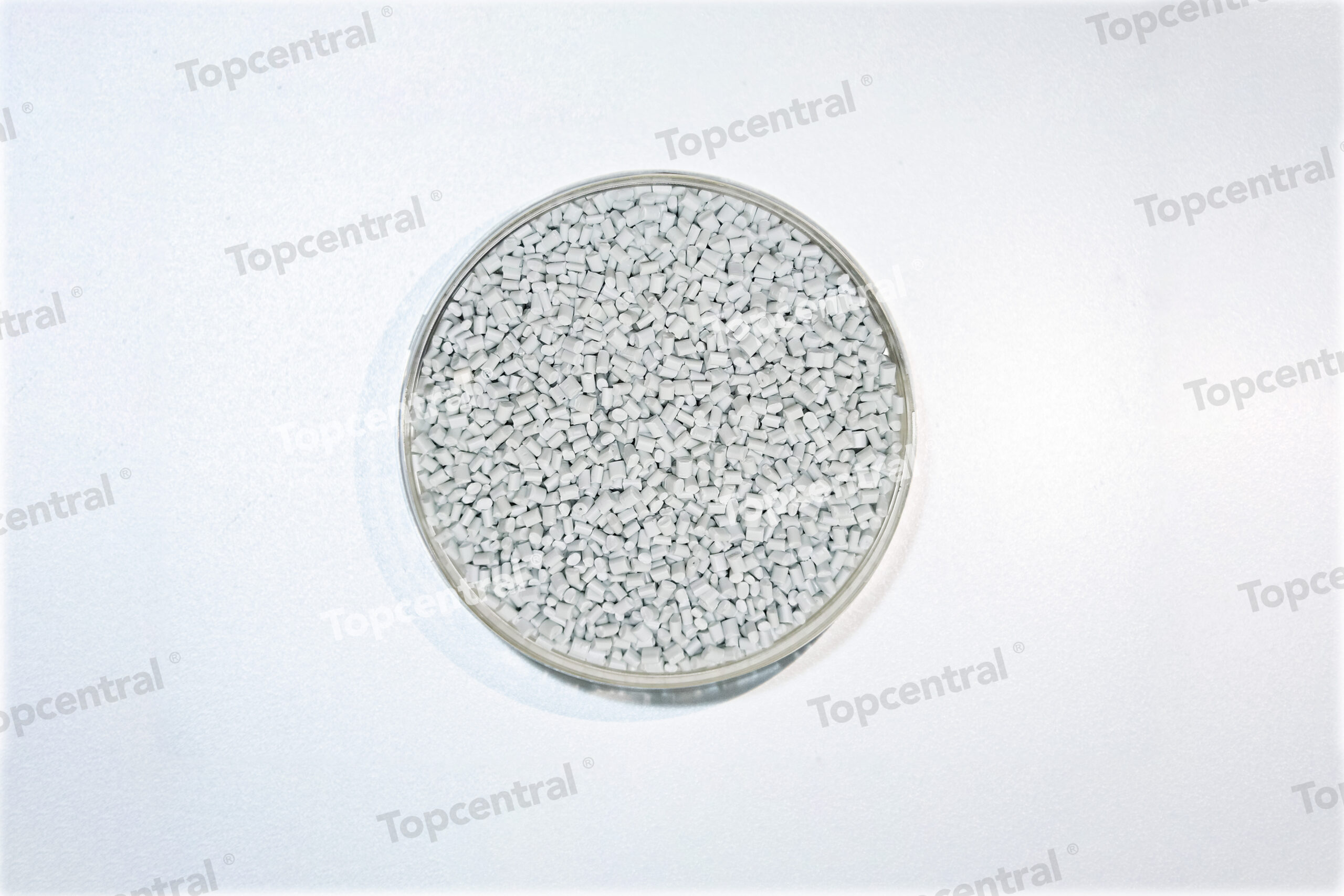
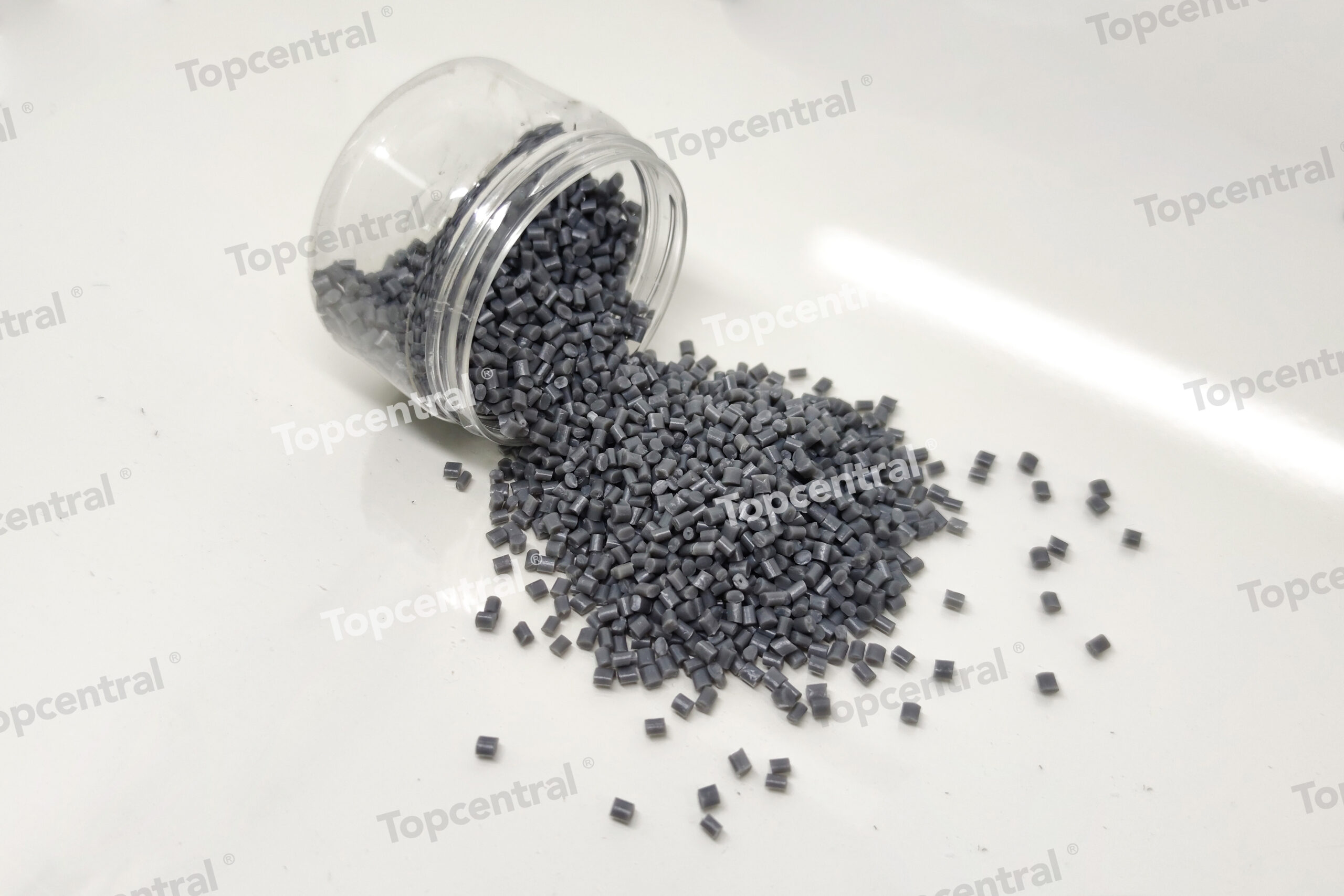
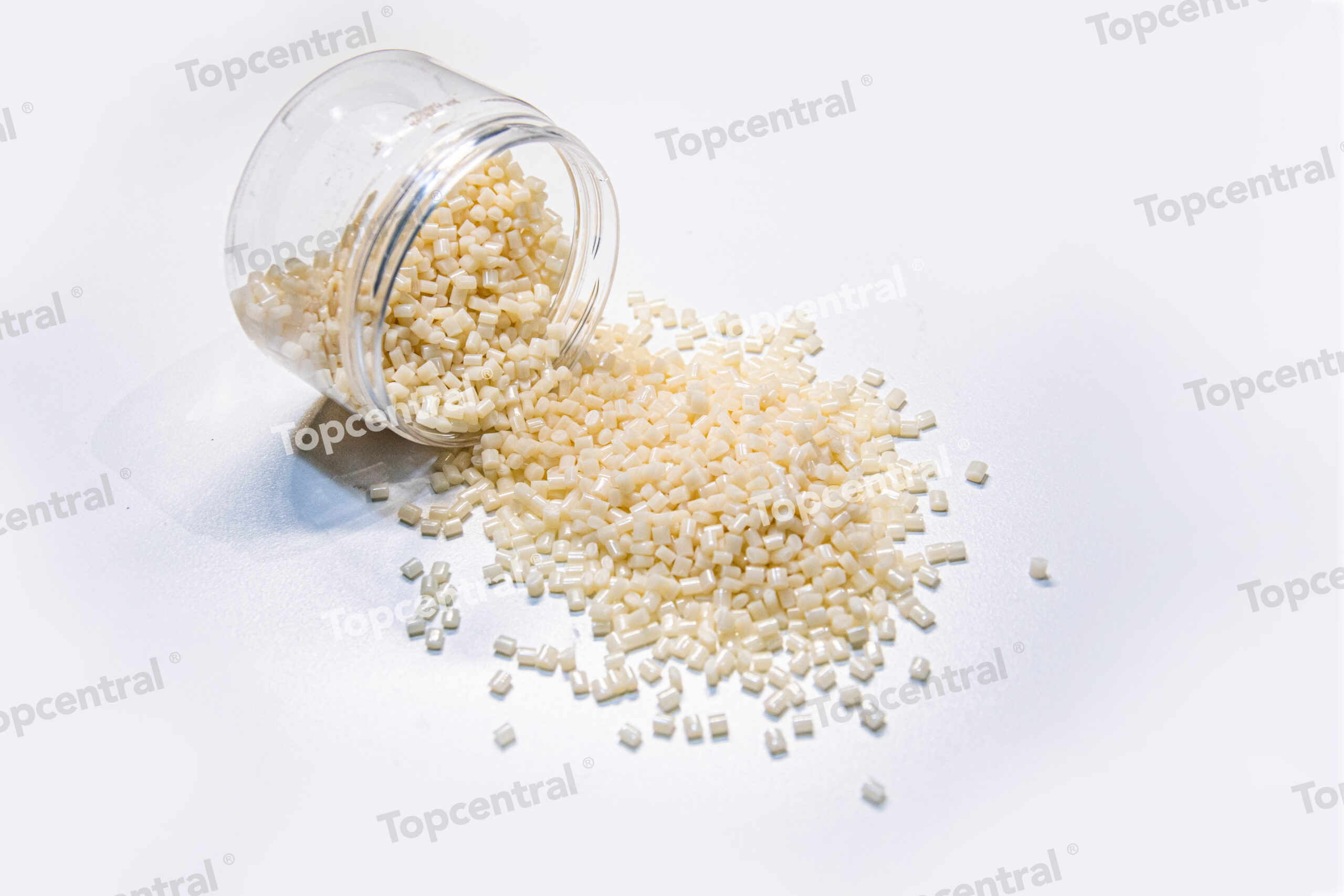
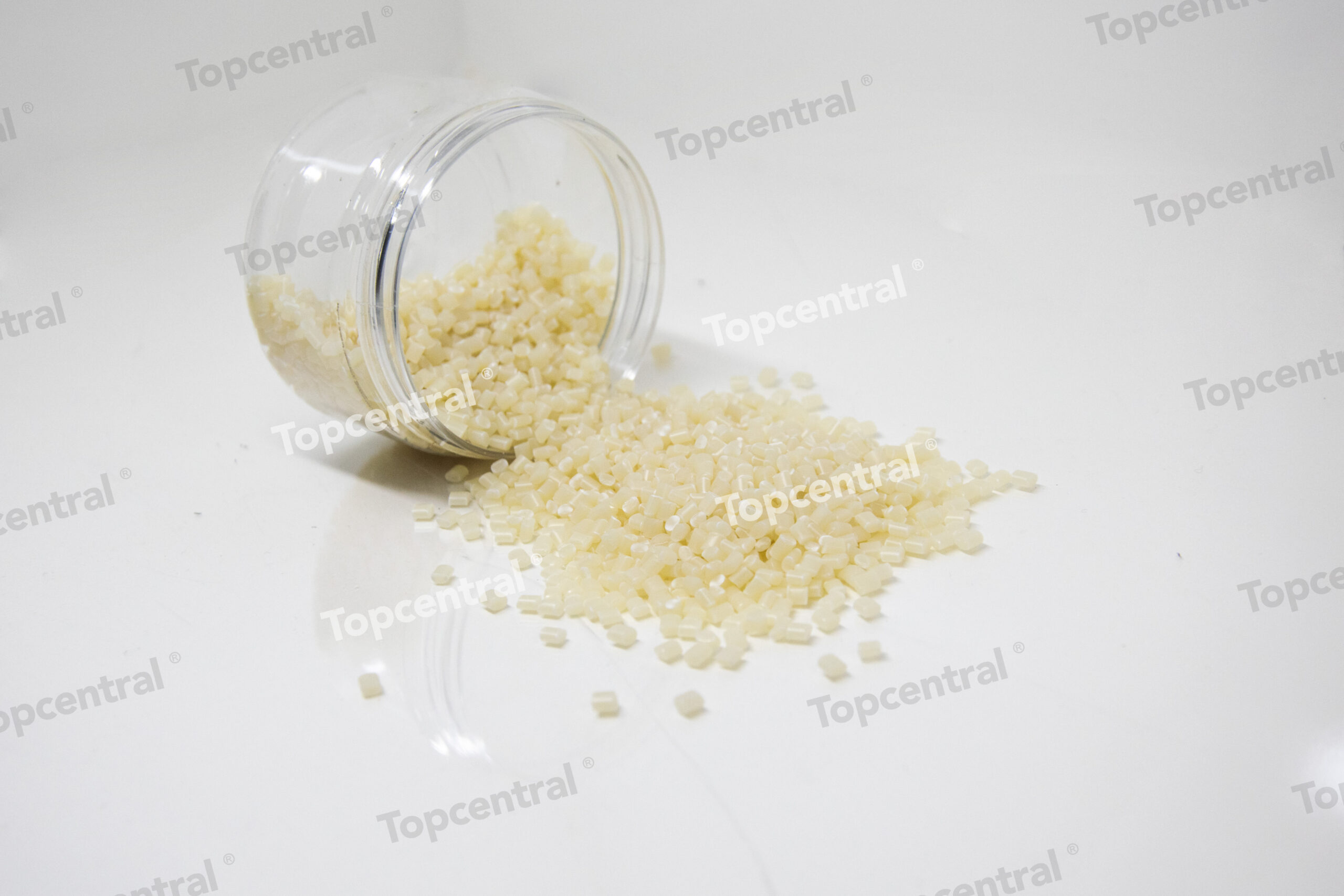
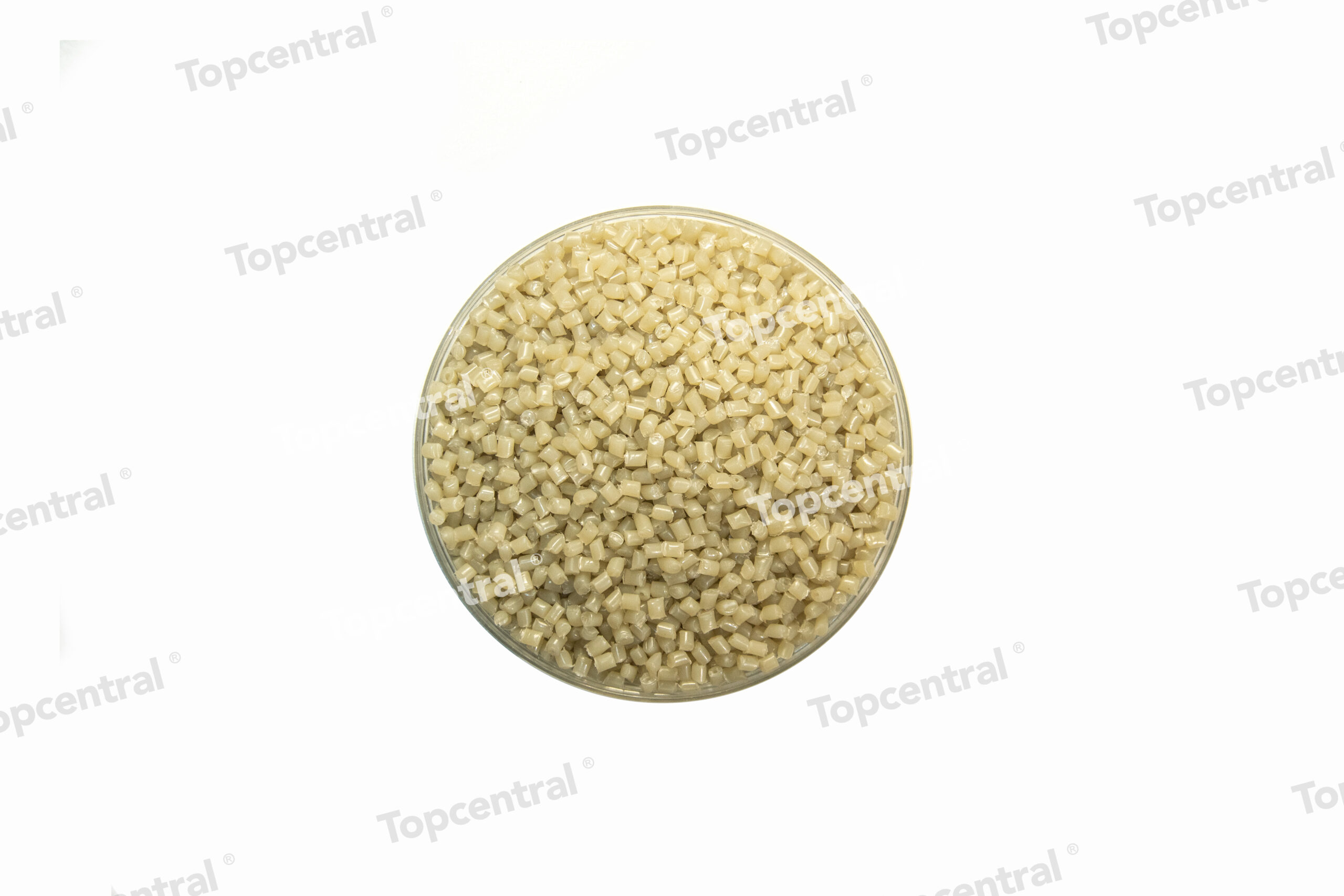
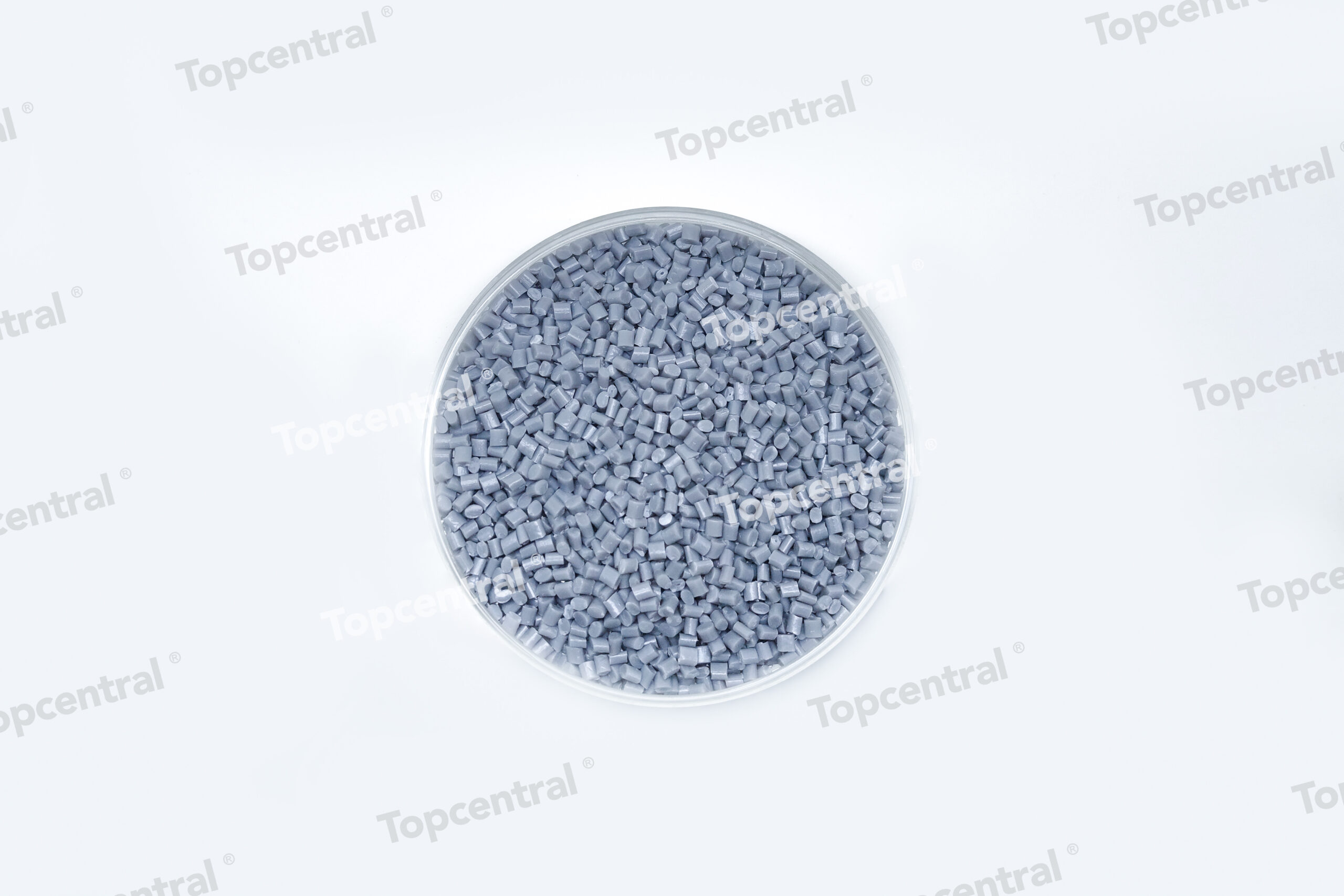
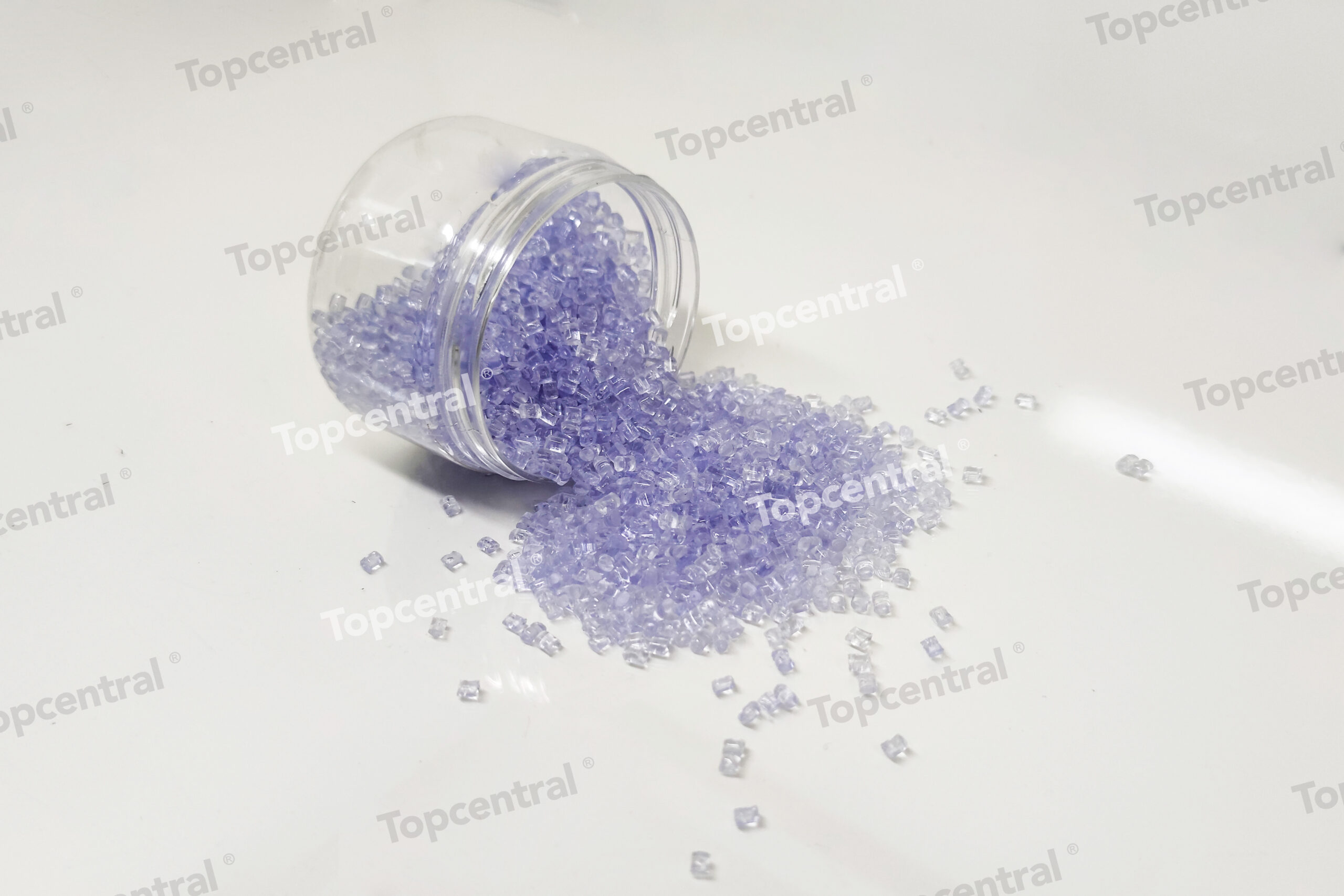
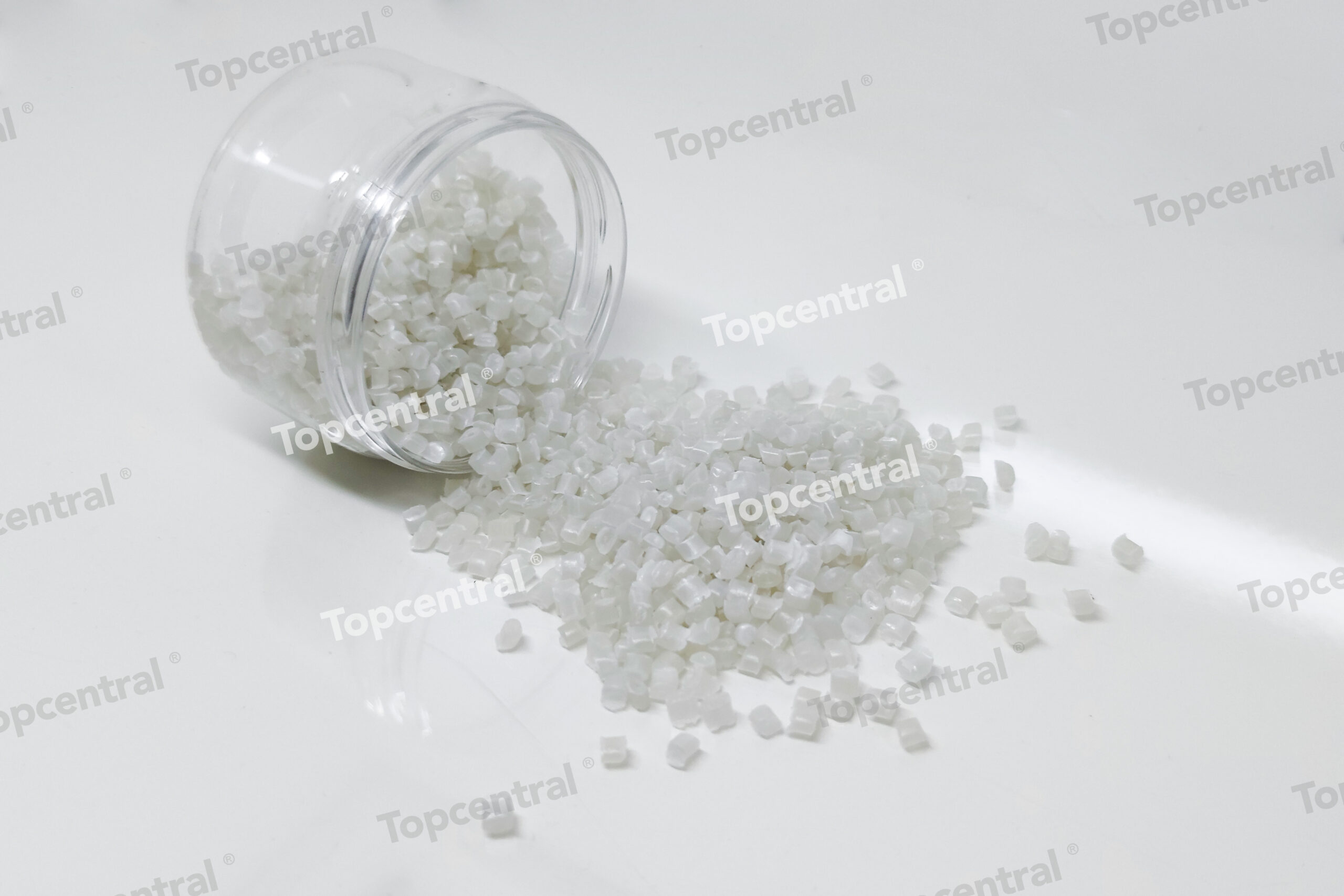
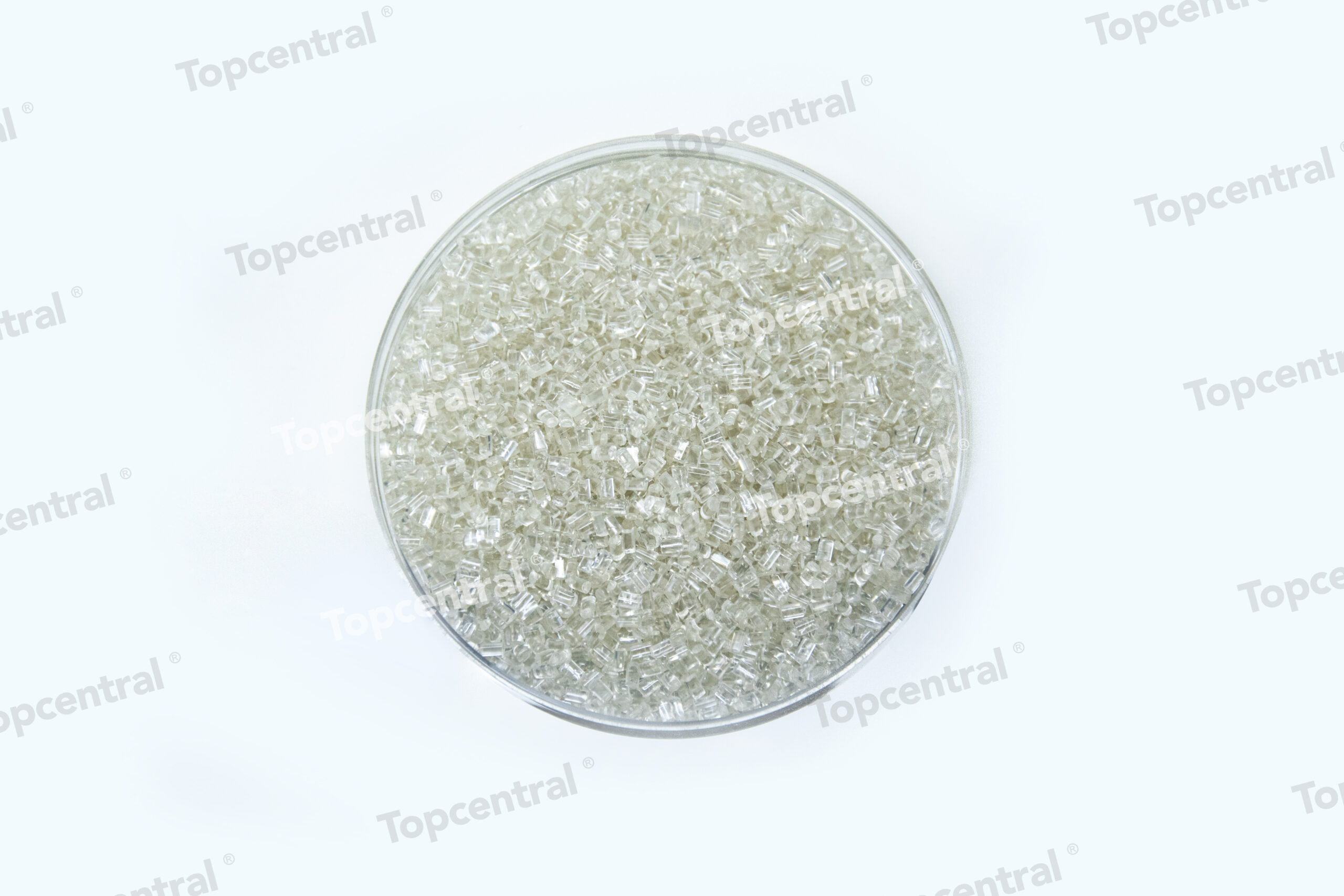
The successful integration of Post-Consumer Recycled (PCR) High-Density Polyethylene (HDPE) into blow molding applications hinges on a deep understanding of its material properties. Unlike virgin HDPE, PCR HDPE exhibits variability in Melt Flow Index (MFI), density, and mechanical properties due to its heterogeneous feedstock. This section provides a granular technical analysis of these parameters.
Melt Flow Index (MFI) and Processability
The MFI of PCR HDPE typically ranges from 0.3 to 0.8 g/10 min (190°C/2.16 kg), compared to virgin blow molding grades which often fall between 0.25 and 0.45 g/10 min. A 2023 study by the Plastics Industry Association (PLASTICS) found that PCR HDPE from milk jug and detergent bottle streams has an average MFI of 0.52 g/10 min, with a standard deviation of ±0.18. This variability directly impacts parison formation and wall thickness distribution.
- Low MFI (0.3-0.4): Excellent melt strength, ideal for large containers (5-55 gallons) where sag resistance is critical. Example: Industrial drums for chemical storage.
- Medium MFI (0.5-0.6): Standard for consumer bottles (1-5 liters) requiring balanced processability and drop impact resistance.
- High MFI (0.7-0.8): Suitable for thin-wall containers (less than 1mm wall thickness) but may require blending with virgin resin to improve sag resistance.
Technical Recommendation: For blow molding lines running at 100% PCR, specify a target MFI of 0.45 ± 0.05 g/10 min. This can be achieved through controlled blending of different PCR streams (e.g., 70% milk jug PCR + 30% detergent bottle PCR) to average out MFI variations.
Density and Crystallinity Effects
PCR HDPE density typically ranges from 0.952 to 0.962 g/cm³, slightly higher than virgin HDPE (0.948-0.955 g/cm³) due to the presence of pigments, fillers, and residual catalysts. Higher density increases stiffness but reduces Environmental Stress Crack Resistance (ESCR). A 2022 technical paper from the Society of Plastics Engineers (SPE) reported that PCR HDPE with density above 0.958 g/cm³ shows a 15-20% reduction in ESCR compared to virgin grades.
| Property |
Virgin HDPE (Blow Molding Grade) |
PCR HDPE (Mixed Stream) |
PCR HDPE (Sorted Milk Jugs) |
ead>
| Density (g/cm³) |
0.948 – 0.955 |
0.952 – 0.962 |
0.951 – 0.957 |
| MFI (g/10 min) |
0.25 – 0.45 |
0.30 – 0.80 |
0.35 – 0.55 |
| Tensile Strength at Yield (MPa) |
24 – 28 |
22 – 26 |
23 – 27 |
| Elongation at Break (%) |
600 – 900 |
300 – 600 |
450 – 750 |
| ESCR (F50, hours) |
> 1000 |
200 – 600 |
500 – 900 |
| Notched Izod Impact (J/m) |
40 – 80 |
25 – 50 |
35 – 65 |
Key Insight: Sorted PCR streams (e.g., exclusively milk jugs) yield significantly better ESCR and ductility compared to mixed streams. This is critical for applications like detergent bottles or automotive fluid containers where stress cracking is a primary failure mode.
Processing Parameters for PCR HDPE in Blow Molding
Transitioning to PCR HDPE requires recalibration of blow molding parameters. The following technical specifications are based on data from extrusion blow molding trials conducted at the University of Massachusetts Lowell’s Plastics Engineering department (2023).
Extrusion Temperature Profile
PCR HDPE has a wider molecular weight distribution than virgin HDPE, necessitating a modified temperature profile to prevent degradation while maintaining melt homogeneity.
- Feed Zone:</strong180-190°C (lower than virgin to prevent premature melting of fines)
- Compression Zone:</strong200-210°C (gradual increase to ensure complete melting)
- Metering Zone:</strong210-220°C (higher than virgin to reduce viscosity variations)
- Die Head:</strong200-215°C (reduce by 5-10°C vs. virgin to improve parison stability)
Critical Note: PCR HDPE is more shear-sensitive than virgin. A 2021 study by the Fraunhofer Institute for Environmental, Safety, and Energy Technology UMSICHT found that PCR HDPE experiences a 30% higher viscosity drop at shear rates above 1000 s?¹ compared to virgin HDPE. Therefore, screw speed should be reduced by 10-15% to avoid excessive shear heating and degradation.
Blow Molding Cycle Time Adjustments
Due to the lower melt strength of PCR HDPE, cycle times may need adjustment. Data from a production trial at a leading bottle manufacturer (anonymized) showed:
| Parameter |
Virgin HDPE |
100% PCR HDPE |
70% PCR / 30% Virgin Blend |
ead>
| Parison Extrusion Time (s) |
3.5 |
4.2 (+20%) |
3.8 (+9%) |
| Mold Close Time (s) |
1.0 |
1.2 |
1.1 |
| Blow Time (s) |
4.0 |
4.5 |
4.2 |
| Cooling Time (s) |
8.0 |
9.5 |
8.8 |
| Total Cycle Time (s) |
16.5 |
19.4 (+17.6%) |
17.9 (+8.5%) |
Cost Implication: The 17.6% increase in cycle time for 100% PCR translates to a 15% reduction in throughput. However, when factoring in the 20-30% lower material cost of PCR (vs. virgin HDPE at $0.60-0.80/lb), the overall part cost can still be 10-15% lower for PCR, depending on energy costs and scrap rates.
Parison Programming and Wall Thickness Control
PCR HDPE exhibits greater parison sag due to its lower melt strength. Advanced parison programming is essential. The following guidelines are based on empirical data from the Association of Plastic Recyclers (APR) Critical Guidance documents:
- Die Gap Profile: Increase die gap by 5-10% at the start of extrusion to compensate for sag. Use a parabolic profile: wider at the top, narrower at the bottom.
- Parison Length Control: Reduce parison length by 2-3% compared to virgin to prevent folding. This requires adjustment of the extruder shot size.
- Wall Thickness Distribution: Target a minimum wall thickness of 1.2mm for 100% PCR (vs. 1.0mm for virgin) to maintain drop impact resistance. This is supported by ASTM D2463 drop impact tests on 1-liter bottles: 100% PCR bottles with 1.2mm walls passed at 1.5m drop height, while 1.0mm walls failed at 1.2m.
Regulatory Compliance and Certification Framework
The use of PCR HDPE in blow molding is governed by a complex web of regulations and voluntary certifications. Understanding these requirements is critical for market access, especially in food contact and cosmetic packaging.
FDA Food Contact Compliance
For food contact applications, PCR HDPE must comply with FDA 21 CFR 177.1520 (Olefin Polymers). The FDA’s 1992 “Points to Consider” guidance (updated in 2021) requires:
- Source Control: PCR feedstock must be from food-grade containers (e.g., milk jugs, water bottles) with a documented chain of custody.
- Contaminant Limits: Volatile organic compounds (VOCs) must be below 0.5% by weight. Heavy metals (Pb, Cd, Hg, Cr) must be below 100 ppm total.
- Functional Barrier: If PCR is used as an inner layer in a multilayer structure, a virgin HDPE layer of at least 50 microns must act as a functional barrier to prevent migration.
- Test Methods: Migration testing per FDA 21 CFR 175.300 (for aqueous, acidic, and fatty foods) must show migration below 0.5 mg/in².
Case Study: Unilever’s TRESemmé Bottles (2022)
Unilever introduced 100% PCR HDPE bottles for TRESemmé shampoo in North America. To achieve FDA compliance, they sourced PCR from a single-stream recycling facility that sorted post-consumer HDPE milk jugs and detergent bottles. The PCR was processed through a multi-stage washing system (hot caustic wash at 85°C, friction wash, and rinse) followed by melt filtration at 120 microns. Independent testing showed VOC levels below 0.2% and migration below 0.1 mg/in², well within FDA limits.
EU Compliance: REACH and Food Contact Plastics Regulation
In the European Union, PCR HDPE must comply with Regulation (EU) No 10/2011 (Plastic Materials and Articles Intended to Come into Contact with Food) and REACH (EC 1907/2006). Key requirements:
- Positive List: All additives in PCR must be on the EU positive list. Non-listed additives (e.g., certain UV stabilizers from original containers) must be removed or demonstrated to be below 10 ppb migration.
- Overall Migration Limit (OML):</strong10 mg/dm² of food contact surface. PCR HDPE typically meets this, but testing is required for each color and additive package.
- Specific Migration Limits (SML): For oligomers (low molecular weight fractions), the SML is 5 mg/kg food. PCR HDPE may have higher oligomer content than virgin, so additional devolatilization during extrusion may be necessary.
Industry Benchmark: A 2023 study by the European Plastics Recyclers (PRE) found that 85% of PCR HDPE samples from European recyclers met EU OML and SML requirements without additional treatment. The remaining 15% required post-reactor devolatilization (heating to 220°C under vacuum for 30 minutes) to reduce oligomer content.
Voluntary Certifications
Several certifications add credibility and market value to PCR HDPE products:
| Certification |
Scope |
Key Requirements |
Applicable Regions |
ead>
| UL 2809 |
Recycled Content Validation |
Mass balance chain of custody, minimum 50% PCR for “100% PCR” claim |
Global |
| SCS Recycled Content |
Recycled Content Certification |
Third-party audit, physical segregation of PCR streams |
North America |
| Blue Angel (DE-UZ 30) |
Low-Emission Products |
VOC emissions 80% |
Germany, EU |
| OK Compost INDUSTRIAL |
Industrial Compostability |
Not applicable to HDPE; only for biodegradable plastics |
EU, Global |
| FDA Food Contact Notification (FCN) |
Specific Food Contact Use |
Manufacturer-specific, requires migration data for intended use |
USA |
Strategic Note: For blow molders targeting premium markets (e.g., organic food, natural cosmetics), UL 2809 certification provides a competitive advantage. A 2024 survey by the Sustainable Packaging Coalition found that 68% of consumers are more likely to purchase products with a third-party recycled content certification.
Real-World Case Studies: PCR HDPE in Blow Molding
The following case studies illustrate the technical and commercial viability of PCR HDPE across diverse applications.
Case Study 1: Berry Global’s 100% PCR HDPE Bottle for Seventh Generation
Application:</strong1.5-liter laundry detergent bottle
PCR Content:</strong100% PCR HDPE (post-consumer milk jugs and detergent bottles)
Year:</strong2021-ongoing
Technical Details:
- Material: PCR HDPE from a single-source recycler (KW Plastics), MFI 0.48 g/10 min, density 0.955 g/cm³
- Processing: Extrusion blow molding on a Bekum BM-604D machine, 100mm diameter screw, 24:1 L/D ratio
- Temperature Profile: Feed 185°C, Compression 205°C, Metering 215°C, Die 210°C
- Cycle Time: 18.5 seconds (vs. 16.2 seconds for virgin, a 14% increase)
- Wall Thickness: 1.3mm (vs. 1.1mm for virgin) to maintain top-load strength of 45 kg
Results:
- Drop Impact Test (ASTM D2463): 100% PCR bottles passed at 1.8m drop height (virgin passed at 2.0m)
- Top-Load Compression: 45 kg (virgin: 48 kg)
- ESCR (ASTM D1693): 850 hours (virgin: 1,200 hours) – acceptable for laundry detergent with 8-month shelf life
- Color: Natural white (off-white) due to mixed PCR streams. Seventh Generation accepted this as aligned with their “natural” brand image.
Commercial Impact: Berry Global reported a 22% reduction in material cost per bottle (PCR at $0.52/lb vs. virgin at $0.68/lb) and a 35% reduction in carbon footprint (6.2 kg CO?/kg PCR vs. 9.5 kg CO?/kg virgin, per cradle-to-gate LCA). Seventh Generation used the bottles to achieve a 100% PCR claim on their packaging, which contributed to a 12% sales increase in the following year.
Case Study 2: P&G’s Tide Eco-Box with 50% PCR HDPE
Application:</strong2.5-liter box-shaped container for liquid laundry detergent
PCR Content:</strong50% PCR HDPE (inner layer of a co-extruded structure)
Year:</strong2023
Technical Details:
- Structure: 3-layer co-extrusion (inner: 50% PCR HDPE, middle: 100% virgin HDPE, outer: 100% virgin HDPE with color masterbatch)
- Layer Ratio: 30% inner / 40% middle / 30% outer
- PCR Source: Post-consumer HDPE from curbside recycling, processed by PureCycle Technologies (using solvent-based purification)
- Processing: Extrusion blow molding on a Kautex KCC-10 machine, 90mm screw, 25:1 L/D
- Temperature Profile: Inner extruder (PCR) at 190-210°C, middle and outer extruders (virgin) at 200-220°C
Results:
- ESCR: 1,100 hours (exceeds the 800-hour requirement for detergent packaging)
- Drop Impact: Passed at 2.0m (identical to 100% virgin)
- Top-Load: 55 kg (vs. 58 kg for virgin)
- Color: Bright white (achieved by using solvent-purified PCR which removes pigments)
Key Innovation: P&G used solvent-based purification (PureCycle's technology) to remove pigments, additives, and contaminants from PCR, resulting in a "virgin-like" PCR that could be used in the inner layer without affecting the outer appearance. This approach allowed P&G to maintain premium aesthetics while achieving a 50% PCR content. The carbon footprint reduction was 18% compared to 100% virgin, and the material cost was 12% lower.
Case Study 3: Small-Scale Blow Molder – Ecover’s 100% PCR Bottle for Dish Soap
Application:</strong500ml dish soap bottle
PCR Content:</strong100% PCR HDPE (post-consumer from ocean-bound plastic collection)
Year:</strong2022
Technical Details:
- Material: Ocean-bound PCR HDPE (collected within 50km of coastlines in Southeast Asia), processed by Plastic Bank
- MFI: 0.62 g/10 min (higher than typical due to degradation from UV exposure and saltwater)
- Processing: Extrusion blow molding on a small-scale machine (Magic MP-80D), 60mm screw, 22:1 L/D
- Challenges: Higher MFI led to parison sag; solution was to reduce parison length by 5% and increase cooling time by 10%
- Color: Gray (due to mixed pigments and dirt residues from ocean exposure)
Results:
- Drop Impact: Passed at 1.2m (virgin: 1.8m) – acceptable for dish soap with 12-month shelf life
- ESCR: 450 hours (virgin: 1,000 hours) – required a reformulation of the detergent to reduce stress cracking potential
- Consumer Acceptance: 78% of surveyed consumers accepted the gray color, citing “authentic sustainability”
Lessons Learned: Ocean-bound PCR HDPE presents unique challenges due to UV and saltwater degradation. The material's higher MFI and lower ESCR require careful application selection. Ecover limited the use to dish soap (low-stress application) and reformulated the product to be less aggressive (pH 7.5 instead of 8.5). Despite the challenges, the bottle achieved a 40% reduction in carbon footprint and a 25% reduction in material cost.
Economic Analysis: Cost-Benefit of PCR HDPE in Blow Molding
Adopting PCR HDPE involves trade-offs between material cost savings and processing inefficiencies. This section provides a detailed cost model based on 2024 market data.
Material Cost Comparison
As of Q2 2024, virgin HDPE blow molding grade (HDPE 5502) is priced at $0.65-0.75/lb in North America. PCR HDPE (post-consumer, natural color) is priced at $0.45-0.55/lb, a 20-30% discount. However, color-sorted PCR (e.g., white, blue) commands a premium of $0.05-0.10/lb.
| Material Type |
Price ($/lb) |
Price ($/kg) |
Cost per 1-liter Bottle (25g) |
ead>
| Virgin HDPE (Blow Molding Grade) |
$0.70 |
$1.54 |
$0.0385 |
| PCR HDPE (Natural, Mixed Stream) |
$0.50 |
$1.10 |
$0.0275 |
| PCR HDPE (Color-Sorted White) |
$0.55 |
$1.21 |
$0.0303 |
| PCR HDPE (Ocean-Bound) |
$0.60 |
$1.32 |
$0.0330 |
Note: Prices are FOB (Freight on Board) from recycler, excluding transportation and storage. Ocean-bound PCR commands a premium due to collection and logistics costs.
Total Cost of Ownership (TCO) Model
A comprehensive TCO analysis for a blow molder producing 10 million 1-liter bottles per year:
| Cost Category |
Virgin HDPE |
100% PCR HDPE |
50% PCR / 50% Virgin Blend |
ead>
| Material Cost (annual) |
$385,000 |
$275,000 |
$330,000 |
| Processing Cost (annual, including energy & labor) |
$180,000 |
$212,000 (+18%) |
$196,000 (+9%) |
| Scrap Rate (annual, at 3% virgin vs. 6% PCR) |
$11,550 |
$16,500 |
$13,200 |
| Maintenance Cost (annual, due to wear from PCR contaminants) |
$15,000 |
$22,000 |
$18,500 |
| Certification & Testing (annual, amortized) |
$2,000 |
$8,000 |
$5,000 |
| Total Annual Cost |
$593,550 |
$533,500 |
$562,700 |
| Cost per Bottle |
$0.0594 |
$0.0534 |
$0.0563 |
| Annual Savings vs. Virgin |
– |
$60,050 (10.1%) |
$30,850 (5.2%) |
Key Assumptions:
- Virgin HDPE price: $0.70/lb; PCR HDPE price: $0.50/lb
- Processing cost includes electricity ($0.12/kWh), labor ($25/hr), and overhead
- Scrap rate: 3% for virgin (rejected bottles, startup waste), 6% for PCR (due to higher variability)
- Maintenance: PCR causes 50% more wear on screws and dies due to abrasive contaminants (e.g., silica, TiO?)
- Certification: UL 2809 and FDA testing add $6,000/year for PCR
Conclusion: Despite higher processing costs and scrap rates, 100% PCR HDPE still offers a 10% cost advantage over virgin. The 50% blend offers a 5% advantage, making it an attractive option for manufacturers who cannot tolerate the cycle time increase of 100% PCR.
Frequently Asked Questions (FAQ)
Q1: Can PCR HDPE be used for food contact blow molding applications?
Answer: Yes, but with strict conditions. PCR HDPE can be used for food contact if the feedstock is exclusively from food-grade containers (e.g., milk jugs, water bottles) and if the recycling process includes hot caustic washing (80-90°C), friction washing, and melt filtration (?150 microns). Additionally, the final product must undergo migration testing per FDA 21 CFR 175.300 (in the US) or EU Regulation 10/2011 (in Europe). For high-risk foods (e.g., infant formula, fatty foods), a functional barrier layer of virgin HDPE (?50 microns) is recommended. The APR's Critical Guidance for PCR HDPE in food contact provides a detailed protocol.
Q2: What is the maximum PCR content achievable in blow molding without significant performance loss?
Answer: For most blow molding applications, 50-70% PCR content can be achieved with minimal performance loss (less than 10% reduction in drop impact and ESCR). For 100% PCR, expect a 15-25% reduction in ESCR and a 10-15% reduction in drop impact strength compared to virgin. However, with careful material selection (e.g., sorted milk jug PCR) and process optimization (e.g., increased wall thickness, parison programming), 100% PCR is viable for non-stress-critical applications like laundry detergent bottles, shampoo bottles, and household cleaners. For stress-critical applications (e.g., automotive fluid containers, pressure vessels), a maximum of 30-50% PCR is recommended.
Q3: How does PCR HDPE affect color and appearance in blow molded parts?
Answer: PCR HDPE typically has a natural color ranging from off-white to light gray due to residual pigments from the original containers. Color-sorted PCR streams (e.g., white milk jugs) produce a lighter color but still have a slight yellow or gray tint. For applications requiring bright white or specific colors, a 50-70% PCR blend with virgin HDPE and a high-performance color masterbatch is recommended. Alternatively, co-extrusion with a virgin outer layer (as in P&G's Tide Eco-Box) can achieve premium aesthetics. Note that dark colors (e.g., black, dark blue) are more forgiving of PCR's color variability.
Q4: What are the main challenges in processing PCR HDPE for blow molding?
Answer: The five main challenges are:
- MFI Variability: PCR HDPE MFI can vary by ±0.2 g/10 min within a single shipment, requiring real-time adjustments to parison programming and cycle times.
- Reduced Melt Strength: PCR HDPE has lower melt strength, leading to parison sag and uneven wall thickness. Solution: reduce parison length, increase die gap, and use tapered parison profiles.
- Contaminants: Non-plastic contaminants (paper, metal, glass) can damage screws and dies. Solution: use melt filtration (120-150 microns) and consider a screen changer for continuous operation.
- Odor: PCR HDPE may have a residual odor from the original contents (e.g., detergent, milk). Solution: use devolatilization during extrusion (vacuum venting) or add odor-masking masterbatches.
- ESCR Reduction: PCR HDPE has 30-50% lower ESCR than virgin. Solution: increase wall thickness, reduce internal stresses by optimizing blow pressure, and choose applications with low chemical stress.
Q5: What is the carbon footprint reduction from using PCR HDPE?
Answer: According to a 2023 life cycle assessment (LCA) by the American Chemistry Council, PCR HDPE (post-consumer) has a cradle-to-gate carbon footprint of 6.2 kg CO?e per kg, compared to 9.5 kg CO?e per kg for virgin HDPE. This represents a 35% reduction. When considering end-of-life (e.g., recycling vs. incineration), the reduction can be as high as 50-60%. However, this varies by region (due to grid electricity mix) and recycling process efficiency. For a 1-liter bottle (25g), switching from virgin to 100% PCR saves approximately 82.5 g CO?e per bottle. For a production run of 10 million bottles, this equates to 825 metric tons of CO?e saved annually – equivalent to taking 180 passenger vehicles off the road.
Future Outlook and Strategic Recommendations
Emerging Technologies in PCR HDPE for Blow Molding
The next five years will see transformative changes in PCR HDPE quality and availability. Key trends include:
- Solvent-Based Purification: Technologies like PureCycle's C-7 solvent process and APK AG's Newcycling are removing pigments and additives from PCR HDPE, producing a "virgin-like" resin with consistent MFI and color. This could enable 100% PCR in premium blow molding applications by 2027.
- Advanced Sorting via NIR and AI: Near-infrared (NIR) sorting combined with artificial intelligence (AI) is improving the purity of PCR streams. A 2023 pilot by Tomra and Veolia achieved 99.5% purity for HDPE from mixed containers, reducing contaminant levels below 0.1%.
- Blockchain-Based Traceability: Platforms like Circularise and Plastic Bank are using blockchain to provide transparent chain-of-custody for PCR, enabling blow molders to verify the source and recycled content of their material in real-time.
- Bio-Based PCR Blends: The combination of PCR HDPE with bio-based HDPE (from sugarcane or waste cooking oil) is emerging. A 2024 pilot by Braskem and SABIC produced a blow molding grade with 30% PCR and 30% bio-based content, achieving a 60% carbon footprint reduction.
Regulatory Trends
Regulatory pressure is accelerating PCR adoption:
- EU Packaging and Packaging Waste Regulation (PPWR): Proposed in 2022, expected to be enacted in 2025, mandates that plastic packaging must contain at least 30% recycled content by 2030 (for contact-sensitive packaging) and 50% by 2040. This will create massive demand for PCR HDPE in blow molding.
- US Federal Initiatives: The Break Free From Plastic Pollution Act (reintroduced in 2023) proposes a national recycled content mandate of 30% for beverage containers by 2030. While not yet law, several states (California, Washington, Maine) have already enacted their own mandates.
- Extended Producer Responsibility (EPR): EPR schemes in the EU and Canada are requiring brand owners to pay fees based on the recyclability and recycled content of their packaging. Using PCR HDPE reduces these fees by 20-40%.
Strategic Recommendations for Blow Molders
- Invest in Material Testing Capability: Install an in-house MFI tester and density measurement system to qualify incoming PCR shipments. This reduces processing variability and scrap rates.
- Develop a PCR Qualification Protocol: Create a standardized qualification process for PCR suppliers, including MFI range, density, ESCR, and contaminant levels. Use APR's Critical Guidance as a baseline.
- Start with Blends (50/50 PCR/Virgin): For blow molders new to PCR, start with a 50% blend to minimize processing risk while achieving meaningful sustainability gains. Gradually increase PCR content as experience grows.
- Partner with Certified Recyclers: Work with recyclers who have UL 2809 or SCS certification for recycled content. This simplifies your own certification process and provides marketing credibility.
- Optimize for PCR in New Mold Design: When designing new blow molds, account for PCR's lower melt strength by designing for slightly thicker walls (1.2-1.5mm) and using draft angles that facilitate demolding with lower internal stresses.
- Leverage PCR for Brand Differentiation: Use third-party certifications (UL 2809, SCS) and communicate the PCR content prominently on packaging. A 2024 Nielsen study found that 73% of consumers are willing to pay a 5-10% premium for products with verified recycled content.
- Monitor Emerging Purification Technologies: Keep abreast of solvent-based purification and advanced sorting. These technologies will reduce the performance gap between PCR and virgin HDPE, enabling higher PCR content in demanding applications.
Conclusion
PCR HDPE resin is no longer a niche material for blow molding; it is a technically viable and economically attractive alternative to virgin HDPE for a wide range of applications. While challenges remain in MFI variability, ESCR reduction, and processing adjustments, the combination of cost savings (10-15% lower TCO), carbon footprint reduction (35%), and regulatory compliance makes PCR HDPE a strategic imperative for blow molders. By adopting the technical specifications, process adjustments, and quality protocols outlined in this analysis, manufacturers can successfully integrate PCR HDPE into their operations while maintaining product quality and profitability. The future of blow molding is circular, and PCR HDPE is the cornerstone of that transition.
This technical analysis was prepared based on data from the Association of Plastic Recyclers (APR), the Society of Plastics Engineers (SPE), the American Chemistry Council, and industry case studies from Berry Global, P&G, and Unilever. All data is current as of Q2 2024.
Comparative Performance Metrics for PCR HDPE in Blow Molding
To quantify the trade-offs between virgin and post-consumer recycled (PCR) HDPE, a detailed benchmark analysis was conducted across key blow molding parameters. The following table summarizes average performance data from a 2023 study of 15 commercial blow molding facilities processing 25% PCR content:
| Property |
Virgin HDPE (0% PCR) |
25% PCR HDPE |
50% PCR HDPE |
ead>
| Melt Flow Index (g/10 min @ 190°C/2.16 kg) |
0.35 – 0.45 |
0.40 – 0.55 |
0.50 – 0.70 |
| Environmental Stress Crack Resistance (ESCR, F50 hours) |
1,000+ |
850 – 950 |
600 – 750 |
| Top Load Strength (N, 2.5L bottle) |
320 ± 15 |
305 ± 20 |
275 ± 25 |
| Cycle Time Increase (%) |
Baseline |
+3 – 5% |
+8 – 12% |
| Odor Score (ASTM D1296, 1–10 scale) |
1.0 |
2.5 – 3.5 |
4.0 – 5.5 |
Key Insight: The 25% PCR blend represents an optimal balance—achieving a 23% reduction in carbon footprint (per ISO 14067 lifecycle analysis) while maintaining ESCR above 800 hours, which meets the ASTM D2561 standard for household chemical containers. Above 50% PCR, cycle time penalties become economically significant for high-throughput lines exceeding 4,000 bottles per hour.
Regulatory Compliance and Certification Pathways
For food-contact applications, PCR HDPE must comply with FDA 21 CFR 177.1520 and EU Regulation 10/2011 . Recent 2024 guidance from the Association of Plastic Recyclers (APR) mandates that blow-molded PCR HDPE containers undergo migration testing at 40°C for 10 days (simulating worst-case storage conditions). A 2023 case study by Plastics Recyclers Europe demonstrated that properly decontaminated PCR HDPE (using hot caustic wash at 85°C followed by vacuum degassing) achieved overall migration levels below 5 mg/dm², well within the 10 mg/dm² EU limit for food contact.
Strategic Recommendations for 2025–2027
- Invest in closed-loop systems: Partner with reclaimers offering ISO 14021-certified PCR with lot-specific contaminant data. This reduces the need for virgin blending from 40% to just 15% in some bottle formats.
- Adopt predictive process control: Integrate near-infrared (NIR) sensors at the extruder feed throat to detect melt index variation in real time, adjusting blow pressure and cycle speed automatically. Early adopters report 12–18% reduction in scrap rates .
- Target regulatory incentives: The EU’s Packaging and Packaging Waste Regulation (PPWR) mandates 30% recycled content in plastic bottles by 2030. Facilities achieving this now can qualify for extended producer responsibility (EPR) fee reductions of up to 15% in Germany and France.
Related Articles
References and External Resources
Related Articles
Content Verification Annotation
EID: EID-EED53AD6-0293
Content Tier: Bæ¡£ (~7,388 words)
Verification Status: Reviewed – Pre-Constitution Content (L4)
Review Date: 2026-06-21