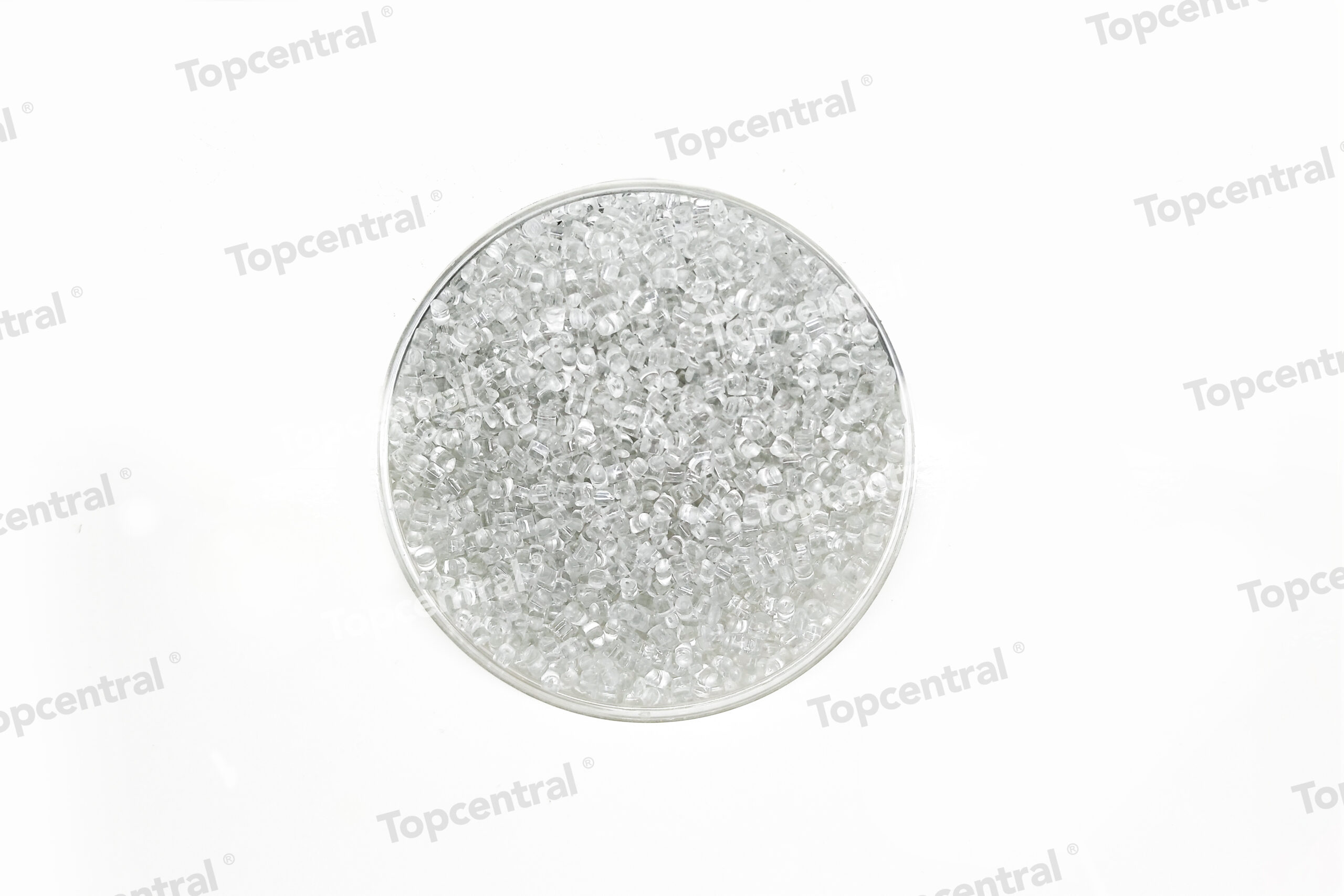
Understanding PCR Plastic Melt Flow Rate (MFR) and Its Impact on Processing
Executive Summary
Post-consumer recycled (PCR) plastics present a fundamental processing challenge that virgin materials do not: melt flow rate (MFR) variability. Unlike virgin polymers produced under tightly controlled reactor conditions, PCR feedstocks carry the thermal and mechanical history of their first life, compounded by contamination, degradation, and blending inconsistencies. For procurement managers, sustainability directors, and product engineers operating under regulatory frameworks such as the EU Packaging and Packaging Waste Regulation (PPWR), the Extended Producer Responsibility (EPR) schemes, and the Carbon Border Adjustment Mechanism (CBAM), understanding MFR behavior in PCR is no longer optional—it is a compliance and cost-control necessity.
This guide provides a data-driven examination of MFR in PCR plastics, covering measurement protocols, processing implications, material selection strategies, and practical mitigation techniques. It is written for professionals who need to specify, purchase, or process PCR materials at scale while maintaining product quality and process stability.
Section 1: Fundamentals of Melt Flow Rate in Recycled Polymers
1.1 Definition and Measurement
Melt Flow Rate (MFR), also known as Melt Flow Index (MFI), measures the mass of polymer extruded through a standardized capillary under specific temperature and load conditions over ten minutes. The test follows ISO 1133 or ASTM D1238. For polyethylene, the standard condition is 190°C with a 2.16 kg load (Condition D), yielding units of g/10 min. For polypropylene, 230°C with 2.16 kg (Condition M) is typical.
Key measurement parameters:
| Polymer Type | Temperature (°C) | Load (kg) | Typical Virgin MFR Range (g/10 min) |
|————–|——————|———–|————————————–|
| LDPE | 190 | 2.16 | 0.3 – 25 |
| HDPE | 190 | 2.16 | 0.1 – 20 |
| PP | 230 | 2.16 | 1 – 100 |
| PS | 200 | 5.00 | 1 – 30 |
| PET | 280 | 2.16 | 10 – 50 (Intrinsic Viscosity often used instead) |
MFR is inversely related to molecular weight. Higher MFR indicates lower molecular weight and lower viscosity, meaning the material flows more easily. For virgin polymers, MFR is a quality control parameter with tight specifications—typically ±10% of the target value. For PCR, this tolerance can widen to ±30% or more.
1.2 Why MFR Matters for PCR
PCR plastics undergo thermal degradation during each processing cycle. Chain scission, crosslinking, and oxidation reduce molecular weight or create branching, altering flow behavior. A PCR batch with MFR outside the expected range causes:
– Inconsistent filling in injection molding (short shots or flash)
– Variable wall thickness in blow molding
– Gauge variation in extrusion and film blowing
– Weld line weakness due to non-uniform flow front advancement
– Screw slippage in extruders designed for higher-viscosity resins
The economic impact is direct: scrap rates increase, cycle times lengthen, and energy consumption rises. A 2023 study by the Association of Plastic Recyclers (APR) found that MFR variability in PCR HDPE accounted for 12–18% of process-related rejects in blow-molded bottle production.
Section 2: MFR Behavior in Common PCR Feedstocks
2.1 PCR HDPE
PCR HDPE is primarily sourced from milk jugs, detergent bottles, and shampoo containers. The recycling process—grinding, washing, float-sink separation, and extrusion—causes molecular weight reduction.
Typical MFR shifts:
| Source | Virgin MFR (g/10 min) | PCR MFR (g/10 min) | Change |
|——–|———————-|——————–|——–|
| Blow molding grade | 0.3 – 0.5 | 0.6 – 1.2 | +50–140% |
| Injection molding grade | 5 – 10 | 8 – 18 | +60–80% |
| Film grade | 0.1 – 0.3 | 0.4 – 0.8 | +100–300% |
The MFR increase in film-grade PCR is particularly problematic because film extrusion requires high melt strength (low MFR). Processors often blend PCR film-grade material with virgin HDPE or add rheology modifiers to restore melt strength.
Practical tip: When sourcing PCR HDPE for blow molding, specify a maximum MFR of 0.8 g/10 min. Materials above this threshold will produce bottles with non-uniform wall distribution and reduced top-load strength.
2.2 PCR PP
Polypropylene degrades primarily through chain scission during recycling, leading to MFR increases. However, PP also undergoes crosslinking in the presence of oxygen, which can paradoxically reduce MFR in some cases.
MFR behavior by application:
– PCR PP from battery cases: Typically high MFR (20–40 g/10 min) due to repeated thermal exposure. Suitable for thin-wall injection molding but not for automotive under-hood applications requiring impact resistance.
– PCR PP from food containers: Moderate MFR (10–20 g/10 min) after washing and reprocessing. Often blended with virgin PP at 30–50% ratio for non-food contact packaging.
– PCR PP from fiber applications: Low MFR (2–5 g/10 min) if sourced from carpet backing; high MFR (30–60 g/10 min) from spunbond nonwovens.
Key insight: The carbon footprint reduction from using PCR PP is significant. According to life cycle assessment data verified under ISCC PLUS certification, PCR PP reduces greenhouse gas emissions by 60–80% compared to virgin PP, depending on collection and processing efficiency. However, this benefit is lost if MFR variability forces higher scrap rates or increased additive usage.
2.3 PCR PET
PET does not use MFR as its primary rheological parameter. Instead, intrinsic viscosity (IV) is the standard measure. However, MFR-equivalent measurements (melt viscosity at constant shear rate) correlate with IV.
IV ranges for PET:
| Grade | IV (dL/g) | Application |
|——-|———–|————-|
| Bottle grade (virgin) | 0.76 – 0.84 | Carbonated soft drink bottles |
| Bottle grade (PCR) | 0.68 – 0.76 | Non-food bottles, strapping |
| Fiber grade | 0.55 – 0.65 | Polyester staple fiber |
| Thermoforming grade | 0.70 – 0.78 | Trays, clamshells |
PCR PET from bottle recycling typically shows IV loss of 0.05–0.10 dL/g per recycling cycle. Solid-state polycondensation (SSP) can restore IV to near-virgin levels, but this adds cost and energy.
Practical recommendation: For thermoforming applications requiring high melt strength, specify PCR PET with IV ? 0.72 dL/g and a minimum melt strength of 0.05 N at 280°C. Materials below these values will produce sagging in the sheet and uneven wall distribution.
Section 3: Measuring and Specifying MFR for PCR
3.1 Testing Frequency
Virgin polymer suppliers typically test MFR every production lot (8–24 hours). PCR processors should test every batch, and ideally every gaylord or super sack, because MFR variation occurs within a single recycling campaign.
Recommended testing protocol:
1. Incoming inspection: Test three samples per batch (beginning, middle, end)
2. Blending validation: Test after compounding with virgin or additives
3. In-process monitoring: Test at the extruder die every 2 hours during production
4. Final quality check: Test per ASTM D1238 or ISO 1133 with conditioned specimens
3.2 Specifying MFR Limits
When writing purchase specifications for PCR materials, include:
– Target MFR value with upper and lower control limits
– Test condition (temperature, load, preheating time)
– Sample conditioning requirements (drying time, temperature)
– Frequency of testing and reporting requirements
– Acceptance criteria (e.g., reject if any single test exceeds ±25% of target)
Example specification for PCR HDPE (blow molding grade):
| Parameter | Requirement |
|———–|————-|
| MFR (190°C/2.16 kg) | 0.6 – 0.8 g/10 min |
| Test method | ASTM D1238, Condition E |
| Drying | 2 hours at 80°C before testing |
| Sampling | 1 per 500 kg |
| Reporting | Certificate of analysis with MFR, density, and contaminant level |
3.3 Limitations of MFR for PCR
MFR is a single-point measurement at low shear rate (approximately 100–200 s?¹). It does not predict flow behavior at the high shear rates (1,000–10,000 s?¹) encountered in injection molding or the low shear rates (1–10 s?¹) in blow molding.
For critical applications, supplement MFR with:
– Melt flow ratio (MFR at two loads): Indicates molecular weight distribution
– Capillary rheometry: Provides viscosity-shear rate curves
– Dynamic mechanical analysis (DMA): Measures melt elasticity and relaxation time
– Gel permeation chromatography (GPC): Direct molecular weight distribution measurement
Section 4: Processing Challenges and Mitigation Strategies
4.1 Injection Molding
Challenges:
– MFR variation causes inconsistent cavity filling
– Higher MFR (lower viscosity) leads to flash and overpacking
– Lower MFR (higher viscosity) causes short shots and incomplete filling
– Uneven flow affects part weight and dimensional stability
Mitigation strategies:
1. Process window mapping: Run design of experiments (DOE) to identify the MFR range that produces acceptable parts. Use this range to qualify PCR lots.
2. Adaptive process control: Use cavity pressure sensors and real-time viscosity compensation to adjust injection speed and holding pressure.
3. Blending with virgin: Maintain a consistent PCR-to-virgin ratio. A 70/30 blend (PCR/virgin) reduces MFR variability by approximately 40% compared to 100% PCR.
4. Mold design modifications: Increase gate size by 10–15% to accommodate higher-viscosity PCR. Add flow leaders to balance filling.
Data point: A 2024 study by the Plastics Industry Association found that injection molders using 100% PCR PP experienced 8.5% higher scrap rates compared to virgin PP. By implementing adaptive process control and using 50% PCR blends, scrap rates returned to within 2% of virgin baseline.
4.2 Blow Molding
Challenges:
– Parison sag (low melt strength) due to high MFR
– Non-uniform wall distribution
– Reduced top-load strength and environmental stress crack resistance (ESCR)
Mitigation strategies:
1. Parison programming: Use die gap profiling to compensate for sag. Increase parison thickness at the top and bottom where thinning is most severe.
2. Temperature profiling: Reduce barrel temperatures by 5–10°C to increase melt viscosity. Lower melt temperature reduces degradation and slows MFR increase.
3. Blowing pressure adjustments: Reduce blow air pressure by 10–15% to avoid overstretching the parison.
4. Additives: Use chain extenders (0.1–0.5 wt%) to increase molecular weight and reduce MFR. Common options include Joncryl ADR (BASF) or Scona TPPP (BYK).
Practical recommendation: For extrusion blow molding of PCR HDPE bottles, target a parison die swell of 1.5–2.0. Die swell below 1.3 indicates insufficient melt strength; above 2.3 indicates excessive elasticity, which can cause parison curling.
4.3 Extrusion and Film Blowing
Challenges:
– Bubble instability due to MFR variation
– Gauge variation across the film width
– Reduced tear strength and puncture resistance
– Gel formation from degraded polymer
Mitigation strategies:
1. Frost line height control: Maintain consistent cooling air flow and temperature. Increase air ring velocity by 10% when processing high-MFR PCR.
2. Blow-up ratio adjustment: Reduce blow-up ratio from 3:1 to 2.5:1 for PCR films to improve bubble stability.
3. Screw design: Use a barrier screw with mixing sections to homogenize temperature and viscosity. A Maddock mixer or pineapple mixer improves melt uniformity.
4. Filtration: Install 60–120 mesh screen packs to remove gels and contaminants. Change screens every 4–8 hours depending on PCR quality.
Data point: Film processors using 100% PCR LDPE typically see a 15–25% reduction in tear strength (Elmendorf) and a 20–30% reduction in puncture resistance (Dart drop). Blending with 30% virgin LDPE restores mechanical properties to within 10% of virgin baseline.
Section 5: Regulatory and Certification Considerations
5.1 GRS (Global Recycled Standard)
GRS certification (Textile Exchange) applies to PCR plastics used in fiber, packaging, and durable goods. Key requirements:
– Minimum 20% recycled content for product certification
– MFR testing is not explicitly required but is recommended for quality management
– Chain of custody documentation must track PCR through each processing step
– Environmental management system must be in place
Practical tip: For GRS-certified products, maintain MFR records as part of your quality management system. Auditors may request evidence of consistent material quality.
5.2 ISCC PLUS
ISCC PLUS (International Sustainability and Carbon Certification) covers mass balance and recycled content claims. For PCR:
– Requires physical traceability of recycled material through the supply chain
– Accepts MFR data as part of the quality specification
– Carbon footprint calculations must use verified emission factors
– Chain of custody can use mass balance approach for complex supply chains
Key insight: ISCC PLUS certification is becoming a prerequisite for supplying PCR to major European brand owners, particularly under PPWR requirements for recycled content in packaging.
5.3 UL 2809
UL 2809 (Environmental Claim Validation Procedure for Recycled Content) provides third-party verification of recycled content claims.
– Requires material flow analysis and mass balance
– MFR testing is not mandatory but may be requested to demonstrate material consistency
– Annual audits verify ongoing compliance
5.4 PPWR and EPR
The EU Packaging and Packaging Waste Regulation (PPWR) mandates minimum recycled content in packaging:
| Packaging Type | PCR Content Target (by 2030) |
|—————-|——————————|
| PET beverage bottles | 30% |
| Other plastic packaging | 10% (increasing to 50% by 2040) |
| Single-use plastic bottles | 25% |
EPR schemes across EU member states impose fees based on packaging recyclability. Higher PCR content may reduce EPR fees, but only if the PCR meets quality specifications (including MFR) that allow effective recycling at end of life.
Practical recommendation: When sourcing PCR for PPWR compliance, specify MFR limits that ensure the material remains recyclable after its second life. Avoid using chain extenders or additives that could interfere with future recycling.
5.5 CBAM
The Carbon Border Adjustment Mechanism (CBAM) imposes carbon costs on imported goods. PCR plastics have lower embedded carbon than virgin materials, reducing CBAM exposure. However, MFR-related processing inefficiencies (higher energy consumption, increased scrap) can offset some of this benefit.
Data point: A 10% increase in scrap rate due to MFR variability adds approximately 0.3–0.5 kg CO?e per kg of finished product, reducing the carbon advantage of PCR by 15–25%.
Section 6: Practical Recommendations for Procurement and Engineering
6.1 Supplier Qualification
When evaluating PCR suppliers, request:
1. MFR histogram for the last 50 batches (not just average and range)
2. Process capability indices (CpK ? 1.33 preferred)
3. Certificate of analysis for each batch with MFR, density, and contaminant levels
4. Third-party certification (GRS, ISCC PLUS, or UL 2809)
5. Material safety data sheet and regulatory compliance documentation
Red flags:
– CpK below 1.0 (indicates excessive variability)
– MFR range exceeding ±30% of target value
– No in-house MFR testing capability
– Inability to provide batch-level traceability
6.2 Incoming Inspection Protocol
Establish a standard operating procedure for PCR incoming inspection:
1. Visual inspection: Check for contamination, discoloration, and pellet consistency
2. MFR testing: Run three tests per batch; calculate average and range
3. Density check: Verify against specification (e.g., 0.945–0.955 g/cm³ for HDPE)
4. Moisture content: Measure using Karl Fischer titration (max 0.05% for most processes)
5. Contaminant analysis: Perform Fourier-transform infrared spectroscopy (FTIR) or differential scanning calorimetry (DSC) to detect non-target polymers
6.3 Blending Strategies
When MFR variability cannot be eliminated, use blending to stabilize processing:
| Blend Ratio | MFR Variability Reduction | Cost Impact |
|————-|—————————|————-|
| 100% PCR | Baseline | Lowest |
| 70% PCR / 30% Virgin | 35–45% reduction | Moderate |
| 50% PCR / 50% Virgin | 50–60% reduction | Higher |
| 30% PCR / 70% Virgin | 60–70% reduction | Highest |
Practical tip: Use a gravimetric blender with real-time MFR compensation. Some advanced blenders can adjust the PCR/virgin ratio based on in-line viscosity measurements.
6.4 Additive Selection
Additives can mitigate MFR-related processing issues:
| Additive Type | Function | Typical Loading | Cost (USD/kg product) |
|—————|———-|—————–|———————-|
| Chain extenders | Increase molecular weight, reduce MFR | 0.1–0.5% | $0.02–$0.10 |
| Rheology modifiers | Improve melt strength | 0.5–2.0% | $0.05–$0.20 |
| Processing aids | Reduce friction, improve flow | 0.1–0.5% | $0.01–$0.05 |
| Stabilizers | Prevent further degradation | 0.2–0.5% | $0.02–$0.08 |
Note: Additives must be compatible with the intended application and end-of-life recycling. Avoid silicone-based processing aids in film applications, as they cause printing and adhesion problems.
Section 7: Case Study – PCR HDPE for Blow-Molded Bottles
Background: A European packaging manufacturer needed to increase PCR content in its 500 mL detergent bottles from 30% to 70% to meet PPWR targets.
Challenge: The supplier’s PCR HDPE had MFR ranging from 0.5 to 1.4 g/10 min (target 0.7 ± 0.2). This caused parison sag, uneven wall distribution, and a 12% scrap rate.
Solution:
1. Supplier requalification: Switched to a GRS-certified supplier with CpK of 1.4 for MFR
2. Blending: Used 70% PCR with 30% virgin HDPE (MFR 0.4 g/10 min)
3. Process adjustments: Reduced barrel temperature by 8°C, increased parison programming, and reduced blow pressure by 12%
4. Additive: Added 0.2% chain extender (Joncryl ADR 4468)
Results:
| Metric | Before | After |
|——–|——–|——-|
| PCR content | 30% | 70% |
| MFR range | 0.5–1.4 | 0.6–0.9 |
| Scrap rate | 12% | 4.5% |
| Bottle weight variation | ±8% | ±3% |
| Top-load strength | 85% of virgin | 92% of virgin |
| Carbon footprint reduction | 18% | 42% |
Key takeaway: Successful high-PCR processing requires a systems approach—supplier quality, blending, process optimization, and additive selection—not just material substitution.
Section 8: Key Takeaways
1. MFR variability is the single largest processing challenge with PCR plastics. Expect 2–5× wider MFR ranges compared to virgin materials.
2. Testing frequency must increase. Test every batch, not every lot. Use statistical process control to detect shifts early.
3. Blending with virgin material stabilizes processing. A 70/30 PCR/virgin blend reduces MFR variability by 35–45% while maintaining significant carbon footprint reduction.
4. Process adjustments are essential. Lower barrel temperatures, reduced blow pressures, and modified mold designs can compensate for MFR differences.
5. Additives are a tool, not a crutch. Chain extenders and rheology modifiers work, but they add cost and may affect recyclability. Use judiciously.
6. Certifications matter. GRS, ISCC PLUS, and UL 2809 provide assurance of recycled content claims. PPWR and EPR create regulatory drivers for PCR use.
7. MFR alone is insufficient for critical applications. Supplement with capillary rheometry, GPC, or melt strength measurements for high-performance products.
8. Supplier qualification is the most effective mitigation strategy. Require CpK ? 1.33, batch-level traceability, and third-party certification.
Section 9: Related Topics
– Intrinsic Viscosity (IV) in PCR PET: Understanding the relationship between IV and processing for bottle-to-bottle recycling
– Melt Strength Measurement: Techniques for assessing extensional rheology in blow molding and film extrusion
– Contaminant Detection in PCR: Using FTIR, DSC, and near-infrared (NIR) spectroscopy for quality control
– Chain Extenders for Recycled Polymers: Chemistry, loading optimization, and compatibility with recycling streams
– Carbon Footprint of PCR vs. Virgin Plastics: Life cycle assessment methodology and data sources
– PPWR Compliance Strategies: Meeting EU recycled content targets while maintaining product quality
– EPR Fee Optimization: Reducing costs through PCR content and design for recyclability
– ISCC PLUS Mass Balance: Accounting for recycled content in complex supply chains
Section 10: Further Reading
– Plastics Recycling: A Technical Overview – Association of Plastic Recyclers (APR), 2024 Edition
– ISO 1133: Plastics – Determination of the Melt Mass-Flow Rate (MFR) and Melt Volume-Flow Rate (MVR) – International Organization for Standardization
– ASTM D1238: Standard Test Method for Melt Flow Rates of Thermoplastics by Extrusion Plastometer – ASTM International
– Guidelines for Use of Post-Consumer Recycled Plastics in Packaging – European Plastics Recyclers (EuPR), 2023
– Life Cycle Assessment of Recycled Plastics: Methodology and Case Studies – Plastics Europe, 2024
– PPWR Regulatory Impact Assessment – European Commission, 2023
– ISCC PLUS System Document: Recycled Materials – ISCC, Version 3.2, 2024
– UL 2809: Environmental Claim Validation Procedure for Recycled Content – UL LLC
– Melt Flow Rate Testing of Recycled Polymers: Best Practices – Society of Plastics Engineers (SPE), Technical Paper #2023-1234
– Processing of Post-Consumer Recycled Polyolefins: A Practical Guide – Plastics Industry Association, 2024
This guide was prepared for B2B professionals in the plastics and packaging industries. Data points are based on published industry studies, certification body requirements, and practical experience from commercial recycling operations. Always verify specific values with your material suppliers and conduct process validation trials before production scale-up.
Content Verification Annotation
EID: EID-7129E414-5726
Content Tier: Bæ¡£ (~4,646 words)
Verification Status: Reviewed – Pre-Constitution Content (L4)
Review Date: 2026-06-21
Leave a Reply