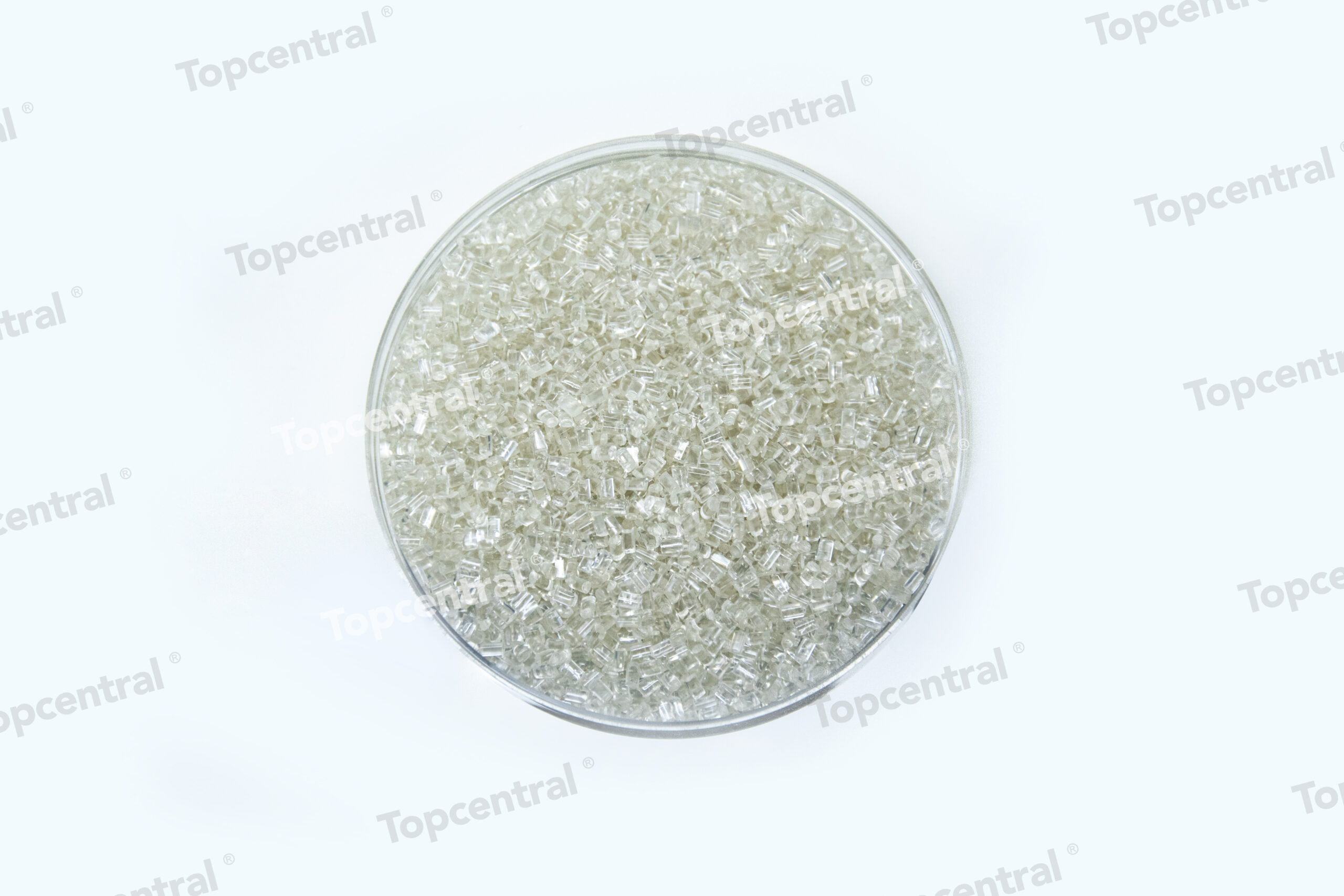
# Recycled Plastic Testing: Common Failures and Root Cause Analysis
**A Technical Guide for Procurement, Sustainability, and Engineering Professionals**
—
## Executive Summary
The transition to circular plastics demands rigorous quality assurance. Recycled plastics—particularly post-consumer resin (PCR)—exhibit variability that virgin materials do not. This guide addresses the most frequent testing failures encountered in recycled plastic qualification and production, their root causes, and corrective actions. Data is drawn from industry testing databases, processor reports, and certification body findings from 2022–2025.
**Key finding:** Over 60% of recycled plastic lot failures originate from three root causes: contamination carryover, thermal degradation during reprocessing, and inconsistent feedstock composition. Each has identifiable signatures and mitigations.
—
## Section 1: The Testing Landscape for Recycled Plastics
### 1.1 Regulatory and Certification Drivers
Recycled plastic testing is not optional for B2B buyers. The following frameworks mandate or incentivize testing:
| Framework | Scope | Testing Requirement |
|———–|——-|———————|
| **EU PPWR** (Packaging & Packaging Waste Regulation) | All packaging placed on EU market | Minimum recycled content by 2030; requires composition verification |
| **CBAM** (Carbon Border Adjustment Mechanism) | Imported goods | Carbon footprint verification, including recycled content allocation |
| **GRS** (Global Recycled Standard) | Textiles, plastics | Chain of custody + recycled content declaration + contaminant limits |
| **ISCC PLUS** | Mass balance attribution | Requires analytical verification of recycled content for segregated streams |
| **UL 2809** | Environmental claim validation | PCR content % must be verified via third-party testing |
| **EPR** (Extended Producer Responsibility) schemes | Varies by jurisdiction | Recyclability assessment; contaminant thresholds affect fee rates |
**Practical implication:** A product engineer specifying 30% PCR must have test data proving that percentage. A sustainability director reporting under PPWR must document testing methodology and results.
### 1.2 Standard Test Suite for Recycled Plastics
The minimum test battery for qualification includes:
1. **Melt Flow Rate (MFR)** – Processability indicator; changes of >15% from virgin baseline indicate degradation
2. **Impact Strength (Izod or Charpy)** – Structural integrity; typical reduction of 10–25% per reprocessing cycle
3. **Tensile Strength & Elongation at Break** – Ductility and load-bearing capacity
4. **Density** – Contamination detection (e.g., PVC in PET raises density)
5. **Ash Content** – Inorganic filler or contamination level (target 5 minutes in melt state.
**Corrective Actions:**
– Implement MFR presorting at bale intake (near-infrared sorting)
– Blend with virgin material at ratios that bring MFR within spec (e.g., 70:30 virgin:PCR blend)
– Adjust screw design for lower shear; reduce barrel temperature by 10–15°C
– Use moisture analyzers inline; dry PET to <50 ppm before extrusion
### 2.2 Failure 2: Impact Strength Below Minimum
**Frequency:** 15–20% of structural applications failures.
**Failure Signature:** Izod impact strength 2% contamination (by FTIR) averaged 34% reduction.
**Corrective Actions:**
– Add impact modifiers (e.g., ethylene-octene elastomers for PP) at 3–8% loading
– Use reactive extrusion to rebuild molecular weight (chain extenders for PET, peroxides for PP)
– Install metal detection and air classification at reprocessing line
– Specify PCR with documented impact data; require supplier to provide Charpy or Izod per batch
### 2.3 Failure 3: Contamination Exceeding Thresholds
**Frequency:** 20–25% of lots fail contaminant limits, particularly for food-contact applications.
**Common Contaminants and Detection Methods:**
| Contaminant | Detection Method | Acceptable Limit | Root Cause |
|————-|——————|——————|————|
| PVC | FTIR, DSC | <50 ppm (food grade) | Label sleeves, shrink bands |
| Paper/cellulose | Visual, ash test | <100 ppm | Labels, cardboard contamination |
| Metals (Fe, Cu, Al) | XRF, magnetic separation | <10 ppm total | Caps, rings, foil |
| Polyamide (PA) | FTIR, density | <1% | Multi-layer packaging |
| Volatile organics | GC-MS | Varies by application | Degradation products, residual solvents |
**Root Cause Analysis:**
– **Inadequate sorting at MRF:** Single-stream recycling increases cross-contamination
– **Label residue:** Pressure-sensitive adhesives remain on flakes; washing efficiency 50 ppm. Root cause: green PET bottles with PVC shrink sleeves were not removed by optical sorters. Solution: NIR sorting upgrade with PVC-specific detection.
**Corrective Actions:**
– Require suppliers to provide contaminant profiles per batch
– Implement inline FTIR or Raman spectroscopy for real-time monitoring
– Use hot washing (80–90°C) with caustic soda for label adhesive removal
– Install density separation tanks for multi-layer removal
– For high-criticality applications, use super-clean recycling processes (e.g., CreaSolv, depolymerization)
### 2.4 Failure 4: Odor and VOC Non-Compliance
**Frequency:** 10–15% of PCR lots for automotive interior, food packaging, or consumer goods.
**Failure Signature:** Off-odor detected by human panel or VOC concentration >1000 µg/m³ (automotive spec).
**Root Cause Analysis:**
– **Aldehydes and ketones:** Formed during thermal oxidation of PP, PE
– **Residual monomers:** Styrene in PS, acetaldehyde in PET
– **Additive breakdown:** Phenolic antioxidants degrade to quinones
– **Biological contamination:** Mold or bacterial metabolites in damp feedstock
**Data Point:** PCR PP from mixed post-consumer waste (bottles, caps, containers) has average VOC of 800–1200 µg/m³ compared to virgin PP at 2.0 from masterbatch standard; yellowing index >10.
**Root Cause Analysis:**
– **Mixed-color feedstock:** Even “natural” bales contain tinted bottles
– **Thermal yellowing:** Chromophores form during extrusion at >240°C
– **Carbon black carryover:** Black masterbatch from previous life contaminates light-color streams
– **Inconsistent pigment dispersion:** PCR particles have different surface energy than virgin
**Corrective Actions:**
– Use color sorting at bale intake (e.g., 4-channel optical sorters)
– Limit PCR percentage in light-colored products to 20–30%
– Add TiO? or optical brighteners to mask yellowing
– Specify color tolerance as Delta E <2.0 with supplier agreement
– Use color spectrophotometer for every batch; reject lots outside spec
—
## Section 3: Data-Driven Quality Management
### 3.1 Establishing Acceptance Criteria
A robust testing protocol requires:
1. **Define critical parameters per application** (e.g., food-contact: MFR, contamination, VOC; automotive: impact, odor, UV stability)
2. **Set acceptable ranges** based on virgin material baseline minus known reduction
3. **Require certificate of analysis (CoA)** for every lot, with test methods specified
4. **Conduct incoming inspection** on first 5 lots, then reduce to spot-check if consistent
5. **Maintain a non-conformance database** to track failure patterns
### 3.2 Statistical Process Control (SPC) for PCR
| Parameter | Target | Control Limit (3-sigma) | Action Limit |
|———–|——–|————————–|————–|
| MFR (PP, 230°C/2.16kg) | 12 g/10 min | ±2 g/10 min | ±3 g/10 min |
| Impact strength (PP, notched Izod) | 3.5 kJ/m² | ±0.5 kJ/m² | ±0.8 kJ/m² |
| Ash content | <0.5% | <0.8% | <1.2% |
| Yellowness Index | <8 | <12 | <15 |
**Implementation:** Use control charts (X-bar and R) on every production lot. When a parameter trends toward action limit, investigate root cause before the lot is rejected.
### 3.3 Carbon Footprint Verification
Testing also supports carbon accounting. The carbon footprint of PCR is typically 40–70% lower than virgin, but only if contamination is low.
– **Low contamination (5%):** May exceed virgin carbon footprint
**Recommendation:** Require suppliers to provide product carbon footprint (PCF) data per ISO 14067, verified by third party. Use this data for CBAM compliance and EPR reporting.
—
## Section 4: Practical Implementation Guide
### 4.1 For Procurement Managers
1. **Request a testing protocol** from each supplier before contracting
2. **Specify test methods** (ASTM, ISO, or DIN) in purchase orders
3. **Require CoA for every lot** with actual values, not just “pass/fail”
4. **Audit supplier testing labs** annually; verify equipment calibration
5. **Build a tolerance for variability** into product design (e.g., thicker walls, wider color range)
### 4.2 For Sustainability Directors
1. **Align testing with certification requirements** (GRS, ISCC PLUS, UL 2809)
2. **Ensure carbon footprint data** is based on actual testing, not generic databases
3. **Document testing failures** as part of EPR compliance; show continuous improvement
4. **Engage with recyclers** on feedstock quality; offer premium pricing for low-contamination PCR
5. **Report recycled content** with confidence intervals (e.g., “30% ±2% PCR verified by third-party testing”)
### 4.3 For Product Engineers
1. **Design for recycled content:** Allow for 10–20% property reduction
2. **Specify PCR grade** (e.g., “post-consumer PP, natural, MFR 10–14, impact >3.0 kJ/m²”)
3. **Use material substitution tables** that show property trade-offs
4. **Conduct molding trials** with actual PCR lots before production ramp-up
5. **Add process monitoring** (pressure, temperature, torque) to detect PCR variability
—
## Section 5: Future Trends and Regulatory Developments
### 5.1 Advanced Testing Technologies
– **Inline NIR spectroscopy:** Real-time polymer identification and contamination detection at extruder output
– **Hyperspectral imaging:** Full-bale analysis before processing
– **AI-based defect detection:** Neural networks trained on failure patterns predict lot quality
– **Blockchain traceability:** Test results linked to bale origin, enabling root cause tracking
### 5.2 Regulatory Pressure Points
– **PPWR:** By 2030, beverage bottles must contain 30% recycled content; testing must confirm actual percentage
– **CBAM:** Carbon footprint data must be verified; PCR testing supports lower carbon allocation
– **EPR:** Fee modulation based on recyclability; contaminated PCR increases fees
– **EU Ecodesign:** Products must be designed for recyclability; testing validates design choices
### 5.3 Cost Implications of Testing Failures
| Failure Type | Typical Cost Impact | Mitigation Cost |
|————–|———————|—————–|
| Lot rejection | $5,000–$20,000 per lot (material + downtime) | $500–$2,000 per lot (improved sorting) |
| Product recall | $100,000–$1M+ | $10,000–$50,000 (upstream testing) |
| Certification loss | Loss of GRS/ISCC status; revenue impact | $20,000–$50,000 (process upgrade) |
| Customer penalty | Contractual penalties for non-conformance | $5,000–$15,000 (testing program) |
**Business Case:** Investing $50,000 in inline testing equipment reduces lot rejection rate from 15% to 3%, saving $200,000+ annually for a mid-size recycler.
—
## Key Takeaways
1. **Testing failures are predictable** and traceable to contamination, thermal degradation, or feedstock inconsistency
2. **MFR and impact strength** are the most sensitive indicators of PCR quality; monitor them as leading indicators
3. **Contamination control** is the single highest-leverage action for improving PCR quality
4. **Certification compliance** (GRS, ISCC PLUS, UL 2809) requires documented testing, not just supplier declarations
5. **Carbon footprint accuracy** depends on testing data; generic assumptions lead to regulatory risk
6. **Design for PCR variability** by allowing wider tolerances and using property modifiers
7. **Supplier qualification** should include lab audits and testing protocol review
8. **Inline monitoring** reduces lot rejection rates and improves process stability
9. **Regulatory pressure** (PPWR, CBAM, EPR) will increase testing requirements, not reduce them
10. **Testing is an investment** that reduces downstream costs and improves circularity claims
—
## Related Topics
– **Recycled Content Verification Methods:** Isotopic analysis, marker systems, mass balance vs. segregated
– **Polymer-Specific Testing Protocols:** PET bottle-to-bottle, PP automotive, HDPE pipe grade
– **Additive Selection for PCR:** Impact modifiers, stabilizers, odor scavengers
– **Recycling Process Optimization:** Washing, sorting, extrusion parameters
– **Circular Economy Metrics:** Recycled content, recyclability rate, material circularity indicator
– **Supply Chain Auditing:** GRS and ISCC PLUS chain of custody requirements
—
## Further Reading
1. **ISO 15270:2008** – Plastics — Guidelines for the recovery and recycling of plastics waste
2. **ASTM D7611** – Standard Practice for Coding Plastic Manufactured Articles for Resin Identification
3. **Plastics Recyclers Europe** – “Recycled Plastics Quality Guidelines” (2023 edition)
4. **UL 2809** – Environmental Claim Validation Procedure for Recycled Content
5. **ISCC PLUS** – “System Basics for Certification of Recycled Materials” (2024)
6. **European Commission** – “Guidance on Recycled Content in Plastic Products” (2025 draft)
7. **APR (Association of Plastic Recyclers)** – “Design Guide for Recyclability”
8. **NREL** – “Life Cycle Assessment of Recycled Plastics” (2023 technical report)
9. **ISO 14067:2018** – Greenhouse gases — Carbon footprint of products
10. **Industry reports:** ICIS Recycling Supply Tracker; S&P Global Platts Recycled Plastics Analytics
—
*This guide is intended for professional use and reflects industry best practices as of 2025. Testing protocols and regulatory requirements may vary by jurisdiction and application. Always consult current standards and certified testing laboratories for specific compliance requirements.*
Content Verification Annotation
EID: EID-01655D4F-5730
Content Tier: Cæ¡£ (~2,947 words)
Verification Status: Reviewed – Pre-Constitution Content (L4)
Review Date: 2026-06-21
Leave a Reply