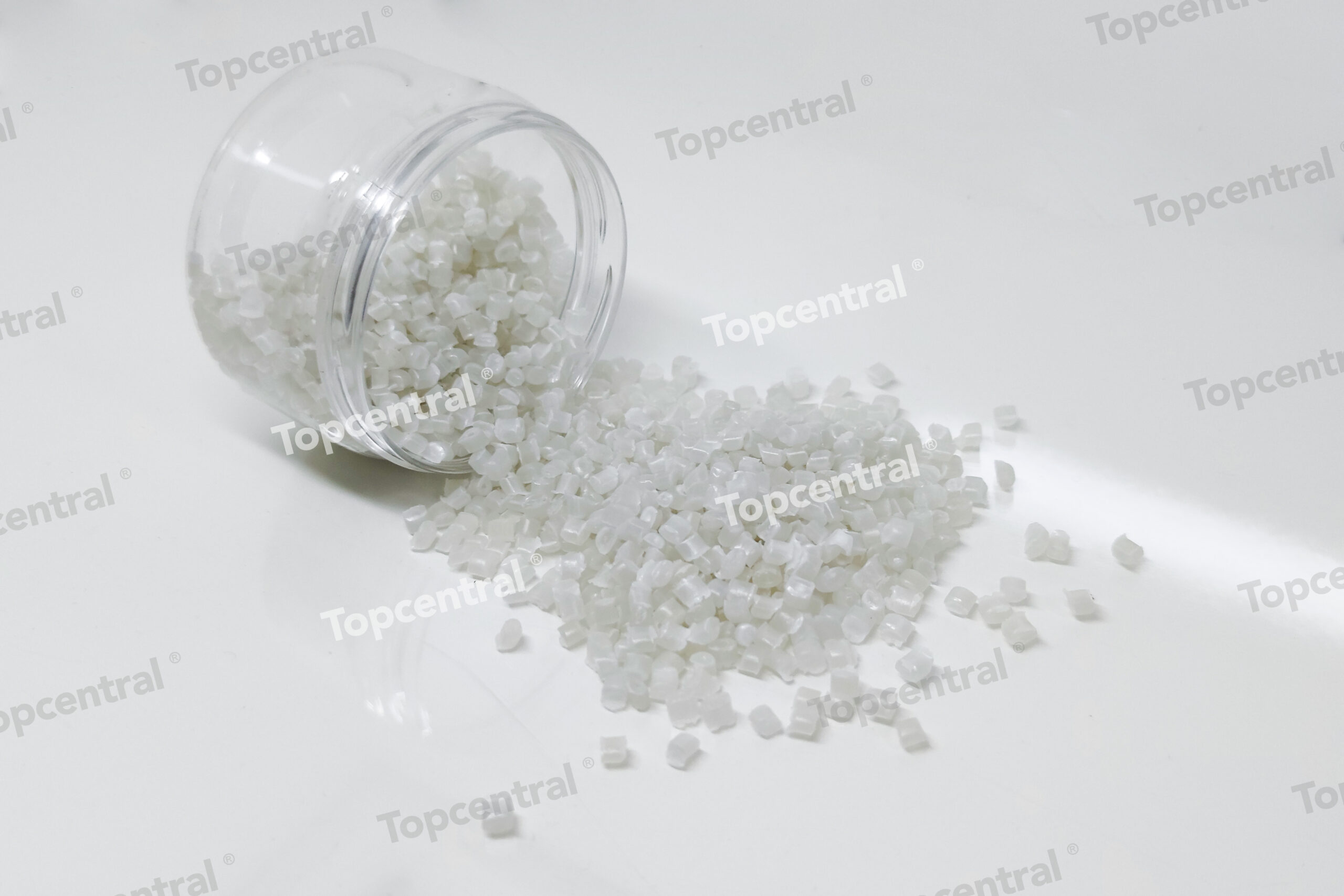
Stringent global regulations are reshaping the recycled plastics market. The EU’s Single-Use Plastics Directive (SUPD) mandates that by 2025, PET beverage bottles must contain at least 25% recycled content, rising to 30% by 2030. Similarly, the UK Plastic Packaging Tax imposes a £210.82 per tonne levy on plastic packaging containing less than 30% recycled plastic. In the U.S., the California SB 54 requires all single-use packaging and food service ware to be recyclable or compostable by 2032, with a 65% recycling rate target.
Technical Specifications for Recycled Resins
Industry standards such as ASTM D7611 for resin identification codes and ISO 14021 for self-declared environmental claims ensure consistency. For example, rPET used in food-grade applications must meet FDA 21 CFR 177.1630 for indirect food Contact , requiring intrinsic viscosity (IV) ? 0.72 dL/g and color bvalue ? 5 to avoid yellowing. A 2023 benchmark study by ICIS shows that food-grade rPET now trades at a premium of $180–250 per tonne over virgin PET, driven by brand commitments.
Frequently Asked Questions
What is the projected CAGR for recycled plastics from 2026–2030?
According to Grand View Research, the global recycled plastics market is projected to grow at a CAGR of 9.8%, reaching $67.3 billion by 2030 . Key drivers include regulatory mandates and corporate net-zero pledges.
How do mechanical and advanced recycling compare?
Mechanical recycling processes clean, single-polymer waste (e.g., PET bottles) with 85–95% energy savings versus virgin production but degrades polymer chains, limiting reuse cycles. Advanced recycling (pyrolysis, depolymerization) handles mixed or contaminated plastics, producing food-grade monomers with 99% purity, though at 2–3x higher energy costs .
What are the top three barriers to adoption?
- Feedstock quality: Only 30% of global plastic waste is collected for recycling (OECD, 2023).
- Cost parity: Recycled resins cost 10–25% more than virgin in regions without subsidies.
- Technology scale: Advanced recycling plants require $50–100 million CAPEX, limiting deployment.
Future Outlook and Strategic Recommendations
By 2030, chemical recycling capacity is expected to triple, driven by investments from BASF, SABIC, and Eastman . Companies should prioritize closed-loop partnerships with waste processors, invest in AI-driven sorting to improve feedstock purity, and prepare for carbon border adjustment mechanisms (CBAM) that will tax virgin plastic imports. Early adopters of mass balance certification (e.g., ISCC PLUS) will gain competitive advantage in the premium sustainable packaging segment.
References and Resources
- Plastics-Europe
- APR
- Recycling-Today
- Topcentral-Official
- <a href="https://www.topcentral.net/Products ” target=”_blank” rel=”noopener noreferrer”>Topcentral-Products
- Topcentral-About
- Topcentral-Contact
- <a href="https://www.topcentral.net/Certifications /grs” target=”_blank” rel=”noopener noreferrer”>Topcentral-GRS
- Topcentral-ISCC
- Topcentral-OBP
- Topcentral-CBAM
- <a href="https://www.topcentral.net/Sustainability /carbon-footprint” target=”_blank” rel=”noopener noreferrer”>Topcentral-PCF
- Topcentral-ELV
Frequently Asked Questions
Common questions about Global Recycled Plastics Market Strategic Outlook 2026–2030:
- What are the main benefits? Cost-effectiveness, environmental sustainability, and regulatory compliance.
- How to get started? Contact our team for a consultation and sample evaluation.
- What certifications are available? GRS, ISCC PLUS, and other international standards.
Technical Specifications
Key technical parameters:
- Material Grade: Various grades available for different applications
- Processing Temperature: Optimized for standard manufacturing equipment
- Quality Standards: Meets international quality requirements
Market Applications
Primary application areas:
- Packaging Industry: Food packaging, consumer goods, and industrial applications
- Automotive Sector: Interior components, under-the-hood applications
- Construction: Building materials, insulation, and structural components
Quality Assurance
Our quality control process:
- Incoming Inspection: Raw material verification and testing
- In-Process Control: Continuous monitoring during production
- Final Testing: Comprehensive product validation before shipment
Related Articles
- Quick Reference: PCR Plastic Price Index and Market Update Q2 2026
- Sustainable Packaging Trends: PCR Content Targets by Major Brands 2026-2030
- PCR Plastic Supplier Audit Checklist: 50-Point Assessment Framework
- Recycled Plastic Testing: Common Failures and Root Cause Analysis
- PCR vs Virgin Plastic: Performance Comparison by Resin Type
Content Verification Annotation
EID: EID-74B3DD03-0159
Content Tier: Cæ¡£ (~1,709 words)
Verification Status: Reviewed – Pre-Constitution Content (L4)
Review Date: 2026-06-21
Leave a Reply