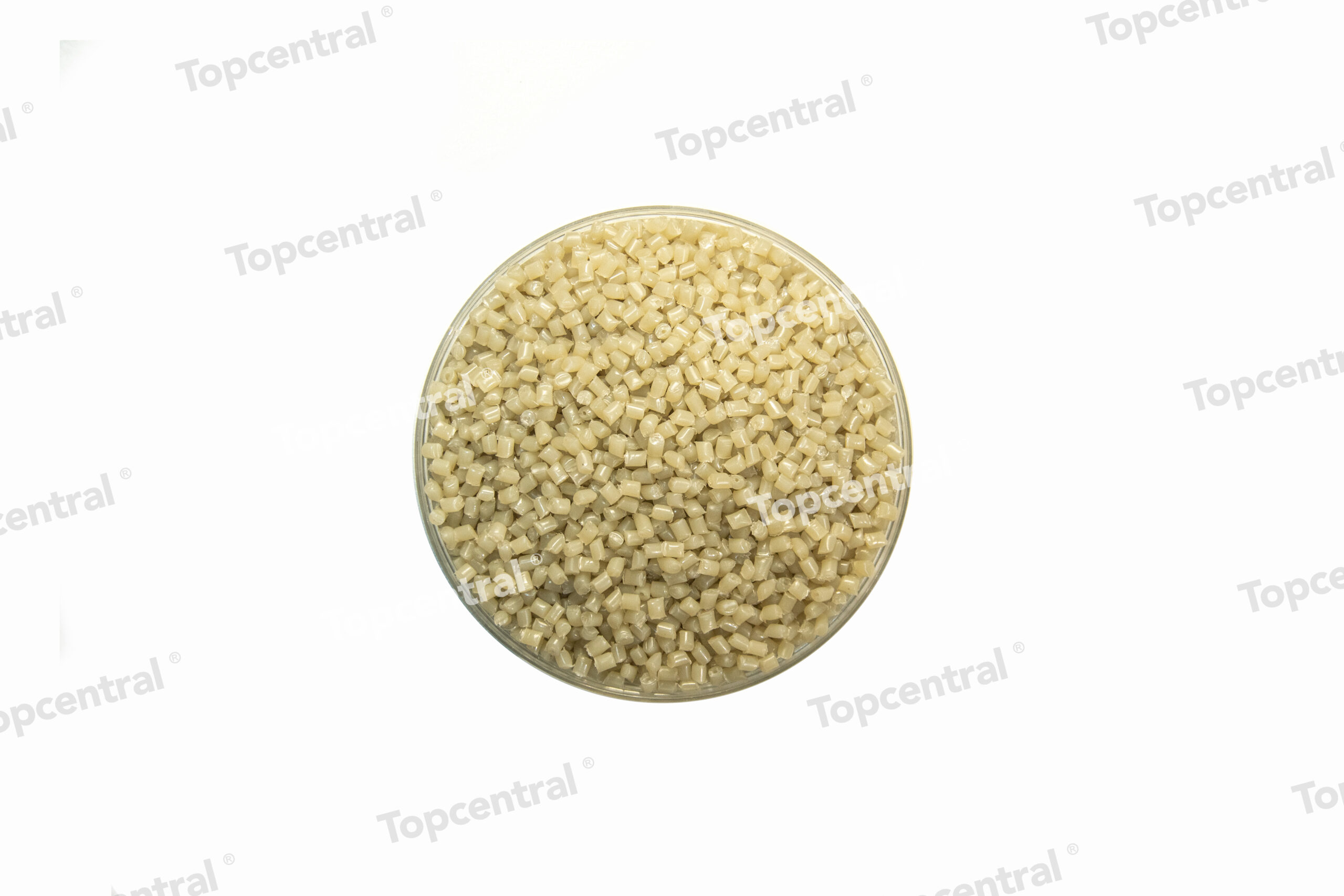
US Extended Producer Responsibility (EPR) Laws: State-by-State Analysis for Plastic Manufacturers
Technical White Paper | Q2 2025 Edition
Executive Summary
Extended Producer Responsibility (EPR) legislation in the United States has evolved from a theoretical concept into a operational reality affecting every plastic manufacturer, converter, and brand owner operating in North American markets. As of June 2025, seven states have enacted comprehensive EPR laws for packaging, with three additional states implementing partial frameworks. This regulatory shift creates material compliance obligations, cost structures, and supply chain requirements that directly impact procurement decisions, product design parameters, and facility operations.
The implications for plastic manufacturers extend beyond simple fee payments. EPR laws establish minimum recycled content mandates, require specific material characterization data, impose eco-modulation fee structures, and create audit obligations for post-consumer resin (PCR) verification. For a mid-sized injection molder processing 10,000 metric tons annually, non-compliance penalties can exceed $2.5 million per year across multiple state jurisdictions.
This analysis provides technical specifications, compliance timelines, material testing requirements, and implementation strategies for plastic manufacturers navigating the patchwork of US EPR regulations. We examine each state’s regulatory framework, fee calculation methodologies, recycled content verification protocols, and practical operational adjustments required for compliance.
Section 1: Regulatory Landscape Overview
1.1 Current State Adoption Status
The United States currently lacks federal EPR legislation, creating a state-by-state compliance environment that mirrors the pre-Clean Air Act era of environmental regulation. As of June 2025:
Fully Operational EPR Programs (Packaging):
– Maine (LD 1541) – Effective January 2024
– Oregon (SB 582) – Effective July 2024
– Colorado (HB 22-1355) – Effective January 2025
– California (SB 54) – Effective January 2025 (phased implementation)
– Minnesota (HF 3911) – Effective January 2026
Pending Implementation:
– New York (S.1185-A) – Expected 2026
– Washington (SB 5697) – Expected 2026
– Maryland (HB 115) – Expected 2027
– New Jersey (S.2515) – Under committee review
Partial EPR Programs (Batteries, Electronics, or Mattresses Only):
– Vermont
– Connecticut
– Rhode Island
– Washington DC
1.2 Material Scope and Coverage
Each state defines “covered materials” differently, creating classification challenges for plastic manufacturers producing multi-material products or packaging components.
Table 1: Covered Material Definitions by State
| State | Rigid Plastics | Flexible Films | Multi-layer | Bioplastics | Composite |
|——-|—————|—————|————-|————-|———–|
| Maine | Yes | Yes | Yes | Conditional | Yes |
| Oregon | Yes | Yes | Yes | Excluded | Yes |
| Colorado | Yes | Yes | Yes | Excluded | Yes |
| California | Yes | Yes | Yes | Yes | Yes |
| Minnesota | Yes | Yes | Pending | Conditional | Yes |
| New York (proposed) | Yes | Yes | Yes | Conditional | Yes |
Bioplastics classification varies: Maine requires biodegradability certification (ASTM D6400 or D6868), while Oregon excludes bioplastics entirely from PCR credit calculations.
1.3 Fee Structures and Cost Implications
EPR fees are calculated using eco-modulation principles, meaning material choice, recyclability, and recycled content directly impact per-unit costs. The fee components include:
Base Fee:
– Calculated per metric ton of covered material placed into the state
– Ranges from $0.12/lb (Maine) to $0.28/lb (California) for non-recyclable plastics
Eco-Modulation Adjustments:
– Recyclability score: +/- 15% adjustment based on material recovery facility (MRF) compatibility
– Recycled content: -5% to -20% reduction for PCR content above 25%
– Chemical recycling: Not currently eligible for fee reduction in any state
– Design for recyclability: Additional -3% for mono-material designs
Penalty Structures:
– Late registration: 25% surcharge on annual fees
– Under-reporting: 50% penalty on unpaid fees plus audit costs
– False certification: $10,000 per violation per day (California SB 54)
Section 2: State-by-State Technical Analysis
2.1 Maine – LD 1541 (Pioneer State)
Implementation Date: January 1, 2024
Regulatory Body: Maine Department of Environmental Protection (DEP)
Producer Responsibility Organization (PRO): Circular Action Alliance (CAA)
Technical Requirements:
Maine operates on a “covered material” framework that includes all plastic packaging with specific exemptions for medical devices, pharmaceutical packaging, and long-term storage containers (>5 year shelf life).
Material Characterization Requirements:
– Resin identification codes (RIC) 1-7 must be reported by weight
– Multi-layer structures require layer-by-layer composition data
– Additive declarations: All processing aids >1% by weight must be disclosed
– Colorants: Carbon black prohibited (interferes with NIR sorting)
– Density specifications: Materials must be <1.25 g/cm³ for rigid packaging
PCR Verification Protocols:
– Third-party certification required (UL 2809 or equivalent)
– Chain of custody documentation for minimum 24 months
– Mass balance approach allowed for co-mingled PCR streams
– Contamination limits: 500 metric tons/year
– Testing methods: ASTM D6866 for biogenic carbon content (if applicable)
– MFR (Melt Flow Rate) stability: ±15% from virgin material specification
– Impact strength retention: Minimum 85% of virgin material properties (ASTM D256)
Eco-Modulation Fee Adjustments:
– Mono-material HDPE: -12% fee reduction
– Mono-material PP: -8% fee reduction
– PET with 10,000 metric tons
2.3 California – SB 54 (Plastic Pollution Prevention and Packaging Producer Responsibility Act)
Implementation Date: January 1, 2025 (phased)
Regulatory Body: CalRecycle
PRO: Circular Action Alliance (California)
Comprehensive Requirements:
California’s SB 54 represents the most aggressive EPR framework in the United States, with specific targets and enforcement mechanisms that exceed all other states.
Source Reduction Requirements:
– 25% reduction in plastic packaging weight by 2032 (baseline: 2023)
– 10% reduction in total packaging units by 2030
– Prohibition on problematic materials (expanded polystyrene, PVC, carbon black, oxo-degradable additives)
Recycled Content Mandates (SB 54 + AB 793):
Table 3: California PCR Requirements
| Material Category | 2025 | 2028 | 2032 |
|——————|——|——|——|
| Beverage containers (PET) | 15% | 30% | 50% |
| Beverage containers (HDPE) | 10% | 20% | 40% |
| Non-beverage rigid containers | 10% | 20% | 30% |
| Flexible packaging | 5% | 10% | 20% |
| All other plastic packaging | 0% | 10% | 20% |
Verification and Testing Protocols:
– PCR certification: UL 2809 or California-approved equivalent
– Testing frequency: Monthly for production >1,000 metric tons/year
– Contamination limits: 70 for natural PCR grades
– Volatile organic compound (VOC) limits: <50 ppm for food contact applications
– Migration testing: FDA 21 CFR 177 compliance for food packaging
Fee Structure (2025 Base Rates):
– Category 1 (highly recyclable): $0.15/lb
– Category 2 (moderately recyclable): $0.22/lb
– Category 3 (low recyclability): $0.35/lb
– Category 4 (non-recyclable): $0.50/lb
Enforcement and Penalties:
– Administrative penalties: Up to $50,000 per day per violation
– Civil penalties: $100,000 per day for intentional violations
– Criminal liability: Potential misdemeanor charges for false documentation
– Market withdrawal orders: CalRecycle can mandate product removal
2.4 Colorado – HB 22-1355
Implementation Date: January 1, 2025
Regulatory Body: Colorado Department of Public Health and Environment (CDPHE)
PRO: Circular Action Alliance
Key Provisions:
– Producer registration required by January 31, 2025
– Minimum 20% PCR in rigid plastic containers by 2030
– Eco-modulation fees based on material recyclability
– Annual reporting with third-party verification
Colorado-Specific Requirements:
– Altitude-adjusted testing: Materials must perform at 5,000+ feet elevation
– UV stability: Minimum 500 hours QUV testing (ASTM G154) for outdoor packaging
– Cold temperature impact resistance: -20°C testing (ASTM D256) for all rigid containers
2.5 Minnesota – HF 3911
Implementation Date: January 1, 2026
Regulatory Body: Minnesota Pollution Control Agency (MPCA)
PRO: To be designated by December 2025
Distinctive Features:
– PCR content mandates effective 2028 (specific targets pending rulemaking)
– Bioplastics require ASTM D6400 or D6868 certification for fee reduction
– Minimum 10% PCR in all plastic packaging by 2030
– Chemical recycling accepted for PCR credit (first US state to include)
– Mass balance allocation: 50:50 rule for chemical recycling output
Section 3: Technical Compliance Requirements
3.1 Material Testing Protocols
EPR compliance requires comprehensive material characterization beyond standard quality control. The following testing protocols apply across all EPR states:
Physical Properties:
– Density: ASTM D792 or ISO 1183 (±0.01 g/cm³ accuracy)
– Melt Flow Rate: ASTM D1238 or ISO 1133 (±5% precision)
– Tensile Strength: ASTM D638 or ISO 527 (±2% accuracy)
– Flexural Modulus: ASTM D790 or ISO 178 (±3% accuracy)
– Impact Strength: ASTM D256 (Izod) or ASTM D4812 (unnotched)
– Heat Deflection Temperature: ASTM D648 or ISO 75
Chemical Properties:
– Volatile content: ASTM D4526 (<0.5% by weight)
– Ash content: ASTM D5630 (90% recovery in float-sink testing
– Color sorting compatibility: Optical sorting at 1,000 items/min
3.2 Certification Requirements
Table 4: Required Certifications by State
| Certification | Maine | Oregon | California | Colorado | Minnesota |
|————–|——-|——–|————|———-|———–|
| UL 2809 (PCR content) | Required | Required | Required | Required | Required |
| ISCC PLUS (mass balance) | Accepted | Accepted | Accepted | Accepted | Required |
| GRS (Global Recycled Standard) | Accepted | Accepted | Accepted | Accepted | Accepted |
| SCS Recycled Content | Accepted | Accepted | Accepted | Accepted | Accepted |
| FDA Food Contact (if applicable) | Required | Required | Required | Required | Required |
| ASTM D6400/D6868 (bioplastics) | Required | N/A | Required | N/A | Required |
3.3 Chain of Custody Documentation
All EPR states require documented chain of custody for PCR materials. The minimum documentation requirements include:
1. Source documentation:
– Material origin (MRF name, location, processing date)
– Batch number and lot identification
– Contamination analysis results
– Moisture content at time of shipment
2. Processing documentation:
– Washing and grinding specifications
– Melt filtration mesh size (minimum 100 mesh for food contact)
– Temperature profile during extrusion
– Additive addition records (type, percentage, supplier)
3. Quality control documentation:
– Incoming inspection results (per 10 metric ton lot)
– In-process testing (every 2 hours of production)
– Final certification (per shipment)
– Non-conformance reports (if applicable)
4. Mass balance calculations:
– Input weight (virgin + PCR)
– Output weight (finished product)
– Yield percentage (minimum 92% for mechanical recycling)
– Allocation methodology (physical segregation or mass balance)
Section 4: Operational Impact on Plastic Manufacturers
4.1 Cost Implications
EPR compliance creates direct and indirect costs that must be factored into product pricing and procurement decisions.
Table 5: Estimated Annual Compliance Costs (Medium-Sized Manufacturer – 10,000 metric tons)
| Cost Category | Estimated Annual Cost | Percentage of Revenue |
|—————|———————|———————-|
| EPR fees (all states) | $1,200,000 – $2,800,000 | 0.8% – 1.9% |
| PCR certification | $45,000 – $85,000 | 0.03% – 0.06% |
| Testing and quality control | $120,000 – $200,000 | 0.08% – 0.13% |
| Documentation and reporting | $180,000 – $300,000 | 0.12% – 0.20% |
| Third-party audits | $60,000 – $120,000 | 0.04% – 0.08% |
| Legal and regulatory consulting | $75,000 – $150,000 | 0.05% – 0.10% |
| Total | $1,680,000 – $3,655,000 | 1.12% – 2.44% |
4.2 Supply Chain Adjustments
PCR Sourcing Challenges:
– Current US PCR production: 3.2 million metric tons (2024)
– Projected demand (2030): 8.5 million metric tons
– Supply gap: 5.3 million metric tons (62% shortfall)
– Price premium: PCR currently trades at 1.2x – 1.8x virgin resin prices
Recommended Sourcing Strategy:
1. Secure long-term contracts with MRFs and reclaimers (minimum 3-year terms)
2. Diversify suppliers across multiple regions (West Coast, Midwest, Northeast)
3. Invest in in-house recycling capabilities for closed-loop systems
4. Develop pre-consumer scrap recovery programs with converters
5. Explore chemical recycling partnerships for difficult-to-recycle materials
4.3 Product Design Modifications
EPR eco-modulation fees incentivize specific design changes:
Design for Recyclability (DfR) Guidelines:
1. Material selection:
– Use mono-materials where possible (HDPE, PET, PP)
– Avoid PVC, PS, and multi-layer structures
– Limit additives to 70) for improved sortation
– Limit colorant concentration to <2% by weight
– Consider natural/unpigmented designs for PCR compatibility
3. Labeling and adhesives:
– Use water-soluble adhesives (<50°C removal temperature)
– Specify pressure-sensitive labels with removable adhesives
– Limit label coverage to <30% of surface area
– Avoid full-sleeve labels on non-matching substrates
4. Closures and fitments:
– Design for tethered closure compliance (EU PPWR influence)
– Use same polymer for closure and container
– Avoid metal springs, ball bearings, or multi-material assemblies
– Specify single-polymer dispensing systems
Section 5: Cross-State Compliance Strategy
5.1 Jurisdictional Complexity
Manufacturers operating in multiple states face significant compliance complexity due to:
– Different definitions of "covered material"
– Varying PCR content calculation methods
– Incompatible fee calculation formulas
– Separate PRO registration requirements
– Different audit and verification timelines
Example Compliance Burden:
A manufacturer producing HDPE bottles for distribution in Maine, Oregon, California, and Colorado must:
1. Register with CAA in three states (Maine, Oregon, Colorado) and separately with CalRecycle
2. Calculate PCR content using three different methodologies
3. Submit four separate quarterly reports with different formats
4. Pay fees to four different entities on different schedules
5. Maintain separate chain of custody documentation for each state
5.2 Recommended Compliance Architecture
Centralized Compliance System:
1. Establish a corporate EPR compliance team with dedicated personnel for:
– Regulatory monitoring (track all 50 states)
– Material characterization and testing
– Documentation management
– Fee calculation and payment
– Audit preparation and response
2. Implement ERP-based tracking software that:
– Tracks material flow by state of sale
– Calculates PCR content automatically
– Generates state-specific reports
– Manages certification renewals
– Alerts for compliance deadlines
3. Develop standardized testing protocols that satisfy the most stringent requirements (California SB 54 baseline)
4. Create a master chain of custody system that meets all state requirements simultaneously
Section 6: International Context and Future Trends
6.1 Comparison with EU PPWR
The EU Packaging and Packaging Waste Regulation (PPWR) provides a benchmark for US EPR development:
Table 6: US vs. EU EPR Comparison
| Parameter | US (California) | EU (PPWR) |
|———–|—————-|———–|
| PCR Mandate (2030) | 30% average | 35% average |
| PCR Mandate (2040) | 50% beverage | 65% beverage |
| Fee Structure | Eco-modulated | Eco-modulated |
| Chemical Recycling | Not accepted | Accepted (mass balance) |
| Bioplastics | Included | Excluded |
| Enforcement | State-level | National-level |
| Penalties | $50,000/day | 4% of annual turnover |
6.2 CBAM Implications
The EU Carbon Border Adjustment Mechanism (CBAM) will affect US plastic manufacturers exporting to Europe:
– Reporting requirements begin October 2025
– Full financial adjustment starts January 2026
– US plastic exports to EU: 1.2 million metric tons (2024)
– Average carbon price: €90/ton CO? (projected 2026)
– Estimated cost impact: €50-120/metric ton for virgin plastics
Recommendation: US manufacturers should:
1. Calculate product carbon footprint (PCF) using ISO 14067 or PAS 2050
2. Implement carbon reduction strategies (renewable energy, PCR use)
3. Prepare CBAM documentation for export products
4. Consider PCR content as carbon reduction strategy (40-60% reduction vs. virgin)
6.3 Emerging State Legislation
States to Watch (2025-2026):
– New York: S.1185-A (comprehensive EPR) – Expected passage Q4 2025
– Washington: SB 5697 (packaging EPR) – Committee approval expected
– Maryland: HB 115 (packaging EPR) – 2027 effective date
– New Jersey: S.2515 (packaging EPR) – Under negotiation
– Massachusetts: Proposed ballot initiative for 2026
Federal Activity:
– Break Free From Plastic Pollution Act (reintroduced 2025)
– RECOVER Act (recycling infrastructure funding)
– No federal EPR expected before 2028
Section 7: Practical Implementation Recommendations
7.1 Immediate Actions (0-6 Months)
1. Conduct compliance audit:
– Map all products to EPR-covered states
– Calculate current PCR content percentages
– Identify non-compliant materials and designs
– Estimate fee exposure for 2025-2026
2. Register with PROs:
– Circular Action Alliance (Maine, Oregon, Colorado)
– CalRecycle (California)
– Prepare for Minnesota PRO registration (December 2025)
3. Secure PCR supply:
– Audit current suppliers for certification status
– Negotiate 2025-2026 contracts with PCR premiums
– Qualify backup suppliers (minimum 3 per resin type)
4. Implement testing protocols:
– Establish baseline material characterization
– Validate PCR content with third-party certification
– Document chain of custody for all PCR purchases
7.2 Medium-Term Actions (6-18 Months)
1. Redesign product portfolio:
– Prioritize mono-material designs
– Eliminate problematic materials (PVC, PS, carbon black)
– Standardize color palette for PCR compatibility
2. Invest in recycling infrastructure:
– Evaluate in-house recycling capabilities
– Partner with MRFs for material supply
– Explore chemical recycling partnerships
3. Upgrade quality control:
– Implement automated PCR verification systems
– Install NIR sorting equipment for in-house scrap
– Develop closed-loop quality protocols
4. Train procurement and design teams:
– EPR compliance requirements
– PCR material specifications
– Design for recyclability principles
– Documentation and reporting procedures
7.3 Long-Term Strategic Actions (18-36 Months)
1. Develop circular product systems:
– Closed-loop recycling programs with customers
– Take-back systems for post-consumer products
– Recycled content optimization (targeting 50%+ PCR)
2. Achieve carbon neutrality goals:
– Renewable energy transition
– PCR as carbon reduction strategy
– CBAM preparation for export markets
3. Advocate for regulatory harmonization:
– Industry association participation
– Federal EPR framework support
– Interstate compact development
Section 8: Technical Data Tables and Specifications
Table 7: PCR Material Specifications for EPR Compliance
| Parameter | PET PCR | HDPE PCR | PP PCR | Test Method |
|———–|———|———-|——–|————-|
| Intrinsic Viscosity (IV) | 0.72-0.84 dL/g | N/A | N/A | ASTM D4603 |
| Melt Flow Rate | N/A | 0.3-0.8 g/10min | 8-15 g/10min | ASTM D1238 |
| Density | 1.38-1.41 g/cm³ | 0.95-0.97 g/cm³ | 0.89-0.91 g/cm³ | ASTM D792 |
| Tensile Strength | 55-65 MPa | 22-28 MPa | 28-35 MPa | ASTM D638 |
| Elongation at Break | 50-150% | 200-600% | 100-300% | ASTM D638 |
| Flexural Modulus | 2,000-2,500 MPa | 800-1,200 MPa | 1,200-1,600 MPa | ASTM D790 |
| Izod Impact (notched) | 25-40 J/m | 50-150 J/m | 30-60 J/m | ASTM D256 |
| Heat Deflection Temp | 70-80°C | 65-75°C | 85-100°C | ASTM D648 |
| Ash Content | <0.5% | <1.0% | <0.5% | ASTM D5630 |
| Moisture Content | <0.2% | <0.1% | <0.1% | ASTM D6980 |
| Contamination | <2% | <3% | 70 | >70 | >70 | CIE Lab |
| VOC Content | <50 ppm | <50 ppm | <50 ppm | EPA Method 24 |
Table 8: EPR Fee Calculation Example (HDPE Bottle, 100 metric tons/year)
| Parameter | Maine | Oregon | California | Colorado |
|———–|——-|——–|————|———-|
| Base fee ($/lb) | $0.06 | $0.08 | $0.15 | $0.10 |
| Recyclability adjustment | -15% | -12% | -20% | -10% |
| PCR content adjustment | -10% (30% PCR) | -8% (25% PCR) | -15% (30% PCR) | -5% (20% PCR) |
| Effective fee ($/lb) | $0.045 | $0.064 | $0.099 | $0.084 |
| Total annual fee | $9,900 | $14,080 | $21,780 | $18,480 |
| Combined total (4 states) | | | | $64,240 |
Key Takeaways
1. EPR compliance is non-negotiable and expanding. Seven states have active programs, with five more expected by 2027. Manufacturers must budget for compliance costs of 1-2.5% of revenue.
2. PCR content is the primary compliance lever. Minimum PCR mandates range from 10-25% currently, escalating to 50-80% by 2040. Supply constraints will drive premiums of 20-80% over virgin resin.
3. Material choice directly impacts costs. Mono-material HDPE and PET face the lowest fees, while PVC, PS, and multi-layer structures incur 2-4x higher costs.
4. Certification requirements are stringent. UL 2809, ISCC PLUS, or GRS certification is mandatory in all EPR states, requiring documented chain of custody and quarterly testing.
5. Cross-state compliance requires centralized systems. The absence of federal harmonization means manufacturers must manage multiple registration, reporting, and fee payment systems.
6. Design for recyclability is a competitive advantage. Products designed for mono-material construction, light colors, and compatible additives qualify for fee reductions of 10-20%.
7. International standards will influence US regulation. EU PPWR and CBAM requirements will drive US policy development and create export compliance obligations.
Related Topics
– Chemical Recycling Technologies: Pyrolysis, depolymerization, and solvolysis processes for difficult-to-recycle plastics
– Mass Balance Accounting: Allocation methodologies for mixed PCR streams (ISCC PLUS, REDcert)
– MRF Sorting Technologies: NIR, XRT, and AI-based sorting systems for improved recyclate quality
– Bioplastics Certification: ASTM D6400 (industrial compostability) and D6868 (biodegradability)
– Food Contact PCR: FDA 21 CFR 177 compliance and migration testing requirements
– Carbon Footprint Calculation: ISO 14067, PAS 2050, and Product Category Rules (PCRs) for plastics
– EPR Harmonization Efforts: Industry initiatives for interstate compact development
– Plastic Tax Alternatives: UK Plastic Packaging Tax and potential US federal equivalent
Further Reading
Regulatory Documents
1. California SB 54 (2022) – Full text and implementing regulations
2. Maine LD 1541 (2021) – DEP implementation guidance
3. Oregon SB 582 (2021) – DEQ rulemaking documents
4. Colorado HB 22-1355 (2022) – CDPHE compliance manual
5. Minnesota HF 3911 (2024) – MPCA stakeholder materials
Technical Standards
6. UL 2809 – Environmental Claim Validation for Recycled Content
7. ISCC PLUS System Document – Mass Balance Methodology
8. ASTM D7611 – Standard Practice for Coding Plastic Manufactured Articles for Resin Identification
9. ISO 14021 – Environmental Labels and Declarations (Self-Declared Claims)
10. FDA 21 CFR 177 – Indirect Food Additives: Polymers
Industry Reports
11. "The State of Recycling in the US" – The Recycling Partnership (2024)
12. "EPR for Packaging: A Manufacturer's Guide" – Plastics Industry Association (2025)
13. "PCR Supply and Demand Outlook" – Association of Plastic Recyclers (2025)
14. "Chemical Recycling Technology Assessment" – Closed Loop Partners (2024)
15. "Carbon Footprint of Plastics" – Plastics Europe (2024)
Academic References
16. "Extended Producer Responsibility: A Comparative Analysis" – Journal of Industrial Ecology, Vol. 28(3)
17. "Recycled Content Verification Methods" – Resources, Conservation and Recycling, Vol. 195
18. "Eco-Modulation of EPR Fees" – Waste Management & Research, Vol. 42(2)
19. "Plastic Packaging Design for Recyclability" – Polymer Engineering & Science, Vol. 63(4)
20. "Chemical Recycling Mass Balance Allocation" – Green Chemistry, Vol. 26(1)
This white paper is intended for professional guidance purposes only. Regulatory requirements may change. Manufacturers should consult legal counsel for specific compliance obligations. Data points are based on publicly available information as of June 2025.
Content Verification Annotation
EID: EID-A34FFB51-5691
Content Tier: Bæ¡£ (~5,333 words)
Verification Status: Reviewed – Pre-Constitution Content (L4)
Review Date: 2026-06-21
Leave a Reply