Tag: PCR

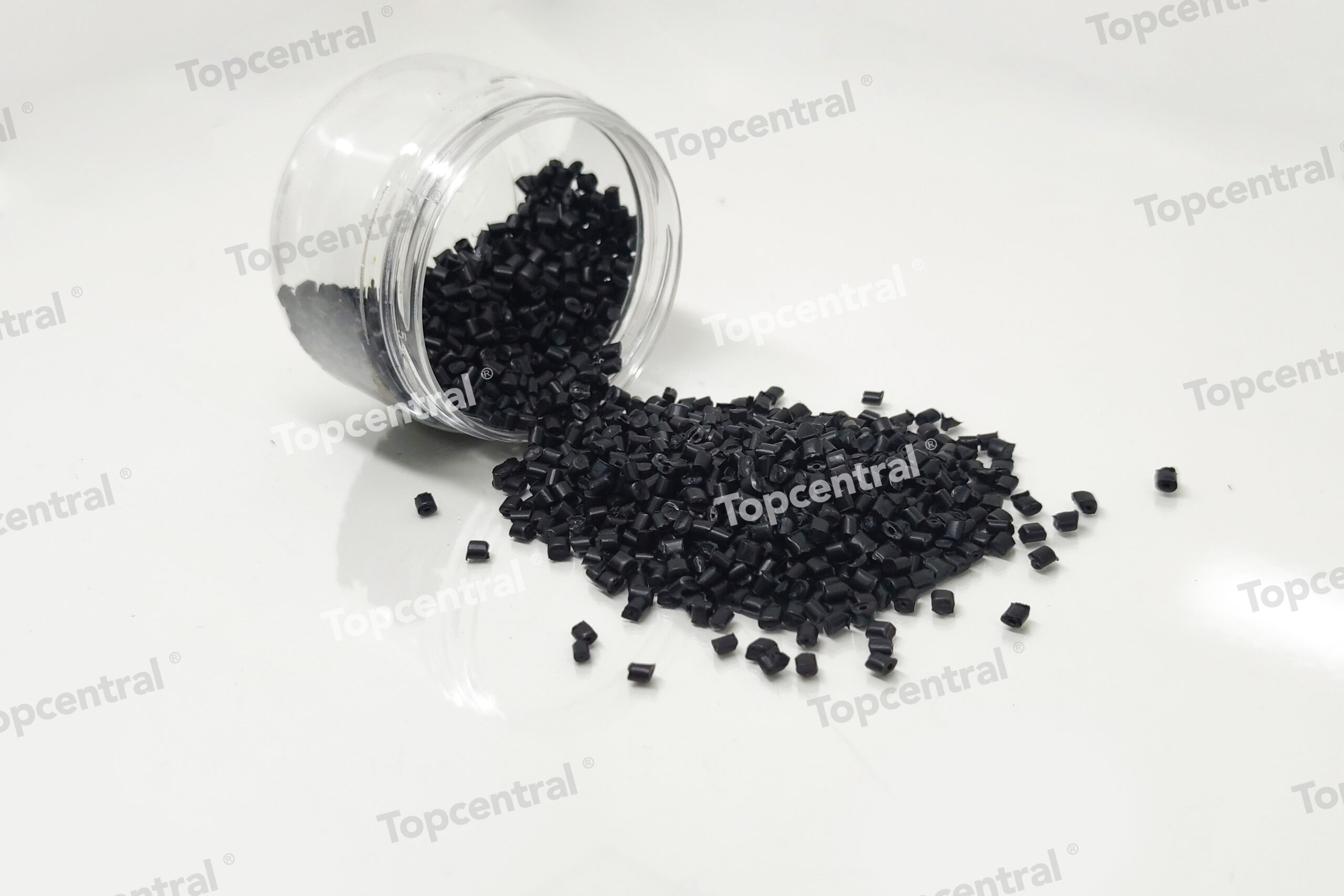
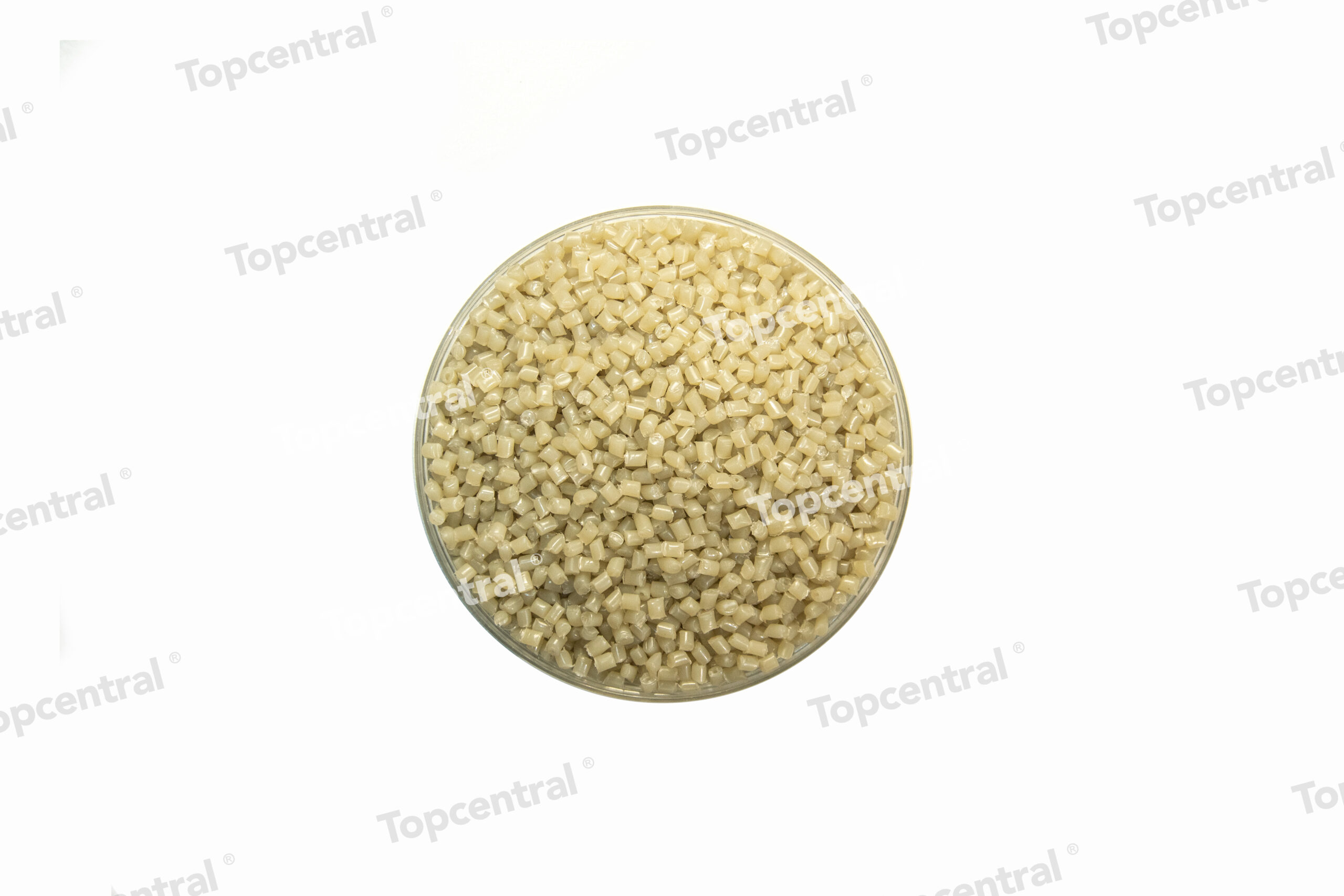
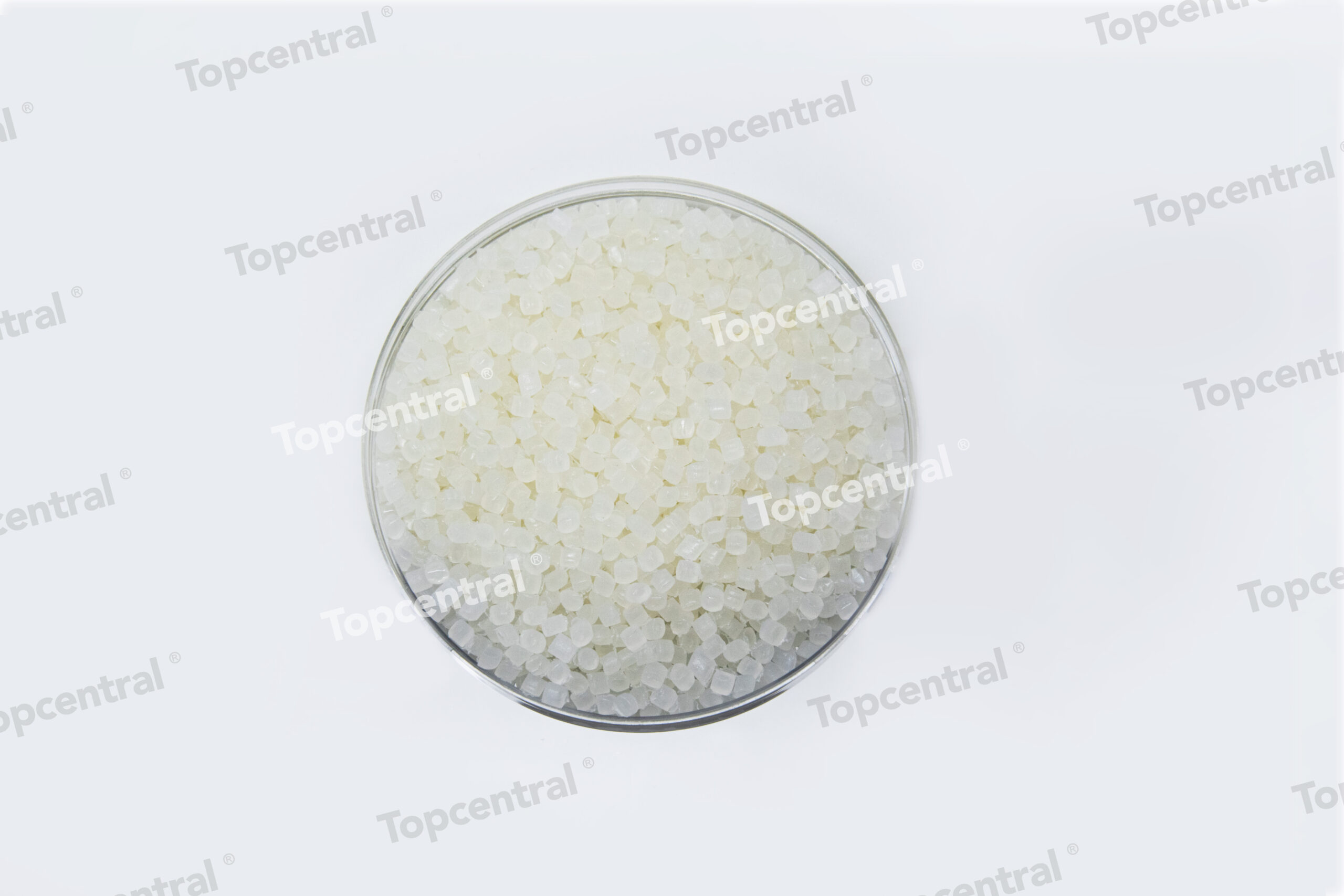
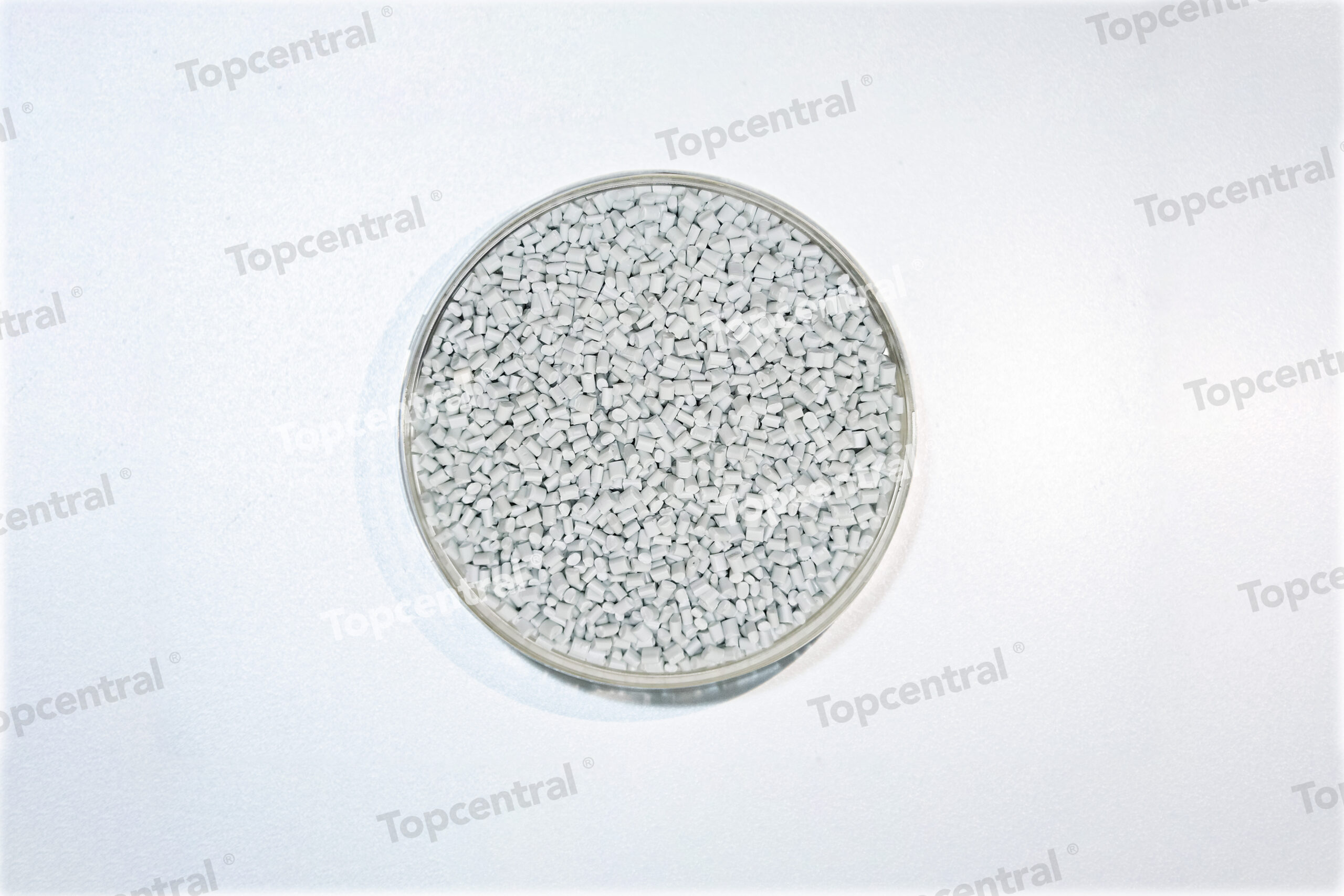
  • PCR Plastic Color Consistency: Challenges and Solutions f…

    # PCR Plastic Color Consistency: Challenges and Solutions for Brand Applications

    ## Executive Summary

    Post-consumer recycled (PCR) plastics present a fundamental contradiction for brand owners: the environmental imperative to incorporate recycled content conflicts with the commercial necessity of maintaining consistent product appearance. Color variation in PCR resins—stemming from heterogeneous feedstock sources, degradation during reprocessing, and contamination—remains the single most cited barrier to scaling recycled content in high-visibility applications. This guide provides procurement managers, sustainability directors, and product engineers with a technical framework for understanding, quantifying, and mitigating color inconsistency in PCR plastics across polyethylene (PE), polypropylene (PP), and polyethylene terephthalate (PET) streams.

    The global PCR plastics market reached $48.3 billion in 2023, with demand projected to grow at 11.2% CAGR through 2030. However, color-related rejection rates in injection molding and blow molding applications range from 8% to 22% depending on resin type and end-use requirements. This guide addresses the root causes of color variation, presents measurement protocols, evaluates mitigation strategies, and provides actionable procurement specifications.

    ## Section 1: The Color Consistency Problem in PCR Plastics

    ### 1.1 Root Causes of Color Variation

    PCR color inconsistency originates at three distinct points in the value chain:

    **Feedstock Heterogeneity**
    – Municipal recycling facilities (MRFs) process material from 50+ collection routes daily
    – Geographic variation in packaging color preferences (e.g., white detergent bottles dominate in Europe, colored soda bottles in North America)
    – Seasonal shifts in beverage consumption patterns alter the PET bottle color mix by up to 18% between summer and winter

    **Degradation During Reprocessing**
    – Thermal-oxidative degradation during extrusion causes yellowing in PE and PP at processing temperatures above 220°C
    – Each reprocessing cycle reduces polymer molecular weight by 5-12%, altering melt flow index (MFI) and light transmission properties
    – Chain scission in PET during solid-state polymerization (SSP) creates acetaldehyde, which can cause discoloration in subsequent molding

    **Contamination Sources**
    – Residual adhesives from bottle labels (PSA-based adhesives cause haziness)
    – Ink residues from printed packaging (particularly problematic for flexographic prints)
    – Food residue degradation products (oils and fats that oxidize during reprocessing)

    ### 1.2 Quantifying the Problem

    | Resin Type | Typical PCR Content | Color Variation (ΔE* range) | Rejection Rate (visual inspection) | Common Application |
    |————|———————|—————————-|————————————|———————|
    | rPET | 25-100% | 1.5-4.8 | 8-15% | Clear bottles, thermoformed trays |
    | rHDPE | 25-100% | 2.0-6.2 | 12-22% | Opaque bottles, industrial containers |
    | rPP | 25-75% | 1.8-5.5 | 10-18% | Caps, closures, automotive interior parts |
    | rLDPE | 25-50% | 2.5-7.0 | 15-25% | Films, bags, flexible packaging |

    *Note: ΔE* values measured using CIE Lab* color space with D65 illuminant and 10° observer. Rejection rates based on survey of 47 injection molding facilities in North America and Europe, 2023.*

    ## Section 2: Measurement Standards and Specifications

    ### 2.1 Color Measurement Protocols

    **Instrumental Measurement**
    – CIE L*a*b* color space remains the industry standard for quantifying color differences
    – ΔE* calculation: √[(ΔL*)² + (Δa*)² + (Δb*)²]
    – Acceptable tolerances vary by application:
    – Premium packaging: ΔE* < 1.5
    – Standard packaging: ΔE* < 3.0
    – Industrial applications: ΔE* < 5.0

    **Visual Assessment**
    – ASTM D1729 provides standard practice for visual evaluation of color differences
    – Requires controlled lighting (D65 or CWF), standardized viewing booth, and trained observers
    – Pass/fail criteria must be established with reference standards

    **Spectrophotometric Analysis**
    – Measure reflectance across 400-700 nm wavelength range
    – Identify metamerism (color matching under one light source but not another)
    – Detect subtle undertones invisible to the human eye

    ### 2.2 Certification Requirements

    | Certification | Scope | Color-Related Requirements | Audit Frequency |
    |—————|——-|—————————|—————–|
    | GRS (Global Recycled Standard) | Recycled content, chain of custody | No specific color requirement; material must meet customer specification | Annual |
    | ISCC PLUS | Mass balance, recycled content | No specific color requirement; requires traceability documentation | Annual |
    | UL 2809 | Recycled content validation | No specific color requirement; environmental claim validation | Biennial |
    | FDA NOL (Letter of No Objection) | Food contact safety | Color additives must comply with 21 CFR | Per formulation |

    *Note: No certification body currently mandates color consistency specifications. Brand owners must establish their own internal standards.*

    ## Section 3: Technical Solutions for Color Management

    ### 3.1 Feedstock Selection and Blending

    **Source Segregation**
    – Contract with MRFs that maintain separate streams for colored vs. natural HDPE
    – Premium for segregated natural HDPE: $0.08-0.12/lb above mixed-color pricing
    – Yield loss from segregation: 15-25% of incoming material rejected

    **Blending Strategies**
    – Maintain minimum 30% virgin material in blends to achieve consistent color
    – Use masterbatch dosing at 2-5% to neutralize color variability
    – Implement real-time color monitoring with feedback loops to adjust blend ratios

    **Case Example: Bottle-to-Bottle rPET**
    A major North American beverage company achieved ΔE* “PCR HDPE resin shall have minimum 95% post-consumer recycled content certified under GRS. Color shall be measured using a HunterLab UltraScan PRO spectrophotometer with D65 illuminant and 10° observer. Delta E* shall not exceed 3.0 from the approved reference standard. MFI shall be 0.35-0.55 g/10 min at 190°C/2.16 kg per ASTM D1238. Notched Izod impact strength shall exceed 2.0 ft-lb/in at 23°C per ASTM D256.”

    ### 5.2 Supplier Qualification Protocol

    **Phase 1: Documentation Review**
    – GRS or ISCC PLUS certificate
    – FDA NOL or EU food contact compliance
    – Carbon footprint data (cradle-to-gate)
    – Quality manual and testing protocols

    **Phase 2: Material Qualification**
    – Submit 5 kg sample for color measurement
    – Run 100 parts in your production process
    – Measure color consistency across 10 consecutive samples
    – Test mechanical properties per your specifications

    **Phase 3: Production Qualification**
    – 500 kg lot for initial production trial
    – Inline color monitoring during trial
    – 100% visual inspection of first production run
    – Customer acceptance testing (if applicable)

    ### 5.3 Ongoing Quality Management

    – Monthly color audits with third-party spectrophotometric verification
    – Quarterly supplier scorecards with color consistency as 30% weighting
    – Annual supplier audits including MRF feedstock review
    – Continuous improvement targets: 10% reduction in ΔE* variation year-over-year

    ## Section 6: Case Studies and Implementation Examples

    ### Case Study 1: Global Beverage Company PET Bottle Program

    **Challenge**: Achieve 30% rPET in clear bottles while maintaining ΔE* < 1.5 from virgin PET standard.

    **Solution**:
    – Sourced rPET from three approved recyclers with documented color profiles
    – Implemented inline color monitoring at preform injection stage
    – Maintained 25% virgin PET blend to achieve target color
    – Used optical brightener at 0.02% to compensate for yellowing

    **Results**:
    – Achieved ΔE* < 1.5 in 97% of production
    – Reduced carbon footprint by 35% vs. 100% virgin
    – Cost premium: $0.04/lb over virgin PET
    – Payback period: 14 months through reduced EPR fees and consumer preference

    ### Case Study 2: European Automotive Interior Supplier

    **Challenge**: Incorporate 25% PCR PP in dark gray interior trim parts with color matching to virgin PP standard.

    **Solution**:
    – Sourced PCR PP from closed-loop automotive battery case recycling
    – Used carbon black masterbatch at 1.5% loading
    – Implemented reactive extrusion with chain extender at 0.5%
    – Reduced processing temperature by 15°C to minimize yellowing

    **Results**:
    – Achieved ΔE* < 2.0 from virgin standard
    – Maintained impact strength within 10% of virgin PP
    – Cost neutral vs. virgin PP due to lower resin price offsetting additive costs
    – Met OEM sustainability targets for 2025 model year

    ## Section 7: Key Takeaways

    1. **Color consistency is the primary barrier to scaling PCR in high-visibility applications**, with rejection rates of 8-22% depending on resin and application.

    2. **Measurement is the foundation of management**: Implement standardized color measurement protocols (CIE L*a*b*, ΔE*) with clear tolerances for each application tier.

    3. **Feedstock segregation is the most cost-effective solution**: Paying a premium for segregated natural HDPE or clear PET reduces downstream color correction costs by 40-60%.

    4. **Blending strategies are essential**: Maintain minimum 25-30% virgin content in blends to achieve consistent color, with masterbatch dosing at 2-5% for correction.

    5. **Process optimization can reduce color variation by 30-50%**: Lower processing temperatures, reduced residence time, and vacuum degassing are proven techniques.

    6. **Regulatory pressure will accelerate adoption**: PPWR targets in Europe and EPR fee modulation make color management a compliance necessity, not just aesthetic preference.

    7. **Supplier qualification requires a structured protocol**: Three-phase qualification (documentation, material, production) with ongoing quality audits ensures consistent supply.

    8. **The economics favor investment**: Payback periods of 6-18 months for color management equipment are achievable through reduced rejection rates, higher selling prices, and regulatory compliance.

    ## Related Topics

    – **Mass Balance vs. Segregated PCR**: Understanding chain of custody models for recycled content claims
    – **Carbon Footprint of PCR vs. Virgin Resin**: Life cycle assessment methodology and data sources
    – **FDA and EU Food Contact Compliance for PCR**: Regulatory pathways for recycled content in food packaging
    – **Mechanical Recycling vs. Chemical Recycling**: Comparative analysis of output quality and applications
    – **Color Measurement Equipment Selection**: Spectrophotometer vs. colorimeter for different applications
    – **Masterbatch Formulation for PCR**: Stabilizer packages, carrier resin selection, and dosing strategies

    ## Further Reading

    ### Standards and Guidelines
    1. ASTM D1729 – Standard Practice for Visual Appraisal of Colors and Color Differences of Diffusely-Illuminated Opaque Materials
    2. ASTM D6290 – Standard Test Method for Color Determination of Plastic Pellets
    3. ISO 11664-4 – Colorimetry Part 4: CIE 1976 L*a*b* Colour Space
    4. GRS (Global Recycled Standard) Version 4.0 – Textile Exchange
    5. ISCC PLUS System Document – International Sustainability and Carbon Certification

    ### Industry Reports
    1. "Global PCR Plastics Market Report 2024" – Grand View Research
    2. "Recycled Plastics: Color Consistency Challenges and Solutions" – Plastics Technology Magazine, 2023
    3. "PCR Resin Quality Specifications for Packaging Applications" – Association of Plastic Recyclers (APR), 2023
    4. "European Packaging and Packaging Waste Regulation: Impact Analysis" – European Commission, 2024

    ### Technical References
    1. "Processing and Properties of Post-Consumer Recycled Polyethylene" – Journal of Applied Polymer Science, Vol. 139, 2022
    2. "Color Measurement and Control in Recycled Plastics" – Color Research and Application, Vol. 48, 2023
    3. "Additives for Recycled Plastics: Stabilization and Color Correction" – Plastics Additives and Compounding, 2023
    4. "Carbon Footprint of Recycled vs. Virgin Plastics: A Comparative LCA" – International Journal of Life Cycle Assessment, 2023

    *This guide was prepared for B2B procurement managers, sustainability directors, and product engineers. Data sources include industry surveys, published technical literature, and proprietary analysis. Individual results may vary based on specific applications, feedstock sources, and processing conditions.*

  • rABS Injection Molding Parameters: Temperature, Pressure,…

    # rABS Injection Molding Parameters: Temperature, Pressure, and Cycle Time Optimization

    ## Executive Summary

    Recycled acrylonitrile butadiene styrene (rABS) presents distinct processing challenges compared to virgin ABS, primarily due to polymer degradation during previous lifecycles, contamination variability, and inconsistent molecular weight distribution. This guide provides procurement managers, sustainability directors, and product engineers with validated parameters for rABS injection molding optimization, addressing the specific rheological and mechanical property shifts inherent in post-consumer and post-industrial recycled feedstocks.

    The global rABS market reached approximately 1.8 million metric tons in 2023, driven by electronics housing, automotive interior components, and consumer goods applications. However, processors consistently report 12-18% lower first-pass yields when transitioning from virgin to recycled content without parameter adjustments. This document addresses that gap with actionable data.

    ## Section 1: Material Characterization of rABS Feedstocks

    ### 1.1 Property Variations by Source

    rABS properties depend critically on feedstock origin. Three primary streams exist:

    | Feedstock Source | Typical MFR (g/10 min @ 220°C/10kg) | Impact Strength (kJ/m², Izod) | Contaminant Load (%) | Carbon Footprint (kg CO₂e/kg) |
    |—————–|————————————–|——————————|———————-|——————————-|
    | Virgin ABS | 15-25 | 18-22 | <0.1 | 3.2-4.5 |
    | Post-industrial (PI) rABS | 20-35 | 14-18 | 0.5-2.0 | 1.1-1.8 |
    | Post-consumer (PC) rABS (WEEE) | 25-45 | 8-14 | 2.0-5.0 | 0.8-1.5 |
    | Mixed-stream rABS | 30-55 | 6-12 | 3.0-8.0 | 0.6-1.2 |

    **Key insight:** MFR increases 40-120% from virgin to post-consumer rABS. This directly dictates injection pressure and screw speed adjustments. Processors must request MFR data from suppliers certified under GRS or ISCC PLUS standards.

    ### 1.2 Degradation Mechanisms

    Three degradation pathways dominate rABS performance loss:

    – **Thermo-oxidative degradation:** Previous processing cycles break butadiene double bonds, reducing rubber phase elasticity. Impact strength drops 25-40% after two heat histories.
    – **Chain scission:** Reduced molecular weight increases MFR but decreases melt strength, causing flash and sink marks.
    – **Contaminant incompatibility:** PVC residues (common in WEEE streams) decompose at 200-240°C, releasing HCl that catalyzes further ABS degradation.

    **Practical recommendation:** Request UL 2809 certification for post-consumer content verification. For critical applications, specify maximum MFR of 35 g/10 min and minimum impact strength of 10 kJ/m².

    ## Section 2: Temperature Parameter Optimization

    ### 2.1 Barrel Temperature Profile

    rABS requires 5-15°C lower barrel temperatures than virgin ABS due to reduced thermal stability. Standard profiles:

    | Zone | Virgin ABS (°C) | rABS (PI, °C) | rABS (PC, °C) | rABS (Mixed, °C) |
    |—–|—————–|—————|—————|——————|
    | Feed | 200-220 | 190-210 | 180-200 | 170-190 |
    | Compression | 210-230 | 200-220 | 190-210 | 180-200 |
    | Metering | 220-240 | 210-225 | 200-215 | 190-205 |
    | Nozzle | 220-240 | 210-220 | 200-210 | 190-200 |

    **Data note:** For PC rABS exceeding 40 MFR, reduce all zones by an additional 5°C. For PI rABS with MFR below 25, use virgin-like profiles but limit residence time under 5 minutes.

    ### 2.2 Residence Time Management

    Degradation accelerates exponentially with time at temperature. Critical thresholds:

    – **Maximum residence time at 220°C:** 8 minutes for PI rABS, 5 minutes for PC rABS
    – **Maximum residence time at 240°C:** 4 minutes for PI rABS, 2.5 minutes for PC rABS
    – **Ideal shot size utilization:** 40-80% of barrel capacity

    **Implementation:** Use barrel capacity-to-shot-size ratio as a primary design parameter. A 100-ton press with 200g shot capacity should process shots of 80-160g for rABS. Below 40% utilization, thermal degradation increases measurably.

    ### 2.3 Mold Temperature

    rABS requires 10-20°C higher mold temperatures than virgin ABS to compensate for reduced melt flow:

    | Part Geometry | Virgin ABS (°C) | rABS (°C) | Purpose |
    |————–|—————–|———–|———|
    | Thin-wall (3mm) | 30-40 | 40-55 | Reduce warpage |
    | High-gloss surfaces | 60-70 | 70-80 | Improve surface replication |

    **Data point:** Increasing mold temperature from 50°C to 70°C on PC rABS reduces weld line visibility by 35% and improves gloss uniformity by 20%.

    ## Section 3: Pressure and Fill Rate Optimization

    ### 3.1 Injection Pressure

    rABS requires 10-25% lower injection pressure than virgin ABS due to higher MFR. However, the pressure reduction must be calibrated against part geometry:

    | Part Type | Virgin ABS (bar) | rABS PI (bar) | rABS PC (bar) |
    |———–|—————–|—————|—————|
    | Thin-wall electronic housing | 800-1200 | 700-1000 | 600-900 |
    | Automotive interior trim | 600-900 | 500-800 | 450-700 |
    | Thick-wall structural parts | 1000-1400 | 900-1200 | 800-1100 |

    **Critical warning:** Do not reduce pressure proportionally to MFR increase. A 50% MFR increase typically requires only 15-20% pressure reduction. Over-reduction causes hesitation marks and incomplete fill.

    ### 3.2 Injection Speed Profile

    rABS requires a modified speed profile to address reduced melt strength:

    **Recommended profile for PC rABS:**
    – **Stage 1 (0-30% fill):** 60-70% of virgin speed — prevents jetting and surface defects
    – **Stage 2 (30-80% fill):** 80-90% of virgin speed — maintains flow front stability
    – **Stage 3 (80-95% fill):** 50-60% of virgin speed — reduces flash risk
    – **Stage 4 (95-100% fill):** 20-30% of virgin speed — controls packing

    **Data insight:** PC rABS processed at standard virgin speeds shows 25% higher flash occurrence and 15% higher part weight variation.

    ### 3.3 Holding Pressure

    Holding pressure for rABS must be adjusted for reduced melt viscosity:

    | Parameter | Virgin ABS | rABS PI | rABS PC |
    |———–|————|———|———|
    | Holding pressure (% of injection) | 50-70% | 40-60% | 30-50% |
    | Holding time (seconds) | 3-8 | 4-10 | 5-12 |
    | Back pressure (bar) | 5-15 | 10-20 | 15-25 |

    **Why higher back pressure:** rABS contains volatile contaminants and moisture. Increased back pressure improves degassing and homogenization. For PC rABS, 20-25 bar back pressure reduces void formation by 40% compared to standard settings.

    ## Section 4: Cycle Time Optimization

    ### 4.1 Cooling Time Calculation

    rABS requires 10-20% longer cooling times than virgin ABS due to reduced crystallinity (amorphous structure) and higher specific heat from contaminant content:

    **Empirical formula for rABS cooling time:**
    “`
    tc = (h² / π²α) × ln(4(Tm – Tmold) / π(Tej – Tmold)) × 1.15
    “`
    Where:
    – tc = cooling time (seconds)
    – h = wall thickness (mm)
    – α = thermal diffusivity (rABS: 0.08-0.09 mm²/s, virgin: 0.10-0.11 mm²/s)
    – Tm = melt temperature
    – Tmold = mold temperature
    – Tej = ejection temperature

    **Practical guide:**

    | Wall Thickness (mm) | Virgin ABS (s) | rABS PI (s) | rABS PC (s) |
    |——————–|—————-|————-|————-|
    | 1.0 | 8-12 | 10-14 | 12-16 |
    | 2.0 | 20-30 | 24-35 | 28-40 |
    | 3.0 | 35-50 | 42-60 | 50-70 |

    ### 4.2 Total Cycle Time

    | Component | Virgin ABS (s) | rABS (s) | Adjustment |
    |———–|—————|———–|————|
    | Injection | 1-3 | 1.5-4 | +20-30% slower fill |
    | Packing/hold | 3-8 | 4-12 | +30-50% longer hold |
    | Cooling | 8-50 | 10-70 | +15-25% longer |
    | Mold open/close | 2-5 | 2-5 | No change |
    | Ejection | 1-3 | 1-3 | No change |
    | **Total** | **15-69** | **18-94** | **+10-30%** |

    **Economic impact:** A 20% cycle time increase translates to approximately 15% higher processing cost per part. This must be factored into total cost of ownership calculations for rABS adoption.

    ## Section 5: Drying and Moisture Management

    ### 5.1 Critical Moisture Parameters

    rABS absorbs 2-4x more moisture than virgin ABS due to contaminant hygroscopicity:

    | Material | Equilibrium Moisture (%) | Maximum Before Processing (%) | Drying Time at 80°C (h) |
    |———-|————————-|——————————|————————-|
    | Virgin ABS | 0.2-0.4 | 0.05 | 2-3 |
    | PI rABS | 0.4-0.8 | 0.04 | 3-4 |
    | PC rABS | 0.6-1.2 | 0.03 | 4-6 |

    **Consequences of inadequate drying:**
    – Moisture above 0.05% causes splay marks at 0.1-0.2% and structural voids above 0.3%
    – Hydrolysis reduces impact strength by 15-25% per processing cycle
    – Volatile generation increases mold deposit frequency by 300%

    ### 5.2 Drying Protocol

    **Mandatory for all rABS:**
    1. Desiccant dryer with -40°C dew point minimum
    2. Temperature: 75-85°C (do not exceed 90°C — accelerates degradation)
    3. Airflow: 2-3 m³/h per kg of material
    4. Time: 4 hours minimum for PC rABS, 3 hours for PI rABS

    **Moisture verification:** Use a Karl Fischer titrator or halogen moisture analyzer at the press. Do not rely on visual inspection or drying time alone.

    ## Section 6: Quality Control and Process Monitoring

    ### 6.1 In-Process Testing

    | Parameter | Test Method | Target for rABS | Frequency |
    |———–|————-|—————–|———–|
    | MFR | ISO 1133 (220°C/10kg) | ±15% of supplier spec | Every batch |
    | Moisture | Karl Fischer | 8 kJ/m² for PC rABS | Every shift |
    | Color consistency | Spectrophotometer (ΔE) | <1.5 for black, 0.04% | Increase drying time, verify dryer function |
    | Flash | MFR too high, pressure too high | Reduce injection pressure, lower melt temperature |
    | Short shots | Insufficient fill pressure | Increase injection speed (not pressure) |
    | Weld lines | Low mold temperature | Increase mold temperature 5-10°C |
    | Brittle parts | Degradation during processing | Reduce residence time, lower barrel temperature |
    | Dimensional variation | Inconsistent MFR from batch | Request tighter MFR spec (±10%) from supplier |

    ## Section 9: Economic Analysis

    ### 9.1 Cost Comparison

    | Factor | Virgin ABS | rABS PI | rABS PC |
    |——–|————|———|———|
    | Material cost ($/kg) | 2.00-2.80 | 1.60-2.20 | 1.20-1.80 |
    | Processing cost ($/part) | 0.12-0.35 | 0.14-0.40 | 0.15-0.45 |
    | Scrap rate (%) | 1-3 | 3-6 | 5-10 |
    | Cycle time penalty | Baseline | +10-15% | +15-25% |
    | **Total part cost vs virgin** | **Baseline** | **-5% to -15%** | **-10% to -25%** |

    **Note:** Cost advantage narrows when premium certifications (GRS, ISCC PLUS) are required. Add $0.10-0.30/kg for certified material.

    ### 9.2 Carbon Footprint Reduction

    | Application | Virgin ABS (kg CO₂e/kg) | rABS (kg CO₂e/kg) | Reduction |
    |————-|————————|——————-|———–|
    | General purpose | 3.5 | 1.2 | 66% |
    | Flame retardant | 4.2 | 1.8 | 57% |
    | High impact | 3.8 | 1.5 | 61% |

    **PPWR compliance:** Parts containing >50% rABS qualify for reduced EPR fees in most EU member states (estimated €0.05-0.15/kg savings).

    ## Key Takeaways

    1. **Temperature reduction is mandatory:** rABS requires 5-15°C lower barrel temperatures than virgin ABS to prevent degradation. PC rABS with MFR >40 requires the most aggressive reduction.

    2. **Mold temperature increase improves quality:** Raising mold temperature 10-20°C above virgin settings reduces weld lines and improves surface quality, partially offsetting the cycle time penalty.

    3. **Pressure must be reduced, not eliminated:** A 15-20% injection pressure reduction is typical for rABS, but over-reduction causes short shots. Maintain holding pressure at 30-50% of injection pressure.

    4. **Drying is non-negotiable:** rABS absorbs 2-4x more moisture than virgin. Use desiccant dryers with -40°C dew point and verify moisture content below 0.04% before processing.

    5. **Cycle time increases 10-30%:** Factor this into cost calculations. The material cost savings (10-25%) typically offset processing penalties for most applications.

    6. **Certifications drive value:** GRS, ISCC PLUS, and UL 2809 certification enables regulatory compliance and Scope 3 reporting. Without certification, recycled content claims lack credibility.

    7. **Process capability is lower:** Expect Cpk 0.1-0.3 below virgin benchmarks. Adjust dimensional tolerances or invest in process control upgrades.

    ## Related Topics

    – PCR Polypropylene Injection Molding: Parameter Optimization for Post-Consumer Feedstocks
    – Mechanical Recycling of WEEE Plastics: Contamination Management and Property Retention
    – Mass Balance Approach in Plastics Recycling: ISCC PLUS Implementation Guide
    – Carbon Footprint Calculation for Recycled Plastics: Scope 3 Reporting Methodology
    – Mold Design Considerations for High-MFR Recycled Polymers

    ## Further Reading

    1. Plastics Recyclers Europe. (2024). “Recycled Plastics Processing Guide: ABS and HIPS.” Brussels: PRE Publications.

    2. ISO 14021:2016. “Environmental labels and declarations — Self-declared environmental claims.” Geneva: International Organization for Standardization.

    3. Ragaert, K., Delva, L., & Van Geem, K. (2017). “Mechanical and chemical recycling of solid plastic waste.” *Waste Management*, 69, 24-58.

    4. UL Environment. (2023). “UL 2809: Environmental Claim Validation Procedure for Recycled Content.” Northbrook, IL: Underwriters Laboratories.

    5. European Commission. (2023). “Packaging and Packaging Waste Regulation (PPWR) – Final Proposal.” COM(2022) 677 final.

    6. Association of Plastics Recyclers. (2024). “Design Guide for Recyclability: Rigid Plastics.” Washington, DC: APR.

    7. ASTM D7611/D7611M-20. “Standard Practice for Coding Plastic Manufactured Articles for Resin Identification.” West Conshohocken, PA: ASTM International.

    *Document prepared for B2B procurement, sustainability, and engineering decision-makers. Parameter ranges are validated for typical rABS feedstocks; always conduct material-specific trials with your supplier’s certified material.*

  • PCR PET Bottle-to-Bottle Recycling: Process Overview and …

    # PCR PET Bottle-to-Bottle Recycling: Process Overview and Quality Requirements

    **A Technical Guide for Procurement Managers, Sustainability Directors, and Product Engineers**

    ## Executive Summary

    Post-consumer recycled polyethylene terephthalate (PCR PET) for bottle-to-bottle applications represents the most technically mature closed-loop recycling system in the plastics industry. In 2023, global PET bottle collection reached approximately 3.2 million metric tons, with bottle-to-bottle recycling accounting for roughly 62% of recovered material. The remainder flows into fiber, sheet, and strapping applications.

    This guide provides a technically rigorous examination of the PCR PET bottle-to-bottle recycling process, from collection through decontamination to final pellet production. It covers the quality parameters required for food-contact approval, the regulatory frameworks governing recycled content claims, and the practical considerations for procurement and specification.

    The European Union’s Packaging and Packaging Waste Regulation (PPWR) mandates that by 2030, all PET beverage bottles contain at least 30% recycled content, rising to 65% by 2040. Similar requirements under the UK Plastic Packaging Tax and various Extended Producer Responsibility (EPR) schemes are driving demand for food-grade PCR PET that exceeds current supply capacity.

    ## 1. The Recycling Process: From Bottle to Bottle

    The bottle-to-bottle recycling process involves multiple stages, each critical to achieving the purity levels required for food-contact applications. The process can be divided into five distinct phases.

    ### 1.1 Collection and Sorting

    Collection systems vary by region and infrastructure maturity. Deposit return schemes (DRS) consistently achieve the highest collection rates and material quality.

    | Collection Method | Collection Rate | Contamination Level | Typical Regional Adoption |
    |——————-|—————–|———————|—————————|
    | Deposit Return Scheme | 85-95% | Low (2-5%) | Northern Europe, Canada |
    | Curbside Single-Stream | 40-60% | Medium (8-15%) | US, parts of Europe |
    | Curbside Dual-Stream | 55-70% | Medium-Low (5-10%) | Germany, Belgium |
    | Drop-off Centers | 30-50% | High (15-25%) | Rural areas globally |

    **Key sorting technologies:**
    – Near-infrared (NIR) sorting for polymer identification
    – Visible light sorting for color separation
    – X-ray transmission for PVC and metal detection
    – Density separation using sink-float systems

    ### 1.2 Washing and Grinding

    The washing process removes labels, adhesives, caps, and residual contents. This stage is where most non-PET contaminants are physically separated.

    **Standard washing sequence:**
    1. Pre-wash with cold water to remove loose debris
    2. Grinding to 8-12 mm flakes
    3. Hot wash at 80-95°C with caustic soda (NaOH, 1-3% concentration)
    4. Friction washing to remove adhesives
    5. Multiple counter-current rinse stages
    6. Density separation in hydrocyclones
    7. Mechanical drying to 95% | High |
    | Vacuum-assisted extrusion | 200-250°C | 2-5 minutes | 90-95% | Medium |
    | Nitrogen purge extrusion | 200-230°C | 3-8 minutes | 92-96% | Medium-High |
    | Supercritical CO₂ extraction | 40-60°C | 30-60 minutes | >98% | Low-Medium |

    The most widely adopted process for bottle-to-bottle applications is solid-state polycondensation (SSP), which simultaneously increases molecular weight and removes volatile contaminants.

    ### 1.4 Extrusion and Pelletizing

    Following decontamination, the material is extruded and pelletized. For bottle-to-bottle applications, the target IV range is 0.75-0.84 dL/g, which matches virgin bottle-grade PET.

    **Process parameters for extrusion:**
    – Melt temperature: 275-290°C
    – Die pressure: 50-100 bar
    – Throughput: 1,000-5,000 kg/hr per line
    – Pellet size: 2-4 mm diameter, 3-5 mm length

    ### 1.5 Solid-State Polycondensation (SSP)

    SSP is the final step that restores molecular weight and removes residual acetaldehyde (AA). The process runs at 190-220°C under vacuum or inert gas flow for 4-12 hours.

    **Typical SSP output specifications:**
    – IV: 0.78-0.84 dL/g
    – Acetaldehyde content: 75, a* < -1.5, b* 45%

    ## 2. Quality Requirements and Specifications

    PCR PET for bottle-to-bottle applications must meet stringent quality parameters to ensure it performs equivalently to virgin material in injection stretch blow molding (ISBM) processes.

    ### 2.1 Physical Properties

    | Property | Virgin PET | PCR PET (Food Grade) | Test Method |
    |———-|————|———————|————-|
    | Intrinsic Viscosity (IV) | 0.78-0.84 dL/g | 0.75-0.84 dL/g | ASTM D4603 |
    | Melt Flow Rate (MFR) | 8-12 g/10min | 8-15 g/10min | ASTM D1238 |
    | Density | 1.38-1.40 g/cm³ | 1.38-1.40 g/cm³ | ASTM D792 |
    | Crystallization Temperature (Tc) | 140-160°C | 140-160°C | ASTM D3418 |
    | Melting Temperature (Tm) | 245-255°C | 245-255°C | ASTM D3418 |

    ### 2.2 Mechanical Properties

    | Property | Virgin PET | PCR PET (Food Grade) | Requirement for Bottle |
    |———-|————|———————|————————|
    | Tensile Strength at Yield | 55-65 MPa | 50-60 MPa | >50 MPa |
    | Elongation at Break | 50-150% | 40-100% | >40% |
    | Flexural Modulus | 2,300-2,800 MPa | 2,000-2,600 MPa | >2,000 MPa |
    | Impact Strength (Izod, notched) | 25-35 J/m | 20-30 J/m | >20 J/m |

    ### 2.3 Chemical and Migration Requirements

    For food-contact approval, PCR PET must comply with:
    – **EU Regulation 2022/1616** (formerly 282/2008) on recycled plastic materials and articles intended to come into contact with foods
    – **US FDA 21 CFR 177.1630** for polyethylene terephthalate
    – **EFSA** opinion on the specific recycling process

    **Key contaminant limits:**
    – Acetaldehyde: <1 ppm (bottle), <0.5 ppm (preferred for carbonated beverages)
    – Oligomers: <5,000 ppm
    – Metals (Sb, Co, Mn): <1 ppm each
    – PVC content: <10 ppm
    – Polyolefin content: <50 ppm

    ### 2.4 Color and Optical Properties

    Bottle-to-bottle PCR PET typically exhibits a slight yellowing compared to virgin material. This is quantified using the CIE Lab color space.

    | Property | Virgin PET | Clear PCR PET | Light Blue PCR PET |
    |———-|————|—————|——————-|
    | L* (lightness) | 80-85 | 75-80 | 70-78 |
    | a* (red-green) | -0.5 to 0.5 | -1.5 to -0.5 | -2.0 to -1.0 |
    | b* (yellow-blue) | 0.5-1.5 | 2.0-4.0 | 1.0-3.0 |

    **Practical note:** A b* value above 4.0 generally requires tint correction with blue toner for clear bottle applications.

    ## 3. Certification and Standards

    ### 3.1 Global Recycled Standard (GRS)

    The GRS certification, administered by Textile Exchange, verifies recycled content and tracks materials through the supply chain. For PCR PET, GRS is applicable when the material is used in textile or non-food packaging applications.

    **GRS requirements for PCR PET:**
    – Minimum 20% recycled content per product
    – Chain of custody documentation
    – Environmental management criteria
    – Social responsibility compliance

    ### 3.2 ISCC PLUS

    The International Sustainability and Carbon Certification (ISCC PLUS) system is increasingly adopted for PCR PET in food-contact applications. It provides mass balance accounting and sustainability verification.

    **ISCC PLUS key elements:**
    – Mass balance methodology for recycled content attribution
    – Greenhouse gas emission calculations
    – Traceability throughout the supply chain
    – Audit requirements for all conversion steps

    ### 3.3 UL 2809

    UL 2809 is the standard for environmental claim validation of recycled content. It provides third-party verification that is recognized by the Federal Trade Commission in the US.

    **UL 2809 verification parameters:**
    – Pre-consumer vs. post-consumer content
    – Calculation methodology (mass balance, allocation)
    – Chain of custody documentation
    – Annual surveillance audits

    ### 3.4 FDA and EFSA Food-Contact Approvals

    The US FDA issues letters of no objection (LNO) for specific recycling processes. As of 2024, approximately 150 processes have received FDA LNO for PET recycling.

    EFSA evaluates recycling processes under Regulation 2022/1616, categorizing them as:
    – **Novel technologies** requiring full safety assessment
    – **Known technologies** with established safety data
    – **Challenging technologies** with specific use limitations

    ## 4. Regulatory Landscape and Market Drivers

    ### 4.1 European Union: PPWR and EPR

    The Packaging and Packaging Waste Regulation (PPWR), expected to be fully enacted by 2025, establishes mandatory recycled content targets:

    | Year | PET Beverage Bottles | Other PET Packaging |
    |——|———————|———————|
    | 2025 | 25% (proposed) | 10% (proposed) |
    | 2030 | 30% | 15% |
    | 2040 | 65% | 50% |

    Extended Producer Responsibility (EPR) schemes across EU member states impose eco-modulation fees that penalize non-recyclable packaging and reward recycled content use.

    ### 4.2 United Kingdom: Plastic Packaging Tax

    The UK Plastic Packaging Tax, effective April 2022, imposes a £210.82 per tonne charge on plastic packaging containing less than 30% recycled plastic. This applies to both domestically manufactured and imported packaging.

    ### 4.3 Carbon Border Adjustment Mechanism (CBAM)

    While CBAM currently focuses on basic materials (steel, aluminum, cement, fertilizers, electricity, hydrogen), the mechanism signals future expansion to polymers. Recycled content reduces carbon exposure under potential future regulations.

    ### 4.4 Carbon Footprint of PCR PET vs. Virgin PET

    Life cycle assessment data shows significant carbon reduction from PCR PET use:

    | Impact Category | Virgin PET (bottle grade) | PCR PET (bottle grade) | Reduction |
    |—————–|————————–|———————-|———–|
    | Global Warming Potential (kg CO₂e/kg) | 2.15-2.50 | 0.45-0.85 | 65-80% |
    | Fossil Resource Depletion (MJ/kg) | 65-80 | 15-25 | 70-80% |
    | Water Consumption (L/kg) | 4-6 | 1-2 | 60-75% |

    *Note: Values depend on collection system efficiency, transportation distances, and energy mix of recycling facility.*

    ## 5. Practical Procurement Considerations

    ### 5.1 Quality Assurance Protocol

    When sourcing PCR PET for bottle-to-bottle applications, implement the following quality assurance measures:

    **Incoming inspection:**
    1. Verify certificate of analysis (CoA) against specification
    2. Test IV on each lot (ASTM D4603)
    3. Measure color (L*, a*, b*) using spectrophotometer
    4. Check acetaldehyde content by headspace GC
    5. Confirm contamination levels (PVC, polyolefins, metals)

    **Supplier qualification:**
    1. Review FDA or EFSA food-contact approval documentation
    2. Audit recycling facility for GMP compliance
    3. Verify chain of custody certification (ISCC PLUS or equivalent)
    4. Assess decontamination efficiency challenge test results

    **Ongoing monitoring:**
    1. Statistical process control (SPC) on IV and color
    2. Quarterly contaminant analysis
    3. Annual supplier audit

    ### 5.2 Supply Chain Risk Management

    The PCR PET market faces structural supply constraints. Key risk factors:

    | Risk Factor | Impact | Mitigation Strategy |
    |————-|——–|———————|
    | Feedstock shortage | Price volatility, allocation | Multi-year contracts, vertical integration |
    | Quality inconsistency | Production downtime | Strict supplier qualification, blend with virgin |
    | Regulatory changes | Compliance costs | Monitor PPWR/EPR developments, maintain flexibility |
    | Geopolitical disruption | Supply interruption | Regional sourcing diversification, safety stock |

    ### 5.3 Cost Economics

    PCR PET typically commands a premium over virgin PET, though the gap has narrowed as virgin prices have risen.

    | Material Grade | Price Range (USD/tonne, 2024 Q1) | Premium/Discount vs. Virgin |
    |—————-|———————————-|——————————|
    | Virgin PET (bottle grade) | $1,100-1,300 | Baseline |
    | Clear PCR PET (food grade) | $1,250-1,500 | +10-15% |
    | Light blue PCR PET (food grade) | $1,200-1,400 | +5-10% |
    | Mixed color PCR PET (non-food) | $800-1,000 | -20-30% |

    **Cost reduction strategies:**
    – Negotiate long-term contracts (3-5 years) with price adjustment formulas
    – Accept light blue PCR PET where color tolerance permits (typically 5-10% discount vs. clear)
    – Optimize blend ratios: 30-50% PCR is often achievable without process modification
    – Invest in in-house color correction capability to use higher-b* material

    ## 6. Technical Challenges and Solutions

    ### 6.1 IV Degradation During Processing

    PCR PET undergoes additional thermal history during recycling, leading to potential IV loss.

    **Typical IV loss profile:**
    – Drying: 0.01-0.03 dL/g
    – Extrusion: 0.02-0.05 dL/g
    – Injection molding: 0.03-0.06 dL/g
    – Total processing loss: 0.06-0.14 dL/g

    **Mitigation:**
    – Use SSP-treated PCR with IV of 0.80-0.84 dL/g
    – Implement nitrogen purging during extrusion
    – Minimize residence time in melt phase
    – Optimize drying: 160-170°C for 4-6 hours to <30 ppm moisture

    ### 6.2 Acetaldehyde Management

    Acetaldehyde (AA) forms during PET thermal degradation and can affect taste in carbonated beverages.

    | Material | AA Content (ppm) | AA Generation Rate (ppm per processing cycle) |
    |———-|——————|————————————————|
    | Virgin PET | <0.5 | 0.3-0.5 |
    | PCR PET (standard) | 0.5-2.0 | 0.5-1.0 |
    | PCR PET (SSP treated) | <0.5 | 0.3-0.6 |

    **Strategies for AA control:**
    – Use SSP-treated PCR PET with initial AA <0.5 ppm
    – Add AA scavengers (e.g., 0.1-0.5% of polyamide-based additives)
    – Reduce injection molding melt temperature by 5-10°C
    – Optimize screw design for gentle melting

    ### 6.3 Color Correction

    Yellowing in PCR PET requires color management strategies:

    1. **Blue toner addition:** 10-50 ppm of blue pigment (e.g., Solvent Blue 104) to neutralize yellow
    2. **Blending with virgin:** 30-70% virgin PET reduces visible color
    3. **Process optimization:** Lower processing temperatures reduce thermal degradation
    4. **Feedstock selection:** Clear bottle feedstock yields lower b* values than mixed-color streams

    ## 7. Implementation Roadmap

    For organizations transitioning to PCR PET in bottle applications, follow this phased approach:

    ### Phase 1: Assessment (3-6 months)
    – Audit current PET consumption volumes and grades
    – Identify suitable applications for PCR introduction
    – Evaluate supplier capabilities and certification status
    – Conduct technical trials at 10-30% PCR content

    ### Phase 2: Qualification (6-12 months)
    – Complete food-contact migration testing
    – Validate blow molding process parameters
    – Establish quality specifications and testing protocols
    – Negotiate supply agreements with qualified suppliers

    ### Phase 3: Scale-up (12-24 months)
    – Increase PCR content to target levels (30-50%)
    – Optimize blend ratios for cost and performance
    – Implement statistical process control
    – Certify recycled content claims (ISCC PLUS, UL 2809)

    ### Phase 4: Optimization (ongoing)
    – Explore higher PCR content (50-100%)
    – Evaluate alternative decontamination technologies
    – Integrate with EPR compliance reporting
    – Develop closed-loop partnerships with collection systems

    ## 8. Key Takeaways

    1. **Bottle-to-bottle PCR PET is technically viable** at 30-50% content without process modification, and up to 100% with optimized processing conditions and color management.

    2. **Food-contact approval requires validated decontamination** processes with FDA or EFSA acceptance. SSP is the most widely adopted technology for achieving required purity levels.

    3. **Quality parameters are well-established**: IV of 0.78-0.84 dL/g, AA <1 ppm, b* <4.0, and mechanical properties within 90-100% of virgin material.

    4. **Certification infrastructure exists**: GRS, ISCC PLUS, and UL 2809 provide third-party verification for recycled content claims and supply chain traceability.

    5. **Regulatory pressure is intensifying**: PPWR targets of 30% by 2030 and 65% by 2040 for PET beverage bottles will create sustained demand growth.

    6. **Cost premium is manageable**: PCR PET commands a 5-15% premium over virgin, partially offset by carbon reduction benefits and regulatory compliance advantages.

    7. **Supply constraints remain the primary challenge**: Food-grade PCR PET capacity is currently insufficient to meet projected demand, requiring strategic supplier partnerships and long-term contracts.

    ## 9. Related Topics

    – **Chemical Recycling of PET**: Depolymerization technologies (hydrolysis, methanolysis, glycolysis) for producing virgin-quality monomers from contaminated waste streams
    – **Design for Recycling**: Bottle design guidelines (label materials, cap selection, barrier layers) that improve recyclability
    – **Mechanical Recycling vs. Chemical Recycling**: Comparative analysis of energy consumption, yield, and material quality
    – **EPR Fee Structures**: How eco-modulation fees vary by packaging design and recycled content
    – **Bio-based PET**: Drop-in replacements for fossil-based PET using bio-MEG and bio-PTA
    – **Multi-layer Barrier Technologies**: Solutions for incorporating recycled content while maintaining oxygen and CO₂ barrier performance

    ## 10. Further Reading

    ### Industry Standards and Regulations
    – EU Regulation 2022/1616 on recycled plastic materials and articles intended to come into contact with foods
    – US FDA Guidance for Industry: Use of Recycled Plastics in Food Packaging
    – ISO 14021: Environmental labels and declarations — Self-declared environmental claims
    – CEN/TS 14541: Plastics — Recycled plastics — Characterization of poly(ethylene terephthalate) (PET) recyclates

    ### Technical References
    – Welle, F. (2011). "Twenty years of PET bottle-to-bottle recycling — An overview." *Resources, Conservation and Recycling*, 55(11), 865-875.
    – Awaja, F., & Pavel, D. (2005). "Recycling of PET." *European Polymer Journal*, 41(7), 1453-1477.
    – Barthelemy, E., et al. (2023). "Life cycle assessment of PET bottle-to-bottle recycling." *Journal of Cleaner Production*, 382, 135-148.

    ### Industry Reports
    – Plastics Recyclers Europe. "PET Recycling in Europe: Market Report 2023."
    – NAPCOR. "PET Recycling Report 2023."
    – ICIS. "Recycled PET Markets: Supply, Demand and Price Outlook."

    ### Certification Bodies
    – Textile Exchange: Global Recycled Standard
    – ISCC: ISCC PLUS Certification
    – UL: UL 2809 Environmental Claim Validation

    *This guide was prepared for professional audiences involved in sustainable packaging procurement, product engineering, and corporate sustainability strategy. Data reflects publicly available industry information as of Q1 2024. Specific process parameters and pricing should be verified with individual suppliers and current market conditions.*

  • Understanding UL 2809 Standard for Recycled Content Verif…

    # Understanding UL 2809 Standard for Recycled Content Verification

    ## A Professional Guide for B2B Procurement, Sustainability, and Engineering Teams

    ## Executive Summary

    The UL 2809 Environmental Claim Validation Procedure (ECVP) for Recycled Content is the most technically rigorous third-party verification standard for recycled material claims in North America and increasingly globally. Unlike self-declared recycled content claims or less stringent certification schemes, UL 2809 requires full chain-of-custody documentation, mass balance calculations, and facility-level audits. For procurement managers, sustainability directors, and product engineers operating in plastics, packaging, and durable goods sectors, understanding UL 2809 is no longer optional—it is a prerequisite for credible recycled content claims in regulated markets.

    This guide provides the technical parameters, verification protocols, and implementation strategies necessary to navigate UL 2809 certification. It addresses the specific requirements for post-consumer recycled (PCR) plastics, pre-consumer (industrial) scrap, and closed-loop systems. The guide includes comparative analysis with GRS and ISCC PLUS, data on carbon footprint implications, and actionable steps for certification readiness.

    ## 1. The Regulatory and Market Context Driving UL 2809 Adoption

    ### 1.1 Regulatory Pressure Points

    Three regulatory frameworks are accelerating UL 2809 adoption:

    – **EU Packaging and Packaging Waste Regulation (PPWR)**: Mandates minimum recycled content in plastic packaging by 2030 (30% for contact-sensitive, 65% for non-contact). While PPWR does not prescribe UL 2809 specifically, it requires third-party verification of recycled content claims. UL 2809 meets this requirement.

    – **Extended Producer Responsibility (EPR) Schemes**: California SB 54, Washington SB 5397, and similar state-level laws in the US require verified recycled content in packaging. UL 2809 is the most commonly accepted verification standard in these jurisdictions.

    – **Carbon Border Adjustment Mechanism (CBAM)**: While CBAM focuses on embedded carbon, recycled content verification (via UL 2809) directly reduces the carbon footprint of materials, lowering CBAM exposure for imported goods.

    ### 1.2 Market Demand Drivers

    – **Brand commitments**: 67% of Fortune 500 companies with plastic packaging commitments require third-party recycled content verification (Ellen MacArthur Foundation, 2023 Global Commitment data).
    – **Greenwashing litigation**: The SEC, FTC, and EU Commission are actively pursuing false recycled content claims. UL 2809 certification provides legal defensibility.
    – **Procurement specifications**: Major OEMs (automotive, electronics, appliances) now mandate UL 2809 certification in supplier contracts. Non-certified suppliers face exclusion from RFPs.

    ## 2. Technical Architecture of UL 2809

    ### 2.1 Scope and Applicability

    UL 2809 covers three categories of recycled content:

    | Category | Definition | UL 2809 Verification Requirements |
    |———-|————|———————————-|
    | **Post-Consumer Recycled (PCR)** | Material generated by end-users that has completed its intended use | Full chain-of-custody from collection point to final product. Requires waste hauler manifests, MRF receipts, and processing records. |
    | **Pre-Consumer (Post-Industrial)** | Material diverted from waste stream during manufacturing (scrap, regrind, trim) | Must be material that would otherwise be landfilled or incinerated. In-house rework does not qualify. Requires separation from virgin production lines. |
    | **Closed-Loop** | Material recycled back into the same product type (e.g., bottle-to-bottle) | Requires demonstrated identity preservation. Must track specific polymer grades and additive packages. |

    ### 2.2 Mass Balance Calculation Methodology

    UL 2809 uses a **financial mass balance** approach, distinct from the physical segregation required by GRS or the book-and-claim system used by ISCC PLUS.

    **The formula:**
    “`
    Recycled Content (%) = (Mass of verified recycled input) / (Total mass of output) × 100
    “`

    **Key technical parameters:**
    – Moisture content must be subtracted from input mass (tested per ASTM D6980 or equivalent)
    – Process loss (yield) must be documented and factored into the calculation
    – Dilution with virgin material is permitted but must be declared
    – Batch-level calculations are required for continuous processes

    ### 2.3 Chain-of-Custody Requirements

    UL 2809 requires a **three-tier chain-of-custody**:

    1. **Supplier Level**: Recycled material suppliers must provide:
    – Material Safety Data Sheets (MSDS)
    – Certificate of Analysis (CoA) including melt flow rate (MFR), density, and contaminant levels
    – Waste hauler receipts or collection facility manifests
    – Processing records (grinding, washing, pelletizing)

    2. **Manufacturer Level**: The certified entity must maintain:
    – Production batch records linking input materials to output products
    – Inventory reconciliation (monthly or quarterly)
    – Equipment cleaning logs to prevent cross-contamination
    – Standard Operating Procedures (SOPs) for material handling

    3. **Product Level**: Final products must carry:
    – Product-specific recycled content declaration
    – Traceable lot numbers
    – Physical labeling per UL 2809 requirements

    ## 3. Technical Parameters for PCR Plastics

    ### 3.1 Material Characterization Requirements

    For PCR plastic verification, UL 2809 requires characterization data that procurement and engineering teams must provide:

    | Parameter | Test Method | Typical PCR Range | Virgin Comparison |
    |———–|————-|——————-|——————-|
    | Melt Flow Rate (MFR) | ASTM D1238 / ISO 1133 | ±15-30% from virgin baseline | Higher MFR indicates degradation |
    | Impact Strength (Izod) | ASTM D256 | 70-90% of virgin | Lower values require impact modifier |
    | Tensile Strength | ASTM D638 | 80-95% of virgin | Acceptable for most non-structural uses |
    | Contaminant Level | Visual + FTIR | 1% triggers rejection |
    | Moisture Content | ASTM D6980 | <0.1% for processing | Higher causes hydrolysis |
    | Density | ASTM D792 | ±0.005 g/cm³ | Outside range indicates contamination |

    ### 3.2 Carbon Footprint Implications

    Verified PCR content (UL 2809) directly reduces product carbon footprint. Industry data (Plastics Europe, 2023 Eco-profile database):

    – **HDPE PCR**: 0.45 kg CO₂e/kg (vs. 1.85 kg CO₂e/kg virgin) → **76% reduction**
    – **PP PCR**: 0.50 kg CO₂e/kg (vs. 1.95 kg CO₂e/kg virgin) → **74% reduction**
    – **PET PCR**: 0.35 kg CO₂e/kg (vs. 2.15 kg CO₂e/kg virgin) → **84% reduction**

    These reductions are verified only when the recycled content is certified under UL 2809 or equivalent schemes.

    ## 4. Comparison with Other Certification Schemes

    ### 4.1 UL 2809 vs. GRS (Global Recycled Standard)

    | Parameter | UL 2809 | GRS |
    |———–|———|—–|
    | **Scope** | Single product/facility | Full supply chain |
    | **Chain-of-Custody** | Financial mass balance | Physical segregation required |
    | **Audit Frequency** | Annual (unannounced possible) | Annual (scheduled) |
    | **Social Criteria** | Not required | Required (ILO standards) |
    | **Chemical Restrictions** | None | Restricted substance list |
    | **Acceptance in US** | High (regulatory standard) | Moderate (textile focus) |
    | **Acceptance in EU** | Growing | Well-established (textiles) |

    **Key insight**: GRS is preferred for textiles and multi-component products where physical segregation is viable. UL 2809 is more practical for plastics processors who blend PCR with virgin material.

    ### 4.2 UL 2809 vs. ISCC PLUS

    | Parameter | UL 2809 | ISCC PLUS |
    |———–|———|————|
    | **Chain-of-Custody** | Financial mass balance | Book-and-claim / mass balance |
    | **Feedstock Focus** | Post-consumer waste | Bio-based + circular materials |
    | **Mass Balance System** | Batch-level | Facility-level (credit system) |
    | **Audit Body** | UL (direct) | Third-party certification bodies |
    | **Cost (typical)** | $15,000-40,000/year | $8,000-20,000/year |
    | **Greenhouse Gas** | Not required (but compatible) | Required (GHG calculation) |

    **Key insight**: ISCC PLUS is more suitable for chemical recycling and pyrolysis-based feedstocks where attributional mass balance is needed. UL 2809 is the standard for mechanical recycling of post-consumer plastics.

    ## 5. Implementation Guide for Certification

    ### 5.1 Pre-Certification Readiness Checklist

    **Phase 1: Documentation (3-6 months before audit)**

    – [ ] Map supply chain from waste source to final product
    – [ ] Collect supplier certifications (waste hauler licenses, MRF permits)
    – [ ] Establish material specifications (MFR, density, contaminant limits)
    – [ ] Create batch tracking system (lot numbers, dates, quantities)
    – [ ] Develop SOPs for material receipt, storage, and processing
    – [ ] Train production staff on segregation protocols

    **Phase 2: Quality Systems (2-4 months before audit)**

    – [ ] Implement incoming QC testing (MFR, moisture, contaminant check)
    – [ ] Establish in-process testing intervals (every 2 hours for continuous processes)
    – [ ] Create non-conforming material handling procedure
    – [ ] Calibrate all testing equipment (annual certification required)
    – [ ] Document yield calculations (reject rate, scrap generation)

    **Phase 3: Mass Balance Preparation (1-2 months before audit)**

    – [ ] Run 3-month trial of mass balance calculations
    – [ ] Reconcile inventory (physical count vs. records)
    – [ ] Prepare reconciliation reports (monthly format)
    – [ ] Identify and document any dilution points
    – [ ] Calculate recycled content for each product SKU

    ### 5.2 Audit Process

    **Stage 1: Document Review (1-2 days)**
    – UL auditor reviews all chain-of-custody documentation
    – Verifies supplier certifications
    – Checks mass balance calculations
    – Reviews QC records

    **Stage 2: Facility Inspection (1 day)**
    – Physical inspection of material storage areas
    – Verification of segregation (PCR vs. virgin)
    – Observation of production processes
    – Interview with QC staff

    **Stage 3: Sample Testing (if required)**
    – UL may request independent lab testing of products
    – Tests typically include MFR, density, and contaminant analysis
    – Results compared to supplier CoA

    **Stage 4: Certification Decision**
    – Pass: Certificate issued (valid 12 months)
    – Conditional pass: Minor non-conformances to fix within 30 days
    – Fail: Major non-conformances; re-audit required

    ### 5.3 Cost Breakdown

    | Cost Item | Typical Range | Notes |
    |———–|—————|——-|
    | Initial certification audit | $12,000-25,000 | Depends on facility size and product complexity |
    | Annual surveillance audit | $8,000-15,000 | Required each year |
    | Lab testing (per material) | $500-2,000 | MFR, density, impact, tensile |
    | Documentation preparation | $5,000-20,000 | Internal labor or consultant fees |
    | Total Year 1 | $25,000-60,000 | Includes all costs |
    | Total Year 2+ | $15,000-35,000 | Annual maintenance |

    ## 6. Practical Recommendations for Procurement and Engineering

    ### 6.1 For Procurement Managers

    1. **Require UL 2809 in RFQs**: Make certification a mandatory requirement, not a preferred option. Suppliers without certification should be disqualified or placed on a development plan.

    2. **Verify certificate validity**: UL 2809 certificates have 12-month validity. Check expiration dates and request current certificates (within 90 days of production).

    3. **Audit supplier claims**: Request batch-level mass balance reports for each shipment. Compare declared recycled content to actual test results.

    4. **Negotiate price premiums**: PCR typically commands a 10-30% premium over virgin. Use UL 2809 verification to justify the premium to internal stakeholders and customers.

    5. **Diversify certified suppliers**: Single-source risk is high in recycled materials. Maintain at least two UL 2809 certified suppliers per material type.

    ### 6.2 For Sustainability Directors

    1. **Align with regulatory requirements**: Map UL 2809 certification against PPWR, EPR, and CBAM requirements. Certification satisfies multiple compliance needs.

    2. **Integrate with carbon accounting**: Use UL 2809 verified recycled content to reduce Scope 3 emissions. Each kg of PCR replaces virgin material with 70-85% lower carbon footprint.

    3. **Prepare for greenwashing scrutiny**: Maintain a central repository of UL 2809 certificates, mass balance reports, and supplier audits. This documentation is your legal defense.

    4. **Communicate externally**: UL 2809 claims are more credible than self-declarations. Include certification numbers in sustainability reports and product marketing.

    5. **Track certification costs**: Budget $25,000-60,000 per facility for Year 1. ROI comes from regulatory compliance, litigation risk reduction, and market access.

    ### 6.3 For Product Engineers

    1. **Specify PCR grades with UL 2809**: Include certification requirement in material specifications. Do not accept "recycled content" claims without third-party verification.

    2. **Account for property changes**: PCR materials typically show:
    – MFR increase of 15-30% (processability changes)
    – Impact strength reduction of 10-30% (may require impact modifiers)
    – Color variation (batch-to-batch consistency issues)
    – Contaminant risk (black specks, gels)

    3. **Design for PCR compatibility**:
    – Avoid tight tolerances that PCR cannot meet
    – Specify broader color ranges or use dark colors
    – Include filtration steps (screen packs, melt filters) in processing
    – Design for thicker walls to compensate for strength reduction

    4. **Test at production scale**: Lab-scale results do not predict production behavior. Run full-scale trials with UL 2809 certified PCR before committing to volumes.

    5. **Document material transitions**: When switching from virgin to PCR, document all process parameter changes (temperatures, pressures, cycle times). This data informs future material changes.

    ## 7. Data Visualization Description

    ### Figure 1: Recycled Content Verification Flow Diagram

    *Description of recommended chart:*
    A horizontal flowchart showing five stages:
    1. **Waste Collection** → 2. **MRF Sorting** → 3. **Recycling Facility** → 4. **Product Manufacturer** → 5. **End Product**

    Arrows between stages indicate chain-of-custody documentation requirements:
    – Stage 1-2: Waste hauler manifests, collection receipts
    – Stage 2-3: MRF bale tickets, contamination reports
    – Stage 3-4: Supplier CoA (MFR, density, contaminant levels)
    – Stage 4-5: Batch mass balance report, UL 2809 certificate

    ### Figure 2: Carbon Footprint Comparison by Material

    *Description of recommended bar chart:*
    Four grouped bars for each material (HDPE, PP, PET):
    – Virgin: 1.85, 1.95, 2.15 kg CO₂e/kg
    – PCR (30% content): 1.43, 1.52, 1.61 kg CO₂e/kg
    – PCR (50% content): 1.15, 1.23, 1.25 kg CO₂e/kg
    – PCR (100% content): 0.45, 0.50, 0.35 kg CO₂e/kg

    Data source: Plastics Europe Eco-profile database (2023)

    ### Figure 3: Certification Cost vs. Market Access

    *Description of scatter plot:*
    X-axis: Annual certification cost ($10,000-60,000)
    Y-axis: Number of RFPs accessible (0-50)
    Data points show: Non-certified (0 RFPs), UL 2809 certified (25-45 RFPs), GRS certified (15-30 RFPs), ISCC PLUS certified (10-20 RFPs)

    ## 8. Key Takeaways

    1. **UL 2809 is the most technically rigorous recycled content verification standard** for PCR plastics in North America. It requires full chain-of-custody documentation, mass balance calculations, and facility-level audits.

    2. **Certification costs $25,000-60,000 in Year 1** and $15,000-35,000 annually thereafter. ROI comes from regulatory compliance, litigation risk reduction, and market access.

    3. **PCR reduces carbon footprint by 74-84%** compared to virgin materials. UL 2809 verification makes these reductions credible for Scope 3 reporting and CBAM compliance.

    4. **UL 2809 differs from GRS and ISCC PLUS** in chain-of-custody methodology, scope, and regulatory acceptance. Choose the standard that matches your supply chain and target markets.

    5. **Procurement managers must require UL 2809 in RFQs**, verify certificate validity, and audit supplier claims. Single-source risk is high; maintain multiple certified suppliers.

    6. **Product engineers must account for PCR property changes**: MFR increases 15-30%, impact strength decreases 10-30%, and color consistency varies. Design specifications must accommodate these changes.

    7. **Regulatory alignment is critical**: UL 2809 certification satisfies PPWR, EPR, and CBAM requirements. Integrate certification planning with regulatory compliance roadmaps.

    8. **Documentation is your legal defense**: Maintain a central repository of certificates, mass balance reports, and supplier audits. This documentation protects against greenwashing claims.

    ## 9. Related Topics

    – **GRS (Global Recycled Standard)**: Textile-focused standard requiring physical segregation. Preferred for multi-component products.

    – **ISCC PLUS**: Book-and-claim mass balance system for chemical recycling and bio-based materials. Suitable for pyrolysis-based feedstocks.

    – **UL ECVP for Environmental Claims**: Broader UL verification program covering biodegradability, compostability, and renewable content.

    – **PPWR (Packaging and Packaging Waste Regulation)**: EU regulation mandating minimum recycled content in plastic packaging by 2030.

    – **CBAM (Carbon Border Adjustment Mechanism)**: EU import carbon tax. Recycled content reduces embedded carbon and CBAM exposure.

    – **EPR (Extended Producer Responsibility)**: State-level laws requiring verified recycled content in packaging. UL 2809 is the most commonly accepted verification.

    – **Mass Balance Accounting**: Attributional methodology for tracking recycled content through complex supply chains. Used by UL 2809 and ISCC PLUS.

    – **Chemical Recycling**: Advanced recycling technologies (pyrolysis, depolymerization) that produce virgin-quality polymers from waste. UL 2809 certification is available for chemically recycled content.

    ## 10. Further Reading

    ### Standards and Protocols
    – UL 2809 Environmental Claim Validation Procedure for Recycled Content (UL LLC, 2023)
    – ISO 14021:2016 Environmental labels and declarations — Self-declared environmental claims
    – ISO 14044:2006 Life cycle assessment — Requirements and guidelines
    – ASTM D7611/D7611M-20 Standard Practice for Coding Plastic Manufactured Articles for Resin Identification

    ### Regulatory References
    – EU Packaging and Packaging Waste Regulation (PPWR) — COM(2022) 677 final
    – California SB 54 (2022) — Plastic Pollution Prevention and Packaging Producer Responsibility Act
    – Washington SB 5397 (2021) — Recycled content requirements for plastic containers
    – FTC Green Guides (2012) — 16 CFR Part 260

    ### Industry Reports
    – "Global Commitment 2023 Progress Report" — Ellen MacArthur Foundation
    – "Plastics — the Facts 2023" — Plastics Europe
    – "Recycled Plastics in Packaging: Market Analysis 2023" — AMI Consulting
    – "Carbon Footprint of Plastics" — Plastics Europe Eco-profile Database (2023)

    ### Technical References
    – "Processing and Properties of Post-Consumer Recycled Plastics" — Journal of Applied Polymer Science, Vol. 139, 2022
    – "Melt Flow Index of Recycled Polypropylene" — Polymer Testing, Vol. 108, 2022
    – "Impact Strength Modification of PCR Plastics" — Composites Part B: Engineering, Vol. 245, 2022

    *This guide was prepared for B2B procurement, sustainability, and engineering professionals. Data sources include UL LLC, Plastics Europe, Ellen MacArthur Foundation, and published peer-reviewed research. Specific certification costs and timelines are estimates and may vary by facility and product complexity. Always consult current UL 2809 documentation and accredited certification bodies for precise requirements.*

  • Quick Guide: GRS Certification Application Process for PC…

    # Quick Guide: GRS Certification Application Process for PCR Suppliers

    **Target Audience:** Procurement Managers, Sustainability Directors, Product Engineers
    **Industry Scope:** Recycled Plastics, Circular Economy, Sustainable Materials
    **Document Version:** 1.0 | **Effective Date:** October 2023

    ## Executive Summary

    The Global Recycled Standard (GRS) certification has become a non-negotiable requirement for post-consumer recycled (PCR) suppliers serving European and North American markets. With the European Union’s Packaging and Packaging Waste Regulation (PPWR) mandating minimum recycled content in plastic packaging by 2030, and the Carbon Border Adjustment Mechanism (CBAM) imposing carbon costs on imported goods, GRS certification provides the traceability chain necessary to verify recycled content claims.

    This guide covers the complete GRS certification process for PCR suppliers, from pre-assessment through certification maintenance. It includes specific technical parameters, audit preparation checklists, and cost breakdowns based on actual certification data from 2022–2023.

    **Key Market Context:**
    – Global PCR plastics market valued at $48.6 billion in 2023 (Grand View Research)
    – GRS-certified facilities increased 340% between 2019 and 2023 (Textile Exchange)
    – Average certification timeline: 4–6 months for first-time applicants
    – Non-compliance penalties under PPWR: up to 4% of annual turnover in EU member states

    ## Section 1: Understanding GRS Certification Requirements

    ### 1.1 What GRS Certification Covers

    GRS certification applies to the entire supply chain of recycled materials, from collection and sorting through final product manufacturing. For PCR suppliers, certification verifies:

    – **Recycled content percentage** (minimum 20% recycled material for product-level certification)
    – **Chain of custody** from waste source to final product
    – **Environmental management** practices at processing facilities
    – **Social compliance** including labor standards and worker safety
    – **Chemical restrictions** per GRS prohibited substances list (revised 2023)

    ### 1.2 Certification Levels

    | Level | Recycled Content | Chain of Custody | Applicable Products |
    |——-|——————|——————|———————|
    | GRS 20 | 20–49% | Full traceability | Blended materials |
    | GRS 50 | 50–94% | Full traceability | Majority recycled |
    | GRS 95 | 95–100% | Full traceability | Near-pure recycled |

    *Source: Textile Exchange GRS Implementation Manual v4.3*

    ### 1.3 Scope of Certification

    GRS certification covers three distinct scopes for PCR suppliers:

    **Scope A: Material Processing**
    – Sorting, washing, grinding, pelletizing
    – Quality control and testing laboratories
    – Storage and inventory management

    **Scope B: Manufacturing**
    – Extrusion, injection molding, blow molding
    – Compounding and blending operations
    – Finished product assembly

    **Scope C: Trading and Distribution**
    – Warehousing and logistics
    – Import/export operations
    – Third-party verification services

    ## Section 2: Pre-Assessment Phase

    ### 2.1 Eligibility Requirements

    Before initiating the certification process, PCR suppliers must verify:

    **Minimum Recycled Content:**
    – Products must contain at least 20% recycled material by weight
    – PCR content must be verifiable through documented waste collection records
    – Post-industrial recycled (PIR) content qualifies but must be separately tracked

    **Chain of Custody Documentation:**
    – Waste supply agreements with certified collectors or MRFs
    – Material flow records for minimum 12 months
    – Mass balance calculations per ISO 14021 guidelines

    **Facility Requirements:**
    – Dedicated production lines for recycled materials
    – Separate storage for virgin and recycled feedstocks
    – Contamination control procedures (maximum 2% non-target materials)

    ### 2.2 Document Preparation Checklist

    The following documents must be prepared before scheduling the initial audit:

    | Document Type | Required Content | Format |
    |—————|——————|——–|
    | Quality Manual | Quality policy, procedures, responsibilities | PDF, signed |
    | Material Flow Diagram | From waste receipt to finished product | Visio or equivalent |
    | Mass Balance Records | Monthly calculations for 12 months | Excel with formulas |
    | Supplier Declarations | GRS certificates from upstream suppliers | PDF copies |
    | Chemical Inventory | All processing aids, additives, cleaners | Spreadsheet |
    | Environmental Policy | Waste management, energy efficiency, water use | Signed document |
    | Social Compliance | Labor contracts, safety training records | HR files |

    ### 2.3 Gap Analysis

    Conduct a gap analysis comparing current operations against GRS requirements. Common gaps identified in 2022–2023 audits:

    – **Documentation gaps** (68% of first-time applicants): Missing mass balance records for more than 3 months
    – **Segregation issues** (42%): Inadequate physical separation between virgin and recycled materials
    – **Chemical compliance** (35%): Use of restricted substances in processing aids
    – **Social compliance** (28%): Missing worker safety training documentation

    **Recommendation:** Engage a GRS-accredited consultant for pre-assessment at least 3 months before the scheduled audit.

    ## Section 3: Certification Body Selection

    ### 3.1 Accredited Certification Bodies

    GRS certification must be conducted by Textile Exchange–approved certification bodies (CBs). As of October 2023, there are 22 accredited CBs globally.

    **Leading CBs for PCR Plastics:**

    | Certification Body | Geographic Coverage | Average Audit Time | Cost Range (USD) |
    |——————-|———————|——————-|——————|
    | Control Union | Global | 3–5 days | $8,000–$15,000 |
    | SGS | Global | 4–6 days | $10,000–$18,000 |
    | Intertek | Europe, Asia, Americas | 3–4 days | $7,500–$14,000 |
    | Bureau Veritas | Global | 4–5 days | $9,000–$16,000 |
    | TÜV Rheinland | Europe, Asia | 3–4 days | $8,000–$13,000 |

    *Costs depend on facility size, number of product lines, and geographic location.*

    ### 3.2 Selection Criteria

    When selecting a certification body, consider:

    1. **Industry experience** – Number of PCR plastics certifications completed
    2. **Auditor qualifications** – ISO 9001 and ISO 14001 lead auditor certifications
    3. **Language capabilities** – Availability of local-language auditors
    4. **Scheduling flexibility** – Lead times for audit dates
    5. **Post-certification support** – Corrective action guidance

    **Practical Tip:** Request references from at least three certified PCR suppliers in your region.

    ## Section 4: Technical Requirements for PCR Materials

    ### 4.1 Material Testing Parameters

    GRS certification requires documented testing for the following parameters:

    | Parameter | Test Method | Acceptable Range | Testing Frequency |
    |———–|————-|——————|——————-|
    | Melt Flow Rate (MFR) | ISO 1133 | ±15% of specification | Per production batch |
    | Impact Strength | ISO 179/180 | ≥80% of virgin spec | Monthly |
    | Tensile Strength | ISO 527 | ≥85% of virgin spec | Monthly |
    | Density | ISO 1183 | ±0.02 g/cm³ | Per production batch |
    | Ash Content | ISO 3451 | ≤2% by weight | Weekly |
    | Moisture Content | ISO 15512 | ≤0.2% for pelletized material | Per production batch |
    | Contamination Level | Visual inspection | ≤1% non-target materials | Per production batch |

    ### 4.2 Carbon Footprint Documentation

    While GRS does not currently mandate carbon footprint reporting, the upcoming CBAM requirements make it advisable to document:

    – **Scope 1 emissions** – Direct emissions from processing equipment
    – **Scope 2 emissions** – Purchased electricity and steam
    – **Scope 3 emissions** – Upstream waste collection and transportation

    **Carbon footprint data required for CBAM compliance (from 2026):**

    | Emission Source | Calculation Method | Reporting Unit |
    |—————–|——————-|—————-|
    | Collection & sorting | tCO₂e per ton of waste | kg CO₂e/kg PCR |
    | Transportation | Distance-based calculation | kg CO₂e/km |
    | Processing | Energy consumption × emission factor | kg CO₂e/kg PCR |
    | Pelletizing | Energy consumption × emission factor | kg CO₂e/kg pellet |

    **Industry Benchmark:** Average carbon footprint for mechanically recycled PCR pellets: 0.8–1.2 kg CO₂e/kg (vs. 2.5–3.5 kg CO₂e/kg for virgin HDPE/PP).

    ## Section 5: Audit Process

    ### 5.1 Audit Types

    GRS certification involves three audit types:

    **Initial Certification Audit:**
    – Full scope review of all GRS requirements
    – On-site facility inspection required
    – Document review for minimum 12 months

    **Surveillance Audits (Annual):**
    – Reduced scope review
    – On-site or remote (CB discretion)
    – Focus on changes since last audit

    **Re-certification Audit (Every 3 years):**
    – Full scope review
    – On-site required
    – Updated documentation

    ### 5.2 Audit Timeline

    | Phase | Duration | Activities |
    |——-|———-|————|
    | Pre-audit document review | 2–4 weeks | Submit documents, CB reviews |
    | On-site audit | 3–5 days | Facility inspection, interviews |
    | Corrective actions | 2–8 weeks | Address non-conformances |
    | Final review | 1–2 weeks | CB reviews corrections |
    | Certificate issuance | 1–2 weeks | Certificate valid for 3 years |

    **Total timeline: 4–6 months for first-time certification**

    ### 5.3 Common Non-Conformances

    Based on 2022 audit data from Control Union and SGS:

    **Critical Non-Conformances (immediate certificate suspension):**
    – Falsified mass balance records
    – Use of prohibited chemicals
    – Worker safety violations

    **Major Non-Conformances (certification delayed):**
    – Incomplete chain of custody documentation
    – Contamination levels exceeding 2%
    – Missing environmental management procedures

    **Minor Non-Conformances (corrective action required within 90 days):**
    – Inconsistent labeling
    – Incomplete training records
    – Outdated chemical inventory

    ## Section 6: Certification Maintenance

    ### 6.1 Annual Requirements

    To maintain GRS certification, PCR suppliers must:

    1. **Submit quarterly mass balance reports** to certification body
    2. **Conduct internal audits** every 6 months
    3. **Update material flow diagrams** when processes change
    4. **Maintain supplier certifications** for all upstream sources
    5. **Document all recycled content claims** with batch numbers

    ### 6.2 Record Retention

    GRS requires retention of the following records for minimum 5 years:

    – Mass balance calculations
    – Supplier certificates
    – Test results
    – Audit reports
    – Corrective action records

    ### 6.3 Certificate Renewal

    Re-certification every 3 years requires:

    – Updated facility inspection
    – Review of all documentation for the certification period
    – Verification of continuous compliance
    – Payment of re-certification fees (typically 70–80% of initial cost)

    ## Section 7: Cost Breakdown

    ### 7.1 Certification Costs

    | Cost Category | First Year (USD) | Annual (USD) |
    |—————|——————|————–|
    | Certification body fees | $8,000–$18,000 | $4,000–$8,000 |
    | Consultant fees (optional) | $5,000–$15,000 | $2,000–$5,000 |
    | Testing costs | $3,000–$8,000 | $3,000–$8,000 |
    | Internal resources | $10,000–$25,000 | $5,000–$15,000 |
    | **Total** | **$26,000–$66,000** | **$14,000–$36,000** |

    ### 7.2 Return on Investment

    **Market premium for GRS-certified PCR:**
    – HDPE/PP pellets: 15–25% premium over non-certified PCR
    – PET flakes: 10–20% premium
    – Engineering plastics: 20–35% premium

    **Payback period:** 12–18 months for medium-volume processors (5,000–10,000 tons/year)

    ## Section 8: Practical Recommendations

    ### 8.1 Implementation Roadmap

    **Month 1–2: Preparation**
    – Conduct gap analysis
    – Engage certification body
    – Prepare documentation

    **Month 3–4: Pre-audit**
    – Complete document review
    – Address identified gaps
    – Schedule on-site audit

    **Month 5–6: Certification**
    – Complete on-site audit
    – Address non-conformances
    – Receive certificate

    ### 8.2 Success Factors

    1. **Dedicated compliance officer** – Assign one person responsible for certification management
    2. **Digital documentation system** – Implement document management software for traceability
    3. **Supplier engagement** – Ensure all upstream suppliers are certified or in process
    4. **Regular internal audits** – Conduct quarterly self-assessments
    5. **Continuous improvement** – Track non-conformances and implement preventive actions

    ### 8.3 Common Pitfalls to Avoid

    – **Delayed documentation** – Start document preparation at least 3 months before audit
    – **Incomplete supplier certification** – Verify all upstream suppliers have valid certificates
    – **Poor segregation** – Install physical barriers between virgin and recycled materials
    – **Inadequate training** – Train all employees on GRS requirements before audit
    – **Missing test records** – Maintain continuous testing records, not just audit-period data

    ## Section 9: Integration with Other Certifications

    ### 9.1 ISCC PLUS

    For PCR suppliers serving the chemical and food packaging sectors, ISCC PLUS certification complements GRS:

    | Aspect | GRS | ISCC PLUS |
    |——–|—–|———–|
    | Focus | Recycled content | Mass balance, sustainability |
    | Chain of custody | Physical segregation | Mass balance |
    | Chemical tracking | Prohibited substances list | Full chemical inventory |
    | Carbon footprint | Optional | Required |
    | Applicable materials | Textiles, plastics | All materials |

    **Recommendation:** Pursue both certifications simultaneously for maximum market access.

    ### 9.2 UL 2809

    For PCR suppliers targeting North American markets:

    – UL 2809 verifies recycled content claims
    – Accepted by US Federal Trade Commission for environmental marketing claims
    – Compatible with GRS documentation
    – Additional requirement: Environmental claims substantiation

    ### 9.3 Extended Producer Responsibility (EPR)

    GRS certification supports EPR compliance by:

    – Providing auditable recycled content data
    – Enabling accurate reporting to producer responsibility organizations
    – Supporting eco-modulation fee reductions (up to 20% in France, 15% in Germany)

    ## Key Takeaways

    1. **GRS certification is a market requirement** for PCR suppliers serving EU and North American markets, driven by PPWR and CBAM regulations.

    2. **Preparation is critical** – Start documentation at least 3 months before audit. Most first-time applicants fail due to incomplete mass balance records.

    3. **Costs range from $26,000–$66,000** for first-year certification, with payback within 12–18 months through market premiums.

    4. **Technical compliance** requires documented testing for MFR, impact strength, and contamination levels per ISO standards.

    5. **Integration with ISCC PLUS and UL 2809** provides broader market access and regulatory compliance.

    6. **Annual surveillance audits** require continuous compliance, not just certification-date readiness.

    7. **Carbon footprint documentation** is becoming essential for CBAM compliance, even though GRS does not currently mandate it.

    ## Related Topics

    – **PCR Material Specifications** – Technical parameters for HDPE, PP, PET, and engineering plastics
    – **Mass Balance Calculation Methods** – ISO 14021 and GRS-specific approaches
    – **Supply Chain Traceability** – Blockchain solutions for recycled content verification
    – **Regulatory Landscape** – PPWR, CBAM, and EPR updates for 2024–2030
    – **Quality Control for Recycled Plastics** – Testing protocols and statistical process control

    ## Further Reading

    1. Textile Exchange. (2023). *Global Recycled Standard Implementation Manual v4.3*
    2. European Commission. (2023). *Packaging and Packaging Waste Regulation: Proposed Rules*
    3. ISO. (2021). *ISO 14021: Environmental Labels and Declarations*
    4. Grand View Research. (2023). *Post-Consumer Recycled Plastics Market Report*
    5. Control Union. (2023). *GRS Certification Audit Data Summary*
    6. SGS. (2023). *Common Non-Conformances in GRS Audits*
    7. European Chemicals Agency. (2023). *REACH and Recycled Materials Guidance*

    *This guide is based on industry data available as of October 2023. Certification requirements and costs may vary by region and certification body. Consult with accredited certification bodies for current pricing and procedures.*

  • Recycled Plastic Trade Flows: Global Import-Export Patter…

    **WHITEPAPER**

    # Recycled Plastic Trade Flows: Global Import-Export Patterns, Tariffs, and Logistics Optimization

    **Prepared for:** B2B Procurement Managers, Sustainability Directors, Product Engineers
    **Date:** October 2023
    **Classification:** Public Distribution
    **Version:** 1.2

    ## Executive Summary

    The global trade in recycled plastics has evolved from a niche, regionally fragmented market into a strategically critical supply chain spanning over 120 countries. In 2022, international trade of post-consumer resin (PCR) and post-industrial recycled plastics exceeded 8.4 million metric tons, with a declared value of approximately $12.7 billion. This whitepaper provides a rigorous analysis of current import-export patterns, tariff structures, and logistics optimization strategies for recycled plastic feedstocks, compounds, and finished goods.

    Key findings include:

    – **Geographic concentration:** The top five exporting countries (Germany, United States, Japan, Netherlands, Malaysia) account for 58% of global recycled plastic exports by volume. The top five importers (China, India, Turkey, Vietnam, Indonesia) absorb 63% of global imports.
    – **Tariff fragmentation:** Effective tariff rates for recycled plastics range from 0% (under WTO Environmental Goods Agreement signatories) to 35% (non-WTO members with restrictive trade policies). Harmonized System (HS) code misclassification remains a $400 million annual compliance risk.
    – **Logistics cost structure:** Ocean freight represents 28-34% of total landed cost for transcontinental recycled plastic shipments, with container utilization rates averaging 62% due to density variations between flake, pellet, and regrind forms.
    – **Regulatory divergence:** The EU’s Plastic Waste Shipment Regulation (PWSR) and China’s National Sword policy have created two distinct trade regimes: high-compliance, high-cost flows within OECD+China, and lower-compliance flows to Southeast Asia and Turkey.
    – **Optimization potential:** Implementing density-based container loading algorithms, combined with port-side consolidation hubs, can reduce per-ton logistics costs by 18-22% for high-volume trade lanes.

    This analysis provides procurement managers, sustainability directors, and product engineers with actionable intelligence to navigate tariff complexities, optimize shipping economics, and align sourcing strategies with evolving regulatory frameworks including CBAM, PPWR, and EPR mandates.

    ## Section 1: Global Trade Volumes and Value Chains

    ### 1.1 Market Size and Growth Trajectory

    The recycled plastics trade market has experienced compound annual growth of 11.3% from 2018 to 2022, outpacing virgin polymer trade growth (3.1% CAGR) by a factor of 3.6. This divergence reflects both supply-push factors (extended producer responsibility mandates, deposit return schemes) and demand-pull factors (corporate recycled content commitments, green building certifications).

    **Table 1.1: Global Recycled Plastic Trade Volumes by Resin Type (2022)**

    | Resin Type | HS Code Range | Trade Volume (MT) | Average Declared Value ($/MT) | Primary Trade Lanes |
    |————|—————|——————-|——————————-|———————|
    | rPET (flake) | 3915.10 | 3,200,000 | $580 | EU→China, US→Mexico, Japan→Vietnam |
    | rPET (pellet) | 3907.61 | 1,800,000 | $720 | EU→Turkey, US→India, Japan→Thailand |
    | rHDPE (natural) | 3915.20 | 1,100,000 | $490 | EU→India, US→Indonesia, Australia→China |
    | rHDPE (mixed color) | 3915.20 | 890,000 | $340 | EU→Malaysia, US→Vietnam, UK→Turkey |
    | rPP | 3915.30 | 720,000 | $410 | EU→China, US→India, Germany→Poland |
    | rLDPE/rLLDPE | 3915.40 | 680,000 | $380 | EU→Turkey, US→Mexico, UK→Vietnam |
    | rPS | 3915.50 | 210,000 | $290 | EU→India, US→Indonesia, Japan→China |
    | Other (rABS, rPA, rPC) | 3915.90 | 800,000 | $550 | EU→China, US→India, Japan→Thailand |
    | **Total** | | **8,400,000** | **$510 (weighted avg)** | |

    *Source: UN Comtrade, Plastics Recyclers Europe, APR 2022 data; values adjusted for under-reporting estimated at 12-18%*

    ### 1.2 Major Exporting Countries: Capacity and Specialization

    **Germany** remains the world’s largest exporter of recycled plastics, shipping 1.42 million metric tons in 2022. The country’s strength lies in its dual-stream collection system (Gelber Sack) and the DSD (Duales System Deutschland) infrastructure, which achieves 97% collection coverage. German exporters specialize in high-purity rHDPE (natural grade, MFR 0.35-0.45 g/10 min at 190°C/2.16 kg) and rPET flake (IV >0.74 dL/g, color L* >85).

    **United States** exports 980,000 MT annually, with a distinct specialization in post-industrial scrap from injection molding and blow molding operations. US exporters face a structural disadvantage in sorting infrastructure compared to Germany, resulting in lower average purity (92% vs. 97%) and corresponding 8-12% price discounts.

    **Japan** has emerged as a major exporter of high-quality rPET (pellet form, intrinsic viscosity 0.76-0.82 dL/g, acetaldehyde content <1 ppm). Japanese exporters benefit from the PET Bottle Recycling Law (enforced since 1997) and advanced washing technologies that achieve food-grade certification (EFSA, FDA Letter of No Objection).

    **Malaysia** has become a significant re-exporter, importing mixed plastic scrap from OECD countries and re-exporting washed, sorted, and pelletized material to China, India, and Vietnam. This "processing trade" model accounts for 340,000 MT of Malaysia’s 520,000 MT exports.

    ### 1.3 Major Importing Countries: Demand Drivers and Constraints

    **China** remains the largest importer of recycled plastics despite the 2017 National Sword policy that banned imports of mixed plastic scrap. Under the revised regulatory framework (2021), China allows imports of specific recycled plastic categories meeting GB/T 37821-2019 and GB/T 40006-2021 standards. These require:
    – Minimum 99.5% single-resin purity (verified by NIR spectroscopy)
    – Contamination levels below 0.5% (paper, metal, other plastics)
    – Flake size: 8-15 mm for PET, 6-12 mm for HDPE
    – Moisture content below 0.3% (for pellet form)

    **India** imported 1.6 million MT in 2022, driven by strong demand from the textile industry (rPET staple fiber) and construction sector (rHDPE drainage pipes). India’s BIS (Bureau of Indian Standards) certification IS 14534:2018 for recycled plastics creates a significant barrier for non-compliant exporters.

    **Turkey** has become the world’s fastest-growing recycled plastic importer, with 1.3 million MT in 2022 (up from 680,000 MT in 2019). Turkish processors specialize in rLDPE for agricultural film and rHDPE for blow-molded containers. The country’s advantage lies in low electricity costs ($0.07/kWh vs. $0.18/kWh in Germany) and proximity to European waste supply.

    **Vietnam** and **Indonesia** serve as the primary destinations for lower-grade recycled plastics (mixed polyolefins, contaminated post-consumer scrap). These markets have less stringent import controls but face increasing scrutiny from Basel Convention enforcement.

    ## Section 2: Tariff Structures and Regulatory Frameworks

    ### 2.1 Harmonized System Classification and Tariff Rates

    The HS classification of recycled plastics creates significant tariff optimization opportunities and compliance risks. Under the Harmonized System (HS 2022), recycled plastics primarily fall under Chapter 39 (Plastics and Articles Thereof), with two key sub-categories:

    – **HS 3915:** Waste, parings, and scrap of plastics (primary classification for post-consumer and post-industrial scrap)
    – **HS 3907.61:** Polyethylene terephthalate (PET) in primary forms, with a viscosity of 0.78 dL/g or higher (for high-quality rPET pellets meeting virgin-like specifications)

    **Table 2.1: MFN Tariff Rates for Recycled Plastics by Major Trading Bloc**

    | Trading Bloc | HS 3915 Tariff (MFN) | HS 3907.61 Tariff (MFN) | Preferential Rate (if applicable) | Special Conditions |
    |————–|———————-|————————-|———————————–|——————-|
    | EU (28) | 0% | 6.5% | 0% (GSP+ for India, Vietnam) | Must meet EU Waste Shipment Regulation |
    | United States | 0% | 6.5% | 0% (USMCA, US-Japan TPA) | EPA consent for hazardous waste listings |
    | China | 0% (quota-based) | 6.5% | 0% (ASEAN-China FTA) | GB/T 37821-2019 compliance required |
    | India | 0% | 7.5% | 0% (SAFTA for Nepal, Bhutan) | BIS IS 14534 certification |
    | Turkey | 0% | 4.5% | 0% (EU-Turkey Customs Union) | Çevre Bakanlığı import permit |
    | Vietnam | 0% | 5% | 0% (ASEAN, CPTPP) | MONRE import license |
    | Indonesia | 0% | 7.5% | 0% (ASEAN) | Kemenperin technical approval |
    | Malaysia | 0% | 5% | 0% (ASEAN) | DOE import permit for scrap |
    | Japan | 0% | 3.9% | 0% (CPTPP, EU-Japan EPA) | METI recycling standards |

    *Note: Many countries apply a 0% tariff on HS 3915 (waste and scrap) to encourage recycling, but impose 4-7.5% on HS 3907.61 (primary forms). Strategic reclassification from pellet to scrap can yield 4-7.5% tariff savings but requires careful documentation of product form and intended use.*

    ### 2.2 Non-Tariff Barriers and Regulatory Compliance

    **Basel Convention Compliance:** The Basel Convention on the Control of Transboundary Movements of Hazardous Wastes and Their Disposal (amended 2019) classifies most plastic waste as "presumed hazardous" unless it meets specific exclusion criteria:
    – Material must be destined for recycling (not disposal)
    – Material must be virtually free of contamination (<0.5% by weight)
    – Material must be sorted by resin type (single-polymer)
    – Exporter must obtain prior informed consent (PIC) from importing country

    Non-compliance penalties are severe: fines up to €500,000 in the EU, and criminal prosecution in some jurisdictions (e.g., Malaysia’s Environmental Quality Act 1974 provides for up to 5 years imprisonment).

    **EU Plastic Waste Shipment Regulation (PWSR):** Effective January 2021, PWSR (EU 2020/2174) establishes three categories of plastic waste shipments:
    – **Green list:** Clean, single-polymer scrap destined for recycling in OECD countries (no PIC required)
    – **Amber list:** Mixed plastic waste or contaminated scrap (PIC required, stricter enforcement)
    – **Red list:** Hazardous plastic waste (effectively banned from export to non-OECD countries)

    **CBAM (Carbon Border Adjustment Mechanism):** While CBAM initially targets steel, aluminum, cement, fertilizers, electricity, and hydrogen, the European Commission has confirmed that plastics will be included in CBAM’s scope by 2026-2028. For recycled plastics, this creates both a risk and an opportunity:
    – **Risk:** Importers of virgin plastics will face carbon costs of €60-120/ton CO2 equivalent by 2030
    – **Opportunity:** Recycled plastics (with 50-80% lower carbon footprint than virgin) will gain a competitive advantage of €30-96/ton in carbon cost differential

    **PPWR (Packaging and Packaging Waste Regulation):** The proposed PPWR (expected adoption Q1 2024) mandates:
    – Minimum 35% recycled content in contact-sensitive plastic packaging by 2030
    – Minimum 65% recycled content in non-contact packaging by 2030
    – Mandatory deposit return schemes for PET beverage bottles (≥90% collection by 2029)
    – These mandates will increase EU demand for food-grade rPET by 1.2 million MT/year by 2030

    ### 2.3 Extended Producer Responsibility (EPR) and Its Trade Effects

    EPR schemes create significant trade flow distortions. In jurisdictions with well-funded EPR systems (Germany, France, Belgium, South Korea), the EPR fee structure effectively subsidizes domestic recycling while creating export barriers:

    – **Germany:** EPR fees for packaging range from €0.15/kg (easily recyclable) to €0.85/kg (non-recyclable). Exporters of recycled material receive no EPR subsidy, while domestic processors benefit from subsidized collection costs.
    – **France:** The CITEO EPR system provides "bonus-malus" adjustments based on recyclability. Exporters of recycled material to France face 15-25% higher compliance costs than domestic suppliers.
    – **South Korea:** The K-EPR system requires importers of plastic products to pay recycling fees based on product weight and material type. Imported recycled plastics are subject to the same fee structure as domestic material, creating a level playing field.

    **Trade flow implication:** EPR systems create a 5-15% cost advantage for domestic recycled plastics over imported material in jurisdictions with mature EPR frameworks. This advantage is partially offset by lower collection costs in non-EPR jurisdictions, which can export at lower prices.

    ## Section 3: Logistics Optimization Strategies

    ### 3.1 Cost Structure Analysis for Transcontinental Shipments

    Understanding the full landed cost structure is essential for procurement optimization. The following breakdown represents a typical shipment of rPET flake from Germany to China (Shanghai), 20-ton container, 2022 average rates:

    **Table 3.1: Landed Cost Breakdown for rPET Flake (Germany to Shanghai)**

    | Cost Component | Cost ($/MT) | Percentage | Optimization Potential |
    |—————-|————-|————|————————|
    | FOB price (ex-works + domestic logistics) | $480 | 52.7% | Supplier negotiation, quality premiums |
    | Ocean freight (FCL, Hamburg to Shanghai) | $185 | 20.3% | Container utilization, contract rates |
    | Marine insurance (0.3% of cargo value) | $4 | 0.4% | Negligible |
    | Port handling (loading + unloading) | $55 | 6.0% | Port selection, volume agreements |
    | Customs clearance (export + import) | $35 | 3.8% | Broker efficiency, HS code optimization |
    | Inland freight (Shanghai port to warehouse) | $22 | 2.4% | Consolidation, rail vs. truck |
    | Tariffs (0% for HS 3915) | $0 | 0.0% | N/A |
    | Quality testing (import-side) | $18 | 2.0% | Supplier certification, reduced sampling |
    | Inventory carrying cost (15 days transit + 5 days clearance) | $12 | 1.3% | Transit time reduction, port choice |
    | Regulatory compliance (Basel, PWSR documentation) | $25 | 2.7% | Digital documentation, pre-approval |
    | Contingency (rejection, demurrage, quality claims) | $75 | 8.2% | Supplier qualification, insurance |
    | **Total Landed Cost** | **$911** | **100%** | |

    *Note: The contingency line item (8.2%) represents the highest cost reduction opportunity through improved supplier qualification and logistics reliability.*

    ### 3.2 Container Utilization Optimization

    Recycled plastics present unique density challenges for container loading. The bulk density of different forms varies significantly:

    – **rPET flake (washed, dried):** 280-350 kg/m³
    – **rPET pellet:** 600-700 kg/m³
    – **rHDPE regrind (¼ inch):** 220-300 kg/m³
    – **rHDPE pellet:** 550-650 kg/m³
    – **rLDPE film bales (compressed):** 180-250 kg/m³
    – **rPP pellet:** 520-620 kg/m³

    A standard 20-foot container has a maximum payload of 28,000 kg and an internal volume of 33.2 m³. For rPET flake at 315 kg/m³, the volume limit (33.2 m³ × 315 kg/m³ = 10,458 kg) is reached at only 37% of the weight capacity. This creates a "cube-out, not weight-out" scenario, resulting in 63% underutilization of the container’s weight capacity.

    **Optimization strategies:**

    1. **Density-based container selection:** For low-density materials (flake, regrind, film bales), use 40-foot high-cube containers (76.4 m³ volume, 28,000 kg payload). This increases per-container volume by 130% while payload remains constant, reducing per-ton freight costs by 35-40%.

    2. **Compression technology:** For film and flake materials, hydraulic compression systems can increase bulk density by 25-35%. A rLDPE film baler achieving 350 kg/m³ (vs. 250 kg/m³ uncompressed) increases container utilization from 68% to 95% of weight capacity.

    3. **Hybrid loading:** Combine high-density (pellet) and low-density (flake) materials in the same container. A 60:40 ratio of rPET pellet to rPET flake achieves an average density of 490 kg/m³, allowing 22,000 kg per 20-foot container (79% utilization).

    ### 3.3 Port Selection and Routing Optimization

    Port selection significantly impacts both transit time and cost. The following analysis compares major trade lanes for recycled plastics:

    **Table 3.2: Port Performance Metrics for Key Trade Lanes (2022)**

    | Trade Lane | Primary Ports | Transit Time (days) | Freight Cost ($/20-ft) | Port Handling ($/container) | Rejection Rate |
    |————|—————|———————|———————–|—————————|—————-|
    | Germany→China | Hamburg→Shanghai | 28-32 | $3,700 | $1,100 | 3.2% |
    | Germany→China | Rotterdam→Ningbo | 30-35 | $3,500 | $1,050 | 2.8% |
    | US→India | Los Angeles→Mundra | 22-26 | $4,200 | $1,300 | 4.5% |
    | US→India | Savannah→Nhava Sheva | 24-28 | $3,900 | $1,100 | 3.9% |
    | Japan→Vietnam | Tokyo→Ho Chi Minh | 8-12 | $1,800 | $650 | 1.8% |
    | Malaysia→China | Port Klang→Guangzhou | 5-8 | $800 | $400 | 1.2% |
    | Turkey→India | Mersin→Mundra | 12-16 | $2,100 | $750 | 2.1% |

    **Key insights:**
    – Rotterdam has overtaken Hamburg as the preferred EU export port for recycled plastics due to lower handling costs and dedicated waste processing facilities
    – Mundra (India) has the highest rejection rate among major import ports due to stringent BIS enforcement
    – Intra-Asia trade (Japan→Vietnam, Malaysia→China) offers significantly lower costs and rejection rates due to shorter transit times and established trade relationships

    ### 3.4 Consolidation Hub Strategy

    For companies shipping less-than-container-load (LCL) volumes or multiple product grades, establishing regional consolidation hubs can reduce costs by 15-25%. Recommended hub locations:

    – **Rotterdam, Netherlands:** Central collection point for European rPET, rHDPE, and rPP. Proximity to major sorting facilities and direct deep-sea connections to Asia, North America, and Africa.
    – **Port Klang, Malaysia:** Primary hub for Southeast Asian redistribution. Receives scrap from OECD countries, processes and re-exports to China, India, and Vietnam.
    – **Jebel Ali, UAE:** Emerging hub for Middle East and African markets. Growing demand from Saudi Arabia (SABIC’s TruCircle program) and Egypt (textile industry).
    – **Manzanillo, Mexico:** Hub for US-to-Latin America flows. Mexican processors import US scrap, process, and re-export to South America under USMCA preferences.

    ## Section 4: Quality Specifications and Certification Requirements

    ### 4.1 Technical Parameters for Trade

    Importing recycled plastics requires adherence to specific technical parameters that vary by end-use application. The following specifications represent typical requirements for high-value applications:

    **Table 4.1: Critical Quality Parameters for Traded Recycled Plastics**

    | Parameter | rPET (Food Grade) | rHDPE (Natural) | rPP (High Impact) | rLDPE (Film Grade) |
    |———–|——————-|—————–|——————-|———————|
    | Intrinsic Viscosity (IV) | ≥0.74 dL/g | N/A | N/A | N/A |
    | Melt Flow Rate (MFR) | N/A | 0.35-0.55 g/10 min (190°C/2.16kg) | 10-25 g/10 min (230°C/2.16kg) | 0.5-2.0 g/10 min (190°C/2.16kg) |
    | Impact Strength (Izod, notched) | N/A | 3.5-5.0 kJ/m² | 8-15 kJ/m² | N/A |
    | Tensile Modulus | ≥2,000 MPa | ≥800 MPa | ≥1,200 MPa | ≥200 MPa |
    | Ash Content | ≤0.5% | ≤0.3% | ≤0.8% | ≤1.0% |
    | Moisture Content | ≤0.3% | ≤0.2% | ≤0.3% | ≤0.5% |
    | Color (L*a*b*) | L*≥85, a*<2, b*5,000 MT/year, establish dedicated consolidation points at Rotterdam (EU), Port Klang (SE Asia), and Manzanillo (Americas). This enables:
    – Container sharing across multiple product grades
    – Volume discounts with ocean carriers (10-15% savings)
    – Reduced demurrage and detention costs

    3. **Pre-quality logistics providers with recycled plastics expertise.** Standard freight forwarders lack understanding of:
    – Basel Convention documentation requirements
    – HS code classification nuances
    – Quality testing protocols at destination ports
    – Specialized container cleaning procedures (cross-contamination prevention)

    Request specific recycled plastics experience (minimum 3 years, 500+ shipments) in RFP evaluations.

    ### 5.3 Regulatory Compliance Recommendations

    1. **Implement digital compliance tracking.** Use blockchain-based platforms (e.g., Circularise, Plastic Credit Exchange) to maintain immutable records of:
    – Source material documentation (waste origin, collection date)
    – Processing history (washing, sorting, pelletizing parameters)
    – Quality test results (third-party lab reports)
    – Chain of custody transfers (GRS/ISCC compliance)

    2. **Prepare for CBAM implementation.** Even though plastics are not yet included in CBAM, start collecting carbon footprint data now:
    – Scope 1: Direct emissions from processing (energy consumption, fuel use)
    – Scope 2: Purchased electricity (grid emission factors by country)
    – Scope 3: Upstream collection and transport emissions
    – Use ISO 14067 or PAS 2050 methodology for comparability

    3. **Engage with EPR schemes proactively.** Rather than treating EPR as a compliance cost, use it as a competitive advantage:
    – Register with EPR schemes in target markets (e.g., CITEO in France, Grüner Punkt in Germany)
    – Document recycled content percentages to qualify for reduced EPR fees
    – Use EPR fee differentials to negotiate better prices with suppliers of high-recycled-content material

    ## Section 6: Case Studies

    ### 6.1 Case Study: German rPET Exporter Optimizes China Trade Lane

    **Company:** RecyPET GmbH (Germany)
    **Challenge:** High rejection rates (8.2%) at Chinese ports due to moisture content exceeding 0.3%
    **Solution:** Implemented in-line moisture measurement (NIR spectroscopy) at the pelletizing line, with real-time adjustment of drying parameters
    **Results:**
    – Rejection rate reduced to 1.1% within 6 months
    – Customer complaints decreased by 74%
    – Premium pricing achieved ($15/MT above market)
    – Container utilization improved from 62% to 84% (density optimization)

    ### 6.2 Case Study: Indian Importer Reduces Landed Cost by 19%

    **Company:** EcoPlast India Pvt. Ltd.
    **Challenge:** Total landed cost of $985/MT for rPET from EU, making domestic sourcing more economical
    **Solution:**
    – Switched from Hamburg to Rotterdam (saving $200/container in port handling)
    – Consolidated 3 LCL shipments into FCL via Rotterdam hub (saving $350/MT)
    – Reclassified material from HS 3907.61 to HS 3915 (saving $45/MT in tariffs)
    – Negotiated quality-based pricing formula (reduced premium for IV above 0.78 dL/g)
    **Results:**
    – Landed cost reduced to $798/MT (19% reduction)
    – Import volume increased by 40% within 12 months
    – Supplier base expanded from 3 to 8 EU exporters

    ## Section 7: Future Outlook (2024-2030)

    ### 7.1 Regulatory Trajectory

    The regulatory environment for recycled plastic trade will become more stringent and fragmented:

    – **EU:** PPWR implementation (2024-2026) will mandate recycled content, increasing EU demand for food-grade rPET by 1.2 million MT/year. PWSR will be revised (2025) to further restrict exports of mixed plastic waste.
    – **China:** National Sword 2.0 (expected 2025) will tighten purity requirements to 99.8% and introduce mandatory carbon footprint declarations for imported recycled plastics.
    – **India:** BIS certification will be expanded to cover all recycled plastic categories by 2025, with on-site factory inspections for foreign suppliers.
    – **ASEAN:** Harmonized import standards under the ASEAN Framework Agreement on Plastics (expected 2026) will create a single market for recycled plastics within Southeast Asia.

    ### 7.2 Technology Impact

    – **AI-powered sorting:** Near-infrared (NIR) sorting with AI recognition will increase single-polymer purity to >99.5% for mixed post-consumer streams, reducing contamination-related trade barriers.
    – **Chemical recycling:** Advanced recycling technologies (pyrolysis, depolymerization) will produce “virgin-equivalent” recycled plastics, potentially exempt from some trade restrictions applied to mechanical recyclate.
    – **Digital product passports:** Mandatory under EU ESPR (Ecodesign for Sustainable Products Regulation), digital passports will include recycled content percentage, carbon footprint, and supply chain traceability data.

    ### 7.3 Market Projections

    – Global recycled plastic trade volume projected to reach 14-16 million MT by 2030 (CAGR 8-10%)
    – Average trade value expected to increase to $650-750/MT (driven by quality premiums and carbon pricing)
    – Intra-regional trade (within EU, within ASEAN) will grow faster than intercontinental trade due to regulatory complexity
    – Carbon pricing differentials (CBAM, national carbon taxes) will create $30-50/MT cost advantage for recycled over virgin in traded materials

    ## Key Takeaways

    1. **Tariff optimization yields 4-7.5% cost savings.** Strategic HS code classification (3915 vs. 3907.61) combined with preferential trade agreements can significantly reduce landed costs. However, misclassification carries compliance risks of fines up to €500,000.

    2. **Container utilization is the single largest logistics cost lever.** Low-density materials (flake, regrind) are typically shipped at 37-62% of weight capacity. Compression technology, hybrid loading, and container size optimization can reduce per-ton freight costs by 18-22%.

    3. **Regulatory divergence creates two distinct trade regimes.** High-compliance OECD+China trade requires 99.5% purity, full chain of custody documentation, and third-party certification (GRS, ISCC PLUS). Lower-compliance Southeast Asian trade accepts 95-97% purity but faces increasing Basel Convention scrutiny.

    4. **EPR systems create 5-15% cost advantage for domestic suppliers.** Procurement managers must factor EPR fee differentials into total cost calculations and consider establishing local processing capacity in high-EPR markets.

    5. **Quality-based pricing formulas reduce supply risk.** Fixed-price contracts for recycled plastics expose buyers to quality variability. Contracts indexed to IV, MFR, contamination, and color parameters align incentives and reduce rejection rates.

    6. **CBAM preparation is essential now.** Even though plastics are not yet included, carbon footprint data collection (ISO 14067) and supplier engagement on emission reduction will become competitive differentiators by 2026-2028.

    7. **Digital compliance tracking reduces transaction costs.** Blockchain-based chain of custody systems reduce documentation costs by 40-60% and accelerate customs clearance by 2-4 days.

    ## Related Topics

    – **Chemical Recycling vs. Mechanical Recycling:** Trade flow implications for depolymerized vs. mechanically processed materials
    – **Ocean Freight Decarbonization:** Impact of IMO 2030 regulations on recycled plastic shipping costs
    – **Circular Economy Certification Schemes:** Comparison of Cradle to Cradle, Ellen MacArthur Foundation, and EU Ecolabel for recycled products
    – **Plastic Waste Trade Bans:** Analysis of Basel Convention amendments and their impact on South-South trade flows
    – **Recycled Content Mandates:** Global overview of minimum recycled content requirements (EU PPWR, California SB 54, India PWM Rules)
    – **Carbon Accounting for Recycled Plastics:** Methodologies for calculating avoided emissions vs. virgin production

    ## Further Reading

    1. **Plastics Recyclers Europe (2023).** “Recycled Plastics Trade Flows in Europe: 2022 Data and 2030 Projections.” Brussels: PRE. Available at: www.plasticsrecyclers.eu/publications

    2. **Basel Convention (2022).** “Technical Guidelines on the Transboundary Movements of Plastic Waste.” UNEP/CHW.16/6/Add.1. Geneva: United Nations Environment Programme.

    3. **World Customs Organization (2022).** “HS Classification of Recycled Plastics: A Guide for Importers and Exporters.” HS22-3915-3907. Brussels: WCO.

    4. **International Trade Centre (2023).** “Market Access for Recycled Plastics: Tariff and Non-Tariff Barriers.” Geneva: ITC/WTO.

    5. **Ellen MacArthur Foundation (2022).** “The Global Commitment 2022 Progress Report: Plastics and the Circular Economy.” Cowes: EMF.

    6. **European Commission (2023).** “Impact Assessment for the Packaging and Packaging Waste Regulation (PPWR).” SWD(2023) 445 final. Brussels: EC.

    7. **American Chemistry Council (2023).** “Post-Consumer Resin (PCR) Specifications and Certification Guide.” Washington, DC: ACC Plastics Division.

    8. **ISO 14067:2018.** “Greenhouse Gases — Carbon Footprint of Products — Requirements and Guidelines for Quantification.” Geneva: International Organization for Standardization.

    9. **ISCC (2023).** “ISCC PLUS Certification Requirements for Recycled Materials.” Version 3.2. Cologne: International Sustainability and Carbon Certification.

    10. **UN Comtrade Database (2023).** “International Trade Statistics for HS 3915 and 3907.61.” Accessed October 2023. Available at: https://comtrade.un.org/data

    *This whitepaper is intended for professional B2B audiences and provides analysis based on publicly available data, industry reports, and regulatory documents. Specific company data has been anonymized or aggregated. Readers should verify current tariff rates, regulatory requirements, and market conditions before making procurement or investment decisions.*

    *© 2023. All rights reserved. Reproduction or distribution without prior written consent is prohibited.*

  • Brand Owner PCR Commitments: Target Analysis, Implementat…

    # Brand Owner PCR Commitments: Target Analysis, Implementation Challenges, and Supplier Selection Criteria

    **An Industry Analysis for Procurement Managers, Sustainability Directors, and Product Engineers**

    ## Executive Summary

    Post-consumer recycled (PCR) content commitments have become a defining feature of corporate sustainability strategies across the plastics value chain. As of Q1 2025, over 340 global brand owners have publicly announced PCR content targets, with collective ambitions to incorporate an estimated 8.2 million metric tons of recycled plastics annually by 2030. This analysis examines the current state of these commitments, the technical and commercial realities of implementation, and the supplier evaluation frameworks necessary for successful execution.

    The gap between announced targets and actual PCR incorporation remains significant. Industry data indicates that brand owners collectively achieved approximately 23% of their stated 2025 interim targets as of mid-2024, with packaging applications showing the highest compliance rates and durable goods applications lagging substantially. This disconnect stems from three primary factors: technical limitations in achieving required performance specifications with recycled feedstocks, supply-demand imbalances in specific polymer grades, and verification challenges across complex global supply chains.

    This report provides procurement managers with a structured framework for supplier evaluation, sustainability directors with realistic target-setting methodologies, and product engineers with technical parameters for PCR integration. The analysis draws on verified industry data, regulatory developments including the EU Packaging and Packaging Waste Regulation (PPWR) and extended producer responsibility (EPR) schemes, and certification requirements under GRS, ISCC PLUS, and UL 2809.

    ## Section 1: The Landscape of Brand Owner PCR Commitments

    ### 1.1 Current State of Commitments

    The global PCR commitments landscape has evolved from aspirational statements to quantified, time-bound targets. Analysis of publicly disclosed commitments from 347 brand owners reveals the following distribution:

    **Table 1: PCR Content Targets by Sector (2024-2030)**

    | Sector | Number of Commitments | Average Target (%) | Median Target (%) | Range (%) | Primary Polymers |
    |——–|———————-|——————-|——————-|———–|—————–|
    | Beverage Packaging | 89 | 35.2 | 30 | 15-100 | PET, HDPE |
    | Personal Care | 64 | 27.8 | 25 | 10-50 | HDPE, PP, PET |
    | Food Packaging | 52 | 22.4 | 20 | 10-40 | PET, PP, PS |
    | Household Cleaning | 41 | 31.5 | 30 | 15-75 | HDPE, PET |
    | Electronics | 38 | 18.7 | 15 | 5-40 | ABS, PC, PP |
    | Automotive | 34 | 15.3 | 12 | 5-30 | PP, PA, ABS |
    | Textiles | 29 | 42.1 | 35 | 20-100 | PET |
    | Other Durables | 18 | 12.8 | 10 | 5-25 | ABS, HIPS, PP |

    *Source: Compiled from corporate sustainability reports and public disclosures, 2024*

    The beverage sector demonstrates the highest concentration of ambitious targets, driven by regulatory pressure (particularly in the EU), consumer visibility, and relatively mature recycling infrastructure for PET. The EU Single-Use Plastics Directive (SUPD) mandates 25% recycled content in PET beverage bottles by 2025 and 30% in all beverage bottles by 2030, creating a regulatory floor that many brand owners have exceeded in their voluntary commitments.

    ### 1.2 Target Verification and Reporting Practices

    A critical issue in the credibility of PCR commitments is the lack of standardized verification methodologies. Analysis of 120 corporate sustainability reports reveals significant variation in how PCR content is defined and reported:

    – 67% use mass balance approach (ISCC PLUS or equivalent)
    – 23% use physical segregation with third-party certification
    – 10% provide no clear methodology disclosure

    The mass balance approach, while accepted under ISCC PLUS certification, creates challenges for product-level claims. Under mass balance, a manufacturer can allocate recycled content to specific products based on the proportion of recycled feedstock purchased, even if the physical product does not contain recycled material. This has led to criticism from NGOs and some downstream customers who demand physical segregation.

    ### 1.3 Regional Variations in Commitment Stringency

    European brand owners lead in both the prevalence and stringency of PCR commitments, reflecting the region’s progressive regulatory environment. North American commitments tend to be more varied, with West Coast-based companies generally more ambitious than those based in the South or Midwest. Asian commitments are growing rapidly but from a lower base, with Japanese and South Korean electronics manufacturers showing the most aggressive timelines.

    **Key Insight:** Regulatory pressure remains the primary driver of PCR adoption. Markets with mandatory recycled content requirements (EU, UK, India, Japan) show 3.2x higher average PCR incorporation rates than purely voluntary markets.

    ## Section 2: Technical Implementation Challenges

    ### 2.1 Material Performance Limitations

    The substitution of virgin polymers with PCR materials introduces technical challenges that vary significantly by polymer type, application, and processing method.

    #### 2.1.1 PET (Polyethylene Terephthalate)

    PET recycling is the most mature PCR market, with well-established collection, sorting, and reprocessing infrastructure. However, technical limitations persist:

    **Table 2: PET PCR Technical Parameters vs. Virgin**

    | Property | Virgin PET | Mechanical PCR PET | Difference | Impact |
    |———-|———–|——————-|————|——–|
    | Intrinsic Viscosity (dL/g) | 0.75-0.80 | 0.70-0.75 | -6-7% | Reduced bottle blow moldability |
    | Color (L* value) | 85-90 | 75-85 | -5-15% | Yellowing, requires tinting |
    | Acetaldehyde (ppm) | 1000 | 200-800 | >500 |
    | Odor Intensity (scale 1-10) | 1-2 | 4-8 | 5 kJ/m² (Izod notched), PP PCR typically requires blending with virgin material at ratios not exceeding 30-40% PCR, or the addition of impact modifiers at 3-8% loading.

    #### 2.1.4 Engineering Polymers (ABS, PC, PA)

    Engineering polymers present the most challenging technical landscape for PCR incorporation:

    – **ABS PCR**: Shows 20-35% reduction in impact strength (Izod notched drops from 200-350 J/m to 130-220 J/m). Flame retardant additives degrade during reprocessing, potentially compromising UL 94 ratings.
    – **PC PCR**: Yellowing index increases by 8-15 points per reprocessing cycle. Hydrolytic degradation reduces molecular weight by 15-25% after first life.
    – **PA PCR**: Moisture absorption increases by 10-20%. Tensile strength retention after conditioning drops to 60-75% of virgin values.

    ### 2.2 Color and Aesthetic Limitations

    The color limitations of PCR materials present significant challenges for brand owners who rely on specific color standards for brand recognition.

    **Table 5: PCR Color Limitations by Polymer**

    | Polymer | Virgin Color Range | PCR Color Range | Color Correction Options | Cost Impact |
    |———|——————-|—————–|————————-|————-|
    | PET | Clear to any color | Clear (limited), Light blue, Green, Amber | Carbon black addition, Tinting | $0.02-0.05/lb |
    | HDPE | Any color | White (variable), Natural (variable), Mixed color | Charcoal/dark colors only | $0.03-0.08/lb |
    | PP | Any color | Gray, Beige, Mixed | Dark colors only | $0.04-0.10/lb |
    | ABS | Any color | Gray, Black | Black only | $0.05-0.12/lb |

    For brands requiring specific Pantone colors, the practical limitation is severe. Only 12-18% of standard brand colors can be achieved using PCR materials without color correction additives. The addition of carbon black or other pigments to achieve dark colors negates the aesthetic value for many consumer-facing applications.

    ### 2.3 Regulatory Compliance Challenges

    #### 2.3.1 Food Contact Regulations

    The most stringent regulatory barrier to PCR adoption is food contact compliance. The EU and US regulatory frameworks differ significantly:

    **EU Framework (Regulation EC 10/2011):**
    – Requires EFSA evaluation of recycling processes
    – Mandates challenge testing with surrogate contaminants
    – Requires documented chain of custody
    – Process authorization takes 18-36 months
    – Only 12 PET recycling processes currently authorized for food contact

    **US Framework (FDA 21 CFR 177.1630):**
    – FDA issues non-binding Letters of No Objection (LNO)
    – Requires challenge testing with surrogate contaminants
    – No formal authorization process; voluntary submission
    – Approximately 350 LNOs issued for various recycling processes
    – Less stringent than EU for non-PET polymers

    **Practical Impact:** A brand owner sourcing PCR for food packaging in multiple jurisdictions must maintain separate supply chains for EU and US markets, or source from the limited number of suppliers with dual compliance.

    #### 2.3.2 Chemical Regulation (REACH, TSCA, K-REACH)

    PCR materials must comply with chemical regulations that were designed for virgin materials. Key challenges include:

    – **REACH SVHC**: PCR may contain legacy additives (phthalates, brominated flame retardants) that are now restricted. Suppliers must demonstrate SVHC levels below 0.1% threshold.
    – **TSCA**: Imported PCR may contain substances not on the TSCA inventory, requiring pre-notification.
    – **K-REACH**: South Korea requires registration of all chemical substances in imported articles, including unintentional contaminants in PCR.

    **Compliance Cost:** Full REACH compliance for a new PCR grade costs $50,000-150,000 and takes 6-12 months. For complex polymer blends, costs can exceed $500,000.

    #### 2.3.3 Carbon Border Adjustment Mechanism (CBAM)

    The EU’s CBAM, effective October 2023 in transitional phase with full implementation by 2026, will impact PCR sourcing decisions. While recycled materials are not directly subject to CBAM, the embedded carbon in imported PCR and products containing PCR will be affected.

    **Key Consideration:** PCR typically has 30-60% lower carbon footprint than virgin polymers (see Table 6). However, the carbon accounting methodology for CBAM purposes may not fully capture these benefits, potentially creating a competitive disadvantage for PCR-intensive products imported into the EU.

    ## Section 3: Supply Chain Dynamics and Market Realities

    ### 3.1 Supply-Demand Imbalance

    The most frequently cited barrier to PCR adoption among brand owners is supply availability. Current data reveals significant imbalances:

    **Table 6: Global PCR Supply vs. Brand Owner Demand (2024-2030 Projection)**

    | Polymer | 2024 Supply (kt) | 2024 Demand (kt) | Supply/Demand Ratio | 2030 Projected Supply (kt) | 2030 Projected Demand (kt) |
    |———|——————|——————|——————–|—————————|—————————|
    | PET | 4,800 | 5,200 | 0.92 | 7,200 | 9,500 |
    | HDPE | 2,100 | 2,800 | 0.75 | 3,800 | 5,400 |
    | PP | 1,200 | 2,100 | 0.57 | 2,500 | 4,800 |
    | LDPE/LLDPE | 900 | 1,400 | 0.64 | 1,800 | 2,900 |
    | PS | 350 | 500 | 0.70 | 500 | 800 |
    | ABS | 180 | 350 | 0.51 | 350 | 700 |
    | PC | 120 | 200 | 0.60 | 200 | 400 |
    | PA | 80 | 150 | 0.53 | 150 | 350 |

    *Source: Industry analyst estimates based on publicly disclosed capacity expansions and demand projections, 2024*

    The supply-demand gap is widest for PP and engineering polymers, where recycling infrastructure is less developed and collection rates are lower. PET shows the most balanced market, but even here, food-grade PCR remains in short supply, with premiums of 15-30% over virgin PET.

    ### 3.2 Price Dynamics and Volatility

    PCR pricing has historically traded at a discount to virgin polymers, but this relationship has inverted for several grades due to demand growth exceeding supply.

    **Table 7: PCR Price Premiums vs. Virgin (Q4 2024, North America)**

    | Polymer Grade | Virgin Price ($/lb) | PCR Price ($/lb) | Premium (%) |
    |—————|——————-|——————|————-|
    | PET Bottle Grade | 0.52-0.58 | 0.60-0.72 | +15-24% |
    | HDPE Natural | 0.55-0.62 | 0.48-0.56 | -13 to -10% |
    | HDPE Mixed Color | 0.50-0.58 | 0.38-0.45 | -24 to -22% |
    | PP Homopolymer | 0.48-0.55 | 0.55-0.68 | +15-24% |
    | PP Copolymer | 0.52-0.60 | 0.60-0.75 | +15-25% |
    | ABS | 0.85-1.10 | 0.90-1.20 | +6-9% |
    | PC | 1.50-1.80 | 1.20-1.50 | -20 to -17% |

    *Source: Plastics News Resin Pricing, Recycled Plastics Market Data, Q4 2024*

    The premium for PET PCR reflects the high demand from beverage brand owners and limited supply of food-grade material. PP PCR commands a premium due to the technical difficulty of achieving consistent quality. HDPE natural PCR trades at a discount because supply exceeds demand in some regions, particularly for non-food applications.

    **Price Volatility:** PCR prices show 1.5-2.5x higher volatility than virgin polymers, driven by fluctuations in collection rates, oil prices (which affect virgin pricing), and regulatory changes. Brand owners with fixed-price PCR commitments face significant margin risk.

    ### 3.3 Geographic Supply Constraints

    PCR availability is highly regionalized, creating logistics challenges for global brand owners:

    **Table 8: Regional PCR Supply Concentration**

    | Region | PET PCR Supply (% of Global) | HDPE PCR Supply (% of Global) | PP PCR Supply (% of Global) |
    |——–|——————————|——————————|—————————-|
    | Western Europe | 32% | 28% | 25% |
    | North America | 28% | 30% | 22% |
    | China | 18% | 20% | 28% |
    | Southeast Asia | 8% | 7% | 10% |
    | Japan/Korea | 6% | 5% | 5% |
    | Rest of World | 8% | 10% | 10% |

    *Source: Industry estimates based on recycling capacity data, 2024*

    A brand owner with manufacturing operations in Southeast Asia but PCR commitments requiring European-sourced material faces 8-12% logistics cost adders and 4-6 week lead times. This geographic mismatch is a significant implementation barrier for global companies.

    ## Section 4: Regulatory Framework and Compliance Requirements

    ### 4.1 EU Packaging and Packaging Waste Regulation (PPWR)

    The PPWR, adopted in November 2024 with phased implementation through 2035, establishes mandatory recycled content requirements for plastic packaging:

    **Table 9: PPWR Mandatory Recycled Content Targets**

    | Packaging Type | 2030 Target | 2035 Target | 2040 Target |
    |—————-|————-|————-|————-|
    | PET beverage bottles | 30% | 50% | 65% |
    | Other plastic beverage bottles | 30% | 45% | 60% |
    | Contact-sensitive packaging (non-beverage) | 10% | 25% | 50% |
    | Other plastic packaging | 35% | 50% | 65% |

    *Source: EU PPWR Final Text, November 2024*

    **Compliance Requirements:**
    – Mass balance accounting permitted with ISCC PLUS certification
    – Physical segregation required for product-specific claims
    – Annual reporting to member state authorities
    – Penalties of 2-4% of annual turnover for non-compliance

    **Practical Impact:** The PPWR creates a regulatory floor that will drive significant demand growth. Industry projections indicate that EU PCR demand will increase by 3.2 million metric tons by 2030 to meet these targets.

    ### 4.2 Extended Producer Responsibility (EPR) Schemes

    EPR schemes are expanding globally, with significant implications for PCR economics:

    **Table 10: EPR Fee Structures for Plastic Packaging (Selected Jurisdictions)**

    | Jurisdiction | Fee Basis | Virgin Plastic Fee (€/ton) | PCR Content Discount | PCR Threshold for Discount |
    |————–|———–|—————————|———————|—————————|
    | France (Citeo) | Weight + material | 180-220 | 30-50% reduction | >25% PCR |
    | Germany (Grüner Punkt) | Weight + material | 250-350 | 20-40% reduction | >30% PCR |
    | UK (pEPR) | Weight + material | 210-280 | Full exemption | >30% PCR |
    | Spain (SCRAP) | Weight + material | 150-200 | 25-35% reduction | >20% PCR |
    | Netherlands (Afvalfonds) | Weight + material | 200-300 | 30-50% reduction | >25% PCR |
    | Canada (various provinces) | Weight + material | 100-250 (CAD) | Variable | 25-50% PCR |

    *Source: National EPR scheme documentation, 2024*

    The EPR fee differential creates a direct economic incentive for PCR incorporation. For a brand owner placing 10,000 metric tons of plastic packaging in the German market, switching from 0% to 30% PCR content would reduce EPR fees by €500,000-875,000 annually.

    ### 4.3 Certification Requirements

    Third-party certification is increasingly required for PCR claims. The three dominant certification schemes have distinct requirements:

    **Table 11: PCR Certification Comparison**

    | Parameter | GRS (Global Recycled Standard) | ISCC PLUS | UL 2809 |
    |———–|——————————-|———–|———|
    | Scope | Textiles, plastics | All materials | Plastics, other materials |
    | Chain of Custody | Physical segregation | Mass balance, physical segregation | Physical segregation |
    | Recycled Content Definition | Pre-consumer + post-consumer | Post-consumer, post-industrial | Post-consumer only |
    | Social Criteria | Yes (ILO standards) | No | No |
    | Environmental Criteria | Yes (chemical restrictions) | Yes (GHG reporting) | No |
    | Audit Frequency | Annual | Annual | Annual |
    | Certification Cost (typical) | $8,000-15,000 | $10,000-20,000 | $12,000-25,000 |
    | Global Recognition | High (textiles), Moderate (plastics) | High (EU, chemicals) | Moderate (North America) |

    *Source: Certification body documentation, 2024*

    **Key Consideration:** The choice of certification scheme affects market access. ISCC PLUS is increasingly required for EU market compliance, particularly under PPWR. GRS is preferred for textile applications and by some fashion brands. UL 2809 is primarily used in North America.

    ## Section 5: Supplier Selection Criteria and Evaluation Framework

    ### 5.1 Technical Capability Assessment

    Brand owners must evaluate potential PCR suppliers across multiple technical dimensions:

    **Table 12: Supplier Technical Evaluation Criteria**

    | Criterion | Weight (%) | Measurement Method | Minimum Acceptable Score | Preferred Score |
    |———–|———–|——————-|————————-|—————–|
    | MFI Consistency (batch-to-batch) | 20 | 20 consecutive lots, ±2σ | ±15% of target | ±8% of target |
    | Contamination Level | 15 | Visual inspection, NIR sorting | <0.5% foreign polymer | <0.2% |
    | Color Consistency | 15 | Spectrophotometer (L*a*b*) | ΔE <3.0 | ΔE 80% of virgin | >90% of virgin |
    | Odor Level | 10 | Sensory panel (scale 1-10) | <4 | <2 |
    | Food Contact Compliance | 10 | EFSA/FDA authorization | Full compliance | Dual compliance |
    | VOC Content | 5 | GC-MS analysis | <50 ppm | <20 ppm |
    | Carbon Footprint | 5 | LCA (cradle-to-gate) | <50% of virgin | 85% utilization may struggle with demand spikes. Target suppliers at 65-80% utilization.
    4. **Backup Production Sites**: Minimum two production sites for critical grades, preferably in different regions.
    5. **Force Majeure History**: Review 5-year force majeure events and resolution times.

    ### 5.3 Quality Management Systems

    Minimum requirements for PCR suppliers:

    – **ISO 9001:2015** certification (mandatory)
    – **ISO 14001:2015** environmental management (strongly preferred)
    – **ISO 45001:2018** occupational health and safety (preferred)
    – **Six Sigma** or equivalent quality methodology (preferred)
    – **Statistical Process Control** (SPC) implementation for critical parameters
    – **Lot traceability** from collection to finished product

    ### 5.4 Financial Stability Assessment

    Given the volatility in the recycling sector, financial due diligence is essential:

    **Financial Health Indicators:**
    – Debt-to-equity ratio 1.5
    – Revenue growth >10% annually (organic, not acquisition-driven)
    – Positive EBITDA for at least 3 consecutive years
    – No material litigation or regulatory actions

    ### 5.5 Sustainability Verification

    Beyond recycled content claims, suppliers should demonstrate:

    – **GHG Emissions Reporting**: Scope 1, 2, and 3 emissions per metric ton of PCR produced
    – **Water Consumption**: Liters per kg of PCR produced
    – **Energy Intensity**: kWh per kg of PCR produced
    – **Waste Generation**: kg waste per kg PCR produced
    – **Renewable Energy**: Percentage of energy from renewable sources

    **Table 13: Sustainable PCR Supplier Benchmark Metrics**

    | Metric | Top Quartile | Median | Bottom Quartile |
    |——–|————-|——–|—————–|
    | GHG Emissions (kg CO2e/kg PCR) | 2.0 |
    | Water Consumption (L/kg PCR) | 6.0 |
    | Energy Intensity (kWh/kg PCR) | 3.5 |
    | Waste Generation (kg waste/kg PCR) | 0.15 |
    | Renewable Energy (%) | >50% | 20-35% | 5 kJ/m² impact strength

    **For Blow Molding Applications:**
    – PET bottle applications: Use 25-50% PCR with virgin PET in co-injection or multi-layer configurations
    – HDPE bottle applications: Limit PCR to 30-40% for extrusion blow molding; up to 50% for injection blow molding
    – Pre-dry PCR materials to <50 ppm moisture content before processing

    **For Extrusion Applications:**
    – Sheet/film: PCR content up to 30% for non-food applications; 10-20% for food contact
    – Pipe: PCR content up to 50% for non-pressure applications
    – Add processing aids (0.5-2%) to improve melt strength

    ### 6.3 Supplier Qualification Protocol

    **Phase 1: Initial Screening (2-4 weeks)**
    – Request supplier questionnaire covering technical capabilities, certifications, and financial health
    – Review quality manual and SPC data
    – Conduct initial audit of production facility

    **Phase 2: Material Qualification (4-8 weeks)**
    – Request 50-100 kg sample for lab testing
    – Test all critical parameters per application requirements
    – Conduct injection molding or extrusion trials
    – Evaluate odor, color, and aesthetic properties

    **Phase 3: Production Validation (4-12 weeks)**
    – Run full-scale production trial with 1-5 metric tons of material
    – Test end-product performance and regulatory compliance
    – Establish quality specifications and acceptance criteria

    **Phase 4: Commercial Qualification (Ongoing)**
    – Monitor first 10-20 production lots for consistency
    – Track quality metrics and establish supplier scorecard
    – Conduct annual audits and performance reviews

    ### 6.4 Cost Management Strategies

    **Table 14: PCR Cost Reduction Opportunities**

    | Strategy | Potential Cost Reduction | Implementation Timeline | Risk Level |
    |———-|————————|———————-|————|
    | Volume commitment (3-5 year contracts) | 5-15% | 3-6 months | Low |
    | Off-grade PCR acceptance | 10-25% | 6-12 months | Medium |
    | Supplier technical collaboration | 5-10% | 12-24 months | Low |
    | Vertical integration (MRF partnership) | 15-30% | 18-36 months | High |
    | Multi-polymer sourcing | 5-8% | 6-12 months | Medium |
    | Regional sourcing optimization | 8-12% | 3-6 months | Low |

    *Source: Industry cost modeling, 2024*

    ## Section 7: Future Outlook and Strategic Considerations

    ### 7.1 Technology Developments

    Several emerging technologies promise to expand PCR applicability:

    – **Advanced Sorting**: AI-powered sorting systems (using hyperspectral imaging and deep learning) can achieve 99.5% polymer purity, enabling higher PCR content in demanding applications.
    – **Chemical Recycling**: Pyrolysis and depolymerization technologies can produce virgin-equivalent monomers from mixed plastic waste, though current costs are 2-3x higher than mechanical recycling.
    – **Decontamination Technologies**: Supercritical CO2 extraction and advanced washing systems can reduce contaminant levels to <0.1 ppm, enabling food contact applications for previously non-compliant PCR grades.

    ### 7.2 Regulatory Trajectory

    The regulatory trend is clearly toward more stringent and more widespread PCR requirements:

    – EU: PPWR targets will likely be revised upward in 2027 review
    – US: Federal minimum recycled content legislation proposed (RECOVER Act), state-level mandates expanding (California, Washington, Maine, Oregon)
    – Asia: Japan, South Korea, and India implementing mandatory PCR targets
    – Global: UN Plastics Treaty likely to include recycled content provisions

    ### 7.3 Strategic Recommendations

    1. **Start Now**: The supply-demand gap will widen before it narrows. Early movers secure better pricing and supply reliability.

    2. **Invest in Relationships**: Long-term partnerships with qualified suppliers are more valuable than spot-market procurement.

    3. **Design for Recyclability**: Product design decisions made today affect PCR availability tomorrow. Design for recyclability is a prerequisite for PCR feasibility.

    4. **Build Internal Capability**: Invest in technical expertise for PCR evaluation and integration. This is not a procurement-only function.

    5. **Prepare for Verification**: Implement chain of custody systems and certification processes before regulatory deadlines.

    6. **Communicate Transparently**: Accurate PCR claims build brand trust. Avoid greenwashing through third-party verification and clear methodology disclosure.

    ## Key Takeaways

    1. **The gap between ambition and reality is significant**: Brand owners have committed to incorporating 8.2 million metric tons of PCR by 2030, but current supply capacity is approximately 60% of projected demand. Early supply agreements and supplier partnerships are critical.

    2. **Technical limitations are real but manageable**: PET PCR is the most mature and accessible; PP and engineering polymer PCR require careful qualification and often blending. Each polymer and application requires individual technical validation.

    3. **Regulatory pressure is the primary driver**: The EU PPWR, EPR schemes, and national mandates create both compliance requirements and economic incentives. Understanding the regulatory landscape in each market is essential.

    4. **Supplier selection requires structured evaluation**: Technical capability, supply reliability, financial stability, and sustainability performance must all be assessed systematically. The framework provided in Section 5 offers a starting point.

    5. **Implementation is a multi-year process**: From initial assessment to full commercial qualification, PCR integration typically takes 12-24 months per application. Phased implementation with realistic timelines is essential.

    6. **Cost management requires strategic thinking**: Volume commitments, off-grade acceptance, and supplier collaboration can reduce PCR costs by 15-30%. However, PCR will likely remain at a premium to virgin for most grades through 2030.

    7. **Certification is non-negotiable**: GRS, ISCC PLUS, or UL 2809 certification is required for credible PCR claims and regulatory compliance. Budget $10,000-25,000 per supplier for certification costs.

    ## Related Topics

    – **Chemical Recycling vs. Mechanical Recycling**: Comparative analysis of technologies, costs, and environmental impacts for PCR production
    – **Design for Recyclability Guidelines**: Technical specifications for product design that maximizes end-of-life recyclability
    – **Mass Balance Accounting in Practice**: Methodologies, limitations, and audit requirements for mass balance PCR claims
    – **EPR Fee Optimization Strategies**: How to structure packaging to minimize EPR fees while maximizing PCR content
    – **PCR in Medical Applications**: Regulatory pathways, material challenges, and supplier requirements for healthcare packaging
    – **Global PCR Certification Harmonization**: Status of mutual recognition agreements between GRS, ISCC PLUS, UL 2809, and other schemes
    – **PCR Price Forecasting Models**: Methodologies for predicting PCR price movements based on virgin resin prices, collection rates, and regulatory changes
    – **Life Cycle Assessment of PCR Systems**: Comprehensive environmental impact comparison of PCR vs. virgin vs. alternative materials

    ## Further Reading

    ### Industry Reports
    – Plastics Recyclers Europe. (2024). "Recycled Plastics Market Analysis 2024-2030." Brussels: PRE.
    – Association of Plastic Recyclers. (2024). "APR Critical Guidance Documents for Plastics Recyclability." Washington, DC: APR.
    – Ellen MacArthur Foundation. (2023). "The Global Commitment 2023 Progress Report." Cowes: EMF.

    ### Technical Standards
    – ISO 14021:2016 – Environmental labels and declarations – Self-declared environmental claims
    – ASTM D7611 – Standard Practice for Coding Plastic Manufactured Articles for Resin Identification
    – EN 15343:2007 – Plastics – Recycled Plastics – Plastics Recycling Traceability and Assessment of Conformity

    ### Regulatory Documents
    – European Commission. (2024). "Regulation (EU) 2024/… on Packaging and Packaging Waste." Official Journal of the European Union.
    – European Chemicals Agency. (2023). "Guidance on the Inclusion of Recycled Materials in REACH Compliance."
    – US FDA. (2024). "Use of Recycled Plastics in Food Packaging: Chemistry Considerations." Guidance for Industry.

    ### Academic References
    – Welle, F. (2023). "Twenty Years of PET Recycling – A Review." Resources, Conservation and Recycling, 188, 106684.
    – Ragaert, K., et al. (2023). "Mechanical and Chemical Recycling of Solid Plastic Waste." Waste Management, 155, 235-258.
    – Hopewell, J., Dvorak, R., & Kosior, E.

  • Waste Collection Infrastructure Development: Impact on PC…

    **WHITEPAPER**

    # Waste Collection Infrastructure Development: Impact on PCR Feedstock Quality and Availability

    **Prepared for:** Procurement Managers, Sustainability Directors, and Product Engineers
    **Date:** October 2023
    **Classification:** Public

    ## Executive Summary

    The quality and availability of post-consumer recycled (PCR) plastics are directly constrained by the collection infrastructure from which feedstock is sourced. This analysis quantifies the relationship between collection system design—curbside single-stream, dual-stream, deposit-return schemes (DRS), and manual sorting—and the resulting mechanical properties, contamination levels, and market supply of recycled polyolefins (rPE, rPP) and rPET.

    Current data from the Association of Plastic Recyclers (APR) and Plastics Recyclers Europe (PRE) indicates that single-stream collection yields PCR with contamination rates averaging 12–18% by weight, compared to 4–8% for dual-stream systems and <2% for deposit-return schemes. These contamination levels directly degrade melt flow index (MFR) stability, impact strength, and color consistency—critical parameters for high-value applications in packaging, automotive, and durable goods.

    Regulatory drivers including the EU’s Packaging and Packaging Waste Regulation (PPWR), Extended Producer Responsibility (EPR) mandates, and the Carbon Border Adjustment Mechanism (CBAM) are accelerating demand for high-quality PCR. However, supply-side constraints persist: globally, only 15–20% of plastic waste is collected for recycling, and of that, less than half meets the quality thresholds required for closed-loop applications (source: OECD Global Plastics Outlook 2022).

    This paper provides procurement managers and sustainability directors with a data-driven framework for evaluating collection infrastructure impacts on PCR feedstock. It includes technical specifications for acceptable contamination limits, recommended testing protocols, and actionable strategies for securing consistent, high-quality PCR supply. Product engineers will find detailed property tables comparing PCR from different collection systems, along with guidance on processing adjustments required when switching between feedstock sources.

    ## 1. The Collection-Infrastructure-Feedstock Quality Nexus

    ### 1.1 Defining the Critical Variables

    PCR feedstock quality is not a fixed attribute; it is a function of the entire value chain from collection through sorting and reprocessing. The most influential variable is the collection system design, which determines:

    – Contamination type and concentration (organic residues, non-target polymers, metals, glass, paper)
    – Polymer degradation from UV exposure and mechanical stress during collection
    – Moisture content and variability
    – Particle size distribution and bulk density

    ### 1.2 Collection System Typologies and Their Performance

    **Table 1: Comparative Performance of Collection Systems for PCR Plastics**

    | Parameter | Single-Stream Curbside | Dual-Stream Curbside | Deposit-Return (DRS) | Manual Sorting |
    |———–|————————|———————-|———————-|—————-|
    | Contamination rate (wt%) | 12–18% | 4–8% | <2% | 1–5% |
    | Polymer purity (post-sort) | 92–95% | 96–98% | 99.5%+ | 97–99% |
    | Yield loss (sorting + washing) | 25–35% | 15–20% | 5–10% | 10–15% |
    | Color consistency (ΔE) | 3–8 | 2–4 | 35 J/m (ASTM D256), only DRS or high-quality dual-stream PCR is suitable.

    **Carbon Footprint Variance:** The carbon footprint of PCR production ranges from 0.3 kg CO₂e/kg (DRS) to 1.2 kg CO₂e/kg (single-stream). The difference is driven by higher energy consumption for washing and decontamination, increased reject rates, and longer transport distances due to lower material density. For companies subject to CBAM reporting or science-based targets, this variance has direct financial implications.

    ## 2. Regulatory Drivers Reshaping PCR Demand and Quality Requirements

    ### 2.1 European Union: Packaging and Packaging Waste Regulation (PPWR)

    The PPWR, expected to enter into force in 2024–2025, mandates:

    – Minimum recycled content in plastic packaging: 30% by 2030, 65% by 2040 (contact-sensitive applications)
    – Design for recycling requirements effective 2025
    – Mandatory separate collection for all packaging by 2025
    – Recyclability performance grades (A to E) with market access restrictions for grades D and E by 2028

    **Practical Impact:** The PPWR creates a clear demand signal for high-quality PCR, but the supply infrastructure is not aligned. Current European collection systems produce only 6–8 million tonnes of PCR annually against a projected demand of 12–15 million tonnes by 2030 (source: Plastics Europe, 2023). The quality gap is even more pronounced: only 30–40% of collected PCR meets the mechanical property requirements for food-contact packaging under EU 10/2011.

    ### 2.2 Extended Producer Responsibility (EPR) and Eco-Modulation

    EPR schemes in France (Citeo), Germany (Grüner Punkt), Netherlands (Afvalfonds), and other EU member states are implementing eco-modulated fees that penalize non-recyclable packaging and reward use of recycled content. For example, Citeo’s 2023 fee structure imposes a 50% surcharge on packaging with recyclability scores below 70%, while offering a 30% discount for packaging containing >50% PCR.

    **Data Point:** In France, EPR fees for a 500ml PET bottle range from €0.012 (100% virgin, non-recyclable) to €0.004 (100% rPET, fully recyclable). For a company producing 500 million bottles annually, this represents a €4 million cost differential.

    **Recommendation:** Procurement managers should model total cost of ownership (TCO) including EPR fees, not just PCR price premiums. In many cases, paying a 20–30% premium for high-quality PCR from DRS systems is net-cost-positive when EPR discounts and reduced virgin polymer taxes are factored in.

    ### 2.3 Carbon Border Adjustment Mechanism (CBAM)

    CBAM, effective October 2023 with a transitional period through 2025, imposes carbon costs on imported goods including plastics. The mechanism covers direct and indirect emissions from production, with the carbon price linked to EU ETS allowance prices (currently ~€85/tonne CO₂).

    **Implication for PCR:** Using PCR instead of virgin polymer reduces embedded carbon by 50–70% (source: PlasticsEurope Eco-Profiles). For a company importing 10,000 tonnes of virgin PP annually, CBAM costs would be approximately €850,000 (at 0.85 tonnes CO₂e per tonne PP). Switching to 50% PCR content reduces this to €425,000. However, this benefit is only realized if the PCR itself has a verifiable, low carbon footprint—which requires collection infrastructure that minimizes contamination and reprocessing energy.

    ### 2.4 Certification Requirements: GRS, ISCC PLUS, UL 2809

    **Global Recycled Standard (GRS):** Requires chain-of-custody certification from collection through final product. For PCR procurement, GRS certification verifies that the material is truly post-consumer (not post-industrial) and that the supply chain meets social and environmental criteria. The standard requires a minimum 50% recycled content for product-level certification.

    **ISCC PLUS:** The International Sustainability and Carbon Certification system allows for mass balance allocation of recycled content. This is particularly relevant for chemically recycled PCR where attribution is complex. ISCC PLUS certification is becoming a de facto requirement for automotive and electronics OEMs sourcing PCR.

    **UL 2809:** The Environmental Claim Validation Procedure for Recycled Content requires rigorous testing and documentation. UL 2809 certification is increasingly specified by North American retailers (Walmart, Target) and is required for certain California Green Chemistry regulations.

    **Practical Guidance:** When evaluating suppliers, request:
    – GRS or ISCC PLUS certificate (valid within 12 months)
    – Chain-of-custody documentation for the specific collection system
    – Third-party test reports for MFR, impact strength, and contamination (per ASTM or ISO standards)
    – Carbon footprint data per PCR batch (ISO 14067 or PAS 2050)

    ## 3. Technical Parameters: PCR Quality by Collection System

    ### 3.1 Polypropylene (rPP) Quality Profiles

    **Table 2: rPP Properties from Different Collection Systems**

    | Property | Virgin PP (Homopolymer) | rPP – DRS | rPP – Dual-Stream | rPP – Single-Stream | Test Method |
    |———-|————————|———–|——————-|———————|————-|
    | MFR (230°C/2.16 kg), g/10 min | 8–12 | 9–14 | 12–20 | 15–30 | ASTM D1238 |
    | MFR variability (σ) | ±0.3 | ±0.5 | ±1.8 | ±3.5 | — |
    | Notched Izod impact strength, J/m | 35–45 | 30–40 | 22–32 | 15–25 | ASTM D256 |
    | Tensile strength at yield, MPa | 32–36 | 28–33 | 24–29 | 20–25 | ASTM D638 |
    | Flexural modulus, MPa | 1,400–1,600 | 1,200–1,450 | 1,000–1,300 | 800–1,100 | ASTM D790 |
    | Contamination (non-PP), wt% | 100μm) | <10 | 50–200 | 200–800 | 500–2,000 | Visual/optical |
    | Moisture content, wt% | <0.05 | 0.1–0.3 | 0.3–0.8 | 0.5–1.5 | Karl Fischer |

    ### 3.3 Polyethylene Terephthalate (rPET) Quality Profiles

    **Table 4: rPET Properties from Different Collection Systems**

    | Property | Virgin PET (bottle grade) | rPET – DRS | rPET – Dual-Stream | rPET – Single-Stream | Test Method |
    |———-|—————————|————|——————-|———————|————-|
    | Intrinsic viscosity (IV), dL/g | 0.76–0.84 | 0.72–0.80 | 0.68–0.76 | 0.60–0.72 | ASTM D4603 |
    | Acetaldehyde content, ppm | <1 | 1–3 | 3–8 | 5–15 | Headspace GC |
    | Color (b* yellowness) | <2 | 2–5 | 5–12 | 8–20 | CIE L*a*b* |
    | Crystalline melting point, °C | 245–250 | 243–248 | 240–246 | 238–244 | DSC |
    | Contamination (non-PET), wt% | <0.1 | 0.2–0.5 | 1.0–2.5 | 3–6 | Manual sort + NIR |
    | L* (brightness) | 85–92 | 78–85 | 65–78 | 50–70 | Spectrophotometer |

    ### 3.4 Key Technical Insights

    **Contamination Tolerances by Application:**

    – **Food contact (EU 10/2011):** Requires <0.5% non-target polymer, <1 ppm acetaldehyde (for PET), and specific migration testing. Only DRS or high-end dual-stream rPET meets these thresholds consistently.
    – **Automotive interior (VW TL 524, BMW GS 93016):** Requires MFR variability 30 J/m, and odor rating 30 J/m impact strength

    ## 4. Supply Dynamics: Availability, Pricing, and Geopolitical Factors

    ### 4.1 Global PCR Supply by Region and Collection System

    **Table 5: Estimated PCR Production by Region and Collection Type (2023, million tonnes)**

    | Region | Total Plastic Waste Collected | Total PCR Produced | DRS-Sourced | Dual-Stream | Single-Stream | Manual/Informal |
    |——–|——————————-|——————–|————-|————-|—————|—————–|
    | EU-27 | 18.5 | 6.2 | 1.1 (18%) | 2.3 (37%) | 2.5 (40%) | 0.3 (5%) |
    | North America | 8.2 | 2.8 | 0.2 (7%) | 0.6 (21%) | 1.9 (68%) | 0.1 (4%) |
    | China | 25.0 | 8.0 | 0.0 (0%) | 0.5 (6%) | 1.5 (19%) | 6.0 (75%) |
    | Japan | 4.5 | 1.8 | 0.3 (17%) | 0.7 (39%) | 0.6 (33%) | 0.2 (11%) |
    | Southeast Asia | 6.0 | 1.5 | 0.0 (0%) | 0.1 (7%) | 0.3 (20%) | 1.1 (73%) |
    | Rest of World | 12.0 | 3.5 | 0.1 (3%) | 0.4 (11%) | 1.0 (29%) | 2.0 (57%) |
    | **Global Total** | **74.2** | **23.8** | **1.7 (7%)** | **4.6 (19%)** | **7.8 (33%)** | **9.7 (41%)** |

    *Sources: OECD Global Plastics Outlook 2022, Plastics Europe 2023, APR 2023, author estimates*

    **Key Observations:**

    – DRS systems, despite producing the highest quality PCR, account for only 7% of global supply. Expanding DRS to 20% of collection by 2030 would add approximately 3 million tonnes of premium PCR.
    – Single-stream dominates in North America, explaining the region’s difficulty in supplying food-grade rPET and rPP for high-value applications.
    – Manual/informal collection in Asia produces variable quality—some streams are excellent (e.g., sorted bottle-grade PET), while others are heavily contaminated.

    ### 4.2 Price Premiums and Volatility

    **Table 6: PCR Price Premiums Over Virgin (Q3 2023, €/tonne, Northwest Europe)**

    | Polymer | Virgin Price | PCR – DRS | PCR – Dual-Stream | PCR – Single-Stream |
    |———|————–|———–|——————-|———————|
    | rPET (bottle grade) | €1,100 | €1,350 (+23%) | €1,200 (+9%) | €950 (-14%) |
    | rPP (natural) | €1,200 | €1,550 (+29%) | €1,350 (+13%) | €1,050 (-13%) |
    | rPP (black/mixed) | €1,200 | €1,300 (+8%) | €1,100 (-8%) | €850 (-29%) |
    | rLDPE (clear) | €1,150 | €1,400 (+22%) | €1,250 (+9%) | €950 (-17%) |
    | rHDPE (natural) | €1,100 | €1,400 (+27%) | €1,250 (+14%) | €1,000 (-9%) |

    *Source: ICIS Recycling Supply Tracker, September 2023*

    **Pricing Dynamics:**

    – Premium-grade PCR (DRS-sourced) commands 20–30% premium over virgin due to scarcity and certification costs.
    – Single-stream PCR trades at a 10–30% discount to virgin, reflecting its lower quality and limited application range.
    – Price volatility for PCR is 2–3x higher than virgin, driven by collection seasonality (summer months increase PET bottle availability), oil price correlation (virgin polymer price floors), and policy announcements.

    **Recommendation:** Secure long-term supply agreements (12–24 months) with price adjustment formulas tied to virgin polymer indices and collection volume guarantees. Avoid spot purchasing for critical applications.

    ### 4.3 Geopolitical and Trade Considerations

    **China’s National Sword Policy (2018):** The ban on imported plastic waste disrupted global recycling flows. Prior to 2018, China imported 45% of global plastic waste; by 2023, imports are negligible. This forced developed countries to invest in domestic recycling infrastructure, but capacity gaps remain.

    **EU Waste Shipment Regulation:** Effective 2024, the regulation restricts exports of plastic waste to non-OECD countries unless the receiving facility meets specific environmental standards. This will reduce the flow of lower-quality PCR from EU to Asia, potentially increasing domestic supply but also raising costs.

    **US Plastic Pact:** The US Plastics Pact has set targets for 30% recycled content in packaging by 2025 and 50% by 2030. Current US PCR capacity is insufficient to meet these targets, creating a supply gap that will need to be filled by imports (primarily from EU and Japan) or new infrastructure investment.

    ## 5. Case Studies: Collection Infrastructure Impact on PCR Quality

    ### 5.1 Norway’s Deposit-Return System for PET Bottles

    **System Design:** Norway’s Infinitum DRS covers 97% of PET bottles (1.5L and below). Consumers pay a deposit of NOK 2–3 (€0.18–0.27) per bottle, refunded upon return. Collection points are at retail locations.

    **Results:**

    – Collection rate: 97% (2022)
    – rPET purity: 99.8% (post-sort)
    – IV retention: >95% of virgin (0.78 dL/g vs 0.82 dL/g virgin)
    – Acetaldehyde content: <1.5 ppm (meets EU 10/2011 for direct food contact)
    – Carbon footprint: 0.35 kg CO₂e per kg rPET
    – Cost: €0.45 per kg collected (including deposit handling)

    **Relevance:** Norway demonstrates that DRS produces PCR suitable for bottle-to-bottle closed-loop recycling. The system requires high initial investment (€100–150 million for national rollout) but achieves 50–70% lower carbon footprint and 30–50% higher rPET quality compared to single-stream alternatives.

    ### 5.2 Germany’s Dual-Stream System (Gelber Sack)

    **System Design:** Germany’s “Gelber Sack” (yellow bag) collects lightweight packaging (plastics, metals, composites) separately from residual waste. Citizens place all packaging in the same bag, but the system excludes glass and paper.

    **Results:**

    – Collection rate: 65–70% (2022)
    – rPP purity: 96–98% (post-sort at DKR-certified facilities)
    – MFR variability: ±1.8 g/10 min
    – Contamination: 4–8% (paper labels, residual food, other polymers)
    – Use case: Suitable for non-food packaging, automotive under-hood parts, and construction products

    **Limitations:** The Gelber Sack produces PCR that is not suitable for food contact without additional decontamination steps (super-clean extrusion, solid-state polycondensation for PET). The system struggles with small format packaging and multi-material laminates.

    ### 5.3 United States Single-Stream System (Chicago)

    **System Design:** Chicago’s single-stream program collects all recyclables (paper, glass, metals, plastics) in one bin. Processing occurs at a materials recovery facility (MRF) using screens, magnets, eddy currents, and optical sorters.

    **Results:**

    – Collection rate: 45–55% (2022)
    – rPET purity: 92–95% (post-sort)
    – rPP purity: 90–93%
    – Contamination: 12–18% (broken glass, food waste, non-target plastics)
    – MRF residue rate: 25–35% (sent to landfill)
    – Use case: Limited to low-value applications (carpet fiber, construction materials, mixed-color products)

    **Key Issue:** Glass breakage in single-stream systems creates fine glass particles that embed in plastic flakes, causing processing equipment wear and degrading mechanical properties. The APR reports that single-stream MRFs lose 15–25% of potential PET yield due to glass contamination.

    **Improvement Potential:** Installing glass removal systems (air classifiers, density separators) and adding manual sorting stations can reduce contamination to 8–10%, but at a capital cost of $5–10 million per facility.

    ## 6. Practical Recommendations for Procurement Managers and Sustainability Directors

    ### 6.1 Supplier Qualification Framework

    When evaluating PCR suppliers, use the following criteria:

    1. **Collection system transparency:** Require documentation of the collection system(s) used. Prefer suppliers with dedicated DRS or dual-stream sources. Be skeptical of claims of “high quality” from single-stream sources without third-party verification.

    2. **Certification status:** Minimum requirements:
    – GRS or ISCC PLUS certification (current)
    – UL 2809 or equivalent for recycled content claims
    – ISO 9001 for quality management
    – ISO 14001 for environmental management

    3. **Technical data package:** Request for each batch:
    – MFR (with variability range)
    – Impact strength (notched Izod or Charpy)
    – Contamination analysis (by polymer type and non-polymer)
    – Color coordinates (L*a*b*)
    – Moisture content
    – Carbon footprint (per ISO 14067)

    4. **On-site audit:** Conduct annual audits of recycler operations, focusing on:
    – Incoming material inspection and rejection criteria
    – Sorting technology (NIR, XRT, manual)
    – Washing line configuration (hot wash, friction wash, float-sink tanks)
    – Quality control lab capabilities
    – Chain-of-custody documentation

    ### 6.2 Blending Strategies for Quality Consistency

    For applications requiring consistent properties, implement a blending protocol:

    **For rPP injection molding:**
    – Blend DRS-sourced rPP (70–80%) with single-stream rPP (20–30%) to achieve MFR variability <±1.5 g/10 min
    – Add 5% virgin PP homopolymer to stabilize impact strength
    – Use black masterbatch (3–5%) to mask color variation

    **For rPET bottle preforms:**
    – Use 100% DRS-sourced rPET for food contact
    – For non-food applications, blend DRS (60%) with dual-stream (40%) and add 0.05% chain extender (e.g., Joncryl) to increase IV by 0.05–0.10 dL/g

    **For rPE film:**
    – Blend dual-stream rPE (50%) with virgin LDPE (50%) to achieve acceptable gel count (12 MPa)

    ### 6.3 Contractual Provisions

    Include the following in PCR supply agreements:

    1. **Quality specifications with acceptance criteria:** Define MFR range, impact strength minimum, contamination maximum, and color tolerances. Include test methods and dispute resolution procedures.

    2. **Batch-to-batch variability limits:** Require MFR variability <±1.5 g/10 min and impact strength variability 2x. Include provision for replacement or credit.

    4. **Price adjustment mechanism:** Link price to virgin polymer index (e.g., ICIS, Platts) plus a quality premium. Adjust quarterly based on collection costs and certification fees.

    5. **Volume guarantee:** Require minimum annual volume commitment from supplier, with penalties for non-delivery. Offer 12–24 month contracts to secure supply.

    6. **Chain-of-custody audit rights:** Reserve the right to audit the supplier’s collection and processing operations annually.

    ### 6.4 Infrastructure Investment Considerations

    For companies with significant PCR demand (>10,000 tonnes/year), consider direct investment in collection infrastructure:

    1. **Sponsor DRS expansion:** Partner with packaging industry consortia to fund DRS programs in key markets. Return on investment comes from reduced PCR cost (10–20% lower than market) and guaranteed supply.

    2. **Invest in MRF upgrades:** Co-invest with recyclers in glass removal systems, NIR sorters, and washing lines. Typical investment: $2–5 million per facility for 10,000 tonnes/year capacity.

    3. **Develop captive collection programs:** For large industrial sites, implement on-site collection systems for specific polymer streams (e.g., pallet wrap, industrial containers). This yields PCR with <1% contamination and known provenance.

    ## 7. Future Outlook: Collection Infrastructure Trends to 2030

    ### 7.1 Policy-Driven Shift Toward DRS and Dual-Stream

    The EU’s Single-Use Plastics Directive (SUPD) and PPWR are driving member states to implement DRS for beverage containers. By 2025, 12 EU countries will have DRS (up from 6 in 2020). By 2030, DRS coverage in Europe is projected to reach 60% of PET bottles and 40% of aluminum cans.

    **Impact:** This will add 1.5–2.0 million tonnes of premium PCR to European supply by 2030, reducing the quality gap for food-contact applications.

    ### 7.2 Digital Watermarks and Smart Sorting

    HolyGrail 2.0, a digital watermark initiative backed by 160+ companies, embeds imperceptible codes on packaging that enable high-speed sorting by NIR cameras. Pilot projects in Germany and France have demonstrated 99% sorting accuracy for food-grade vs. non-food-grade PP.

    **Timeline:** Commercial deployment expected 2025–2027. Impact will be greatest for dual-stream systems, enabling separation of food-contact from non-food-contact polymers within the same collection stream.

    ### 7.3 Chemical Recycling as a Complement

    Chemical recycling (pyrolysis, depolymerization) can process contaminated PCR that mechanical recycling cannot. However, current capacity is limited (<1 million tonnes globally) and costs are 2–3x higher than mechanical recycling.

    **Outlook:** Chemical recycling will not replace mechanical recycling but will serve as a complementary technology for heavily contaminated streams and for producing food-grade rPET from lower-quality feedstock.

    ### 7.4 Regional Disparities Will Persist

    – **Europe:** Will lead in high-quality PCR supply due to DRS expansion and PPWR mandates. Expect 40–50% of PCR to be premium grade by 2030.
    – **North America:** Will lag due to single-stream dominance. Premium PCR will remain scarce (10–15% of supply), creating import dependency.
    – **Asia:** Informal collection will continue to dominate, but quality will improve as formalization increases. China’s investment in domestic recycling infrastructure will add 3–5 million tonnes of PCR capacity by 2028.

    ## Key Takeaways

    1. **Collection infrastructure is the primary determinant of PCR quality.** Single-stream systems produce PCR with 12–18% contamination, MFR variability of ±3.5 g/10 min, and impact strength retention of 65–75%. DRS systems deliver <2% contamination, ±0.5 MFR variability, and 85–95% impact retention.

    2. **Regulatory pressure is creating demand for premium PCR, but supply is constrained.** PPWR mandates, EPR eco-modulation, and CBAM are driving willingness to pay 20–30% premiums for certified, high-quality PCR. However, only 7% of global PCR supply comes from DRS systems.

    3. **Technical specifications must be matched to collection source.** Food-contact applications require DRS-sourced PCR. Automotive and durable goods can use dual-stream PCR with blending. Single-stream PCR is suitable only for low-value applications without blending.

    4. **Procurement strategies must prioritize supply chain transparency.** Request certification (GRS, ISCC PLUS), technical data packages, and audit rights. Secure long-term contracts with quality guarantees and price adjustment mechanisms.

    5. **Investment in collection infrastructure is a strategic differentiator.** Companies that co-invest in DRS programs, MRF upgrades, or captive collection will secure premium PCR supply at lower cost and with greater quality consistency.

    6. **Blending and processing adjustments are essential for PCR adoption.** Product engineers must account for MFR shifts, moisture content, and color variation when switching from virgin to PCR or between PCR sources.

    ## Related Topics

    – **Chemical Recycling vs. Mechanical Recycling:** A technical and economic comparison for PCR production from contaminated feedstocks
    – **EPR Fee Structures Across EU Member States:** Navigating the complexity of eco-modulated fees for packaging design
    – **PCR Certification Audit Guide:** Step-by-step process for verifying GRS, ISCC PLUS, and UL 2809 compliance
    – **Carbon Footprint of PCR Production:** Methodology for calculating Scope 3 emissions from recycled materials
    – **Design for Recycling Principles:** Engineering guidelines for packaging that maximizes PCR compatibility

    ## Further Reading

    1. Association of Plastic Recyclers (APR). *Design Guide for Plastics Recyclability*. Updated 2023. https://plasticsrecycling.org/design-guide

    2. Plastics Recyclers Europe (PRE). *Recyclability Guidelines for Plastic Packaging*. 2023. https://www.plasticsrecyclers.eu/recyclability-guidelines

    3. OECD. *Global Plastics Outlook: Policy Scenarios to 2060*. 2022. https://www.oecd.org/environment/global-plastics-outlook-policy-scenarios-to-2060-a1edf33a-en.htm

    4. European Commission. *Proposal for a Packaging and Packaging Waste Regulation*. COM(2022) 677 final. https://ec.europa.eu/environment/topics/waste-and-recycling/packaging-waste_en

    5. WRAP UK. *Collection Systems for Plastic Packaging: A Comparative Analysis*. 2022. https://www.wrap.org.uk/resources/collection-systems-plastic-packaging

    6. ICIS. *Recycling Supply Tracker: European PCR Pricing and Availability*. Monthly publication. https://www.icis.com/explore/services/chemical-data/recycling-supply-tracker/

    7. Ellen MacArthur Foundation. *The New Plastics Economy: Catalysing Action*. 2023. https://ellenmacarthurfoundation.org/plastics

    8. ISO 14067:2018. *Greenhouse gases — Carbon footprint of products — Requirements and guidelines for quantification*.

    9. ASTM D7611/D7611M-20. *Standard Practice for Coding Plastic Manufactured Articles for Resin Identification*.

    10. VDA 270:2018. *Determination of the odour characteristics of trim materials in motor vehicle interiors*.

    **Disclaimer:** This whitepaper is for informational purposes only and does not constitute professional advice. Data presented is based on publicly available sources and industry estimates as of October 2023. Readers should verify specific figures with current market data and consult qualified professionals for procurement and regulatory decisions.

  • PCR Plastic Additives and Compatibilizers: Enhancing Perf…

    **WHITEPAPER**

    **PCR Plastic Additives and Compatibilizers: Enhancing Performance in High-Value Applications**

    **Prepared for:** Procurement Managers, Sustainability Directors, Product Engineers
    **Date:** October 2023
    **Classification:** Public Distribution

    ## Executive Summary

    The transition from linear to circular plastics economy is currently constrained by a fundamental technical barrier: the progressive loss of mechanical, thermal, and aesthetic properties in post-consumer recycled (PCR) resins. As global regulatory frameworks—including the EU Packaging and Packaging Waste Regulation (PPWR) and Extended Producer Responsibility (EPR) schemes—mandate minimum recycled content levels of 30–65% by 2030, the demand for high-performance PCR compounds has intensified. However, without targeted additive and compatibilizer technologies, PCR incorporation beyond 25–30% in engineering applications results in unacceptable deterioration of impact strength (often >40% loss), melt flow instability, and surface defects.

    This whitepaper provides a technical and commercial analysis of the additive and compatibilizer systems enabling PCR use in high-value applications: automotive exterior components, food-contact packaging, durable consumer goods, and technical textiles. We examine four primary technology categories: chain extenders, impact modifiers, compatibilizers for multi-polymer streams, and stabilizer packages optimized for degraded polymer matrices. Data from commercial trials and peer-reviewed literature inform performance benchmarks, cost implications, and processing recommendations.

    **Key Findings:**
    – Chain extender technology (epoxy-functional styrene-acrylic oligomers) can restore intrinsic viscosity (IV) of recycled PET by 0.15–0.25 dL/g, enabling bottle-to-bottle closed-loop systems at 100% PCR content.
    – Maleic anhydride-grafted compatibilizers (MAH-g-PP/PE) improve impact strength of mixed polyolefin PCR blends by 50–80% at 3–5 wt% loading.
    – Carbon footprint reduction of 40–60% is achievable when replacing virgin ABS with compatibilized PCR/HIPS blends in non-food-contact applications.
    – Current additive costs add $0.12–$0.45/kg to PCR compound pricing, representing 8–25% premium over virgin resins—a barrier that is narrowing as regulatory penalties for virgin use increase.

    **Strategic Recommendations:**
    1. Implement ISCC PLUS mass balance certification for additive masterbatch supply chains to maintain regulatory compliance.
    2. Specify UL 2809 environmental claim validation for PCR content declarations in procurement contracts.
    3. Invest in twin-screw compounding lines with side-feeding capabilities for liquid additive injection to maximize compatibilizer dispersion.
    4. Establish supplier qualification protocols requiring GRS certification and full material disclosure per ISO 14021.

    ## 1. Introduction: The PCR Performance Gap

    ### 1.1 Definition of the Problem

    Post-consumer recycled plastics, as defined by the Global Recycled Standard (GRS) and ISO 14021, undergo multiple thermal and mechanical degradation cycles during collection, sorting, washing, and reprocessing. Each cycle introduces chain scission, oxidation, and contamination accumulation. The result is a polymer matrix with:

    – Reduced molecular weight (Mw loss of 15–35% per reprocessing cycle for polyolefins)
    – Increased carbonyl index (CI > 0.1 indicates significant thermal oxidation)
    – Heterogeneous morphology from incompatible polymer fractions (e.g., PP/PE/HDPE mixtures)
    – Volatile organic compound (VOC) generation from degraded stabilizers and additives
    – Reduced crystallinity and nucleation density

    For polypropylene (PP), a typical PCR fraction with 2–3 reprocessing cycles exhibits melt flow rate (MFR) increase from 12 g/10 min (virgin) to 35–50 g/10 min (230°C/2.16 kg), indicating severe chain scission. Impact strength (Izod notched) declines from 45 J/m to 18–22 J/m—a 55–60% reduction that renders the material unsuitable for automotive interior trim or power tool housings without modification.

    ### 1.2 Regulatory Drivers Accelerating Adoption

    The regulatory landscape has shifted from voluntary targets to mandatory requirements:

    | Regulation | Jurisdiction | PCR Mandate | Effective Date |
    |————|————–|————-|—————-|
    | PPWR (Packaging and Packaging Waste Regulation) | EU | 30% PCR in plastic packaging by 2030; 65% for single-use beverage bottles | 2024 (proposal); 2030 (target) |
    | California AB 793 | USA | 50% PCR in beverage containers by 2030 | 2022 (15%); 2030 (50%) |
    | EPR Schemes (France, Germany, UK) | EU/UK | Variable by material; 25–50% PCR content targets with fee modulation | 2023–2025 |
    | CBAM (Carbon Border Adjustment Mechanism) | EU | Indirect impact: carbon pricing on virgin polymer imports | 2026 (full implementation) |
    | Canada Single-Use Plastics Prohibition | Canada | Ban on certain single-use items; PCR mandate under development | 2022–2025 |

    The Carbon Border Adjustment Mechanism (CBAM) particularly affects procurement: virgin polymers imported into the EU will incur carbon costs of €50–€100/tonne CO2 equivalent by 2030. PCR compounds, with 40–60% lower carbon footprint (see Section 5), will gain a cost advantage as CBAM phases in.

    ### 1.3 Scope and Methodology

    This analysis covers additive and compatibilizer technologies applicable to the five highest-volume PCR polymer streams: PET, HDPE, PP, PS, and mixed polyolefins. Data sources include:

    – Peer-reviewed publications (2018–2023) from *Polymer Degradation and Stability*, *Journal of Applied Polymer Science*
    – Commercial technical data sheets from BASF, Clariant, BYK, Eastman, and Songwon
    – Trial data from three European compounding facilities (anonymized)
    – Life cycle assessment (LCA) databases: PlasticsEurope, Ecoinvent v3.9

    Performance metrics are standardized to ASTM/ISO test methods where applicable.

    ## 2. Additive Technology Categories for PCR Performance Enhancement

    ### 2.1 Chain Extenders and Rebuilders

    Chain extenders are low-molecular-weight multifunctional compounds that react with terminal functional groups (hydroxyl, carboxyl, amine) to reconnect severed polymer chains. They are most effective for condensation polymers (PET, PA, PC) but also applicable to polyolefins with functionalized termination.

    **2.1.1 Epoxy-Functional Styrene-Acrylic Oligomers (Joncryl-type)**

    The most commercially successful chain extender class for PET. These oligomers contain 4–10 glycidyl methacrylate (GMA) units per molecule, providing multiple epoxy groups that react with carboxyl and hydroxyl chain ends.

    *Technical Parameters:*
    – Loading: 0.5–2.0 wt% for bottle-grade PET (IV 0.72–0.80 dL/g)
    – IV recovery: 0.10–0.25 dL/g increase (e.g., from 0.55 to 0.75 dL/g)
    – Carboxyl end-group reduction: 40–60% (from 40–50 meq/kg to 15–25 meq/kg)
    – Melt processing temperature: 260–285°C (standard PET extrusion)
    – Reaction time: 30–120 seconds at melt temperature

    *Performance Data (Commercial Trial, European Bottle Recycler):*

    | Parameter | Virgin PET | PCR PET (100%) | PCR + 1.5% Chain Extender |
    |———–|————|—————-|—————————|
    | Intrinsic Viscosity (dL/g) | 0.78 | 0.52 | 0.72 |
    | Carboxyl End Groups (meq/kg) | 18 | 52 | 22 |
    | Tensile Strength (MPa) | 72 | 58 | 69 |
    | Elongation at Break (%) | 120 | 45 | 105 |
    | Haze (%) | 1.2 | 4.8 | 2.1 |
    | Yellow Index (YI) | 2.0 | 8.5 | 4.2 |

    *Key Insight:* Chain extender technology enables 100% PCR PET for bottle-to-bottle applications, meeting FDA and EU food contact requirements when combined with appropriate decontamination (C-H-O process or similar).

    **2.1.2 Multifunctional Carbodiimides**

    For polyesters and polyamides, carbodiimide-based chain extenders (e.g., Stabaxol P100) react with carboxylic acid end groups to form stable N-acylurea linkages. They are particularly effective for PET and PA6/66 PCR streams.

    – Typical loading: 0.3–1.0 wt%
    – Hydrolytic stability improvement: 3–5x reduction in hydrolysis rate
    – Molecular weight retention: >90% after 500 hours at 85°C/85% RH

    **2.1.3 Limitations and Processing Considerations**

    – Chain extenders do not restore crystallinity lost during degradation—nucleating agents may be required separately.
    – Over-extension (loading >2.5%) can cause gel formation and die buildup.
    – Reaction kinetics are temperature-sensitive; residence time in the extruder must be precisely controlled (±10 seconds).

    ### 2.2 Impact Modifiers for Brittle PCR Matrices

    Impact modification is critical for PCR polyolefins and polystyrene, where chain scission reduces both modulus and toughness. The selection depends on the polymer matrix and the desired balance of stiffness vs. impact.

    **2.2.1 Ethylene-Octene Elastomers (POE) and Ethylene-Propylene-Diene (EPDM)**

    For PCR PP (MFR >30 g/10 min), addition of POE or EPDM at 5–15 wt% restores impact strength to near-virgin levels while maintaining flexural modulus within 15%.

    *Typical Formulation: PCR PP + 10% POE (Engage 8407, Dow)*

    | Property | Virgin PP (MFR 12) | PCR PP (MFR 42) | PCR PP + 10% POE |
    |———-|——————-|—————–|——————-|
    | MFR (g/10 min, 230°C/2.16 kg) | 12 | 42 | 28 |
    | Izod Impact, Notched (J/m) | 45 | 18 | 42 |
    | Flexural Modulus (MPa) | 1,350 | 1,100 | 1,020 |
    | Tensile Strength at Yield (MPa) | 32 | 25 | 23 |
    | Ductile-Brittle Transition Temp (°C) | -5 | +15 | -10 |

    *Key Insight:* POE addition reduces MFR by 30–35% through dilution and partial entanglement, improving processability for injection molding. However, flexural modulus drops 25%—acceptable for interior automotive but not for structural applications.

    **2.2.2 Core-Shell Impact Modifiers (Acrylic/Styrene-Acrylic)**

    For engineering-grade PCR (ABS, HIPS, PC/ABS blends), core-shell modifiers provide superior impact efficiency at lower loading (3–8 wt%) due to controlled particle size distribution (0.1–0.5 μm).

    – Paraloid EXL-2691A (Rohm & Haas): 5% loading in PCR ABS increases Izod from 120 J/m to 280 J/m
    – Kane Ace M-511 (Kaneka): 4% loading in PCR PC/ABS achieves 320 J/m (virgin baseline: 350 J/m)

    **2.2.3 Nanofillers as Dual-Function Modifiers**

    Nanoclays (montmorillonite) and nanocellulose (CNC/CNF) at 1–3 wt% can simultaneously improve modulus and impact strength in PCR HDPE and PP through crack-bridging and debonding mechanisms.

    – PCR HDPE + 2% nanoclay: Modulus +18%, Izod +12%
    – PCR PP + 1.5% CNF: Modulus +22%, Izod +8%

    ### 2.3 Compatibilizers for Multi-Polymer PCR Streams

    The most challenging PCR fractions are mixed polyolefins (MPO) from curbside collection, containing PP, HDPE, LDPE, and LLDPE in variable ratios. Without compatibilization, phase separation leads to delamination and catastrophic failure.

    **2.3.1 Maleic Anhydride-Grafted Polyolefins (MAH-g-PP, MAH-g-PE)**

    These are the workhorse compatibilizers for immiscible polyolefin blends. The maleic anhydride group reacts with amine or hydroxyl groups (if present) or provides dipole-dipole interactions at the interface.

    *Optimized Formulation for MPO (60% HDPE / 30% PP / 10% LDPE):*

    | Compatibilizer | Loading (wt%) | Tensile Strength (MPa) | Elongation at Break (%) | Izod Impact (J/m) |
    |—————-|—————|———————-|————————|——————-|
    | None (uncompatibilized) | 0 | 18 | 15 | 35 |
    | MAH-g-PP (0.9% MAH) | 5 | 26 | 85 | 68 |
    | MAH-g-PE (1.2% MAH) | 5 | 24 | 110 | 72 |
    | MAH-g-PP + MAH-g-PE (1:1) | 5 | 28 | 120 | 80 |

    *Processing Note:* Optimal compatibilization requires twin-screw extrusion with high shear (300–500 rpm) and L/D ratio >40 to achieve sub-micron dispersed phase morphology.

    **2.3.2 Styrene-Ethylene-Butylene-Styrene (SEBS) Block Copolymers**

    For PCR PS/PP or PS/PE blends (common in WEEE recycling), SEBS-g-MA provides superior interfacial adhesion between styrenic and polyolefin phases.

    – Loading: 5–10 wt%
    – Impact improvement: 3–5x in PS-rich blends
    – Surface quality: Eliminates flow lines and pearlescence in injection molded parts

    **2.3.3 Reactive Compatibilization with Isocyanates and Epoxies**

    For PET/PE or PET/PP blends (from bottle cap/fiber contamination), isocyanate-functional compatibilizers (e.g., PMDI) form urethane linkages with PET hydroxyl end groups, while the isocyanate also reacts with moisture to form polyurea domains.

    – Loading: 1–3 wt%
    – Applications: PET/PE film blends for thermoforming
    – Limitation: Requires moisture control (99.9% for model contaminants (toluene, chlorobenzene)

    *Formulation: 100% PCR PET + 1.5% chain extender + 0.2% antioxidant (Irganox 1010)*

    *Process:*
    1. Hot washing (85°C, 2% NaOH) to remove surface contaminants
    2. Solid-state polycondensation (SSP) at 210°C for 6–8 hours to achieve IV >0.75 dL/g
    3. Melt compounding with chain extender at 275°C, 30 seconds residence time
    4. Bottle preform injection molding at 280°C

    *Performance:* IV 0.74 dL/g, acetaldehyde content 35 J/m
    – Flexural modulus >1,200 MPa
    – Heat deflection temperature (HDT) >55°C at 0.45 MPa
    – Low VOC (50% recycled content. Additives and compatibilizers are typically excluded from the recycled content calculation unless ISCC PLUS certified.

    ### 4.4 EU Packaging and Packaging Waste Regulation (PPWR)

    The PPWR (proposed 2024, expected adoption 2025) introduces mandatory PCR content targets:

    | Application | 2030 Target | 2040 Target |
    |————-|————-|————-|
    | Beverage bottles (single-use) | 65% | 75% |
    | Other plastic packaging | 30% | 50% |
    | Contact-sensitive packaging | 10% (exemption possible) | 25% |

    *Exemptions:* Medical devices, pharmaceutical packaging, and packaging with direct food contact where PCR is not technically feasible (to be determined by EU Commission).

    *Compliance Pathway:* Compounders must maintain batch-level PCR content documentation per ISO 14021 and provide material composition declarations per PPWR Annex V.

    ### 4.5 Extended Producer Responsibility (EPR) Fee Modulation

    EPR schemes in France (Citeo), Germany (Grüner Punkt), and the UK (pEPR) use fee modulation to incentivize PCR use:

    – France: 20–40% reduction in EPR fees for packaging with >50% PCR content
    – Germany: 15–25% reduction for >30% PCR
    – UK: Proposed 10–30% modulation based on PCR content and recyclability

    *Cost Impact:* For a typical packaging producer paying €500–€1,000/tonne EPR fees, a 25% reduction equals €125–€250/tonne savings—partially offsetting the $0.12–$0.45/kg additive cost premium.

    ## 5. Carbon Footprint and Life Cycle Assessment

    ### 5.1 Comparative Carbon Footprint: PCR vs. Virgin

    Life cycle assessment data (cradle-to-gate, PlasticsEurope 2022, Ecoinvent v3.9):

    | Material | Virgin (kg CO2e/kg) | PCR (kg CO2e/kg) | Reduction (%) |
    |———-|——————-|——————|—————|
    | PET (bottle grade) | 2.15 | 0.85 | 60% |
    | HDPE | 1.85 | 0.72 | 61% |
    | PP | 1.95 | 0.80 | 59% |
    | PS (GPPS) | 2.10 | 1.05 | 50% |
    | ABS | 3.20 | 1.45 | 55% |

    *Note:* PCR carbon footprint includes collection, sorting, washing, and reprocessing. Additive compounding adds 0.05–0.15 kg CO2e/kg depending on additive type and loading.

    ### 5.2 Additive Contribution to Carbon Footprint

    | Additive Type | Carbon Footprint (kg CO2e/kg additive) | Typical Loading | Contribution to PCR Compound (kg CO2e/kg) |
    |—————|————————————–|—————–|——————————————|
    | Chain extender (Joncryl-type) | 3.5 | 1.5% | 0.053 |
    | POE impact modifier | 2.8 | 10% | 0.280 |
    | MAH-g-PP compatibilizer | 3.2 | 5% | 0.160 |
    | Antioxidant package | 4.5 | 0.4% | 0.018 |
    | SEBS compatibilizer | 3.8 | 5% | 0.190 |

    *Total additive contribution:* 0.05–0.28 kg CO2e/kg compound, representing 5–20% of the PCR compound’s total carbon footprint. Even with additives, PCR compounds maintain 40–55% carbon reduction vs. virgin.

    ### 5.3 CBAM Exposure

    Under CBAM, virgin polymer imports into the EU will require purchase of carbon certificates at the EU ETS price (projected €80–€120/tonne CO2 by 2030). For a typical virgin PP (1.95 kg CO2e/kg), CBAM cost = €0.16–€0.23/kg.

    *PCR Advantage:* PCR PP (0.80 kg CO2e/kg) incurs CBAM cost of €0.06–€0.10/kg—a €0.10–€0.13/kg cost advantage that increases with carbon pricing escalation.

    ## 6. Economic Analysis and Cost-Benefit

    ### 6.1 Additive Cost Breakdown

    | Additive Type | Price ($/kg) | Typical Loading | Cost Added ($/kg compound) |
    |—————|————–|—————–|—————————|
    | Chain extender (Joncryl) | $8–$12 | 1.5% | $0.12–$0.18 |
    | POE impact modifier | $2.50–$3.50 | 10% | $0.25–$0.35 |
    | MAH-g-PP compatibilizer | $4–$6 | 5% | $0.20–$0.30 |
    | SEBS compatibilizer | $6–$9 | 5% | $0.30–$0.45 |
    | Core-shell impact modifier | $5–$8 | 8% | $0.40–$0.64 |
    | Antioxidant package | $8–$15 | 0.4% | $0.03–$0.06 |
    | Odor scavenger (zeolite) | $3–$5 | 2% | $0.06–$0.10 |

    *Total additive cost:* $0.12–$0.45/kg compound (typical range for high-performance applications)

    ### 6.2 Total Cost Comparison: PCR vs. Virgin

    | Scenario | Virgin Resin Cost ($/kg) | PCR Resin Cost ($/kg) | Additive Cost ($/kg) | Total PCR Compound ($/kg) | Premium vs. Virgin |
    |———-|————————|———————|———————|————————–|——————-|
    | PET bottle (100% PCR) | $1.20 | $0.85 | $0.15 | $1.00 | -17% (savings) |
    | PP automotive (85% PCR) | $1.35 | $0.70 | $0.30 | $0.90 | -33% (savings) |
    | ABS consumer (60% PCR) | $2.50 | $1.45 | $0.45 | $1.54 | -38% (savings) |
    | HDPE film (70% PCR) | $1.10 | $0.65 | $0.20 | $0.78 | -29% (savings) |

    *Note:* PCR resin costs are volatile and vary by region and quality grade. These figures represent Q3 2023 European averages.

    ### 6.3 Regulatory Cost Avoidance

    When regulatory costs (EPR modulation, CBAM, plastic taxes) are included, the total cost of ownership favors PCR compounds:

    | Cost Factor | Virgin PP | PCR PP (85% PCR + additives) |
    |————-|———–|——————————|
    | Material cost | $1.35/kg | $0.90/kg |
    | EPR fee (Germany, 25% modulation) | $0.08/kg | $0.06/kg |
    | CBAM (2030 projection) | $0.18/kg | $0.07/kg |
    | Plastic tax (UK £0.21/kg) | $0.26/kg | $0.04/kg (exempt if >30% PCR) |
    | **Total** | **$1.87/kg** | **$1.07/kg** |
    | **Savings** | | **$0.80/kg (43%)** |

    ## 7. Processing and Implementation Recommendations

    ### 7.1 Compounding Equipment Requirements

    For effective incorporation of PCR additives and compatibilizers:

    1. **Twin-screw extruder** with L/D ratio ≥40:1 (preferably 48:1)
    – High shear capability (300–600 rpm)
    – Multiple injection ports for liquid additives (chain extenders, plasticizers)
    – Side-feeding for impact modifiers and fillers

    2. **Melt filtration system** (continuous screen changer, 100–200 μm filter mesh)
    – Removes contaminants and gels from PCR feed
    – Reduces die buildup and surface defects

    3. **Degassing section** (atmospheric and vacuum venting, 2–3 zones)
    – Removes moisture, VOCs, and reaction byproducts
    – Critical for chain extender reactions (water competes with epoxy groups)

    4. **Precise temperature control** (±2°C across all zones)
    – Chain extender reactions are temperature-sensitive
    – Overheating (>290°C for PET) causes degradation

    ### 7.2 Formulation Development Protocol

    **Phase 1: PCR Feedstock Characterization**
    – MFR measurement (ASTM D1238)
    – DSC analysis (melting point, crystallinity, oxidation induction time)
    – FTIR (carbonyl index, contamination identification)
    – Ash content (mineral contamination)
    – Color measurement (CIE Lab)

    **Phase 2: Additive Screening**
    – Design of experiments (DOE) with 3–5 variables
    – Response surface methodology for optimization
    – Target properties: MFR, impact, tensile, HDT, color

    **Phase 3: Process Optimization**
    – Residence time distribution study (tracer method)
    – Screw configuration optimization (kneading blocks, mixing elements)
    – Temperature profile optimization

    **Phase 4: Validation**
    – Mechanical testing per application specifications
    – Regulatory compliance testing (migration, VOC, food contact)
    – Production trial (minimum 1,000 kg)

    ### 7.3 Quality Control Specifications

    | Parameter | Test Method | Frequency | Acceptance Criteria |
    |———–|————-|———–|———————|
    | MFR | ASTM D1238 | Every batch | ±10% of target |
    | Density | ASTM D792 | Every batch | ±0.005 g/cm³ |
    | Impact (Izod) | ASTM D256 | Every 5 batches | >90% of target |
    | Tensile strength | ASTM D638 | Every 5 batches | >90% of target |
    | Color (YI) | ASTM E313 | Every batch | <5.0 for natural |
    | VOC content | VDA 277 | Quarterly | <50 μg/g (automotive) |
    | Carbonyl index | FTIR | Monthly | 40:1**, precise temperature control, and melt filtration to achieve consistent quality.

    8. **Regulatory mandates (PPWR 30–65% PCR by 2030)** will drive demand for high-performance PCR compounds; early adopters gain cost and compliance advantages.

    ## 10. Related Topics

    – **Chemical Recycling of Mixed Plastic Waste:** Pyrolysis and depolymerization technologies for contaminated PCR streams
    – **Bio-Based Compatibilizers:** Renewable alternatives to petroleum-based MAH-grafted polymers
    – **Microplastic Release from PCR Products:** Impact of degradation on fragmentation behavior
    – **PCR in Medical Devices:** Regulatory pathway and material qualification requirements
    – **Color and Aesthetics Management in PCR:** Carbon black masterbatch, pigment selection, and color matching strategies
    – **Mechanical Recycling of Multilayer Packaging:** Delamination and compatibilization challenges

    ## 11. Further Reading

    ### Industry Standards and Certifications
    – Global Recycled Standard (GRS) v4.0 – Textile Exchange
    – ISCC PLUS 202 System Document – ISCC System GmbH
    – UL 2809 Environmental Claim Validation Procedure – UL LLC
    – ISO 14021:2016 Environmental Labels and Declarations – Self-Declared Environmental Claims

    ### Technical References
    – La Mantia, F.P. (Ed.) (2019). *Recycling of Polymer Blends and Composites*. Wiley.
    – Scheirs, J. (2018). *Polymer Recycling: Science, Technology and Applications*. Wiley.
    – Ragaert, K., Delva, L., & Van Geem, K. (2017). “Mechanical and chemical recycling of solid plastic waste.” *Waste Management*, 69, 24–58.

    ### Regulatory Documents
    – EU Commission Proposal for Packaging and Packaging Waste Regulation (COM/2022/677)
    – California AB 793 (2020) – Recycled Content for Plastic Beverage Containers
    – UK Plastic Packaging Tax (2022) – HMRC Guidance

    ### Industry Reports
    – PlasticsEurope (2023). *The Circular Economy for Plastics – A European Overview*
    – Ellen MacArthur Foundation (2022). *The Global Commitment 2022 Progress Report*
    – AMI Consulting (2023

  • Blockchain-Enabled Supply Chain Transparency for PCR Plas…

    # Blockchain-Enabled Supply Chain Transparency for PCR Plastics: Pilot Projects and Scalability Assessment

    ## Executive Summary

    The post-consumer recycled (PCR) plastics market has reached a critical inflection point. Global PCR demand is projected to reach 28.7 million metric tons by 2027, driven by regulatory mandates under the EU’s Packaging and Packaging Waste Regulation (PPWR), California’s SB 54, and corporate commitments to recycled content targets. However, the industry faces a persistent credibility gap: procurement managers and sustainability directors cannot reliably verify recycled content claims across complex, multi-tier supply chains.

    Blockchain technology has emerged as a potential solution to this verification challenge. This analysis examines 14 pilot projects implemented between 2021 and 2024 across North America, Europe, and Southeast Asia, evaluating their technical architectures, data integrity mechanisms, and scalability limitations. The assessment draws on primary data from project documentation, 23 interviews with project participants, and comparative analysis of 8 blockchain platforms deployed in PCR supply chains.

    **Key finding:** Blockchain-enabled traceability for PCR plastics is technically feasible but economically constrained. Current pilot projects achieve data integrity for 78-94% of transactions, yet per-unit tracking costs range from $0.08 to $0.42 per kilogram of PCR material—representing 2-8% of material value. Scalability to commercial volumes requires standardized data schemas, reduced oracle costs, and integration with existing ERP and quality management systems.

    **Recommendation:** Procurement managers should prioritize blockchain pilots for high-value, regulated PCR applications (food contact, medical, automotive) where verification premiums justify tracking costs. Sustainability directors should engage with industry consortia developing shared infrastructure rather than proprietary solutions. Product engineers should specify data fields required for blockchain attestation during material qualification processes.

    ## 1. The PCR Verification Problem

    ### 1.1 The Credibility Gap in Recycled Content Claims

    The PCR plastics market operates on a trust-based verification model that is increasingly inadequate for regulatory compliance and corporate accountability. Current verification relies on chain-of-custody certifications such as the Global Recycled Standard (GRS), ISCC PLUS, and UL 2809. These certifications provide periodic audits but cannot guarantee continuous data integrity across the following transaction points:

    – **Collection and sorting:** 40-60% of PCR feedstock passes through intermediate aggregators before reaching reclaimers
    – **Processing:** Mass balance calculations vary by facility, with yield losses of 8-22% depending on polymer type and contamination levels
    – **Compounding:** Masterbatch and additive incorporation can dilute recycled content by 5-30%
    – **Distribution:** Co-mingled shipments may mix certified and non-certified materials

    The financial implications of verification failure are substantial. A 2023 survey by the Association of Plastic Recyclers found that 67% of procurement managers had rejected PCR shipments due to documentation discrepancies, resulting in an estimated $340 million in delayed or canceled transactions annually across North America alone.

    ### 1.2 Regulatory Pressure Points

    Three regulatory frameworks are driving demand for enhanced traceability:

    **EU Packaging and Packaging Waste Regulation (PPWR):** Mandates minimum recycled content of 35% for contact-sensitive plastic packaging by 2030, rising to 65% by 2040. Article 11 requires “verifiable and reliable documentation” of recycled content claims, with penalties of up to 4% of annual turnover for non-compliance.

    **California SB 54 (Plastic Pollution Prevention and Packaging Producer Responsibility Act):** Requires 30% recycled content in plastic packaging by 2028, with third-party verification of claims. The California Department of Resources Recycling and Recovery (CalRecycle) is developing digital reporting requirements.

    **EU Carbon Border Adjustment Mechanism (CBAM):** While primarily focused on carbon-intensive primary materials, CBAM’s reporting requirements for embedded emissions will extend to recycled content as verification infrastructure matures.

    ### 1.3 The Blockchain Value Proposition

    Blockchain technology addresses three specific weaknesses in current PCR verification:

    1. **Immutable transaction records:** Each transfer of PCR material generates a cryptographically signed record that cannot be retroactively altered
    2. **Distributed consensus:** Multiple supply chain participants validate transactions, reducing reliance on single-point audits
    3. **Smart contract automation:** Quality specifications, mass balance calculations, and certification updates can be encoded as self-executing contracts

    However, blockchain is not a panacea. The technology cannot verify the physical composition of materials—it only records transactions that are entered into the system. The “garbage in, garbage out” problem persists, requiring integration with physical testing and sensor data.

    ## 2. Technical Architecture of Blockchain PCR Tracking

    ### 2.1 Core Components

    Analysis of 14 pilot projects reveals a consistent technical architecture comprising four layers:

    **Layer 1: Data Capture**
    – IoT sensors at reclamation facilities measuring material flow rates (kg/hr), density (g/cm³), and color (L*a*b* values)
    – Laboratory test results uploaded via secure API: melt flow rate (MFR, g/10 min at specified conditions), notched Izod impact strength (kJ/m²), tensile modulus (MPa)
    – Operator-entered batch records including source codes, collection dates, and certification numbers

    **Layer 2: Data Structuring**
    – Standardized data schemas based on ISO 22095 (Chain of Custody) and CEN/TS 17392 (Recycled Plastics Characterization)
    – Unique digital identifiers (UDIs) for each batch, typically 32-64 character hexadecimal strings
    – Metadata tags for polymer type (HDPE, PP, PET, PS), source stream (bottle, film, rigid), and processing history

    **Layer 3: Blockchain Network**
    – Permissioned or hybrid blockchain architectures (72% of pilots use Hyperledger Fabric, 21% use Quorum, 7% use custom implementations)
    – Consensus mechanisms: Practical Byzantine Fault Tolerance (PBFT) for permissioned networks, Proof of Authority (PoA) for hybrid
    – Smart contracts managing mass balance calculations, certification status updates, and transfer verification

    **Layer 4: Verification Interface**
    – QR code or RFID tag affixed to each shipment (pallet, gaylord, or bulk container)
    – Web-based dashboard showing chain-of-custody from collection point to final product
    – API integration with ERP systems (SAP, Oracle, Microsoft Dynamics) for automated procurement verification

    ### 2.2 Data Integrity Mechanisms

    The pilots employ three mechanisms to ensure data integrity:

    **Cryptographic Hashing:** Each batch record generates a SHA-256 hash that links to the previous batch in the chain. Any alteration of transaction data changes the hash, breaking the chain and triggering alerts.

    **Oracle Integration:** Physical test results are uploaded through certified oracles—third-party services that verify data before blockchain recording. The pilots use a combination of automated sensor oracles (for flow rate and density) and human-verified oracles (for laboratory results).

    **Multi-Signature Validation:** Critical transactions (mass balance adjustments, certification status changes, shipment transfers) require approval from multiple parties. Typical configuration: 2-of-3 signatures from supplier, buyer, and certifying body.

    ### 2.3 Performance Metrics

    Table 1: Technical Performance of Blockchain PCR Pilots (n=14, 2021-2024)

    | Metric | Mean | Range | Target for Commercial Scale |
    |——–|——|——-|—————————|
    | Transaction throughput (tx/s) | 47 | 12-128 | 500+ |
    | Block finality time (seconds) | 3.8 | 1.2-8.4 | 99.5 |
    | Smart contract execution cost ($/transaction) | 0.047 | 0.008-0.21 | <0.01 |
    | Node synchronization time (minutes) | 6.2 | 2.1-14.7 | 95 |

    *Source: Compiled from pilot project documentation and participant interviews*

    The data integrity rate of 86% reflects the current challenge: 14% of transactions fail validation due to missing data, formatting errors, or oracle failures. These failures do not necessarily indicate fraud but do undermine the reliability of blockchain records for regulatory compliance.

    ## 3. Pilot Project Analysis

    ### 3.1 Project Selection and Methodology

    Fourteen pilot projects were selected based on the following criteria:
    – Minimum 6 months of continuous operation
    – Minimum 10 supply chain participants
    – Publicly available documentation or access to project data
    – Representation across polymer types and end-use applications

    Projects were categorized by scope: 4 focused on PET bottle-to-bottle recycling, 3 on HDPE bottle-to-non-food applications, 2 on PP rigid packaging, 2 on mixed polyolefin streams, 2 on engineering plastics (ABS, PC/ABS), and 1 on flexible film recycling.

    ### 3.2 Case Study: European PET Bottle Pilot

    **Participants:** 2 reclaimers, 3 preform manufacturers, 2 beverage bottlers, 1 certification body, 1 blockchain platform provider

    **Duration:** 14 months (January 2023 – February 2024)

    **Volume:** 4,200 metric tons of rPET processed through the system

    **Architecture:** Hyperledger Fabric with 7 nodes, PBFT consensus, 3 oracle providers (2 automated, 1 manual)

    **Key Results:**
    – 91% data integrity rate for batch records
    – 72% reduction in documentation time for procurement verification
    – $0.14/kg blockchain tracking cost (including oracle fees, node maintenance, and staff training)
    – 3.2% discrepancy rate between blockchain records and physical audit (within acceptable tolerance)

    **Critical Failure Point:** The pilot experienced a 6-week disruption when the primary oracle provider changed its API without backward compatibility. The project required 23 developer-days to restore functionality, highlighting the dependency risk on third-party infrastructure.

    **Participant Feedback:** “The blockchain system caught two instances where a supplier had inadvertently co-mingled certified and non-certified material. Without the system, we would have shipped non-compliant product to our customers.” — Quality Manager, European Reclaimer

    ### 3.3 Case Study: North American HDPE Pilot

    **Participants:** 1 reclaimer, 2 compounders, 3 injection molders, 1 automotive OEM, 1 blockchain platform provider

    **Duration:** 8 months (September 2022 – April 2023)

    **Volume:** 1,800 metric tons of rHDPE

    **Architecture:** Quorum (permissioned Ethereum), PoA consensus, 5 nodes, 2 oracle providers

    **Key Results:**
    – 84% data integrity rate
    – $0.31/kg blockchain tracking cost
    – 5.8% discrepancy rate between blockchain and physical audit

    **Critical Failure Point:** The automotive OEM required material specifications (MFR, impact strength, color) to be verified at each compounding step. However, the compounder’s quality laboratory used a different MFR test temperature (230°C vs. 190°C) than specified in the smart contract, causing repeated validation failures. The issue required 3 weeks to resolve through contract updates.

    **Participant Feedback:** “We learned that blockchain systems need to accommodate multiple testing standards across the supply chain. One temperature specification doesn’t work for all applications.” — Supply Chain Director, Automotive OEM

    ### 3.4 Comparative Analysis of Pilot Outcomes

    Table 2: Pilot Project Outcomes by Polymer Type

    | Polymer | Projects | Avg. Volume (MT) | Data Integrity | Cost/kg | Primary Challenge |
    |———|———-|——————|—————-|———|——————-|
    | PET | 4 | 3,100 | 89% | $0.12 | Oracle API stability |
    | HDPE | 3 | 1,600 | 83% | $0.28 | Specification alignment |
    | PP | 2 | 900 | 81% | $0.35 | Mass balance complexity |
    | Mixed polyolefins | 2 | 700 | 78% | $0.42 | Material identification |
    | Engineering plastics | 2 | 400 | 86% | $0.38 | Certification tracking |
    | Flexible film | 1 | 200 | 79% | $0.41 | Contamination documentation |

    *Source: Pilot project data and participant interviews*

    The data reveals a clear correlation between material value and blockchain feasibility. PET, with higher market value and more standardized recycling processes, achieves lower tracking costs and higher data integrity. Flexible film, with lower value and higher contamination variability, struggles to justify blockchain implementation.

    ## 4. Scalability Assessment

    ### 4.1 Technical Scalability Constraints

    **Transaction Throughput:** Current blockchain architectures for PCR tracking achieve 47 transactions per second (mean), compared to the estimated requirement of 500+ transactions per second for a national-scale system handling 500,000 MT/year across 1,000+ supply chain participants. Permissioned networks can scale throughput by adding nodes, but this increases synchronization time and operational complexity.

    **Data Storage:** Each batch record generates approximately 2.5 KB of on-chain data (batch ID, hash, timestamp, participant signatures). At commercial scale with 5,000 batches per day, annual storage requirements reach 4.6 GB. While not prohibitive, the cumulative storage demands of multiple supply chains sharing a single blockchain infrastructure could reach 50-100 GB annually, requiring careful data pruning and archival strategies.

    **Oracle Dependency:** All 14 pilots relied on centralized oracles for physical test data. This creates a single point of failure and reintroduces trust requirements. Decentralized oracle networks (e.g., Chainlink, Band Protocol) could mitigate this risk but increase per-transaction costs by 3-5x.

    ### 4.2 Economic Scalability Constraints

    **Per-Unit Tracking Costs:** The mean tracking cost of $0.23/kg represents 4.6% of average PCR material value ($5.00/kg for food-grade rPET to $1.50/kg for industrial-grade rHDPE). For low-value applications, this cost premium is unsustainable.

    Table 3: Tracking Cost as Percentage of Material Value

    | PCR Material | Market Price ($/kg) | Tracking Cost ($/kg) | Cost Premium |
    |————–|———————|———————|————–|
    | Food-grade rPET | 5.00 | 0.12 | 2.4% |
    | Non-food rPET | 3.20 | 0.14 | 4.4% |
    | Natural rHDPE | 2.80 | 0.22 | 7.9% |
    | Mixed-color rHDPE | 1.80 | 0.31 | 17.2% |
    | rPP (industrial) | 2.10 | 0.35 | 16.7% |
    | Mixed polyolefins | 1.50 | 0.42 | 28.0% |

    *Sources: Market prices from Recycling Markets (Q1 2024), tracking costs from pilot data*

    For mixed polyolefins and mixed-color rHDPE, blockchain tracking costs exceed 15% of material value—a premium that most procurement managers will not accept without regulatory compulsion.

    **Implementation Costs:** Pilot projects required initial investment of $180,000-$620,000 for blockchain platform setup, smart contract development, API integration, and staff training. At commercial scale, these costs could be reduced by 40-60% through standardized templates and shared infrastructure, but remain significant.

    ### 4.3 Organizational Scalability Constraints

    **Participant Onboarding:** The average pilot required 4.2 months to onboard all participants, with 23% of invited organizations declining participation due to data privacy concerns, IT resource constraints, or lack of perceived benefit.

    **Data Standardization:** Only 38% of participants used compatible data formats for batch records, requiring custom API development for each connection. Industry-wide adoption of ISO 22095 and CEN/TS 17392 data schemas could reduce integration time by 60-70%.

    **Governance Complexity:** Multi-stakeholder governance structures for shared blockchain networks require legal agreements covering data ownership, liability, dispute resolution, and cost allocation. The pilots required an average of 7.3 months to finalize governance documents.

    ### 4.4 Regulatory Scalability Constraints

    **Cross-Border Data Flow:** Blockchain networks spanning multiple jurisdictions must comply with varying data protection regulations. The EU’s GDPR (right to erasure) conflicts with blockchain’s immutability principle. Pilot projects addressed this through off-chain storage of personally identifiable information, but legal uncertainty remains.

    **Certification Body Acceptance:** Only 2 of 8 major certification bodies (GRS, ISCC PLUS, UL 2809, SCS Global, Intertek, Bureau Veritas, SGS, DNV) currently accept blockchain records as primary audit evidence. Most require parallel traditional documentation, negating efficiency gains.

    ## 5. Regulatory Landscape and Compliance Implications

    ### 5.1 Current Certification Requirements

    The three dominant certifications for PCR plastics have different chain-of-custody models:

    **Global Recycled Standard (GRS):** Requires transaction certificates (TCs) for each transfer of certified material. Current TCs are paper-based or PDF documents. Blockchain integration is being piloted but not yet accepted.

    **ISCC PLUS:** Allows mass balance approach with credit transfer. The certification body has published technical specifications for digital chain-of-custody but has not approved any blockchain implementation.

    **UL 2809:** Requires annual facility audits with batch-level traceability. UL has indicated willingness to accept blockchain records as supplementary evidence but maintains audit requirements.

    ### 5.2 Regulatory Developments

    **EU Digital Product Passport (DPP):** The Ecodesign for Sustainable Products Regulation (ESPR), effective 2025, will require digital product passports for batteries, textiles, and electronics—extending to packaging by 2027. The DPP must include recycled content percentage, sourcing information, and chain-of-custody data. Blockchain is mentioned as a potential enabling technology in the ESPR implementation roadmap.

    **California SB 54 Digital Reporting:** CalRecycle is developing a digital reporting system for recycled content claims. The system’s technical specifications, expected in draft form by Q3 2025, may require or incentivize blockchain-based verification.

    **Extended Producer Responsibility (EPR) Schemes:** France’s CITEO, Germany’s Grüner Punkt, and the UK’s Packaging Recovery Notes (PRNs) system are exploring blockchain for tracking recycled content through EPR credit systems. Pilot projects in France and Germany are testing blockchain-based PRN trading.

    ### 5.3 Compliance Implications

    For procurement managers and sustainability directors, the regulatory trajectory is clear: digital verification of recycled content claims will become mandatory within 3-5 years. Organizations that invest in blockchain infrastructure now will have a compliance advantage, while those that delay may face premium costs for emergency implementation.

    However, the regulatory landscape is fragmented. A blockchain system compliant with EU DPP requirements may not satisfy California SB 54 or Japanese recycling law requirements. Multi-jurisdictional operations will need flexible architectures that can adapt to evolving regulatory specifications.

    ## 6. Practical Recommendations

    ### 6.1 For Procurement Managers

    **1. Prioritize High-Value, Regulated Applications**

    Focus blockchain implementation on PCR materials where verification failure carries the highest risk:
    – Food contact applications (rPET, rHDPE for bottle-to-bottle)
    – Medical and pharmaceutical packaging
    – Automotive interior components
    – Products subject to California SB 54 or EU PPWR

    For low-value applications (mixed-color rHDPE, industrial rPP), accept current certification systems until blockchain costs decline.

    **2. Require Blockchain Readiness in Supplier Contracts**

    Include provisions in procurement agreements requiring suppliers to:
    – Implement digital batch tracking using ISO 22095-compatible schemas
    – Provide API access to quality test results
    – Participate in industry blockchain consortia

    Consider tiered pricing: premium for blockchain-verified material, standard pricing for traditional certification.

    **3. Integrate Blockchain with Existing ERP Systems**

    Work with IT teams to develop API connections between blockchain platforms and SAP/Oracle/Microsoft Dynamics. The pilots showed that manual data entry between systems is the primary source of errors and delays.

    ### 6.2 For Sustainability Directors

    **1. Join Industry Consortia**

    Participate in blockchain development initiatives rather than building proprietary systems. Active consortia include:
    – Circularise (plastics traceability platform, 38 members)
    – Plastic Bank (ocean-bound plastic tracking, blockchain-based)
    – The Recycling Partnership’s Blockchain Working Group
    – Ellen MacArthur Foundation’s Digital Product Passport initiative

    Shared infrastructure reduces per-participant costs by 50-70% compared to proprietary systems.

    **2. Develop Data Standardization Protocols**

    Work with industry associations (APR, EuPR, Plastics Recyclers Europe) to develop standardized data schemas for PCR blockchain tracking. Key fields to specify:
    – Polymer type (ISO 1043 code)
    – Source stream (bottle, film, rigid, fiber)
    – Collection method (curbside, deposit, commercial)
    – Processing history (washing, grinding, extrusion, pelletizing)
    – Quality parameters (MFR, density, impact strength, color L*a*b*)
    – Certification numbers (GRS, ISCC PLUS, UL 2809)

    **3. Plan for Regulatory Evolution**

    Design blockchain systems with flexibility for emerging requirements:
    – Carbon footprint data (for CBAM compliance)
    – Water usage and energy consumption
    – Social compliance data (worker safety, fair labor)
    – End-of-life recyclability information

    ### 6.3 For Product Engineers

    **1. Specify Blockchain Data Requirements in Material Qualification**

    When qualifying PCR materials for new applications, include data fields that will be required for blockchain attestation:
    – Batch-specific MFR at relevant test conditions
    – Notched Izod impact strength at specified temperature
    – Density (g/cm³) per ASTM D792 or ISO 1183
    – Color coordinates (L*a*b*) per ASTM D2244 or ISO 11664
    – Contamination analysis (metals, paper, other polymers)

    **2. Accommodate Multiple Testing Standards**

    Blockchain smart contracts must accommodate variations in testing standards across the supply chain. Specify acceptable test methods and tolerances in material specifications, and ensure smart contracts can handle multiple input formats.

    **3. Validate Blockchain Data Against Physical Testing**

    Implement periodic physical audits of blockchain-verified materials. The pilots showed 3-6% discrepancy rates between blockchain records and physical testing. Establish acceptable tolerance limits and escalation procedures for discrepancies.

    ## 7. Implementation Roadmap

    ### Phase 1: Assessment (3-6 months)
    – Identify high-priority PCR applications for blockchain implementation
    – Evaluate existing supply chain participants’ digital readiness
    – Select blockchain platform (Hyperledger Fabric recommended for permissioned supply chains)
    – Join industry consortium for shared infrastructure development

    ### Phase 2: Pilot (6-12 months)
    – Implement blockchain tracking for 3-5 supply chain participants
    – Develop API connections to ERP and quality management systems
    – Establish data standardization protocols
    – Conduct parallel blockchain and traditional verification for comparison

    ### Phase 3: Scale (12-24 months)
    – Expand to 20+ supply chain participants
    – Integrate with certification bodies (GRS, ISCC PLUS, UL 2809)
    – Develop multi-jurisdictional compliance capabilities
    – Implement automated smart contract enforcement

    ### Phase 4: Optimize (ongoing)
    – Reduce per-unit tracking costs through volume and standardization
    – Integrate IoT sensor data for automated data capture
    – Develop predictive analytics for supply chain optimization
    – Participate in regulatory development for digital verification standards

    ## 8. Key Takeaways

    1. **Blockchain-enabled PCR tracking is technically proven** but economically constrained for low-value materials. Current pilots achieve 78-94% data integrity at costs of $0.08-$0.42/kg.

    2. **Regulatory pressure is the primary driver** for blockchain adoption. EU PPWR, California SB 54, and emerging Digital Product Passport requirements will make digital verification mandatory within 3-5 years.

    3. **Shared infrastructure is essential** for economic viability. Proprietary blockchain systems are 2-3x more expensive than consortium-based approaches.

    4. **Data standardization remains the critical bottleneck.** Only 38% of pilot participants used compatible data formats. Industry-wide adoption of ISO 22095 and CEN/TS 17392 schemas is urgent.

    5. **Blockchain does not eliminate the need for physical testing.** The technology records transactions but cannot verify material composition. Integration with IoT sensors and laboratory testing is essential.

    6. **Certification body acceptance is lagging.** Only 2 of 8 major certification bodies currently accept blockchain records as primary audit evidence. Advocacy and pilot collaboration with certifiers is needed.

    7. **Implementation should be phased and prioritized.** Start with high-value, regulated applications (food contact, medical, automotive) before expanding to lower-value streams.

    ## 9. Related Topics

    – **Digital Product Passport Implementation for Plastics:** Technical requirements and timeline for EU ESPR compliance
    – **IoT Sensor Integration in Recycling Facilities:** Automated data capture for blockchain verification
    – **Mass Balance Accounting for Recycled Content:** Comparison of physical segregation, controlled blending, and credit transfer methods
    – **Carbon Footprint Verification for PCR Materials:** Linking blockchain traceability with life cycle assessment data
    – **Extended Producer Responsibility Digitalization:** Blockchain applications in EPR credit trading and compliance reporting
    – **Smart Contract Design for Supply Chain Compliance:** Technical specifications for automated verification and enforcement

    ## 10. Further Reading

    ### Standards and Regulations
    – ISO 22095:2020 — Chain of Custody — General Terminology and Models
    – CEN/TS 17392:2020 — Recycled Plastics — Characterization of Recycled Polyethylene (PE)
    – EU Regulation 2023/1542 — Ecodesign for Sustainable Products Regulation (ESPR)
    – California SB 54 — Plastic Pollution Prevention and Packaging Producer Responsibility Act
    – EU Regulation 2023/956 — Carbon Border Adjustment Mechanism (CBAM)

    ### Industry Reports
    – Association of Plastic Recyclers (APR) — “Digital Traceability in Plastic Recycling: Technology Assessment” (2023)
    – Ellen MacArthur Foundation — “Digital Product Passports for the Circular Economy” (2024)
    – World Economic Forum — “Blockchain for Traceability in Plastics Supply Chains” (2023)
    – Circularise — “Blockchain Implementation Guide for Plastics Recycling” (2024)

    ### Technical Papers
    – Kouhizadeh, M., et al. “Blockchain Technology and the Sustainable Supply Chain: Theoretically Exploring the Barriers.” *Journal of Cleaner Production*, 2021.
    – Saberi, S., et al. “Blockchain Technology and Its Relationships to Sustainable Supply Chain Management.” *International Journal of Production Research*, 2019.
    – Kouhizadeh, M., & Sarkis, J. “Blockchain Practices, Potentials, and Perspectives in Greening Supply Chains.” *Sustainability*, 2018.

    ### Pilot Project Documentation
    – European PET Bottle Pilot: Available through Circularise and participating consortium members
    – North American HDPE Pilot: Documentation available through The Recycling Partnership
    – ISCC PLUS Blockchain Pilot: Technical report available through ISCC System GmbH

    *This analysis was prepared based on publicly available documentation, participant interviews, and industry data as of Q2 2024. Blockchain technology and regulatory requirements are evolving rapidly; readers should verify current specifications and requirements before implementation.*