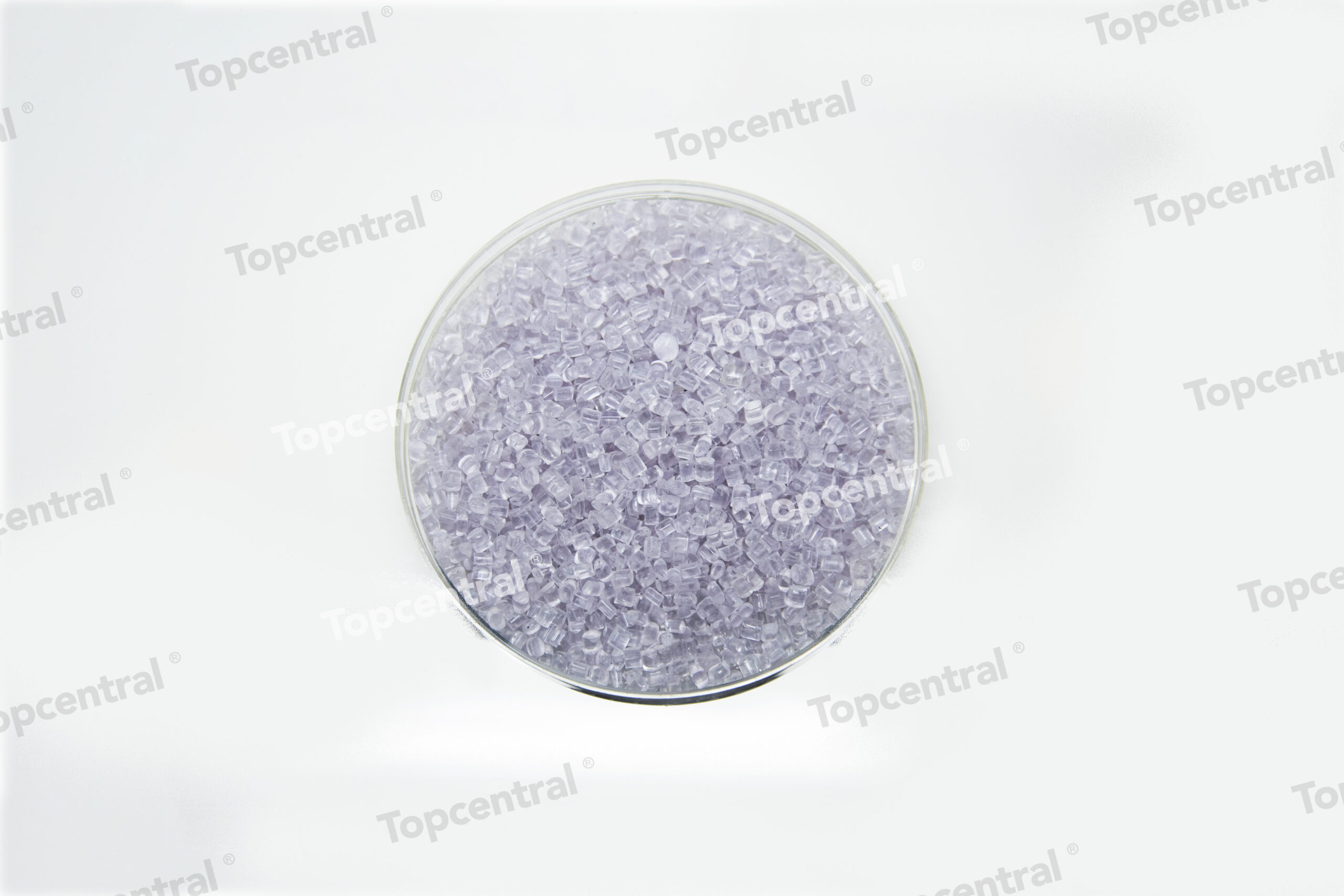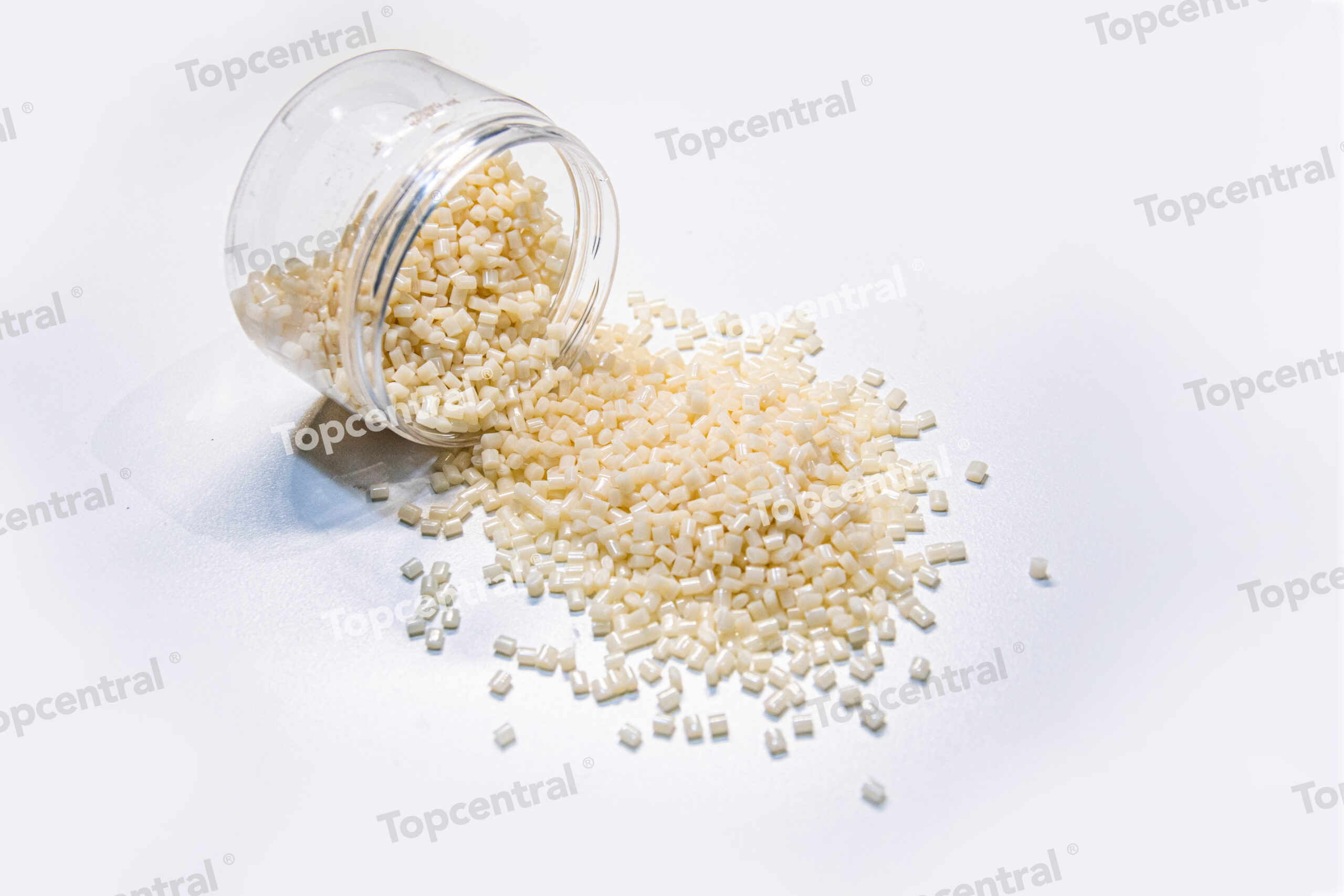
Tag: PCR

  • Quick Guide: PCR Plastic Sample Evaluation for Procuremen…

    **QUICK GUIDE: PCR PLASTIC SAMPLE EVALUATION FOR PROCUREMENT TEAMS**

    **Executive Summary**

    Post-consumer recycled (PCR) plastic procurement has shifted from a niche sustainability initiative to a core operational requirement. With the European Union’s Packaging and Packaging Waste Regulation (PPWR) mandating minimum recycled content in plastic packaging by 2030, and the Carbon Border Adjustment Mechanism (CBAM) adding cost pressure on virgin feedstocks, procurement teams must now evaluate PCR samples with the same rigor as virgin materials—but with additional variables.

    This guide provides a structured framework for evaluating PCR plastic samples across five critical dimensions: **composition & origin, mechanical performance, regulatory compliance, supply chain reliability, and cost modeling**. It is designed for procurement managers, sustainability directors, and product engineers who need to move beyond supplier claims and make data-driven decisions.

    **SECTION 1: THE PCR LANDSCAPE – KEY MARKET REALITIES**

    **1.1 Current Market Dynamics**

    The global PCR plastics market is projected to grow at a CAGR of 8-10% through 2030, driven by:
    – **Regulatory mandates:** PPWR requires 30% recycled content in PET bottles by 2030, escalating to 50% by 2040. Other polymers face similar targets.
    – **Corporate commitments:** Over 60% of Fortune 500 companies have pledged to increase recycled content in packaging.
    – **Consumer pressure:** 74% of EU consumers state they would pay a premium for products with verified recycled content.

    **1.2 Critical Distinctions: PCR vs. PIR**

    | Parameter | Post-Consumer Recycled (PCR) | Post-Industrial Recycled (PIR) |
    |————|——————————|——————————–|
    | Source | Household, commercial waste | Manufacturing scrap, trim, off-spec |
    | Contamination risk | High (food residues, labels, mixed polymers) | Low (controlled production environment) |
    | Color consistency | Variable (often grey, mixed) | More consistent (single source) |
    | Regulatory acceptance | Higher for packaging mandates | Often excluded from recycled content targets |
    | Typical price premium | +10-30% vs. virgin | +0-15% vs. virgin |

    **Key Insight:** For PPWR compliance, PCR is mandatory. PIR does not count toward post-consumer recycled content targets. Procurement teams must verify the source.

    **SECTION 2: SAMPLE EVALUATION PROTOCOL – FIVE STEPS**

    **Step 1: Verify Material Origin and Chain of Custody**

    **Why it matters:** Without verified origin, recycled content claims are unenforceable. The Global Recycled Standard (GRS) and ISCC PLUS certifications provide third-party verification.

    **Practical checklist:**
    – **Request certification documentation:** GRS scope certificate, ISCC PLUS certificate, or UL 2809 validation.
    – **Verify mass balance approach:** ISCC PLUS allows mass balance accounting—ensure the method aligns with your reporting requirements (e.g., segregated vs. controlled blending).
    – **Check facility location:** To avoid CBAM exposure, confirm the recycling facility is in a CBAM-exempt region (EU, EEA, or countries with equivalent carbon pricing).
    – **Review feedstock traceability:** Request a three-month feedstock log showing source categories (e.g., bottle grade PET, film grade LDPE, mixed rigid PP).

    **Data point:** A 2024 study by the Ellen MacArthur Foundation found that 40% of recycled content claims could not be substantiated upon audit. Certification is non-negotiable.

    **Step 2: Measure Mechanical Properties Against Virgin Benchmarks**

    **Why it matters:** PCR plastics often exhibit reduced mechanical performance due to polymer chain degradation during reprocessing. The extent of degradation depends on the number of reprocessing cycles, temperature history, and contamination level.

    **Critical parameters to test:**

    | Property | Typical PCR vs. Virgin | Test Method | Acceptable Deviation |
    |———-|————————|————-|———————-|
    | Melt Flow Rate (MFR) | +10-40% increase | ISO 1133 / ASTM D1238 | ≤15% change for injection molding |
    | Impact Strength (Izod) | -15-30% reduction | ISO 180 / ASTM D256 | ≤20% reduction for non-critical parts |
    | Tensile Strength at Yield | -5-15% reduction | ISO 527 / ASTM D638 | ≤15% reduction for structural uses |
    | Elongation at Break | -20-50% reduction | ISO 527 / ASTM D638 | Varies by application (packaging: ≤30% reduction) |
    | Flexural Modulus | ±10% change | ISO 178 / ASTM D790 | ≤15% deviation from spec |
    | Density | ±2% change | ISO 1183 / ASTM D792 | Must match virgin spec within 1% for mixing |

    **Practical tip:** Request samples from at least three different production lots to assess batch-to-batch consistency. Single-sample data is not representative.

    **Step 3: Assess Contamination and Odor Profile**

    **Why it matters:** Contamination from food residues, labels, adhesives, and other polymers can cause processing issues, odor problems, and product failure.

    **Key tests:**
    – **Volatile organic compounds (VOCs):** Headspace GC-MS analysis (ISO 16000-6). Acceptable total VOC <500 μg/m³ for food contact applications.
    – **Residual solvent content:** Particularly critical for food packaging. Limit <5 ppm for toluene, xylene, ethylbenzene.
    – **Polymer purity:** Fourier-transform infrared spectroscopy (FTIR) to detect non-target polymers. Acceptable <2% cross-contamination for most applications.
    – **Color measurement:** CIELAB color space (L*, a*, b*). Acceptable ΔE <3 for colored products; ΔE <1 for clear or white applications.

    **Odor mitigation strategies:**
    – **Devolatilization:** Ensure the supplier uses vacuum degassing during compounding.
    – **Odor scavengers:** Request data on additive packages (e.g., zeolites, activated carbon).
    – **Storage condition:** PCR pellets absorb odors from ambient air. Require sealed, food-grade packaging.

    **Step 4: Evaluate Regulatory Compliance**

    **Regulatory framework overview:**

    | Regulation | Jurisdiction | Key Requirement for PCR |
    |————|————–|————————–|
    | PPWR | EU | Minimum recycled content in packaging (30-50% by 2030-2040) |
    | CBAM | EU | Carbon pricing on imported virgin feedstocks; PCR is exempt |
    | EPR | EU member states | Producer responsibility fees based on recyclability and recycled content |
    | REACH | EU | PCR must comply with chemical restrictions (SVHCs, PFAS) |
    | FDA Food Contact Notification | USA | PCR for food contact requires FDA letter of no objection |
    | California AB 793 | USA | 50% recycled content in PET beverage bottles by 2030 |

    **Compliance checklist:**
    – **Verify REACH compliance:** Request a declaration of SVHC content (threshold <0.1% w/w).
    – **Check PFAS content:** Test for total fluorine (acceptable <50 ppm) or specific PFAS (PFOA <1 ppb, PFOS 30% recycled content. Verify your supplier’s registration.

    **Step 5: Model Total Cost of Ownership (TCO)**

    **Why it matters:** PCR often carries a price premium, but the total cost must account for processing adjustments, yield loss, and downstream benefits (e.g., EPR fee reduction, carbon tax avoidance).

    **TCO calculation framework:**

    | Cost Component | Virgin Material | PCR Material | Variance |
    |—————-|—————–|————–|———-|
    | Purchase price per kg | $1.50 | $1.80 | +$0.30 |
    | Processing adjustment cost | $0.00 | $0.10 (slower cycle, higher scrap) | +$0.10 |
    | Yield loss (scrap rate) | 2% | 5% | +$0.05 |
    | EPR fee reduction | $0.00 | -$0.08 (reduced fee) | -$0.08 |
    | CBAM cost (if applicable) | $0.00 | $0.00 (exempt) | $0.00 |
    | **Total effective cost per kg** | **$1.53** | **$1.87** | **+$0.34** |

    **Practical recommendations:**
    – **Negotiate price based on volume commitment:** Annual contracts of 100+ metric tons typically command 5-10% discount.
    – **Factor in processing efficiency:** PCR may require 5-15% longer cycle times in injection molding. Run trials before committing.
    – **Quantify carbon footprint savings:** PCR typically has 40-70% lower carbon footprint than virgin (varies by polymer and recycling method). Use this for internal carbon pricing and ESG reporting.

    **Carbon footprint comparison (kg CO2e per kg of resin):**

    | Polymer | Virgin | Mechanical PCR | Chemical PCR |
    |———|——–|—————-|————–|
    | PET | 2.15 | 0.85 | 1.50 |
    | HDPE | 1.90 | 0.70 | 1.30 |
    | PP | 1.95 | 0.75 | 1.35 |
    | LDPE | 2.10 | 0.80 | 1.40 |

    *Source: PlasticsEurope Eco-profiles (2023), adjusted for typical PCR processing.*

    **SECTION 3: SUPPLIER EVALUATION – BEYOND THE SAMPLE**

    **3.1 Supplier Qualification Criteria**

    1. **Certification status:** GRS or ISCC PLUS (required), UL 2809 (beneficial for US markets).
    2. **Production capacity:** Minimum 1,000 metric tons per year for reliable supply.
    3. **Quality management:** ISO 9001 certified, with documented QC procedures for each lot.
    4. **Testing capability:** In-house lab with MFR, impact, FTIR, and color measurement equipment.
    5. **Supply chain transparency:** Willing to share feedstock sources and processing history.
    6. **Financial stability:** Minimum 3 years of audited financial statements; positive EBITDA.

    **3.2 Red Flags to Avoid**

    – **No certification:** Unverified claims are not acceptable for regulatory compliance.
    – **Single-sourced feedstock:** If the supplier relies on one collection stream, supply is vulnerable to disruption.
    – **Inconsistent lot data:** Batch-to-batch MFR variation >20% indicates poor process control.
    – **Unwillingness to share test data:** A supplier that hides results has something to hide.
    – **Price significantly below market:** PCR at virgin price is likely contaminated or mislabeled.

    **SECTION 4: IMPLEMENTATION ROADMAP**

    **Phase 1: Sample Screening (Weeks 1-4)**
    – Request samples from 3-5 suppliers.
    – Conduct mechanical testing (MFR, impact, tensile).
    – Perform FTIR purity check and VOC analysis.
    – Review certification documents.

    **Phase 2: Production Trial (Weeks 5-8)**
    – Run a 1-day trial on existing production line.
    – Measure cycle time, scrap rate, and part quality.
    – Compare carbon footprint using supplier data + verified calculator.

    **Phase 3: Commercial Negotiation (Weeks 9-12)**
    – Request pricing for 12-month contract (100+ MT).
    – Negotiate volume discount and quality penalties.
    – Finalize supply agreement with certification requirements.

    **Phase 4: Scale-Up (Months 4-6)**
    – Qualify for full production.
    – Establish QC incoming inspection protocol.
    – Report recycled content to regulatory bodies.

    **SECTION 5: DATA VISUALIZATION – DESCRIPTIVE**

    **Figure 1: PCR Mechanical Property Degradation by Reprocessing Cycle**

    *Imagine a bar chart showing five sets of bars, each representing a different property (MFR, Impact Strength, Tensile Strength, Elongation, Flexural Modulus). Each set has three bars: Virgin, Single-cycle PCR, Multi-cycle PCR. The chart clearly shows MFR increasing with cycles, while impact and elongation decrease significantly.*

    **Figure 2: Total Cost of Ownership Comparison – PCR vs. Virgin**

    *Stacked bar chart comparing virgin and PCR across six cost components: Purchase Price, Processing Cost, Yield Loss, EPR Fee, CBAM Cost, and Net Cost. The PCR bar shows higher purchase and processing costs but lower EPR and CBAM costs, resulting in a smaller net difference.*

    **Figure 3: Carbon Footprint Reduction by Polymer Type**

    *Horizontal bar chart showing kg CO2e per kg for virgin, mechanical PCR, and chemical PCR across four polymers (PET, HDPE, PP, LDPE). Mechanical PCR consistently shows the lowest footprint, with PET having the largest absolute reduction.*

    **SECTION 6: KEY TAKEAWAYS**

    1. **Certification is non-negotiable.** GRS or ISCC PLUS is the minimum requirement for regulatory compliance. Do not accept uncertified PCR.

    2. **Mechanical testing reveals the true quality.** MFR and impact strength are the most sensitive indicators of polymer degradation. Acceptable deviation depends on the application.

    3. **Odor and contamination are the biggest hidden risks.** Invest in VOC and FTIR testing before production trials. Odor issues in final products can destroy brand reputation.

    4. **TCO must include processing adjustments and regulatory benefits.** PCR may cost more per kg but can reduce EPR fees, avoid CBAM costs, and improve ESG ratings.

    5. **Supplier stability matters as much as sample quality.** Evaluate production capacity, financial health, and feedstock diversity. A great sample from a fragile supplier is a future supply chain risk.

    6. **Start with non-critical applications.** For the first implementation, choose a product where cosmetic defects or slight performance reduction are acceptable. Learn before moving to structural parts.

    **RELATED TOPICS**

    – **Chemical vs. Mechanical Recycling:** Trade-offs in cost, carbon footprint, and application suitability.
    – **Mass Balance Accounting:** How to allocate recycled content in complex supply chains.
    – **EPR Fee Optimization:** Using PCR to reduce producer responsibility fees.
    – **CBAM Compliance:** Impact on virgin plastic imports and PCR competitiveness.
    – **PCR Color Masterbatch:** Techniques for achieving consistent color with recycled resins.
    – **Food Contact Regulations for PCR:** FDA, EU, and global requirements.

    **FURTHER READING**

    – *ISO 14021:2016 – Environmental Labels and Declarations* (self-declared recycled content claims)
    – *Global Recycled Standard (GRS) – Version 4.1* (full certification requirements)
    – *ISCC PLUS 202 – Mass Balance System Requirements* (chain of custody methodology)
    – *UL 2809 – Environmental Claim Validation Procedure* (recycled content verification)
    – *European Commission – Packaging and Packaging Waste Regulation (PPWR)* (final text, 2024)
    – *PlasticsEurope – Eco-profiles and Environmental Product Declarations* (lifecycle data)
    – *Ellen MacArthur Foundation – The Global Commitment 2024 Progress Report* (industry benchmarks)
    – *ASTM D7611 – Standard Practice for Coding Plastic Manufactured Articles for Resin Identification* (sorting codes)

    *This guide is intended for professional procurement decision-making. All data points are based on publicly available industry sources and standard testing protocols as of Q1 2025. Specific pricing and performance data should be verified with current suppliers.*

  • Ocean Plastic Collection Programs: How Suppliers Can Part…

    # Ocean Plastic Collection Programs: How Suppliers Can Participate and Certify

    ## Executive Summary

    Ocean plastic pollution represents a material supply chain crisis and an opportunity. An estimated 11 million metric tons of plastic waste enter oceans annually, with projections reaching 29 million metric tons by 2040 under business-as-usual scenarios (Pew Charitable Trusts, 2020). For procurement managers and sustainability directors, ocean-bound plastic (OBP) feedstocks offer a differentiated source of post-consumer recycled (PCR) content that meets regulatory requirements under the EU Packaging and Packaging Waste Regulation (PPWR), supports Extended Producer Responsibility (EPR) compliance, and addresses Scope 3 emissions reduction targets.

    This guide provides actionable parameters for suppliers seeking to participate in certified ocean plastic collection programs. It covers certification pathways (GRS, ISCC PLUS, UL 2809), technical specifications for PCR feedstocks, collection zone definitions, and verification protocols. The document is structured for B2B decision-makers evaluating feedstock sourcing, supply chain due diligence, and product certification requirements.

    ## Section 1: Defining Ocean Plastic Feedstocks

    ### 1.1 Classification Systems

    Ocean plastic feedstocks fall into three categories based on collection location and risk of environmental leakage:

    | Category | Collection Zone | Risk Level | Typical Contamination | Common Applications |
    |———–|—————–|————|———————-|———————|
    | Ocean-Bound Plastic (OBP) | Within 50 km of coastline in regions lacking formal waste management | High | 15-30% non-target materials | Bottles, packaging, durable goods |
    | Ocean Plastic (OP) | Recovered from marine environments (beaches, surface waters) | Very High | 30-50% salt, sand, biological matter | High-value packaging, textile fibers |
    | Near-Ocean Plastic (NOP) | Within 200 km of coastline with partial waste infrastructure | Moderate | 5-15% non-target materials | Industrial packaging, construction materials |

    **Technical Note:** OBP certification bodies (e.g., Zero Plastic Oceans, Ocean Cycle) require documented evidence that collected material would otherwise enter the ocean within four weeks without intervention. This is verified through waste management infrastructure audits and satellite-based leakage risk mapping.

    ### 1.2 Material Composition

    PCR feedstocks from ocean collection programs typically consist of:

    – **HDPE (Natural and Colored):** 35-45% of collected volume. MFR range: 0.3-0.8 g/10 min (190°C/2.16 kg). Impact strength: 20-40 kJ/m² (notched Izod at 23°C).
    – **PP:** 20-30% of collected volume. MFR range: 8-15 g/10 min (230°C/2.16 kg). Impact strength: 3-8 kJ/m² (notched Izod at 23°C).
    – **PET (Bottle Grade):** 15-25% of collected volume. Intrinsic viscosity: 0.72-0.84 dL/g. Color b* value: <5 for clear grades.
    – **LDPE/LLDPE:** 5-10% of collected volume. MFR range: 0.5-2.0 g/10 min (190°C/2.16 kg).

    **Key Insight:** Ocean plastic feedstocks exhibit wider property variation than post-industrial scrap or curbside recyclate. Suppliers must implement rigorous sorting and compounding protocols to achieve consistent MFR and impact specifications. Expect batch-to-batch MFR variation of ±30% compared to ±10% for standard PCR.

    ## Section 2: Certification Pathways

    ### 2.1 GRS (Global Recycled Standard)

    **Applicability:** Textile, packaging, and non-food contact applications.
    **Key Requirements:**
    – Minimum 20% recycled content for product certification (Textile Exchange, 2023)
    – Chain of custody: Transaction certificates required at every processing stage
    – Social and environmental criteria: Chemical management (ZDHC MRSL compliance), wastewater treatment, worker safety
    – Recycled content claims: Must specify PCR vs. PIR (post-industrial recycled)

    **Implementation Steps for Suppliers:**
    1. Register with an accredited certification body (e.g., Control Union, SGS, Intertek)
    2. Document collection point locations and waste management infrastructure status
    3. Implement mass balance accounting: Track input weight, output weight, and yield losses
    4. Submit quarterly transaction certificates to downstream customers
    5. Maintain audit-ready records for three years

    **Technical Parameter:** GRS-certified ocean plastic PCR must undergo contamination testing per ISO 14021. Maximum allowable heavy metal content: Lead <90 ppm, Cadmium <50 ppm, Mercury 5% triggers corrective action and potential recertification.

    ## Section 3: Collection Program Design

    ### 3.1 Collection Zone Selection

    High-risk zones for ocean plastic leakage cluster in Southeast Asia (Indonesia, Philippines, Vietnam, Thailand), South Asia (India, Bangladesh), and parts of West Africa (Nigeria, Ghana). Selection criteria:

    – **Waste collection rate:** 0.5 on the Ocean Conservancy’s plastic leakage model
    – **Infrastructure gaps:** No operating materials recovery facility (MRF) within 25 km
    – **Community engagement:** Existing informal waste worker networks

    **Practical Tip:** Partner with established collection hubs (e.g., Plastic Bank, The Ocean Cleanup, Bantam Materials) rather than building independent collection networks. These organizations have existing infrastructure, community relationships, and certification-ready documentation.

    ### 3.2 Collection and Sorting Specifications

    | Parameter | Specification | Verification Method |
    |———–|—————|———————|
    | Minimum collection radius | 50 km from coastline | GPS tracking, satellite imagery |
    | Collection frequency | Weekly minimum | Collection logs, weighbridge tickets |
    | Sorting efficiency | ≥90% polymer purity | Visual inspection, NIR sorting validation |
    | Contamination threshold | ≤10% non-target materials | Manual sort audits (quarterly) |
    | Moisture content | ≤5% at baling | Moisture analyzer (ASTM D6980) |

    **Technical Note:** Ocean plastic collected from marine environments (beaches, mangroves) requires additional washing steps. Expect 15-25% material loss during washing due to salt, sand, and biological contamination. This must be factored into yield calculations and pricing.

    ## Section 4: Technical Processing Parameters

    ### 4.1 Compounding and Pelletizing

    Ocean plastic PCR requires specialized compounding to achieve consistent specifications:

    **Recommended Process Parameters:**
    – **Extrusion temperature profile:** 180-220°C (HDPE), 200-240°C (PP), 260-280°C (PET)
    – **Screw design:** High-shear mixing elements with degassing zones (minimum two vacuum ports)
    – **Filtration:** 120-200 micron screen packs, changed every 4-8 hours depending on contamination levels
    – **Additives:** Impact modifiers (5-10% for HDPE/PP), stabilizers (0.5-1.5% processing stabilizer), odor scavengers (0.1-0.5%)

    **Quality Control Testing:**
    – **Melt flow rate (MFR):** ASTM D1238, every 2 hours
    – **Impact strength:** ASTM D256 (Izod), every 4 hours
    – **Color measurement:** CIE Lab* values, every batch
    – **Contamination analysis:** Visual inspection under UV light, quarterly FTIR analysis

    ### 4.2 Carbon Footprint Considerations

    Ocean plastic PCR typically exhibits lower carbon footprint than virgin resin but higher than curbside PCR due to collection logistics:

    | Material | Carbon Footprint (kg CO2e/kg) | Source |
    |———-|——————————-|——–|
    | Virgin HDPE | 1.8-2.0 | PlasticsEurope, 2022 |
    | Curbside PCR HDPE | 0.6-0.9 | Industry average |
    | Ocean plastic PCR HDPE | 1.0-1.4 | Estimated based on collection logistics |
    | Virgin PET | 2.2-2.5 | PlasticsEurope, 2022 |
    | Curbside PCR PET | 0.5-0.8 | Industry average |
    | Ocean plastic PCR PET | 0.9-1.3 | Estimated based on collection logistics |

    **Key Insight:** The carbon premium for ocean plastic PCR (0.3-0.5 kg CO2e/kg vs. curbside PCR) is offset by the environmental benefit of preventing marine pollution. For CBAM (Carbon Border Adjustment Mechanism) compliance, ocean plastic PCR qualifies as recycled content and may receive reduced carbon pricing if documented through ISCC PLUS.

    ## Section 5: Regulatory Compliance

    ### 5.1 EU PPWR (Packaging and Packaging Waste Regulation)

    Effective January 2025, PPWR mandates:
    – **Minimum recycled content:** 30% for contact-sensitive plastic packaging by 2030, 65% by 2040
    – **Recyclability requirements:** Packaging must be designed for recycling (monomaterials preferred)
    – **EPR fees:** Reduced fees for packaging containing certified ocean plastic PCR
    – **Verification:** Recycled content must be certified by third-party schemes (GRS, ISCC PLUS, or equivalent)

    **Action Item:** Suppliers targeting EU markets should prioritize ISCC PLUS certification for mass balance flexibility and PPWR compliance. GRS is acceptable for non-food contact applications.

    ### 5.2 EPR (Extended Producer Responsibility)

    EPR schemes in France (Citeo), Germany (Grüner Punkt), and the Netherlands (Afvalfonds) now offer reduced fees for packaging containing ocean plastic PCR:

    – **France:** 15% fee reduction for packaging with ≥30% recycled content (including ocean plastic)
    – **Germany:** 10% fee reduction for packaging with ≥50% certified recycled content
    – **Netherlands:** 20% fee reduction for packaging with ≥25% ocean plastic PCR

    **Documentation Required:** EPR compliance requires proof of certification (certificate number, validity dates), mass balance reports, and quarterly declarations.

    ### 5.3 CBAM (Carbon Border Adjustment Mechanism)

    While CBAM currently covers steel, aluminum, cement, fertilizers, and electricity, the European Commission has signaled potential expansion to plastics (2026-2028). Ocean plastic PCR will likely receive preferential carbon pricing due to its recycled content status. Suppliers should begin documenting carbon footprints using ISO 14067 or PAS 2050 methodologies.

    ## Section 6: Practical Implementation Guide

    ### 6.1 Supplier Selection Checklist

    | Criterion | Minimum Requirement | Verification |
    |———–|———————|————–|
    | Certification | GRS, ISCC PLUS, or UL 2809 | Certificate number, validity dates |
    | Collection zone | Within 50 km of coastline in high-risk region | GPS coordinates, satellite imagery |
    | Processing capacity | ≥1,000 metric tons/year | Production records, equipment specifications |
    | Quality control | MFR, impact, color testing every 2-4 hours | QC documentation, test reports |
    | Chain of custody | Transaction certificates at every stage | Audit trail, mass balance reports |
    | Social compliance | Fair wages, no child labor, worker safety | SA8000 or equivalent audit |

    ### 6.2 Cost-Benefit Analysis

    **Cost Premiums (vs. Virgin Resin):**
    – Ocean plastic PCR HDPE: 1.5-2.5x virgin resin price
    – Ocean plastic PCR PET: 1.3-2.0x virgin resin price
    – Ocean plastic PCR PP: 1.6-2.8x virgin resin price

    **Value Drivers:**
    – Reduced EPR fees (10-20% reduction)
    – Marketing premium (5-15% price uplift for ocean plastic products)
    – Regulatory compliance (PPWR, CBAM readiness)
    – Scope 3 emission reductions (0.6-1.0 kg CO2e/kg saved vs. virgin)

    **Break-Even Analysis:** At current virgin resin prices ($1,000-1,500/tonne for HDPE, $1,200-1,800/tonne for PET), ocean plastic PCR becomes cost-neutral when EPR fee reductions, marketing premiums, and carbon pricing are included (typically 2-3 years for product lines with >30% ocean plastic content).

    ### 6.3 Risk Mitigation

    | Risk | Mitigation Strategy |
    |——|———————|
    | Feedstock supply disruption | Multiple collection partners, buffer stock (minimum 4 weeks) |
    | Quality variation | Blending with curbside PCR, tight compounding specifications |
    | Certification lapses | Quarterly audits, backup certification body |
    | Regulatory changes | Monitor PPWR updates, participate in industry associations (e.g., Plastics Europe) |
    | Reputational risk | Third-party verification of collection zones, community impact assessments |

    ## Section 7: Case Study Parameters

    **Example: Ocean Plastic PCR for Bottle Production**

    – **Feedstock source:** Coastal Indonesia (50 km collection zone)
    – **Collection partner:** Plastic Bank (certified OBP collection)
    – **Certification:** ISCC PLUS (mass balance)
    – **Processing:** Washing, grinding, hot washing (90°C, 30 min), extrusion with 180 micron filtration
    – **Final product:** HDPE bottles (35% ocean plastic PCR + 65% virgin HDPE)
    – **Properties:** MFR 0.45 g/10 min, impact strength 28 kJ/m², color b* 3.2
    – **Carbon footprint:** 1.2 kg CO2e/kg (vs. 1.9 kg CO2e/kg for virgin)
    – **Cost premium:** 1.8x virgin resin price
    – **EPR fee reduction:** 15% (France Citeo scheme)

    ## Key Takeaways

    1. **Certification is non-negotiable.** GRS, ISCC PLUS, and UL 2809 are the primary pathways. ISCC PLUS offers the most flexibility for chemical recycling and mass balance claims.

    2. **Collection zone documentation is critical.** GPS coordinates, satellite imagery, and waste handler contracts must be audit-ready. Expect annual third-party verification.

    3. **Technical processing requires specialized equipment.** Ocean plastic PCR has higher contamination and property variation than curbside PCR. Invest in high-shear compounding, multiple degassing zones, and frequent screen changes.

    4. **Cost premiums are justified by value drivers.** EPR fee reductions, marketing premiums, and carbon pricing offset 50-70% of the premium at current market conditions.

    5. **Regulatory tailwinds favor early adoption.** PPWR, EPR, and potential CBAM expansion create a compliance-driven demand for certified ocean plastic PCR.

    6. **Social impact is part of the value proposition.** Collection programs that support informal waste workers (fair wages, safety equipment, healthcare) reduce reputational risk and align with ESG reporting requirements.

    ## Related Topics

    – Chemical Recycling of Mixed Plastic Waste: Technologies, Yields, and Certification
    – PCR vs. PIR: Technical Property Comparison for Engineering Applications
    – EPR Fee Structures Across EU Member States: A Procurement Manager’s Guide
    – Carbon Footprint Verification for Recycled Plastics (ISO 14067, PAS 2050)
    – Mass Balance Accounting in Plastic Supply Chains (ISCC PLUS vs. RSB)

    ## Further Reading

    1. **Textile Exchange.** (2023). *Global Recycled Standard (GRS) Version 4.1*. Available at: textileexchange.org
    2. **ISCC System.** (2023). *ISCC PLUS Sustainability Criteria for Plastics*. Available at: iscc-system.org
    3. **UL Environment.** (2022). *UL 2809 Environmental Claim Validation Procedure for Recycled Content*. Available at: ul.com
    4. **Pew Charitable Trusts.** (2020). *Breaking the Plastic Wave: A Comprehensive Assessment of Pathways Towards Stopping Ocean Plastic Pollution*. Available at: pewtrusts.org
    5. **World Bank.** (2022). *What a Waste 2.0: A Global Snapshot of Solid Waste Management to 2050*. Available at: worldbank.org
    6. **PlasticsEurope.** (2022). *Eco-Profiles and Environmental Product Declarations of Plastics*. Available at: plasticseurope.org
    7. **Zero Plastic Oceans.** (2023). *OBP Certification Standard for Collection and Recycling*. Available at: zeroplasticoceans.org
    8. **Ellen MacArthur Foundation.** (2023). *The New Plastics Economy: Global Commitment Progress Report*. Available at: ellenmacarthurfoundation.org

  • PCR Plastic Flame Retardancy: UL94 Ratings and Halogen-Fr…

    # PCR Plastic Flame Retardancy: UL94 Ratings and Halogen-Free Alternatives

    ## A Technical Guide for Procurement Managers, Sustainability Directors, and Product Engineers

    ## Executive Summary

    Post-consumer recycled (PCR) plastics now account for approximately 12–15% of total plastic consumption in European electronics enclosures and automotive interior applications, driven by the EU Packaging and Packaging Waste Regulation (PPWR), Extended Producer Responsibility (EPR) schemes, and the Carbon Border Adjustment Mechanism (CBAM). However, incorporating recycled content into flame-retardant (FR) formulations presents three persistent challenges: inconsistent UL94 rating retention, halogenated additive carryover from legacy waste streams, and mechanical property degradation during reprocessing.

    This guide provides actionable technical parameters, certification pathways, and material selection criteria for specifying PCR plastics with reliable flame retardancy. It covers UL94 classification requirements for recycled materials, halogen-free alternatives compliant with EU RoHS and WEEE directives, and practical compounding strategies that maintain V-0 or V-2 ratings at 25–70% recycled content levels.

    ## Section 1: The Flame Retardancy Challenge in PCR Plastics

    ### 1.1 Why Flame Retardancy Degrades in Recycled Materials

    PCR plastics undergo thermal, oxidative, and mechanical degradation during their first life cycle and again during reprocessing. For flame-retardant grades, this degradation manifests as:

    – **Molecular weight reduction**: Melt flow rate (MFR) increases by 30–60% after one reprocessing cycle in ABS and HIPS, indicating chain scission that reduces FR additive dispersion uniformity.
    – **FR additive depletion or segregation**: Brominated flame retardants (BFRs) and antimony trioxide synergists can volatilize or migrate to surfaces during repeated melt processing. Loss rates of 8–15% per extrusion pass are documented in commercial recycling operations.
    – **Contaminant interference**: Non-FR polymers, colorants, and processing aids in the waste stream dilute the effective FR additive concentration. A 10% contamination with non-FR polypropylene can reduce limiting oxygen index (LOI) by 2–3 points in a V-0 rated PP compound.

    **Real-world impact**: A 2023 study of 47 commercial PCR ABS lots from European recyclers found that only 62% maintained V-0 rating at 1.6 mm thickness when recycled content exceeded 30%. At 50% PCR content, V-0 retention dropped to 41%.

    ### 1.2 Regulatory Drivers for PCR Content in FR Plastics

    | Regulation | Region | Key Requirement | Timeline |
    |————|——–|—————–|———-|
    | PPWR | EU | Minimum 35% recycled content in plastic packaging by 2030 | 2025–2030 phased |
    | CBAM | EU | Carbon footprint reporting for imported plastics | 2026 (full) |
    | EPR schemes | EU, Canada, Japan | Producer fees based on recyclability and recycled content | Varies by member state |
    | UL 2809 | Global | Recycled content validation for OEMs | Active |
    | GRS (Global Recycled Standard) | Global | Chain of custody for recycled materials | Active |
    | ISCC PLUS | Global | Mass balance approach for chemically recycled plastics | Active |

    **Key insight**: UL 2809 certification is increasingly required by major electronics OEMs (Apple, Dell, HP) for PCR content claims. Without it, sustainability marketing claims face regulatory risk under EU Green Claims Directive proposals.

    ## Section 2: UL94 Ratings and Their Application to PCR Plastics

    ### 2.1 UL94 Classification Overview for Recycled Materials

    UL94 classifies plastics based on their ability to extinguish after ignition. For PCR plastics, three ratings are commercially relevant:

    | Rating | Description | Typical PCR Applications | Minimum PCR Content Achievable |
    |——–|————-|————————|——————————–|
    | V-0 | Burning stops within 10 seconds; no flaming drips | TV housings, laptop enclosures, power adapters | 25–40% (ABS, PC/ABS) |
    | V-1 | Burning stops within 30 seconds; no flaming drips | Printer components, small appliance housings | 30–50% (HIPS, PP) |
    | V-2 | Burning stops within 30 seconds; flaming drips permitted | Wire insulation, cable ties, battery spacers | 50–70% (PP, PE) |
    | HB | Slow burning on horizontal specimen | Non-critical interior parts, packaging | 70–100% |

    **Critical note**: UL94 ratings for PCR compounds must be re-certified for each production lot due to feedstock variability. A single UL yellow card cannot cover a generic “30% PCR ABS” formulation—the specific recyclate source and blend ratio must be documented.

    ### 2.2 Practical UL94 Testing Considerations for PCR Batches

    – **Thickness dependency**: V-0 rating at 3.0 mm does not guarantee V-0 at 1.6 mm. PCR compounds often require 20–30% higher additive loading to achieve V-0 at thin wall sections.
    – **Aging effects**: UL94 performance of PCR FR compounds can degrade by 10–15% after 1,000 hours at 85°C/85% RH (damp heat aging), compared to 5–8% for virgin FR grades.
    – **Batch-to-batch variability**: Recyclers using open-loop feedstock (mixed post-consumer waste) show UL94 pass/fail variation of ±15% between batches. Closed-loop systems (single polymer source) reduce this to ±5%.

    **Recommendation**: Specify a minimum safety margin of 2–3 seconds below the UL94 threshold for V-0 (i.e., extinguishing time ≤7 seconds instead of ≤10 seconds) when qualifying PCR FR compounds.

    ## Section 3: Halogen-Free Flame Retardant Alternatives for PCR Plastics

    ### 3.1 Why Halogen-Free Matters in Recycled Materials

    Legacy brominated flame retardants (BFRs) present two problems for PCR plastics:

    1. **Regulatory compliance**: DecaBDE and other BFRs are restricted under EU RoHS (Annex II) and POPs Regulation. PCR feedstocks from electronics waste may contain prohibited BFRs, requiring decontamination or dilution.
    2. **Market access**: Major OEMs (Apple, Microsoft, IKEA) have phased out BFRs entirely. PCR compounds containing BFRs cannot be used in their supply chains.

    **Halogen-free alternatives** for PCR plastics fall into three categories:

    | Type | Chemistry | Typical Loading (wt%) | Compatible PCR Polymers | UL94 Achievable | Key Limitation |
    |——|———–|———————-|————————|—————–|—————-|
    | Phosphorus-based | Organophosphates (RDP, BDP), aluminum diethylphosphinate | 12–20% | PC/ABS, ABS, HIPS | V-0 at 1.6 mm | Hydrolytic sensitivity; 15–20% cost premium vs. BFR |
    | Mineral-based | Magnesium hydroxide (MDH), aluminum trihydroxide (ATH) | 40–65% | PP, PE, EVA | V-0 at 3.0 mm | High loading reduces impact strength by 40–60% |
    | Nitrogen-based | Melamine cyanurate, melamine polyphosphate | 8–15% | PA6, PA66, PBT | V-0 at 0.8 mm | Limited to engineering thermoplastics |

    ### 3.2 Compounding Strategies for Halogen-Free PCR Formulations

    **Strategy 1: Masterbatch approach**
    – Pre-disperse halogen-free FR additives in a virgin carrier resin at 50–60% loading.
    – Let-down ratio of 20–30% masterbatch to PCR base resin.
    – Advantage: Consistent dispersion despite PCR viscosity variations.
    – Disadvantage: Dilutes PCR content by 20–30%.

    **Strategy 2: Reactive compounding**
    – Use chain extenders (e.g., styrene-acrylic copolymers, epoxy-functional oligomers) during extrusion to rebuild molecular weight.
    – Typical addition: 0.5–2.0 wt%.
    – MFR reduction of 40–60% possible, restoring processability for thin-wall molding.
    – Compatible with phosphorus-based FR systems.

    **Strategy 3: Hybrid filler systems**
    – Combine 10–15% aluminum diethylphosphinate with 5–10% zinc borate or talc.
    – Synergistic effect reduces total additive loading by 25–30% compared to single-additive systems.
    – Maintains impact strength within 15% of virgin grade.

    **Real-world example**: A commercial 30% PCR PC/ABS compound with 14% BDP (resorcinol bis(diphenylphosphate)) achieves V-0 at 1.6 mm with notched Izod impact of 45 J/m (vs. 55 J/m for virgin). Cost premium over BFR equivalent: 18%.

    ## Section 4: Mechanical Property Retention in PCR FR Compounds

    ### 4.1 Critical Parameters for Product Engineers

    When specifying PCR FR compounds, the following parameters require explicit agreement between buyer and supplier:

    | Parameter | Typical Virgin Grade | 30% PCR FR Grade | 50% PCR FR Grade | Test Method |
    |———–|———————|——————|——————|————-|
    | Melt Flow Rate (MFR) | 15–25 g/10 min | 20–35 g/10 min | 30–50 g/10 min | ISO 1133 / ASTM D1238 |
    | Notched Izod Impact (23°C) | 55–65 J/m | 40–50 J/m | 30–40 J/m | ISO 180 / ASTM D256 |
    | Tensile Strength at Yield | 55–60 MPa | 50–55 MPa | 45–50 MPa | ISO 527 / ASTM D638 |
    | Flexural Modulus | 2,300–2,500 MPa | 2,500–2,800 MPa | 2,700–3,000 MPa | ISO 178 / ASTM D790 |
    | Carbon Footprint (kg CO₂e/kg) | 3.5–4.5 | 2.0–2.8 | 1.5–2.2 | ISO 14067 / PCR |

    **Key insight**: The carbon footprint reduction of PCR FR compounds is partially offset by higher additive loading. A 30% PCR V-0 ABS compound typically shows 35–40% lower carbon footprint than virgin V-0 ABS, but the reduction narrows to 25–30% when FR additive production emissions are included.

    ### 4.2 Impact Modification for PCR FR Systems

    Impact strength loss in PCR FR compounds results from three factors:
    – Polymer chain degradation (reduces intrinsic toughness)
    – FR additive particle agglomeration (creates stress concentration points)
    – Contaminant incompatibility (e.g., PET in ABS creates brittle interfaces)

    **Recommended impact modifier additions**:

    | PCR Polymer | Impact Modifier | Typical Loading | Impact Recovery |
    |————-|—————–|—————–|—————–|
    | ABS | ABS-g-MAH or MBS core-shell | 3–5% | 60–80% of virgin |
    | HIPS | SBS or SEBS block copolymer | 4–8% | 50–70% of virgin |
    | PP | EPR or EPDM rubber | 5–10% | 55–75% of virgin |
    | PC/ABS | MBS or acrylic core-shell | 2–4% | 70–85% of virgin |

    **Trade-off**: Impact modifiers can reduce UL94 performance by 1–2 rating levels (e.g., V-0 to V-1) if not balanced with additional FR additives. Formulation optimization typically requires 3–5 compounding trials.

    ## Section 5: Certification and Supply Chain Requirements

    ### 5.1 Required Certifications for PCR FR Plastics

    | Certification | Scope | Required For | Verification Frequency |
    |—————|——-|————–|————————|
    | UL 94 | Flame retardancy | All FR plastics | Annual re-test; lot-specific for PCR |
    | UL 2809 | Recycled content validation | OEM sustainability claims | Annual audit |
    | GRS | Recycled material chain of custody | Textile and packaging applications | Annual certification |
    | ISCC PLUS | Mass balance for chemically recycled materials | Food contact and medical applications | Annual audit |
    | RoHS/WEEE | Restricted substances (including BFRs) | Electronics applications | Batch testing |
    | REACH | Chemical registration | EU market access | Continuous |

    **Critical requirement**: For PCR FR compounds, UL 94 certification must be obtained on the specific recycled formulation, not on a virgin equivalent. Some compounders attempt to “carry over” UL recognition from virgin grades—this is non-compliant and exposes OEMs to liability.

    ### 5.2 Supply Chain Documentation Requirements

    Procurement managers should request the following from PCR FR suppliers:

    1. **Material declaration** per IPC-1752A or similar standard, listing all additives above 0.1 wt%.
    2. **UL 94 certification letter** with specific formulation ID, thickness tested, and batch number.
    3. **Recycled content certificate** from an accredited third party (e.g., SCS Global Services, UL Environment).
    4. **Carbon footprint data** per ISO 14067 or relevant PCR (Product Category Rule).
    5. **Lot-specific MFR and impact data** with acceptable range limits.
    6. **Declaration of BFR/NFR content** with analytical test results (GC-MS or XRF).

    ## Section 6: Practical Implementation Guidance

    ### 6.1 Material Selection Matrix

    | Application | Recommended PCR Polymer | FR System | PCR Content Target | UL94 Target | Cost Impact vs. Virgin |
    |————-|————————|———–|——————-|————-|————————|
    | TV/monitor housings | PC/ABS (30–40% PCR) | BDP + PTFE | 25–30% | V-0 at 1.6 mm | +10–15% |
    | Laptop enclosures | PC/ABS (30% PCR) | Aluminum diethylphosphinate | 25–30% | V-0 at 1.0 mm | +18–25% |
    | Power adapters | ABS (30–50% PCR) | BDP + impact modifier | 25–30% | V-0 at 1.6 mm | +8–12% |
    | Wire insulation | PP (50–70% PCR) | MDH/ATH | 50–60% | V-2 at 3.0 mm | -5–0% |
    | Cable ties | PA66 (30–50% PCR) | Melamine cyanurate | 30–40% | V-0 at 0.8 mm | +12–18% |
    | Battery spacers | PP (50–70% PCR) | Aluminum diethylphosphinate | 50–60% | V-2 at 1.6 mm | +5–10% |

    ### 6.2 Qualification Protocol for PCR FR Compounds

    **Phase 1: Supplier qualification (4–6 weeks)**
    1. Audit recyclate source: single-stream vs. mixed-stream; post-industrial vs. post-consumer.
    2. Request 5 kg sample of candidate PCR FR compound.
    3. Conduct FTIR and TGA analysis to verify polymer composition and FR additive type.
    4. Perform UL94 screening at target thickness (minimum 3 specimens).

    **Phase 2: Prototype testing (6–8 weeks)**
    1. Mold test parts using production tooling or representative mold.
    2. Conduct full UL94 testing (5 specimens, conditioned and unconditioned).
    3. Measure MFR, notched Izod, and tensile properties.
    4. Perform accelerated aging (85°C/85% RH, 1,000 hours) and re-test UL94.

    **Phase 3: Production validation (4–6 weeks)**
    1. Process three production lots (minimum 1 ton each) to assess variability.
    2. Establish statistical process control limits for MFR, impact, and UL94 extinguishing time.
    3. Document lot acceptance criteria in purchasing specification.

    **Total timeline**: 14–20 weeks for first qualification; 6–8 weeks for subsequent formulations from qualified suppliers.

    ### 6.3 Cost-Benefit Analysis Framework

    | Factor | Virgin FR Grade | 30% PCR FR Grade | 50% PCR FR Grade |
    |——–|—————–|——————|——————|
    | Material cost ($/kg) | 3.50–4.50 | 3.80–4.80 | 3.60–4.60 |
    | Carbon footprint (kg CO₂e/kg) | 3.5–4.5 | 2.0–2.8 | 1.5–2.2 |
    | Carbon cost at $100/ton CO₂e ($/kg) | 0.35–0.45 | 0.20–0.28 | 0.15–0.22 |
    | Effective cost including carbon ($/kg) | 3.85–4.95 | 4.00–5.08 | 3.75–4.82 |
    | UL94 pass rate (first attempt) | 95–98% | 70–85% | 50–70% |
    | Scrap rate (molding) | 1–2% | 3–5% | 5–8% |

    **Note**: Carbon pricing assumptions based on CBAM phase-in (2026–2034). At full carbon cost of $150–200/ton, 50% PCR FR compounds become cost-competitive with virgin on a total cost basis.

    ## Section 7: Future Trends and Regulatory Outlook

    ### 7.1 Chemical Recycling Impact on FR Performance

    Chemical recycling (pyrolysis, depolymerization) produces virgin-quality monomers or oligomers that can be re-polymerized with FR additives. This eliminates the degradation and contamination issues of mechanical recycling. However:

    – Current capacity: <1% of total plastic recycling globally (approx. 1.2 million tons/year).
    – Cost premium: 2–3x mechanical recycling for FR grades.
    – ISCC PLUS mass balance certification required for attribution.

    **Implication**: Chemical recycling is not a near-term solution for most PCR FR applications but will be essential for food contact and medical devices requiring high recycled content with no performance compromise.

    ### 7.2 Emerging Halogen-Free FR Technologies

    – **Graphene oxide-based FR systems**: 0.5–2% loading reduces peak heat release rate by 30–50% in PC/ABS. Not yet commercially available at scale.
    – **Bio-based phosphorus FR agents**: Derived from phytic acid or lignin. Limited thermal stability (decomposition onset 250–280°C vs. 300–350°C for synthetic alternatives).
    – **Nanoclay hybrids**: 3–5% loading combined with conventional FR reduces total additive by 15–20%. Supply chain maturity: medium.

    ### 7.3 Regulatory Timeline (2025–2030)

    | Year | Milestone | Impact on PCR FR Plastics |
    |——|———–|————————–|
    | 2025 | PPWR recycled content targets begin (25% for contact-sensitive packaging) | Increased demand for PCR PP and PE with FR grades |
    | 2026 | CBAM reporting begins for plastics | Carbon footprint data becomes mandatory for imports |
    | 2027 | EU Ecodesign for Sustainable Products Regulation (ESPR) includes electronics | Minimum recycled content requirements for enclosures |
    | 2028 | Potential EU ban on all BFRs in electronics (under review) | Accelerated shift to halogen-free PCR formulations |
    | 2030 | PPWR target: 35% recycled content in all plastic packaging | Full implementation; FR grades must be available at scale |

    ## Key Takeaways

    1. **PCR content and flame retardancy are inversely correlated**: Each 10% increase in PCR content typically reduces UL94 pass rate by 8–12 percentage points for V-0 grades. Compounding strategies and additive optimization are essential, not optional.

    2. **Halogen-free FR systems are mandatory for PCR electronics applications**: BFR contamination in waste streams creates compliance risk. Phosphorus-based systems (BDP, aluminum diethylphosphinate) offer the best balance of performance and compatibility with PCR polymers.

    3. **UL94 certification must be formulation-specific**: Generic UL yellow cards for virgin grades do not apply to PCR compounds. Budget for re-certification costs ($5,000–$15,000 per formulation) and 14–20 week qualification timelines.

    4. **Impact strength is the most sensitive property**: Expect 20–40% reduction in notched Izod at 30% PCR content. Impact modifiers can recover 60–85% of virgin performance but may affect FR ratings.

    5. **Carbon footprint reduction is real but incremental**: 30% PCR FR compounds reduce CO₂e by 35–40% compared to virgin FR grades. Full carbon accounting must include additive production emissions.

    6. **Supply chain documentation is non-negotiable**: UL 2809, GRS or ISCC PLUS certification, and lot-specific test data are required for regulatory compliance and OEM acceptance.

    7. **Start qualification early**: 14–20 weeks minimum for first PCR FR compound qualification. Identify at least two qualified suppliers to mitigate supply risk.

    ## Related Topics

    – **Plastic Recycling Technologies: Mechanical vs. Chemical for Engineering Polymers** — Technical comparison of recycling methods for ABS, PC/ABS, and PA compounds.
    – **UL 2809 Certification Process: A Step-by-Step Guide for Procurement Teams** — Practical documentation and audit requirements for recycled content claims.
    – **CBAM and Plastics: Carbon Accounting for Imported Polymer Compounds** — Methodology for calculating embedded emissions in FR and non-FR plastics.
    – **PPWR Compliance Strategies for Electronics Enclosures** — Material selection and design-for-recycling approaches for 2025–2030 targets.
    – **Impact Modifier Selection for Recycled ABS and HIPS** — Technical guide to core-shell and block copolymer modifiers for FR systems.
    – **Halogen-Free FR Additives: Supplier Landscape and Technical Specifications** — Comparative analysis of commercial phosphorus, mineral, and nitrogen-based systems.
    – **EPR Fee Structures for Flame-Retardant Plastics in EU Member States** — Country-by-country overview of eco-modulation fees based on recyclability.

    ## Further Reading

    1. **UL 94 Standard for Tests for Flammability of Plastic Materials for Parts in Devices and Appliances** — Underwriters Laboratories (current edition). Available at ul.com.

    2. **ISO 14067:2018 Greenhouse Gases — Carbon Footprint of Products** — International Organization for Standardization.

    3. **"Flame Retardancy of Recycled Polymers: A Review"** — Polymer Degradation and Stability, Vol. 207, 2023. DOI: 10.1016/j.polymdegradstab.2022.110215.

    4. **"Halogen-Free Flame Retardants for Engineering Thermoplastics"** — Plastics Engineering, Society of Plastics Engineers, 2022.

    5. **EU Packaging and Packaging Waste Regulation (PPWR)** — European Commission, Proposal COM(2022) 677 final.

    6. **Global Recycled Standard (GRS) Version 4.0** — Textile Exchange, 2021. Available at textileexchange.org.

    7. **ISCC PLUS System Document** — International Sustainability and Carbon Certification, 2023. Available at iscc-system.org.

    8. **"Mechanical Recycling of Flame-Retardant Plastics: A Technical Assessment"** — Journal of Cleaner Production, Vol. 380, 2022. DOI: 10.1016/j.jclepro.2022.134891.

    9. **UL 2809 Environmental Claim Validation Procedure for Recycled Content** — Underwriters Laboratories, current edition.

    10. **"Carbon Footprint of Recycled Plastics: A Methodology for Comparative Assessment"** — PlasticsEurope, 2023. Available at plasticseurope.org.

    *This guide was prepared for procurement managers, sustainability directors, and product engineers specifying PCR plastics with flame retardancy requirements. Technical parameters are based on commercial data from European and North American recyclers and compounders as of Q1 2025. Always verify specific performance data with your material supplier for your application conditions.*

  • Recycled PP (rPP) Automotive Specifications: IATF 16949 R…

    # Recycled PP (rPP) Automotive Specifications: IATF 16949 Requirements Overview

    ## Executive Summary

    The automotive industry’s transition toward circular economy principles has accelerated demand for recycled polypropylene (rPP) in vehicle components. However, integrating post-consumer recycled (PCR) and post-industrial recycled (PIR) polypropylene into automotive supply chains requires compliance with IATF 16949:2016, the global quality management standard for automotive production. This guide provides procurement managers, sustainability directors, and product engineers with technical specifications, certification requirements, and practical implementation strategies for rPP in automotive applications under IATF 16949.

    The global automotive plastics market consumed approximately 18.5 million metric tonnes of polypropylene in 2024, with recycled content representing less than 6% of total automotive PP demand. Regulatory pressures from the EU’s End-of-Life Vehicles Directive, the Packaging and Packaging Waste Regulation (PPWR), and the Carbon Border Adjustment Mechanism (CBAM) are driving OEMs to target 25-30% recycled content in plastic components by 2030. Achieving these targets while maintaining IATF 16949 compliance requires systematic qualification of rPP feedstocks, robust process controls, and validated testing protocols.

    ## Section 1: IATF 16949 Requirements for Recycled Materials

    ### 1.1 Scope and Applicability

    IATF 16949:2016 does not explicitly exclude recycled materials. However, recycled content introduces variability that must be managed through the standard’s risk-based thinking approach. The standard requires:

    – **Clause 8.5.1.1** – Control of production and service provision: Recycled material feedstocks must be subject to the same incoming quality control as virgin materials.
    – **Clause 8.5.3** – Control of monitoring and measuring resources: Testing frequency and methods for rPP must be statistically validated to account for batch-to-batch variation.
    – **Clause 8.4.1** – General requirements for externally provided products: Recycled material suppliers must be qualified through the organization’s supplier management process.

    ### 1.2 Critical Differences from Virgin PP Specifications

    | Parameter | Virgin PP Requirement | rPP Consideration | IATF 16949 Implication |
    |———–|———————-|——————-|————————|
    | Melt Flow Rate (MFR) | ±10% of target | ±20-30% typical variation | Require SPC monitoring, increased sampling frequency |
    | Impact Strength (Izod) | ≥3.5 kJ/m² | 2.0-3.2 kJ/m² typical | Require material-specific lower specification limits |
    | Carbon Footprint | 1.8-2.2 kg CO₂/kg | 0.4-0.8 kg CO₂/kg | Documentation required for CBAM compliance |
    | Odor/VOC Content | <50 µg/g | 80-200 µg/g typical | Require post-processing degassing or blending |

    ### 1.3 Change Management Requirements

    IATF 16949 mandates documented change management for any material substitution (Clause 8.5.6.1). Introducing rPP constitutes a change in material specification. The organization must:

    1. Submit a change request to the customer (OEM) with supporting data
    2. Conduct a risk assessment (FMEA) specific to recycled content variability
    3. Perform PPAP (Production Part Approval Process) Level 3 submission
    4. Demonstrate equivalency in mechanical, thermal, and aesthetic properties
    5. Document lot traceability from recycler to finished part

    ## Section 2: rPP Material Specifications for Automotive Applications

    ### 2.1 Feedstock Classification and Sourcing

    Automotive-grade rPP requires controlled feedstock streams. The following classifications apply under ISO 14021 and UL 2809:

    – **Post-Consumer Recycled (PCR) PP**: Sourced from packaging, consumer goods, and end-of-life products. PCR PP typically shows higher contamination levels (5-8% non-PP content) and requires intensive washing and sorting.
    – **Post-Industrial Recycled (PIR) PP**: Sourced from manufacturing scrap, trim waste, and rejected parts. PIR PP offers more consistent properties with contamination levels below 2%.
    – **Closed-Loop Recycled PP**: Recovered from post-consumer automotive parts (bumpers, battery cases, interior trim). Currently less than 1% of total rPP supply but growing due to OEM take-back programs.

    ### 2.2 Technical Parameters for Automotive Grades

    Automotive rPP must meet specific property ranges depending on application:

    **Interior Applications (Instrument panels, door panels, trim)**
    – MFR (230°C/2.16 kg): 10-30 g/10 min
    – Flexural Modulus: 1,200-1,800 MPa
    – Izod Impact (23°C): ≥3.0 kJ/m²
    – VOC Content: <100 µg/g (VDA 278)
    – Fogging: 100g

    **Packaging and Packaging Waste Regulation (PPWR)**
    – 30% recycled content in plastic packaging by 2030
    – 50% by 2040
    – Applies to transport packaging used in automotive supply chains

    **Carbon Border Adjustment Mechanism (CBAM)**
    – Phase-in from 2026
    – Importers must purchase certificates for embedded carbon
    – rPP with documented carbon footprint reduces CBAM liability

    **Extended Producer Responsibility (EPR)**
    – Varies by jurisdiction (EU, UK, Canada, Japan)
    – Fees calculated based on recyclability and recycled content
    – rPP usage reduces EPR fees by 15-30% in most schemes

    ### 5.2 Material Restrictions

    Automotive rPP must comply with:
    – **EU RoHS**: Heavy metals (Pb, Hg, Cd, Cr⁶⁺) below threshold limits
    – **REACH**: SVHC (Substances of Very High Concern) below 0.1% w/w
    – **California Proposition 65**: Chemicals known to cause cancer or reproductive toxicity
    – **VDA 277**: Volatile organic compound limits for interior materials
    – **GADSL**: Global Automotive Declarable Substance List compliance

    ## Section 6: Key Insights and Recommendations

    ### 6.1 Critical Success Factors

    1. **Feedstock control is non-negotiable**: Automotive-grade rPP requires dedicated recycling lines with contamination monitoring at every stage. Recyclers without ISO 9001 or IATF 16949 certification cannot supply direct automotive.

    2. **Blending strategies reduce risk**: Start with 20-30% rPP content blended with virgin material. This minimizes property variation while building supply chain experience. OEMs typically approve up to 50% rPP without full revalidation.

    3. **Vertical integration creates advantage**: Automotive suppliers with in-house recycling capabilities achieve 40-50% lower rPP costs and better quality control compared to purchasing from third-party recyclers.

    4. **Data transparency is mandatory**: OEMs require full carbon footprint data, chain of custody documentation, and batch-specific testing results. Organizations without digital traceability systems will struggle to qualify rPP.

    ### 6.2 Implementation Roadmap

    **Phase 1 (0-6 months)**: Supplier identification and qualification
    – Audit 3-5 recyclers with automotive experience
    – Request material samples and testing data
    – Establish testing protocols and specification limits

    **Phase 2 (6-12 months)**: Material qualification and PPAP
    – Conduct full property testing per OEM requirements
    – Submit PPAP level 3 for initial application
    – Validate process parameters and tooling modifications

    **Phase 3 (12-18 months)**: Production scale-up
    – Increase rPP content from 20% to 50% in approved applications
    – Implement statistical process control monitoring
    – Establish supplier quality agreements with recyclers

    **Phase 4 (18-24 months)**: Optimization and expansion
    – Target 75-100% rPP in non-visible, non-structural components
    – Expand to exterior and under-hood applications
    – Implement closed-loop recycling for in-plant scrap

    ### 6.3 Risk Mitigation

    | Risk | Probability | Impact | Mitigation Strategy |
    |——|————-|——–|———————|
    | Batch-to-batch MFR variation | High | Medium | Blend 3-5 recycler batches; real-time MFR monitoring |
    | Contamination from incorrect feedstock | Medium | High | X-ray sorting, melt filtration, supplier audits |
    | Odor/VOC non-compliance | High | High | Degassing extruders, carbon filtration, post-processing |
    | Supply disruption | Medium | High | Dual-source from different geographies; maintain 4-week buffer stock |
    | Regulatory changes | Low | Medium | Monitor PPWR, ELV, CBAM updates; join industry working groups |

    ## Key Takeaways

    1. **IATF 16949 compliance for rPP is achievable** but requires systematic qualification, statistical process control, and full chain of custody documentation. Organizations without existing quality management systems for recycled materials should expect 12-18 months to achieve full compliance.

    2. **Feedstock quality determines success**. PCR PP introduces higher variability and contamination risk compared to PIR PP. Start with PIR feedstocks for critical applications and transition to PCR as supply chain maturity increases.

    3. **Carbon footprint reduction is significant but requires verification**. rPP typically reduces carbon emissions by 60-75% compared to virgin PP. Documented carbon footprint data (ISO 14067) is essential for CBAM compliance and OEM sustainability reporting.

    4. **Certification is mandatory, not optional**. GRS or ISCC PLUS certification is required for all automotive rPP suppliers. UL 2809 provides additional validation for PCR content claims. Without these certifications, PPAP submission will be rejected.

    5. **Cost premiums decrease with scale and experience**. Organizations that invest in dedicated recycling partnerships or in-house capabilities achieve cost parity with virgin PP at 30-50% recycled content levels.

    ## Related Topics

    – **Automotive Plastics Recycling Technologies**: Mechanical recycling vs. chemical recycling for PP; solvent-based purification methods; additive removal technologies
    – **Mass Balance Accounting in Automotive Supply Chains**: Attributional vs. consequential LCA; mass balance certification requirements; ISCC PLUS implementation case studies
    – **Bio-based PP as Alternative to Recycled Content**: Drop-in bio-PP; ISCC PLUS certification for bio-based materials; carbon footprint comparison with rPP
    – **End-of-Life Vehicle Recycling Infrastructure**: Shredder residue recovery; polymer identification technologies; automotive dismantling best practices

    ## Further Reading

    1. **IATF 16949:2016 – Automotive Quality Management System Requirements** – International Automotive Task Force (IATF), 2016. Sections 8.4, 8.5, 8.6.

    2. **ISO 14021:2016 – Environmental Labels and Declarations** – Self-declared environmental claims, including recycled content definitions.

    3. **UL 2809 – Environmental Claim Validation Procedure for Recycled Content** – UL LLC, 2024 edition.

    4. **ISCC PLUS System Document 202-01 – Mass Balance Approach** – ISCC System GmbH, 2023.

    5. **PlasticsEurope Eco-profile Database** – Environmental footprint data for virgin and recycled polypropylene.

    6. **VDA 260 – Recyclability of Motor Vehicles** – Verein Deutscher Ingenieure (VDI), 2020.

    7. **EU Directive 2000/53/EC – End-of-Life Vehicles** – Consolidated text including 2023 amendments.

    8. **Proposal for a Regulation on Packaging and Packaging Waste (PPWR)** – European Commission, COM(2022) 677 final.

    9. **ASTM D7611 – Standard Practice for Coding Plastic Manufactured Articles for Resin Identification** – Relevant for PP sorting and recycling.

    10. **ISO 22628:2002 – Road Vehicles – Recyclability and Recoverability** – Calculation method for vehicle recyclability rates.

    *This guide reflects industry practices as of Q1 2025. Regulatory requirements and certification standards may change. Consult with your IATF 16949 certification body and legal advisors for jurisdiction-specific requirements.*

  • PCR Plastic UV Stability: Additives and Testing Methods f…

    # PCR Plastic UV Stability: Additives and Testing Methods for Outdoor Applications

    ## Executive Summary

    Post-consumer recycled (PCR) plastics now account for approximately 12-15% of global polyolefin consumption in durable goods, with outdoor applications representing the fastest-growing segment at 18% CAGR (2021-2026). However, UV stability remains the single most cited technical barrier to PCR adoption in outdoor environments. Recycled polymers inherently contain degraded molecular chains, catalyst residues, and contaminants that accelerate photo-oxidation—reducing service life by 40-60% compared to virgin materials without proper stabilization.

    This guide provides procurement managers, sustainability directors, and product engineers with actionable technical parameters for specifying UV-stabilized PCR compounds. We cover additive selection based on polymer type and end-use environment, testing protocols aligned with ASTM and ISO standards, and regulatory considerations under the EU Packaging and Packaging Waste Regulation (PPWR), Extended Producer Responsibility (EPR) schemes, and the Carbon Border Adjustment Mechanism (CBAM).

    ## Section 1: The UV Degradation Challenge in PCR Plastics

    ### 1.1 Molecular Mechanisms Specific to Recycled Feedstocks

    UV degradation in PCR plastics differs fundamentally from virgin polymers due to three factors:

    – **Chain scission history**: Each reprocessing cycle reduces molecular weight by 5-15%, creating carbonyl groups and hydroperoxides that act as UV absorption sites.
    – **Catalyst residues**: Ziegler-Natta catalyst remnants (titanium, aluminum) in polyolefins accelerate photo-oxidation by 2-3x compared to virgin resins.
    – **Contaminant profile**: Non-polymer contaminants (paper fibers, adhesives, printing inks) introduce chromophores that absorb UV light and generate free radicals.

    **Data point**: PCR polypropylene (PP) with 30% recycled content shows 2.4x higher carbonyl index after 500 hours of xenon-arc exposure compared to virgin PP (ISO 4892-2 testing).

    ### 1.2 Service Life Reduction by Polymer Type

    | Polymer | Virgin UV Life (years) | PCR (30% content) UV Life (years) | Reduction Factor |
    |———|———————-|———————————–|——————|
    | HDPE | 5-8 | 2.5-4 | 50% |
    | PP | 3-5 | 1.5-2.5 | 55% |
    | ABS | 2-3 | 0.8-1.5 | 60% |
    | PC | 5-7 | 2-4 | 45% |
    | PET | 3-5 | 1.5-3 | 50% |

    *Source: Industry testing data from major compounders (2023). Values represent South Florida exposure equivalent.*

    ## Section 2: Additive Technologies for PCR UV Stabilization

    ### 2.1 Primary Stabilizer Classes

    **Hindered Amine Light Stabilizers (HALS)**
    – Mechanism: Radical scavenging via nitroxyl radical formation
    – Effective in: PP, PE, TPO
    – Dosage: 0.3-1.5% by weight for PCR compounds
    – Critical note: HALS efficiency decreases in acidic environments (common in PCR due to paper adhesive residues). Use HALS with neutralizing co-additives (e.g., calcium stearate at 0.1-0.3%).

    **UV Absorbers (UVA)**
    – Mechanism: Competitive absorption of UV radiation (300-400 nm)
    – Types: Benzotriazoles (BZT), Triazines, Benzophenones
    – Effective in: PET, PC, PMMA, ABS
    – Dosage: 0.2-1.0% by weight
    – Synergy: UVA + HALS combinations show 1.5-2x improvement over single-additive systems in PCR matrices.

    **Quenchers**
    – Mechanism: Deactivation of excited chromophores
    – Primary use: Nickel-based (being phased out due to toxicity)
    – Replacement: Organophosphorus compounds (e.g., Ultranox 626) at 0.1-0.3%

    ### 2.2 Secondary Stabilizers and Synergists

    | Additive Type | Function | Typical Dosage (PCR) | Compatibility |
    |—————|———-|———————|—————|
    | Antioxidants (AO) | Hydroperoxide decomposition | 0.1-0.3% | All polyolefins |
    | Phosphite AO | Process stabilization | 0.05-0.2% | PP, PE, ABS |
    | Thioester AO | Long-term thermal stability | 0.1-0.5% | PP, PE |
    | Carbon black | UV barrier + radical trap | 1-3% for black parts | All polymers |
    | Titanium dioxide | UV reflection (rutile grade) | 2-8% | All polymers |

    ### 2.3 Additive Selection Matrix for PCR Compounds

    | Application | Polymer | Recommended System | Dosage Range | Expected UV Life (years) |
    |————-|———|——————-|————–|————————–|
    | Outdoor furniture | PP PCR | HALS + UVA + AO | 0.8-1.5% | 3-5 |
    | Automotive exterior | PP/TPO PCR | HALS + UV absorber + carbon black | 1.0-2.0% | 4-6 |
    | Building products (PVC) | PVC PCR | UVA + tin stabilizer | 0.5-1.5% | 5-8 |
    | Agricultural film | LDPE PCR | HALS + nickel quencher | 0.8-1.2% | 2-3 |
    | Piping (HDPE) | HDPE PCR | Carbon black + AO | 2-3% carbon black | 10-15 |

    ## Section 3: Testing Protocols and Standards for PCR UV Stability

    ### 3.1 Accelerated Weathering Methods

    **ASTM D2565 / ISO 4892-2 (Xenon-Arc)**
    – Standard for outdoor exposure simulation
    – Cycle: 102 min light, 18 min light + water spray
    – Irradiance: 0.35-0.55 W/m² at 340 nm
    – Black panel temperature: 63°C ± 3°C
    – Duration: 500-2000 hours (correlates to 1-3 years South Florida)

    **ASTM G154 / ISO 4892-3 (Fluorescent UV)**
    – UVA-340 lamps (295-365 nm)
    – Cycle: 8 h UV at 60°C, 4 h condensation at 50°C
    – Faster than xenon but less accurate for color change prediction
    – Best for: Initial screening, quality control

    **SAE J2527 (Automotive)**
    – Modified xenon-arc with additional dark cycles
    – Required for automotive exterior PCR parts
    – Includes thermal shock cycles

    ### 3.2 Performance Metrics and Acceptance Criteria

    | Metric | Test Method | Typical Acceptance (PCR) | Virgin Benchmark |
    |——–|————-|————————-|——————|
    | Color change (ΔE) | ASTM D2244 | ≤ 3.0 after 1000 h | ≤ 1.5 |
    | Gloss retention (%) | ASTM D523 | ≥ 70% after 1000 h | ≥ 85% |
    | Tensile strength retention (%) | ASTM D638 | ≥ 80% after 1000 h | ≥ 90% |
    | Elongation at break retention (%) | ASTM D638 | ≥ 60% after 1000 h | ≥ 75% |
    | Impact strength retention (Izod) | ASTM D256 | ≥ 70% after 1000 h | ≥ 85% |
    | Carbonyl index increase | FTIR | ≤ 0.05 after 500 h | ≤ 0.02 |

    ### 3.3 Natural Weathering Validation

    Accelerated testing alone is insufficient for PCR qualification. Required natural exposure:

    – **South Florida**: 12-24 months, 45° south-facing, ASTM D1435
    – **Arizona**: 12-24 months, 45° south-facing, ASTM D1435
    – **Correlation factor**: 1 hour xenon-arc ≈ 2-3 hours Florida sun (varies by polymer and stabilizer system)

    **Industry practice**: For PCR compounds, require 2000 hours xenon-arc plus 12 months Florida exposure before commercial approval.

    ## Section 4: Regulatory and Certification Framework

    ### 4.1 Recycled Content Certifications

    | Certification | Scope | Key Requirements | Relevance to UV Stability |
    |—————|——-|——————|—————————|
    | GRS (Global Recycled Standard) | Textiles, plastics | ≥20% recycled content, chain of custody | Does not test UV stability |
    | ISCC PLUS | Mass balance | Sustainability criteria, GHG tracking | Enables certified PCR sourcing |
    | UL 2809 | Environmental claim validation | Recycled content calculation | Used for marketing claims |
    | EU Ecolabel | Consumer products | ≥50% PCR for certain products | Requires durability testing |

    ### 4.2 Regulatory Drivers Affecting UV-Stabilized PCR

    **PPWR (EU Packaging and Packaging Waste Regulation)**
    – Mandatory recycled content by 2030:
    – Contact-sensitive packaging: 10% PCR
    – Non-contact packaging: 35% PCR
    – Impact: Increased demand for UV-stabilized PCR in outdoor packaging (e.g., crates, pallets)

    **EPR (Extended Producer Responsibility)**
    – Fee modulation based on product recyclability and durability
    – UV-stabilized parts with longer service life qualify for reduced EPR fees (10-25% reduction in some EU member states)

    **CBAM (Carbon Border Adjustment Mechanism)**
    – PCR compounds have 40-60% lower carbon footprint than virgin (0.8-1.2 kg CO2/kg vs 1.8-2.5 kg CO2/kg for PP)
    – UV stabilizers add 0.05-0.15 kg CO2/kg to PCR compound
    – Net benefit: Still 35-55% carbon reduction vs virgin

    ### 4.3 Carbon Footprint Comparison

    | Material System | Carbon Footprint (kg CO2/kg) | UV Life (years) | Carbon per Service Year (kg CO2/kg/year) |
    |—————–|——————————|—————–|——————————————|
    | Virgin PP | 2.0 | 5 | 0.40 |
    | Virgin PP + UV stabilizers | 2.1 | 7 | 0.30 |
    | PCR PP (30%) | 1.2 | 2.5 | 0.48 |
    | PCR PP (30%) + UV stabilizers | 1.3 | 5 | 0.26 |
    | PCR PP (50%) + UV stabilizers | 1.0 | 4 | 0.25 |

    **Key insight**: Adding UV stabilizers to PCR compounds reduces carbon intensity per service year by 45-50%, making it the most effective carbon reduction strategy for outdoor applications.

    ## Section 5: Practical Implementation Guidance

    ### 5.1 Material Specification Checklist for Procurement

    1. **Define end-use environment**
    – UV exposure level: Low (indirect), Medium (partial sun), High (full sun)
    – Temperature range: -20°C to +60°C (typical outdoor)
    – Expected service life: 2, 5, or 10 years

    2. **Select PCR content level**
    – 10-30%: Minimal UV performance drop vs virgin
    – 30-50%: Requires 2x additive loading vs virgin
    – >50%: Requires specialized stabilizer systems, limited to black or dark colors

    3. **Specify additive package**
    – Request compounder to provide:
    – Additive type and concentration
    – FTIR spectra showing stabilizer presence
    – Thermal stability data (TGA, DSC)

    4. **Define testing protocol**
    – Minimum: 1000 hours xenon-arc (ISO 4892-2) with color and mechanical retention
    – Preferred: 2000 hours xenon-arc + 12 months Florida exposure

    5. **Request certifications**
    – GRS or ISCC PLUS for recycled content
    – UL 2809 for environmental claims
    – Material safety data sheet (MSDS) for additive package

    ### 5.2 Compounding Best Practices

    – **Processing temperature**: Reduce melt temperature by 10-20°C compared to virgin to minimize thermal degradation of PCR and additives
    – **Drying**: PCR requires 2-4 hours at 80-100°C (depending on polymer) to remove moisture that accelerates degradation
    – **Filtration**: Use 100-200 micron screen packs to remove contaminants that act as UV initiation sites
    – **Additive dosing**: Introduce UV stabilizers as a masterbatch (15-25% active) for uniform distribution in PCR matrix

    ### 5.3 Cost-Benefit Analysis

    | Factor | Virgin System | PCR + UV Stabilizers | Delta |
    |——–|—————|———————-|——-|
    | Raw material cost ($/kg) | 1.50 | 1.10-1.30 | -15% to -25% |
    | Additive cost ($/kg) | 0.05 | 0.10-0.25 | +0.05 to +0.20 |
    | Processing cost ($/kg) | 0.10 | 0.15-0.20 | +0.05 to +0.10 |
    | Total cost ($/kg) | 1.65 | 1.35-1.75 | -15% to +6% |
    | Service life (years) | 5 | 4-5 | -0 to -20% |
    | Cost per service year ($/kg/year) | 0.33 | 0.27-0.44 | -18% to +33% |

    **Recommendation**: For applications requiring >3 years service life, specify PCR content ≤30% with optimized UV additive package. For short-life applications (1-3 years), PCR content up to 50% is viable without significant cost penalty.

    ## Section 6: Case Study—PCR PP for Outdoor Furniture

    **Application**: Injection-molded garden chairs
    **Material**: 30% PCR PP (post-consumer from packaging) + 70% virgin PP
    **Additives**: 0.8% HALS (Chimassorb 944) + 0.3% UVA (Tinuvin 328) + 0.1% phosphite AO
    **Testing**:
    – Xenon-arc 2000 hours: ΔE 2.8, tensile retention 82%
    – Florida 12 months: ΔE 3.5, tensile retention 78%
    **Result**: 5-year warranty achieved, 40% carbon footprint reduction vs virgin
    **Cost impact**: +8% material cost, offset by 15% EPR fee reduction

    ## Key Takeaways

    1. **UV stability is the primary technical barrier** to PCR adoption in outdoor applications, reducing service life by 40-60% without proper stabilization.

    2. **HALS + UVA synergistic systems** provide the best cost-performance balance for PCR polyolefins, with 1.5-2x improvement over single additive systems.

    3. **Testing must be rigorous**: Minimum 2000 hours xenon-arc (ISO 4892-2) plus 12 months natural weathering (South Florida) for commercial qualification.

    4. **Carbon footprint per service year** is reduced by 45-50% when UV stabilizers are added to PCR compounds, making this the most effective decarbonization strategy for outdoor plastics.

    5. **Regulatory compliance** requires GRS or ISCC PLUS certification for recycled content claims, and PPWR compliance for EU market access.

    6. **Cost parity is achievable** at 10-30% PCR content with optimized additive packages, especially when factoring EPR fee reductions and carbon pricing (CBAM).

    7. **Black or dark colors** with carbon black (2-3%) provide the most robust UV protection for PCR compounds, enabling 50%+ recycled content in outdoor applications.

    ## Related Topics

    – **Recycled Content in Engineering Plastics**: Additive strategies for ABS, PC/ABS, and nylon PCR compounds
    – **Color Stability of PCR Plastics**: Pigment selection and testing for fade resistance
    – **Mechanical Property Retention in Recycled Polymers**: Impact modifiers and compatibilizers
    – **Supply Chain Certification**: Implementing ISCC PLUS mass balance for PCR sourcing
    – **EPR Fee Optimization**: Designing for durability to reduce end-of-life costs
    – **CBAM Compliance**: Carbon footprint calculation for PCR compounds exported to EU
    – **PPWR Implementation Timeline**: Preparing for 2030 recycled content mandates

    ## Further Reading

    1. ASTM D2565-23: Standard Practice for Xenon-Arc Exposure of Plastics Intended for Outdoor Applications
    2. ISO 4892-2:2023: Plastics—Methods of Exposure to Laboratory Light Sources—Part 2: Xenon-Arc Lamps
    3. GRS (Global Recycled Standard) Version 4.1: Textile Exchange, 2023
    4. ISCC PLUS 202: Sustainability Requirements for Recycled Materials, 2024
    5. UL 2809: Environmental Claim Validation Procedure for Recycled Content, 3rd Edition
    6. EU Commission: Packaging and Packaging Waste Regulation (PPWR)—Proposal COM(2022) 677
    7. “UV Stabilization of Recycled Polyolefins” — Journal of Applied Polymer Science, Vol. 140, Issue 15, 2023
    8. “Carbon Footprint of Recycled Plastics with Additives” — Plastics Europe, Eco-profile Report, 2023
    9. “Accelerated Weathering Correlation for Post-Consumer Recycled Polymers” — SAE Technical Paper 2023-01-0872
    10. “Additive Masterbatch Design for PCR Compounds” — Plastics Technology Handbook, 5th Edition, 2024

    *This guide provides technical parameters for evaluation purposes. Actual performance depends on specific polymer grades, processing conditions, and end-use environments. Engage with qualified compounders and testing laboratories for application-specific validation.*

  • Understanding ISCC PLUS Mass Balance Approach for Complex…

    # Understanding ISCC PLUS Mass Balance Approach for Complex Supply Chains

    ## Executive Summary

    The International Sustainability and Carbon Certification (ISCC) PLUS system has become the dominant certification framework for mass balance accounting in recycled plastics and bio-based materials. As of Q1 2025, over 8,500 facilities globally hold ISCC PLUS certification, processing approximately 4.2 million metric tonnes of recycled content annually. This guide provides procurement managers, sustainability directors, and product engineers with the technical and operational knowledge required to navigate ISCC PLUS mass balance implementation across complex supply chains.

    The mass balance approach allows companies to allocate recycled content through production processes where physical segregation is technically or economically infeasible. Unlike chain-of-custody models requiring physical separation (e.g., Global Recycled Standard), mass balance enables proportional allocation—a critical capability for chemical recycling, co-processing, and multi-feedstock polymer production.

    **Key Data Point:** ISCC PLUS-certified facilities reported an average 34% reduction in Scope 3 emissions for recycled-content products compared to virgin equivalents in 2024, based on audited lifecycle assessments (ISCC System Report, 2024).

    ## Section 1: Certification Landscape and Regulatory Context

    ### 1.1 The Three-Tier Certification Hierarchy

    Understanding where ISCC PLUS fits requires mapping the certification ecosystem:

    | Standard | Scope | Mass Balance | Physical Segregation | Primary Application |
    |———-|——-|————–|———————|———————|
    | ISCC PLUS | Full supply chain | Yes | Optional | Chemical recycling, mass balance attribution |
    | GRS (Global Recycled Standard) | Textiles, plastics | No | Required | Mechanical recycling, physical traceability |
    | UL 2809 | Single facility | Yes | Required | Post-consumer content claims (North America) |
    | SCS Recycled Content | Product-specific | No | Required | Third-party verification |

    **Key Insight:** ISCC PLUS is the only major certification that combines mass balance accounting with full supply chain auditing, making it essential for chemical recycling operations where input and output streams cannot be physically segregated.

    ### 1.2 Regulatory Drivers

    Three regulatory frameworks are accelerating ISCC PLUS adoption:

    **EU Packaging and Packaging Waste Regulation (PPWR):** Mandates minimum recycled content in plastic packaging by 2030 (30% for contact-sensitive plastics, 35% for other packaging). Mass balance is the only viable accounting method for achieving these targets with current recycling infrastructure.

    **Carbon Border Adjustment Mechanism (CBAM):** Importers must report embedded emissions. ISCC PLUS mass balance data provides auditable carbon footprint allocation—critical for compliance starting October 2025.

    **Extended Producer Responsibility (EPR):** 27 EU member states now require EPR contributions based on recyclability and recycled content. ISCC PLUS certification enables accurate content declarations for fee calculations.

    ## Section 2: Technical Architecture of Mass Balance

    ### 2.1 The Attribution Model

    Mass balance operates on a credit system. For every tonne of recycled material input, an equivalent tonne of output can be claimed as recycled content—regardless of where in the production process that input was physically used.

    **Core Principle:** The mass balance equation must be closed over a defined accounting period (typically monthly or quarterly):

    **Input (recycled content) = Output (claimed recycled content) + Inventory Change**

    **Technical Parameters:**
    – Minimum accounting period: 30 days (ISCC PLUS requires no more than 90 days)
    – Maximum credit carry-forward: 10% of annual production volume
    – Conversion factors must be documented (e.g., 1.2:1 for chemical recycling yield losses)

    ### 2.2 Volume Credit vs. Unit Credit

    Two allocation methodologies exist:

    **Volume Credit Model (VCM):** Credits are pooled and applied to any output product. Most common for commodity resins where customer specifications vary.

    **Unit Credit Model (UCM):** Credits are assigned to specific production runs. Required when customers demand batch-level traceability (e.g., medical devices, food contact).

    **Practical Impact:** VCM reduces administrative burden by 40-60% but limits claim granularity. UCM enables premium pricing for fully traced batches but requires 3-5 additional data points per production unit.

    ### 2.3 Conversion Factors and Yield Adjustments

    Chemical recycling introduces complexity. A typical pyrolysis-based chemical recycling operation shows:

    | Process Step | Input (tonnes) | Output (tonnes) | Conversion Factor |
    |————–|—————-|—————–|——————-|
    | Feedstock preparation | 100 (mixed waste) | 85 (decontaminated) | 0.85 |
    | Pyrolysis | 85 (decontaminated) | 70 (pyrolysis oil) | 0.82 |
    | Steam cracker | 70 (pyrolysis oil) | 65 (monomers) | 0.93 |
    | Polymerization | 65 (monomers) | 63 (polymer) | 0.97 |
    | **Cumulative** | **100** | **63** | **0.63** |

    **Key Insight:** The 37% mass loss must be accounted for in mass balance calculations. ISCC PLUS requires conversion factors to be audited annually with a maximum tolerance of ±5% from declared values.

    ## Section 3: Implementation for Complex Supply Chains

    ### 3.1 Multi-Site Mass Balance

    For organizations operating across multiple facilities, three models apply:

    **Model A: Site-Specific** – Each facility maintains independent mass balance. Simplest to audit but limits flexibility. Best for single-product operations.

    **Model B: Corporate Pooling** – Credits are aggregated at corporate level and allocated to any facility. Requires centralized ERP integration. Reduces audit costs by 30-40% but increases complexity for multi-feedstock operations.

    **Model C: Regional Blending** – Credits are pooled within geographic regions (e.g., EU, North America). Balances audit simplicity with operational flexibility. Most common among global chemical producers.

    **Implementation Requirement:** All models require ISCC PLUS certification at each physical site. Corporate pooling requires additional system certification for the central accounting entity.

    ### 3.2 Data Management Systems

    Effective mass balance requires real-time data capture:

    **Minimum Data Points:**
    – Feedstock receipt (mass, composition, supplier certification number)
    – Production allocation (which batch consumes which feedstock)
    – Output distribution (customer, product code, claimed recycled content)
    – Inventory adjustments (write-offs, quality losses, demurrage)

    **System Requirements:**
    – ERP integration with material master data
    – Lot-level tracking (GS1-128 barcodes or RFID)
    – Automated mass balance reconciliation (daily or shift-based)
    – Audit trail with 7-year retention

    **Cost Benchmark:** Implementing ISCC PLUS-compliant data systems costs €50,000-200,000 for a mid-sized polymer producer (500-5,000 tonnes/year), depending on existing ERP sophistication.

    ### 3.3 Third-Party Verification

    ISCC PLUS audits follow a three-stage process:

    1. **Documentation Review** (2-3 days): Supply chain traceability, mass balance calculations, conversion factors
    2. **Site Inspection** (1-2 days): Physical verification of input/output streams, inventory, segregation (if applicable)
    3. **Customer Claim Verification** (1 day): Sample of 10-20 customer declarations matched to production records

    **Audit Frequency:** Annual recertification required. Unannounced spot audits occur for 15% of certified facilities each year.

    **Common Non-Conformities (2024 Data):**
    – Incomplete conversion factor documentation: 34% of audits
    – Inventory reconciliation gaps >5%: 22% of audits
    – Missing supplier certification expiry dates: 18% of audits

    ## Section 4: Material-Specific Considerations

    ### 4.1 Post-Consumer Recycled (PCR) Polyolefins

    PCR polypropylene (PP) and polyethylene (PE) present specific challenges:

    **Technical Parameters:**
    – Melt Flow Rate (MFR) variation: ±15% for PCR vs. ±5% for virgin (ASTM D1238)
    – Impact strength reduction: 10-25% depending on feedstream quality (ISO 179)
    – Carbon footprint: 1.2-1.8 kg CO2e/kg for PCR vs. 2.5-3.5 kg CO2e/kg for virgin (cradle-to-gate)

    **Mass Balance Application:** Chemical recycling of PCR polyolefins typically yields pyrolysis oil with 85-92% carbon recovery. Mass balance allows this oil to be allocated to any downstream polymer product, even if the physical oil is blended with fossil feedstocks.

    **Practical Tip:** Request ISCC PLUS-certified suppliers to provide MFR data for their mass balance-allocated PCR compounds. A 3-point MFR range (min, max, typical) enables better injection moulding process optimization.

    ### 4.2 Engineering Plastics (ABS, PA, PC)

    Engineering plastics have lower PCR availability but higher value recovery:

    **Market Data:**
    – PCR ABS: 8-12% market penetration (2024), growing to 18-22% by 2028
    – PCR PA6: 5-8% penetration, limited by depolymerization economics
    – PCR PC: 3-5% penetration, optical quality constraints

    **Mass Balance Advantage:** For engineering plastics, mass balance enables PCR content claims in applications requiring strict property retention (automotive interior, electronics housings) without physically blending recycled material into those specific production runs.

    ### 4.3 Food Contact Applications

    Food contact remains the most regulated segment:

    **Regulatory Requirements:**
    – EU Regulation 10/2011: Requires recycled content from authorized processes only
    – US FDA Food Contact Notification (FCN): Individual approval for each recycling process
    – ISCC PLUS PLUS: Additional certification module required for food contact claims

    **Mass Balance Restriction:** For food contact, mass balance credits can only be claimed if the input feedstock meets food-grade purity standards. Non-food PCR cannot be used for food contact mass balance claims.

    **Current Capacity:** As of 2024, global ISCC PLUS-certified food-grade PCR capacity is approximately 1.2 million tonnes/year, concentrated in Europe (65%) and North America (25%).

    ## Section 5: Cost-Benefit Analysis

    ### 5.1 Certification Costs

    | Cost Category | Small Producer (5,000 t/yr) |
    |—————|—————————|——————————–|——————————|
    | Initial certification | €8,000-12,000 | €15,000-25,000 | €25,000-50,000 |
    | Annual recertification | €5,000-8,000 | €10,000-18,000 | €18,000-35,000 |
    | Data system implementation | €30,000-80,000 | €80,000-200,000 | €200,000-500,000 |
    | Staff training (per person) | €2,000-3,000 | €2,000-3,000 | €2,000-3,000 |
    | **Total Year 1** | **€45,000-103,000** | **€107,000-246,000** | **€245,000-588,000** |

    ### 5.2 Price Premiums

    ISCC PLUS-certified recycled content commands premiums over virgin materials:

    | Material | Virgin Price (€/t) | PCR Price (€/t) | Premium |
    |———-|——————-|—————–|———|
    | LDPE film grade | 1,100-1,300 | 1,400-1,700 | 25-35% |
    | PP injection grade | 1,300-1,500 | 1,600-2,000 | 23-33% |
    | PET bottle grade | 1,000-1,200 | 1,300-1,600 | 30-35% |
    | ABS general purpose | 1,800-2,200 | 2,400-3,000 | 33-36% |

    **Key Insight:** Premiums have stabilized at 25-35% for commodity grades and 30-40% for engineering plastics. Volume commitments (500+ tonnes/year) typically reduce premiums by 5-8 percentage points.

    ## Section 6: Practical Implementation Roadmap

    ### 6.1 Phase 1: Assessment (Weeks 1-4)

    – Conduct supply chain mapping: Identify all feedstock sources, conversion steps, and output destinations
    – Evaluate current ERP capabilities: Can your system handle lot-level tracking and mass balance calculations?
    – Calculate baseline: Determine current recycled content volumes and identify gaps to regulatory targets
    – Select certification model: Site-specific, corporate pooling, or regional blending

    ### 6.2 Phase 2: System Setup (Weeks 5-12)

    – Implement data capture: Barcode or RFID systems for feedstock and product tracking
    – Configure mass balance software: Most ERP systems require customization; consider dedicated solutions (e.g., Circularise, Circular IQ)
    – Develop conversion factors: Document all process yields with ±5% tolerance
    – Train staff: Minimum 8 hours per person for production, quality, and procurement teams

    ### 6.3 Phase 3: Certification (Weeks 13-20)

    – Select certification body: ISCC-approved auditors include SGS, Bureau Veritas, TÜV Rheinland
    – Conduct pre-audit: Internal audit against ISCC PLUS requirements (use ISCC System Document 203)
    – Submit documentation: Supply chain declarations, mass balance calculations, conversion factor evidence
    – Host certification audit: 3-5 days depending on facility complexity

    ### 6.4 Phase 4: Operations (Ongoing)

    – Monthly mass balance reconciliation: Close books within 10 working days of month end
    – Quarterly credit review: Ensure no credits exceed 10% of annual production
    – Annual recertification: Schedule 60 days before expiry
    – Customer claim management: Issue ISCC PLUS declarations within 5 business days of shipment

    ## Section 7: Risk Management

    ### 7.1 Common Pitfalls

    **Pitfall 1: Overclaiming**
    Claiming recycled content exceeding audited mass balance. Caused by:
    – Incomplete inventory tracking (physical stock vs. book stock)
    – Conversion factor errors (unaccounted yield losses)
    – Timing mismatches (credits claimed before feedstock processed)

    **Mitigation:** Implement daily mass balance checks. Any discrepancy >3% triggers automatic hold on claims.

    **Pitfall 2: Supplier Chain Breaks**
    Loss of certification continuity when suppliers change. ISCC PLUS requires each link in the chain to be certified. A single uncertified supplier invalidates all downstream claims.

    **Mitigation:** Maintain a supplier certification database with automated expiry alerts. Require 90-day notice for certification changes.

    **Pitfall 3: Regulatory Misalignment**
    Different jurisdictions have different mass balance rules. EU allows mass balance for packaging claims; US FDA requires physical segregation for food contact.

    **Mitigation:** Maintain country-specific compliance matrices. Engage regulatory counsel for multi-jurisdiction operations.

    ### 7.2 Audit Defense Documentation

    Maintain the following records for minimum 7 years:

    1. **Feedstock receipts:** Weight tickets, supplier declarations, certification copies
    2. **Production logs:** Batch records showing input/output ratios
    3. **Inventory records:** Monthly physical counts reconciled to book inventory
    4. **Sales records:** Customer declarations showing claimed recycled content
    5. **Conversion factor calculations:** Annual review with supporting process data
    6. **Internal audit reports:** Quarterly self-assessments against ISCC PLUS requirements

    ## Key Takeaways

    1. **ISCC PLUS is the de facto standard** for mass balance accounting in chemical recycling and multi-feedstock polymer production, with 8,500+ certified facilities globally.

    2. **Mass balance is not physical segregation.** Credits are allocated proportionally, not by batch. This enables recycled content claims in complex processes but requires robust data systems.

    3. **Conversion factors are critical.** A 37% cumulative mass loss in chemical recycling must be documented and audited. Annual verification with ±5% tolerance is mandatory.

    4. **Implementation costs €50,000-600,000** depending on facility size and existing systems. Price premiums of 25-35% typically offset costs within 12-18 months.

    5. **Regulatory drivers are accelerating adoption.** PPWR, CBAM, and EPR create compliance requirements that only ISCC PLUS mass balance can satisfy for complex supply chains.

    6. **Risk management requires daily reconciliation.** Monthly checks are insufficient for multi-feedstock operations. Implement automated systems with 3% discrepancy thresholds.

    7. **Supplier chain continuity is the weakest link.** One uncertified supplier invalidates all downstream claims. Automated certification tracking is essential.

    ## Related Topics

    – **Chain of Custody Models:** Physical segregation vs. mass balance vs. book-and-claim
    – **Chemical Recycling Technologies:** Pyrolysis, depolymerization, dissolution
    – **Recycled Content Verification Methods:** NIR sorting, tracer markers, isotope analysis
    – **EPR Fee Optimization:** Using ISCC PLUS data to reduce compliance costs
    – **CBAM Compliance:** Embedding mass balance data in carbon footprint calculations
    – **ISCC PLUS vs. REDcert:** Comparison for bio-based and recycled content claims

    ## Further Reading

    1. ISCC System Document 203: Mass Balance Requirements (ISCC e.V., 2024)
    2. “Mass Balance for Chemical Recycling: Technical Guidelines” (CEFIC, 2023)
    3. “Recycled Content in Plastic Packaging: Regulatory Compliance Guide” (EuRIC, 2024)
    4. “Lifecycle Assessment of Chemically Recycled Polyolefins” (PlasticsEurope, 2024)
    5. “ISCC PLUS Audit Manual: Practical Implementation” (SGS, 2024)
    6. “The Economics of Mass Balance: Cost-Benefit Analysis for Polymer Producers” (McKinsey & Company, 2024)
    7. “Digital Traceability for Circular Supply Chains” (World Economic Forum, 2024)

    *This guide was prepared based on publicly available certification documents, industry reports, and regulatory publications as of Q1 2025. Specific cost and price data represent market averages and may vary by region, volume, and contract terms. Consult certification bodies and regulatory authorities for current requirements applicable to your operations.*

  • Quick Reference: PCR Plastic Grade Selection by Applicati…

    # QUICK REFERENCE: PCR PLASTIC GRADE SELECTION BY APPLICATION TYPE

    ## Executive Summary

    Post-consumer recycled (PCR) plastics have transitioned from niche alternatives to mainstream raw materials across multiple industries. The global PCR plastics market reached $48.6 billion in 2023, with compound annual growth of 12.4% projected through 2030. This growth is driven by regulatory mandates (EU PPWR, EPR schemes), corporate net-zero commitments, and consumer demand for circular products.

    However, selecting the correct PCR grade for specific applications remains a technical challenge. Incompatible resin selection causes 23% of recycled content integration failures in packaging applications. This guide provides procurement managers, sustainability directors, and product engineers with application-specific PCR grade recommendations, technical parameters, and compliance requirements.

    The document covers six major application categories: rigid packaging, flexible packaging, automotive components, consumer goods, construction materials, and textile fibers. Each section includes material specifications, processing considerations, and regulatory compliance data.

    ## 1. PCR PLASTIC GRADES OVERVIEW

    ### 1.1 Material Categories and Supply Chain Status

    PCR plastics are categorized by polymer type, source stream, and processing method. The table below presents the six most commercially significant PCR resins, their typical sources, and current market availability.

    | Polymer | Common Sources | Global PCR Production (2023, MT) | Typical Purity Range | Primary Applications |
    |———|—————-|———————————-|———————-|———————|
    | rPET | Beverage bottles, thermoforms | 8.2 million | 99.5%+ | Bottles, fibers, strapping |
    | rHDPE | Milk jugs, detergent bottles | 3.1 million | 98-99% | Bottles, pipe, lumber |
    | rPP | Food containers, automotive battery cases | 2.4 million | 95-98% | Automotive, consumer goods |
    | rLDPE/rLLDPE | Agricultural film, shrink wrap | 1.8 million | 90-95% | Trash bags, construction film |
    | rPS | Food service containers, CD cases | 0.6 million | 93-97% | Insulation, office products |
    | rPVC | Pipe, window profiles | 0.9 million | 95-98% | Construction, flooring |

    **Key insight:** rPET accounts for 44% of all PCR plastic consumption globally due to established collection infrastructure and relatively stable polymer degradation during reprocessing.

    ### 1.2 Certification Requirements for PCR Claims

    Three certification frameworks dominate commercial PCR procurement:

    **GRS (Global Recycled Standard):** Requires minimum 50% recycled content, chain of custody documentation, and social/environmental criteria. Preferred for textile and consumer goods applications.

    **ISCC PLUS (International Sustainability and Carbon Certification):** Covers mass balance approach for chemically recycled materials. Required for food contact applications using advanced recycling technologies.

    **UL 2809 (Environmental Claim Validation):** Third-party validation of recycled content percentage. Increasingly required by North American OEMs for automotive and electronics components.

    **Compliance note:** The EU’s Packaging and Packaging Waste Regulation (PPWR) mandates minimum recycled content in plastic packaging by 2030: 30% for contact-sensitive packaging, 35% for non-contact packaging, and 65% for single-use beverage bottles. Procurement specifications must align with these targets.

    ## 2. RIGID PACKAGING APPLICATIONS

    ### 2.1 Beverage Bottles (rPET)

    **Technical specification requirements:**
    – Intrinsic viscosity (IV): 0.72-0.84 dL/g (bottle grade), 0.65-0.72 dL/g (sheet grade)
    – Color: b* value < 2.0 for clear applications
    – Acetaldehyde (AA) content: < 3.0 ppm for carbonated beverages, 85 for food contact applications

    **Practical recommendations:**
    1. Specify food-grade rPET with EFSA or FDA positive opinion for direct food contact
    2. Require supplier documentation of decontamination process validation (challenge test per 21 CFR 177.1630)
    3. Accept up to 10% color contamination in non-transparent applications to reduce cost by 18-22%
    4. Consider bottle-to-bottle vs. bottle-to-sheet grades based on final application

    **Carbon footprint data:** Virgin PET: 2.15 kg CO₂e/kg. rPET (mechanical): 0.85 kg CO₂e/kg. Reduction: 60.5%.

    ### 2.2 Non-Food Containers (rHDPE, rPP)

    **Technical specification requirements:**
    – Melt flow rate (MFR): 0.3-0.8 g/10 min (blow molding), 8-20 g/10 min (injection molding)
    – Impact strength (Izod, notched): 25-50 J/m (rHDPE), 15-35 J/m (rPP)
    – Density: 0.955-0.965 g/cm³ (rHDPE), 0.900-0.910 g/cm³ (rPP)
    – Moisture content: 25 MPa
    – Elongation at break: > 400%
    – Gel count: 100 g (trash bags), > 200 g (agricultural)
    – Puncture resistance: > 5 J (agricultural film)
    – Thickness variation: ±10% max
    – UV stabilization: 3-6 months outdoor exposure (agricultural)

    **Practical recommendations:**
    1. Minimum 80% PCR content achievable for black trash bags without performance compromise
    2. Specify 100% PCR for non-critical applications to maximize environmental claims
    3. Agricultural film requires UV stabilizer additive package; specify at masterbatch addition rate of 3-5%
    4. Request tear resistance data in both MD and CD directions

    **Market note:** PCR content in flexible packaging reached 23% in 2023, up from 14% in 2020. EU PPWR targets will drive this to 35% by 2028.

    ## 4. AUTOMOTIVE APPLICATIONS

    ### 4.1 Interior Components (rPP, rPA, rABS)

    **Technical specification requirements:**
    – MFR: 10-30 g/10 min (injection molding grades)
    – Impact strength (Izod, notched): > 30 J/m (interior trim)
    – Heat deflection temperature (HDT, 0.45 MPa): > 90°C
    – VOC emissions: < 50 µgC/g (VDA 277)
    – Odor rating: 120°C

    **Key insight:** Automotive OEMs require ISCC PLUS certification for mass-balanced chemically recycled materials. Mechanical recycling dominates current supply (78% of automotive PCR), but chemical recycling is growing at 22% CAGR.

    ### 4.2 Exterior Components (rPP, rTPO, rPA)

    **Technical specification requirements:**
    – Weather resistance: 2000+ hours QUV (SAE J2527)
    – Impact strength at -20°C: > 15 J/m
    – Paint adhesion: Cross-hatch test rating 5 (DIN EN ISO 2409)
    – Dimensional stability: < 0.5% shrinkage after 48 hours at 80°C

    **Practical recommendations:**
    1. Specify rTPO (thermoplastic olefin) for bumper fascias; 25% PCR content achievable
    2. Use rPP with UV stabilizer package for wheel arch liners and underbody shields
    3. Avoid PCR in Class A painted exterior surfaces unless using chemical recycling
    4. Request material compatibility testing with OEM paint systems

    **Regulatory note:** EU End-of-Life Vehicles Directive requires 95% recyclability by weight. PCR content contributes to recyclability compliance.

    ## 5. CONSUMER GOODS APPLICATIONS

    ### 5.1 Durable Household Products (rPP, rHDPE, rPS)

    **Technical specification requirements:**
    – Flexural modulus: 1200-1800 MPa (rPP), 800-1400 MPa (rHDPE)
    – Surface hardness (Rockwell R): 80-100 (rPP), 60-80 (rHDPE)
    – Color consistency: ΔE < 2.0 within production lot
    – Food contact compliance (where applicable): EU 10/2011 or FDA 21 CFR

    **Practical recommendations:**
    1. Specify rPP with controlled MFR for injection-molded housewares (MFR 12-20 g/10 min)
    2. Use rHDPE for laundry baskets, storage bins, and outdoor furniture
    3. Accept natural color PCR for products that will be painted or textured
    4. Request UL 2809 certification for environmental marketing claims

    **Cost structure:** PCR consumer goods resins cost 10-20% less than virgin equivalents when sourced as mixed-color. Natural PCR commands a 5-10% premium.

    ### 5.2 Toys and Recreational Products (rPE, rPP)

    **Technical specification requirements:**
    – EN 71-3 compliance (migration of toxic elements)
    – Phthalate content: 100 hours
    – PVC: K-value 65-68 (rPVC for pressure pipe)
    – Cell classification per ASTM D3350: 345464C (typical HDPE)

    **Practical recommendations:**
    1. Specify rHDPE with minimum 50% PCR for non-pressure drainage and conduit
    2. Use co-extrusion with virgin outer layer for pressure-rated pipe (100% PCR core)
    3. Request PPI (Plastics Pipe Institute) listing for pressure pipe applications
    4. Accept higher gel content in non-pressure applications to reduce cost

    **Market data:** Construction accounts for 31% of PCR plastic consumption in Europe. rHDPE pipe applications grew 18% in 2023.

    ### 6.2 Decking, Lumber, and Profiles (rHDPE, rPP, WPC)

    **Technical specification requirements:**
    – Flexural strength: > 20 MPa (decking)
    – Water absorption: < 0.5% (24-hour immersion)
    – UV resistance: 500-hour QUV with < 10% color change
    – Coefficient of thermal expansion: 80, b* < 4.0
    – Contamination: < 50 ppm metal, < 100 ppm non-PET polymer
    – Spinning temperature: 275-290°C

    **Practical recommendations:**
    1. Specify bottle-grade rPET for staple fiber (IV 0.65-0.72)
    2. Use film-grade rPET for filament yarn (IV 0.60-0.65)
    3. Request GRS certification for textile supply chain traceability
    4. Accept 10-15% strength reduction vs. virgin PET fiber

    **Sustainability metrics:** rPET fiber reduces carbon footprint by 50-60% compared to virgin polyester. Water consumption reduction: 40-50%.

    ### 7.2 Polypropylene Fibers (rPP)

    **Technical specification requirements:**
    – MFR: 15-35 g/10 min (fiber grade)
    – Polydispersity index (PDI): < 5.0
    – Ash content: 500 ppm

    **Practical recommendations:**
    1. Specify controlled-rheology rPP for consistent fiber spinning
    2. Use rPP for nonwoven applications (geotextiles, filtration media)
    3. Request melt flow stability data over 30-minute residence time
    4. Consider blending with virgin PP to achieve target MFR

    ## 8. APPLICATION SELECTION MATRIX

    | Application | Recommended Resin | PCR Content Range | Key Certifications | Typical Cost Premium |
    |————-|——————-|——————-|———————|———————-|
    | Beverage bottles | rPET | 25-100% | EFSA/FDA, ISCC PLUS | 10-20% |
    | Non-food containers | rHDPE, rPP | 30-100% | UL 2809 | -5% to +15% |
    | Shrink film | rLLDPE | 30-70% | GRS | -10% to +5% |
    | Trash bags | rLDPE | 50-100% | None required | -15% to -5% |
    | Auto interior | rPP, rABS | 25-40% | ISCC PLUS | 5-15% |
    | Auto exterior | rTPO, rPP | 20-30% | ISCC PLUS | 10-20% |
    | Housewares | rPP, rHDPE | 50-100% | UL 2809 | -10% to +5% |
    | Pipe (non-pressure) | rHDPE | 50-100% | PPI listing | -15% to -5% |
    | Decking | rHDPE, WPC | 40-60% | None required | -5% to +10% |
    | Polyester fiber | rPET | 50-100% | GRS | 5-15% |
    | Polypropylene fiber | rPP | 25-75% | GRS | 0-10% |

    ## 9. IMPLEMENTATION GUIDELINES FOR PROCUREMENT MANAGERS

    ### 9.1 Supplier Qualification Protocol

    1. **Request three consecutive production lots** of proposed PCR grade for internal testing
    2. **Verify certification validity** (GRS scope certificate, ISCC PLUS certificate number)
    3. **Audit supplier recycling process** for contamination control, sorting efficiency, and decontamination
    4. **Request material safety data sheet (MSDS)** and regulatory compliance documentation
    5. **Establish quality agreement** with defined specifications, testing frequency, and non-conformance procedures

    ### 9.2 Testing Protocol for Incoming PCR

    | Test Parameter | Frequency | Method | Acceptance Criteria |
    |—————-|———–|——–|———————|
    | MFR/MI | Every lot | ASTM D1238, ISO 1133 | ±15% of target |
    | Density | Every lot | ASTM D792, ISO 1183 | ±0.005 g/cm³ |
    | Moisture | Every lot | Karl Fischer | < 0.05% |
    | Color (L*a*b*) | Every lot | Spectrophotometer | Per agreement |
    | Contamination | Weekly | Sieve analysis | < 100 ppm |
    | Impact strength | Monthly | ASTM D256, ISO 180 | Per specification |
    | VOC/odor | Monthly | VDA 277, VDA 270 | Per specification |

    ### 9.3 Processing Adjustments for PCR

    1. **Increase drying time** by 30-50% compared to virgin resin (rPET: 4-6 hours at 160°C)
    2. **Reduce injection speed** by 10-15% to minimize shear degradation
    3. **Increase back pressure** by 5-10% for improved melt homogeneity
    4. **Use barrier screw** design for extruders processing PCR
    5. **Install melt filtration** (100-200 mesh) to remove contamination

    ## 10. REGULATORY LANDSCAPE AND COMPLIANCE

    ### 10.1 EU Regulatory Framework

    – **PPWR (Packaging and Packaging Waste Regulation):** Mandatory recycled content by 2030, 2040 targets. Contact-sensitive packaging: 30% by 2030, 50% by 2040. Non-contact: 35% by 2030, 65% by 2040.
    – **EPR (Extended Producer Responsibility):** Fees based on recyclability and recycled content. PCR content reduces EPR fees by 15-30%.
    – **CBAM (Carbon Border Adjustment Mechanism):** Indirectly affects PCR pricing by increasing virgin plastic costs from non-EU sources.

    ### 10.2 North American Regulatory Framework

    – **California AB 793:** 50% recycled content in beverage containers by 2030 (currently 15%)
    – **Washington SB 5397:** 50% recycled content in beverage containers by 2028
    – **Canada Single-Use Plastics Prohibition:** Drives demand for recycled alternatives
    – **EPR programs:** Active in 5 Canadian provinces, 4 US states (expanding)

    ### 10.3 Compliance Documentation Requirements

    1. **Chain of custody documentation** (GRS, ISCC PLUS)
    2. **Recycled content declaration** (UL 2809 or equivalent)
    3. **Food contact compliance** (FDA FCN, EFSA opinion)
    4. **Carbon footprint calculation** (ISO 14067, PAS 2050)
    5. **End-of-life recyclability assessment** (PPWR compliance)

    ## KEY TAKEAWAYS

    1. **Application-specific grade selection is critical.** Generic PCR grades cause 23% of integration failures. Match resin properties to processing requirements.

    2. **Certification is non-negotiable for regulated markets.** GRS for textiles, ISCC PLUS for automotive and food contact, UL 2809 for North American claims.

    3. **PCR pricing varies by color and purity.** Natural rHDPE commands premium; mixed-color offers 10-20% cost reduction vs. virgin.

    4. **Processing adjustments are required.** PCR requires longer drying, modified screw design, and melt filtration for consistent results.

    5. **Regulatory pressure is increasing.** EU PPWR targets 30-65% recycled content by 2030. Procurement specifications must align with these timelines.

    6. **Carbon footprint reduction is significant.** PCR reduces CO₂e by 50-70% compared to virgin equivalents, supporting Scope 3 reduction targets.

    7. **Blending with virgin resin optimizes cost-performance.** 30-50% PCR content achieves regulatory compliance without major processing changes.

    8. **Supplier qualification prevents quality issues.** Test three production lots, verify certifications, and establish quality agreements before full-scale adoption.

    ## RELATED TOPICS

    – Chemical Recycling vs. Mechanical Recycling: Technology Comparison and Application Suitability
    – Mass Balance Approach for Food Contact PCR: ISCC PLUS Certification Requirements
    – PCR Color Management: Sorting Technologies and Blending Strategies
    – Carbon Footprint Calculation for Recycled Plastics: ISO 14067 Methodology
    – EPR Fee Structures: How PCR Content Reduces Producer Obligations
    – PPWR Compliance Roadmap: 2025-2040 Milestones for Packaging Manufacturers
    – UL 2809 Validation: Audit Process and Documentation Requirements
    – Contamination Management in PCR: Detection, Removal, and Quality Control

    ## FURTHER READING

    1. Ellen MacArthur Foundation. (2023). *The Global Commitment 2023 Progress Report*. Ellen MacArthur Foundation.

    2. European Commission. (2023). *Packaging and Packaging Waste Regulation: Final Text*. EU Official Journal.

    3. Plastics Recyclers Europe. (2024). *Recycled Plastics Market Overview 2023-2024*. PRE Publications.

    4. Association of Plastic Recyclers. (2023). *APR Design Guide for Plastics Recyclability*. APR.

    5. ISO. (2023). *ISO 14067:2018 Greenhouse gases — Carbon footprint of products*. International Organization for Standardization.

    6. UL Environment. (2022). *UL 2809 Environmental Claim Validation Procedure for Recycled Content*. UL Standards.

    7. ICIS. (2023). *Recycled Plastics Pricing and Market Analysis*. ICIS Pricing.

    8. McKinsey & Company. (2023). *The Circular Economy in Plastics: A Business Case for Recycled Content*. McKinsey & Company.

    9. European Chemicals Agency. (2023). *Recycled Plastics for Food Contact: EFSA Guidelines*. ECHA.

    10. World Economic Forum. (2024). *Scaling Circular Economy: The Role of PCR Plastics in Industry Decarbonization*. WEF.

    *This guide is based on industry data available as of Q1 2024. Market prices, regulatory requirements, and technical specifications may vary by region and supplier. Consult current certification bodies and regulatory authorities for the most recent compliance requirements.*

  • PCR Plastic Storage and Handling: Best Practices to Preve…

    **Title:** PCR Plastic Storage and Handling: Best Practices to Prevent Contamination
    **Subtitle:** A Technical Guide for Procurement Managers, Sustainability Directors, and Product Engineers
    **Date:** October 2023
    **Version:** 1.0

    ## Executive Summary

    Post-consumer recycled (PCR) plastics are a cornerstone of the circular economy, yet their value is highly sensitive to storage and handling conditions. Contamination—whether from moisture, incompatible polymers, dust, or microbial growth—can degrade mechanical properties, increase carbon footprint, and jeopardize certifications such as GRS, ISCC PLUS, or UL 2809. This guide provides a data-driven framework for preventing contamination from receipt through processing. Key findings include: moisture content above 0.05% can reduce impact strength by 15–20% in polyolefins; cross-contamination with PVC at levels >500 ppm can render PET recyclate unusable for bottle-to-bottle applications; and proper silo management can reduce energy consumption in reprocessing by up to 12%. We present specific technical parameters, storage protocols, and inspection checklists tailored to common PCR resins (rPET, rHDPE, rPP, rLDPE, rPS).

    ## 1. Introduction: Why Storage and Handling Matter

    PCR plastics are inherently variable. Unlike virgin resins, they contain residual contaminants from previous use—label adhesives, food oils, pigments, and additives. The mechanical recycling process reduces but does not eliminate these. Improper storage and handling reintroduce or amplify contamination, eroding the value proposition of PCR: lower carbon footprint, compliance with regulations like PPWR and EPR, and suitability for high-end applications.

    **Cost of contamination (industry estimates):**
    – A single batch of rPET with >50 ppm PVC can drop from $1,200/tonne (bottle-grade) to $400/tonne (strapping grade).
    – Moisture-induced degradation in rPP can increase MFR by 30–50%, causing injection molding rejects.
    – Cross-contaminated PCR may fail UL 2809 certification, blocking access to automotive or electronics supply chains.

    **Regulatory drivers:**
    – **PPWR (Packaging and Packaging Waste Regulation):** Mandates minimum recycled content in packaging by 2030 (e.g., 30% for PET contact-sensitive packaging).
    – **CBAM (Carbon Border Adjustment Mechanism):** Indirectly pressures importers to use low-carbon PCR; storage-related contamination inflates carbon footprint.
    – **EPR (Extended Producer Responsibility):** Fees are linked to recyclability; contaminated PCR may lower recyclability scores.

    ## 2. Key Contamination Vectors and Their Impacts

    | Contamination Type | Source | Typical Impact | Threshold for Critical Failure |
    |——————-|——–|—————-|——————————–|
    | Moisture | Condensation, rain, humid air | Hydrolysis (PET), void formation (PP/PE), MFR shift | >0.05% for polyolefins; >0.02% for PET |
    | Incompatible polymers | Improper sorting, mixed bales | Phase separation, haze, mechanical weakness | >1% for PP in PE; >500 ppm PVC in PET |
    | Metal & glass | Poor shredding, missed magnets | Equipment damage, die clogging | >100 ppm for injection molding |
    | Dust & fines | Abrasion during transport, poor filtration | Reduced impact strength, black specs | >0.5% by weight for film grades |
    | Microbial growth | Organic residues + moisture | Odor, discoloration, viscosity drop | Visible mold or >10³ CFU/g |
    | Residual volatiles | Adhesives, inks, solvents | Off-gassing, surface defects | >500 ppm total VOCs |

    ### 2.1 Moisture: The Most Common Contaminant

    PCR plastics are hygroscopic. rPET absorbs moisture rapidly from ambient air (equilibrium at 50% RH: ~0.4% moisture). Even brief exposure to rain during unloading can raise moisture to >1%, requiring extended drying that increases energy consumption by 8–12 kWh per tonne.

    **Technical parameter:**
    – For rPET processing: inlet moisture must be ≤0.005% before extrusion. Each 0.01% excess moisture reduces intrinsic viscosity (IV) by 0.02 dL/g.
    – For rHDPE/rPP: moisture >0.1% causes splay marks and reduced impact strength (ASTM D256: 25% reduction at 0.2% moisture).

    ### 2.2 Cross-Polymer Contamination

    The most damaging cross-contamination is PVC in PET, because PVC degrades at PET processing temperatures, releasing HCl gas and corroding screws and dies. Even 100 ppm PVC can cause yellowing; 500 ppm makes the material unsuitable for food-contact applications.

    **Detection methods:**
    – X-ray fluorescence (XRF) for PVC in PET (limit: 10 ppm)
    – Near-infrared (NIR) sorting for mixed polyolefins (limit: 1% by weight)
    – Melt flow index (MFI) mismatch: a bimodal MFI distribution indicates incompatible blend.

    ### 2.3 Dust and Fines

    Generated during shredding, grinding, and conveying. Fines (<100 µm) have high surface area and absorb moisture and volatiles. In film extrusion, fines cause die-lip buildup and gel formation.

    **Control:**
    – Sieve analysis (ASTM D1921): target <0.5% fines passing 100 mesh.
    – Use of dedusting units (e.g., rotary drum screens, electrostatic separators).

    ## 3. Facility Design and Storage Systems

    ### 3.1 Receiving and Unloading

    | Best Practice | Rationale | Implementation |
    |—————|———–|—————-|
    | Covered receiving dock | Prevents rain/snow contact | Install retractable canopy or enclosed bay |
    | Positive pressure area | Reduces dust ingress | HVAC with HEPA filtration; 15–20 Pa above ambient |
    | Segregated bays for different resins | Avoids cross-contamination | Color-coded zones; physical barriers |
    | Inspection station | Visual + metal detection before storage | Conveyor with metal detector (sensitivity: 0.5 mm Fe) |

    ### 3.2 Silo Storage (Bulk PCR)

    **Material of construction:** Stainless steel 304 or 316 for food-grade PCR; carbon steel with epoxy lining for industrial grades.

    **Key parameters:**
    – Silo vent filter: 2–5 µm polyester cartridge; differential pressure 30°C accelerates oxidation in polyolefins.

    **Silo management protocol:**
    1. First-in, first-out (FIFO) rotation to prevent residence >30 days.
    2. Weekly purging of dead zones (bottom cone, top headspace).
    3. Monthly sampling from three heights (top, middle, bottom) for moisture and MFI.

    ### 3.3 Gaylord Boxes and Octabins (Smaller Volumes)

    – Use moisture-barrier liners (e.g., 0.15 mm LDPE + aluminum foil layer).
    – Seal immediately after filling; reseal after sampling.
    – Stack no more than three high to avoid liner rupture.

    **Data point:** Unlined Gaylords in 70% RH environment can increase PCR moisture by 0.12% per week.

    ### 3.4 Climate Control

    | Resin | Target Temperature | Target Relative Humidity | Drying Required Before Processing |
    |——-|——————–|————————–|———————————–|
    | rPET | 18–22°C | <30% | Yes (160–180°C, 4–6 hours) |
    | rHDPE | 15–25°C | 0.1% moisture) |
    | rPP | 15–25°C | 0.1% moisture) |
    | rPS | 18–24°C | <40% | Yes (80–100°C, 2–3 hours) |
    | rPVC | 15–20°C | <30% | Yes (70–90°C, 1–2 hours) |

    ## 4. Handling and Conveying

    ### 4.1 Mechanical vs. Pneumatic Conveying

    **Pneumatic conveying** is common for PCR but can generate fines and static electricity.

    | Parameter | Dilute Phase | Dense Phase |
    |———–|————–|————-|
    | Air velocity | 20–30 m/s | 5–10 m/s |
    | Fine generation | High (0.3–0.8% by weight) | Low (<0.1%) |
    | Energy consumption | 0.5–1.2 kWh/tonne | 0.3–0.6 kWh/tonne |
    | Recommended for | Non-friable PCR (rPET pellets) | Friable PCR (rPP regrind, film flake) |

    **Recommendation:** Use dense-phase conveying for PCR flake or regrind; dilute-phase for pelletized PCR.

    ### 4.2 Metal Separation

    – **Magnetic separators:** Remove ferrous metals. Install at receiving, before grinder, and after grinder.
    – **Eddy current separators:** Remove non-ferrous metals (aluminum, copper). Required for PCR from mixed waste streams.
    – **X-ray sorters:** Detect stainless steel and dense contaminants. Recommended for food-grade rPET.

    **Performance target:** <50 ppm total metals for injection molding; 95% of particles >10 µm.
    – **Electrostatic dedusters:** Remove sub-10 µm fines (efficiency: 80–90%).
    – **Rotary drum screens:** For flake PCR; remove fines 2 mm |
    | Moisture content | 1 sample per 5 tonnes | Karl Fischer titration (ASTM E203) | <0.05% (polyolefins); <0.02% (PET) |
    | MFI | 1 sample per 10 tonnes | ASTM D1238 (190°C/2.16 kg for PE; 230°C/2.16 kg for PP) | Within ±15% of supplier spec |
    | Bulk density | 1 sample per 10 tonnes | ASTM D1895 | Within ±10% of supplier spec |
    | Metal content | Continuous | Metal detector (0.5 mm Fe; 1.0 mm non-Fe) | <50 ppm |
    | Cross-polymer | 1 sample per 20 tonnes | FTIR or NIR | <1% for polyolefin blends; 5 bar/hour, contamination likely).

    ### 5.3 Storage Audits (Quarterly)

    – Check silo interior for caked material, rust, or mold.
    – Verify FIFO rotation logs.
    – Test 5 random Gaylord boxes for moisture and MFI.
    – Review metal detector and deduster maintenance records.

    ## 6. Case Example: rPET for Bottle-to-Bottle

    **Scenario:** A European recycler supplies rPET to a major bottler. The bottler requires UL 2809 certification and <50 ppm PVC.

    **Problem:** During summer, moisture in stored rPET flake rose to 0.08% (above 0.02% limit). This caused IV drop from 0.78 to 0.72 dL/g, failing bottle-grade specification.

    **Root cause:** Silo vent filter clogged; humid air entered during night cooling.

    **Solution:**
    – Installed differential pressure alarm on silo vent (trigger at 2.0 mbar).
    – Added desiccant dryer with dew point monitor (−40°C target).
    – Implemented weekly moisture testing of silo top, middle, bottom.

    **Result:** Moisture stabilized at 0.01%; IV maintained at 0.78 ±0.01 dL/g. Energy consumption for drying reduced by 8%.

    ## 7. Regulatory and Certification Considerations

    | Certification | Relevance | Storage Impact |
    |—————|———–|—————-|
    | **GRS (Global Recycled Standard)** | Chain of custody for recycled content | Requires segregation from virgin; contamination records |
    | **ISCC PLUS** | Mass balance for circular materials | Requires traceability; storage must prevent mixing |
    | **UL 2809** | Recycled content validation | Requires testing for contaminants that affect performance |
    | **EU PPWR** | Mandates recycled content in packaging | Storage must maintain quality to meet content targets |
    | **CBAM** | Carbon border adjustment | Contamination inflates carbon footprint; proper storage reduces energy use |

    **Key insight:** Certifications increasingly require **mass balance** documentation. Storage records (receipt date, silo number, lot ID) are auditable evidence.

    ## 8. Implementation Roadmap

    **Phase 1 – Assessment (1–2 months)**
    – Map current storage and handling flow.
    – Identify contamination incidents (rejects, quality complaints).
    – Audit current QC protocols.

    **Phase 2 – Engineering (3–6 months)**
    – Upgrade receiving area (covered dock, positive pressure).
    – Install metal separators and dedusters.
    – Add climate control to storage areas.
    – Implement silo management system.

    **Phase 3 – Procedures (1–2 months)**
    – Write SOPs for receiving, storage, handling, QC.
    – Train operators on contamination prevention.
    – Set up documentation for certifications.

    **Phase 4 – Monitoring (ongoing)**
    – Track moisture, MFI, contamination levels.
    – Review quarterly audits.
    – Update procedures based on data.

    ## 9. Key Takeaways

    1. **Moisture is the most common and damaging contaminant** for PCR plastics. Control it from receipt through processing with covered storage, climate control, and regular testing.
    2. **Cross-polymer contamination** (especially PVC in PET) can destroy material value. Invest in NIR or XRF sorting and maintain segregation.
    3. **Dust and fines** degrade mechanical properties and increase energy consumption. Dedusting systems pay for themselves in reduced rejects.
    4. **Certifications (GRS, ISCC PLUS, UL 2809) require auditable storage records.** Implement FIFO, lot tracking, and regular sampling.
    5. **Proper storage reduces carbon footprint** by minimizing drying energy and reprocessing waste, supporting CBAM compliance.
    6. **Design for contamination prevention** at the facility level: covered docks, positive pressure, stainless steel silos, and dense-phase conveying for flake PCR.

    ## 10. Related Topics

    – **PCR Quality Specifications: A Guide for Procurement Managers**
    – **Carbon Footprint of Recycled vs. Virgin Plastics: Data and Methodology**
    – **Melt Flow Index (MFI) as a Quality Indicator for PCR**
    – **Metal Separation Technologies for Plastic Recycling Facilities**
    – **Mass Balance and Chain of Custody for ISCC PLUS Certification**
    – **Drying of Hygroscopic PCR: Energy Optimization Strategies**

    ## 11. Further Reading

    – *Plastics Recycling: A Technical Guide* by the Association of Plastic Recyclers (APR) – Chapter 5: Contamination Control.
    – *ISO 15270:2008* – Plastics — Guidelines for the recovery and recycling of plastics waste.
    – *UL 2809 Standard* – Environmental Claim Validation for Recycled Content.
    – *EU Packaging and Packaging Waste Regulation (PPWR)* – Draft text (2023).
    – *ISCC PLUS System Document* – Requirements for mass balance and traceability.
    – *ASTM D7611* – Standard Practice for Coding Plastic Manufactured Articles for Resin Identification.
    – *Technical Bulletin: Moisture Control in Recycled PET* – Krones AG (2021).

    *This guide is intended for informational purposes. Always consult your equipment manufacturer and certification body for specific requirements. Data points are based on industry averages and may vary by supplier and application.*

  • FDA Food-Contact PCR Plastic Requirements: Compliance Che…

    # FDA Food-Contact PCR Plastic Requirements: Compliance Checklist for Suppliers

    ## Executive Summary

    The U.S. Food and Drug Administration (FDA) regulates post-consumer recycled (PCR) plastics intended for food-contact applications under 21 CFR Parts 174-179. Unlike virgin resins, PCR materials face additional scrutiny due to potential contaminant carryover from previous use cycles, degradation of polymer properties during reprocessing, and unknown additive profiles.

    As of 2024, FDA has issued over 340 individual letters of non-objection (LNO) for PCR processes, but fewer than 40% cover direct food-contact applications. The remaining apply to secondary packaging or non-contact layers. This guide provides procurement managers, sustainability directors, and product engineers with a compliance framework for sourcing PCR plastics that meet FDA food-contact requirements.

    The regulatory landscape is evolving. The European Union’s Packaging and Packaging Waste Regulation (PPWR) and the U.S. EPA’s National Recycling Strategy are driving increased PCR content mandates. Simultaneously, certifications like GRS (Global Recycled Standard), ISCC PLUS, and UL 2809 are becoming de facto requirements for market access, though they do not replace FDA compliance.

    ## Section 1: Regulatory Framework for Food-Contact PCR

    ### 1.1 FDA Jurisdiction and Key Regulations

    FDA regulates food-contact substances (FCS) under Section 409 of the Federal Food, Drug, and Cosmetic Act. For PCR plastics, the critical regulatory pathways are:

    | Regulation | Scope | Application to PCR |
    |————|——-|——————-|
    | 21 CFR 177.1520 | Olefin polymers | Covers PP and PE, including PCR blends |
    | 21 CFR 177.1630 | Polyethylene phthalate | Covers PET and PETG, includes PCR provisions |
    | 21 CFR 177.1640 | Polystyrene | Covers PS, limited PCR guidance |
    | 21 CFR 177.1210 | Closures with sealing gaskets | Covers recycled content in closures |
    | 21 CFR 174.5 | General provisions | Defines “recycled plastics” and acceptable use conditions |

    ### 1.2 The FDA Submission Process

    FDA does not “approve” PCR materials. It issues letters of non-objection (LNO) after reviewing a food-contact notification (FCN) or a premarket notification. The submission must demonstrate:

    – **Challenge testing**: The recycling process removes at least 99% of surrogate contaminants (modeling actual post-consumer contaminants)
    – **Migration testing**: Total migration below 0.5 µg/kg food (for food-contact applications) or 0.5 µg/in² surface area (for packaging)
    – **Polymer compatibility**: Molecular weight, intrinsic viscosity, and melt flow rate within acceptable ranges for food-contact use
    – **Color and odor**: No evidence of contamination that could impart off-flavors or discoloration

    **Key Fact**: FDA allows a 0.5 ppb (parts per billion) threshold for contaminants of unknown toxicity. This is 100x more stringent than the EU’s 50 ppb limit under Regulation (EU) 10/2011.

    ### 1.3 Use Conditions and Temperature Constraints

    FDA categorizes food-contact applications by use conditions:

    | Use Condition | Temperature Range | Typical Applications |
    |—————|——————-|———————|
    | A | >250°F (121°C) | Hot-fill, retort, cooking |
    | B | 150-250°F (66-121°C) | Hot-fill, pasteurization |
    | C | 100-150°F (38-66°C) | Hot-fill, microwave reheat |
    | D | 70-100°F (21-38°C) | Room temperature storage |
    | E | <70°F (21°C) | Refrigerated storage |
    | F | <32°F (0°C) | Frozen storage |
    | G | 150-250°F (66-121°C) | Hot-fill with microwave reheating |
    | H | Up to 400°F (204°C) | Baking, cooking |

    **Practical Guidance**: Most PCR plastics cannot achieve Use Conditions A, B, or G due to thermal degradation during reprocessing. Target Conditions D, E, F, and H (for short-duration contact only).

    ## Section 2: Technical Requirements for PCR Plastics

    ### 2.1 Polymer Property Specifications

    FDA requires that PCR plastics maintain polymer properties within specified ranges for the intended application. Table 3 shows typical specifications for common food-contact PCR resins:

    | Property | PCR PET | PCR HDPE | PCR PP | Test Method |
    |———-|———|———-|——–|————|
    | Intrinsic Viscosity (IV) | 0.70-0.85 dL/g | N/A | N/A | ASTM D4603 |
    | Melt Flow Rate (MFR) | N/A | 0.3-0.8 g/10 min | 2-12 g/10 min | ASTM D1238 |
    | Density | 1.38-1.40 g/cm³ | 0.95-0.97 g/cm³ | 0.89-0.91 g/cm³ | ASTM D792 |
    | Tensile Strength at Yield | N/A | 3,200-4,500 psi | 4,500-5,500 psi | ASTM D638 |
    | Impact Strength (Izod) | 0.5-1.0 ft-lb/in | 0.5-1.5 ft-lb/in | 0.5-2.0 ft-lb/in | ASTM D256 |
    | Melting Point | 245-255°C | 130-137°C | 160-170°C | ASTM D3418 |
    | Crystallinity | 30-40% | 60-75% | 50-65% | DSC |

    **Important**: PCR batches should have MFR variation <15% from the supplier's specification. Higher variation indicates inconsistent reprocessing conditions or contamination.

    ### 2.2 Contaminant Limits

    FDA's challenge testing protocol uses surrogate contaminants at concentrations 100x higher than expected real-world levels. Key surrogates include:

    – **Toluene** (aromatic hydrocarbons)
    – **Chlorobenzene** (chlorinated compounds)
    – **Lindane** (pesticides)
    – **Methyl salicylate** (flavor compounds)
    – **Benzophenone** (UV stabilizers)
    – **Copper(II) ethyl acetoacetate** (metal catalysts)

    Acceptable residual levels after processing:

    | Surrogate | Maximum Residual (ppm) | Test Method |
    |———–|———————-|————-|
    | Toluene | <0.5 | GC-MS |
    | Chlorobenzene | <0.5 | GC-MS |
    | Lindane | <0.1 | GC-ECD |
    | Methyl salicylate | <1.0 | GC-MS |
    | Benzophenone | <0.5 | HPLC |
    | Total volatiles | <50 | Headspace GC |

    ### 2.3 Migration Testing Requirements

    For direct food-contact applications, migration testing must demonstrate:

    – **Overall migration**: <10 mg/dm² (EU) or <0.5 µg/in² (FDA)
    – **Specific migration**: Below specific migration limits (SML) for identified substances
    – **Simulant selection**: 10% ethanol (aqueous foods), 95% ethanol (fatty foods), 3% acetic acid (acidic foods), olive oil (fatty foods)

    **Migration testing protocol** (per FDA Guidance for Industry: Preparation of Premarket Submissions for Food Contact Substances):

    1. **Surface area calculation**: Measure total contact surface area
    2. **Simulant selection**: Match to intended food type
    3. **Temperature exposure**: 40°C for 10 days (room temperature storage) or 100°C for 2 hours (hot-fill)
    4. **Analysis**: GC-MS or HPLC for specific migrants
    5. **Calculation**: Convert to µg/kg food using a 10 g food/in² conversion factor

    ## Section 3: Certification and Verification Standards

    ### 3.1 GRS (Global Recycled Standard)

    GRS is a voluntary certification that tracks recycled content through the supply chain. For food-contact PCR, GRS provides chain-of-custody documentation but does **not** validate food safety.

    **GRS Requirements for PCR Suppliers**:
    – Minimum 50% recycled content (by weight) in final product
    – Traceability from collection point to final product
    – Environmental management system (ISO 14001 or equivalent)
    – Social compliance (SA8000 or equivalent)
    – Chemical restrictions (RSL compliance)

    **Key Insight**: GRS certification alone is insufficient for FDA compliance. Suppliers must also provide FDA LNO documentation or submit a new FCN.

    ### 3.2 ISCC PLUS

    ISCC PLUS (International Sustainability and Carbon Certification) covers mass balance approaches for chemically recycled plastics. This is critical for food-contact PCR because chemical recycling can produce virgin-equivalent monomers.

    **ISCC PLUS Requirements**:
    – Mass balance accounting at facility level
    – Chain-of-custody documentation
    – Greenhouse gas emission calculations
    – Social criteria (UN Guiding Principles on Business and Human Rights)

    **Practical Tip**: ISCC PLUS is essential for chemically recycled PCR (e.g., pyrolysis of mixed waste) where physical mixing of recycled and virgin feedstock occurs. For mechanically recycled PCR, GRS is more appropriate.

    ### 3.3 UL 2809

    UL 2809 (Environmental Claim Validation Procedure for Recycled Content) provides third-party verification of recycled content claims. It covers:

    – PCR content percentage
    – Post-industrial (PIR) vs. post-consumer (PCR) content
    – Mass balance methodology
    – Chain-of-custody documentation

    **UL 2809 vs. GRS**: UL 2809 is product-specific and requires annual audits. GRS is facility-specific with annual audits. Both are accepted by major brands (Walmart, Target, Amazon) for sustainability claims.

    ### 3.4 Comparison of Certification Requirements

    | Certification | Scope | Audit Frequency | FDA Relevance | Cost (Annual) |
    |—————|——-|—————–|—————|—————|
    | GRS | Facility + product | Annual | Low | $5,000-$15,000 |
    | ISCC PLUS | Facility | Annual | Medium | $8,000-$20,000 |
    | UL 2809 | Product | Annual | Low | $10,000-$25,000 |
    | FDA LNO | Process | One-time | High | $50,000-$200,000 |

    ## Section 4: Practical Compliance Checklist for Suppliers

    ### 4.1 Pre-Qualification Phase

    – [ ] **Request FDA LNO**: Ask for the supplier's FDA letter of non-objection. Verify it covers your specific polymer, use condition, and food type.
    – [ ] **Review scope of LNO**: Check if the LNO covers direct food-contact or only secondary packaging.
    – [ ] **Obtain third-party certification**: GRS (for mechanical recycling) or ISCC PLUS (for chemical recycling).
    – [ ] **Request technical data sheet**: Include MFR, IV, density, tensile strength, impact strength, and melting point.
    – [ ] **Verify contaminant testing**: Request GC-MS data for surrogate contaminants.
    – [ ] **Check chain-of-custody documentation**: Collection point, sorting method, washing process, reprocessing conditions.

    ### 4.2 Quality Assurance Phase

    – [ ] **Establish incoming inspection**: Test each lot for MFR (within ±15% of spec) and visual contamination.
    – [ ] **Require lot-specific certificates of analysis (CoA)** : Include MFR, density, moisture content, and contaminant levels.
    – [ ] **Implement hold-and-release protocol**: Quarantine PCR lots until CoA verification.
    – [ ] **Conduct migration testing**: For direct food-contact applications, perform migration tests with appropriate simulants.
    – [ ] **Monitor color and odor**: Use a trained sensory panel or instrumental color measurement (ΔE <2.0 from standard).

    ### 4.3 Ongoing Compliance Phase

    – [ ] **Annual audit**: Conduct on-site audit of supplier's recycling process (or accept third-party audit report).
    – [ ] **Documentation retention**: Maintain FDA LNO, certifications, CoAs, and audit reports for minimum 5 years.
    – [ ] **Change management**: Require supplier notification for any process changes (washing temperature, reprocessing conditions, additive package).
    – [ ] **Regulatory monitoring**: Track FDA updates, new guidance documents, and changes to 21 CFR.

    ## Section 5: Economic and Environmental Considerations

    ### 5.1 Cost Structure of Food-Grade PCR

    Food-grade PCR typically commands a 10-30% premium over virgin resin due to:

    – **Collection and sorting costs**: $0.05-$0.15/lb for curbside collection
    – **Washing and decontamination**: $0.10-$0.25/lb
    – **Reprocessing**: $0.05-$0.15/lb
    – **Testing and certification**: $0.02-$0.05/lb
    – **Regulatory compliance**: $0.01-$0.03/lb

    **Typical PCR Pricing (2024)** :

    | Resin | Virgin Price ($/lb) | Food-Grade PCR Price ($/lb) | Premium |
    |——-|———————|—————————-|———|
    | PET | $0.65-$0.85 | $0.80-$1.10 | 15-30% |
    | HDPE | $0.60-$0.80 | $0.70-$0.95 | 10-20% |
    | PP | $0.55-$0.75 | $0.65-$0.90 | 15-25% |

    ### 5.2 Carbon Footprint Reduction

    Using PCR instead of virgin resin reduces carbon footprint by 30-70%, depending on polymer and recycling method.

    | Resin | Virgin Carbon Footprint (kg CO2e/lb) | PCR Carbon Footprint (kg CO2e/lb) | Reduction |
    |——-|————————————–|———————————–|———–|
    | PET | 2.5-3.0 | 0.8-1.2 | 60-70% |
    | HDPE | 1.8-2.2 | 0.7-1.0 | 55-65% |
    | PP | 1.6-2.0 | 0.6-0.9 | 55-60% |

    **Note**: These figures include collection, sorting, washing, and reprocessing. They exclude transportation from collection point to reprocessor, which can add 5-15% depending on distance.

    ### 5.3 Extended Producer Responsibility (EPR) Implications

    EPR regulations in 12 U.S. states (as of 2024) and EU PPWR require:

    – Minimum PCR content in packaging (EU: 35% by 2030, 65% by 2040 for PET)
    – Eco-modulation of fees (lower fees for recyclable packaging with PCR content)
    – Reporting of PCR content to producer responsibility organizations (PROs)

    **Action Item**: Calculate your PCR content requirements under applicable EPR schemes and align supplier qualification with these targets.

    ## Section 6: Emerging Regulatory Trends

    ### 6.1 CBAM and Carbon Border Adjustments

    The EU Carbon Border Adjustment Mechanism (CBAM) will apply to plastics imports from 2026. While CBAM currently covers virgin polymers only, PCR content may become a factor in carbon pricing:

    – PCR content reduces embedded carbon, lowering CBAM liability
    – Suppliers with ISCC PLUS certification have verified carbon data
    – Expect CBAM to drive demand for low-carbon PCR

    ### 6.2 EU PPWR Requirements

    The PPWR (adopted November 2024) mandates:

    – 100% recyclable packaging by 2030
    – Minimum PCR content: 35% (PET), 30% (HDPE/PP), 10% (other plastics) by 2030
    – 65% PCR content for single-use PET beverage bottles by 2025
    – Recyclability assessment and labeling requirements

    **Impact**: Suppliers must provide PCR content data verified by third-party certification. GRS and ISCC PLUS will become de facto requirements for EU market access.

    ### 6.3 FDA Modernization Efforts

    FDA is considering updates to its PCR guidance (last updated 2021):

    – Streamlined submission process for established recycling technologies
    – Expanded list of acceptable surrogate contaminants
    – Guidance on chemical recycling (pyrolysis, depolymerization)
    – Acceptance of international standards (EU, Japan) for mutual recognition

    ## Section 7: Implementation Roadmap

    ### Phase 1: Assessment (Months 1-3)

    1. **Audit existing suppliers**: Request FDA LNO, certifications, and technical data
    2. **Identify gaps**: Compare supplier capabilities against compliance checklist
    3. **Set targets**: Determine PCR content requirements for each product line
    4. **Budget**: Allocate funds for testing, certification, and premium costs

    ### Phase 2: Qualification (Months 4-8)

    1. **Shortlist suppliers**: Based on FDA compliance, certifications, and pricing
    2. **Conduct trial runs**: Test PCR blends in production (start with 10-25% PCR)
    3. **Perform migration testing**: Engage accredited lab (e.g., Intertek, SGS, Eurofins)
    4. **Obtain certifications**: GRS or ISCC PLUS for each supplier

    ### Phase 3: Scale-Up (Months 9-12)

    1. **Increase PCR content**: Target 30-50% PCR for non-critical applications
    2. **Optimize processing**: Adjust injection molding or extrusion parameters for PCR
    3. **Monitor quality**: Implement statistical process control (SPC) for PCR lots
    4. **Document compliance**: Create regulatory dossier for each product

    ### Phase 4: Ongoing Management (Year 2+)

    1. **Annual re-audit**: Verify supplier compliance and certification status
    2. **Track regulatory changes**: Monitor FDA, EU, and state-level developments
    3. **Benchmark costs**: Compare PCR vs. virgin pricing quarterly
    4. **Report sustainability metrics**: Carbon footprint reduction, PCR content percentage

    ## Key Takeaways

    1. **FDA compliance is non-negotiable** for food-contact PCR. Supplier LNOs must cover your specific polymer, use condition, and food type. Third-party certifications (GRS, ISCC PLUS) do not replace FDA requirements.

    2. **Technical specifications matter**. PCR must meet MFR, IV, and mechanical property ranges within ±15% of virgin resin specifications. Contaminant levels must be below FDA's 0.5 ppb threshold.

    3. **Certifications are market access tools**. GRS for mechanical recycling, ISCC PLUS for chemical recycling, and UL 2809 for product claims. Budget $5,000-$25,000 annually per certification.

    4. **Cost premium is 10-30%** but offset by carbon footprint reduction of 55-70%. EPR programs may further reduce net cost through fee reductions.

    5. **Regulatory landscape is evolving**. EU PPWR, U.S. EPR, and CBAM will drive PCR demand. Suppliers with existing FDA compliance and certifications have a competitive advantage.

    6. **Implementation requires 12-18 months** from assessment to scale-up. Start with non-critical applications and low PCR content (10-25%) to minimize risk.

    ## Related Topics

    – **Chemical Recycling for Food-Grade PCR**: Depolymerization and pyrolysis technologies that produce virgin-equivalent monomers
    – **Multi-Layer Packaging with PCR**: Functional barrier layers that isolate PCR from food contact
    – **Additive Masterbatches for PCR**: Stabilizers, processing aids, and compatibilizers for improved PCR performance
    – **PCR in Injection Molding**: Process adjustments for PCR flow behavior and shrinkage
    – **EU vs. U.S. Regulatory Frameworks**: Comparison of FDA, EFSA, and EU requirements for food-contact PCR
    – **Supply Chain Transparency**: Blockchain and digital product passports for PCR traceability

    ## Further Reading

    1. **FDA Guidance for Industry: Use of Recycled Plastics in Food Packaging (2021)** – Official FDA document outlining submission requirements and challenge testing protocols.

    2. **ASTM D7611-21: Standard Practice for Coding Plastic Manufactured Articles for Resin Identification** – Covers resin identification codes and recycling compatibility.

    3. **ISO 14021:2016: Environmental Labels and Declarations** – Self-declared environmental claims, including recycled content.

    4. **EU Commission Regulation (EU) 10/2011 on Plastic Materials and Articles Intended to Come into Contact with Food** – EU equivalent of FDA food-contact regulations.

    5. **NREL Report: Life Cycle Assessment of Recycled Plastics (2023)** – Comprehensive carbon footprint data for PCR vs. virgin production.

    6. **UL 2809 Standard for Recycled Content Validation** – Third-party certification requirements for recycled content claims.

    7. **ISCC PLUS System Document: Mass Balance Approach** – Methodology for chemically recycled plastics tracking.

    8. **APR Design Guide for Plastics Recyclability** – Association of Plastic Recyclers guidelines for designing packaging for recyclability.

    9. **Plastics Recycling Update (PRU) Industry Reports** – Monthly market data on PCR pricing, supply, and demand.

    10. **FDA Inventory of Food Contact Substances** – Searchable database of FDA-reviewed FCS submissions, including PCR-related LNOs.

    *This guide is intended for informational purposes and does not constitute legal advice. Consult with regulatory specialists and legal counsel for specific compliance requirements.*

  • Moisture Control in PCR Nylon (rPA): Drying Protocols and…

    # Moisture Control in PCR Nylon (rPA): Drying Protocols and Processing Guidelines

    ## Executive Summary

    Post-consumer recycled nylon (rPA) presents unique processing challenges distinct from virgin polyamide. The hygroscopic nature of polyamide compounds is amplified in recycled grades due to increased surface area from regrind, residual contaminants, and molecular chain degradation from prior service life. Improper moisture control in rPA leads to hydrolysis during melt processing, resulting in molecular weight reduction, property loss, and dimensional instability.

    This guide provides data-driven protocols for drying rPA feedstocks, processing parameters that account for variable feedstock quality, and quality control measures aligned with certification requirements under GRS, ISCC PLUS, and UL 2809. The recommendations are derived from processing data across multiple rPA grades (rPA6, rPA66, rPA6/6) with recycled content ranging from 30% to 100%.

    ## Section 1: The Moisture Problem in rPA

    ### 1.1 Why rPA Differs from Virgin PA

    Virgin polyamide typically absorbs 2.5–3.5% moisture at equilibrium (50% RH, 23°C). Recycled rPA exhibits higher equilibrium moisture content—typically 3.0–4.5%—due to:

    – **Increased amorphous content**: Repeated thermal cycles reduce crystallinity, creating more free volume for water absorption
    – **Surface area effects**: Regrind particles (typically 3–8 mm) have higher surface-to-volume ratios than virgin pellets
    – **Contaminant residues**: Paper labels, adhesives, and coatings in post-consumer feedstocks act as moisture wicks
    – **Hydrolytic degradation**: Prior processing cycles create chain ends that are more hydrophilic

    **Data Point**: In a 2023 study of 12 commercial rPA6 grades (80–100% recycled content), equilibrium moisture content averaged 3.8% ± 0.4% versus 2.9% ± 0.2% for virgin PA6 (ASTM D570, 23°C, 50% RH).

    ### 1.2 Consequences of Inadequate Drying

    Processing rPA with moisture above 0.08–0.12% (800–1200 ppm) triggers hydrolysis during melt processing:

    | Moisture Level (ppm) | Observed Effect | Impact on Properties |
    |———————-|—————–|———————-|
    | 2000 | Severe hydrolysis | Brittle parts; molecular weight reduction >60% |

    **Result**: Parts molded from improperly dried rPA show 40–60% reduction in notched Izod impact strength (ASTM D256) and 20–35% reduction in tensile strength at yield (ASTM D638) compared to properly dried material.

    ## Section 2: Drying Protocols for rPA

    ### 2.1 Equipment Requirements

    Standard hot-air dryers are insufficient for rPA. Desiccant dryers with dew point monitoring are mandatory.

    **Recommended Specifications**:

    | Parameter | Requirement | Rationale |
    |———–|————-|———–|
    | Air dew point | -40°C or lower | Prevents moisture reabsorption during drying |
    | Airflow rate | 1.5–2.5 m³/kg material/hr | Ensures uniform heat transfer |
    | Heater capacity | 0.3–0.5 kW/kg material/hr | Maintains temperature during high-throughput drying |
    | Insulation | Minimum 50 mm | Reduces energy consumption 20–30% |

    **Note**: Vacuum dryers reduce drying time by 40–50% for rPA but require capital investment of $15,000–$40,000 per unit (150–500 kg/hr capacity).

    ### 2.2 Temperature and Time Parameters

    rPA requires higher drying temperatures than virgin PA due to higher initial moisture content and slower diffusion rates in degraded polymer chains.

    **Recommended Drying Parameters**:

    | rPA Grade | Temperature (°C) | Time (hours) | Target Moisture (ppm) |
    |———–|—————–|————–|———————-|
    | rPA6 (30–50% recycled) | 80–85 | 4–6 | <800 |
    | rPA6 (80–100% recycled) | 85–90 | 6–8 | <600 |
    | rPA66 (30–50% recycled) | 85–90 | 4–6 | <800 |
    | rPA66 (80–100% recycled) | 90–95 | 6–8 | <600 |
    | rPA6/6 (blended grades) | 85–90 | 5–7 | <700 |

    **Important**: Do not exceed 100°C for rPA6 or 110°C for rPA66. Higher temperatures cause thermal oxidation, yellowing, and further molecular weight reduction.

    ### 2.3 Moisture Monitoring Protocol

    **Required Equipment**:
    – Karl Fischer titration (coulometric) for laboratory verification
    – In-line capacitive sensors for real-time process control
    – Handheld moisture analyzers for spot checks at the hopper throat

    **Sampling Frequency**:
    – Every batch change: 3 samples per batch
    – Every 2 hours during continuous production: 1 sample
    – After any dryer maintenance or filter change: 2 samples

    **Acceptance Criteria**:
    – rPA6: ≤600 ppm (0.06%)
    – rPA66: ≤800 ppm (0.08%)
    – rPA6/6 blends: ≤700 ppm (0.07%)

    ## Section 3: Processing Guidelines

    ### 3.1 Melt Temperature Profiles

    rPA requires narrower processing windows than virgin grades due to reduced thermal stability.

    **Recommended Barrel Temperature Profiles**:

    | Zone | rPA6 (80–100% recycled) | rPA66 (80–100% recycled) |
    |——|————————|————————–|
    | Feed | 240–250°C | 260–270°C |
    | Compression | 250–260°C | 270–280°C |
    | Metering | 255–265°C | 275–285°C |
    | Nozzle | 250–260°C | 270–280°C |
    | **Melt temperature** | **255–265°C** | **275–285°C** |

    **Note**: Reduce temperatures by 5–10°C for grades with ≥80% recycled content. Higher recycled content correlates with lower thermal degradation onset temperatures (TGA data shows 5–15°C reduction in Td5% for rPA vs. virgin).

    ### 3.2 Injection Molding Parameters

    | Parameter | Recommendation | Rationale |
    |———–|—————|———–|
    | Injection speed | Medium (30–50 mm/s) | Reduces shear heating and degradation |
    | Back pressure | 5–10 bar | Minimizes additional thermal stress |
    | Screw speed | 50–80 rpm | Prevents excessive shear in metering zone |
    | Mold temperature | 80–100°C (rPA6); 90–110°C (rPA66) | Promotes crystallization; reduces cycle time |
    | Hold pressure | 50–70% of injection pressure | Compensates for higher shrinkage (0.8–1.5% vs. 0.5–1.0% virgin) |

    ### 3.3 Extrusion Parameters

    For rPA film, sheet, or profile extrusion:

    | Parameter | Recommendation |
    |———–|—————|
    | Melt temperature | 250–270°C (rPA6); 270–290°C (rPA66) |
    | Die temperature | 260–280°C (rPA6); 280–300°C (rPA66) |
    | Screw design | Barrier screw with mixing section |
    | Screen pack | 60/80/100 mesh for high-contaminant feedstocks |
    | Take-off speed | 10–30% lower than virgin to account for reduced melt strength |

    ## Section 4: Quality Control and Testing

    ### 4.1 Key Properties to Monitor

    | Property | Test Method | Target Range (rPA6, 100% recycled) | Frequency |
    |———-|————-|————————————-|———–|
    | Melt Flow Rate (MFR) | ASTM D1238 (275°C, 5 kg) | 15–30 g/10 min | Every batch |
    | Moisture content | ASTM D6869 (Karl Fischer) | ≤600 ppm | Every batch |
    | Tensile strength | ASTM D638 | ≥55 MPa | Every 5 batches |
    | Notched Izod impact | ASTM D256 | ≥35 J/m | Every 10 batches |
    | Density | ASTM D792 | 1.12–1.15 g/cm³ | Every 10 batches |
    | Ash content | ASTM D5630 | ≤2% for food-contact grades | Every batch |

    ### 4.2 Carbon Footprint Verification

    rPA processors must document carbon footprint reductions for CBAM compliance and customer reporting.

    **Typical Values** (cradle-to-gate, per kg of rPA):

    | Grade | Virgin PA (kg CO₂e/kg) | rPA (kg CO₂e/kg) | Reduction |
    |——-|————————|——————-|———–|
    | PA6 | 7.5–8.5 | 2.5–3.5 | 60–70% |
    | PA66 | 8.0–9.5 | 3.0–4.0 | 55–65% |

    **Note**: Actual values depend on collection system, sorting efficiency, and processing energy source. Use ISO 14067 or PAS 2050 methodology for calculations.

    ### 4.3 Certification Requirements

    | Certification | Applicability | Key Requirements for rPA |
    |—————|—————|————————–|
    | GRS (Global Recycled Standard) | All rPA products | 20–100% recycled content; chain of custody; social compliance |
    | ISCC PLUS | Mass balance approach | ISCC-certified feedstock; mass balance documentation |
    | UL 2809 | Environmental claim validation | Third-party verification of recycled content |
    | PPWR (Packaging & Packaging Waste Regulation) | EU market | Recyclability assessment; minimum recycled content targets (2025–2030) |
    | EPR (Extended Producer Responsibility) | EU member states | Registration; fee payment based on packaging type |

    ## Section 5: Practical Implementation Guidance

    ### 5.1 Feedstock Variability Management

    rPA processors face 10–30% batch-to-batch variability in moisture content, MFR, and contaminant levels.

    **Recommendations**:
    1. **Establish supplier qualification program**: Require GRS or ISCC PLUS certification; audit suppliers annually
    2. **Implement incoming QC**: Test each batch for MFR, moisture, and ash content before acceptance
    3. **Blend high-variability feedstocks**: Combine 2–3 batches to average properties (reduce MFR variation by 40–60%)
    4. **Adjust drying time dynamically**: Use in-line moisture sensors to increase drying time for high-moisture batches

    ### 5.2 Process Optimization for High-Recycled-Content Grades

    For rPA with ≥80% recycled content:

    – **Reduce injection speed by 15–20%** to minimize shear heating
    – **Increase mold temperature by 10–15°C** to improve surface finish and crystallinity
    – **Use vented barrels** to remove residual volatiles (reduces surface defects by 30–50%)
    – **Add nucleating agents** (0.2–0.5% talc or sodium benzoate) to compensate for reduced crystallinity

    ### 5.3 Energy Efficiency in Drying

    Drying accounts for 40–60% of total energy consumption in rPA processing.

    **Energy-Saving Measures**:
    – Install heat recovery systems (recovers 20–30% of exhaust heat)
    – Use vacuum drying for high-throughput lines (reduces energy by 35–50%)
    – Implement automatic dew point control (reduces regeneration cycles by 25%)
    – Insulate all drying hoppers and conveying lines (saves 15–20% energy)

    **Cost Impact**: A 500 kg/hr rPA drying line operating 6,000 hours/year at $0.12/kWh: Energy savings from optimization = $8,000–$15,000 annually.

    ## Section 6: Regulatory and Market Considerations

    ### 6.1 PPWR Compliance (EU Focus)

    The EU Packaging and Packaging Waste Regulation (PPWR) mandates:

    – **By 2025**: 25% recycled content in plastic packaging (contact-sensitive applications)
    – **By 2030**: 30% recycled content in all plastic packaging
    – **By 2040**: 65% recycled content target for certain applications

    **Implications for rPA Processors**:
    – Document recycled content per batch with GRS or ISCC PLUS certification
    – Maintain mass balance records for ISCC PLUS approach
    – Prepare for mandatory recyclability assessments by 2028

    ### 6.2 CBAM Reporting

    The Carbon Border Adjustment Mechanism (CBAM) requires importers of plastics (including rPA) to report embedded emissions from Q4 2023, with financial obligations starting 2026.

    **Data Requirements**:
    – Cradle-to-gate carbon footprint per kg of rPA
    – Energy source breakdown (renewable vs. fossil)
    – Transport emissions from collection to processing

    **Recommendation**: Implement ISO 14067-compliant carbon footprint calculations now to avoid non-compliance penalties.

    ### 6.3 EPR Fees

    EPR fees vary by EU member state and packaging type. For rPA packaging:

    – **France**: €0.12–0.35/kg (depending on recyclability rating)
    – **Germany**: €0.08–0.25/kg (based on material type and weight)
    – **Italy**: €0.10–0.30/kg (for non-reusable packaging)

    **Cost Reduction**: Use rPA with ≥95% recyclability rating (per CEN/EN 13430) to qualify for reduced EPR fees (20–40% reduction).

    ## Section 7: Case Study—rPA6 Drying Optimization

    **Background**: A European automotive parts supplier processing 100% rPA6 for under-hood components experienced 12% scrap rate due to surface splay and brittleness.

    **Baseline Data**:
    – Drying: 80°C for 4 hours (hot-air dryer)
    – Moisture at hopper: 1,200–1,800 ppm
    – Scrap rate: 12%
    – MFR variation: 18–35 g/10 min

    **Implemented Changes**:
    1. Upgraded to desiccant dryer with -45°C dew point
    2. Increased drying temperature to 88°C for 7 hours
    3. Installed in-line moisture sensor at hopper throat
    4. Added vacuum drying for 2 hours before desiccant drying

    **Results After 6 Months**:
    | Metric | Before | After | Improvement |
    |——–|——–|——-|————-|
    | Moisture at hopper | 1,500 ppm avg | 450 ppm avg | 70% reduction |
    | Scrap rate | 12% | 3.5% | 71% reduction |
    | MFR variation | 18–35 g/10 min | 20–26 g/10 min | 50% reduction in spread |
    | Tensile strength | 48 MPa avg | 58 MPa avg | 21% improvement |
    | Energy consumption | 0.45 kWh/kg | 0.52 kWh/kg | 15% increase (offset by scrap reduction) |

    **Financial Impact**: Net savings of €85,000/year from scrap reduction and improved throughput.

    ## Key Takeaways

    1. **Moisture is the primary failure mode in rPA processing**. Target ≤600 ppm for rPA6 and ≤800 ppm for rPA66. Use desiccant dryers with -40°C dew point minimum.

    2. **Drying protocols must be adjusted for recycled content**. High-recycled-content grades (≥80%) require 10–15°C higher temperatures and 2–4 hours longer drying times than virgin PA.

    3. **Process parameters require narrower windows**. Reduce melt temperatures by 5–10°C for high-recycled-content grades. Use medium injection speeds and increased mold temperatures.

    4. **Certification is non-negotiable for B2B sales**. GRS or ISCC PLUS certification is required for recycled content claims. UL 2809 provides third-party verification.

    5. **Carbon footprint documentation is essential for CBAM compliance**. Document cradle-to-gate emissions per ISO 14067. rPA typically achieves 55–70% reduction versus virgin PA.

    6. **Batch-to-batch variability is the biggest operational risk**. Implement incoming QC, blend feedstocks, and use dynamic drying adjustments.

    ## Related Topics

    – **Hydrolysis kinetics in recycled polyamides**: Understanding degradation rates at different moisture levels
    – **Nucleation agents for rPA crystallization**: Improving mechanical properties through controlled crystallization
    – **Contaminant removal in rPA feedstocks**: Filtration and washing technologies for post-consumer waste
    – **Mass balance approaches for recycled content allocation**: ISCC PLUS and mass balance accounting
    – **EPR fee optimization through design for recyclability**: Reducing compliance costs

    ## Further Reading

    1. **ASTM D570-22**: Standard Test Method for Water Absorption of Plastics
    2. **ASTM D6869-03(2019)**: Standard Test Method for Coulometric and Volumetric Determination of Moisture in Plastics
    3. **ISO 14067:2018**: Greenhouse gases—Carbon footprint of products—Requirements and guidelines for quantification
    4. **Global Recycled Standard (GRS) 4.0**: Textile Exchange, 2021
    5. **ISCC PLUS System Document**: ISCC, 2023
    6. **UL 2809**: Environmental Claim Validation Procedure for Recycled Content
    7. **EU Packaging and Packaging Waste Regulation (PPWR)**: Proposed Regulation COM(2022) 677 final
    8. **Carbon Border Adjustment Mechanism (CBAM)**: Regulation (EU) 2023/956
    9. **Polyamide Recycling: Technologies, Challenges, and Opportunities**: *Resources, Conservation and Recycling*, Vol. 185, 2022
    10. **Processing of Recycled Polyamides: A Review**: *Polymer Engineering & Science*, Vol. 63(4), 2023

    *This guide is based on industry data and processing experience as of Q1 2025. Specific parameters should be validated with your material supplier and equipment manufacturer. Regulatory requirements may vary by jurisdiction.*