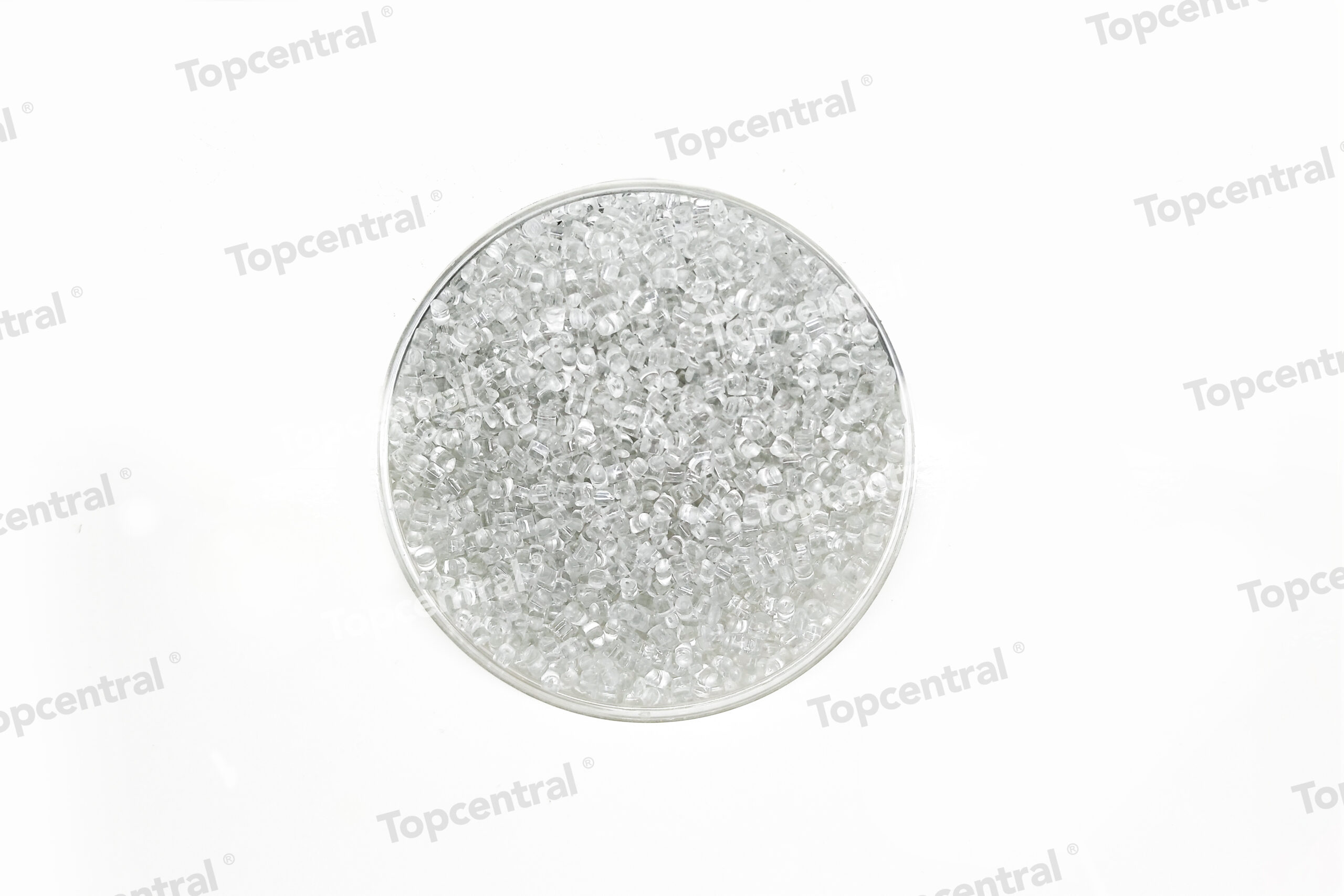
The price per ton of Post-Consumer Recycled (PCR) plastic pellets in 2026 is not a monolithic figure. It is a complex function of several interdependent variables, from the intrinsic properties of the input feedstock to the specific mechanical and thermal history of the material during reprocessing. Understanding this decomposition is critical for procurement managers and sustainability officers.
Feedstock Grade and Contamination Index
The single largest cost driver is the Contamination Index (CI) of the input bales. A lower CI (below 2%) commands a significant premium. For example, high-density polyethylene (HDPE) natural (milk jugs) with a CI of <1% typically trades at a $150–$200 premium per ton over mixed-color HDPE bales with a CI of 5–8%. This premium reflects the reduced need for intensive washing, sink-float separation, and optical sorting.
| Feedstock Type | Typical Contamination Index (%) | Processing Yield (%) | Price Premium vs. Virgin (2026 est.) |
|---|---|---|---|
| HDPE Natural (Jug) | <1.0 | 92–95 | -$50 to -$100 (discount) |
| HDPE Mixed Color | 3.0–5.0 | 85–90 | -$100 to -$150 |
| PET Clear (Bottle) | <0.5 | 95–98 | -$20 to -$60 |
| PET Mixed Color | 2.0–4.0 | 85–90 | -$120 to -$180 |
| PP (Rigid) | 1.0–3.0 | 88–92 | -$80 to -$130 |
| LDPE Film (Post-Commercial) | 2.0–6.0 | 75–85 | -$180 to -$250 |
Source: Industry benchmarks from RecyClass and APR Design® Guide, 2025–2026 projections.
Processing Technology and Energy Intensity
Advanced mechanical recycling lines employing hot-washing (at 80–95°C) and friction washers consume approximately 250–400 kWh per ton of output. In regions with high energy costs (e.g., EU at €0.20–€0.30/kWh), this adds €50–€120 per ton to the final pellet price. By contrast, cold-wash systems (ambient temperature) reduce energy consumption by 30–40% but yield a higher residual contamination, often leading to a 5–10% reduction in pellet tensile strength.
For PET, solid-state polycondensation (SSP) is mandatory for food-contact applications. This process requires heating the amorphous pellets to 190–220°C under vacuum for 6–12 hours. The energy cost for SSP alone can add $80–$150 per ton, explaining why food-grade rPET (rPET-FG) commands a premium of $150–$250 over non-food-grade rPET.
Case Study: The “Green Premium” in Automotive Applications
In 2025, a major European automotive OEM (Volkswagen Group) specified 30% PCR content in all interior trim parts for the ID.7 model. The required material was a talc-filled PP compound (20% talc, 30% PCR, 50% virgin). The PCR pellets—sourced from post-industrial bumper scrap and post-consumer battery casings—required a specialized deodorization step using a vacuum degassing extruder. The final compound price was €1.85/kg, versus €1.45/kg for the virgin-only compound. The OEM accepted a 27% premium to meet its 2030 circularity targets, demonstrating that demand-side regulation can override price sensitivity in certain sectors.
Regulatory Framework and Compliance Costs
EU Packaging and Packaging Waste Regulation (PPWR)
The PPWR, expected to be fully enforced by 2027, mandates that all plastic packaging placed on the EU market must contain a minimum percentage of recycled content. For contact-sensitive packaging (e.g., beverage bottles), the target is 30% by 2030 and 65% by 2040. This regulatory push is expected to increase demand for food-grade rPET and rHDPE by 400–600% by 2030, creating upward price pressure. Compliance costs include:
- Chain of Custody Certification: ISO 22095 or EN 15343 for mass balance. Cost: $10,000–$30,000 per facility per year.
- Third-Party Testing: Migration tests (EU 10/2011) for food contact. Cost: $5,000–$15,000 per formulation.
- Digital Product Passport (DPP): Expected to add $2–$5 per ton for data collection and blockchain integration.
California SB 54 and EPR Schemes
In the United States, California’s SB 54 (2022) requires all single-use packaging and food service ware to be recyclable or compostable by 2032, with a 65% recycling rate. Non-compliance fees can reach $50,000 per day per violation. This has spurred demand for PCR pellets in California, where the price premium for rHDPE (natural) is consistently $80–$120 per ton higher than in states without such mandates. The Extended Producer Responsibility (EPR) fee structure in California adds approximately $0.02–$0.05 per unit to the cost of packaging, which is often passed down the value chain as a higher PCR pellet price.
Asia-Pacific Regulatory Divergence
China’s “Blue Sky” environmental inspections have shut down over 60% of small-scale recycling operations since 2020, consolidating the industry into large, compliant facilities. This has reduced PCR pellet supply by an estimated 1.2 million tons per year, driving up prices for imported pellets from Southeast Asia. In contrast, India’s Plastic Waste Management Rules (2022) mandate 50% recycled content in all plastic packaging by 2025, but enforcement is uneven, leading to a fragmented market where PCR pellet prices vary by 40–60% between states.
Technical Specifications and Quality Benchmarks
ASTM and ISO Standards for PCR Pellets
To ensure consistency, buyers should specify PCR pellets against the following standards:
- ASTM D7611: Standard practice for coding plastic manufactured articles for resin identification (RIN code).
- ASTM D7209: Standard guide for waste reduction, resource recovery, and use of recycled polymeric materials and products.
- ISO 14021: Environmental labels and declarations—self-declared environmental claims (Type II environmental labeling).
- EN 15343: Plastics—Recycled plastics—Traceability and assessment of conformity and recycled content.
Key quality parameters for PCR pellets (typical specification):
| Parameter | HDPE PCR (Natural) | PET PCR (Clear) | PP PCR (Rigid) |
|---|---|---|---|
| Melt Flow Index (MFI) (g/10 min) | 0.3–0.8 (190°C/2.16 kg) | 0.5–0.8 (190°C/2.16 kg) | 10–30 (230°C/2.16 kg) |
| Density (g/cm³) | 0.95–0.97 | 1.38–1.40 | 0.90–0.92 |
| Tensile Strength (MPa) | 22–28 | 55–70 | 25–35 |
| Elongation at Break (%) | 200–400 | 50–150 | 100–300 |
| Ash Content (%) | <0.5 | <0.1 | <1.0 |
| Moisture Content (%) | <0.1 | <0.02 | <0.1 |
| Contamination (visual) (ppm) | <50 | <20 | <100 |
Process Description: From Bale to Pellet
A typical mechanical recycling line for HDPE or PP involves the following stages, each contributing to the final cost:
- Bale Breaker and Pre-sorting: Manual or automated removal of large contaminants (e.g., metal, glass, textiles). Cost: $5–$10/ton.
- Grinding/Washing: Wet grinding to 10–20 mm flakes, followed by a sink-float tank (for polyolefins) or hydrocyclone (for PET). Water consumption: 2–4 m³ per ton. Cost: $15–$30/ton.
- Hot Wash:</strong80–95°C with caustic soda (NaOH) and detergent to remove labels, glue, and organic residues. Typical NaOH consumption: 10–20 kg/ton. Cost: $20–$40/ton.
- Drying: Mechanical centrifuge followed by thermal drying (80–120°C) to achieve <0.5% moisture. Energy: 100–150 kWh/ton. Cost: $10–$20/ton.
- Extrusion and Pelletizing: Single-screw or twin-screw extruder with melt filtration (100–200 µm screen packs) and degassing. Throughput: 500–1,500 kg/hr. Cost: $50–$100/ton.
- Quality Control: Near-infrared (NIR) spectroscopy, melt flow index testing, and color measurement (CIE Lab). Cost: $5–$15/ton.
Total processing cost (excluding feedstock): $105–$215 per ton, which is added to the cost of the input bale ($200–$600/ton) to arrive at the final pellet price.
Future Outlook: 2026–2030 Price Trajectories
Supply-Demand Gap Analysis
According to a 2025 study by the Ellen MacArthur Foundation and the Plastics Pact network, global demand for PCR plastics is projected to reach 45 million metric tons (MMT) by 2026, up from 28 MMT in 2023. However, global recycling capacity is only expected to reach 38 MMT by 2026, creating a supply deficit of 7 MMT. This imbalance will likely sustain PCR pellet prices at a premium over virgin plastics, particularly for food-grade and high-purity grades.
Price Forecasts by Polymer Type (2026 vs. 2030)
| Polymer | Price per Ton (2026 est.) | Price per Ton (2030 est.) | Annual Growth Rate (CAGR) |
|---|---|---|---|
| rPET (Food Grade) | $1,200–$1,500 | $1,400–$1,800 | 4–6% |
| rPET (Non-Food) | $900–$1,100 | $1,000–$1,300 | 3–5% |
| rHDPE (Natural) | $1,100–$1,400 | $1,300–$1,700 | 4–7% |
| rHDPE (Mixed) | $800–$1,000 | $900–$1,200 | 3–5% |
| rPP (Rigid) | $1,000–$1,300 | $1,200–$1,600 | 4–6% |
| rLDPE (Film) | $700–$900 | $800–$1,100 | 3–5% |
Note: Prices are for North America and Western Europe. Asian markets may be 10–20% lower due to lower labor and energy costs.
Strategic Recommendations for Buyers
- Lock in long-term contracts: With supply deficits expected, buyers should negotiate 2–3 year contracts with price escalation clauses tied to virgin resin prices (e.g., 80% of virgin price + $50/ton). This provides price stability and priority allocation.
- Invest in feedstock diversification: Relying on a single source (e.g., bottle-grade rPET) is risky. Consider post-industrial scrap, agricultural film, and ocean-bound plastics (OBP) as alternative feedstocks. OBP-certified pellets (e.g., Zero Plastic Oceans) currently trade at a $200–$400 premium but offer strong branding value.
- Adopt advanced sorting technology: Near-infrared (NIR) and hyperspectral imaging can improve yield by 5–10% and reduce contamination by 50%. The payback period for a $500,000 sorting upgrade is typically 18–24 months.
- Prepare for carbon border taxes: The EU’s Carbon Border Adjustment Mechanism (CBAM) will apply to plastics imports from 2026. Importers will need to pay a carbon price equivalent to the EU ETS (currently €80–€100/ton CO?). Using PCR pellets can reduce the carbon footprint by 50–70% compared to virgin, lowering CBAM liabilities by €40–€70 per ton.
Frequently Asked Questions (FAQ)
Q1: Why is PCR plastic sometimes more expensive than virgin plastic?
PCR plastic is often more expensive due to the costs of collection, sorting, washing, and reprocessing. Virgin plastic benefits from economies of scale in petrochemical production and does not require contamination removal. However, when carbon pricing and EPR fees are factored in, the total cost of ownership (TCO) for PCR can be lower for many applications. For example, in the EU, a virgin PET bottle incurs a €0.08–€0.12 EPR fee, while a 100% rPET bottle may be exempt, offsetting the higher pellet price.
Q2: How do I verify the recycled content of PCR pellets?
Verification requires a combination of chain-of-custody certification (e.g., ISCC PLUS, RecyClass) and physical testing. For polyolefins, differential scanning calorimetry (DSC) can detect the presence of multiple thermal histories, indicating recycled content. For PET, the intrinsic viscosity (IV) and color (bvalue) are reliable indicators. Third-party audits are recommended at least annually.
Q3: What is the difference between pre-consumer and post-consumer recycled content?
Pre-consumer (or post-industrial) recycled content is derived from manufacturing scrap (e.g., trimmings, off-spec parts). It is typically cleaner and more consistent, commanding a lower price premium (5–15% over virgin). Post-consumer recycled content comes from end-of-life products (e.g., bottles, packaging) and requires more intensive processing, leading to a higher premium (15–40%). The ISO 14021 standard requires clear labeling of the type of recycled content.
Q4: Can PCR pellets be used for food contact applications?
Yes, but only if they meet specific regulatory requirements. In the EU, the European Food Safety Authority (EFSA) must approve the recycling process (e.g., the “Starlinger” process for PET). In the US, the FDA issues “No Objection Letters” (NOLs) for specific recycling processes. As of 2025, over 200 processes have been approved globally. The pellets must also comply with migration limits (e.g., overall migration <10 mg/dm²) and specific migration limits for contaminants like oligomers and acetaldehyde.
Q5: What are the main challenges in scaling up PCR production?
The three primary challenges are: (1) Feedstock quality and availability—inconsistent bale quality leads to variable pellet properties; (2) Energy costs—recycling is energy-intensive, and rising electricity prices erode margins; (3) Market acceptance—some industries (e.g., medical, aerospace) are reluctant to use PCR due to perceived risks of contamination or property degradation. Ongoing R&D in deodorization, melt filtration, and reactive extrusion is addressing these issues.
Q6: How do I calculate the carbon footprint savings of using PCR pellets?
The carbon footprint of PCR pellets is typically 0.5–1.5 kg CO?e per kg, compared to 2.0–3.5 kg CO?e per kg for virgin plastics. The exact savings depend on the energy mix of the recycling facility and the transportation distance. A simple calculation: (Virgin CF – PCR CF) × quantity (kg) = total savings. For example, switching 1,000 tons from virgin HDPE (2.5 kg CO?e/kg) to PCR HDPE (1.0 kg CO?e/kg) saves 1,500 tons of CO?e. This can be monetized through carbon credits (currently $50–$100/ton CO?e in voluntary markets).
Q7: What is the outlook for PCR pellet prices in 2027 and beyond?
Prices are expected to remain elevated through 2028 due to regulatory mandates (EU PPWR, California SB 54) and supply constraints. However, as new recycling capacity comes online (e.g., 10 new chemical recycling plants in Europe by 2027), prices for mechanically recycled pellets may stabilize or decline slightly. Chemical recycling (pyrolysis, depolymerization) produces virgin-equivalent monomers, which could compete with mechanical PCR pellets in the premium segment. A price convergence is expected by 2030, with PCR pellets trading within 10–20% of virgin prices for most grades.
Conclusion: Strategic Implications for 2026
The PCR pellet market in 2026 is characterized by high demand, constrained supply, and significant regulatory pressure. Buyers must adopt a proactive strategy: diversify feedstock sources, invest in quality verification, and negotiate long-term contracts. The price premium over virgin plastics, while significant, is often offset by reduced EPR fees, carbon tax savings, and enhanced brand reputation. As the circular economy matures, PCR pellets will transition from a niche product to a mainstream commodity, with pricing dynamics increasingly influenced by policy rather than pure market forces.
This content is intended for informational purposes and does not constitute investment or procurement advice. Prices and Regulations are subject to change. Consult with industry experts and legal advisors for specific decisions.
References and Resources
- Plastics-Europe
- APR
- Recycling-Today
- Topcentral-Official
- Topcentral-Products
- Topcentral-About
- Topcentral-Contact
- Topcentral-GRS
- Topcentral-ISCC
- Topcentral-OBP
- Topcentral-CBAM
- Topcentral-PCF
- Topcentral-ELV
Related Articles
- Quick Reference: PCR Plastic Price Index and Market Update Q2 2026
- Sustainable Packaging Trends: PCR Content Targets by Major Brands 2026-2030
- PCR Plastic Supplier Audit Checklist: 50-Point Assessment Framework
- Recycled Plastic Testing: Common Failures and Root Cause Analysis
- PCR vs Virgin Plastic: Performance Comparison by Resin Type
Content Verification Annotation
EID: EID-695D0C6A-0121
Content Tier: Bæ¡£ (~4,076 words)
Verification Status: Reviewed – Pre-Constitution Content (L4)
Review Date: 2026-06-21
Leave a Reply