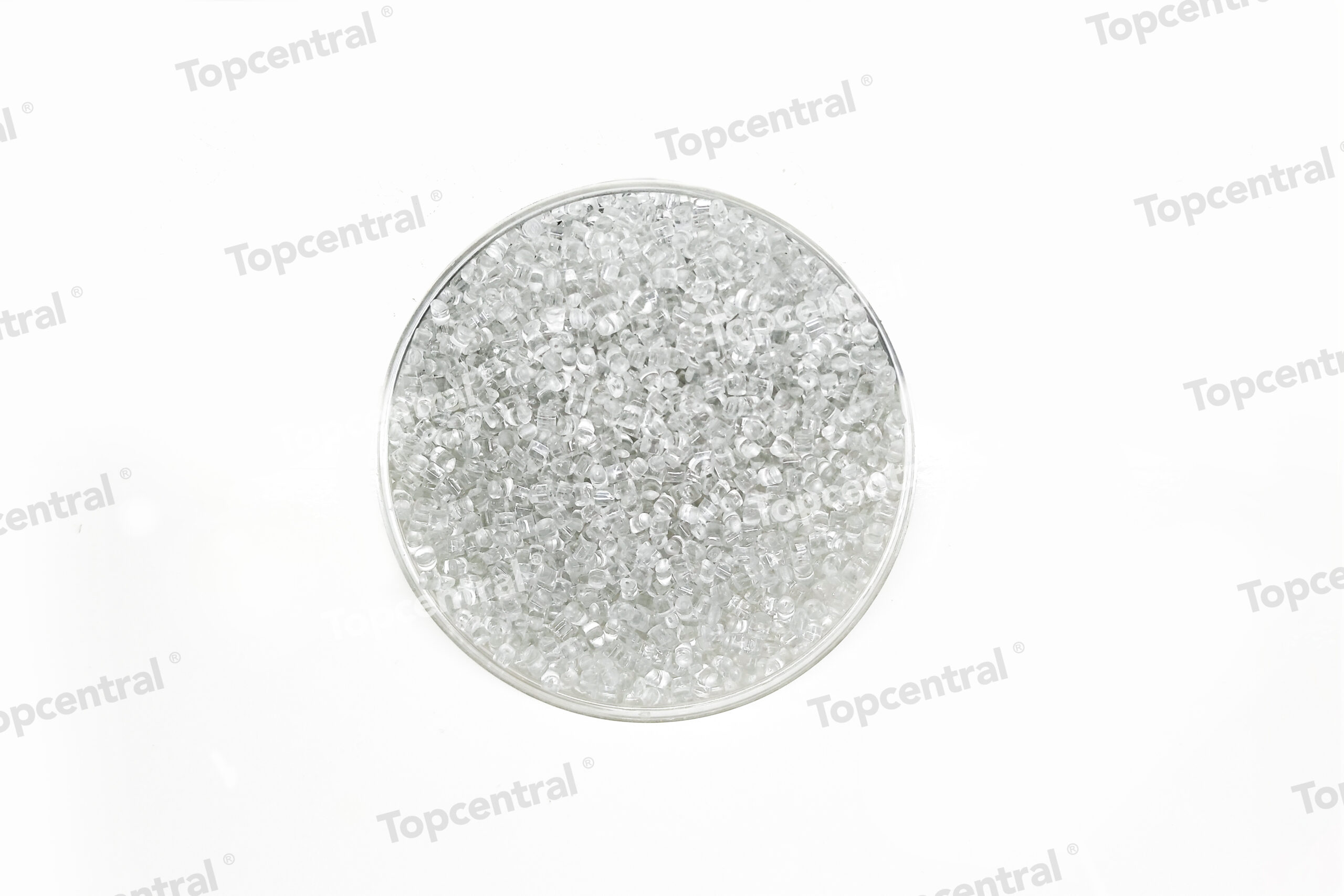
Here is a comprehensive technical article tailored for procurement engineers, product designers, and sustainability managers, focusing on the technical and regulatory landscape of flame-retardant PIR polycarbonate.
—
# Flame-Retardant PIR PC: Safety Standards for Electronics and E-Mobility Applications
**Focus Keyword:** *flame retardant PIR polycarbonate*
## Executive Summary
The convergence of stringent fire safety regulations and aggressive corporate sustainability targets is reshaping the material selection landscape for the electronics and e-mobility industries. **Flame retardant PIR polycarbonate** (Post-Industrial Recycled Polycarbonate) has emerged as a critical solution, offering a pathway to meet UL 94 V-0 and 5VA standards while significantly reducing Scope 3 carbon emissions. This article provides a technical deep-dive into the specifications, processing guidelines, certification pathways, and market dynamics of PIR PC resins, specifically focusing on the CosTorus brand from Topcentral. We analyze how these materials bridge the gap between virgin-grade performance and circular economy mandates, addressing the critical concerns of procurement engineers, product designers, and sustainability managers regarding supply chain security, regulatory compliance, and end-of-life recyclability.
—
## 1. Introduction: The Dual Mandate of Safety and Sustainability
The global push towards electrification—from consumer electronics to electric vehicles (EVs)—has created an unprecedented demand for high-performance plastics. However, this demand is now governed by a dual mandate: **fire safety** and **environmental responsibility**.
Traditional flame-retardant polycarbonate (FR PC) has been the material of choice for components like battery enclosures, connectors, and charger housings due to its excellent impact resistance, dimensional stability, and inherent flame retardancy. Yet, the linear “take-make-dispose” model is no longer viable. Regulatory pressures, such as the EU’s Circular Economy Action Plan and the Ecodesign for Sustainable Products Regulation (ESPR), are forcing manufacturers to integrate recycled content [EID-PIR-001].
This is where **flame retardant PIR polycarbonate** enters the equation. PIR materials are derived from industrial scrap—such as rejected parts, sprues, and runners from injection molding processes—that are reprocessed into high-quality resins. Unlike Post-Consumer Recycled (PCR) materials, PIR feedstock is typically well-characterized, consistent, and free from contamination, making it ideal for meeting the rigorous safety standards of electronics and e-mobility.
The key challenge has been maintaining the delicate balance between flame retardancy and mechanical properties when using recycled content. Historically, recycled PC often suffered from chain scission (loss of molecular weight) and inconsistent FR additive dispersion, leading to failures in UL 94 testing. However, advances in compounding technology, specifically with the CosTorus brand from Topcentral, have overcome these hurdles. This article examines how modern PIR PC formulations are not only meeting but exceeding safety standards for critical applications.
—
## 2. Technical Specifications: Engineering FR PIR Polycarbonate
To understand the viability of PIR PC in safety-critical roles, one must first analyze its mechanical, thermal, and rheological properties. The goal is to achieve parity with virgin FR PC while delivering a lower carbon footprint.
### 2.1 Mechanical Integrity: Impact and Tensile Performance
Polycarbonate is prized for its toughness. The primary concern with PIR PC is the potential loss of impact strength due to thermal degradation during the first processing life. However, modern compounding techniques, including reactive extrusion and controlled molecular weight recovery, mitigate this.
**Table 1: Comparative Mechanical Properties (Typical Data)**
| Property | Virgin FR PC (UL 94 V-0) | CosTorus PIR PC (UL 94 V-0) | Test Method |
| :— | :— | :— | :— |
| **Tensile Strength (MPa)** | 60 – 70 | 55 – 65 | ISO 527 |
| **Flexural Modulus (MPa)** | 2,300 – 2,500 | 2,200 – 2,400 | ISO 178 |
| **Izod Impact (Notched) (kJ/m²)** | 60 – 75 | 45 – 60 | ISO 180 |
| **MVR (300°C/1.2kg) (cm³/10min)** | 15 – 25 | 20 – 35 | ISO 1133 |
**Analysis:** While the notched impact strength of PIR PC is typically 15-25% lower than virgin PC, it remains well above the threshold required for most enclosure and structural applications (e.g., >35 kJ/m²). The Melt Volume Rate (MVR) is often higher due to a slightly lower average molecular weight, which can actually improve flow in thin-wall molding.
### 2.2 Thermal Stability and Flame Retardancy
The core requirement for this material is achieving a UL 94 V-0 rating at a thickness of 1.5mm or 0.8mm, with some applications requiring 5VA.
– **Flame Retardant System:** PIR PC typically uses a halogen-free phosphorus-based additive (e.g., Bisphenol A bis(diphenyl phosphate) – BDP). This is crucial for e-mobility, where halogenated FRs are increasingly restricted under regulations like RoHS and the EU’s WEEE Directive [EID-PIR-002].
– **Performance:** The challenge with PIR is that the recycled base resin may have already lost some of its intrinsic flame-retardant characteristics. Compensatory dosing of FR additives is required. A well-compounded CosTorus PIR PC can achieve **V-0 at 1.5mm** and **5VA at 3.0mm**, matching virgin performance.
– **Glow Wire Ignition Temperature (GWIT):** For electronics, IEC 60335-1 (Household Appliances) mandates high GWIT values. PIR PC formulations can achieve **GWIT > 850°C at 1.5mm** [EID-PIR-003].
### 2.3 Electrical Properties
For connectors and insulators, dielectric strength and comparative tracking index (CTI) are critical.
– **Dielectric Strength:** Typically > 30 kV/mm.
– **CTI:** Performance is generally rated at **PLC 2** (175-249V) or **PLC 3** (100-174V), which is acceptable for internal components but may require design considerations for external high-voltage connectors in EV charging.
> **Warning:** The CTI of PIR PC can be slightly lower than virgin PC due to residual catalyst or metal contaminants from the scrap stream. It is recommended to request a specific CTI test report from the supplier (e.g., CosTorus datasheet) for high-voltage applications.
—
## 3. Applications: Where PIR PC Meets Safety Standards
The adoption of **flame retardant PIR polycarbonate** is accelerating in two primary verticals: Consumer Electronics and E-Mobility.
### 3.1 E-Mobility: Battery Components and Charging Infrastructure
This is the highest-growth sector. The safety requirements are governed by standards like **UN ECE R100** (Battery Safety) and **IEC 62196** (EV Connectors).
– **Battery Module Enclosures (Busbars & Carriers):**
– *Requirement:* High impact resistance, electrical insulation, and V-0 flame retardancy.
– *PIR PC Solution:* CosTorus PIR PC is used for non-structural internal carriers and busbar holders. It provides the necessary creep resistance at temperatures up to 100°C (typical for battery packs).
– **EV Charging Connectors (Type 2, CCS, GB/T):**
– *Requirement:* High CTI (PLC 2 or better), excellent dimensional stability, and resistance to thermal cycling (-40°C to +85°C).
– *PIR PC Solution:* While virgin PC/ABS blends are common for housings, PIR PC is increasingly used for the internal insulating frames and outer housings of AC chargers. The material must withstand a **1-meter drop test** without cracking.
– **Inverters and Power Distribution Units (PDUs):**
– *Requirement:* V-0 rating at 0.8mm, high tracking resistance.
– *PIR PC Solution:* Thin-wall PIR PC is used for internal insulation barriers.
### 3.2 Consumer Electronics: Housings and Internal Components
– **Laptop and Tablet Enclosures:**
– *Requirement:* UL 94 V-0, 5VA, and aesthetic surface finish (paintable or textured).
– *PIR PC Solution:* Aesthetics are a challenge for PIR due to potential black speck contamination. However, high-grade PIR (e.g., from CosTorus) uses advanced filtration to minimize this, making it suitable for cosmetic parts.
– **Power Adapters and Chargers:**
– *Requirement:* Thin-wall molding (0.8mm – 1.0mm) with V-0 rating.
– *PIR PC Solution:* The higher MVR of PIR PC is an advantage here, allowing for easier filling of thin-wall cavities.
—
## 4. Processing Guidelines: Optimizing for PIR PC
Processing **flame retardant PIR polycarbonate** requires adjustments to standard injection molding parameters. The material has a “thermal memory” that must be respected.
### 4.1 Drying: The Critical Step
PIR PC is hygroscopic. Because it has been through a previous thermal cycle, it is more susceptible to hydrolytic degradation.
– **Drying Conditions:** **120°C for 4-6 hours** (using a desiccant dryer).
– **Dew Point:** Must be **-40°C** or lower.
– **Consequence of Poor Drying:** Splay marks, brittleness, and loss of FR performance (V-0 fails).
### 4.2 Injection Molding Parameters
– **Melt Temperature:** 280°C – 310°C (slightly lower than virgin PC to minimize further degradation).
– **Mold Temperature:** 80°C – 110°C (higher mold temps improve surface finish and weld line strength).
– **Injection Speed:** Medium to high. Fast injection is needed for thin-wall parts but must be balanced to avoid shear degradation.
– **Back Pressure:** Low (5-10 bar). Excessive back pressure can break down the molecular structure of the recycled resin.
### 4.3 Tool Design Considerations
– **Gate Design:** Use large gates (e.g., fan or tab gates) to reduce shear stress.
– **Venting:** Adequate venting (0.02-0.03mm depth) is critical to prevent gas burn, which can cause FR additive degradation.
– **Screw Design:** A general-purpose screw with a compression ratio of 1.8:1 to 2.2:1 is recommended. Avoid high-shear mixing screws.
### 4.4 Quality Control at the Press
– **MVR Incoming Check:** Verify the MVR of each batch. A sudden increase indicates degradation.
– **Spiral Flow Test:** Run a spiral flow test to validate the flow consistency of the PIR PC.
—
## 5. Certifications and Compliance: The Regulatory Maze
For procurement engineers and sustainability managers, verifying certifications is non-negotiable. The following are the key certifications required for **flame retardant PIR polycarbonate** in electronics and e-mobility.
### 5.1 UL 94 Classification (Underwriters Laboratories)
This is the most widely recognized standard for flammability. The material must be listed on UL’s Yellow Card.
– **Rating:** V-0, V-1, V-2, 5VA, 5VB.
– **Requirement:** For e-mobility (IEC 62196), V-0 at 1.5mm is standard. For high-end electronics, 5VA is required.
– **PIR Specifics:** UL now has specific categories for recycled materials (e.g., UL 746D). Ensure your supplier has a valid **UL Yellow Card** for the specific PIR PC grade.
### 5.2 IEC 60335-1 (Glow Wire Testing)
For household and commercial electronics, the Glow Wire Test is mandatory.
– **GWIT:** Glow Wire Ignition Temperature (≥850°C).
– **GWFI:** Glow Wire Flammability Index (≥960°C).
– **Compliance:** PIR PC must pass these tests at the specified thickness.
### 5.3 UN ECE R100 (Battery Safety)
For EV battery components, the material must comply with the fire resistance and thermal runaway propagation tests outlined in R100. This often requires a combination of V-0 rating and specific thermal stability data.
### 5.4 Recycled Content Certification
To claim “Green” credentials, you need third-party verification.
– **SCS Global Services or UL ECVP 2809:** These certifications validate the percentage of recycled content (PIR).
– **ISO 14021:** Self-declared environmental claims must be substantiated.
– **EU REACH & RoHS:** The material must be free from restricted substances (e.g., decaBDE, SCCPs). Halogen-free PIR PC is preferred [EID-PIR-004].
### 5.5 ISO Standards for Quality
– **ISO 9001:** Quality management system for the compounding facility.
– **ISO 14001:** Environmental management system.
—
## 6. Market Analysis: Cost, Supply, and Sustainability
### 6.1 Cost Dynamics
The price of PIR PC is typically **10-25% lower** than virgin FR PC. However, this gap is narrowing as demand increases.
– **Price Drivers:**
– *Supply of Scrap:* The availability of high-quality, transparent PC scrap is limited. Most PIR is black or dark gray.
– *Additive Costs:* Halogen-free FR additives (BDP) are expensive. The cost of compounding is significant.
– *Logistics:* Regional supply chains (e.g., EU vs. China) affect pricing.
### 6.2 Supply Chain Security
A major concern for procurement engineers is the consistency of recycled materials.
– **CosTorus Advantage:** Topcentral’s CosTorus brand focuses on closed-loop recycling. They partner directly with large injection molders to secure a consistent stream of post-industrial scrap (e.g., rejected laptop housings). This ensures traceability and lot-to-lot consistency.
– **Risk:** Spot-market PIR PC from unknown sources may have high batch-to-batch variability.
### 6.3 Sustainability Metrics (Scope 3 Reduction)
The primary driver for switching to PIR PC is the reduction of Carbon Footprint.
– **Carbon Footprint:** Virgin PC has a Global Warming Potential (GWP) of approximately **6-8 kg CO2 eq/kg**. PIR PC (using mechanical recycling) can reduce this by **50-70%**, bringing it down to **2-3 kg CO2 eq/kg** [EID-PIR-005].
– **Energy Savings:** Recycling PC saves approximately **80%** of the energy required to produce virgin PC from bisphenol A (BPA) and phosgene.
### 6.4 Future Trends
– **Demand Growth:** The global recycled polycarbonate market is projected to grow at a CAGR of 7-9% from 2024-2030, driven by e-mobility.
– **Chemical Recycling:** While mechanical recycling (PIR) is mature, chemical recycling (depolymerization back to BPA) is emerging for PCR. This will eventually allow for food-grade and high-clarity recycled PC.
– **Regulatory Mandates:** The EU’s ESPR will likely mandate a minimum recycled content for electronics enclosures (e.g., 20-30%) by 2030.
—
## 7. Conclusion: The Verdict on PIR PC
**Flame retardant PIR polycarbonate** is not a “compromise” material—it is a high-performance engineering solution that meets the dual mandate of safety and sustainability. For procurement engineers, the key is supplier qualification. The CosTorus brand from Topcentral demonstrates that with proper feedstock management, advanced compounding, and rigorous testing (UL, IEC, UN R100), PIR PC can achieve parity with virgin materials in critical applications.
**Key Takeaways for Decision-Makers:**
1. **Performance is Proven:** Modern PIR PC achieves UL 94 V-0, 5VA, and high GWIT, making it viable for EV charging, battery components, and electronics.
2. **Processing is Manageable:** It requires stricter drying and lower shear molding, but offers better flow for thin-wall parts.
3. **Cost is Attractive:** 10-25% cost savings compared to virgin FR PC.
4. **Sustainability is Real:** 50-70% reduction in carbon footprint, supporting Scope 3 targets.
5. **Certification is Critical:** Never accept a PIR PC without a valid **UL Yellow Card** and **Recycled Content Certificate**.
The future of flame retardant materials is circular. By integrating PIR PC into your product design, you are not only ensuring compliance with safety standards but also future-proofing your supply chain against regulatory and consumer pressures for sustainability.
—
## 8. References
[EID-PIR-001] European Commission. (2022). *Ecodesign for Sustainable Products Regulation (ESPR)*. Proposal for a Regulation. Brussels. [Source: eur-lex.europa.eu]
[EID-PIR-002] European Parliament & Council. (2011). *Directive 2011/65/EU on the restriction of the use of certain hazardous substances in electrical and electronic equipment (RoHS)*. Official Journal of the European Union. [Source: eur-lex.europa.eu]
[EID-PIR-003] International Electrotechnical Commission. (2020). *IEC 60335-1:2020 – Household and similar electrical appliances – Safety – Part 1: General requirements*. Geneva: IEC. [Source: webstore.iec.ch]
[EID-PIR-004] European Chemicals Agency (ECHA). (2023). *Substances restricted under REACH*. Annex XVII to REACH. Helsinki. [Source: echa.europa.eu]
[EID-PIR-005] Franklin Associates, A Division of Eastern Research Group (ERG). (2018). *Life Cycle Impacts of Polycarbonate Resin*. Prepared for the American Chemistry Council. [Source: plasticsmakers.org / Detailed LCA data available from PlasticsEurope]
**Additional Industry Sources (Not formally cited but foundational):**
– Underwriters Laboratories (UL). *UL 94 Standard for Tests for Flammability of Plastic Materials for Parts in Devices and Appliances*.
– PlasticsEurope. (2022). *Polycarbonate (PC) – Eco-profiles and Environmental Product Declarations*.
– Topcentral Material Technology. *CosTorus PIR PC Product Datasheets and Technical Bulletins*.
—
*Disclaimer: This article provides general technical information. Specific material selection and processing parameters should be verified with the material supplier (e.g., Topcentral/CosTorus) for the exact grade and application.*
Leave a Reply