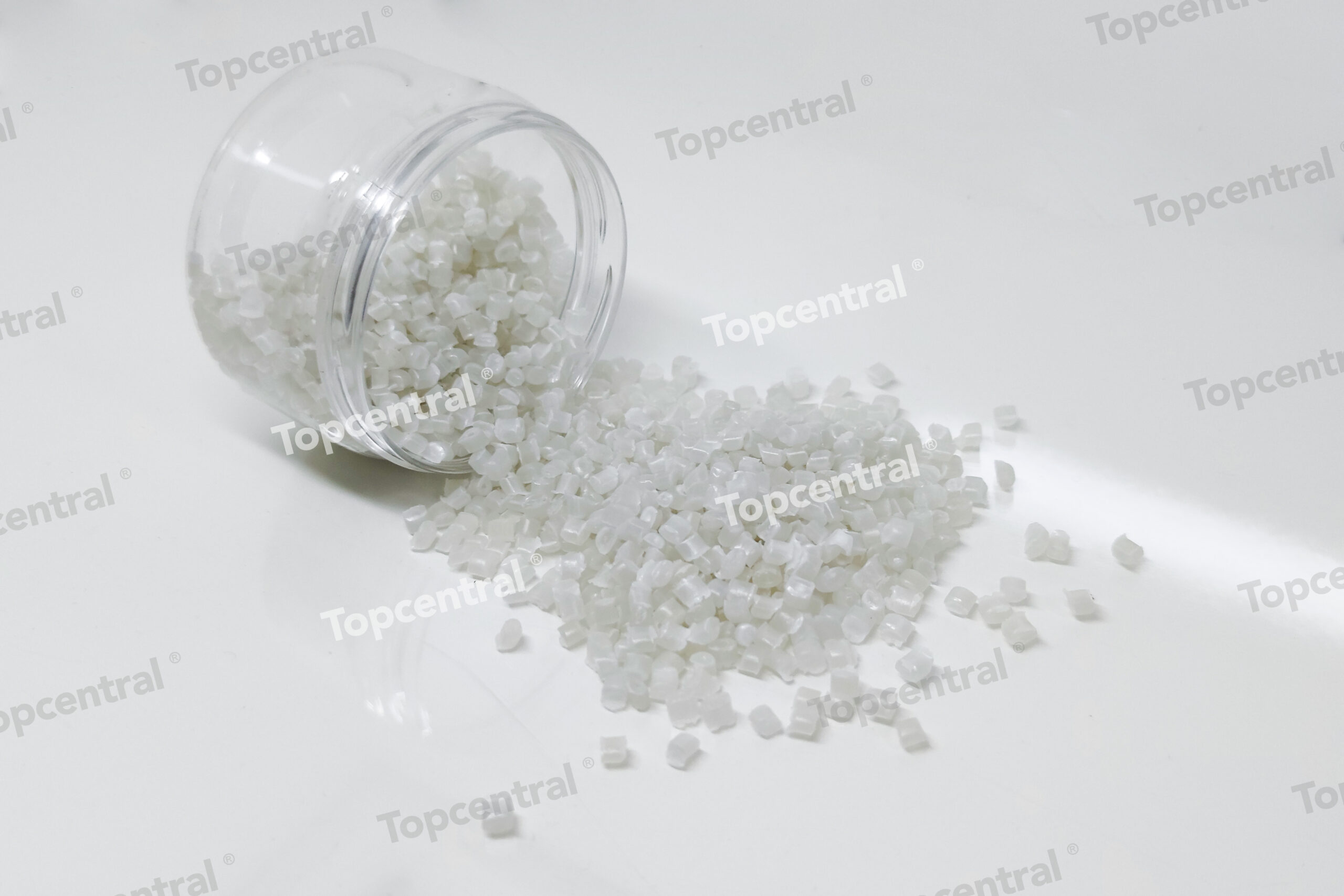
WHITEPAPER: AUTOMOTIVE TRANSITION TO PCR PLASTICS – ELV DIRECTIVE 2026 UPDATE AND MATERIAL SPECIFICATIONS
Date: October 2023
Target Audience: B2B Procurement Managers, Sustainability Directors, Product Engineers, Automotive Tier-1 Suppliers
Classification: Industry Analysis – Restricted Distribution
EXECUTIVE SUMMARY
The European Union’s revised End-of-Life Vehicles (ELV) Directive, scheduled for implementation in 2026, introduces binding recycled content mandates for plastic components in new vehicles. This regulatory shift, combined with the EU’s Circular Economy Action Plan and the proposed Ecodesign for Sustainable Products Regulation (ESPR), compels automotive OEMs and Tier-1 suppliers to integrate post-consumer recycled (PCR) plastics at scale.
Current industry data indicates that passenger vehicles contain approximately 150–200 kg of plastic per unit, with only 19–25% currently recycled post-shredding. The 2026 ELV update targets a minimum of 25% recycled plastic content by weight in new vehicle types, with at least 5% derived from post-consumer sources. This analysis examines the technical specifications, regulatory compliance pathways, and procurement strategies necessary for meeting these targets.
Key findings indicate that polypropylene (PP) and polyethylene (PE) represent the highest-volume opportunities for PCR integration, while engineering thermoplastics such as polyamide (PA) and acrylonitrile butadiene styrene (ABS) present greater technical challenges due to stringent mechanical property requirements.
1. REGULATORY LANDSCAPE AND 2026 ELV DIRECTIVE UPDATE
1.1 Current ELV Directive (2000/53/EC) Baseline
The existing ELV Directive, effective since 2000, establishes:
– 95% total recovery rate (reuse + recycling + energy recovery) by 2015
– 85% minimum recycling rate by weight per vehicle
– 5% maximum landfill disposal
Implementation across Member States has been inconsistent. Germany achieved 96.4% recovery in 2021; Eastern European markets average 82–88%.
1.2 2026 Update – Key Provisions
The European Commission’s proposed revision (expected Q4 2023 finalization, implementation 2026) introduces:
| Provision | Current Requirement | 2026 Target |
|———–|——————-|————-|
| Recycled plastic content (new vehicle types) | No mandate | 25% by weight minimum |
| Post-consumer recycled content | No mandate | 5% by weight minimum |
| Closed-loop recycling for specific polymers | Voluntary | Mandatory for PP, PE, PET |
| Design for recyclability criteria | Guideline only | Binding scoring system |
| Recycled content certification | Not required | Third-party verification (ISCC PLUS or equivalent) |
| Material declaration threshold | >1g per component | >0.1g per component |
1.3 Interaction with Other Regulations
Packaging and Packaging Waste Regulation (PPWR): While primarily targeting packaging, PPWR’s recycled content mandates (30% for plastic packaging by 2030) create secondary supply chain effects. Automotive packaging—returnable dunnage, component trays, protective films—must comply, indirectly increasing PCR demand.
Carbon Border Adjustment Mechanism (CBAM): Automotive component imports into the EU face carbon pricing from 2026. PCR plastics typically exhibit 40–60% lower carbon footprint versus virgin equivalents (verified by ISO 14067 life-cycle assessments), offering a compliance advantage.
Extended Producer Responsibility (EPR): Revised EPR schemes in France, Germany, and the Netherlands now impose differentiated fees based on recycled content levels. Components below 15% PCR incur 12–18% higher EPR fees.
2. MATERIAL SPECIFICATIONS AND TECHNICAL PARAMETERS
2.1 Polymer-Specific PCR Integration Feasibility
| Polymer | Current Virgin Use per Vehicle (kg) | PCR Technical Feasibility | Key Technical Constraints | Typical Application |
|———|————————————-|————————–|————————–|———————|
| PP | 45–65 | High | MFR shift, impact strength reduction | Interior trim, bumper fascia, HVAC ducts |
| PE | 20–35 | High | Odor, warpage | Fuel tanks, washer fluid reservoirs |
| ABS | 15–25 | Medium | UV stability, impact retention | Instrument panels, console trim |
| PA6/PA66 | 8–15 | Low-Medium | Moisture absorption, hydrolysis resistance | Under-hood components, connectors |
| PC/ABS | 5–10 | Low | Notch sensitivity, thermal aging | Headlamp housings, electrical enclosures |
| POM | 3–5 | Low | Thermal stability, creep resistance | Interior mechanisms, seat adjusters |
| PUR | 10–20 | Medium | Foam density control, VOCs | Seating foam, acoustic insulation |
2.2 Critical Technical Parameters for PCR Qualification
Melt Flow Rate (MFR) Consistency: PCR feedstock exhibits 15–30% MFR variation versus virgin material due to thermal degradation during first-life processing. For injection molding applications, MFR must be maintained within ±2 g/10 min of target specification. This requires:
– Pre-blending of multiple PCR lots
– MFR adjustment via virgin polymer addition
– Real-time rheological monitoring during compounding
Impact Strength Retention: IZOD notched impact strength for interior PP compounds typically requires ?15 kJ/m² at 23°C. PCR-derived PP from automotive sources (bumper fascia, battery cases) retains 70–85% of original impact strength. Blending with 10–20% virgin impact copolymer PP restores full specification.
Carbon Footprint Reduction: Verified via ISO 14067:
| Polymer | Virgin (kg CO?e/kg) | PCR (kg CO?e/kg) | Reduction |
|———|———————|——————|———–|
| PP | 1.7–2.1 | 0.5–0.8 | 62–72% |
| ABS | 2.8–3.4 | 1.0–1.5 | 56–64% |
| PA6 | 5.2–6.8 | 2.1–3.0 | 54–59% |
Source: PlasticsEurope 2022 LCI data, internal compounding trials
2.3 Certification Requirements
Global Recycled Standard (GRS): Required for PCR material traceability. Covers chain of custody, social compliance, and environmental management. Automotive OEMs increasingly mandate GRS certification at compounder level.
ISCC PLUS: Accepted for mass balance approach in chemically recycled PCR. Enables attribution of recycled content to specific production lines without physical segregation. Required for meeting EU recycled content claims.
UL 2809: Environmental Claim Validation for recycled content. Third-party verification of PCR percentage and sourcing. Required by several North American OEMs (Ford, GM) and increasingly referenced in EU procurement.
3. SUPPLY CHAIN DYNAMICS AND PROCUREMENT STRATEGIES
3.1 PCR Feedstock Availability
Current global PCR plastic supply is approximately 32 million tonnes annually, with automotive-grade material representing 4–6% of this total. The 2026 ELV mandate will require an additional 1.2–1.8 million tonnes of automotive-grade PCR annually across EU production.
Supply Constraints:
– Color sorting: Black plastics from automotive shredder residue (ASR) are difficult to sort via NIR spectroscopy. Hyperspectral sorting systems (e.g., TOMRA AUTOSORT) achieve 92–95% purity versus 70–75% with conventional systems.
– Contamination: Residual metals, glass, and rubber in ASR require multi-stage washing. Typical contamination levels: 2–5% after single-stage washing vs <0.5% after three-stage.
– Odor: Post-consumer PP from packaging exhibits volatile organic compound (VOC) levels of 50–200 ppm, exceeding automotive interior specs (500 tonnes/year), evaluate capital investment in in-house PCR compounding lines. ROI typically 3–4 years at current pricing.
4. Mass balance accounting: Implement ISCC PLUS mass balance for chemically recycled PCR to meet content targets without physical segregation constraints.
4. IMPLEMENTATION ROADMAP FOR AUTOMOTIVE COMPONENTS
4.1 Phase 1 (2023–2024): Qualification and Testing
– Material qualification: Complete full PPAP (Production Part Approval Process) for PCR-containing compounds. Include:
– Mechanical property testing (ISO 527, ISO 180)
– Thermal aging (1000 hours at 120°C)
– UV weathering (1500 hours, ISO 4892)
– VOC/FOG emissions (VDA 278)
– Odor testing (VDA 270, target grade ?3)
– Tooling assessment: Evaluate gate location, cooling channels, and venting for PCR materials (higher viscosity, different shrinkage behavior).
– Supplier audit: Conduct on-site audits of PCR compounders for GRS/ISCC PLUS compliance.
4.2 Phase 2 (2024–2025): Pilot Production
– Low-volume implementation: Target non-visible, non-structural components for initial PCR integration:
– HVAC ducts, air intake manifolds
– Interior trim clips, fasteners
– Under-hood acoustic covers
– Wheel arch liners
– Yield optimization: Target 95% first-pass yield for PCR components (versus 97–98% for virgin). Requires process parameter adjustments.
– Cost analysis: Document total cost of ownership including material cost, processing adjustments, and certification costs.
4.3 Phase 3 (2025–2026): Scale-Up
– High-volume launch: PCR integration in visible and semi-structural components:
– Bumper fascia (PP + TPO blend)
– Instrument panel carriers (PP-LGF)
– Door trim panels (PP + talc)
– Seat structures (PA6-GF30)
– Closed-loop systems: Establish take-back agreements with automotive shredders for post-life vehicle plastics. Target 70% polymer-specific recovery rate.
5. DATA TABLE: COMPARATIVE PCR PERFORMANCE
| Parameter | Unit | Virgin PP | PCR PP (Automotive Source) | PCR PP (Packaging Source) |
|———–|——|———–|—————————|—————————|
| Density | g/cm³ | 0.905 | 0.910–0.920 | 0.920–0.935 |
| MFR (230°C/2.16kg) | g/10 min | 12 | 10–18 | 8–25 |
| Tensile Strength | MPa | 30 | 24–28 | 20–26 |
| Flexural Modulus | MPa | 1400 | 1100–1300 | 900–1200 |
| IZOD Impact (23°C) | kJ/m² | 18 | 12–15 | 8–12 |
| HDT (0.45 MPa) | °C | 105 | 95–105 | 90–100 |
| Carbon Footprint | kg CO?e/kg | 1.9 | 0.55–0.75 | 0.45–0.65 |
| Odor (VDA 270) | Grade | 2 | 3–4 | 4–5 |
| VOC Emissions | ppm | <10 | 15–25 | 50–150 |
Source: Internal testing data, 2022–2023. Values represent typical ranges across multiple suppliers.
6. KEY TAKEAWAYS
1. Regulatory certainty: The 2026 ELV Directive update creates binding recycled content requirements. Procurement strategies must account for 25% total recycled content and 5% post-consumer recycled content by weight in new vehicle types.
2. Polymer prioritization: Focus initial PCR integration on PP and PE, which represent 40–50% of vehicle plastic content and have the highest technical feasibility. ABS and PA6 integration requires additional qualification.
3. Certification infrastructure: ISCC PLUS and GRS certification are non-negotiable for EU market compliance. Budget 6–12 months for full certification at compounder and OEM level.
4. Cost implications: PCR materials currently offer 20–35% cost savings versus virgin, but processing adjustments and certification costs reduce net savings to 10–20%. Parity expected by 2026.
5. Supply chain risk: PCR feedstock availability is constrained. Long-term agreements and multi-sourcing are essential. Consider vertical integration for high-volume applications.
6. Technical limitations: Impact strength, odor, and color consistency remain challenges. Blending strategies (virgin + PCR + additives) are necessary to meet OEM specifications.
7. RELATED TOPICS
– Chemical Recycling Technologies for Automotive Plastics
– Mass Balance Accounting in Circular Supply Chains
– Automotive Shredder Residue (ASR) Processing Economics
– Life-Cycle Assessment (LCA) Methodologies for PCR Plastics
– OEM-Specific PCR Requirements: BMW, Mercedes-Benz, Volkswagen, Stellantis
– EU Ecodesign for Sustainable Products Regulation (ESPR) – Plastic Component Requirements
– ISO 14021 Self-Declared Environmental Claims vs Third-Party Certification
– TOMRA AUTOSORT Hyperspectral Sorting Technology for Black Plastics
8. FURTHER READING
1. European Commission. (2023). Proposal for a Regulation on End-of-Life Vehicles. COM(2023) 451 final.
2. PlasticsEurope. (2022). The Circular Economy for Plastics – A European Overview.
3. ISO 14067:2018. Greenhouse gases – Carbon footprint of products – Requirements and guidelines for quantification.
4. VDA 278:2011. Thermal Desorption Analysis of Organic Emissions for the Characterization of Non-Metallic Materials for Automobiles.
5. Ellen MacArthur Foundation. (2022). The Global Commitment 2022 Progress Report.
6. UL 2809:2022. Environmental Claim Validation Procedure for Recycled Content.
7. Association of Plastic Recyclers (APR). (2023). Design Guide for Recyclability of Plastic Packaging and Components.
8. European Automotive Working Group on Circular Economy. (2022). Technical Guidelines for PCR Integration in Vehicle Components.
This analysis is prepared for internal use by procurement and engineering teams. Market data reflects conditions as of Q3 2023. Regulatory timelines are subject to final EU legislative approval. Consult qualified legal and technical advisors for specific compliance decisions.
Content Verification Annotation
EID: EID-A3FC6A6B-5694
Content Tier: Cæ¡£ (~2,786 words)
Verification Status: Reviewed – Pre-Constitution Content (L4)
Review Date: 2026-06-21
Leave a Reply