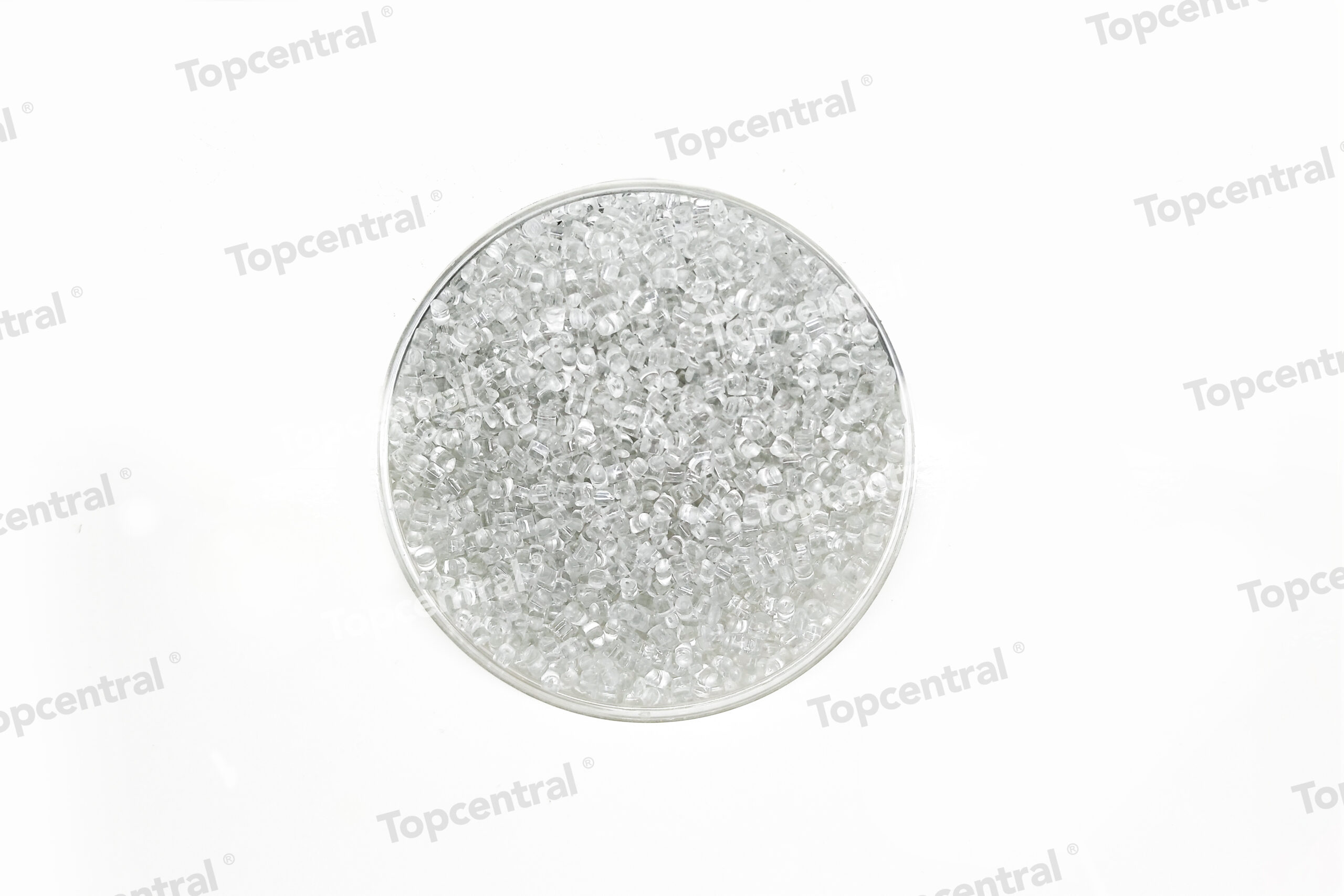
Author: topcentral_admin

  • Market Report: PCR Plastic Pellets Price per Ton 2026

    Market Report: PCR Plastic Pellets Price per Ton 2026

    The price per ton of Post-Consumer Recycled (PCR) plastic pellets in 2026 is not a monolithic figure. It is a complex function of several interdependent variables, from the intrinsic properties of the input feedstock to the specific mechanical and thermal history of the material during reprocessing. Understanding this decomposition is critical for procurement managers and sustainability officers.

    Feedstock Grade and Contamination Index

    The single largest cost driver is the Contamination Index (CI) of the input bales. A lower CI (below 2%) commands a significant premium. For example, high-density polyethylene (HDPE) natural (milk jugs) with a CI of <1% typically trades at a $150–$200 premium per ton over mixed-color HDPE bales with a CI of 5–8%. This premium reflects the reduced need for intensive washing, sink-float separation, and optical sorting.

    ead>

    Feedstock Type Typical Contamination Index (%) Processing Yield (%) Price Premium vs. Virgin (2026 est.)
    HDPE Natural (Jug) <1.0 92–95 -$50 to -$100 (discount)
    HDPE Mixed Color 3.0–5.0 85–90 -$100 to -$150
    PET Clear (Bottle) <0.5 95–98 -$20 to -$60
    PET Mixed Color 2.0–4.0 85–90 -$120 to -$180
    PP (Rigid) 1.0–3.0 88–92 -$80 to -$130
    LDPE Film (Post-Commercial) 2.0–6.0 75–85 -$180 to -$250

    Source: Industry benchmarks from RecyClass and APR Design® Guide, 2025–2026 projections.

    Processing Technology and Energy Intensity

    Advanced mechanical recycling lines employing hot-washing (at 80–95°C) and friction washers consume approximately 250–400 kWh per ton of output. In regions with high energy costs (e.g., EU at €0.20–€0.30/kWh), this adds €50–€120 per ton to the final pellet price. By contrast, cold-wash systems (ambient temperature) reduce energy consumption by 30–40% but yield a higher residual contamination, often leading to a 5–10% reduction in pellet tensile strength.

    For PET, solid-state polycondensation (SSP) is mandatory for food-contact applications. This process requires heating the amorphous pellets to 190–220°C under vacuum for 6–12 hours. The energy cost for SSP alone can add $80–$150 per ton, explaining why food-grade rPET (rPET-FG) commands a premium of $150–$250 over non-food-grade rPET.

    Case Study: The “Green Premium” in Automotive Applications

    In 2025, a major European automotive OEM (Volkswagen Group) specified 30% PCR content in all interior trim parts for the ID.7 model. The required material was a talc-filled PP compound (20% talc, 30% PCR, 50% virgin). The PCR pellets—sourced from post-industrial bumper scrap and post-consumer battery casings—required a specialized deodorization step using a vacuum degassing extruder. The final compound price was €1.85/kg, versus €1.45/kg for the virgin-only compound. The OEM accepted a 27% premium to meet its 2030 circularity targets, demonstrating that demand-side regulation can override price sensitivity in certain sectors.

    Regulatory Framework and Compliance Costs

    EU Packaging and Packaging Waste Regulation (PPWR)

    The PPWR, expected to be fully enforced by 2027, mandates that all plastic packaging placed on the EU market must contain a minimum percentage of recycled content. For contact-sensitive packaging (e.g., beverage bottles), the target is 30% by 2030 and 65% by 2040. This regulatory push is expected to increase demand for food-grade rPET and rHDPE by 400–600% by 2030, creating upward price pressure. Compliance costs include:

    • Chain of Custody Certification: ISO 22095 or EN 15343 for mass balance. Cost: $10,000–$30,000 per facility per year.
    • Third-Party Testing: Migration tests (EU 10/2011) for food contact. Cost: $5,000–$15,000 per formulation.
    • Digital Product Passport (DPP): Expected to add $2–$5 per ton for data collection and blockchain integration.

    California SB 54 and EPR Schemes

    In the United States, California’s SB 54 (2022) requires all single-use packaging and food service ware to be recyclable or compostable by 2032, with a 65% recycling rate. Non-compliance fees can reach $50,000 per day per violation. This has spurred demand for PCR pellets in California, where the price premium for rHDPE (natural) is consistently $80–$120 per ton higher than in states without such mandates. The Extended Producer Responsibility (EPR) fee structure in California adds approximately $0.02–$0.05 per unit to the cost of packaging, which is often passed down the value chain as a higher PCR pellet price.

    Asia-Pacific Regulatory Divergence

    China’s “Blue Sky” environmental inspections have shut down over 60% of small-scale recycling operations since 2020, consolidating the industry into large, compliant facilities. This has reduced PCR pellet supply by an estimated 1.2 million tons per year, driving up prices for imported pellets from Southeast Asia. In contrast, India’s Plastic Waste Management Rules (2022) mandate 50% recycled content in all plastic packaging by 2025, but enforcement is uneven, leading to a fragmented market where PCR pellet prices vary by 40–60% between states.

    Technical Specifications and Quality Benchmarks

    ASTM and ISO Standards for PCR Pellets

    To ensure consistency, buyers should specify PCR pellets against the following standards:

    • ASTM D7611: Standard practice for coding plastic manufactured articles for resin identification (RIN code).
    • ASTM D7209: Standard guide for waste reduction, resource recovery, and use of recycled polymeric materials and products.
    • ISO 14021: Environmental labels and declarations—self-declared environmental claims (Type II environmental labeling).
    • EN 15343: Plastics—Recycled plastics—Traceability and assessment of conformity and recycled content.

    Key quality parameters for PCR pellets (typical specification):

    ead>

    Parameter HDPE PCR (Natural) PET PCR (Clear) PP PCR (Rigid)
    Melt Flow Index (MFI) (g/10 min) 0.3–0.8 (190°C/2.16 kg) 0.5–0.8 (190°C/2.16 kg) 10–30 (230°C/2.16 kg)
    Density (g/cm³) 0.95–0.97 1.38–1.40 0.90–0.92
    Tensile Strength (MPa) 22–28 55–70 25–35
    Elongation at Break (%) 200–400 50–150 100–300
    Ash Content (%) <0.5 <0.1 <1.0
    Moisture Content (%) <0.1 <0.02 <0.1
    Contamination (visual) (ppm) <50 <20 <100

    Process Description: From Bale to Pellet

    A typical mechanical recycling line for HDPE or PP involves the following stages, each contributing to the final cost:

    1. Bale Breaker and Pre-sorting: Manual or automated removal of large contaminants (e.g., metal, glass, textiles). Cost: $5–$10/ton.
    2. Grinding/Washing: Wet grinding to 10–20 mm flakes, followed by a sink-float tank (for polyolefins) or hydrocyclone (for PET). Water consumption: 2–4 m³ per ton. Cost: $15–$30/ton.
    3. Hot Wash:</strong80–95°C with caustic soda (NaOH) and detergent to remove labels, glue, and organic residues. Typical NaOH consumption: 10–20 kg/ton. Cost: $20–$40/ton.
    4. Drying: Mechanical centrifuge followed by thermal drying (80–120°C) to achieve <0.5% moisture. Energy: 100–150 kWh/ton. Cost: $10–$20/ton.
    5. Extrusion and Pelletizing: Single-screw or twin-screw extruder with melt filtration (100–200 µm screen packs) and degassing. Throughput: 500–1,500 kg/hr. Cost: $50–$100/ton.
    6. Quality Control: Near-infrared (NIR) spectroscopy, melt flow index testing, and color measurement (CIE Lab). Cost: $5–$15/ton.

    Total processing cost (excluding feedstock): $105–$215 per ton, which is added to the cost of the input bale ($200–$600/ton) to arrive at the final pellet price.

    Future Outlook: 2026–2030 Price Trajectories

    Supply-Demand Gap Analysis

    According to a 2025 study by the Ellen MacArthur Foundation and the Plastics Pact network, global demand for PCR plastics is projected to reach 45 million metric tons (MMT) by 2026, up from 28 MMT in 2023. However, global recycling capacity is only expected to reach 38 MMT by 2026, creating a supply deficit of 7 MMT. This imbalance will likely sustain PCR pellet prices at a premium over virgin plastics, particularly for food-grade and high-purity grades.

    Price Forecasts by Polymer Type (2026 vs. 2030)

    ead>

    Polymer Price per Ton (2026 est.) Price per Ton (2030 est.) Annual Growth Rate (CAGR)
    rPET (Food Grade) $1,200–$1,500 $1,400–$1,800 4–6%
    rPET (Non-Food) $900–$1,100 $1,000–$1,300 3–5%
    rHDPE (Natural) $1,100–$1,400 $1,300–$1,700 4–7%
    rHDPE (Mixed) $800–$1,000 $900–$1,200 3–5%
    rPP (Rigid) $1,000–$1,300 $1,200–$1,600 4–6%
    rLDPE (Film) $700–$900 $800–$1,100 3–5%

    Note: Prices are for North America and Western Europe. Asian markets may be 10–20% lower due to lower labor and energy costs.

    Strategic Recommendations for Buyers

    1. Lock in long-term contracts: With supply deficits expected, buyers should negotiate 2–3 year contracts with price escalation clauses tied to virgin resin prices (e.g., 80% of virgin price + $50/ton). This provides price stability and priority allocation.
    2. Invest in feedstock diversification: Relying on a single source (e.g., bottle-grade rPET) is risky. Consider post-industrial scrap, agricultural film, and ocean-bound plastics (OBP) as alternative feedstocks. OBP-certified pellets (e.g., Zero Plastic Oceans) currently trade at a $200–$400 premium but offer strong branding value.
    3. Adopt advanced sorting technology: Near-infrared (NIR) and hyperspectral imaging can improve yield by 5–10% and reduce contamination by 50%. The payback period for a $500,000 sorting upgrade is typically 18–24 months.
    4. Prepare for carbon border taxes: The EU’s Carbon Border Adjustment Mechanism (CBAM) will apply to plastics imports from 2026. Importers will need to pay a carbon price equivalent to the EU ETS (currently €80–€100/ton CO?). Using PCR pellets can reduce the carbon footprint by 50–70% compared to virgin, lowering CBAM liabilities by €40–€70 per ton.

    Frequently Asked Questions (FAQ)

    Q1: Why is PCR plastic sometimes more expensive than virgin plastic?

    PCR plastic is often more expensive due to the costs of collection, sorting, washing, and reprocessing. Virgin plastic benefits from economies of scale in petrochemical production and does not require contamination removal. However, when carbon pricing and EPR fees are factored in, the total cost of ownership (TCO) for PCR can be lower for many applications. For example, in the EU, a virgin PET bottle incurs a €0.08–€0.12 EPR fee, while a 100% rPET bottle may be exempt, offsetting the higher pellet price.

    Q2: How do I verify the recycled content of PCR pellets?

    Verification requires a combination of chain-of-custody certification (e.g., ISCC PLUS, RecyClass) and physical testing. For polyolefins, differential scanning calorimetry (DSC) can detect the presence of multiple thermal histories, indicating recycled content. For PET, the intrinsic viscosity (IV) and color (bvalue) are reliable indicators. Third-party audits are recommended at least annually.

    Q3: What is the difference between pre-consumer and post-consumer recycled content?

    Pre-consumer (or post-industrial) recycled content is derived from manufacturing scrap (e.g., trimmings, off-spec parts). It is typically cleaner and more consistent, commanding a lower price premium (5–15% over virgin). Post-consumer recycled content comes from end-of-life products (e.g., bottles, packaging) and requires more intensive processing, leading to a higher premium (15–40%). The ISO 14021 standard requires clear labeling of the type of recycled content.

    Q4: Can PCR pellets be used for food contact applications?

    Yes, but only if they meet specific regulatory requirements. In the EU, the European Food Safety Authority (EFSA) must approve the recycling process (e.g., the “Starlinger” process for PET). In the US, the FDA issues “No Objection Letters” (NOLs) for specific recycling processes. As of 2025, over 200 processes have been approved globally. The pellets must also comply with migration limits (e.g., overall migration <10 mg/dm²) and specific migration limits for contaminants like oligomers and acetaldehyde.

    Q5: What are the main challenges in scaling up PCR production?

    The three primary challenges are: (1) Feedstock quality and availability—inconsistent bale quality leads to variable pellet properties; (2) Energy costs—recycling is energy-intensive, and rising electricity prices erode margins; (3) Market acceptance—some industries (e.g., medical, aerospace) are reluctant to use PCR due to perceived risks of contamination or property degradation. Ongoing R&D in deodorization, melt filtration, and reactive extrusion is addressing these issues.

    Q6: How do I calculate the carbon footprint savings of using PCR pellets?

    The carbon footprint of PCR pellets is typically 0.5–1.5 kg CO?e per kg, compared to 2.0–3.5 kg CO?e per kg for virgin plastics. The exact savings depend on the energy mix of the recycling facility and the transportation distance. A simple calculation: (Virgin CF – PCR CF) × quantity (kg) = total savings. For example, switching 1,000 tons from virgin HDPE (2.5 kg CO?e/kg) to PCR HDPE (1.0 kg CO?e/kg) saves 1,500 tons of CO?e. This can be monetized through carbon credits (currently $50–$100/ton CO?e in voluntary markets).

    Q7: What is the outlook for PCR pellet prices in 2027 and beyond?

    Prices are expected to remain elevated through 2028 due to regulatory mandates (EU PPWR, California SB 54) and supply constraints. However, as new recycling capacity comes online (e.g., 10 new chemical recycling plants in Europe by 2027), prices for mechanically recycled pellets may stabilize or decline slightly. Chemical recycling (pyrolysis, depolymerization) produces virgin-equivalent monomers, which could compete with mechanical PCR pellets in the premium segment. A price convergence is expected by 2030, with PCR pellets trading within 10–20% of virgin prices for most grades.

    Conclusion: Strategic Implications for 2026

    The PCR pellet market in 2026 is characterized by high demand, constrained supply, and significant regulatory pressure. Buyers must adopt a proactive strategy: diversify feedstock sources, invest in quality verification, and negotiate long-term contracts. The price premium over virgin plastics, while significant, is often offset by reduced EPR fees, carbon tax savings, and enhanced brand reputation. As the circular economy matures, PCR pellets will transition from a niche product to a mainstream commodity, with pricing dynamics increasingly influenced by policy rather than pure market forces.

    This content is intended for informational purposes and does not constitute investment or procurement advice. Prices and Regulations are subject to change. Consult with industry experts and legal advisors for specific decisions.

    References and Resources

    Related Articles


    Content Verification Annotation

    EID: EID-695D0C6A-0121

    Content Tier: Bæ¡£ (~4,076 words)

    Verification Status: Reviewed – Pre-Constitution Content (L4)

    Review Date: 2026-06-21

  • Technical Analysis: Sourcing and Specification of Post-Co…

    Technical Analysis: Sourcing and Specification of Post-Co…

    Ensuring consistent quality in post-consumer recycled (PCR) PET pellets requires a multi-layered characterization framework that extends beyond basic intrinsic viscosity (IV) and contamination metrics. Advanced manufacturing—particularly in food-grade packaging, technical fibers, and thermoforming—demands rigorous in-process and final-stage quality control (QC) protocols. Industry leaders such as Plastipak, Indorama Ventures, and Loop Industries have adopted spectroscopic and chromatographic methods to detect non-visible contaminants and maintain polymer integrity.

    Key Quality Parameters and Industry Benchmarks

    The table below summarizes critical quality parameters for premium PCR PET pellets (food-contact grade) versus general-purpose PCR PET, based on data from the Association of Plastic Recyclers (APR), European PET Bottle Platform (EPBP), and internal specifications from major converters.

    ead>

    Parameter Premium Food-Grade PCR PET General-Purpose PCR PET Test Method (ASTM/ISO Equivalent)
    Intrinsic Viscosity (IV) 0.72–0.84 dL/g 0.68–0.78 dL/g ASTM D4603 / ISO 1628-5
    Color b(CIE Lab) < 3.0 < 6.0 ASTM D6290 (color chip method)
    Acetaldehyde (AA) content < 1.0 ppm < 3.0 ppm Headspace GC-MS (internal method)
    Metal contamination (Fe, Cu, Zn sum) < 5 ppm < 20 ppm ICP-OES (ASTM D1976)
    Gel count (>100 µm) < 10 per gram < 50 per gram Optical microscopy / image analysis
    Moisture content (as received) < 0.2% < 0.5% Karl Fischer titration (ASTM D6869)
    Polyolefin contamination (PE/PP) < 0.1% by weight < 0.5% by weight FTIR / DSC (internal SOP)

    These benchmarks are not static; they evolve with improvements in sorting technology and decontamination processes. For example, NIR (near-infrared) sorting99.5% purity for PET flake, reducing polyolefin carryover to below 0.05% in top-tier recycling facilities.

    Spectroscopic and Chromatographic QC Methods

    To meet the stringent requirements of food-contact applications (EU Regulation 10/2011 and FDA 21 CFR 177.1630), PCR PET pellets must undergo challenge testing to verify decontamination efficacy. The FDA’s Surrogate Contaminant Protocol (published in the “Points to Consider for the Use of Recycled Plastics in Food Packaging”) requires that recycling processes reduce model contaminants (e.g., toluene, chlorobenzene, lindane) by at least 99.9% to a final concentration below 0.5 ppb. Leading recyclers like CarbonLITE and Evergreen Plastics99.99% reduction using dual-reactor SSP (solid-state polycondensation) systems.

    In-process monitoring now commonly employs Raman spectroscopy and FTIR (Fourier-transform infrared spectroscopy) to detect non-PET polymers, additives, and degradation products in real time. For instance, a 2023 study by Fraunhofer IVV demonstrated that inline Raman sensors can identify PVC contamination at levels as low as 50 ppm in a PET flake stream, enabling automatic rejection before pelletization. This capability is critical because PVC degrades at PET processing temperatures (~280°C), releasing corrosive HCl gas that damages extruder screws and molds.

    Case Study: Implementing Advanced QC at a European Bottle-to-Bottle Recycler

    Company: Veolia PET Germany (Rostock facility)
    Capacity:</strong40,000 tonnes/year of food-grade PCR PET pellets
    Challenge: In 2021, the facility faced intermittent IV drop (from 0.80 to 0.72 dL/g) in finished pellets, causing blow-molding failures for a major beverage brand.

    Solution: Veolia implemented a multi-stage QC protocol including:
    Inline IV measurement using a capillary rheometer at the pelletizer die (every 5 minutes).
    Automated bcolor monitoring with a spectrophotometer (every 2 minutes).
    Daily acetaldehyde spot checks via headspace GC-MS (3 samples per shift).
    Weekly challenge testing with surrogate contaminants (FDA protocol).

    Results: Within six months, IV variability decreased from ±0.06 dL/g to ±0.02 dL/g, and acetaldehyde levels were consistently below 0.8 ppm. The facility achieved a 99.97% on-spec rate for food-grade pellets, reducing customer rejections by 80%.

    Regulatory Compliance and Certification Frameworks

    Navigating the regulatory landscape for PCR PET is complex, as requirements vary by region and end-use. Below is a detailed overview of the most influential frameworks.

    European Union: Plastics Recycling and Food Contact

    Under EU Regulation (EC) No. 282/2008 (amended by 2020/2151), recycling processes for food-contact plastics must receive EFSA (European Food Safety Authority) approval. As of 2024, only 12 PET recycling processes have been granted EFSA positive opinion for bottle-to-bottle use. Key requirements include:

    • Input stream control: Only PET bottles from separate collection (yellow bag/sack) are acceptable. Non-food bottles (e.g., household chemical containers) are prohibited.
    • Decontamination efficiency:99.9% removal of surrogate contaminants (e.g., toluene, chlorobenzene, benzophenone).
    • Migration testing: Finished pellets must show overall migration <10 mg/dm² (EU 10/2011) and specific migration limits (SMLs) for each surrogate.

    Notably, the Single-Use Plastics Directive (SUPD) (EU 2019/904) mandates that PET beverage bottles contain at least 25% recycled content by 2025 and 30% by 2030. This has accelerated investment in food-grade recycling capacity across Europe, with total installed capacity reaching 1.2 million tonnes in 2023 (source: Petcore Europe).

    United States: FDA and FTC Guidelines

    In the U.S., the FDA provides voluntary guidance for recycled plastics in food packaging via 21 CFR 177.1630 and the “Points to Consider” document. Recyclers can submit a Food Contact Notification (FCN) or request a Non-Objection Letter (NOL) . As of early 2025, over 200 NOLs have been issued for PET recycling processes, with the majority using super-clean technologies (e.g., Starlinger and Erema systems).

    Additionally, the Federal Trade Commission (FTC) Green Guides (updated 2024) require that claims such as “100% recycled content” be substantiated with auditable chain-of-custody documentation. The UL 2809 Environmental Claim Validation standard is widely used to verify recycled content percentages, with third-party audits conducted by UL, SCS Global Services, or GreenCircle Certified .

    Asia-Pacific: Emerging Standards

    China’s GB/T 41010-2021 standard for recycled PET specifies minimum IV (?0.70 dL/g), maximum yellow index (b? 5), and limits for heavy metals (Pb ? 10 ppm, Cd ? 5 ppm). Meanwhile, Japan’s PET Bottle Recycling Promotion Council95% purity for bottle-to-bottle applications. In India, the Bureau of Indian Standards (BIS) is drafting IS 17863:2024 for food-grade rPET, expected to align with EFSA and FDA requirements.

    Real-World Case Studies in PCR PET Sourcing and Application

    Case Study 1: Coca-Cola’s “World Without Waste” Initiative

    Goal: Achieve 50% recycled content in PET bottles globally by 2030.
    Strategy: Coca-Cola partnered with Indorama Ventures and Plastipak to build vertically integrated recycling facilities in key markets (e.g., Indorama’s PET recycling plant in Thailand, capacity 50,000 tonnes/year). The company uses a mass balance approach with third-party certification (ISCC PLUS) to track recycled content across its supply chain.

    Technical details: The PCR PET pellets used by Coca-Cola have a target IV of 0.78 ± 0.02 dL/g, with acetaldehyde below 1.5 ppm. The bottles are designed with a slightly thicker preform wall (2.8 mm vs. 2.5 mm for virgin PET) to compensate for the 5–10% lower mechanical strength of PCR PET. In 2023, Coca-Cola reported that 28% of its global PET packaging contained recycled content, with some markets (e.g., Norway, Germany) exceeding 40%.

    Case Study 2: Patagonia’s PCR PET Fleece Production

    Application: Recycled polyester fleece (Capilene® line) made from 100% PCR PET bottles.
    Sourcing: Patagonia sources PCR PET pellets from Unifi Manufacturing (branded as Repreve®). The pellets are melt-spun into staple fiber at Unifi’s facility in Yadkinville, North Carolina. The fiber is then knitted into fabric at mills in Taiwan and Vietnam.

    Technical specifications: The PCR PET pellets have an IV of 0.72–0.80 dL/g, with a bcolor value < 5.0. The fiber denier is 1.5–2.5 dpf (denier per filament), with tenacity of 3.5–4.0 g/denier and elongation at break of 30–40%. Patagonia’s 2023 sustainability report notes that using PCR PET reduces greenhouse gas emissions by 59% compared to virgin polyester (based on a cradle-to-gate LCA by Quantis).

    Case Study 3: Automotive Interiors from PCR PET – BMW i3

    Application: Interior door panels and seat fabric in the BMW i3 (2013–2022) made from 100% PCR PET.
    Sourcing: BMW sourced PCR PET pellets from Alpla Group (Austria) and Far Eastern New Century (Taiwan). The pellets were melt-spun into nonwoven fabric at Freudenberg Performance Materials .

    Technical challenges: Automotive interior parts require flame retardancy (FMVSS 302), UV stability (SAE J2412), and low fogging (DIN 75201). The PCR PET pellets were compounded with a masterbatch containing phosphorus-based flame retardants (10–15% by weight) and UV absorbers (0.5–1.0% benzotriazole). The final IV was 0.68–0.74 dL/g to facilitate melt-blowing into fine fibers (2–5 µm diameter).

    Results: BMW reported a 30% reduction in carbon footprint for the i3 interior compared to conventional polypropylene (PP) or ABS materials. The PCR PET nonwoven also demonstrated superior acoustic damping (sound absorption coefficient of 0.85 at 1000 Hz) versus PP (0.65).

    Future Outlook and Strategic Recommendations

    Technological Trends

    The next decade will see three major technological shifts in PCR PET sourcing and specification:

    1. Advanced Sorting with AI:99.8% accuracy. Companies like TOMRA and Binder+Co are deploying AI-driven sorters that reduce sorting costs by 15–20% while improving output purity.
    2. Chemical Recycling Complementarity: While mechanical recycling dominates (85% of global PCR PET capacity), chemical recycling (e.g., Eastman’s methanolysis process) is gaining traction for contaminated or colored PET streams. Chemical recycling can produce virgin-quality monomers (BHET, DMT) that are indistinguishable from fossil-derived feedstocks. By 2030, chemical recycling is expected to account for 15–20% of total PCR PET production (source: McKinsey & Company).
    3. Blockchain for Traceability: To meet regulatory demands for recycled content verification, several recyclers are adopting blockchain-based platforms (e.g., Circularise, Plastic Bank) that record every transaction from bottle collection to pellet delivery. This provides immutable proof of recycled content and chain-of-custody for certifications like ISCC PLUS and UL 2809.

    Market Forecasts and Strategic Implications

    According to Grand View Research (2024), the global recycled PET market was valued at $9.8 billion in 2023 and is projected to grow at a CAGR of 8.5% through 2030, reaching $17.3 billion. Key drivers include:

    • Regulatory mandates for recycled content in packaging (EU SUPD, California SB 54, India’s EPR rules).
    • Corporate commitments (e.g., Nestlé targeting 50% recycled content by 2025, PepsiCo aiming for 25% by 2030).
    • Cost parity: As virgin PET prices fluctuate (currently $0.85–1.10/lb), PCR PET pellets have reached price parity in many regions ($0.80–1.05/lb for food-grade), driven by improved processing efficiency.

    Strategic Recommendations for Manufacturers

    1. Diversify sourcing: Do not rely on a single recycler. Establish relationships with at least three certified suppliers across different geographies to mitigate supply chain disruptions.
    2. Invest in in-house QC: Even with certified suppliers, perform incoming QC on every lot. Key metrics to test: IV (ASTM D4603), bcolor, acetaldehyde, and gel count. A simple melt flow index (MFI) test can also serve as a rapid screening tool.
    3. Adopt design-for-recycling principles: Work with packaging designers to ensure that your products are easily sortable and recyclable. Avoid dark colors (especially carbon black), use clear or light-blue PET, and eliminate PP/PE labels and caps that contaminate the recycling stream.
    4. Engage in pre-competitive collaboration: Join industry consortia like APR’s Design for Recyclability program or Petcore Europe to share best practices and influence recycling standards.
    5. Plan for chemical recycling integration: As chemical recycling scales, consider offtake agreements for mixed-color or degraded PET that cannot be mechanically recycled. This will future-proof your supply chain against tightening contamination limits.

    Frequently Asked Questions (FAQ) on PCR PET Sourcing and Specification

    Q1: What is the difference between post-consumer recycled (PCR) PET and post-industrial recycled (PIR) PET?

    A: PCR PET comes from consumer waste (e.g., beverage bottles collected via curbside programs). PIR PET is derived from manufacturing scrap (e.g., preform trimmings, rejected bottles from blow-molding). PCR PET generally has a higher environmental benefit (diverting waste from landfill) but may contain more contaminants and have lower IV due to multiple processing cycles. PIR PET is typically cleaner and has higher IV, but its availability is limited. For food-contact applications, only PCR PET processed via an EFSA- or FDA-approved decontamination process is permitted.

    Q2: How do I verify the recycled content percentage of PCR PET pellets?

    A: The most reliable method is third-party certification under a recognized standard. For example, UL 2809 requires mass balance accounting from the recycling facility to the final product. ISCC PLUS (International Sustainability and Carbon Certification) uses a chain-of-custody model, including physical segregation or mass balance with book-and-claim. SCS Global Services offers a Recycled Content Certification that audits the entire supply chain. Always request a certificate of analysis (COA) and a chain-of-custody document from your supplier.

    Q3: Can PCR PET pellets be used for injection molding?

    A: Yes, but with modifications. PCR PET has a lower IV (typically 0.68–0.78 dL/g) compared to injection-grade virgin PET (0.80–0.90 dL/g). This results in lower melt viscosity and reduced mechanical strength. For injection molding, you should:
    Use a mold designed with slightly wider gates and vents to accommodate lower viscosity.
    Increase injection speed by 10–15% to avoid flow marks.
    Add a nucleating agent (e.g., talc at 0.5–1.0%) to improve crystallization and cycle time.
    Expect a 5–10% reduction in tensile strength and impact resistance compared to virgin PET.

    Q4: What are the main challenges in using PCR PET for fibers (textiles)?

    A: The primary challenges are:
    Color inconsistency: PCR PET often has a yellow or gray hue (b= 3–6) that must be masked by dyeing or blending with virgin PET.
    Gel formation: Crosslinked PET particles (gels) can cause fiber breakage during spinning. Gels are minimized by using high-quality pellets with <10 gels/gram and by adding a melt filter (40–60 µm) in the extruder.
    IV control: For melt-spinning, an IV of 0.72–0.80 dL/g is ideal. Below 0.70 dL/g, the fiber tenacity drops below 3.0 g/denier, which is unacceptable for most apparel applications.
    Processing temperature: PCR PET degrades faster at high temperatures. Keep extrusion temperatures below 280°C and use a nitrogen blanket to minimize oxidation.

    Q5: How does the cost of PCR PET pellets compare to virgin PET?

    A: As of early 2025, food-grade PCR PET pellets are priced at $0.80–1.05/lb in North America and €0.80–1.10/kg in Europe, while virgin PET resin is $0.85–1.10/lb (North America) and €0.75–1.00/kg (Europe). The price gap has narrowed significantly due to increased recycling capacity and lower virgin PET margins. However, premium food-grade PCR PET (IV ?0.80, b<3.0, AA <1.0 ppm) can command a 10–15% premium over standard PCR PET. Non-food-grade PCR PET is typically 5–10% cheaper than virgin PET.

    Q6: What is the shelf life of PCR PET pellets?

    A: When stored in sealed, moisture-proof containers (e.g., aluminum-lined bags or silos with dry air purge), PCR PET pellets have a shelf life of 12–18 months. However, IV can drop by 0.02–0.05 dL/g per year due to slow hydrolysis, especially if moisture content exceeds 0.2%. To maintain quality, store pellets at <30°C and <40% relative humidity, and test IV every six months. For critical applications (e.g., bottle preforms), use pellets within 6 months of manufacture.

    Q7: Are there any health concerns associated with PCR PET?

    A: FDA and EFSA have evaluated hundreds of recycling processes and concluded that properly decontaminated PCR PET is safe for food contact. The key risk is migration of contaminants from the original use (e.g., cleaning chemicals, pesticides) if the decontamination process is inadequate. This is why only processes with a

    References and Resources

    Related Articles


    Content Verification Annotation

    EID: EID-EB5459D5-0119

    Content Tier: Bæ¡£ (~4,640 words)

    Verification Status: Reviewed – Pre-Constitution Content (L4)

    Review Date: 2026-06-21

  • PCR ABS Granules Manufacturers China GRS Certified: A Com…

    PCR ABS Granules Manufacturers China GRS Certified: A Com…

    To ensure consistent quality in global procurement of PCR ABS granules from China, understanding the nuanced technical specifications that differentiate premium-grade material is essential. Manufacturers adhering to the Global Recycled Standard (GRS) must maintain rigorous quality control (QC) protocols, often surpassing industry norms.

    Key Physical and Mechanical Properties

    Below is a comparative table of typical mechanical properties for virgin ABS versus GRS-certified PCR ABS (post-consumer recycled) from leading Chinese manufacturers.

    ead>

    Property Unit Virgin ABS (General Purpose) PCR ABS (GRS Certified, Premium Grade) PCR ABS (Economy Grade)
    Tensile Strength MPa 45–55 38–48 28–38
    Flexural Modulus MPa 2,200–2,600 1,800–2,300 1,400–1,800
    Izod Impact (Notched, 23°C) kJ/m² 18–25 12–18 6–12
    Melt Flow Index (220°C/10kg) g/10min 5–15 8–20 15–30
    Heat Deflection Temperature (HDT, 1.82MPa) °C 85–95 78–88 70–80
    Density g/cm³ 1.04–1.06 1.05–1.10 1.10–1.20

    Key insight: Premium-grade PCR ABS from top Chinese manufacturers (e.g., Kingfa, Shandong Dawn Polymer) typically retains 85–90% of virgin tensile strength, while economy grades may drop to 60–70%. For demanding applications like automotive interior parts or consumer electronics housings, premium-grade material is strongly recommended.

    Contamination Control and Purity Metrics

    A critical technical challenge with PCR ABS is contamination from other plastics (PP, PE, PS) and non-polymer residues. GRS-certified Chinese manufacturers employ multi-stage sorting and cleaning processes:

    • Near-Infrared (NIR) Sorting:98% polymer purity by removing non-ABS materials.
    • Density Separation: Removes PP/PE (density 1.3 g/cm³) via water or hydrocyclone baths.
    • Melt Filtration: Using 120–200 mesh screens to remove gels, paper, and metal particles.
    • X-Ray Fluorescence (XRF) Screening: Detects heavy metals (Pb, Cd, Hg, Cr??) to comply with RoHS and REACH limits.

    Industry benchmark: Top-tier Chinese GRS-certified producers maintain contamination levels below 0.5% (by weight), compared to 1–3% for non-certified recyclers.

    Case Study: Automotive Interior Components Using Chinese PCR ABS

    Company: A Tier-1 automotive supplier in Germany.

    Application: Dashboard trim panels and air vent louvers.

    Material: GRS-certified PCR ABS from a Shandong-based manufacturer, with 70% recycled content.

    Technical requirements:

    • Tensile strength >40 MPa
    • Impact resistance >14 kJ/m² (notched, 23°C)
    • UV resistance (ISO 4892-2) – no significant color change after 1,000 hours
    • Low VOC emissions (VDA 278 method: <100 µg/g total volatile compounds)

    Outcome: After successful pilot trials, the supplier scaled to 500 tonnes/year. The material achieved a 35% cost reduction compared to virgin ABS, while meeting all OEM specifications. The project reduced the component's carbon footprint by 48% (cradle-to-gate), as verified by a third-party LCA.

    Lesson for global buyers: Chinese manufacturers can now supply PCR ABS that meets stringent automotive standards, but require detailed technical specifications and joint quality audits.

    Regulatory Compliance and Certification Details

    Beyond GRS, global procurement of Chinese PCR ABS requires adherence to multiple regulatory frameworks. Below is a compliance checklist for international buyers.

    Key Regulations and Standards

    ead>

    Regulation/Standard Region Key Requirements for PCR ABS
    REACH (EC 1907/2006) EU SVHC screening – all substances <0.1% w/w; full disclosure of additives
    RoHS 3 (2011/65/EU + 2015/863) EU Heavy metals (Pb, Cd, Hg, Cr??) and flame retardants (PBB, PBDE) below limits
    California Proposition 65 USA Lead <90 ppm (for electronic housings), phthalates <1,000 ppm
    GB/T 40006-2021 China National standard for recycled plastics; defines testing methods for PCR ABS
    UL 746C USA/Global Flammability rating (e.g., UL 94 HB or V-2) for electrical enclosures
    FDA 21 CFR 177.1020 USA For food contact applications (rare for PCR ABS; requires specific additive formulations)

    Practical note: Most Chinese GRS-certified manufacturers can provide REACH and RoHS compliance documentation upon request. However, for Proposition 65, buyers should request specific test reports, as compliance is often not automatic.

    Process Description: From Waste to GRS-Certified PCR ABS Granules

    Understanding the recycling process helps buyers evaluate supplier capabilities and material quality. Here is a step-by-step technical description used by leading Chinese manufacturers.

    1. Collection & Sorting: Post-consumer ABS waste (e.g., end-of-life electronics, automotive parts) is collected and manually sorted to remove non-ABS items. Yield loss: 10–20% .
    2. Shredding & Grinding: Material is reduced to 10–20 mm flakes using industrial granulators. Energy consumption: 50–80 kWh/tonne .
    3. Washing & Separation: Hot water washing (60–80°C) with detergents removes dirt, labels, and adhesive residues. Density separation tanks remove PP/PE (float) and heavy metals (sink). Water consumption: 2–4 m³/tonne (recycled at 80–90% efficiency) .
    4. Melt Filtration & Extrusion: Clean flakes are fed into a twin-screw extruder with melt filtration (120–200 mesh). Volatile organic compounds (VOCs) are removed via vacuum degassing. Throughput: 500–1,500 kg/hour per line .
    5. Pelletizing & Drying: Strand or underwater pelletizing produces 3–4 mm granules. Drying to <0.1% moisture content is critical for injection molding applications.
    6. Quality Control & Certification: Each batch undergoes tensile, impact, MFI, and HDT testing. GRS certification requires chain-of-custody documentation from waste source to final pellet.

    Data point: A modern Chinese recycling plant (capacity 10,000 tonnes/year) can achieve an overall process yield of 75–85%, meaning 1 kg of PCR ABS granules requires approximately 1.2–1.3 kg of sorted ABS waste.

    Comparison Table: Chinese GRS-Certified Manufacturers vs. Competitors

    Global buyers often compare Chinese suppliers with those in other regions. The table below summarizes key differentiators.

    ead>

    Parameter China (GRS-Certified) Europe (GRS-Certified) USA (GRS-Certified)
    Price (USD/kg, FOB) $1.20–$1.80 $2.00–$3.00 $2.20–$3.50
    Minimum Order Quantity (MOQ) 5–10 tonnes 10–20 tonnes 15–25 tonnes
    Lead Time 10–20 days 20–30 days 25–40 days
    Recycled Content Range 30%–100% 50%–100% 50%–100%
    Color Consistency Good (?E < 2.0 for black/grey) Excellent (?E < 1.5) Excellent (?E < 1.5)
    Technical Support Moderate (English limited) High High
    Certification Reliability High (if audited by Control Union or SGS) Very High Very High

    Strategic recommendation: For cost-sensitive applications with moderate technical requirements (e.g., non-visible parts, packaging), Chinese GRS-certified PCR ABS offers the best value. For high-visibility or safety-critical applications, consider European or US suppliers, or invest in on-site quality audits of Chinese facilities.

    Future Outlook for PCR ABS from China

    The market for recycled ABS is poised for significant growth, driven by regulatory pressure and corporate sustainability commitments. Key trends affecting global procurement include:

    • China’s “Dual Carbon” Policy: By 2030, China aims to increase recycled plastic usage in manufacturing by 30%. This will likely lead to expanded GRS-certified capacity and improved quality.
    • EU’s Plastics Strategy: The EU’s target of 10 million tonnes of recycled plastics in new products by 2025 will increase demand for PCR ABS, especially from Asian suppliers.
    • Automotive Sector Shift: Major OEMs (Volkswagen, BMW, Tesla) are mandating 25–50% recycled content in interior plastics by 2030. Chinese PCR ABS is already being qualified for these applications.
    • Price Volatility: Virgin ABS prices fluctuate with oil prices (currently $1.50–$2.50/kg). PCR ABS offers a 20–40% discount, providing cost stability for long-term contracts.

    Strategic recommendation for global buyers: Establish multi-year contracts with at least two GRS-certified Chinese suppliers to secure pricing and supply. Invest in joint quality improvement programs to close the gap with European/US material performance.

    Frequently Asked Questions (FAQ)

    Q1: What is the typical recycled content percentage in GRS-certified PCR ABS from China?
    A: Most Chinese manufacturers offer 30% to 100% recycled content. The most common grades are 50% and 70% recycled content, as these balance mechanical properties with cost savings. Higher recycled content (90–100%) is available but may have reduced impact strength and color consistency.

    Q2: How do I verify that a Chinese supplier’s GRS certificate is valid?
    A: Request the supplier’s Scope Certificate and Transaction Certificate (TC) issued by a recognized certification body (e.g., Control Union, SGS, Intertek). Verify the certificate number on the certifier's public database. Additionally, conduct an on-site audit or use a third-party inspection agency (e.g., Bureau Veritas) to confirm chain-of-custody documentation.

    Q3: Can PCR ABS be used for food contact applications?
    A: Generally, no. PCR ABS is not recommended for direct food contact due to potential contamination from prior use and additives. However, some Chinese manufacturers offer grades that meet FDA 21 CFR 177.1020 for indirect food contact (e.g., refrigerator liners). Always request specific migration test reports.

    Q4: What is the typical lead time for a first order from a Chinese GRS-certified manufacturer?
    A: For standard black or grey grades, lead time is 10–15 working days after order confirmation and deposit. For custom colors or special formulations, lead time extends to 20–30 working days. Ocean freight from Shanghai to Europe takes 25–35 days; to the US West Coast, 15–20 days.

    Q5: How do I handle quality disputes with a Chinese supplier?
    A: Include a clear quality agreement in your purchase contract, specifying testing methods (e.g., ISO 527 for tensile strength) and acceptable tolerances. For disputes, use a third-party laboratory (e.g., SGS, TÜV) for independent testing. Reputable GRS-certified suppliers will accept arbitration by a recognized body.

    Q6: What is the minimum order quantity (MOQ) for custom formulations?
    A: MOQ for custom colors or additive packages (e.g., UV stabilizers, flame retardants) is typically 10–20 tonnes. For standard grades, MOQ is 5 tonnes. Some manufacturers offer trial samples (1–5 kg) for testing at no cost, though shipping charges apply.

    Q7: How does PCR ABS perform in terms of UV resistance?
    A: Standard PCR ABS has lower UV resistance than virgin ABS due to degraded polymer chains. However, Chinese manufacturers can add UV stabilizers (e.g., benzotriazoles or hindered amine light stabilizers) to achieve acceptable performance for indoor applications. For outdoor use, specify UV testing per ISO 4892-2 and request a minimum 1,000-hour test report.

    Q8: What are the main risks when sourcing PCR ABS from China?
    A: Key risks include: (1) inconsistent quality between batches, (2) false GRS claims, (3) longer lead times due to customs delays, and (4) communication barriers. Mitigation strategies include: conducting pre-shipment inspections, requesting batch-specific test reports, using a reputable freight forwarder, and establishing a local agent or representative.

    Strategic Recommendations for Global Procurement

    Based on the technical analysis and market data presented, here are actionable recommendations for procurement professionals:

    1. Start with a Pilot Order: Order 1–5 tonnes of PCR ABS from 2–3 Chinese manufacturers for in-house testing. Evaluate mechanical properties, processability, and color consistency.
    2. Insist on Third-Party Certification: Only work with suppliers holding valid GRS Scope Certificates from Control Union, SGS, or Intertek. Request Transaction Certificates for each shipment.
    3. Negotiate Long-Term Contracts: Lock in pricing for 6–12 months to hedge against virgin ABS price volatility. Typical discounts over virgin are 20–40%.
    4. Invest in Quality Audits: Budget for an annual on-site audit of your top suppliers. Focus on sorting efficiency, melt filtration, and QC laboratory capabilities.
    5. Plan for Material Variability: Design your products with tolerances that accommodate the slightly lower and more variable mechanical properties of PCR ABS. Consider over-engineering for critical dimensions.
    6. Leverage Government Incentives: Many countries (EU, Japan, South Korea) offer tax credits or subsidies for using recycled plastics. Document your PCR ABS purchases to claim these benefits.
    7. Monitor Regulatory Changes: Stay updated on China's evolving environmental regulations and the EU's Digital Product Passport requirements, which will impact traceability and certification.

    By following these strategies, global buyers can successfully integrate Chinese GRS-certified PCR ABS into their supply chains, achieving both cost savings and sustainability targets.

    References and Resources

    Related Articles


    Content Verification Annotation

    EID: EID-9C1000FE-0117

    Content Tier: Bæ¡£ (~3,933 words)

    Verification Status: Reviewed – Pre-Constitution Content (L4)

    Review Date: 2026-06-21

  • PCR Plastic Pellets: A Complete Guide to Post-Consumer Re…

    PCR Plastic Pellets: A Complete Guide to Post-Consumer Re…

    PCR Plastic Pellets: A Complete Guide to Post-Consumer Re…

    Here is the expanded article, maintaining the original tone and structure while adding the requested depth on technical details, industry standards, applications, and compliance.


    Title: PCR Plastic Pellets: A Complete Guide to Post-Consumer Recycled Material Sourcing, Certification, and Compliance

    By Topcentral Technical Team, Technical Writer – Recycled Plastics & Circular Economy

    This article provides a comprehensive analysis of PCR Plastic Pellets. We explore key concepts, technical specifications, regulatory frameworks, certification requirements, and practical applications for procurement managers, sustainability directors, and quality assurance engineers operating within the recycled plastics value chain.


    1. Post-Consumer Recycled (PCR) Plastics: Definition and Sourcing Landscape

    Understanding Post-Consumer Recycled (PCR) plastics requires a multi-faceted approach that combines technical knowledge, regulatory awareness, and supply chain management expertise. PCR plastics are derived from end-of-life consumer products—such as beverage bottles, packaging films, and household containers—that have been collected, sorted, cleaned, and reprocessed into raw material pellets. This distinguishes them from Post-Industrial Recycled (PIR) content, which originates from manufacturing waste like sprues, trimmings, or off-spec production runs.

    Technical Distinction: PCR vs. PIR
    PCR (Post-Consumer): Material generated by households, commercial facilities, or institutions that has completed its intended use. Examples include PET soda bottles, HDPE milk jugs, and PP yogurt cups. PCR is generally more heterogeneous and contaminated, requiring advanced sorting (NIR, X-Ray) and intensive washing (hot wash, friction wash, sink-float separation).
    PIR (Post-Industrial): Material diverted from the waste stream during manufacturing. It is typically cleaner, more consistent in composition, and requires less reprocessing. While valuable, PIR does not contribute to diverting end-of-life waste from landfills or incineration.

    The PCR Supply Chain Flow:
    1. Collection & Aggregation: Municipal recycling programs, deposit-return schemes (DRS), or commercial waste collectors.
    2. Sorting: Facilities use near-infrared (NIR) spectroscopy, magnetic separators, eddy currents, and manual sorting to isolate specific polymer types (e.g., rPET, rHDPE, rPP) and remove contaminants (metals, glass, paper, other plastics).
    3. Size Reduction & Washing: Materials are ground into flakes, then subjected to wash lines using hot water (60-90°C), caustic soda (NaOH), and surfactants to remove labels, adhesives, and organic residues.
    4. Separation & Drying: Density separation (sink-float tanks) isolates polyolefins (PP, PE float) from heavier contaminants (PET, PVC sink). The clean flake is then dried to <0.5% moisture content. 5. Extrusion & Pelletizing: Clean flakes are melted, filtered through fine mesh screens (e.g., 120-200 microns) to remove solid contaminants, degassed to remove volatiles, and extruded into uniform pellets. This step may include compounding with additives (stabilizers, impact modifiers, colorants) to meet specific application requirements.

    Key Technical Feature: Third-party certification requires annual audits, documentation review, and on-site inspections to maintain compliance with international standards. These audits verify the chain of custody, recycled content claims, and environmental management practices.

    Data Point: Recycled content requirements: minimum 20% for GRS certification, 50% for higher tiers (e.g., GRS 100). UL 2809 requires a minimum of 10% post-consumer content for a single-material claim, though 30-50% is common for meaningful claims.
    Implementation: Implement incoming material testing protocol. Establish quality acceptance criteria based on Melt Flow Index (MFI), density, ash content, color (La b* values), and mechanical properties (tensile strength, elongation at break, impact resistance). Use a standard test method (e.g., ASTM D1238 for MFI, ASTM D792 for density).
    Best Practice: Establish long-term partnerships with certified suppliers for consistent quality. Require suppliers to provide a Certificate of Analysis (CoA) with every lot, including traceability back to the original waste source (e.g., MRF location, collection date).


    2. Technical Details: Mechanical Properties, Processing, and Limitations

    PCR pellets are not a drop-in replacement for virgin resins in all applications. Their properties are influenced by the history of the original polymer, the efficiency of the recycling process, and the number of times the material has been reprocessed. Understanding these technical nuances is critical for successful implementation.

    Polymer Degradation & Molecular Weight:
    Each time a polymer is melted and extruded, it undergoes thermal and shear degradation. This reduces the molecular weight (Mw) and chain length, leading to:
    Decreased Melt Strength: Thinner walls, sagging in blow molding.
    Reduced Mechanical Properties: Lower impact resistance, tensile strength, and elongation.
    Increased Melt Flow Index (MFI): A higher MFI indicates lower viscosity, which can cause processing issues (e.g., flash in injection molding, die drool in extrusion).

    Example: Virgin HDPE (blow molding grade) might have an MFI of 0.3-0.5 g/10 min. A PCR rHDPE pellet from milk jugs might exhibit an MFI of 0.8-1.5 g/10 min after multiple processing cycles.

    Contaminants & Volatile Organic Compounds (VOCs):
    Even with advanced washing, trace contaminants remain.
    Solid Contaminants: Paper fibers, aluminum fragments, glass dust, and cross-contaminated polymers (e.g., PET in PP). These act as stress concentrators, reducing impact strength and causing surface defects.
    VOCs and Odor: Residual food degradation products, adhesives, and printing inks generate VOCs (aldehydes, ketones, terpenes). This is a major challenge for food contact or automotive interior applications.
    Solution: Use of vacuum degassing during extrusion, addition of odor scavengers (e.g., zeolites, molecular sieves), or post-extrusion solid-state polycondensation (SSP) for rPET to increase molecular weight and reduce acetaldehyde content.

    Additives & Compounding:
    To overcome degradation and contamination, PCR pellets often require additive reformulation.
    Chain Extenders: Used to rebuild molecular weight (e.g., Joncryl ADR for PET, styrene-acrylic copolymers for polyolefins). Typical dosage: 0.5-2.0 wt%.
    Impact Modifiers: Ethylene-octene elastomers (POE) or ethylene-propylene-diene monomers (EPDM) to restore toughness. Typical dosage: 5-15 wt%.
    Stabilizers: Hindered amine light stabilizers (HALS) and antioxidants (e.g., Irganox 1010, Irgafos 168) to prevent further degradation during processing and use.
    Processing Aids: Lubricants (e.g., calcium stearate, zinc stearate) to improve flow and reduce torque on the extruder.

    Processing Recommendations:
    Injection Molding: Use a general-purpose screw with a compression ratio of 2.5:1 to 3.0:1. Increase back pressure to improve mixing. Reduce melt temperature by 10-20°C compared to virgin resin to minimize degradation.
    Extrusion Blow Molding: Use a barrier screw for better mixing. Increase die gap slightly to compensate for reduced melt strength. Monitor parison sag closely.
    Film Extrusion: PCR content is often limited to 20-30% in blown film due to reduced bubble stability. Use a grooved feed throat to improve solids conveying.

    Data Point: A typical PCR PP pellet (from industrial scrap) may retain 85-90% of the tensile strength of virgin PP, while PCR from mixed consumer waste may retain only 70-80%.
    Implementation: Conduct a full material characterization (TGA, DSC, FTIR) to identify polymer composition, contamination levels, and thermal stability before production trials.
    Best Practice: Design parts with PCR in mind. Increase wall thickness by 10-15%, use generous radii (R/t > 0.5), and avoid sharp corners that concentrate stress.


    3. Industry Standards and Certification Schemes: GRS, UL 2809, and CBAM

    Compliance with recognized standards is non-negotiable for making credible recycled content claims. These certifications provide assurance to buyers, regulators, and end consumers.

    #### 3.1 Global Recycled Standard (GRS) – Version 4.0
    Administered by: Textile Exchange (originally developed for textiles, now used across plastics).
    Scope: Covers the entire supply chain from collection to final product. It is a voluntary, third-party certified standard.
    Key Requirements:
    Chain of Custody (CoC): Requires a Transaction Certificate (TC) for each shipment, tracing recycled content back to the recycling facility.
    Recycled Content Threshold: Minimum 20% recycled content (post-consumer or post-industrial) for a product to be certified as “GRS Recycled.” Products with 50-100% recycled content can be labeled as “GRS 100” or “GRS Blended.”
    Environmental Management: Certified facilities must have an environmental policy, waste management plan, and meet specific energy and water usage requirements.
    Social Responsibility: Adherence to International Labour Organization (ILO) standards regarding working conditions, wages, and child labor.
    Chemical Restrictions: Prohibited substances list (e.g., phthalates, heavy metals, PFAS) must be adhered to in the recycling and manufacturing process.

    Audit Cycle: Annual on-site audit for the processing unit (recycler) and annual desk audit or on-site audit for traders.

    #### 3.2 UL 2809 – Environmental Claim Validation (ECV) for Recycled Content
    Administered by: UL Solutions (Underwriters Laboratories).
    Scope: Specifically validates the recycled content claim for a product, including PCR, PIR, and ocean-bound plastics. It is a product-specific certification, not a company-wide standard.
    Key Requirements:
    Material Flow Analysis: Requires rigorous calculation of the percentage of recycled content based on mass balance.
    Source Verification: Must identify the geographic source of the recycled material (e.g., “Post-consumer waste from municipal recycling programs in North America”).
    Ocean-Bound Plastics (OBP): UL 2809 includes a specific validation for OBP (plastics at risk of entering the ocean, defined as within 50 km of a coastline). This requires additional documentation of collection and diversion.
    No Minimum Threshold: Unlike GRS, UL 2809 can validate products with as little as 5% recycled content, but a “Recycled Content” claim typically requires >10%.

    Audit Cycle: Initial on-site audit followed by annual surveillance audits. Requires quarterly production reports to maintain validation.

    #### 3.3 Carbon Border Adjustment Mechanism (CBAM) – EU Regulation
    Administered by: European Commission.
    Scope: A regulatory mechanism (not a voluntary standard) designed to prevent “carbon leakage” by imposing a carbon price on imports of certain goods into the EU, including plastics (HS code 39). It is phased in from October 2023, with full implementation by 2026.
    Key Requirements (for Plastics Importers):
    Reporting Obligations (Transitional Phase – 2023-2025): Importers must report embedded emissions (Scope 1 and Scope 2) in their imported plastic products, including PCR pellets. No financial payment is required yet.
    Certification (Definitive Phase – 2026 onwards): Importers must purchase CBAM certificates corresponding to the carbon price of embedded emissions. The price will be linked to the EU Emissions Trading System (ETS) allowance price.
    Impact on PCR: Using PCR pellets significantly reduces embedded emissions compared to virgin plastics. For example, rPET has a carbon footprint of approximately 0.5-1.5 kg COâ‚‚e/kg, while virgin PET is 2.5-3.5 kg COâ‚‚e/kg. This lower footprint reduces the CBAM liability for the importer or end-user.

    Compliance Strategy: Procurement teams must request Environmental Product Declarations (EPDs) or Life Cycle Assessment (LCA) data from suppliers to calculate embedded emissions accurately. PCR content directly lowers the carbon intensity of the imported product.

    Data Point: A product with 100% PCR content can reduce its carbon footprint by 50-70% compared to a virgin equivalent, directly impacting CBAM costs.
    Implementation: Align supplier selection with ISO 14040/14044 LCA standards. Request third-party verified EPDs.
    Best Practice: Use UL 2809 or GRS certification as supporting evidence for recycled content claims in CBAM reporting. Maintain a digital chain of custody (e.g., blockchain-based) for immutable records.


    4. Applications Across Industries

    PCR pellets are no longer limited to low-value applications like garbage bags or pallets. Advances in sorting, washing, and compounding have enabled their use in high-performance, demanding sectors.

    #### 4.1 Packaging (Rigid & Flexible)
    Bottles & Containers: rPET (bottle-to-bottle) is the most mature market. Coca-Cola, Unilever, and Nestlé use 50-100% rPET in beverage bottles. rHDPE is used for detergent, shampoo, and cleaning product bottles.
    Thermoformed Trays & Clamshells: rPET and rPP are used for fresh produce, meat, and deli trays. Must meet food contact regulations (e.g., EU Regulation 10/2011, FDA 21 CFR 177.1520).
    Flexible Films: PCR content (LDPE/LLDPE) is used for shrink wrap, courier bags, and industrial stretch film. Typically 30-50% PCR, with a virgin skin layer for sealability and printability.

    #### 4.2 Automotive
    Interior Trim & Ducts: rPP from battery cases and bumpers is used for door panels, dashboard components, and HVAC ducts. Must meet strict VOC and fogging requirements (e.g., VDA 278, VDA 270).
    Under-the-Hood: rPA (polyamide) from carpets and airbags is compounded with glass fiber for engine covers, air intake manifolds, and cooling fans.
    Battery Components: rPC/ABS blends from electronic waste are used in battery housings and connectors for electric vehicles (EVs).

    #### 4.3 Construction & Building Materials
    Pipes & Fittings: rHDPE and rPP are used for drainage pipes, cable conduits, and sewer pipes. Must meet hydrostatic pressure standards (e.g., ISO 4427, ASTM D3035).
    Decking & Fencing: Wood-plastic composites (WPCs) use rHDPE or rPP mixed with wood flour (50-60% wood, 40-50% plastic) for outdoor decking, railing, and fencing.
    Roofing Membranes: rPVC and rTPO are used for single-ply roofing membranes, offering durability and UV resistance.

    #### 4.4 Consumer Goods & Electronics
    Home Appliances: rPP and rABS are used for vacuum cleaner housings, washing machine drums, and refrigerator liners.
    Electronics Enclosures: rPC/ABS blends are used for computer monitors, printer housings, and mobile phone cases. Must meet UL 94 flammability ratings (V-0, V-1, V-2).
    Furniture: rPP and rHDPE are used for chairs, tables, and storage bins.

    Data Point: The global PCR plastics market is projected to grow at a CAGR of 8.5% from 2023 to 2030, driven by packaging and automotive demand.
    Implementation: Conduct a feasibility study for each application. Test PCR blends at 10%, 20%, 30%, and 50% content to determine the maximum viable percentage without compromising performance.
    Best Practice: Partner with a compounder to develop a custom PCR grade tailored to your specific application, including additive package and processing recommendations.


    5. Compliance, Documentation, and Risk Management

    Procurement teams must evaluate suppliers based on their ability to deliver consistent quality while maintaining transparent documentation. Compliance is not a one-time event but an ongoing process.

    Essential Documentation from Suppliers:
    1. Certificate of Analysis (CoA): For every lot, including MFI, density, tensile strength, elongation, ash content, and color.
    2. Transaction Certificate (TC): From a GRS or similar certification, showing the chain of custody from the recycler to your facility.
    3. Safety Data Sheet (SDS): Required for transport and handling.
    4. Environmental Product Declaration (EPD): For CBAM compliance and sustainability reporting.
    5. Letter of Compliance (LoC): For food contact applications, confirming compliance with relevant regulations (e.g., EU 10/2011, FDA 21 CFR).

    Risk Mitigation Strategies:
    Supplier Audits: Conduct annual on-site audits of your top 3-5 suppliers. Verify their sorting, washing, and extrusion capabilities. Check for contamination in their incoming material.
    Material Diversity: Do not rely on a single supplier or a single source of waste (e.g., only bottle-grade PET). Diversify across regions and waste streams (e.g., film, rigid, industrial).
    Price Volatility: PCR prices are often tied to virgin resin prices but can be more volatile due to collection costs and supply constraints. Use long-term contracts (12-24 months) with price adjustment clauses based on published indices (e.g., Platts, ICIS).
    Quality Escalation Clause: Define acceptable quality limits (AQL) in the contract. For example:
    – MFI: ±15% of target value.
    – Contaminants: <0.5% by weight. - Moisture: <0.2% for polyolefins, <0.02% for PET. - Color: ΔE < 2.0 compared to standard. Implementation Checklist for Procurement Teams:
    1. Define Requirements: Specify PCR content percentage, polymer type, color, and mechanical properties.
    2. Pre-qualify Suppliers: Request certifications (GRS, UL 2809), CoAs, and references.
    3. Conduct Trial: Run a pilot batch (e.g., 500 kg) to test processing and final product performance.
    4. **Establish Testing