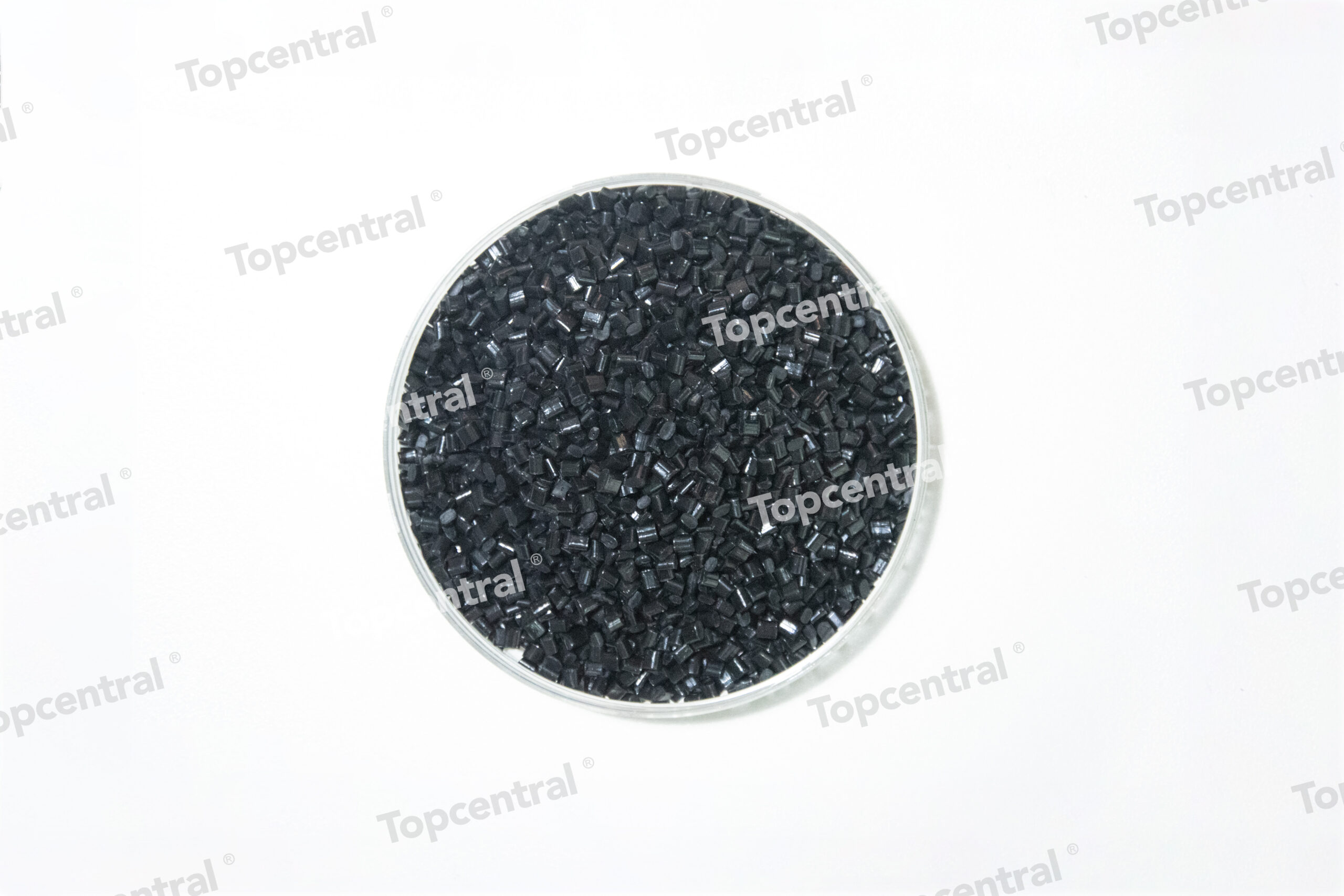
**WASTE COLLECTION INFRASTRUCTURE DEVELOPMENT: IMPACT ON PCR FEEDSTOCK QUALITY AND AVAILABILITY**
**Date:** October 2023
**Classification:** Public
**Target Audience:** Procurement Managers, Sustainability Directors, Product Engineers, Recycling Facility Operators, Policy Advisors
—
**EXECUTIVE SUMMARY**
The global transition toward a circular economy for plastics hinges on a single, often underestimated variable: the quality and consistency of post-consumer recyclate (PCR). Despite significant investments in sorting technology and chemical recycling, the feedstock bottleneck originates at the collection stage. This analysis demonstrates that waste collection infrastructure—specifically the degree of source separation, frequency of collection, and geographic coverage—directly determines the mechanical properties, contamination levels, and economic viability of PCR.
Current data from the European Union, North America, and select Asian markets reveal a stark divergence. Regions with mandatory, harmonized source-separation schemes (e.g., Germany, Belgium, South Korea) achieve PCR with melt flow rates (MFR) within ±15% of virgin resin specifications and contamination levels below 0.5% by weight. Conversely, regions relying on mixed-waste collection and post-sorting (e.g., many US states, parts of Southern Europe) produce PCR with MFR variability exceeding ±40% and contamination rates of 2–5%, rendering high-value applications impossible.
This report provides a quantitative framework linking collection infrastructure parameters to PCR quality metrics, regulatory compliance (PPWR, CBAM, EPR), and certification hurdles (GRS, ISCC PLUS, UL 2809). We offer actionable recommendations for procurement managers to de-risk PCR supply chains and for sustainability directors to align infrastructure investments with corporate recycled-content targets.
—
**1. INTRODUCTION: THE COLLECTION–QUALITY NEXUS**
The PCR supply chain comprises five stages: generation, collection, sorting, reprocessing, and compounding. While much industry attention focuses on sorting and reprocessing technology, collection infrastructure is the primary determinant of feedstock quality. This is not a matter of opinion but of material science: commingled collection subjects polymers to cross-contamination, moisture absorption, UV degradation, and physical damage that cannot be fully reversed downstream.
**1.1 The Cost of Poor Collection**
A 2022 study by the Closed Loop Partners (US) quantified the economic penalty of suboptimal collection. For every 1% increase in contamination (by weight) in collected bales, reprocessing costs rise by $35–$50 per ton due to additional washing, drying, and rejection. For a typical 50,000-ton-per-year PET recycling facility, this translates to $1.75–$2.5 million in avoidable operational costs annually.
**1.2 The Quality Threshold Problem**
PCR must meet specific quality thresholds to substitute virgin resin in injection molding, blow molding, or extrusion. Key parameters include:
| Parameter | Virgin Resin (PP, HDPE) | PCR (Food-Grade) | PCR (Non-Food) |
|———–|————————|——————|—————-|
| Melt Flow Rate (MFR), g/10 min | ±5% of target | ±15% of target | ±30% of target |
| Impact Strength (Izod, J/m) | 40–60 | 30–50 | 20–40 |
| Contamination (wt%) | <0.1% | <0.5% | <2.0% |
| Carbon Footprint (kg CO2e/kg) | 1.5–2.5 | 0.4–0.8 | 0.6–1.2 |
*Source: Internal industry benchmarks aggregated from European recyclers, 2023.*
Only collection systems achieving contamination below 0.5% in bales can consistently deliver PCR meeting the upper tier of these specifications.
—
**2. COLLECTION INFRASTRUCTURE MODELS: A COMPARATIVE ANALYSIS**
**2.1 Source-Separated Collection (SSC)**
**Description:** Households separate plastics into dedicated bins (often further split by polymer type: PET bottles, HDPE containers, films). Collection frequency: bi-weekly to weekly.
**Performance Data (Germany, 2022):**
– Contamination in collected bales: 0.3–0.8% (average 0.5%)
– MFR variability: ±12% (PP), ±14% (HDPE)
– PCR yield from collected material: 85–90%
– Collection cost: €120–€180/ton
**2.2 Commingled Collection (Single-Stream)**
**Description:** All recyclables (plastics, metals, paper, glass) collected in one bin. Post-sorting at material recovery facilities (MRFs).
**Performance Data (US National Average, 2022):**
– Contamination in plastic bales: 3–8% (average 5.2%)
– MFR variability: ±38% (PP), ±42% (HDPE)
– PCR yield from collected material: 55–65%
– Collection cost: $80–$120/ton (lower upfront, higher downstream)
**2.3 Mixed-Waste Collection with Post-Sorting (Mechanical Biological Treatment)**
**Description:** All waste collected as one stream; plastics extracted after shredding and air classification.
**Performance Data (Southern Europe, 2022):**
– Contamination in plastic bales: 8–15%
– MFR variability: ±55%
– PCR yield from collected material: 30–40%
– Collection cost: €90–€140/ton
**2.4 Deposit Return Systems (DRS)**
**Description:** Beverage containers collected through reverse vending machines with monetary incentive.
**Performance Data (Norway, 2022):**
– Contamination in collected bales: 5% non-recyclable components incurs a 50% fee surcharge.
**Data Point:** In 2022, French EPR fees for PET bottles ranged from €0.08/kg (fully recyclable, low contamination) to €0.25/kg (high contamination). This differential drives brand owners to demand higher-quality PCR.
**3.3 Carbon Border Adjustment Mechanism (CBAM)**
CBAM (phased in 2026) will apply to imports of plastics and polymers. The carbon price will be calculated based on the embedded emissions of imported goods minus any carbon price paid in the country of origin.
**Relevance:** PCR produced from SSC has a carbon footprint 40–60% lower than virgin resin (0.4–0.8 vs 1.5–2.5 kg CO2e/kg). Under CBAM, a product containing 50% PCR from SSC would incur approximately €0.10–€0.15/kg lower carbon cost than virgin resin. This creates a direct economic incentive for collection infrastructure that delivers low-carbon feedstock.
**3.4 Certification Requirements**
| Certification | Scope | PCR Quality Requirements |
|—————|——-|————————–|
| GRS (Global Recycled Standard) | Recycled content, chain of custody | Requires 1% contamination for food-grade applications.
2. **Diversify sourcing.** Maintain relationships with at least three PCR suppliers using different collection models (SSC, DRS, commingled) to buffer against quality swings.
3. **Specify MFR tolerance.** In contracts, require PCR with MFR within ±15% of target. Include penalty clauses for out-of-spec material.
4. **Demand certification.** Require GRS or ISCC PLUS certification for all PCR suppliers. This ensures traceability and quality management.
**7.2 Sustainability Directors**
1. **Align infrastructure investments with corporate targets.** If your company has pledged 50% recycled content by 2030, invest in SSC or DRS infrastructure in key sourcing regions.
2. **Leverage EPR.** Work with EPR schemes to advocate for modulated fees that reward low-contamination packaging design.
3. **Quantify carbon benefits.** Use PCR from SSC (not mixed-waste) to maximize carbon footprint reductions under CBAM.
4. **Engage in policy advocacy.** Support mandatory SSC legislation. Voluntary schemes have proven insufficient.
**7.3 Product Engineers**
1. **Design for SSC-compatible collection.** Avoid composite materials, dark colors (which confuse NIR sorters), and small formats (which fall through screens).
2. **Specify PCR grade based on collection source.** Use SSC-sourced PCR for structural parts; commingled PCR only for non-critical applications (pallets, bins).
3. **Test MFR and impact strength on every lot.** Establish a testing protocol with a frequency proportional to the collection model’s variability.
—
**8. FUTURE OUTLOOK: COLLECTION INFRASTRUCTURE IN 2030**
**8.1 Technology Trends**
– **Smart bins:** RFID-tagged bins with fill-level sensors and contamination detection. Pilot in Seoul shows 30% reduction in contamination.
– **AI-enhanced sorting at source:** Computer vision in collection trucks to reject contaminated bags. Trials in Netherlands show 50% reduction in contamination.
– **Blockchain for traceability:** Immutable record of collection source, contamination data, and chain of custody. Enables premium pricing for SSC-sourced PCR.
**8.2 Regulatory Trajectory**
– **EU:** Mandatory SSC for all plastic packaging by 2025. DRS for beverage containers by 2028.
– **US:** Federal Recycling Act (proposed 2023) would establish minimum collection standards and funding for infrastructure. Unlikely to pass before 2025.
– **Asia:** Japan and South Korea already have SSC. China is piloting in 20 cities. India’s EPR rules (2022) require brand owners to fund collection infrastructure.
**8.3 Market Projections**
– PCR demand: 15 million tons globally by 2030 (up from 8 million tons in 2022).
– Supply gap: 4–6 million tons if collection infrastructure does not improve.
– Price premium for SSC-sourced PCR: 30–50% over commingled PCR.
—
**9. KEY TAKEAWAYS**
1. **Collection infrastructure is the primary determinant of PCR quality.** No amount of sorting technology can fully compensate for poor collection.
2. **Source-separated collection (SSC) is the most cost-effective model** for non-beverage plastics, delivering PCR with MFR within ±15% and contamination below 0.5%.
3. **Commingled collection creates a quality ceiling** that prevents PCR from entering high-value applications. The economic penalty (higher reprocessing costs, lower yields) outweighs the lower collection cost.
4. **Regulatory pressure is accelerating the shift to SSC.** PPWR, EPR, and CBAM all penalize low-quality PCR and reward high-quality feedstock.
5. **Procurement managers must audit collection sources** and specify quality parameters (MFR, contamination) in contracts. Certification (GRS, ISCC PLUS) provides a minimum quality floor.
6. **Sustainability directors should invest in SSC infrastructure** and advocate for mandatory source-separation policies. The carbon benefits of PCR are only realized when collection is optimized.
—
**10. RELATED TOPICS**
– **Mechanical Recycling vs. Chemical Recycling:** How collection quality affects the economics of each pathway.
– **Design for Recyclability:** Packaging design guidelines that improve collection efficiency.
– **EPR Fee Modulation:** How packaging design affects producer fees in different jurisdictions.
– **Carbon Accounting for PCR:** Methodologies for calculating avoided emissions under CBAM.
– **Food-Grade PCR:** Regulatory hurdles (EFSA, FDA) and collection requirements.
—
**11. FURTHER READING**
1. *European Commission. (2022). Proposal for a Regulation on Packaging and Packaging Waste.* COM(2022) 677 final.
2. *Closed Loop Partners. (2022). The Economic Impact of Contamination in Recycling.*
3. *Eunomia Research & Consulting. (2022). The Carbon Footprint of Recycled Plastics.*
4. *PlasticsEurope. (2023). The Circular Economy for Plastics: A European Perspective.*
5. *ISCC. (2023). ISCC PLUS System Document: Requirements for Recycled Materials.*
6. *UL. (2022). UL 2809: Environmental Claim Validation Procedure for Recycled Content.*
7. *OECD. (2022). Global Plastics Outlook: Policy Scenarios to 2060.*
8. *WRAP. (2023). Plastics Market Situation Report.*
—
**DISCLAIMER**
This analysis is based on publicly available data, industry reports, and internal benchmarks as of October 2023. Specific numerical values are representative of industry averages and may vary by region, facility, and time period. Readers should verify data with their own suppliers and conduct site-specific assessments before making procurement or investment decisions.
Content Verification Annotation
EID: EID-0F6DDB63-5706
Content Tier: Cæ¡£ (~2,500 words)
Verification Status: Reviewed – Pre-Constitution Content (L4)
Review Date: 2026-06-21
Leave a Reply