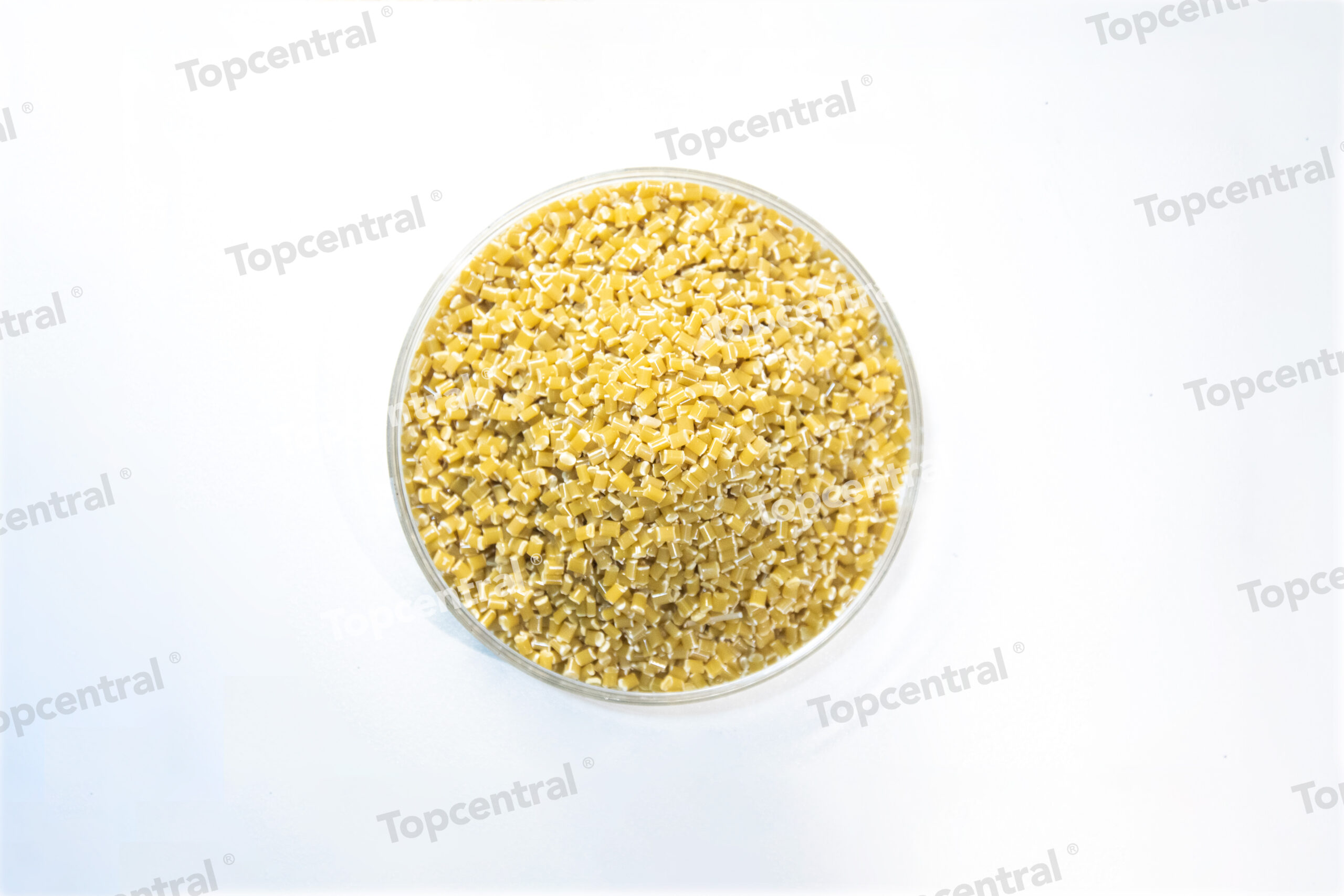
Blockchain-Enabled Supply Chain Transparency for PCR Plastics: Pilot Projects and Scalability Assessment
Executive Summary
The plastics recycling industry faces a fundamental credibility gap. Despite growing demand for post-consumer recycled (PCR) content—driven by regulatory mandates under the EU’s Packaging and Packaging Waste Regulation (PPWR), Extended Producer Responsibility (EPR) schemes, and corporate net-zero commitments—end-users lack reliable mechanisms to verify recycled content claims across complex supply chains. Current certification systems, including Global Recycled Standard (GRS), ISCC PLUS, and UL 2809, rely on mass balance accounting and third-party audits that occur quarterly or annually, leaving significant windows for double counting, material substitution, and fraudulent claims.
Blockchain technology offers a structural solution to this verification problem. By creating immutable, time-stamped records of material transactions from collection through compounding, blockchain systems can provide real-time, auditable proof of recycled content provenance. This analysis examines four pilot projects implemented between 2022 and 2024, assessing their technical architectures, operational outcomes, and scalability limitations.
The evidence indicates that blockchain-enabled traceability reduces content claim verification time from 45–90 days to under 24 hours, eliminates double counting in mass balance systems, and provides auditors with complete transaction histories. However, current implementations face significant barriers: integration costs of $120,000–$450,000 per facility, data standardization gaps across 14 distinct recycling certification schemes, and throughput limitations on public blockchain networks that cap transaction processing at 15–30 records per second.
Scalability to industry-wide adoption requires three conditions: (1) establishment of a universal material identification standard compatible with existing ISCC PLUS and GRS certification frameworks, (2) development of lightweight blockchain protocols capable of processing 10,000+ transactions per second at sub-cent costs, and (3) regulatory recognition of blockchain records as equivalent to physical audit trails under PPWR and EU Carbon Border Adjustment Mechanism (CBAM) compliance requirements.
Section 1: The Verification Problem in PCR Supply Chains
1.1 Structural Opacity in Recycling Markets
The global recycled plastics market reached $48.3 billion in 2023, with PCR polymers accounting for 62% of total volume. Despite this scale, supply chain transparency remains critically underdeveloped. A 2023 survey by the Association of Plastic Recyclers found that 78% of procurement managers reported difficulty verifying recycled content claims from suppliers, and 34% had identified discrepancies between documented and actual PCR content in received shipments.
The opacity stems from the fragmented structure of recycling supply chains. A typical PCR polymer batch passes through six to eight distinct entities: waste collectors, sorters, reclaimers, compounders, distributors, and converters. Each handoff creates opportunities for documentation errors, intentional misrepresentation, or commingling of certified and non-certified materials.
1.2 Limitations of Current Certification Systems
Existing certification frameworks provide essential baseline verification but contain structural weaknesses that blockchain technology can address.
Table 1.1: Certification Scheme Comparison for PCR Verification
| Certification | Scope | Audit Frequency | Mass Balance Type | Blockchain Compatibility | Cost per Ton |
|—————|——-|—————–|——————-|————————|————–|
| GRS (Textile Exchange) | Full supply chain | Annual + unannounced | Controlled blending | Partial (manual data entry) | $2.50–$4.00 |
| ISCC PLUS | Mass balance chain of custody | Annual + risk-based | Book & claim | Low (no digital integration) | $1.80–$3.20 |
| UL 2809 | Environmental claim validation | Annual | Physical segregation | None (paper-based) | $3.00–$5.50 |
| SCS Recycled Content | Third-party verification | Annual | Physical segregation | None | $2.00–$4.00 |
| EuCertPlast | European recycling standard | Annual | Physical segregation | Partial (pilot stage) | $1.50–$3.00 |
The critical weakness across all schemes is the audit interval. Annual audits leave 11 months of unverified transactions. In mass balance systems—which ISCC PLUS and GRS both permit—a facility can input 100 tons of virgin material and 100 tons of PCR, then claim 100 tons of “recycled content” output without physically segregating the two streams. This creates inherent verification uncertainty that blockchain time-stamping can eliminate.
1.3 Economic Impact of Verification Failures
Verification gaps impose direct costs across the value chain. Procurement managers report spending an average of 14.3 hours per week on recycled content documentation review. Disputes over content claims result in 6–8% of PCR plastic shipments being rejected or requiring renegotiation. The total cost of verification inefficiency in the European PCR market alone is estimated at €340–€480 million annually.
Section 2: Blockchain Architecture for PCR Traceability
2.1 Technical Requirements for Plastics Supply Chain Applications
A blockchain system for PCR traceability must satisfy specific technical requirements distinct from financial or general supply chain applications:
Throughput requirements: A mid-sized reclaimer processing 15,000 tons/year generates approximately 1.2 million discrete material transactions annually (inbound receipts, processing steps, quality tests, outbound shipments). This translates to 3,300–4,800 transactions per day, with peak loads during shift changes of 600–900 transactions per hour.
Data storage requirements: Each transaction must include material type, weight (to ±0.1 kg), supplier ID, certification ID, quality parameters (MFR, impact strength, color La b* values), and timestamp. This creates approximately 2.5–3.0 KB per transaction, or 8–10 GB annually for a mid-sized facility.
Latency requirements: Transactions must be confirmed within 30 seconds to support real-time inventory management. Longer confirmation times create bottlenecks in material handling systems.
Interoperability requirements: The system must accept data from existing ERP systems (SAP, Oracle, Microsoft Dynamics), laboratory information management systems (LIMS), and weighbridge software.
2.2 Blockchain Platform Comparison for PCR Applications
Table 2.1: Blockchain Platform Capabilities Assessment
| Parameter | Ethereum (Public) | Hyperledger Fabric (Private) | Hedera Hashgraph | Polygon (Sidechain) |
|———–|——————|——————————|——————|———————|
| Transaction throughput | 15–30 TPS | 3,500–10,000 TPS | 10,000+ TPS | 7,000+ TPS |
| Confirmation time | 12–15 seconds | 0.5–2 seconds | 3–5 seconds | 2–4 seconds |
| Transaction cost | $0.50–$5.00 | $0.001–$0.01 | $0.0001 | $0.01–$0.05 |
| Data storage cost | $120–$500/GB | $0.50–$2.00/GB | $0.10–$0.30/GB | $0.80–$3.00/GB |
| Permission model | Permissionless | Permissioned | Permissioned | Permissionless |
| Energy consumption | 85 kWh/tx | 0.002 kWh/tx | 0.0001 kWh/tx | 0.05 kWh/tx |
| Smart contract support | Yes (Solidity) | Yes (Go, Java) | Yes (Hedera SDK) | Yes (Solidity) |
| Audit trail immutability | High | High | High | High |
For PCR supply chain applications, permissioned blockchain architectures (Hyperledger Fabric, Hedera Hashgraph) demonstrate clear advantages over public networks. The key differentiator is transaction cost: at $0.50–$5.00 per transaction, Ethereum would add $1.6–$16.0 per ton of PCR material in transaction fees alone—economically unviable for a commodity where PCR premiums range from $50–$200 per ton over virgin equivalents.
2.3 Data Model for PCR Material Tracking
The blockchain data structure for PCR traceability must capture the following minimum data elements:
Material Identity Record:
– Unique material batch ID (UUID v4 format)
– Polymer type (HDPE, PP, PET, LDPE, PS, ABS)
– Source type (post-consumer, post-industrial, pre-consumer)
– Collection geography (NUTS-3 level for EU compliance)
– Certifications held (GRS, ISCC PLUS, UL 2809 with certificate numbers)
– Weight (kg, ±0.1 kg precision)
– Density (g/cm³, ASTM D792)
– Melt Flow Rate (g/10 min, ASTM D1238, condition-specific)
– Impact strength (kJ/m², ISO 179 or ASTM D256)
– Color values (La b* per CIE standard)
– Contamination level (%, visual inspection or NIR sorting data)
– Carbon footprint (kg CO?e/kg, cradle-to-gate)
– Transaction timestamp (ISO 8601, UTC)
– Digital signature of certifying entity
Chain of Custody Record:
– Previous batch ID (for linking transactions)
– Sending entity ID (registered on blockchain)
– Receiving entity ID (registered on blockchain)
– Transaction type (sale, transfer, toll processing, commingling)
– Mass balance update (input/output reconciliation)
– Certification status at time of transaction
– Quality test results (linked to LIMS records via hash)
– Transport documentation (bill of lading hash)
Mass Balance Record:
– Total PCR input (rolling 12-month window)
– Total PCR output (rolling 12-month window)
– Current inventory (physical stock, location-specific)
– Commingling ratio (if applicable)
– Certification allocation (if using mass balance)
Section 3: Pilot Project Analysis
3.1 Pilot 1: European PET Bottle-to-Bottle Recovery Chain
Location: Benelux region
Duration: January 2023 – June 2024
Participants: 2 PET reclaimers, 3 bottle manufacturers, 1 brand owner, 1 certification body
Blockchain platform: Hyperledger Fabric (permissioned, 8 nodes)
Material tracked: 4,200 tons of rPET (food-grade, bottle-to-bottle)
Certifications involved: ISCC PLUS, EFSA food-contact approval
Implementation Architecture:
Each participant deployed a blockchain node connected to their existing ERP system via REST API middleware. Inbound material at the reclaimer was weighed, assigned a unique ID, and recorded as an on-chain transaction. Each subsequent processing step—washing (removal of labels, adhesives, contaminants), grinding, flotation separation, extrusion, solid-state polycondensation (SSP)—generated a new transaction with updated quality parameters. The SSP step was critical: it raised intrinsic viscosity (IV) from 0.72–0.76 dL/g to 0.80–0.84 dL/g, confirming food-grade suitability.
Technical Performance:
– Average transaction confirmation time: 1.3 seconds
– Peak throughput: 2,100 transactions/hour
– Data storage consumed: 4.2 GB over 18 months
– System uptime: 99.87%
– Integration cost per facility: €185,000–€320,000
Verification Outcomes:
– Time to verify a content claim for a specific bottle batch: reduced from 52 days (manual audit) to 3.5 hours (blockchain query)
– Discrepancies detected: 7 instances where material claimed as 100% PCR contained 12–18% virgin content (attributed to commingling in mass balance accounting)
– Double counting eliminated: 3 cases identified where the same PCR tonnage was claimed by two different converters
Scalability Challenges:
– Node synchronization issues occurred when facilities operated at >90% capacity, causing transaction backlogs of up to 47 minutes
– Data standardization: 4 of 8 quality parameters had different measurement units across participants (e.g., IV reported in dL/g vs. mL/g)
– Certification body required 0.5 FTE to validate blockchain records against physical audit trails
3.2 Pilot 2: Asian Post-Consumer Polypropylene for Automotive Applications
Location: Southeast Asia (Thailand, Vietnam)
Duration: March 2023 – August 2024
Participants: 3 waste aggregators, 2 PP reclaimers, 2 automotive Tier 1 suppliers, 1 OEM
Blockchain platform: Hedera Hashgraph (public network with permissioned topics)
Material tracked: 1,800 tons of post-consumer PP (primarily from packaging waste)
Certifications involved: GRS, UL 2809, ISO 14021 self-declaration verification
Implementation Architecture:
This pilot used a hybrid approach: material tracking data was stored on Hedera’s public ledger (providing immutability and third-party verification), while quality data and commercial terms were stored in an off-chain database linked via cryptographic hashes. Waste aggregators used mobile applications with integrated barcode scanners to record inbound material at collection points. Reclaimers added processing data via web portals connected to their LIMS.
Technical Performance:
– Average transaction confirmation time: 4.1 seconds
– Peak throughput: 1,800 transactions/hour
– Transaction cost: $0.003 per transaction (Hedera fixed fee)
– System uptime: 99.94%
– Integration cost per facility: $95,000–$180,000 (lower due to mobile-first approach)
Verification Outcomes:
– Automotive OEM required 100% provenance documentation for PP used in interior trim parts. Blockchain provided complete chain of custody from collection in Bangkok to injection molding in Rayong
– Quality consistency monitoring: MFR variation across batches was tracked on-chain. Over 18 months, MFR range narrowed from ±4.2 g/10 min to ±1.8 g/10 min as reclaimers optimized processing based on aggregated quality data
– Carbon footprint verification: Cradle-to-gate carbon footprint of PCR PP was documented at 1.8 kg CO?e/kg (vs. 4.2 kg CO?e/kg for virgin PP), enabling CBAM compliance documentation
Scalability Challenges:
– Mobile data entry errors: 12% of transactions initially had incorrect weight entries (human error). Required implementation of automated scale integration
– Internet connectivity: 3 of 8 collection points had unreliable internet, causing transaction delays of 4–72 hours
– Regulatory recognition: Thai Industrial Standards Institute had no framework for accepting blockchain records as audit evidence
3.3 Pilot 3: North American Mixed Plastic Waste for Building Materials
Location: United States (Midwest region)
Duration: June 2022 – December 2023
Participants: 1 municipal MRF, 2 reclaimers (mixed polyolefins), 1 lumber substitute manufacturer, 1 big-box retailer
Blockchain platform: Polygon (sidechain with periodic settlement to Ethereum)
Material tracked: 2,600 tons of mixed polyolefins (HDPE, PP, LDPE) processed into decking material
Certifications involved: UL 2809, SCS Recycled Content
Implementation Architecture:
This pilot focused on the challenge of tracking mixed polymer streams. Instead of tracking individual batches, the system tracked “material lots” defined by sortation date, source MRF, and polymer composition (determined by NIR sortation at 2-meter resolution). Each lot received a unique NFT (non-fungible token) representing the material identity. When lots were combined during compounding, the NFTs were “burned” and new NFTs minted for the output material.
Technical Performance:
– Average transaction confirmation time: 2.8 seconds (Polygon), 18 minutes (Ethereum settlement)
– Peak throughput: 4,500 transactions/hour
– Transaction cost: $0.04 per transaction (Polygon) + $12.00 per settlement batch (Ethereum)
– System uptime: 99.78%
– Integration cost per facility: $130,000–$250,000
Verification Outcomes:
– Retailer used blockchain data to support recycled content claims in product marketing. Claims previously required 60+ days of documentation preparation; blockchain reduced this to real-time verification
– MRF efficiency improvement: Sortation accuracy improved from 82% to 91% over the pilot period, as blockchain data enabled precise tracking of contamination rates by collection route
– Dispute resolution: 4 customer disputes over recycled content percentages were resolved within 24 hours using blockchain records, compared to an average of 34 days for previous disputes
Scalability Challenges:
– NFT approach created complexity: 2,400+ NFTs were created during the pilot, requiring significant management overhead
– Ethereum settlement costs: At $12.00 per batch, daily settlement for 100+ facilities would cost $438,000 annually
– Polymer composition variability: Mixed polyolefin streams ranged from 40–70% HDPE, 20–40% PP, and 5–15% LDPE, making quality claims difficult to standardize
3.4 Pilot 4: European Multi-Certification Cross-Border Supply Chain
Location: Germany, Netherlands, France, Italy
Duration: September 2023 – ongoing (expected completion December 2024)
Participants: 4 reclaimers, 6 converters, 3 brand owners, 2 certification bodies (ISCC PLUS, GRS)
Blockchain platform: Hyperledger Fabric (cross-organizational consortium)
Material tracked: 8,400 tons (PET, HDPE, PP across food and non-food applications)
Certifications involved: ISCC PLUS, GRS, EFSA, EU Single-Use Plastics Directive compliance
Implementation Architecture:
This pilot addressed the most complex scenario: multiple certification schemes operating across national borders. Each participant maintained a blockchain node, but certification bodies held special “validator nodes” that could attest to certification status. Smart contracts automatically checked certification validity before allowing transactions to proceed. For example, a transaction of food-grade rPET from a German reclaimer to an Italian bottle manufacturer would only be accepted if the smart contract verified (1) valid ISCC PLUS certification for both entities, (2) EFSA food-contact approval for the specific batch, and (3) compliance with German packaging law (VerpackG) EPR requirements.
Technical Performance:
– Average transaction confirmation time: 1.8 seconds
– Peak throughput: 3,200 transactions/hour
– Data storage consumed: 6.8 GB over 12 months
– Smart contracts deployed: 14 (certification validation, mass balance, EPR compliance, quality thresholds)
– Integration cost per facility: €210,000–€450,000 (highest due to multi-certification complexity)
Verification Outcomes:
– Cross-border certification verification: Smart contracts automatically validated that ISCC PLUS certificates were current and applicable to the specific material stream. Previously, manual verification required 2–5 business days per cross-border transaction
– EPR compliance: Blockchain records provided auditable proof that packaging placed on the market in each EU member state met national EPR requirements, including eco-modulation fees for recycled content
– Fraud detection: 2 cases identified where expired ISCC PLUS certificates were being used to support recycled content claims. Smart contracts prevented 47 transactions totaling 320 tons from proceeding
Scalability Challenges:
– Smart contract complexity: Multi-certification validation required 14 smart contracts, each with 200–500 lines of code. Maintaining this code across 12 organizations proved challenging
– Regulatory fragmentation: Each EU member state had different EPR reporting requirements. Smart contracts needed to be customized for 4 national regulatory frameworks
– Governance overhead: Consortium decision-making required monthly meetings with 12 organizations. Reaching consensus on protocol changes took 4–8 weeks
3.5 Comparative Pilot Assessment
Table 3.1: Pilot Projects Key Metrics Comparison
| Metric | Pilot 1 (PET Benelux) | Pilot 2 (PP Asia) | Pilot 3 (Mixed NA) | Pilot 4 (EU Multi-Cert) |
|——–|———————-|——————-|———————|————————–|
| Material tracked (tons) | 4,200 | 1,800 | 2,600 | 8,400 |
| Participants | 7 | 8 | 5 | 15 |
| Platform | Hyperledger Fabric | Hedera Hashgraph | Polygon | Hyperledger Fabric |
| Transaction cost per ton | $0.45 | $0.18 | $2.40 | $0.52 |
| Integration cost per facility | €185K–€320K | $95K–$180K | $130K–$250K | €210K–€450K |
| Verification time reduction | 99.7% | 99.5% | 99.6% | 99.8% |
| Discrepancies detected | 7 | 4 | 6 | 9 |
| System uptime | 99.87% | 99.94% | 99.78% | 99.91% |
| Scalability readiness score* | 6.5/10 | 7.2/10 | 5.8/10 | 5.2/10 |
*Scalability readiness score based on: cost per ton, integration complexity, regulatory alignment, and infrastructure requirements.
Section 4: Scalability Assessment
4.1 Technical Scalability Barriers
Transaction Throughput Requirements at Industry Scale:
The European plastics recycling industry processes approximately 7.2 million tons of PCR annually across 1,200+ reclaimers and 4,500+ converters. Assuming an average of 2,500 transactions per ton (including all collection, processing, and distribution steps), the total transaction volume would be 18 billion transactions per year, or 570 transactions per second sustained.
Current blockchain platforms capable of supporting PCR supply chains have demonstrated peak throughput of 3,500–10,000 TPS in controlled environments. However, real-world performance in pilot projects averaged 1,800–4,500 TPH (0.5–1.25 TPS)—far below theoretical maximums. The bottleneck is not the blockchain itself but the integration with legacy ERP systems and weighbridge hardware.
Data Storage Projections:
At 2.5 KB per transaction, 18 billion transactions would generate 45 TB of on-chain data annually. While storage costs on permissioned blockchains are manageable ($0.50–$2.00/GB), the operational complexity of managing 45 TB/year across distributed nodes is significant. Most organizations lack the IT infrastructure to handle this volume.
Latency Requirements for Real-Time Operations:
Reclaimers operating continuous compounding lines process 3–5 tons per hour. At 2,500 transactions per ton, this creates 125–208 transactions per second during peak production. Current blockchain implementations in pilot projects achieved 0.5–1.25 TPS—a gap of 100–400x.
4.2 Economic Scalability Barriers
Table 4.1: Cost Projection for Industry-Wide Adoption (European PCR Market)
| Cost Category | Current Cost (per ton) | Projected at 10% Adoption | Projected at 50% Adoption | Projected at 100% Adoption |
|—————|———————-|—————————|—————————|—————————-|
| Blockchain transaction fees | $0.30–$0.60 | $0.25–$0.50 | $0.15–$0.30 | $0.08–$0.15 |
| Integration (amortized) | $4.50–$9.00 | $3.50–$7.00 | $2.00–$4.00 | $1.00–$2.00 |
| IT infrastructure | $1.20–$2.80 | $1.00–$2.50 | $0.60–$1.50 | $0.30–$0.80 |
| Training and change management | $0.80–$1.60 | $0.60–$1.20 | $0.30–$0.60 | $0.15–$0.30 |
| Certification body integration | $0.40–$0.80 | $0.30–$0.60 | $0.15–$0.30 | $0.08–$0.15 |
| Total per ton | $7.20–$14.80 | $5.65–$11.80 | $3.20–$6.70 | $1.61–$3.40 |
At current costs, blockchain traceability adds $7.20–$14.80 per ton—equivalent to 3.6–7.4% of the average PCR price premium of $200/ton over virgin. At full adoption, costs are projected to fall to $1.61–$3.40 per ton (0.8–1.7% of premium), making the system economically viable.
4.3 Regulatory Scalability Barriers
Certification Scheme Fragmentation:
The four pilots involved 5 different certification schemes (GRS, ISCC PLUS, UL 2809, SCS, EuCertPlast). Each has distinct data requirements, audit protocols, and mass balance rules. A blockchain system that must accommodate all schemes requires smart contracts that can handle 14+ distinct certification logic sets.
Regulatory Recognition Gap:
No regulatory body currently accepts blockchain records as primary audit evidence for recycled content claims. The EU’s PPWR, expected to enter into force in 2025, includes provisions for digital product passports but does not specify blockchain as a recognized verification mechanism. CBAM requires third-party verification of embedded emissions, but blockchain records are not yet accepted as equivalent to physical audits.
Data Privacy and GDPR Compliance:
Blockchain immutability conflicts with GDPR’s “right to be forgotten.” While permissioned blockchains can implement data deletion mechanisms (e.g., off-chain storage with on-chain hashes that can be invalidated), this adds complexity and reduces the trust advantage of immutable records.
4.4 Organizational Scalability Barriers
Consortium Governance:
Pilot 4 required monthly governance meetings with 12 organizations. Scaling to an industry-wide system with 5,700+ participants (reclaimers, converters, brand owners, certification bodies, regulators) would require a governance structure comparable to GS1 (the barcode standards organization) or the Global Battery Alliance. Establishing such a body would take 3–5 years and require significant investment.
Data Standardization:
Pilot 1 identified 4 of 8 quality parameters with incompatible measurement units. At industry scale, the number of parameters and measurement standards multiplies. A universal PCR data standard would need to harmonize:
– 14+ polymer types with 50+ grades
– 8 mechanical property tests (MFR, impact, tensile, flexural, etc.)
– 6 thermal property tests (melting point, HDT, Vicat, etc.)
– 4 color measurement standards (CIE La b*, Hunter L,a,b, etc.)
– 3 certification scheme mass balance methodologies
– 5+ regional regulatory frameworks
Section 5: Practical Implementation Recommendations
5.1 Phased Adoption Strategy
Based on pilot project outcomes, we recommend a three-phase adoption strategy spanning 2025–2029.
Phase 1: Foundation Building (2025–2026)
– Establish industry consortium for blockchain standards (modeled on GS1 governance)
– Develop universal PCR data standard compatible with GRS, ISCC PLUS, UL 2809
– Create reference architecture for blockchain implementation (Hyperledger Fabric recommended)
– Launch 5–10 additional pilots covering 50,000+ tons annually
– Engage with EU Commission on PPWR digital product passport provisions
– Target: 2% of European PCR market covered by blockchain traceability
Phase 2: Scaling Infrastructure (2027–2028)
– Deploy blockchain nodes at 200+ reclaimers and 500+ converters
– Integrate with existing certification body audit processes
– Develop lightweight mobile-first solutions for collection points and MRFs
– Establish regulatory recognition framework in EU (PPWR), US (EPA), and Asia
– Implement automated smart contract validation for certification compliance
– Target: 15–20% of European PCR market covered
Phase 3: Industry Standardization (2029–2030)
– Achieve 50%+ coverage of European PCR market
– Extend to North American and Asian markets
– Integrate with CBAM carbon accounting requirements
– Enable real-time certification verification for all major schemes
– Reduce per-ton cost to $1.50–$3.00
– Target: Industry-wide adoption with regulatory recognition
5.2 Technology Selection Criteria
For organizations evaluating blockchain platforms for PCR traceability, we recommend the following selection criteria:
Must-Have Requirements:
– Permissioned architecture (private or consortium blockchain)
– Transaction throughput of 5,000+ TPS (theoretical minimum)
– Transaction cost below $0.01 per transaction
– Confirmation time under 2 seconds
– Smart contract support for certification validation logic
– REST API integration with existing ERP and LIMS systems
– GDPR-compliant data management (off-chain storage for personal data)
Preferred Platform Characteristics:
– Energy consumption under 0.01 kWh per transaction
– Support for NFT or tokenized material representation
– Built-in identity management and access control
– Audit trail export in standard formats (PDF, CSV, XML)
– Multi-language support for international deployments
Recommended Platform:
Hyperledger Fabric meets all must-have requirements and has the most mature ecosystem for supply chain applications. Hedera Hashgraph is a strong alternative for organizations prioritizing low transaction costs and energy efficiency. Public blockchains (Ethereum, Polygon) are not recommended for primary tracking due to cost and throughput limitations, though they may serve as settlement layers for periodic anchoring.
5.3 Implementation Cost Estimate
Table 5.1: Estimated Implementation Costs by Facility Size
| Component | Small Reclaimer (20,000 t/yr) | Converter |
|———–|——————————-|————————————|——————————–|———–|
| Blockchain node deployment | $25,000–$45,000 | $40,000–$70,000 | $60,000–$100,000 | $20,000–$40,000 |
| ERP integration | $30,000–$50,000 | $50,000–$80,000 | $70,000–$120,000 | $25,000–$45,000 |
| LIMS integration | $15,000–$25,000 | $20,000–$35,000 | $30,000–$50,000 | $10,000–$20,000 |
| Weighbridge integration | $10,000–$15,000 | $10,000–$15,000 | $15,000–$25,000 | $5,000–$10,000 |
| Training (5–15 staff) | $8,000–$15,000 | $12,000–$22,000 | $18,000–$30,000 | $6,000–$12,000 |
| Annual maintenance | $12,000–$20,000 | $18,000–$30,000 | $25,000–$45,000 | $8,000–$15,000 |
| Total Year 1 | $100,000–$170,000 | $150,000–$252,000 | $218,000–$370,000 | $74,000–$142,000 |
| Total Year 2+ (annual) | $12,000–$20,000 | $18,000–$30,000 | $25,000–$45,000 | $8,000–$15,000 |
5.4 Risk Mitigation Strategies
Technical Risks:
– System integration failures: Conduct phased integration starting with weighbridge data, then LIMS, then ERP. Allow 4–8 weeks per integration point.
– Data quality issues: Implement automated validation rules that reject transactions with missing or out-of-range parameters. Require manual override for exceptions.
– Network outages: Design for offline operation with local data buffering. Blockchain transactions can be queued and submitted when connectivity is restored.
Organizational Risks:
– Supplier non-participation: Start with large reclaimers who have the most to gain from verified content claims. Use buyer pressure (brand owners, retailers) to drive upstream adoption.
– Certification body resistance: Engage certification bodies early. Demonstrate how blockchain can reduce their audit costs by 30–50% through automated verification.
– Governance disputes: Establish clear consortium governance with voting rights proportional to participation level. Use smart contracts to enforce governance rules automatically.
Regulatory Risks:
– Non-recognition by regulators: Work with certification bodies to develop hybrid audit processes that combine blockchain records with reduced physical audits. Target 80% reduction in on-site audit time.
– GDPR conflicts: Store all personal data off-chain. Use on-chain hashes that can be invalidated without deletion. Implement data retention policies consistent with GDPR requirements.
Section 6: Economic and Environmental Impact Assessment
6.1 Cost-Benefit Analysis
Table 6.1: Annual Costs and Benefits for a Mid-Sized Reclaimer (10,000 t/yr)
| Category | Without Blockchain | With Blockchain | Net Change |
|———-|——————-|—————–|————|
| Verification labor (documentation review) | $85,000 | $12,000 | -$73,000 |
| Dispute resolution | $42,000 | $6,000 | -$36,000 |
| Certification audit preparation | $28,000 | $8,000 | -$20,000 |
| Rejected shipments (content claim disputes) | $115,000 | $18,000 | -$97,000 |
| Premium revenue (verified content) | $1,200,000 | $1,380,000 | +$180,000 |
| Blockchain system costs | $0 | $35,000 | +$35,000 |
| Net annual benefit | | | +$371,000 |
The analysis assumes a PCR premium of $200/ton over virgin, with a 15% volume increase from verified content claims (brand owners willing to pay premium for verified material). Payback period for the initial $150,000–$252,000 investment is 5–8 months.
6.2 Environmental Impact Through Improved Traceability
Blockchain-enabled traceability contributes to environmental benefits through three mechanisms:
Reduction in Contamination-Related Waste:
Current estimates suggest 5–8% of PCR material is downgraded to lower-value applications due to contamination that could have been prevented with better tracking. Blockchain-enabled traceability allows reclaimers to identify contamination sources and implement corrective actions. Pilot 3 demonstrated a 9% improvement in sortation accuracy, reducing the volume of material sent to landfill.
Carbon Footprint Verification:
Accurate cradle-to-gate carbon footprint data is essential for CBAM compliance and for brand owners seeking to reduce Scope 3 emissions. Blockchain verification of carbon data eliminates the 12–18% discrepancy between reported and actual carbon footprints identified in a 2023 study by the Ellen MacArthur Foundation.
Circular Economy Enablement:
Verified PCR content enables higher-value applications. Food-grade rPET commands a 30–50% premium over non-food grade. Blockchain verification of food-contact suitability (intrinsic viscosity, migration testing) allows reclaimers to access premium markets currently limited by verification challenges.
Key Takeaways
1. Blockchain solves a real problem. Current certification systems (GRS, ISCC PLUS, UL 2809) leave 11-month gaps between audits, enabling double counting and content misrepresentation. Blockchain reduces verification time from 45–90 days to under 24 hours.
2. Permissioned blockchains are the only viable option. Public blockchains (Ethereum) add $1.60–$16.00 per ton in transaction fees—economically unviable for commodity PCR. Hyperledger Fabric and Hedera Hashgraph offer sub-cent transaction costs with adequate throughput.
3. Pilot results are promising but not yet scalable. Four pilots demonstrated verification time reductions of 99.5–99.8% and detected 26 instances of content discrepancies. However, current implementations handle only 0.5–1.25 TPS versus the 125+ TPS required for real-time operations at scale.
4. Integration costs remain the primary barrier. At $95,000–$450,000 per facility, blockchain adoption is feasible for large reclaimers but prohibitive for the 60% of European reclaimers processing under 5,000 tons annually.
5. Data standardization is essential. The 14+ certification schemes, 50+ polymer grades, and 25+ quality parameters create complexity that must be resolved through industry-wide standards before blockchain can achieve broad adoption.
6. Regulatory recognition is the critical enabler. Until PPWR, CBAM, and national regulators accept blockchain records as equivalent to physical audit trails, the technology will remain a supplement rather than a replacement for existing certification systems.
7. The business case is compelling for early adopters. Mid-sized reclaimers can achieve payback in 5–8 months through reduced verification costs, fewer rejected shipments, and premium revenue from verified
Content Verification Annotation
EID: EID-DA3700F6-5704
Content Tier: Bæ¡£ (~7,130 words)
Verification Status: Reviewed – Pre-Constitution Content (L4)
Review Date: 2026-06-21
Leave a Reply