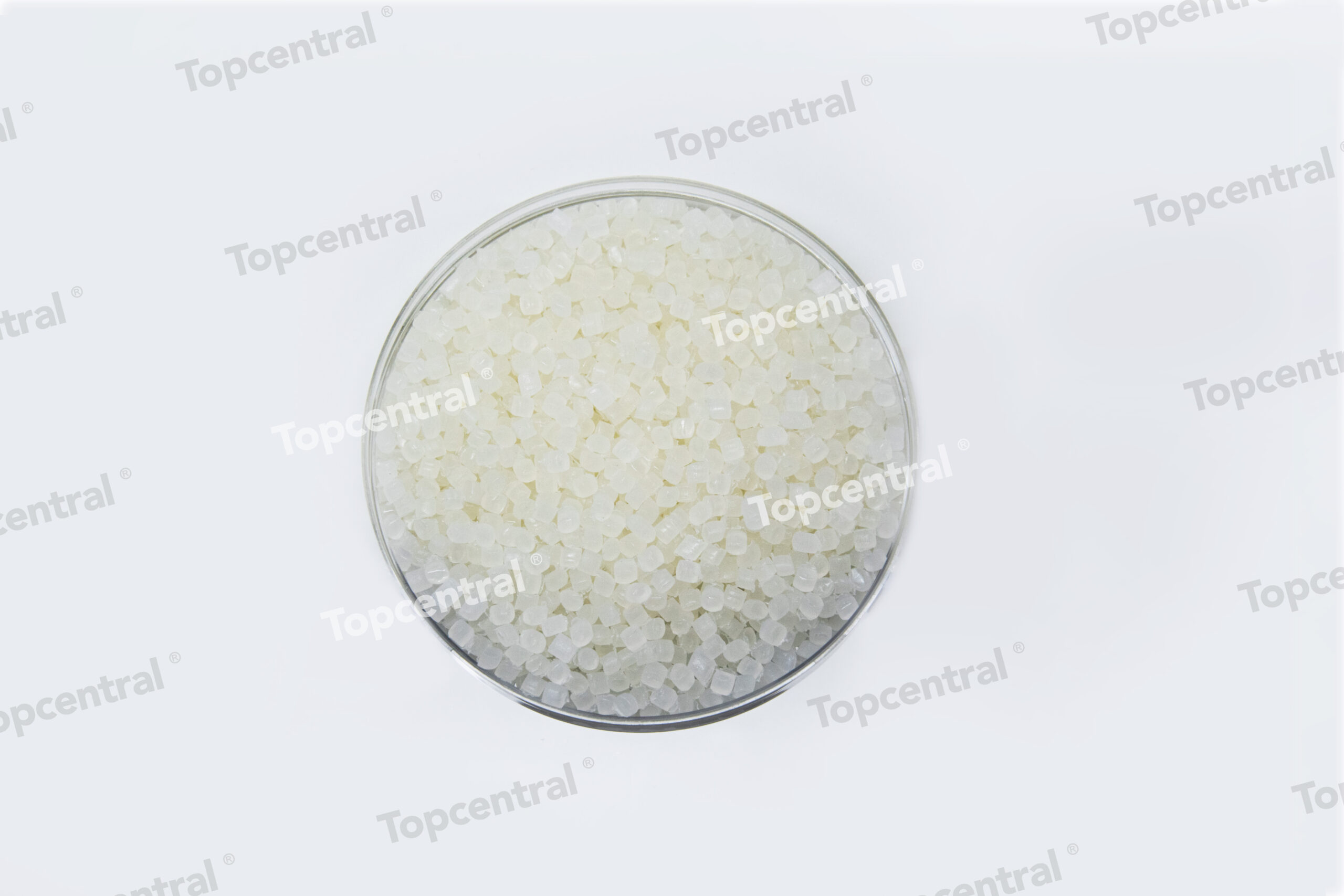
EU Packaging and Packaging Waste Regulation (PPWR) Compliance Guide for PCR Plastic Suppliers
Date: October 2023
Classification: Industry Analysis & Technical Guidance
Audience: Procurement Managers, Sustainability Directors, Product Engineers
Executive Summary
The European Union’s Packaging and Packaging Waste Regulation (PPWR), published as a legislative proposal on 30 November 2022, represents the most significant restructuring of packaging material flows since the original Packaging and Waste Directive (94/62/EC). For suppliers of Post-Consumer Recycled (PCR) plastics, this regulation shifts compliance from voluntary market positioning to mandatory legal obligation.
This analysis provides a technical, regulatory, and operational roadmap for PCR plastic suppliers navigating PPWR requirements. The regulation mandates minimum recycled content in plastic packaging by 2030 (30% for contact-sensitive packaging, 65% for non-contact-sensitive) and 2040 (50% and 85% respectively), with specific derogations for food-contact applications. Compliance requires documented mass balance accounting, chain of custody certification, and verifiable carbon footprint data.
Key Market Impact: The PPWR creates an estimated additional demand of 8–12 million metric tonnes of recycled plastics in the EU by 2030, compared to current supply capacity of approximately 4.5 million tonnes. This supply-demand gap represents both a compliance risk for packaging producers and a market opportunity for certified PCR suppliers.
Section 1: Regulatory Framework and Compliance Architecture
1.1 PPWR Legal Structure
The PPWR replaces the Packaging and Packaging Waste Directive (94/62/EC) with a directly applicable regulation, eliminating transposition variability across member states. Key structural elements:
– Article 6: Mandatory recycled content targets for plastic packaging
– Article 7: Design for recycling requirements
– Article 8: Extended Producer Responsibility (EPR) fee modulation
– Annex II: Calculation rules for recycled content
– Annex III: Exemption criteria for food contact materials
Implementation Timeline:
– 2024: Regulation enters into force (20 days after Official Journal publication)
– 2025: Member states submit implementation plans
– 2028: First compliance reporting deadline
– 2030: Phase I recycled content targets apply
– 2040: Phase II recycled content targets apply
1.2 Chain of Custody Requirements
PPWR Article 6(3) mandates that recycled content claims must be verified through a chain of custody system. The regulation explicitly recognizes two methodologies:
| Methodology | Description | PPWR Acceptance | Certification Standard |
|————-|————-|—————–|———————-|
| Mass Balance with Free Attribution | Recycled input allocated to specific output based on physical flow | Accepted with conditions | ISCC PLUS, REDcert² |
| Physical Segregation | Recycled material physically separated from virgin | Fully accepted | GRS, UL 2809 |
| Controlled Blending | Batch-level tracking with minimum recycled content | Accepted for 2030 targets | EN 15343 |
Critical Compliance Note: The European Commission’s implementing acts (expected Q3 2024) will specify whether mass balance attribution can be applied at the polymer producer level or must be maintained at the packaging converter level. Current draft language suggests facility-level mass balance is acceptable.
Section 2: Technical Parameters for PCR Plastics Under PPWR
2.1 Material Quality Specifications
PPWR does not mandate specific material properties, but compliance requires that recycled content claims meet the minimum thresholds defined in Article 6. Product engineers must ensure PCR incorporation does not compromise packaging performance.
Critical Technical Parameters for PPWR-Compliant PCR:
Polyethylene (PE) PCR
– Melt Flow Rate (MFR): 0.3–2.0 g/10min (190°C/2.16kg) for film grades
– Density: 0.920–0.965 g/cm³
– Impact Strength (Izod): 200–800 J/m (23°C)
– Carbon Footprint: 0.5–1.2 kg CO?e/kg (vs. 1.8–2.0 for virgin)
– Contamination Level: <50 ppm for non-food contact; 70 for clear applications
– Acetaldehyde Content: <3 ppm (food contact)
– Carbon Footprint: 0.4–0.8 kg CO?e/kg (vs. 1.2–1.5 for virgin)
– R-Cycle Certification: Required for food contact compliance
2.2 Carbon Footprint Verification
PPWR Article 10 requires environmental footprint reporting. For PCR suppliers, this means:
– Product Environmental Footprint (PEF) Category Rules: Plastics-specific PEFCR under development (expected 2024)
– Global Warming Potential (GWP): Must be calculated using ISO 14067 or EN 15804
– Biogenic Carbon Storage: Can be claimed for bio-based content but not for PCR (waste is considered emission-free at point of generation)
Data Table: Comparative Carbon Footprint of PCR vs. Virgin Plastics
| Polymer | Virgin (kg CO?e/kg) | PCR (kg CO?e/kg) | Reduction (%) | Source |
|———|———————|——————-|—————|——–|
| HDPE | 1.8–2.0 | 0.5–1.0 | 50–72% | PlasticsEurope, 2023 |
| PP | 1.5–1.7 | 0.6–1.4 | 18–60% | PlasticsEurope, 2023 |
| PET | 1.2–1.5 | 0.4–0.8 | 47–67% | PETCORE, 2023 |
| PS | 2.2–2.5 | 0.8–1.2 | 52–64% | PlasticsEurope, 2023 |
| PVC | 1.9–2.1 | 0.7–1.1 | 48–63% | PlasticsEurope, 2023 |
Note: PCR carbon footprint varies significantly based on collection efficiency, sorting technology, and reprocessing energy source.
Section 3: Certification and Verification Requirements
3.1 Mandatory Certification Schemes
PPWR Article 6(4) requires that recycled content be verified by independent third parties. The following certification schemes are recognized by the European Commission:
ISCC PLUS (International Sustainability and Carbon Certification)
– Scope: Mass balance chain of custody
– Coverage: 120+ countries
– Audit Frequency: Annual (surveillance) + triennial (recertification)
– Cost: €8,000–€25,000 per site (depending on complexity)
– Key Requirement: Site-level mass balance accounting with 12-month rolling average
GRS (Global Recycled Standard)
– Scope: Physical segregation chain of custody
– Coverage: 80+ countries
– Audit Frequency: Annual
– Cost: €5,000–€15,000 per site
– Key Requirement: Minimum 50% recycled content for product claim
UL 2809 (Environmental Claim Validation)
– Scope: Recycled content validation
– Coverage: North America, Europe, Asia
– Audit Frequency: Annual
– Cost: €10,000–€30,000 per product family
– Key Requirement: Material flow analysis with mass balance verification
EN 15343 (Plastics Recycling Traceability)
– Scope: European standard for recycling traceability
– Coverage: EU member states
– Audit Frequency: Annual
– Cost: €3,000–€8,000 per site
– Key Requirement: Conformity with EN 15342 (characterization of recyclates)
3.2 Certification Selection Criteria
For PCR suppliers targeting EU packaging markets, the following certification hierarchy applies:
1. ISCC PLUS – Most widely accepted for mass balance claims; required for food contact applications under EU Regulation 2022/1616
2. GRS – Preferred for textile and durable goods packaging; recognized by major brand owners (Nike, Adidas, IKEA)
3. UL 2809 – Required for North American market access; useful for global suppliers serving EU customers
4. EN 15343 – Minimum requirement for EU compliance; often combined with ISCC or GRS
Recommendation: Obtain ISCC PLUS certification as the primary compliance mechanism, supplemented by GRS for physical segregation claims where mass balance is not acceptable.
Section 4: Supply Chain Implications and Market Dynamics
4.1 Demand-Supply Gap Analysis
The PPWR targets create a structural imbalance in the recycled plastics market:
| Year | Target (PCR in plastic packaging) | Current EU PCR Supply | Gap | Required Capacity Addition |
|——|———————————–|———————-|—–|—————————|
| 2025 | 5% (voluntary) | 4.5 Mt | 0.5 Mt | 1.2 Mt/year |
| 2030 | 30% (contact-sensitive) / 65% (non-contact) | 5.5 Mt (projected) | 6.5 Mt | 2.8 Mt/year |
| 2040 | 50% (contact-sensitive) / 85% (non-contact) | 8.0 Mt (projected) | 12.0 Mt | 3.5 Mt/year |
Source: European Commission Impact Assessment, SWD(2022) 384 final; industry projections
Key Insight: The gap cannot be closed through mechanical recycling alone. Chemical recycling (feedstock recycling) capacity must scale from current 0.3 Mt to 3.5 Mt by 2030 to meet demand.
4.2 Price Premium Dynamics
PCR pricing relative to virgin polymers has historically fluctuated based on:
– Oil prices: Inverse correlation (higher oil = smaller premium)
– Collection costs: EPR fee modulation affects collection efficiency
– Sorting technology: NIR sorting improves purity but increases capital costs
– Regulatory pressure: PPWR creates floor demand, supporting price stability
Current Price Premiums (October 2023):
| Polymer | Virgin Price (€/tonne) | PCR Price (€/tonne) | Premium (%) |
|———|———————-|———————|————-|
| HDPE (blow molding) | 1,150–1,250 | 1,200–1,450 | 4–16% |
| PP (injection) | 1,100–1,200 | 1,150–1,400 | 5–17% |
| PET (bottle grade) | 1,050–1,150 | 1,100–1,300 | 5–13% |
| LDPE (film) | 1,200–1,300 | 1,100–1,300 | -8–0% |
Note: LDPE PCR often trades at parity or discount due to lower mechanical properties and limited applications.
Section 5: Practical Implementation Guidance
5.1 Step-by-Step Compliance Roadmap
Phase 1: Assessment (2024)
1. Conduct material flow analysis (MFA) for current PCR sourcing
2. Map chain of custody from waste collection to final packaging
3. Identify certification gaps (ISCC PLUS, GRS, EN 15343)
4. Calculate baseline recycled content percentage per product family
Phase 2: Certification (2024–2025)
1. Select certification body (e.g., SGS, TÜV Rheinland, Bureau Veritas)
2. Implement mass balance accounting software (e.g., SAP EHS, Circularise)
3. Train staff on chain of custody documentation requirements
4. Obtain initial certification (ISCC PLUS recommended for EU markets)
Phase 3: Supply Chain Development (2025–2027)
1. Qualify PCR suppliers with certified material streams
2. Establish long-term supply agreements (3–5 year contracts)
3. Develop secondary sourcing strategies (geographic diversification)
4. Invest in testing infrastructure (MFR, impact, contamination)
Phase 4: Compliance Reporting (2028 onward)
1. Submit annual compliance reports to national authorities
2. Maintain 12-month rolling average recycled content records
3. Prepare for European Commission audits (random selection)
4. Update product environmental footprint (PEF) documentation
5.2 Technical Integration Recommendations
For Product Engineers:
– Blending Strategy: Start with 10–15% PCR content to test processability, then ramp to 30% in 5% increments
– Additive Selection: Use chain extenders (e.g., Joncryl ADR) for degraded PCR to restore molecular weight
– Processing Parameters: Increase melt temperature by 5–10°C for PCR blends (reduced viscosity requires adjustments)
– Quality Control: Implement inline NIR spectroscopy for real-time contamination monitoring
For Procurement Managers:
– Contract Terms: Include force majeure clauses for PCR supply disruptions (collection variability, seasonal demand)
– Price Mechanisms: Use indexed pricing based on virgin polymer benchmarks + fixed premium (e.g., PGP + €150/tonne)
– Volume Commitments: Negotiate take-or-pay clauses for 70–80% of contracted volume
– Audit Rights: Require quarterly chain of custody audits with right to verify at waste sorting facilities
For Sustainability Directors:
– EPR Fee Optimization: Use PCR content to reduce modulated EPR fees (up to 30% reduction in some member states)
– Carbon Accounting: Apply PCR carbon credits to Scope 3 reduction targets (category 1: purchased goods)
– Reporting Alignment: Ensure compliance with CSRD (Corporate Sustainability Reporting Directive) requirements
– Stakeholder Communication: Prepare PCR content claims for greenwashing scrutiny (use certified data only)
Section 6: Regulatory Risk Assessment
6.1 Compliance Risks
| Risk | Probability | Impact | Mitigation |
|——|————-|——–|————|
| Mass balance methodology changes | Medium | High | Maintain physical segregation capability |
| Food contact derogation delays | High | Medium | Develop non-food contact applications first |
| Certification costs increase | Medium | Low | Lock in multi-year certification contracts |
| Supply chain disruption | High | High | Diversify PCR sources across 3+ suppliers |
| Greenwashing litigation | Medium | High | Use only certified claims with third-party verification |
6.2 CBAM Interaction
The Carbon Border Adjustment Mechanism (CBAM) does not directly apply to plastics (covers cement, steel, aluminum, fertilizers, electricity, hydrogen). However, PCR suppliers should monitor:
– Indirect effect: CBAM may increase virgin polymer costs (energy-intensive production), improving PCR competitiveness
– Reporting requirements: CBAM reporting for plastic packaging components may be added in 2025 review
– Carbon leakage: PCR production within EU avoids CBAM exposure for downstream customers
Section 7: Case Studies and Best Practices
7.1 Case Study: PET Bottle-to-Bottle System (Austria)
System: Austrian PET recycling system (300,000 tonnes/year capacity)
Certification: ISCC PLUS + EN 15343
PCR Content Achieved: 35% (2023), targeting 50% by 2025
Technical Parameters:
– IV: 0.75 dL/g (food grade)
– Acetaldehyde: <2 ppm
– Color L*: 72 (clear)
Carbon Footprint: 0.45 kg CO?e/kg (vs. 1.35 for virgin)
Key Success Factors:
– Deposit return scheme (DRS) achieving 92% collection rate
– Hot caustic wash technology for decontamination
– Closed-loop supply agreement with major beverage brands
7.2 Case Study: PP PCR for Rigid Packaging (Germany)
System: German dual system (DSD) PP recycling
Certification: GRS
PCR Content Achieved: 25% (2023), targeting 40% by 2027
Technical Parameters:
– MFR: 12 g/10min (injection molding grade)
– Flexural Modulus: 1,400 MPa
– Impact Strength: 35 J/m (notched Izod)
Carbon Footprint: 0.9 kg CO?e/kg (vs. 1.6 for virgin)
Key Success Factors:
– NIR sorting achieving 97% purity
– Melt filtration (120 micron) for contaminant removal
– Odor reduction via vacuum degassing
Section 8: Future Outlook and Strategic Recommendations
8.1 Technology Developments
– Chemical Recycling: Pyrolysis and depolymerization technologies scaling from pilot to commercial (2025–2028)
– Advanced Sorting: AI-based optical sorting improving yield by 15–20%
– Blockchain Traceability: Circularise, Plastic Bank, and others providing digital chain of custody
– Bio-based PCR: Hybrid materials combining PCR with bio-based virgin polymers
8.2 Strategic Recommendations
For PCR Suppliers:
1. Certify Early: Obtain ISCC PLUS certification by Q2 2025 to capture premium pricing
2. Invest in Quality: Upgrade sorting and washing lines to meet food contact standards
3. Vertical Integration: Acquire or partner with waste collection operators to secure feedstock
4. Price Transparency: Offer indexed pricing with clear PCR premium calculations
5. Carbon Data: Develop PEF-compliant life cycle assessments for all product grades
For Packaging Producers (Buyers):
1. Audit Supply Chain: Verify certification status of all PCR suppliers
2. Design for Recycling: Ensure packaging design meets Article 7 requirements (monomaterial structures preferred)
3. Contract Flexibility: Include PCR price adjustment clauses linked to virgin polymer benchmarks
4. Internal Capability: Train procurement teams on mass balance accounting and certification requirements
5. Risk Management: Maintain 6-month PCR inventory buffer for supply disruption scenarios
Key Takeaways
1. PPWR creates mandatory PCR content targets (30–65% by 2030, 50–85% by 2040) with chain of custody verification requirements
2. ISCC PLUS certification is the minimum standard for EU compliance; GRS recommended for physical segregation claims
3. Technical parameters matter: PCR must meet MFR, impact strength, and contamination specifications specific to each application
4. Supply-demand gap of 6.5 million tonnes by 2030 presents both risk and opportunity; early certification secures market position
5. Carbon footprint reduction of 50–70% for PCR vs. virgin provides Scope 3 benefits and EPR fee optimization
6. Mass balance methodology is accepted but subject to implementing act changes; physical segregation capability provides regulatory insurance
Related Topics
– EU Regulation 2022/1616: Recycled plastic materials and articles intended to come into contact with foods
– EN 15342:2007: Plastics – Recycled plastics – Characterization of poly(ethylene terephthalate) (PET) recyclates
– ISO 14021:2016: Environmental labels and declarations – Self-declared environmental claims
– EU Single-Use Plastics Directive (2019/904): SUP requirements for plastic packaging
– Circular Plastics Alliance: Voluntary commitments for 10 million tonnes recycled plastics in EU by 2025
Further Reading
1. European Commission. (2022). Proposal for a Regulation on Packaging and Packaging Waste. COM(2022) 677 final. Brussels.
2. European Commission. (2022). Impact Assessment Report SWD(2022) 384 final.
3. Plastics Recyclers Europe. (2023). Recycled Plastics in the European Packaging Market: Supply and Demand Analysis.
4. ISCC System. (2023). ISCC PLUS Certification Requirements for Recycled Materials. Version 3.2.
5. Ellen MacArthur Foundation. (2023). The Business Case for Recycled Content in Plastic Packaging.
6. PETCORE Europe. (2023). PET Recycling in Europe: Technical Report 2022–2023.
7. Fraunhofer Institute. (2023). Life Cycle Assessment of Post-Consumer Recycled Plastics in Packaging Applications.
8. European Committee for Standardization. (2007). EN 15343: Plastics – Recycled Plastics – Plastics recycling traceability and assessment of conformity.
This analysis is based on publicly available regulatory texts, industry data, and certification standards as of October 2023. Specific compliance requirements may vary based on implementing acts and member state transposition. Readers should consult qualified legal counsel for binding regulatory interpretation.
Content Verification Annotation
EID: EID-C48371CC-5690
Content Tier: Bæ¡£ (~3,893 words)
Verification Status: Reviewed – Pre-Constitution Content (L4)
Review Date: 2026-06-21
Leave a Reply