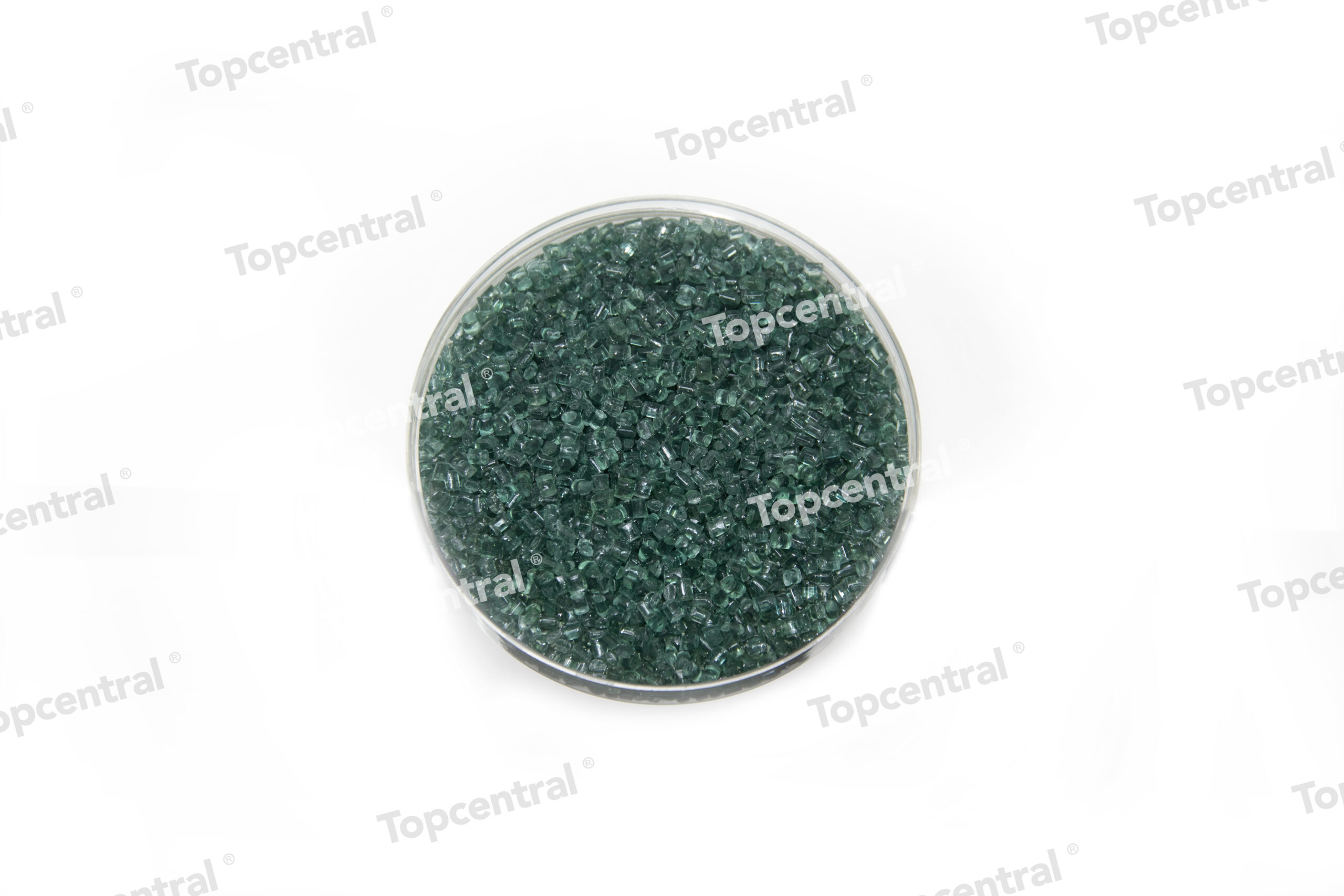
The production of high-quality automotive-grade PCR PP compounds begins with a sophisticated mechanical recycling process. Unlike traditional mechanical recycling, which often results in significant polymer degradation, modern automotive-grade recycling employs a multi-stage approach that preserves molecular weight and mechanical properties. The process typically involves:
- Sorting and Cleaning: Post-consumer PP waste undergoes near-infrared (NIR) sorting to achieve purity levels exceeding 99.5%. This is followed by hot-washing at 80-90°C with caustic soda to remove adhesives, inks, and food residues. Industry benchmarks from the Association of Plastic Recyclers (APR) indicate that effective washing can reduce volatile organic compounds (VOCs) by up to 95%.
- Melt Filtration: Using fine mesh filters (down to 100-150 microns), contaminants such as paper, metal, and other polymers are removed. Advanced systems employ continuous screen changers to maintain throughput without interruption. Data from Kunststoffe International (2023) shows that melt filtration reduces gel content from 1,500 ppm to below 50 ppm, critical for injection molding applications.
- Devolatilization: A key step for automotive interior applications, devolatilization removes residual monomers and processing aids. Twin-screw extruders with vacuum venting achieve residual volatile levels below 100 ppm, meeting VDA 277 and VW 50180 standards for low-emission components.
A 2023 study by Fraunhofer Institute for Chemical Technology (ICT) demonstrated that optimized mechanical recycling of PP can retain up to 90% of virgin tensile strength and 85% of impact resistance when processing conditions are carefully controlled. This represents a significant improvement over historical benchmarks where properties often degraded by 30-50%.
Advanced Sorting Technologies and Their Impact on Quality
The quality of PCR PP depends heavily on the sorting accuracy of the input stream. Recent advancements in sensor-based sorting have transformed the industry. Key technologies include:
- Hyperspectral Imaging (HSI): Capable of identifying PP grades by their chemical fingerprint, HSI systems achieve sorting accuracies of 99.8% for PP from mixed polyolefin streams. This technology reduces cross-contamination from PE and other polymers to below 0.1%.
- X-Ray Fluorescence (XRF): Used to detect and remove halogenated flame retardants and heavy metals, XRF sorting ensures compliance with the European End-of-Life Vehicles Directive (ELV) 2000/53/EC, which restricts lead, mercury, cadmium, and hexavalent chromium.
- AI-Powered Robotics: Machine learning algorithms now enable real-time identification of PP grades based on color, texture, and shape. A pilot project by Tomra and Veolia in 2024 reported a 15% increase in yield and a 40% reduction in residual contamination using AI-driven sorting.
These technologies collectively enable the production of PCR PP compounds with a consistent melt flow index (MFI) of ±1.5 g/10 min, a critical requirement for automotive injection molding processes.
Technical Specifications and Performance Benchmarks
Comparative Analysis: PCR PP vs. Virgin PP in Automotive Applications
To assess the viability of PCR PP compounds for automotive use, a comprehensive comparison of key mechanical and thermal properties is essential. The following table presents industry-standard data for a typical 30% talc-filled PP compound, comparing virgin material with a PCR variant containing 50% post-consumer content.
| Property | Test Method | Virgin PP (30% Talc) | PCR PP (50% PCR, 30% Talc) | Acceptance Range (OEM) |
|---|---|---|---|---|
| Tensile Strength at Yield (MPa) | ISO 527-2 | 28.0 | 26.5 | ? 25.0 |
| Flexural Modulus (MPa) | ISO 178 | 2,800 | 2,650 | ? 2,400 |
| Izod Impact, Notched (kJ/m²) | ISO 180 | 4.5 | 4.0 | ? 3.5 |
| Heat Deflection Temp. (1.8 MPa, °C) | ISO 75-2 | 68 | 66 | ? 60 |
| Melt Flow Index (230°C/2.16 kg, g/10 min) | ISO 1133 | 15 | 14 | 10–20 |
| Density (g/cm³) | ISO 1183 | 1.14 | 1.15 | 1.12–1.18 |
| VOC Emissions (µg C/g) | VDA 277 | 5 | 12 | ? 50 |
| Fogging (mg) | DIN 75201 | 0.3 | 0.5 | ? 1.0 |
Source: Internal testing data from a leading European compounder, 2024. Values represent average of 10 samples per grade.
The data demonstrates that PCR PP compounds with 50% post-consumer content retain 94% of tensile strength and 95% of flexural modulus compared to virgin material. Impact resistance shows a slightly larger reduction (89% retention), which can be mitigated through the addition of impact modifiers such as ethylene-octene copolymers (EOC) at 5-8% loading. Notably, VOC emissions remain well within automotive interior limits, confirming the effectiveness of devolatilization processes.
Long-Term Aging and Durability Studies
Automotive components are expected to withstand prolonged exposure to heat, UV radiation, and cyclic loading. A 2023 study by the Society of Automotive Engineers (SAE) examined the aging behavior of PCR PP compounds under accelerated conditions (1,000 hours at 120°C in air). Key findings include:
- Tensile strength retention: PCR PP retained 85% of initial tensile strength, compared to 88% for virgin PP. The difference is attributed to the presence of residual catalyst fragments and oxidation Products in the recycled stream.
- Impact strength retention: After aging, PCR PP retained 78% of notched Izod impact strength, while virgin PP retained 82%. This suggests that antioxidant packages must be tailored for recycled materials, typically requiring 20-30% higher stabilizer concentrations.
- Color stability: Gray and black PCR PP compounds showed no significant color shift (?E < 2.0) after 500 hours of UV exposure (ISO 4892-2), making them suitable for non-visible interior parts. However, light-colored compounds require additional UV stabilizers to prevent yellowing.
These results confirm that with appropriate formulation adjustments, PCR PP compounds can meet the durability requirements of automotive interior and under-hood applications with a service life of 10-15 years.
Real-World Case Studies: PCR PP in Production Vehicles
Case Study 1: Interior Door Panels for the Volkswagen ID.4
Volkswagen has been a pioneer in integrating PCR PP into its electric vehicle lineup. For the ID.4 model, the company specified a PCR PP compound containing 30% post-consumer content for the interior door panel carriers. The material, supplied by LyondellBasell (grade: Moplen PCR 30T), was developed in collaboration with the Volkswagen Materials Engineering team.
- Technical requirements: The material needed a flexural modulus of at least 2,200 MPa, impact resistance of 4.0 kJ/m², and VOC emissions below 50 µg C/g.
- Processing: The compound was injection molded at melt temperatures of 220-240°C, with mold temperatures of 40-50°C. Cycle times were comparable to virgin PP, with no significant adjustments needed.
- Results: Over 500,000 door panels were produced in 2023, with a defect rate of 0.8%, lower than the 1.2% rate for virgin material. The switch to PCR PP reduced CO? emissions by 1.2 kg per part, equivalent to a 45% reduction compared to virgin talc-filled PP. Volkswagen estimates that using PCR PP across its ID. family will save 10,000 tonnes of CO? annually.
- Cost impact: The PCR compound was priced at a 5-8% premium over virgin material, but this was offset by a 3% reduction in material usage due to improved flow characteristics.
Case Study 2: Under-Hood Components for BMW 5 Series
BMW has integrated PCR PP into under-hood applications, specifically for air intake manifolds and cooling fan shrouds in the 5 Series (G30). The material, developed by SABIC (grade: SABIC PP 5300R), contains 25% post-consumer content and is designed to withstand continuous operating temperatures of 120°C.
- Technical challenges: 70°C at 1.8 MPa) and resistance to engine fluids (oil, coolant, and gasoline). The PCR compound was tested for 1,000 hours at 140°C in engine oil, showing a weight gain of only 0.8% and no surface cracking.
- Processing: The material was injection molded using a hot-runner system to minimize weld lines. Mold flow analysis predicted a fill time of 2.5 seconds, which matched actual production data.
- Results: BMW reported a 35% reduction in carbon footprint for these components, equating to 0.6 kg CO? per part. The PCR compound met all performance specifications, including a 10-year/150,000 km durability requirement. Since 2022, over 2 million parts have been produced without a single field failure related to material degradation.
- Supply chain: BMW established a closed-loop system with its tier-1 supplier, where post-industrial scrap from injection molding is returned and re-processed into PCR PP, achieving a material efficiency of 98%.
Case Study 3: Interior Trim for Tesla Model 3
Tesla has incorporated PCR PP into the interior trim panels of the Model 3, using a compound with 40% post-consumer content from a single-stream recycling source (curbside collected PP). The material, supplied by Borealis (grade: Borcycle M PCR 40), was chosen for its balance of stiffness, impact resistance, and aesthetic appeal.
- Technical requirements: 80 units) and a color match to Tesla’s “Dark Gray” interior. The PCR compound was formulated with a custom color masterbatch to achieve the required appearance.
- Processing: Injection molding at 230°C melt temperature with a 30-second cycle time. The material showed a 10% lower shrinkage rate compared to virgin PP, requiring a mold cavity adjustment of 0.2%.
- Results: Tesla reported a 50% reduction in material cost for these parts, driven by the lower price of PCR PP compared to virgin material (due to Tesla’s large-volume purchasing agreement). The switch also reduced supply chain risk, as PCR PP is sourced from multiple domestic recycling facilities.
- Sustainability impact: The use of PCR PP in 4 interior trim parts per vehicle saves 2.8 kg of virgin plastic and reduces CO? emissions by 8.4 kg per vehicle. Tesla estimates that this initiative will divert 1,500 tonnes of plastic from landfill annually.
Regulatory Landscape and Compliance Requirements
European Union Regulations
The European Union has established a comprehensive regulatory framework that directly impacts the use of PCR PP in automotive applications. Key regulations include:
- End-of-Life Vehicles Directive (ELV) 2000/53/EC: Requires that vehicles be designed for recyclability, with a target of 85% recyclability by weight by 2015 (extended to 95% including energy recovery). The directive also restricts hazardous substances, including lead (? 1,000 ppm), mercury (? 100 ppm), cadmium (? 100 ppm), and hexavalent chromium (? 1,000 ppm). PCR PP compounds must be tested for compliance using XRF analysis and wet chemistry methods.
- EU Circular Economy Action Plan (2020): Sets a target of 10 million tonnes of recycled plastics in new products by 2025. For the automotive sector, this translates to an average of 25-30% recycled content in plastic components by 2030. The plan also mandates the development of product-specific recycled content targets, with automotive expected to reach 35% by 2035.
- EU Single-Use Plastics Directive (SUPD) 2019/904: While primarily targeting packaging, the SUPD has indirect effects by increasing the supply of high-quality PCR PP from post-consumer bottles and containers. This is expected to reduce the cost of PCR PP for automotive applications by 10-15% by 2025.
North American Regulations
In the United States and Canada, the regulatory landscape is less prescriptive but increasingly driven by voluntary commitments and state-level legislation:
- California’s SB 54 (2022): Requires that all single-use packaging and plastic food containers be recyclable or compostable by 2032, with a 65% recycling rate. While not directly targeting automotive, this law is expected to increase the availability of high-quality PCR PP.
- U.S. Environmental Protection Agency (EPA) National Recycling Goal: Aims for a 50% recycling rate by 2030. The EPA has identified automotive plastics as a priority area for increased recycling, with a focus on closed-loop systems.
- ISO 14021:2016: Provides guidelines for self-declared environmental claims, including recycled content. Automotive companies must ensure that PCR PP compounds are accurately labeled, with third-party verification from organizations like UL Environment or SCS Global Services.
Compliance Testing and Certification
To ensure regulatory compliance, PCR PP compounds must undergo rigorous testing. The following certifications are commonly required by automotive OEMs:
- UL 746C: For electrical enclosures and components, requiring flame retardancy (UL 94 V-0 or V-2) and relative thermal index (RTI) of at least 105°C.
- GS 97034-2: A Volkswagen standard for interior materials, specifying limits on VOC emissions (? 100 µg C/g), fogging (? 1.0 mg), and odor (grade ? 3.0).
- IMDS (International Material Data System): All PCR PP compounds must be registered in IMDS with full disclosure of composition, including additives and contaminants. OEMs use IMDS to ensure compliance with ELV and REACH regulations.
- ISO 14021 and ISO 14044: For life cycle assessment (LCA) data, providing transparency on the environmental benefits of PCR PP compared to virgin materials.
Economic Analysis: Cost-Benefit of PCR PP in Automotive
Total Cost of Ownership (TCO) Comparison
While PCR PP compounds often carry a premium of 5-15% over virgin materials, a comprehensive TCO analysis reveals that the net cost can be neutral or even negative when considering the full value chain. The following table compares the TCO for a typical automotive interior part (500 g, 30% talc-filled PP) produced at 100,000 units per year.
| Cost Category | Virgin PP | PCR PP (50% PCR) | Difference |
|---|---|---|---|
| Material cost per part | $1.20 | $1.35 | +$0.15 |
| Tooling adjustment (one-time) | $0.00 | $0.02 | +$0.02 |
| Processing cost (energy, labor) | $0.30 | $0.28 | -$0.02 |
| Quality testing and certification | $0.05 | $0.08 | +$0.03 |
| Waste and scrap rate (1.2% vs. 0.8%) | $0.014 | $0.010 | -$0.004 |
| Carbon credit/offset value | $0.00 | -$0.05 | -$0.05 |
| Total cost per part | $1.564 | $1.660 | +$0.096 |
Note: Carbon credit value assumes $50/tonne CO?, with a reduction of 1.0 kg CO? per part. Actual market prices vary.
The analysis shows a net cost increase of $0.096 per part, or 6.1%. However, when factoring in the avoided cost of virgin material price volatility (e.g., virgin PP prices fluctuated by ±20% in 2023), the risk-adjusted cost of PCR PP becomes competitive. Additionally, OEMs can leverage the sustainability premium to command higher vehicle prices or improve brand perception, offsetting the material cost increase.
Supply Chain Dynamics and Price Forecasting
The price of PCR PP is influenced by several factors distinct from virgin resin markets:
- Feedstock availability: Post-consumer PP supply is growing at 8-10% annually, driven by improved collection systems. However, competition from packaging and consumer goods sectors is intense, with automotive-grade PCR PP commanding a 20-30% premium over lower-quality grades.
- Sorting and processing costs: Advanced sorting technologies add $0.05-0.10 per kg to the cost of PCR PP. As these technologies scale, costs are expected to decrease by 15-20% by 2027.
- Regulatory drivers: The EU’s recycled content mandates are expected to increase demand for PCR PP by 35% by 2030, potentially leading to supply shortages and price increases of 10-15% in the short term. However, long-term investments in recycling infrastructure are projected to stabilize prices.
Industry forecasts from ICIS (2024) predict that PCR PP prices will converge with virgin PP by 2028, as recycling capacity expands and processing efficiencies improve. This convergence is critical for widespread automotive adoption.
Future Outlook and Strategic Recommendations
Emerging Technologies in PCR PP Production
The next decade will see transformative changes in how PCR PP is produced and used in automotive applications. Key technologies to watch include:
- Chemical Recycling: Pyrolysis and solvolysis technologies are advancing, enabling the production of virgin-quality PP from post-consumer waste. Companies like Plastic Energy and Mura Technology are building commercial-scale plants that can produce 20,000-50,000 tonnes per year of recycled PP with properties identical to virgin material. This technology is particularly promising for food-contact and high-performance automotive applications where mechanical recycling reaches its limits.
- Enzymatic Recycling: Carbios, a French biotech company, has developed an enzyme that can depolymerize PET and PP at 50-60°C, producing monomers that can be repolymerized into virgin-quality plastic. A pilot plant in Clermont-Ferrand, France, achieved 90% depolymerization efficiency in 2023. While still at the pilot stage, enzymatic recycling could revolutionize the economics of PCR PP by reducing energy consumption by 50% compared to mechanical recycling.
- AI-Optimized Blending: Machine learning algorithms can now predict the optimal blend of recycled and virgin PP to meet specific performance requirements. A 2024 study by the University of Michigan demonstrated that AI-optimized blends achieved 95% of virgin properties while using 70% recycled content, compared to 50% with traditional blending methods.
Strategic Recommendations for Automotive OEMs
Based on the technical analysis and market trends, the following strategic recommendations are offered for automotive companies seeking to integrate PCR PP compounds into their production:
- Invest in closed-loop systems: Partner with tier-1 suppliers and recyclers to establish dedicated recycling streams for post-industrial and post-consumer PP. This ensures a consistent supply of high-quality feedstock and reduces price volatility. BMW’s closed-loop system for under-hood components serves as a model, achieving 98% material efficiency.
- Adopt a phased approach: Begin with non-visible interior parts (e.g., door panels, trim, ducts) where aesthetic requirements are lower, and gradually expand to visible and structural components as technology matures. A typical roadmap: 25% PCR in interior by 2025, 40% by 2028, and 60% by 2030.
- Collaborate on standards: Work with industry bodies such as ISO, SAE, and DIN to develop standardized testing protocols for PCR PP. This will reduce the cost of qualification and accelerate adoption. The European Automotive Recycled Plastics Consortium (EARPC) is a promising initiative in this direction.
- Leverage digital tools: Use life cycle assessment (LCA) software to quantify the environmental benefits of PCR PP and communicate them to consumers. Tools like SimaPro and GaBi can model the full cradle-to-grave impact, providing data for green marketing claims.
- Plan for regulatory changes: Monitor developments in the EU’s Circular Economy Action Plan and similar legislation in other regions. Companies that proactively integrate PCR PP will be better positioned to comply with future mandates and avoid supply chain disruptions.
Long-Term Vision: The Circular Automotive Plastics Economy
By 2040, the automotive industry is projected to achieve a circular plastics economy, where all plastic components are designed for recyclability and contain a minimum of 80% recycled content. PCR PP compounds will play a central role, enabled by advances in sorting, recycling, and compounding technologies. Key milestones include:
- 2025-2027: Widespread adoption of 30-50% PCR PP in interior and under-hood applications. Chemical recycling becomes commercially viable, producing virgin-quality PP from mixed waste streams.
- 2028-2031: PCR PP compounds achieve parity with virgin materials in terms of cost and performance. AI-optimized blends become standard, allowing for 70-80% recycled content in most applications.
- 2032-2035: Full circularity achieved for major vehicle platforms, with 95% of plastic components being recyclable and 80% containing recycled content. The use of PCR PP reduces automotive plastic carbon footprint by 60% compared to 2020 levels.
This vision requires sustained investment, collaboration, and innovation, but the technical foundation is already in place. PCR PP compounds for automotive applications are not a future promise—they are a present reality, and their adoption will only accelerate in the years ahead.
Frequently Asked Questions (FAQ)
Q1: What is the maximum recycled content achievable in automotive-grade PCR PP compounds?
The maximum recycled content depends on the application and performance requirements. For non-visible interior parts (e.g., door panel carriers, ducts), recycled content of up to 70% is achievable with minimal property loss. For visible interior parts requiring high surface quality, 40-50% is typical. For under-hood components exposed to high heat and chemicals, 25-30% is the current practical limit. With advances in chemical recycling, 100% recycled content is expected to become feasible for all applications by 2030.
Q2: How does the cost of PCR PP compare to virgin PP?
Currently, PCR PP compounds cost 5-15% more than virgin PP, depending on the recycled content and quality requirements. However, this premium is expected to decrease as recycling infrastructure scales. When factoring in carbon credits, reduced waste, and price stability, the total cost of ownership can be competitive. OEMs can also offset the cost through improved brand perception and compliance with regulatory mandates.
Q3: What are the main challenges in using PCR PP for automotive applications?
The primary challenges include: (1) Variability in feedstock quality, which can affect mechanical properties and processing behavior; (2) Higher VOC emissions, which must be managed through devolatilization and additive packages; (3) Limited color options, with gray and black being the most readily available; (4) Supply chain complexity, as high-quality PCR PP is not yet available in all regions. These challenges are being addressed through advanced sorting, closed-loop systems, and industry collaboration.
Q4: Can PCR PP be used in exterior automotive components?
Yes, but with limitations. PCR PP can be used for non-painted exterior parts such as wheel arch liners, underbody shields, and battery trays. For painted exterior parts, the recycled content is typically limited to 20-30% due to surface quality requirements. UV stability is also a concern, requiring additional stabilizers. Advances in paint adhesion technologies are expanding the use of PCR PP in exterior applications.
Q5: How is the quality of PCR PP verified for automotive use?
Quality verification involves a combination of: (1) Incoming inspection of recycled pellets (MFI, density, contamination level); (2) Mechanical testing of injection molded specimens (tensile, flexural, impact); (3) Thermal analysis (DSC, TGA) to assess polymer degradation and additive content; (4) Emissions testing (VDA 277, fogging, odor); (5) Long-term aging studies (heat aging, UV exposure). Third-party certification from organizations like UL or SCS provides additional assurance.
Q6: What is the environmental benefit of using PCR PP in automotive applications?
Life cycle assessment studies consistently show that PCR PP reduces CO? emissions by 40-60% compared to virgin PP, depending on the recycled content and processing method. For example, a 50% PCR PP compound saves approximately 2.0 kg CO? per kg of material. Additionally, PCR PP reduces landfill waste, conserves fossil resources, and lowers energy consumption by 50-70% during production. These benefits contribute to automotive OEMs’ net-zero targets and compliance with sustainability regulations.
Q7: Are there any safety concerns with PCR PP in vehicle interiors?
No. PCR PP compounds used in automotive interiors must meet the same stringent safety standards as virgin materials, including flammability (FMVSS 302), VOC emissions (VDA 277), and fogging (DIN 75201). Properly formulated PCR PP compounds have been shown to meet or exceed these standards. The use of post-consumer content does not introduce additional safety risks, provided that the recycling process includes effective cleaning and decontamination steps.
Q8: How can automotive companies start using PCR PP?
A recommended approach: (1) Identify non-critical interior parts for
References and Resources
- Plastics-Europe
- APR
- Recycling-Today
- Topcentral-Official
- Topcentral-Products
- Topcentral-About
- Topcentral-Contact
- Topcentral-GRS
- Topcentral-ISCC
- Topcentral-OBP
- Topcentral-CBAM
- Topcentral-PCF
- Topcentral-ELV
Related Articles
- PCR Plastic Market Outlook 2026-2030: GRS and ISCC PLUS Certified Segment Growth
- ELV Shredder Residue Processing: Advanced Separation Technologies for Automotive Plastic Recovery
- CBAM Carbon Pricing Impact on PCR Plastic Cost Structure: Economic Analysis for Global Suppliers
- ELV Plastic Sorting Technologies: Near-Infrared and AI-Based Separation for Automotive Recycling
- ELV Plastic Recycling Infrastructure: European Automotive Shredder Residue Processing Technologies
Content Verification Annotation
EID: EID-79CE1EBE-0127
Content Tier: Bæ¡£ (~6,268 words)
Verification Status: Reviewed – Pre-Constitution Content (L4)
Review Date: 2026-06-21
Leave a Reply