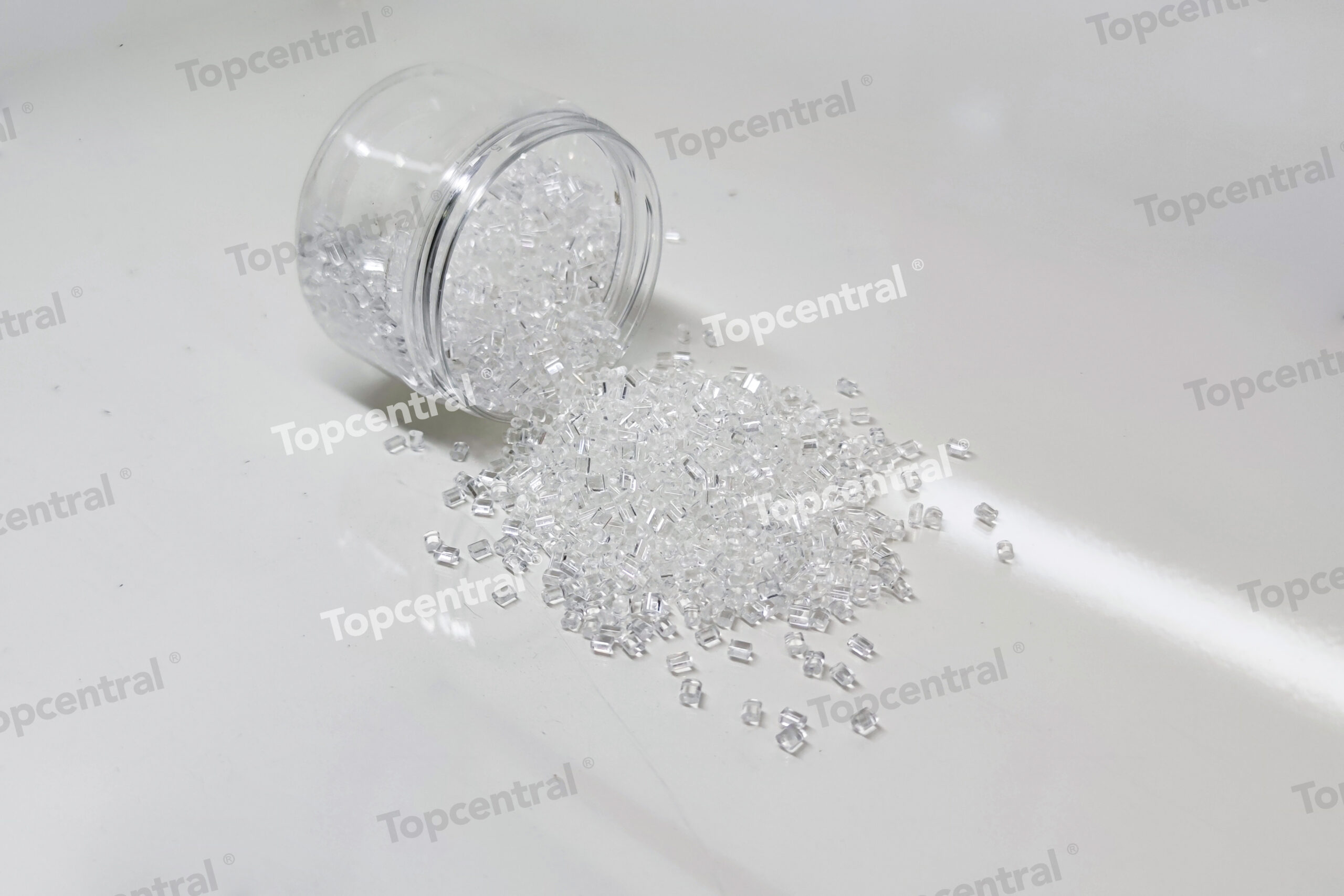
PCR PET Bottle-to-Bottle Recycling: Process Overview and Quality Requirements
Executive Summary
Post-consumer recycled polyethylene terephthalate (PCR PET) bottle-to-bottle recycling represents the most technically mature and economically viable closed-loop recycling system for plastic packaging. In 2023, global PET bottle collection reached approximately 3.2 million metric tons, with bottle-to-bottle recycling accounting for roughly 38% of total recovered PET volume according to industry data from the National Association for PET Container Resources (NAPCOR) and European PET Bottle Platform (EPBP). The remaining material cascades into fiber, sheet, strapping, and other applications.
The European Union’s Packaging and Packaging Waste Regulation (PPWR), effective 2024, mandates minimum recycled content in plastic packaging: 30% by 2030 for contact-sensitive PET bottles and 65% by 2040. Similar mandates in California (SB 54), Canada, and across Asia-Pacific are driving unprecedented demand for food-grade PCR PET. Supply currently meets only 60–70% of projected 2030 demand, creating pricing premiums of 15–35% over virgin PET depending on color, clarity, and certification status.
This guide provides procurement managers, sustainability directors, and product engineers with the technical specifications, process parameters, certification requirements, and practical implementation strategies necessary to secure compliant, high-quality PCR PET for bottle-to-bottle applications.
Section 1: The PCR PET Recycling Process – Technical Deep Dive
1.1 Collection and Sorting Infrastructure
The quality of PCR PET begins at the collection point. Three primary collection systems dominate global markets:
| Collection Method | Yield Rate | Contamination Level | Regional Prevalence |
|——————-|————|———————|———————|
| Deposit Return Systems (DRS) | 85–95% | 3–8% | Northern Europe, Canada, Australia |
| Curbside Single-Stream | 50–70% | 15–30% | North America, UK, Japan |
| Manual/Informal Sorting | 60–80% | 8–20% | Southeast Asia, Latin America, Africa |
Practical Recommendation: For procurement contracts, specify DRS-sourced material where available. DRS yields 40–60% lower contamination levels than curbside, directly reducing downstream processing costs and improving final resin quality.
1.2 Mechanical Recycling Process Steps
The bottle-to-bottle recycling process requires precise control across seven critical stages:
Stage 1: Pre-sorting and Bale Breaking
– Bale density: 200–350 kg/m³ typical for PET bottles
– Automated sortation using near-infrared (NIR) and hyperspectral imaging to remove non-PET containers (HDPE caps, PP labels, PVC contaminants)
– Color sorting: Clear, light blue, green, and mixed fractions separated
– Metal detection: Magnetic and eddy current separation for ferrous and aluminum contaminants
Stage 2: Washing and Decontamination
– Cold wash: Removal of loose labels, adhesives, and surface dirt
– Hot wash (70–85°C): Caustic soda solution (1–3% NaOH) to saponify adhesives and remove label residues
– Friction washing: High-speed mechanical agitation to abrade surface contaminants
– Rinsing: Multiple counter-current rinse stages to remove chemical residues
Stage 3: Density Separation
– Sink-float tanks separate PET (density 1.33–1.38 g/cm³) from polyolefins (0.90–0.96 g/cm³)
– Process water maintained at 20–25°C with specific gravity modifiers as needed
– Efficiency target: >99.5% removal of non-PET polymers
Stage 4: Milling and Grinding
– Wet grinding produces flake size: 8–12 mm typical for bottle-to-bottle applications
– Dry grinding used for smaller flake sizes (3–6 mm) but generates more fines
– Fines removal: Air classifiers and vibrating screens remove particles <2 mm
Stage 5: Advanced Cleaning and Decontamination
– Hot caustic wash (80–95°C, 2–4% NaOH): Critical for removing beverage residues and degradation products
– Mechanical friction: Multiple stages of high-speed discs or rotors
– Rinsing: pH-neutral water to final rinse stage
Stage 6: Extrusion and Filtration
– Extrusion temperature: 260–285°C (below degradation threshold of 300°C)
– Melt filtration: 40–120 micron screens, with 60–80 micron typical for bottle-grade
– Degassing: Vacuum venting at 50–100 mbar to remove volatile organic compounds (VOCs)
– Solid-state polycondensation (SSP) for intrinsic viscosity (IV) restoration
Stage 7: Pelletizing and Quality Control
– Underwater pelletizing produces uniform 3–4 mm pellets
– Online IV measurement using inline viscometers
– Color measurement (CIE La b* coordinates) for batch consistency
1.3 Solid-State Polycondensation (SSP) – The Bottle-to-Bottle Enabler
SSP is the critical technology that enables food-grade bottle-to-bottle recycling. Without SSP, mechanical recycling produces PET with insufficient intrinsic viscosity (IV) for bottle blowing.
Technical Parameters:
– Temperature: 200–230°C (below melting point of 245–255°C)
– Residence time: 6–18 hours depending on target IV
– Vacuum: 0.1–1.0 mbar to drive condensation reaction
– Nitrogen purge: 0.5–2.0 m³/h per ton of PET
| Property | Post-Consumer Flake | After Extrusion | After SSP | Virgin Bottle Grade |
|———-|——————-|—————–|———–|———————|
| Intrinsic Viscosity (dL/g) | 0.68–0.75 | 0.55–0.65 | 0.75–0.82 | 0.76–0.84 |
| Acetaldehyde (ppm) | 5–15 | 3–8 | <1.0 | <0.5 |
| Color (L*) | 65–80 | 70–85 | 72–88 | 85–95 |
| Crystalline Melting Point (°C) | 248–252 | 248–252 | 250–254 | 252–256 |
Key Insight: SSP increases IV by 0.15–0.25 dL/g while reducing acetaldehyde content by 60–80%. The acetaldehyde reduction is essential for carbonated soft drink and water bottle applications where taste and odor transfer must be below sensory detection thresholds.
Section 2: Quality Requirements and Testing Protocols
2.1 Food-Grade Certification Standards
PCR PET for bottle-to-bottle applications must meet regulatory requirements from multiple jurisdictions:
FDA (US): 21 CFR 177.1630 – Requires challenge testing with surrogate contaminants (toluene, chloroform, lindane, copper) and demonstration of ?99% contaminant removal efficiency. The FDA issues Letters of Non-Objection (LNO) for specific recycling processes.
EFSA (EU): Regulation (EC) No 282/2008 – Requires demonstration that recycled PET meets virgin PET specifications for migration limits (overall migration 80 for clear applications (target >85 for premium water bottles)
– b* value: <2.0 for clear (yellowness index)
– Haze: <3% for optical clarity
– Measurement: Spectrophotometer (D65 illuminant, 10° observer)
Contamination Limits
– PVC content: <10 ppm (causes degradation and discoloration)
– Polyolefins: <50 ppm (causes haze and processing issues)
– Aluminum: <10 ppm (causes black specks and die buildup)
– Moisture: <30 ppm before processing (critical for IV retention)
2.3 Mechanical Property Requirements
| Property | Test Method | PCR PET (Typical) | Virgin PET | Minimum for Bottles |
|———-|————|——————-|————|———————|
| Tensile Strength (MPa) | ASTM D638 | 50–65 | 55–70 | 50 |
| Elongation at Break (%) | ASTM D638 | 80–200 | 100–300 | 60 |
| Flexural Modulus (MPa) | ASTM D790 | 2,200–2,800 | 2,400–3,000 | 2,000 |
| Impact Strength (kJ/m²) | ISO 179 | 3.5–5.0 | 4.0–6.0 | 3.0 |
| Density (g/cm³) | ASTM D792 | 1.33–1.38 | 1.33–1.38 | 1.33–1.38 |
Key Insight: PCR PET typically shows 5–15% reduction in impact strength and elongation compared to virgin. For carbonated bottles requiring top-load strength, processors often blend 10–30% virgin PET with PCR PET to maintain performance.
Section 3: Certification and Regulatory Frameworks
3.1 Global Recycled Content Standards
GRS (Global Recycled Standard)
– Covers chain of custody, social, and environmental criteria
– Minimum 20% recycled content for product certification
– Requires annual audits and material balance documentation
– Most widely accepted standard for B2B transactions
ISCC PLUS (International Sustainability and Carbon Certification)
– Mass balance approach for recycled content attribution
– Accepted under EU PPWR and Single-Use Plastics Directive
– Requires third-party auditing and annual verification
– Covers both mechanical and chemical recycling pathways
UL 2809 (Environmental Claim Validation)
– Validates recycled content percentage claims
– Requires full supply chain traceability
– Accepted by US retailers and brand owners
– Covers both pre-consumer and post-consumer content
3.2 Regulatory Drivers
EU PPWR (Packaging and Packaging Waste Regulation)
– 30% recycled content in contact-sensitive PET bottles by 2030
– 65% by 2040
– Mandatory reporting of recycled content percentages
– Penalties for non-compliance: 4–6% of annual turnover
California SB 54 (Plastic Pollution Prevention and Packaging Producer Responsibility Act)
– 30% recycled content in plastic bottles by 2028
– 50% by 2032
– Extended producer responsibility (EPR) fees based on recyclability
EPR Schemes
– France: 22% recycled content in PET bottles (2025 target)
– UK: Plastic Packaging Tax (£210.82/tonne for packaging with 5,000 tonnes | >15,000 tonnes |
| Certifications | GRS or ISCC PLUS | Both GRS and ISCC PLUS |
| IV Consistency | ±0.03 dL/g | ±0.02 dL/g |
| Lead Time | 6–8 weeks | 2–4 weeks |
| Quality System | ISO 9001 | ISO 9001 + FSSC 22000 |
| Contamination Rate | <1% | <0.5% |
4.2 Supply Chain Risk Management
Current Market Challenges:
– Supply-demand gap: 30–40% deficit projected for 2030
– Price volatility: PCR PET premiums range 15–35% over virgin
– Quality variability: 10–15% of batches may require re-processing or downgrading
– Regional availability: Europe and North America have 60–70% collection rates; Asia-Pacific averages 30–40%
Mitigation Strategies:
1. Multi-sourcing: Contract with at least three certified suppliers across different regions
2. Inventory buffer: Maintain 4–6 weeks of PCR PET inventory to manage supply disruptions
3. Quality agreements: Include liquidated damages clauses for off-spec material
4. Blending flexibility: Design bottle specifications to accommodate 10–30% virgin blending
5. Long-term contracts: 3–5 year agreements with volume commitments and price adjustment mechanisms
4.3 Technical Integration Considerations
Processing Adjustments for PCR PET:
– Drying: 160–180°C for 4–6 hours (vs. 160–175°C for virgin)
– Moisture target: <30 ppm (vs. 30% recycled content
– EPR fee reductions: 10–30% lower fees for recycled content packaging
Brand Value and Market Access:
– Premium pricing: 5–15% higher retail price for sustainable packaging
– Retailer preference: Walmart, Target, Carrefour, and Tesco give shelf priority to recycled content
– Investor criteria: DJSI, MSCI ESG ratings weight recycled content positively
Key Insight: The total cost premium of 15–35% for PCR PET is offset by regulatory savings (5–15%), brand value (5–15%), and avoided future compliance costs (10–20%). Net cost impact after offsets: 0–10% premium.
Section 6: Future Outlook and Technology Trends
6.1 Chemical Recycling Integration
Chemical recycling (depolymerization) of PET produces virgin-equivalent monomers (BHET, PTA, MEG) that can be polymerized into food-grade PET with no performance trade-offs. Current commercial operations (Eastman, Loop Industries, Carbios) produce material priced at 1.5–2.5x virgin PET, with scale-up expected to reduce costs to 1.2–1.5x by 2028–2030.
Technology Comparison:
| Parameter | Mechanical Recycling | Chemical Recycling |
|———–|———————|———————|
| Output Quality | 95–98% of virgin | 100% virgin-equivalent |
| Yield Rate | 75–85% | 60–75% |
| Energy Intensity (MJ/kg) | 15–25 | 40–60 |
| Carbon Footprint (kg CO?e/kg) | 0.45–0.70 | 0.80–1.20 |
| Cost (€/tonne) | 1,300–1,650 | 1,800–3,000 |
6.2 Advanced Sorting Technologies
– AI-based sortation: Deep learning algorithms achieve 98–99.5% sorting accuracy for PET from mixed streams
– Fluorescent markers: Digital watermarking (HolyGrail 2.0) enables single-bottle sorting by polymer type, color, and food-contact status
– Hyperspectral imaging: Identifies multilayer and additive-containing PET not detectable by NIR
6.3 Market Projections
Global PCR PET demand is projected to grow from 1.8 million tonnes in 2023 to 4.5 million tonnes by 2030, driven by regulatory mandates and brand commitments. Supply constraints will persist through 2027–2028, with premiums remaining above 20% until new collection infrastructure and recycling capacity come online.
Key Takeaways
1. Technical feasibility is proven: Bottle-to-bottle recycling using mechanical processes with SSP produces food-grade PET meeting 95–98% of virgin specifications for most applications.
2. Quality management is critical: IV (±0.02 dL/g), acetaldehyde (80) are the three non-negotiable parameters for food-grade PCR PET.
3. Certification is mandatory: GRS, ISCC PLUS, or UL 2809 chain-of-custody certification is required for regulatory compliance and customer acceptance.
4. Supply constraints are real: 30–40% supply-demand gap projected by 2030 requires multi-sourcing, long-term contracts, and inventory buffers.
5. Cost premium is manageable: 15–35% premium over virgin PET is offset by regulatory savings, brand value, and avoided compliance costs.
6. Blending is practical: 10–30% virgin PET blending maintains bottle performance while achieving recycled content targets.
7. Carbon benefits are substantial: 55–70% lower carbon footprint versus virgin PET, with CBAM exemption providing additional cost advantage.
Related Topics
– PPWR Compliance Strategies for Plastic Packaging: Implementation roadmap for meeting 2030 and 2040 recycled content targets
– Chemical vs. Mechanical Recycling: Comparative techno-economic analysis for PET circularity
– EPR Fee Optimization: Minimizing producer responsibility costs through recyclability design
– Carbon Footprint Verification for Recycled Plastics: ISO 14067 and PAS 2050 methodology guide
– Global Recycled Content Mandates: Comparative analysis of EU, US, Canada, and Asia-Pacific regulations
Further Reading
1. NAPCOR. (2023). 2022-2023 Post-Consumer PET Recycling Report. Charlotte, NC: National Association for PET Container Resources.
2. European PET Bottle Platform. (2023). Technical Guidelines for PET Bottle Recycling. Brussels: EPBP.
3. Plastics Recyclers Europe. (2023). PET Recycling in Europe: State of the Industry. Brussels: PRE.
4. Ellen MacArthur Foundation. (2022). The Global Commitment: Progress Report on Plastic Packaging. Cowes, UK: EMF.
5. ASTM D7611/D7611M-20. (2020). Standard Practice for Coding Plastic Manufactured Articles for Resin Identification. West Conshohocken, PA: ASTM International.
6. FDA. (2021). Guidance for Industry: Use of Recycled Plastics in Food Packaging: Chemistry Considerations. Silver Spring, MD: U.S. Food and Drug Administration.
7. European Commission. (2024). Packaging and Packaging Waste Regulation (EU) 2024/… Official Journal of the European Union.
8. ISO 14067:2018. (2018). Greenhouse gases — Carbon footprint of products — Requirements and guidelines for quantification. Geneva: International Organization for Standardization.
This guide was prepared for B2B procurement and sustainability professionals. All data points reflect industry averages and typical ranges as of Q1 2025. Specific values may vary by supplier, region, and application. Verify with suppliers for current specifications and pricing.
Content Verification Annotation
EID: EID-6A3BE13F-5711
Content Tier: Bæ¡£ (~3,310 words)
Verification Status: Reviewed – Pre-Constitution Content (L4)
Review Date: 2026-06-21
Leave a Reply