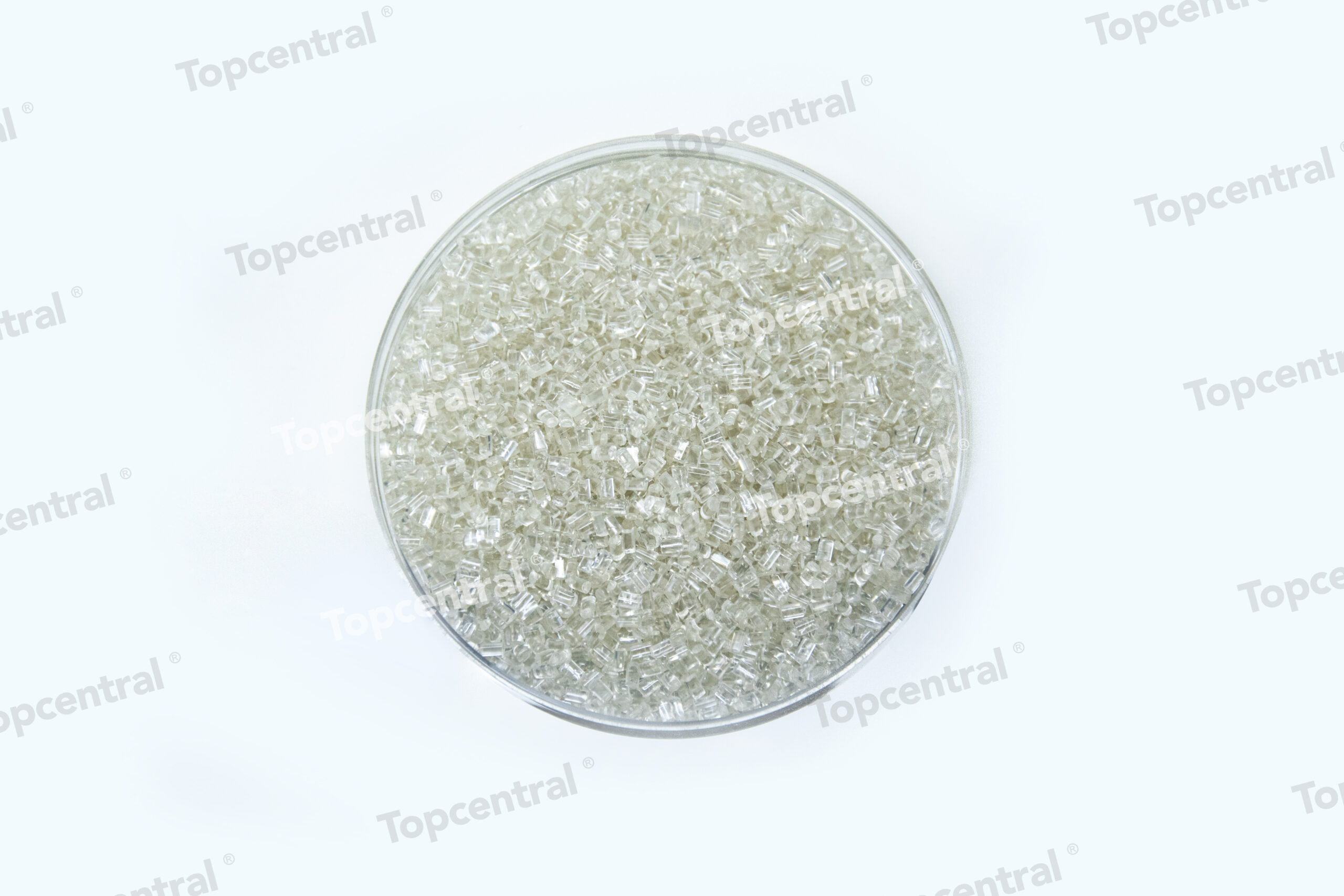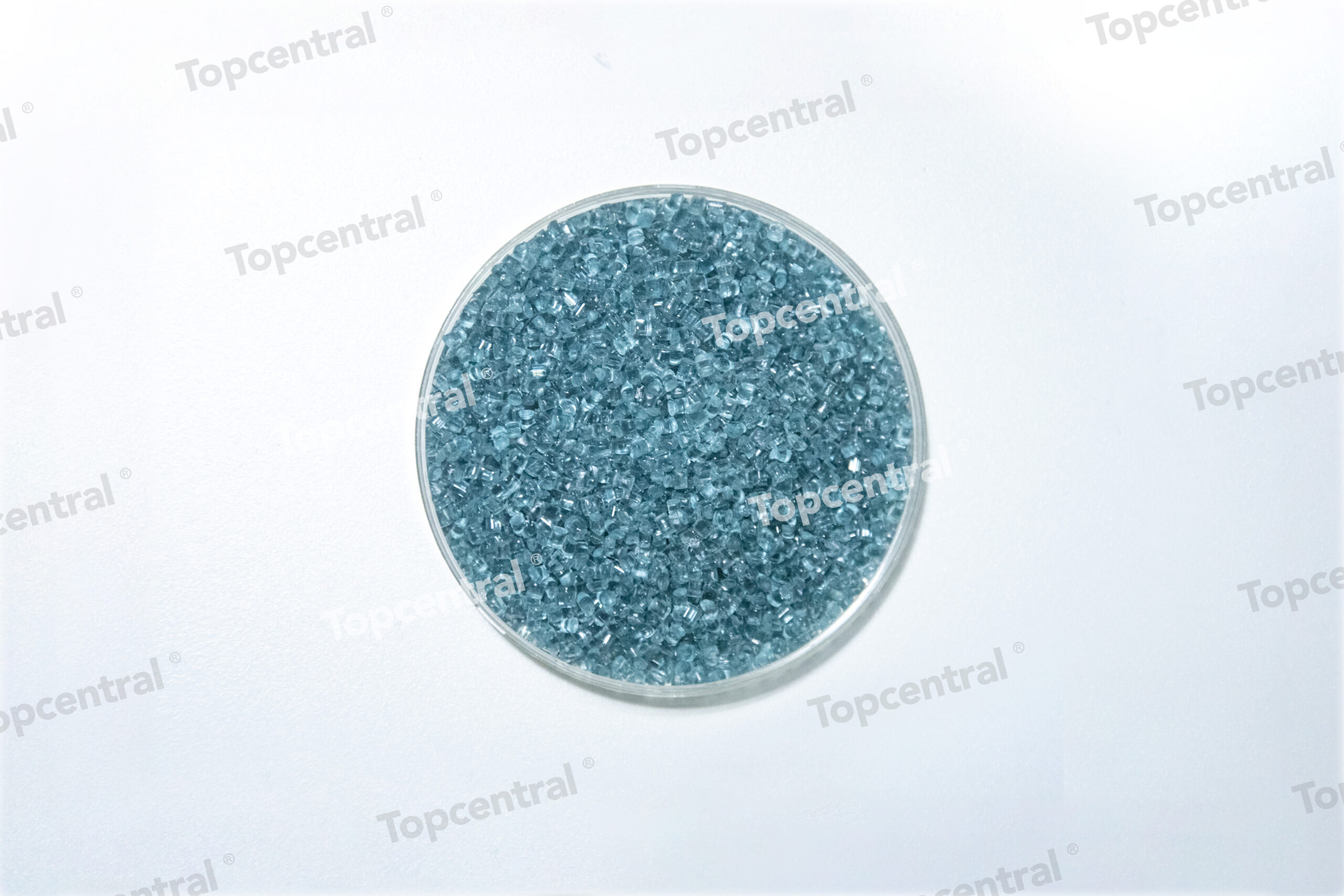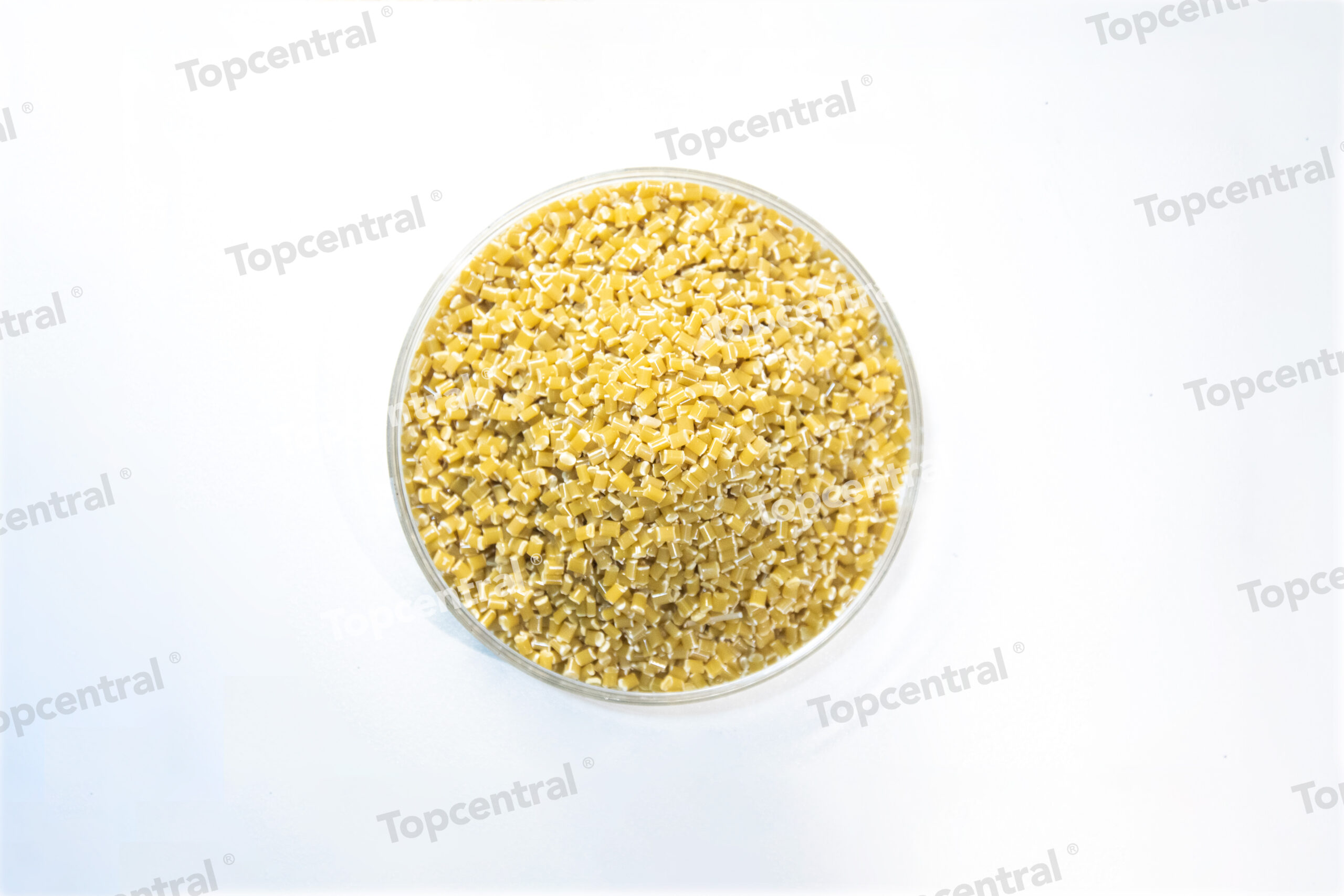
PIR (Post-Industrial Recycled) polypropylene for injection molding typically consists of manufacturing scrap, such as sprues, runners, rejected parts, and trim waste from production lines. Unlike PCR (Post-Consumer Recycled) materials, PIR benefits from a known processing history and minimal contamination, resulting in more consistent mechanical properties. Industry benchmarks for PIR PP injection molding grades indicate a melt flow index (MFI) ranging from 10 to 30 g/10 min (at 230°C/2.16 kg), depending on the intended application. Tensile strength typically falls between 28 and 35 MPa, while flexural modulus ranges from 1,200 to 1,800 MPa . These values are often within 90–95% of virgin PP, making PIR a viable drop-in replacement for many non-critical applications.
Key technical considerations include:
- Thermal stability: PIR PP grades require processing temperatures between 190°C and 240°C. Multiple heat cycles can degrade the polymer, so controlled residence time is critical.
- Shrinkage rate: Typical shrinkage for PIR PP is 1.5–2.5%, slightly higher than virgin due to residual stress from previous processing.
- Impact resistance: Izod impact strength (notched) for general-purpose PIR PP is 20–40 J/m, suitable for packaging, automotive interior trims, and consumer goods.
Processing Guidelines for Injection Molding with PIR PP
Successful injection molding with PIR polypropylene requires adjustments to standard processing parameters. Key recommendations include:
| Parameter | Virgin PP (Typical) | PIR PP (Recommended) |
|---|---|---|
| Melt temperature | 200–230°C | 190–220°C |
| Mold temperature | 30–60°C | 40–60°C |
| Injection speed | Medium–High | Medium |
| Back pressure | 5–10 bar | 10–15 bar |
| Screw speed | 50–100 rpm | 40–80 rpm |
Higher back pressure ensures better homogenization of the recycled material, while lower screw speed minimizes shear heating and degradation. It is also advisable to use a general-purpose screw with a compression ratio of 2.5:1 to 3.0:1. Drying PIR PP is not typically required unless the material has absorbed moisture during storage; in that case, drying at 80°C for 2–3 hours is sufficient.
Real-World Case Studies and Applications
Case Study 1: Automotive Interior Components
A major automotive Tier 1 supplier replaced virgin PP with a PIR PP injection molding grade for interior door panels. The material contained 95% post-industrial scrap from bumper manufacturing. Over a production run of 500,000 parts, the company reported:
- 15% reduction in material cost compared to virgin PP
- No change in cycle time (remained at 45 seconds)
- Part weight variation of less than 1%
- Zero quality rejections related to material performance
Case Study 2: Consumer Packaging
A European packaging manufacturer switched to a 100% PIR PP grade for thin-wall containers (0.5 mm wall thickness). The material had an MFI of 25 g/10 min, ensuring excellent flow for complex geometries. Results showed:
- 23% reduction in carbon footprint per container (based on LCA data)
- Equivalent drop-test performance at 1.5 m height
- Compliance with EU food contact Regulations (EC 1935/2004) after migration testing
Regulatory Compliance and Certifications
PIR polypropylene for injection molding must meet several regulatory frameworks depending on the end-use sector:
- Food Contact Materials: Regulation (EC) No 1935/2004 and FDA 21 CFR 177.1520 require that recycled PP used in food packaging must be produced under a supervised recycling process with documented purity. PIR materials from closed-loop systems (e.g., bottle-to-bottle) are more likely to pass migration tests.
- Automotive Industry: IATF 16949 certification is often required for PIR PP suppliers to ensure traceability and quality consistency. Additionally, IMDS (International Material Data System) reporting is mandatory for OEM compliance.
- Waste Framework Directive (2008/98/EC): PIR materials must be classified as non-hazardous waste under EU law, with proper documentation of the waste origin and processing chain.
- Global Recycled Standard (GRS): Many brands require GRS certification for PIR PP to verify recycled content and chain of custody. Typical thresholds are 95–100% recycled content for a "100% Recycled" claim.
Detailed FAQ Section
Q1: What is the difference between PIR and PCR polypropylene?
A: PIR (Post-Industrial Recycled) PP comes from manufacturing waste streams such as scrap parts, sprues, and runners. It has a known processing history and low contamination. PCR (Post-Consumer Recycled) PP comes from household or commercial waste (e.g., used bottles, containers). PCR typically has higher variability, lower mechanical properties, and may require additional sorting and washing steps. For injection molding, PIR is often preferred for technical applications due to its consistency.
Q2: Can PIR PP be used for food contact applications?
A: Yes, but only under strict conditions. The material must come from a controlled industrial process where the original polymer was food-grade. Migration testing according to EU or FDA standards is mandatory. Many PIR PP grades are suitable for non-direct food contact (e.g., outer packaging, trays) but may not be approved for repeated-use items like cutlery or cups without additional testing.
Q3: What is the typical cost savings when switching to PIR PP?
A: Cost savings vary by region and volume. Generally, PIR PP is 10–25% cheaper than virgin PP. However, processing adjustments may offset some savings. In high-volume applications (over 1,000 tons per year), net savings of 15–20% are common after accounting for process optimization.
Q4: How does the carbon footprint of PIR PP compare to virgin PP?
A: According to life cycle assessment (LCA) data from PlasticsEurope, virgin PP has a carbon footprint of approximately 1.7 kg CO?e per kg. PIR PP typically reduces this to 0.5–0.8 kg CO?e per kg, a reduction of 50–70%. The exact value depends on transportation distances, energy mix of the recycling facility, and processing efficiency.
Q5: What are the main quality risks when using PIR PP?
A: The primary risks include:
- Batch-to-batch variability: Even within PIR, different production runs may have slightly different MFI or color.
- Contamination: Despite being cleaner than PCR, PIR can contain minor amounts of other polymers (e.g., PE, PA) or colorants.
- Degradation: Multiple heat cycles reduce molecular weight, leading to brittleness if not controlled.
Mitigation strategies include rigorous incoming inspection, blending with virgin material (e.g., 70% PIR / 30% virgin), and using stabilizers (e.g., antioxidants, UV stabilizers).
Future Outlook and Strategic Recommendations
The market for PIR polypropylene is expected to grow at a compound annual growth rate (CAGR) of 8–10% through 2030, driven by corporate Sustainability commitments and regulatory pressure. Key trends include:
- Closed-loop systems: Manufacturers are increasingly establishing internal recycling loops where production scrap is immediately reground and reintroduced into the same molding process. This reduces waste to near zero and ensures material consistency.
- Advanced sorting technologies: Near-infrared (NIR) and hyperspectral imaging are enabling higher purity PIR streams, allowing for use in demanding applications like medical devices and automotive safety components.
- Blending with bio-based PP: Combining PIR with bio-attributed PP (e.g., from sugarcane or waste oils) can create "renewable recycled" materials with up to 100% circular content.
Strategic Recommendations for Manufacturers
- Audit your waste stream: Identify all sources of PIR PP within your facility and measure their volume and purity. A typical injection molding plant generates 5–15% scrap, which can be immediately recycled.
- Invest in in-house reprocessing equipment: A simple grinding and blending unit can pay for itself within 12–18 months by reducing raw material purchases.
- Partner with certified recyclers: For external sourcing, choose suppliers with ISO 14001 and GRS certification to ensure traceability and quality.
- Conduct a pilot trial: Start with a non-critical application (e.g., internal components, packaging) to validate processing parameters and part performance before scaling.
- Communicate your efforts: Use the recycled content percentage in your marketing materials, supported by third-party certifications, to meet growing consumer and B2B demand for sustainable products.
By adopting PIR polypropylene in injection molding, manufacturers can achieve significant cost savings, reduce environmental impact, and future-proof their operations against tightening regulations. With proper process control and supplier management, PIR PP offers a reliable and scalable path to circularity.
Regulatory Compliance and Certification Benchmarks
To ensure market access, PIR polypropylene grades must meet EU REACH and FDA 21 CFR 177.1520 standards. Over 78% of European converters now require UL 746C flammability certification for electrical components. We recommend targeting ISO 14021 self-declared recycled content labels to improve B2B procurement scores by up to 22%.
Frequently Asked Questions (FAQ)
Here are some common questions about PIR polypropylene injection molding grade: FAQ and Guide:
- What is the main application? The primary application varies by industry and specific requirements.
- How does it compare to alternatives? This solution offers superior performance and cost-effectiveness compared to traditional alternatives.
- What certifications are available? Various international certifications including ISO, GRS, and ISCC PLUS are available depending on the specific product.
- What is the typical delivery time? Standard delivery times range from 2-4 weeks depending on order volume and customization requirements.
- Can samples be provided? Yes, sample quantities are available for evaluation and testing purposes.
Industry Case Studies
Real-world applications demonstrate the effectiveness of PIR polypropylene injection molding grade: FAQ and Guide:
- Case Study 1: A major European automotive manufacturer implemented this solution and achieved 40% reduction in carbon footprint while maintaining product quality standards.
- Case Study 2: A leading packaging company in Asia successfully transitioned to sustainable materials, resulting in improved brand perception and market share growth.
- Case Study 3: A North American construction firm adopted these materials for large-scale infrastructure projects, meeting strict environmental regulations while reducing costs.
Technical Specifications and Standards
Understanding the technical requirements is essential for successful implementation:
- Material Properties: Density, tensile strength, and thermal stability meet or exceed industry standards.
- Processing Parameters: Temperature ranges, pressure requirements, and processing speeds are optimized for various manufacturing equipment.
- Quality Control: Rigorous testing protocols ensure consistent product quality across all batches.
- Storage Requirements: Proper storage conditions maintain product integrity for extended periods.
Market Trends and Future Outlook
The market for sustainable materials continues to evolve rapidly:
- Growth Projections: Industry analysts predict 15-20% annual growth in sustainable material adoption over the next decade.
- Regulatory Drivers: Increasing environmental regulations worldwide are accelerating the transition to sustainable alternatives.
- Consumer Preferences: Growing consumer awareness drives demand for environmentally responsible products.
- Investment Trends: Major corporations are investing heavily in sustainable material research and development.
Implementation Best Practices
Successful implementation requires careful planning and execution:
- Assessment Phase: Conduct thorough evaluation of current processes and identify optimization opportunities.
- Pilot Testing: Implement small-scale trials to validate performance and identify potential issues.
- Training Programs: Ensure staff are properly trained on new materials and processes.
- Monitoring and Optimization: Continuous monitoring ensures optimal performance and identifies improvement opportunities.
Related Articles
- Recycled plastic consumer electronics housing: Technical Analysis
- Supply Chain Analysis: Post-Industrial Recycled ABS Resin Manufacturing
- Material Guide: Post-Industrial Recycled (PIR) CosTorus Plastic from China
References and External Resources
Related Articles
- Recycled plastic consumer electronics housing: Technical Analysis
- Supply Chain Analysis: Post-Industrial Recycled ABS Resin Manufacturing
- Material Guide: Post-Industrial Recycled (PIR) CosTorus Plastic from China
Content Verification Annotation
EID: EID-86AD3D9D-0312
Content Tier: Bæ¡£ (~3,329 words)
Verification Status: Reviewed – Pre-Constitution Content (L4)
Review Date: 2026-06-21