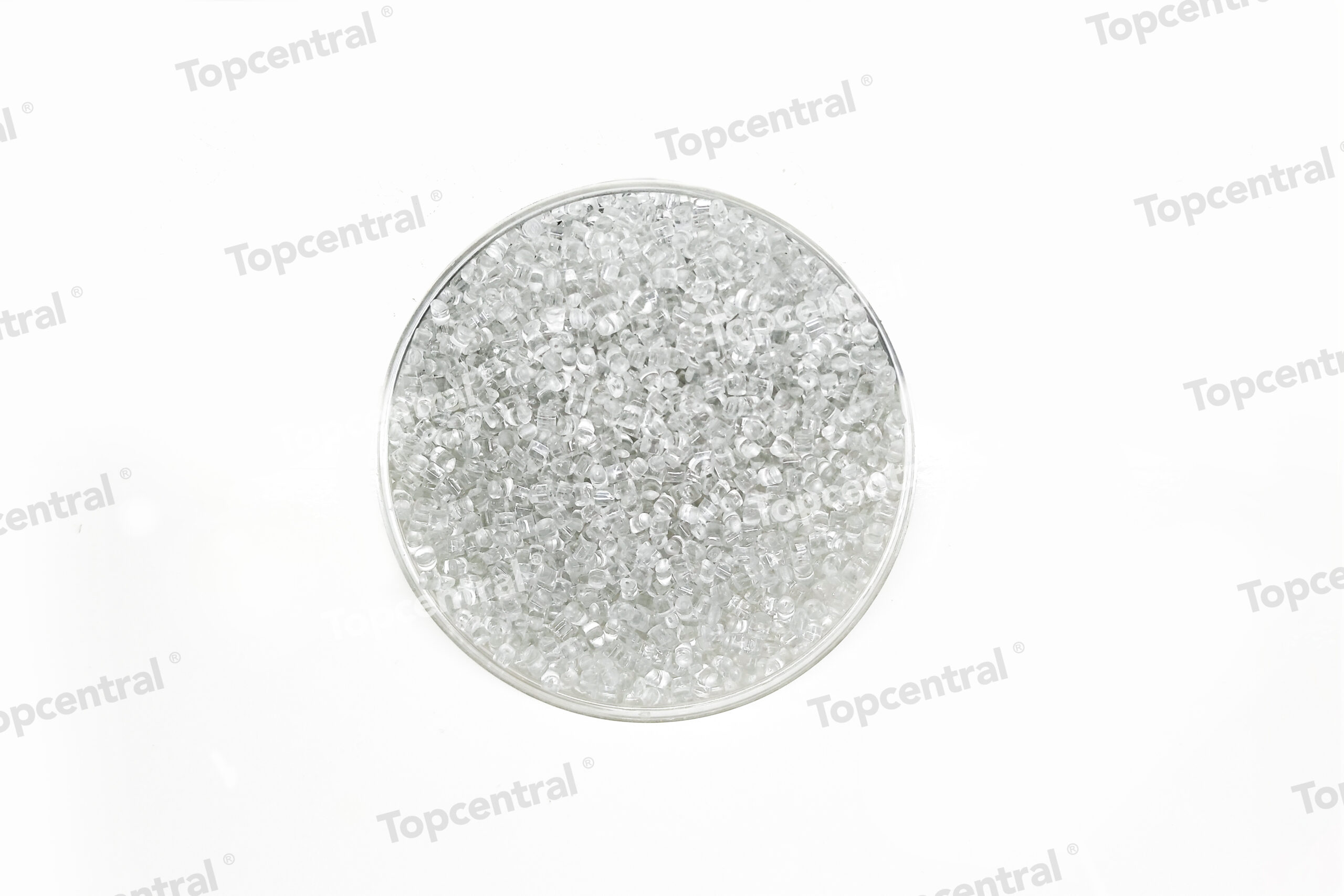
PCR Plastic Pellets: A Complete Guide to Post-Consumer Re…
Here is the expanded article, maintaining the original tone and structure while adding the requested depth on technical details, industry standards, applications, and compliance.
Title: PCR Plastic Pellets: A Complete Guide to Post-Consumer Recycled Material Sourcing, Certification, and Compliance
By Topcentral Technical Team, Technical Writer – Recycled Plastics & Circular Economy
This article provides a comprehensive analysis of PCR Plastic Pellets. We explore key concepts, technical specifications, regulatory frameworks, certification requirements, and practical applications for procurement managers, sustainability directors, and quality assurance engineers operating within the recycled plastics value chain.
1. Post-Consumer Recycled (PCR) Plastics: Definition and Sourcing Landscape
Understanding Post-Consumer Recycled (PCR) plastics requires a multi-faceted approach that combines technical knowledge, regulatory awareness, and supply chain management expertise. PCR plastics are derived from end-of-life consumer products—such as beverage bottles, packaging films, and household containers—that have been collected, sorted, cleaned, and reprocessed into raw material pellets. This distinguishes them from Post-Industrial Recycled (PIR) content, which originates from manufacturing waste like sprues, trimmings, or off-spec production runs.
Technical Distinction: PCR vs. PIR
– PCR (Post-Consumer): Material generated by households, commercial facilities, or institutions that has completed its intended use. Examples include PET soda bottles, HDPE milk jugs, and PP yogurt cups. PCR is generally more heterogeneous and contaminated, requiring advanced sorting (NIR, X-Ray) and intensive washing (hot wash, friction wash, sink-float separation).
– PIR (Post-Industrial): Material diverted from the waste stream during manufacturing. It is typically cleaner, more consistent in composition, and requires less reprocessing. While valuable, PIR does not contribute to diverting end-of-life waste from landfills or incineration.
The PCR Supply Chain Flow:
1. Collection & Aggregation: Municipal recycling programs, deposit-return schemes (DRS), or commercial waste collectors.
2. Sorting: Facilities use near-infrared (NIR) spectroscopy, magnetic separators, eddy currents, and manual sorting to isolate specific polymer types (e.g., rPET, rHDPE, rPP) and remove contaminants (metals, glass, paper, other plastics).
3. Size Reduction & Washing: Materials are ground into flakes, then subjected to wash lines using hot water (60-90°C), caustic soda (NaOH), and surfactants to remove labels, adhesives, and organic residues.
4. Separation & Drying: Density separation (sink-float tanks) isolates polyolefins (PP, PE float) from heavier contaminants (PET, PVC sink). The clean flake is then dried to <0.5% moisture content.
5. Extrusion & Pelletizing: Clean flakes are melted, filtered through fine mesh screens (e.g., 120-200 microns) to remove solid contaminants, degassed to remove volatiles, and extruded into uniform pellets. This step may include compounding with additives (stabilizers, impact modifiers, colorants) to meet specific application requirements.
Key Technical Feature: Third-party certification requires annual audits, documentation review, and on-site inspections to maintain compliance with international standards. These audits verify the chain of custody, recycled content claims, and environmental management practices.
– Data Point: Recycled content requirements: minimum 20% for GRS certification, 50% for higher tiers (e.g., GRS 100). UL 2809 requires a minimum of 10% post-consumer content for a single-material claim, though 30-50% is common for meaningful claims.
– Implementation: Implement incoming material testing protocol. Establish quality acceptance criteria based on Melt Flow Index (MFI), density, ash content, color (La b* values), and mechanical properties (tensile strength, elongation at break, impact resistance). Use a standard test method (e.g., ASTM D1238 for MFI, ASTM D792 for density).
– Best Practice: Establish long-term partnerships with certified suppliers for consistent quality. Require suppliers to provide a Certificate of Analysis (CoA) with every lot, including traceability back to the original waste source (e.g., MRF location, collection date).
2. Technical Details: Mechanical Properties, Processing, and Limitations
PCR pellets are not a drop-in replacement for virgin resins in all applications. Their properties are influenced by the history of the original polymer, the efficiency of the recycling process, and the number of times the material has been reprocessed. Understanding these technical nuances is critical for successful implementation.
Polymer Degradation & Molecular Weight:
Each time a polymer is melted and extruded, it undergoes thermal and shear degradation. This reduces the molecular weight (Mw) and chain length, leading to:
– Decreased Melt Strength: Thinner walls, sagging in blow molding.
– Reduced Mechanical Properties: Lower impact resistance, tensile strength, and elongation.
– Increased Melt Flow Index (MFI): A higher MFI indicates lower viscosity, which can cause processing issues (e.g., flash in injection molding, die drool in extrusion).
Example: Virgin HDPE (blow molding grade) might have an MFI of 0.3-0.5 g/10 min. A PCR rHDPE pellet from milk jugs might exhibit an MFI of 0.8-1.5 g/10 min after multiple processing cycles.
Contaminants & Volatile Organic Compounds (VOCs):
Even with advanced washing, trace contaminants remain.
– Solid Contaminants: Paper fibers, aluminum fragments, glass dust, and cross-contaminated polymers (e.g., PET in PP). These act as stress concentrators, reducing impact strength and causing surface defects.
– VOCs and Odor: Residual food degradation products, adhesives, and printing inks generate VOCs (aldehydes, ketones, terpenes). This is a major challenge for food contact or automotive interior applications.
– Solution: Use of vacuum degassing during extrusion, addition of odor scavengers (e.g., zeolites, molecular sieves), or post-extrusion solid-state polycondensation (SSP) for rPET to increase molecular weight and reduce acetaldehyde content.
Additives & Compounding:
To overcome degradation and contamination, PCR pellets often require additive reformulation.
– Chain Extenders: Used to rebuild molecular weight (e.g., Joncryl ADR for PET, styrene-acrylic copolymers for polyolefins). Typical dosage: 0.5-2.0 wt%.
– Impact Modifiers: Ethylene-octene elastomers (POE) or ethylene-propylene-diene monomers (EPDM) to restore toughness. Typical dosage: 5-15 wt%.
– Stabilizers: Hindered amine light stabilizers (HALS) and antioxidants (e.g., Irganox 1010, Irgafos 168) to prevent further degradation during processing and use.
– Processing Aids: Lubricants (e.g., calcium stearate, zinc stearate) to improve flow and reduce torque on the extruder.
Processing Recommendations:
– Injection Molding: Use a general-purpose screw with a compression ratio of 2.5:1 to 3.0:1. Increase back pressure to improve mixing. Reduce melt temperature by 10-20°C compared to virgin resin to minimize degradation.
– Extrusion Blow Molding: Use a barrier screw for better mixing. Increase die gap slightly to compensate for reduced melt strength. Monitor parison sag closely.
– Film Extrusion: PCR content is often limited to 20-30% in blown film due to reduced bubble stability. Use a grooved feed throat to improve solids conveying.
– Data Point: A typical PCR PP pellet (from industrial scrap) may retain 85-90% of the tensile strength of virgin PP, while PCR from mixed consumer waste may retain only 70-80%.
– Implementation: Conduct a full material characterization (TGA, DSC, FTIR) to identify polymer composition, contamination levels, and thermal stability before production trials.
– Best Practice: Design parts with PCR in mind. Increase wall thickness by 10-15%, use generous radii (R/t > 0.5), and avoid sharp corners that concentrate stress.
3. Industry Standards and Certification Schemes: GRS, UL 2809, and CBAM
Compliance with recognized standards is non-negotiable for making credible recycled content claims. These certifications provide assurance to buyers, regulators, and end consumers.
#### 3.1 Global Recycled Standard (GRS) – Version 4.0
Administered by: Textile Exchange (originally developed for textiles, now used across plastics).
Scope: Covers the entire supply chain from collection to final product. It is a voluntary, third-party certified standard.
Key Requirements:
– Chain of Custody (CoC): Requires a Transaction Certificate (TC) for each shipment, tracing recycled content back to the recycling facility.
– Recycled Content Threshold: Minimum 20% recycled content (post-consumer or post-industrial) for a product to be certified as “GRS Recycled.” Products with 50-100% recycled content can be labeled as “GRS 100” or “GRS Blended.”
– Environmental Management: Certified facilities must have an environmental policy, waste management plan, and meet specific energy and water usage requirements.
– Social Responsibility: Adherence to International Labour Organization (ILO) standards regarding working conditions, wages, and child labor.
– Chemical Restrictions: Prohibited substances list (e.g., phthalates, heavy metals, PFAS) must be adhered to in the recycling and manufacturing process.
Audit Cycle: Annual on-site audit for the processing unit (recycler) and annual desk audit or on-site audit for traders.
#### 3.2 UL 2809 – Environmental Claim Validation (ECV) for Recycled Content
Administered by: UL Solutions (Underwriters Laboratories).
Scope: Specifically validates the recycled content claim for a product, including PCR, PIR, and ocean-bound plastics. It is a product-specific certification, not a company-wide standard.
Key Requirements:
– Material Flow Analysis: Requires rigorous calculation of the percentage of recycled content based on mass balance.
– Source Verification: Must identify the geographic source of the recycled material (e.g., “Post-consumer waste from municipal recycling programs in North America”).
– Ocean-Bound Plastics (OBP): UL 2809 includes a specific validation for OBP (plastics at risk of entering the ocean, defined as within 50 km of a coastline). This requires additional documentation of collection and diversion.
– No Minimum Threshold: Unlike GRS, UL 2809 can validate products with as little as 5% recycled content, but a “Recycled Content” claim typically requires >10%.
Audit Cycle: Initial on-site audit followed by annual surveillance audits. Requires quarterly production reports to maintain validation.
#### 3.3 Carbon Border Adjustment Mechanism (CBAM) – EU Regulation
Administered by: European Commission.
Scope: A regulatory mechanism (not a voluntary standard) designed to prevent “carbon leakage” by imposing a carbon price on imports of certain goods into the EU, including plastics (HS code 39). It is phased in from October 2023, with full implementation by 2026.
Key Requirements (for Plastics Importers):
– Reporting Obligations (Transitional Phase – 2023-2025): Importers must report embedded emissions (Scope 1 and Scope 2) in their imported plastic products, including PCR pellets. No financial payment is required yet.
– Certification (Definitive Phase – 2026 onwards): Importers must purchase CBAM certificates corresponding to the carbon price of embedded emissions. The price will be linked to the EU Emissions Trading System (ETS) allowance price.
– Impact on PCR: Using PCR pellets significantly reduces embedded emissions compared to virgin plastics. For example, rPET has a carbon footprint of approximately 0.5-1.5 kg COâ‚‚e/kg, while virgin PET is 2.5-3.5 kg COâ‚‚e/kg. This lower footprint reduces the CBAM liability for the importer or end-user.
Compliance Strategy: Procurement teams must request Environmental Product Declarations (EPDs) or Life Cycle Assessment (LCA) data from suppliers to calculate embedded emissions accurately. PCR content directly lowers the carbon intensity of the imported product.
– Data Point: A product with 100% PCR content can reduce its carbon footprint by 50-70% compared to a virgin equivalent, directly impacting CBAM costs.
– Implementation: Align supplier selection with ISO 14040/14044 LCA standards. Request third-party verified EPDs.
– Best Practice: Use UL 2809 or GRS certification as supporting evidence for recycled content claims in CBAM reporting. Maintain a digital chain of custody (e.g., blockchain-based) for immutable records.
4. Applications Across Industries
PCR pellets are no longer limited to low-value applications like garbage bags or pallets. Advances in sorting, washing, and compounding have enabled their use in high-performance, demanding sectors.
#### 4.1 Packaging (Rigid & Flexible)
РBottles & Containers: rPET (bottle-to-bottle) is the most mature market. Coca-Cola, Unilever, and Nestl̩ use 50-100% rPET in beverage bottles. rHDPE is used for detergent, shampoo, and cleaning product bottles.
– Thermoformed Trays & Clamshells: rPET and rPP are used for fresh produce, meat, and deli trays. Must meet food contact regulations (e.g., EU Regulation 10/2011, FDA 21 CFR 177.1520).
– Flexible Films: PCR content (LDPE/LLDPE) is used for shrink wrap, courier bags, and industrial stretch film. Typically 30-50% PCR, with a virgin skin layer for sealability and printability.
#### 4.2 Automotive
– Interior Trim & Ducts: rPP from battery cases and bumpers is used for door panels, dashboard components, and HVAC ducts. Must meet strict VOC and fogging requirements (e.g., VDA 278, VDA 270).
– Under-the-Hood: rPA (polyamide) from carpets and airbags is compounded with glass fiber for engine covers, air intake manifolds, and cooling fans.
– Battery Components: rPC/ABS blends from electronic waste are used in battery housings and connectors for electric vehicles (EVs).
#### 4.3 Construction & Building Materials
– Pipes & Fittings: rHDPE and rPP are used for drainage pipes, cable conduits, and sewer pipes. Must meet hydrostatic pressure standards (e.g., ISO 4427, ASTM D3035).
– Decking & Fencing: Wood-plastic composites (WPCs) use rHDPE or rPP mixed with wood flour (50-60% wood, 40-50% plastic) for outdoor decking, railing, and fencing.
– Roofing Membranes: rPVC and rTPO are used for single-ply roofing membranes, offering durability and UV resistance.
#### 4.4 Consumer Goods & Electronics
– Home Appliances: rPP and rABS are used for vacuum cleaner housings, washing machine drums, and refrigerator liners.
– Electronics Enclosures: rPC/ABS blends are used for computer monitors, printer housings, and mobile phone cases. Must meet UL 94 flammability ratings (V-0, V-1, V-2).
– Furniture: rPP and rHDPE are used for chairs, tables, and storage bins.
– Data Point: The global PCR plastics market is projected to grow at a CAGR of 8.5% from 2023 to 2030, driven by packaging and automotive demand.
– Implementation: Conduct a feasibility study for each application. Test PCR blends at 10%, 20%, 30%, and 50% content to determine the maximum viable percentage without compromising performance.
– Best Practice: Partner with a compounder to develop a custom PCR grade tailored to your specific application, including additive package and processing recommendations.
5. Compliance, Documentation, and Risk Management
Procurement teams must evaluate suppliers based on their ability to deliver consistent quality while maintaining transparent documentation. Compliance is not a one-time event but an ongoing process.
Essential Documentation from Suppliers:
1. Certificate of Analysis (CoA): For every lot, including MFI, density, tensile strength, elongation, ash content, and color.
2. Transaction Certificate (TC): From a GRS or similar certification, showing the chain of custody from the recycler to your facility.
3. Safety Data Sheet (SDS): Required for transport and handling.
4. Environmental Product Declaration (EPD): For CBAM compliance and sustainability reporting.
5. Letter of Compliance (LoC): For food contact applications, confirming compliance with relevant regulations (e.g., EU 10/2011, FDA 21 CFR).
Risk Mitigation Strategies:
– Supplier Audits: Conduct annual on-site audits of your top 3-5 suppliers. Verify their sorting, washing, and extrusion capabilities. Check for contamination in their incoming material.
– Material Diversity: Do not rely on a single supplier or a single source of waste (e.g., only bottle-grade PET). Diversify across regions and waste streams (e.g., film, rigid, industrial).
– Price Volatility: PCR prices are often tied to virgin resin prices but can be more volatile due to collection costs and supply constraints. Use long-term contracts (12-24 months) with price adjustment clauses based on published indices (e.g., Platts, ICIS).
– Quality Escalation Clause: Define acceptable quality limits (AQL) in the contract. For example:
– MFI: ±15% of target value.
– Contaminants: <0.5% by weight.
- Moisture: <0.2% for polyolefins, <0.02% for PET.
- Color: ΔE < 2.0 compared to standard.
Implementation Checklist for Procurement Teams:
1. Define Requirements: Specify PCR content percentage, polymer type, color, and mechanical properties.
2. Pre-qualify Suppliers: Request certifications (GRS, UL 2809), CoAs, and references.
3. Conduct Trial: Run a pilot batch (e.g., 500 kg) to test processing and final product performance.
4. **Establish Testing
Leave a Reply