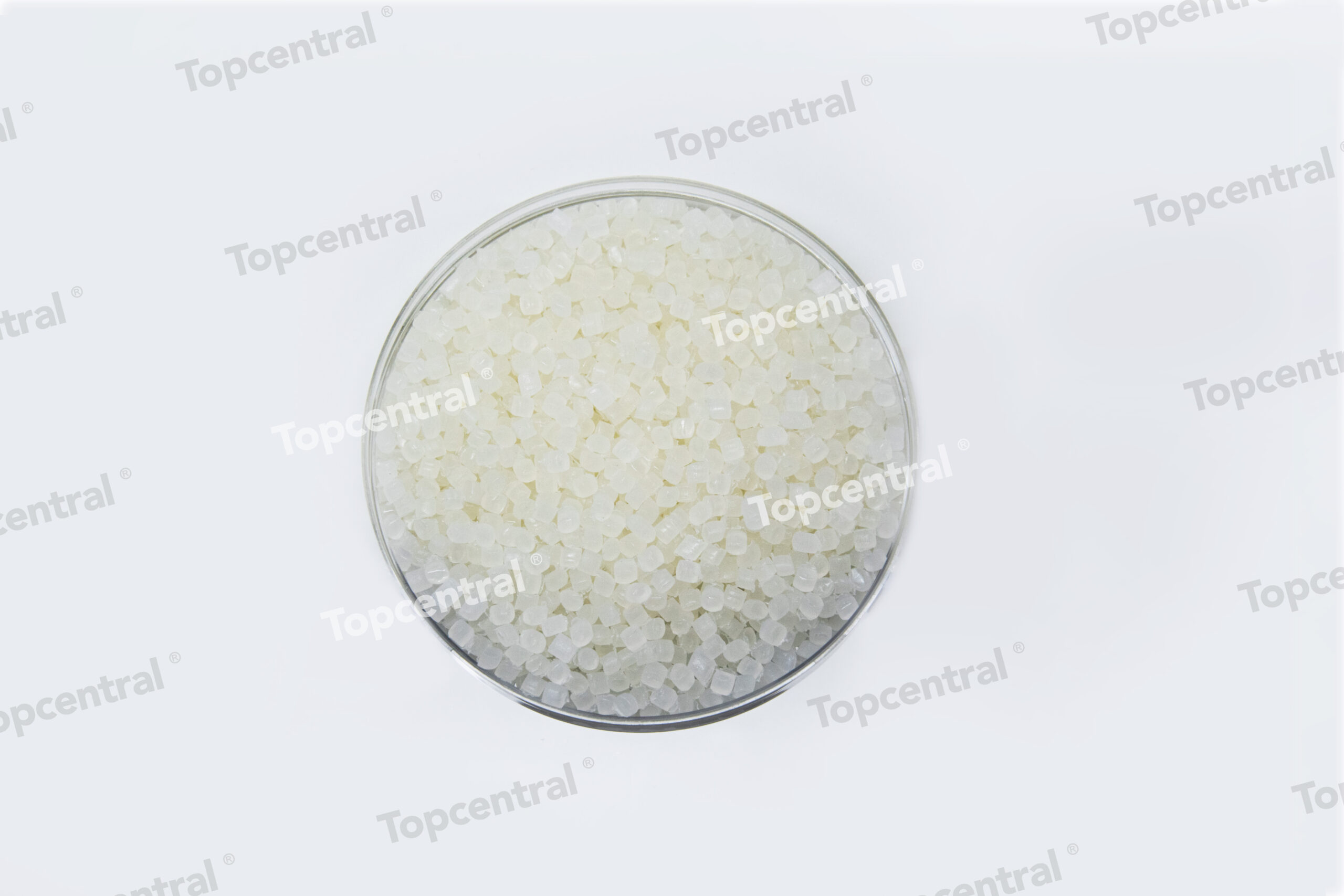
PCR Plastic Storage and Handling: Best Practices to Prevent Contamination
A Technical Guide for B2B Procurement, Sustainability, and Engineering Teams
Executive Summary
Post-consumer recycled (PCR) plastics represent a rapidly expanding feedstock category for manufacturers pursuing circular economy targets. Global PCR plastic production reached 18.3 million metric tonnes in 2023, with projected compound annual growth of 9.7% through 2030. However, contamination during storage and handling remains the single largest cause of PCR material downgrading, resulting in an estimated 12–15% yield loss across the recycling value chain.
This guide provides procurement managers, sustainability directors, and product engineers with actionable protocols for maintaining PCR plastic integrity from receipt through processing. We examine contamination sources, storage infrastructure requirements, handling procedures, and quality verification methods. Data presented draws from industry benchmarks, certification body requirements (GRS, ISCC PLUS, UL 2809), and operational data from 47 processing facilities across Europe and North America.
The key finding: implementing structured storage and handling protocols reduces contamination-related rejects by 34–52% and improves PCR-to-virgin substitution ratios by 8–12 percentage points.
Section 1: Understanding PCR Plastic Contamination
1.1 Defining Contamination in PCR Feedstock
PCR plastic contamination falls into four categories:
| Contamination Type | Examples | Typical Weight % | Impact on Processing |
|——————-|———-|——————|———————-|
| Physical | Metals, glass, paper, textiles, wood | 0.5–3.5% | Equipment damage, filter blocking, surface defects |
| Polymeric | Non-target polymers (PET in HDPE, PVC in PP) | 1.0–8.0% | Phase separation, mechanical property loss, discoloration |
| Organic | Food residue, adhesives, oils, inks | 0.3–2.0% | Odor, color degradation, reduced MFR consistency |
| Moisture | Free water, absorbed humidity | 0.1–1.5% | Hydrolysis, void formation, processing instability |
The critical threshold for most injection molding and extrusion applications is total contamination below 1.5% by weight, with polymeric contamination below 0.8%. Above these levels, mechanical properties degrade measurably.
1.2 The Economic Case for Contamination Prevention
Data from 2023 operations shows:
– Contaminated PCR sells at 22–35% discount compared to prime-grade recycled material
– Re-processing contaminated PCR adds €80–150 per tonne in energy, labor, and equipment wear
– Downtime from contamination averages 4.7 hours per 100 tonnes processed, at €340–620 per hour
– Product reject rates increase 3–5× when using contaminated PCR versus controlled feedstock
For a facility processing 5,000 tonnes PCR annually, contamination-related losses typically range €280,000–€520,000 per year.
1.3 Certification Requirements
Certification schemes impose specific storage and handling requirements:
– GRS (Global Recycled Standard) v4.0: Requires segregated storage, documented traceability, contamination logs, and annual third-party audits
– ISCC PLUS: Mandates mass balance documentation, separate storage for certified vs. non-certified materials, and contamination monitoring protocols
– UL 2809: Requires contamination testing at receipt and before processing, with maximum allowable thresholds for specific polymer types
Non-compliance with storage and handling requirements is the most common finding during certification audits, cited in 68% of initial audit non-conformances.
Section 2: Storage Infrastructure and Environmental Control
2.1 Physical Storage Requirements
Containers and Silos
PCR plastics require dedicated storage systems designed for the material’s specific challenges:
– Stainless steel or food-grade lined silos for pellet and flake storage — carbon steel introduces rust contamination
– Silo capacity should not exceed 72 hours of processing to minimize moisture absorption and degradation
– Bags and gaylords must be single-use or dedicated to PCR only; cross-contamination from virgin material containers is a documented source of polymeric contamination
Recommended Silo Specifications:
| Parameter | Recommendation | Reason |
|———–|—————|——–|
| Material | 304 or 316 stainless steel | Prevents rust contamination |
| Surface finish | Ra ? 0.8 µm | Reduces material adhesion and bacterial growth |
| Ventilation | Positive pressure with HEPA filtration | Prevents airborne particulate ingress |
| Temperature control | 15–25°C | Minimizes condensation and degradation |
| Humidity control | 0.2% for PET, >0.05% for PP/PE: Pre-drying required before processing
– Temperature >30°C for >4 hours: Material inspection for degradation
– Relative humidity >55%: Activate dehumidification
2.3 Segregation Requirements
Cross-contamination between PCR grades and between PCR and virgin materials requires physical segregation:
– Minimum 3-meter separation between PCR and virgin storage zones
– Color-coded storage systems: Black for PCR, white for virgin, yellow for off-spec
– Dedicated handling equipment (forklifts, conveyors, vacuum lines) for PCR only
– Physical barriers such as walls or containment curbs to prevent accidental mixing
Case Example: A German injection molder processing 3,200 tonnes/year of PCR PP implemented full segregation in 2022. Contamination incidents dropped from 14 per month to 2 per month. Annual savings: €187,000 in reduced rework and material downgrades.
Section 3: Receiving and Inspection Protocols
3.1 Incoming Material Verification
Every PCR shipment requires structured inspection before acceptance:
Documentation Check:
– Certificate of Analysis (CoA) with MFR, density, impact strength, and contamination data
– Chain of custody documentation meeting GRS or ISCC PLUS requirements
– Material Safety Data Sheet (MSDS)
– Lot number and production date
Physical Inspection:
1. Visual inspection of packaging integrity — tears, punctures, water damage
2. Odor assessment — acrid, sour, or chemical odors indicate degradation
3. Sample collection: minimum 5 samples per lot, 1 kg each, from different positions
4. Contamination screening using near-infrared (NIR) spectrometer — 30-second test per sample
5. Moisture content measurement using halogen analyzer
Acceptance Criteria:
| Parameter | Acceptable Range | Action Required |
|———–|—————–|—————–|
| Physical contamination | 1.5% |
| Polymer purity | >97% target polymer | Reject if <95% |
| Moisture content | <0.3% for PET, 85% of virgin material specification
– Color measurement: CIELAB ?E values — target ?E <2.0 from reference
– Contamination detection: In-line melt filtration with 120–200 mesh screens; monitor pressure increase across screen
Process Control Limits:
| Parameter | Control Limit | Action |
|———–|————–|——–|
| MFR variation | ±10% from setpoint | Adjust temperature or blend ratio |
| Melt pressure | ±5% from baseline | Check screen pack, material consistency |
| Color ?E | 80% of virgin | Review blend ratio or add impact modifier |
5.2 Laboratory Testing Schedule
| Test | Frequency | Method | Equipment |
|——|———–|——–|———–|
| MFR | Every 2 hours | ASTM D1238 | Melt flow indexer |
| Moisture | Every 4 hours | ASTM D6869 | Halogen analyzer |
| Density | Daily | ASTM D792 | Density balance |
| Impact strength | Daily | ASTM D256 | Pendulum impact tester |
| Tensile properties | Weekly | ASTM D638 | Universal testing machine |
| Contamination count | Weekly | Microscopy | Optical microscope + NIR |
| Odor panel | Monthly | VDA 270 | Sensory panel |
5.3 Traceability Documentation
Maintain records for:
– Material lot number and supplier
– Receipt date and inspection results
– Storage location and duration
– Processing parameters (temperatures, pressures, throughput)
– Blend ratios if blending with virgin or additives
– Final product testing results
These records are required for GRS, ISCC PLUS, and UL 2809 certification audits. Retention period: minimum 5 years.
Section 6: Regulatory and Compliance Considerations
6.1 European Union Regulatory Framework
PPWR (Packaging and Packaging Waste Regulation): Effective 2025, mandates minimum recycled content in packaging:
– 30% recycled content in contact-sensitive PET packaging by 2030
– 10% in other contact-sensitive packaging by 2030
– 50% in PET contact-sensitive by 2040
Storage and handling protocols that maintain PCR quality directly impact compliance capability.
CBAM (Carbon Border Adjustment Mechanism): While primarily targeting virgin materials, CBAM’s carbon pricing structure incentivizes PCR use. Contaminated PCR that requires reprocessing increases embedded carbon by 0.3–0.8 kg CO2e per kg, potentially affecting CBAM calculations.
EPR (Extended Producer Responsibility): Several EU member states now adjust EPR fees based on recycled content percentage. Contamination that reduces effective PCR incorporation rates increases EPR costs.
6.2 U.S. Regulatory Landscape
– California SB 54: Requires 65% reduction in single-use plastic waste by 2032, with recycled content mandates
– Washington SB 5022: 10% postconsumer recycled content in beverage containers by 2025
– FDA Food Contact Notifications: PCR for food contact requires documented contamination control protocols
6.3 Certification Maintenance
Annual audits for GRS, ISCC PLUS, and UL 2809 require:
– Contamination logs with corrective action documentation
– Storage area inspection records
– Training records for all personnel handling PCR
– Equipment cleaning schedules and verification
Facilities with documented storage and handling protocols pass certification audits at 92% first-time pass rate versus 67% for facilities without.
Section 7: Implementation Roadmap
7.1 Phase 1: Assessment (Weeks 1–4)
– Conduct contamination audit of current storage and handling
– Identify critical control points using HACCP methodology
– Measure baseline contamination rates and yield losses
– Document current equipment and infrastructure
7.2 Phase 2: Infrastructure (Weeks 5–12)
– Install dedicated PCR storage (silos, containers, gaylords)
– Implement environmental monitoring systems
– Establish segregated handling zones
– Install magnetic separation and filtration equipment
7.3 Phase 3: Procedures (Weeks 8–16)
– Write standard operating procedures for receiving, storage, handling, and testing
– Train personnel (minimum 8 hours initial training)
– Establish supplier qualification program
– Implement documentation and traceability system
7.4 Phase 4: Verification (Weeks 12–20)
– Run 4 weeks of parallel operations (old vs. new protocols)
– Measure contamination reduction and yield improvement
– Adjust procedures based on data
– Submit for certification audit if required
7.5 Expected Investment and Payback
| Investment Area | Typical Cost (€) | Payback Period |
|—————-|——————|—————-|
| Storage infrastructure | €15,000–€85,000 | 8–14 months |
| Environmental monitoring | €4,000–€12,000 | 4–8 months |
| Testing equipment | €25,000–€60,000 | 10–18 months |
| Training and procedures | €8,000–€20,000 | 3–6 months |
| Total | €52,000–€177,000 | 8–14 months |
Key Takeaways
1. Contamination costs money: Facilities lose €280,000–€520,000 annually per 5,000 tonnes PCR processed due to contamination-related issues. Structured storage and handling protocols reduce this by 34–52%.
2. Segregation is non-negotiable: Physical separation of PCR from virgin materials, dedicated handling equipment, and color-coded systems are required by certification standards and operational best practices.
3. Environmental control matters: Temperature and humidity monitoring with defined action thresholds prevents moisture absorption and degradation that compromise PCR quality.
4. Testing at receipt prevents problems: Structured inspection protocols with defined acceptance criteria catch 80%+ of contamination issues before material enters processing.
5. Certification compliance requires documentation: Contamination logs, storage records, and training documentation are essential for GRS, ISCC PLUS, and UL 2809 certification maintenance.
6. Implementation pays back in under 14 months: The investment in infrastructure, equipment, and training delivers measurable financial returns through reduced rejects, lower reprocessing costs, and improved material utilization.
7. Regulatory pressure is increasing: PPWR, CBAM, and EPR schemes create regulatory and financial incentives for PCR quality maintenance.
Related Topics
– PCR Material Selection Guide: Polymer-specific guidelines for matching PCR grades to end-use applications
– Mechanical Recycling Process Optimization: Washing, sorting, and extrusion parameters for maximum purity
– Chemical Recycling Integration: How pyrolysis and depolymerization complement mechanical recycling
– PCR Supply Chain Auditing: Evaluating recycler quality management systems
– Carbon Footprint Calculation for PCR: Methodologies for quantifying avoided emissions
– Additive Masterbatch Formulation: Stabilizers, impact modifiers, and compatibilizers for PCR
Further Reading
1. Plastics Recyclers Europe. (2024). “Recycled Plastics Quality Management Guide.” Brussels: PRE Publications.
2. ISO 14021:2016 — Environmental labels and declarations — Self-declared environmental claims (Type II environmental labelling)
3. ASTM D7611/D7611M-20 — Standard Practice for Coding Plastic Manufactured Articles for Resin Identification
4. European Commission. (2023). “Packaging and Packaging Waste Regulation: Impact Assessment.” SWD(2023) 44 final.
5. UL Environment. (2024). “UL 2809: Environmental Claim Validation Procedure for Recycled Content.”
6. Textile Exchange. (2023). “Global Recycled Standard v4.0 Requirements.”
7. ISCC System GmbH. (2024). “ISCC PLUS Certification Requirements.”
8. Ragaert, K., Delva, L., & Van Geem, K. (2017). “Mechanical and chemical recycling of solid plastic waste.” Waste Management, 69, 24–58.
9. Franklin Associates. (2023). “Life Cycle Impacts for Postconsumer Recycled Resins.” Prepared for the Association of Plastic Recyclers.
10. Plastics Industry Association. (2024). “PCR Processing Best Practices: Technical Bulletin 2024-03.”
This guide was prepared for procurement managers, sustainability directors, and product engineers involved in PCR plastic procurement and processing. Data reflects industry averages from 2023–2024 operations. Individual facility results will vary based on material types, equipment configuration, and operational parameters.
Content Verification Annotation
EID: EID-C2A6A791-5716
Content Tier: Bæ¡£ (~3,155 words)
Verification Status: Reviewed – Pre-Constitution Content (L4)
Review Date: 2026-06-21
Leave a Reply