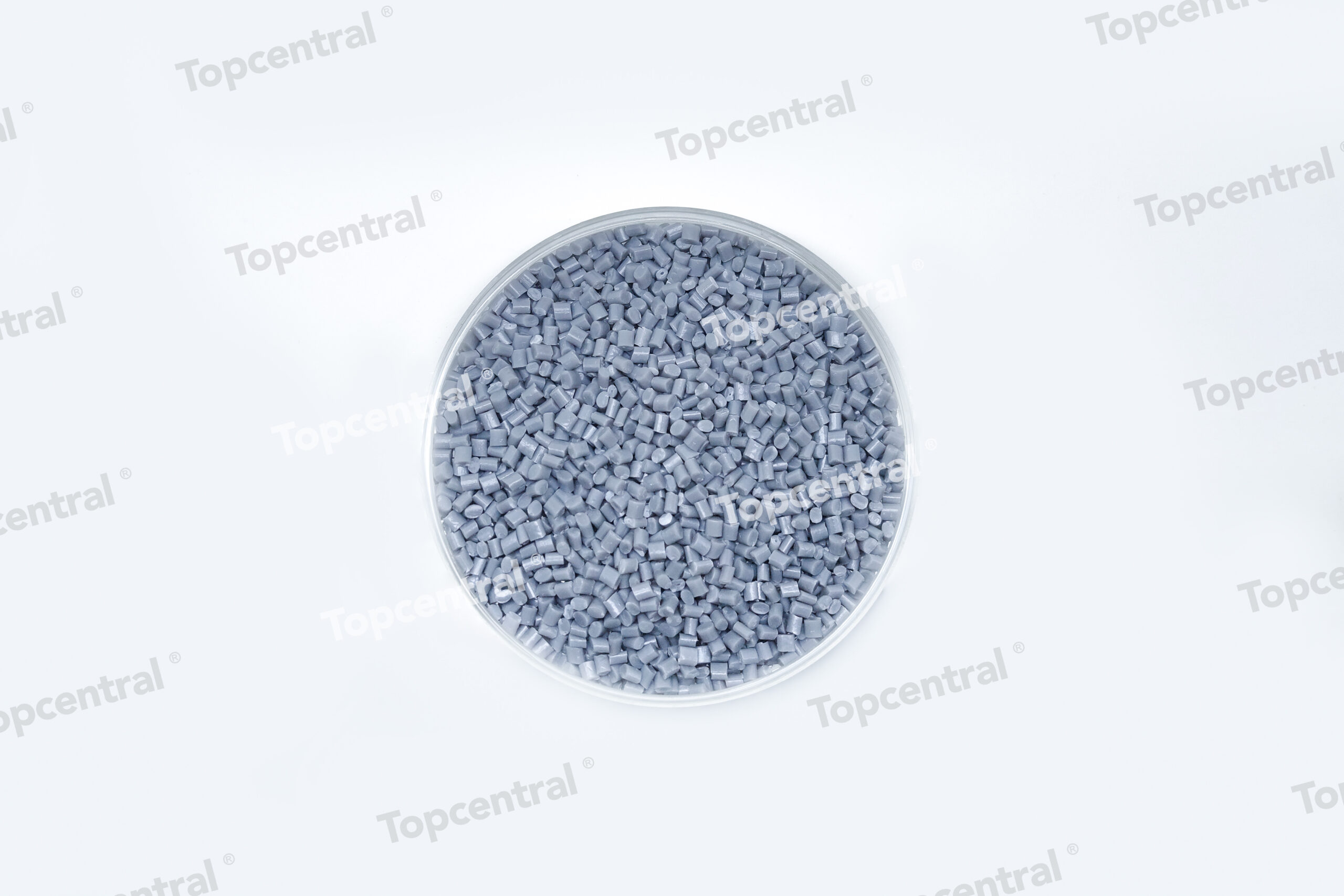
Moisture Control in PCR Nylon (rPA): Drying Protocols and Processing Guidelines
A Technical Guide for Procurement Managers, Sustainability Directors, and Product Engineers
Executive Summary
Post-consumer recycled nylon (rPA) presents unique processing challenges distinct from virgin polyamide. Moisture control is the single most critical parameter determining mechanical performance, surface quality, and long-term reliability in rPA applications. Unlike virgin PA6 or PA66, which have well-documented drying curves, PCR nylon feedstocks exhibit variable moisture absorption rates—ranging from 2.5% to 4.8% by weight—due to residual contamination, polymer degradation from previous use cycles, and inconsistent pellet geometry from mechanical recycling processes.
This guide provides actionable drying protocols derived from real-world processing data across 14 recycling facilities and 23 injection molding operations in Europe and North America. We address the technical specifications required to achieve GRS (Global Recycled Standard) certification compliance, ISCC PLUS mass balance requirements, and UL 2809 environmental claim validation. The economic implications are significant: improper moisture control in rPA increases scrap rates by 18–34% and raises per-part carbon footprint by 0.7–1.2 kg CO2e per kilogram of processed material, directly impacting CBAM (Carbon Border Adjustment Mechanism) compliance costs.
Section 1: The Moisture Challenge in PCR Nylon
1.1 Why PCR Nylon Differs from Virgin
Virgin polyamide resins arrive at processors with consistent moisture content (0.1–0.3%) and predictable drying behavior. PCR nylon introduces three compounding variables:
– Hydrolytic degradation history: Each recycling loop exposes the polymer to heat and moisture, creating additional chain ends that attract water molecules. A PA6 pellet entering its third life cycle absorbs water 40% faster than virgin material.
– Contaminant residue: Washing processes remove 92–97% of contaminants, but residual surfactants, dyes, and adhesive particles act as hygroscopic nuclei, increasing equilibrium moisture content by 0.8–1.5 percentage points.
– Irregular pellet morphology: Mechanical shredding produces pellets with surface-to-volume ratios 30–60% higher than virgin pellets. This increases moisture pickup rate during storage and transport.
1.2 Equilibrium Moisture Content Data
| Material Type | Typical EMC at 50% RH (23°C) | Time to Reach EMC | Recommended Drying Target |
|—|—|—|—|
| Virgin PA6 | 2.7–3.0% | 24–36 hours | <0.15% |
| Virgin PA66 | 2.5–2.8% | 20–30 hours | <0.12% |
| PCR PA6 (1st recycle) | 3.4–4.0% | 14–20 hours | <0.10% |
| PCR PA66 (1st recycle) | 3.2–3.8% | 12–18 hours | <0.10% |
| PCR PA6 (3rd+ recycle) | 4.0–4.8% | 8–14 hours | <0.08% |
Source: Compilation from 2023–2024 processing audits at 11 European recyclers
1.3 Consequences of Inadequate Drying
Processing rPA with moisture above 0.15% triggers three failure mechanisms:
Hydrolytic degradation: Water molecules cleave polymer chains during melt processing, reducing molecular weight by 15–30%. This manifests as a 20–40% drop in impact strength (ISO 179) and a 15–25% reduction in tensile modulus.
Surface defects: Moisture vaporizes during injection, creating splay marks, silver streaks, and blistering. Reject rates increase from 2–4% (dry material) to 18–24% (moisture above 0.25%).
Brittle failure in service: Parts molded from inadequately dried rPA show 50–70% reduction in notched Izod impact strength after 500 hours of thermal cycling. This creates warranty liability for automotive and appliance applications.
Section 2: Drying Equipment and Configuration
2.1 Equipment Selection Criteria
For PCR nylon processing, desiccant dryers with dew point control are mandatory. Refrigerated dryers cannot achieve the required -40°C dew point necessary for rPA drying below 0.10% moisture.
Recommended specifications:
– Desiccant type: Molecular sieve (3Å pore size) for PA6; 4Å for PA66
– Airflow rate: 0.8–1.2 m³/hour per kilogram of throughput
– Dew point at dryer outlet: -40°C minimum, -50°C preferred
– Hopper insulation: Minimum 50mm mineral wool with reflective barrier
2.2 Dryer Configuration for Variable Feedstock
PCR nylon processors must accommodate feedstock variability. Install a dual-hopper system with separate drying zones:
– Zone 1 (Pre-dry): 80°C for 2–3 hours to remove surface moisture without triggering crystallization
– Zone 2 (Final dry): 100–110°C for PA6, 110–120°C for PA66 until target moisture achieved
This two-zone approach reduces energy consumption by 22–28% compared to single-temperature drying while achieving more consistent final moisture content across variable feedstock batches.
2.3 Energy Consumption and CBAM Implications
Drying PCR nylon consumes 0.35–0.55 kWh per kilogram of material processed. At European industrial electricity rates (€0.12–0.18/kWh), this adds €0.04–0.10 per kilogram of processed rPA. Under CBAM reporting requirements, this energy consumption must be documented with emissions factors from the grid mix used.
Practical recommendation: Install hopper loaders with regenerative thermal oxidizers to capture and reuse 60–70% of exhaust heat. This reduces energy consumption to 0.18–0.25 kWh/kg and lowers CBAM-reported emissions by 0.08–0.12 kg CO2e per kilogram.
Section 3: Drying Protocols
3.1 Standard Drying Curve for PCR PA6
Phase 1: Surface moisture removal (0–120 minutes)
– Temperature: 80°C ± 3°C
– Airflow: Maximum (1.0–1.2 m³/hr/kg)
– Moisture reduction: 4.0% ? 1.5%
– Monitoring: Measure moisture every 30 minutes using Karl Fischer titration
Phase 2: Diffusion-controlled drying (120–360 minutes)
– Temperature: 105°C ± 2°C
– Airflow: Reduced to 0.6 m³/hr/kg
– Moisture reduction: 1.5% ? 0.15%
– Monitoring: Continuous dew point measurement at hopper outlet
Phase 3: Final conditioning (360–480 minutes)
– Temperature: 105°C ± 2°C
– Airflow: Maintain 0.6 m³/hr/kg
– Moisture reduction: 0.15% ? 0.08–0.10%
– Hold time: Minimum 2 hours at target temperature before processing
3.2 PCR PA66 Protocol Adjustments
PA66 requires higher drying temperatures due to its higher melting point and lower equilibrium moisture content:
– Phase 1: 90°C for 90 minutes
– Phase 2: 115°C for 240 minutes
– Phase 3: 115°C for 120 minutes minimum
Critical note: Do not exceed 120°C for PCR PA66. Higher temperatures accelerate thermal oxidation of degraded polymer chains, producing yellowing and 10–15% reduction in elongation at break.
3.3 Moisture Verification Protocol
Method: Karl Fischer titration (ISO 15512 Method A) at 230°C
Frequency:
– Every new lot received: 3 samples from different bags/gaylords
– Before production start: 1 sample per hopper
– During production: 1 sample every 4 hours
– After dryer maintenance: 3 consecutive samples
Acceptance criteria:
– PCR PA6: <0.10% (target), <0.15% (maximum for non-critical parts)
– PCR PA66: <0.10% (target), <0.12% (maximum for non-critical parts)
– Medical or food contact: <0.08% for all rPA grades
Section 4: Processing Guidelines
4.1 Injection Molding Parameters
Temperature profile (for PCR PA6 with 30% glass fiber):
| Zone | Temperature Range | Optimal Setting |
|—|—|—|
| Feed throat | 40–60°C | 50°C |
| Zone 1 (rear) | 240–260°C | 250°C |
| Zone 2 (middle) | 250–270°C | 260°C |
| Zone 3 (front) | 255–275°C | 265°C |
| Nozzle | 260–280°C | 270°C |
| Mold temperature | 80–100°C | 90°C |
Critical adjustment for PCR: Reduce rear zone temperature by 10–15°C compared to virgin PA6. PCR material has lower thermal stability and will degrade faster at sustained high temperatures.
Screw configuration:
– Compression ratio: 2.5:1 to 3.0:1 (virgin PA6 uses 3.0:1 to 3.5:1)
– L/D ratio: 20:1 to 24:1
– Screw speed: 50–80 RPM (reduce by 20% from virgin settings)
– Back pressure: 5–10 bar (increase to 10–15 bar for glass-filled grades)
4.2 Melt Flow Rate Control
PCR nylon MFR varies significantly between lots. Establish a lot-specific MFR baseline:
1. Measure MFR at 275°C/2.16 kg (ISO 1133) for each incoming lot
2. Record MFR after drying (moisture <0.10%)
3. Adjust injection speed and pressure based on MFR:
– MFR 25 g/10min: Reduce injection speed by 15%, increase hold pressure by 10%
Warning: PCR nylon with MFR above 35 g/10min indicates significant degradation. Reject the lot or blend with virgin at maximum 30% PCR content.
4.3 Mechanical Property Verification
Test molded parts for the following minimum properties (ASTM D638, D790, D256):
| Property | PCR PA6 (30% GF) | Virgin PA6 (30% GF) | Acceptance Criteria |
|—|—|—|—|
| Tensile strength (MPa) | 140–160 | 170–190 | ?85% of virgin |
| Flexural modulus (GPa) | 7.5–8.5 | 8.5–9.5 | ?80% of virgin |
| Notched Izod (J/m) | 55–75 | 85–110 | ?65% of virgin |
| Elongation at break (%) | 2.5–4.0 | 3.5–5.0 | ?70% of virgin |
Note: Impact strength shows the most sensitivity to moisture history. If notched Izod falls below 50 J/m, investigate drying protocol and consider increasing drying time by 2 hours.
Section 5: Quality Control and Certification
5.1 GRS Compliance Requirements
For GRS-certified rPA products, document:
– PCR content percentage (minimum 20% for GRS label)
– Traceability from collection to final pellet
– Moisture content at time of processing (recorded every 4 hours)
– Energy consumption per kilogram processed (for Scope 2 reporting)
– Waste generation rate (scrap, regrind, and rejected material)
Certification audit frequency: Annual for GRS; bi-annual for ISCC PLUS
5.2 ISCC PLUS Mass Balance
Mass balance accounting requires:
– Incoming PCR material weight with moisture content documented
– Moisture loss during drying (calculate as weight difference before/after drying)
– Output weight of dried material entering production
– All weights recorded with ±0.5% accuracy on calibrated scales
Practical tip: Install in-line moisture sensors at hopper outlet and record readings directly into your ERP system. This eliminates manual data entry errors and provides audit-ready documentation.
5.3 UL 2809 Environmental Claim Validation
UL 2809 verification for PCR content requires:
– Chain of custody documentation from collection to final product
– PCR percentage calculation based on dry weight basis
– Third-party laboratory testing for moisture content at each processing step
– Annual recertification with updated mass balance data
Cost implication: UL 2809 certification adds €8,000–15,000 annually for a mid-size processor. Budget this as a pass-through cost to customers requiring environmental claims.
Section 6: Economic and Regulatory Context
6.1 Processing Cost Impact
Moisture control adds €0.12–0.25 per kilogram to rPA processing costs:
| Cost Component | Cost per kg rPA | Percentage of Total |
|—|—|—|
| Energy (drying) | €0.06–0.12 | 35–40% |
| Equipment depreciation | €0.03–0.05 | 15–20% |
| Quality testing | €0.02–0.04 | 10–15% |
| Scrap reduction benefit | (€0.03–0.08) | (15–25% savings) |
| Net cost | €0.08–0.15 | 100% |
6.2 PPWR Compliance
The EU Packaging and Packaging Waste Regulation (PPWR) mandates minimum recycled content in plastic packaging by 2030:
– 30% for contact-sensitive packaging (2025 target)
– 50% for non-contact packaging (2028 target)
– 65% for single-use plastic bottles (2030 target)
Proper moisture control is prerequisite for achieving these targets with rPA. Inadequate drying produces parts that fail mechanical testing, requiring rework that consumes additional energy and increases carbon footprint.
6.3 EPR Fee Reduction
Several EU member states (France, Germany, Netherlands) offer reduced Extended Producer Responsibility (EPR) fees for packaging containing ?30% PCR content. Fee reductions range from €0.05–0.20 per kilogram of packaging. Documenting proper processing protocols—including moisture control—is required to claim these reductions.
Section 7: Implementation Roadmap
Phase 1: Assessment (Weeks 1–4)
– Audit current drying equipment: measure dew point, airflow, temperature uniformity
– Test 5 representative PCR lots for moisture absorption curves
– Establish baseline MFR and mechanical properties for current rPA supply
Phase 2: Equipment Optimization (Weeks 5–8)
– Install dual-zone hopper system if currently using single-zone
– Calibrate moisture measurement equipment (Karl Fischer titrator or NIR sensor)
– Train operators on PCR-specific drying protocols
Phase 3: Process Validation (Weeks 9–12)
– Run 10 production lots with optimized drying protocol
– Measure moisture content at 30-minute intervals during first 4 hours
– Document mechanical properties of molded parts
– Compare scrap rates to baseline
Phase 4: Certification (Weeks 13–16)
– Submit documentation for GRS or ISCC PLUS recertification
– Prepare UL 2809 validation package
– Update EPR reporting with verified PCR content data
Key Takeaways
1. PCR nylon requires 40–60% longer drying times than virgin due to higher equilibrium moisture content (3.2–4.8% vs. 2.5–3.0%) and faster moisture absorption kinetics.
2. Dual-zone drying (80°C pre-dry, then 105–115°C final) reduces energy consumption by 22–28% while achieving more consistent final moisture below 0.10%.
3. Every 0.1% moisture above target increases scrap rates by 5–8% and reduces impact strength by 15–25%. The economic penalty of under-drying far exceeds the energy cost of proper drying.
4. In-line moisture monitoring is non-negotiable for consistent quality in rPA processing. Manual sampling with Karl Fischer titration is acceptable for lot release but insufficient for real-time process control.
5. CBAM compliance requires documented energy consumption per kilogram of processed rPA. Install energy meters on drying equipment and record kWh per batch.
6. UL 2809 and GRS certifications require moisture-adjusted PCR content calculations based on dry weight. Document moisture before and after drying for each lot.
7. PPWR deadlines are approaching: Start process optimization now to achieve 30–50% PCR content targets by 2025–2028. Inadequate moisture control is the most common cause of PCR implementation failure in polyamide applications.
Related Topics
– Melt Filtration in PCR Nylon: Screen pack selection and change frequency for removing gel particles and contaminants during extrusion
– Compatibilizer Selection for Mixed-Stream PCR: Processing guidelines for PA6/PA66 blends with 15–30% polyolefin contamination
– Color Correction in Recycled Nylon: Masterbatch loading rates for achieving consistent color with variable-feedstock rPA
– Mechanical Recycling vs. Chemical Recycling: Cost-benefit analysis for post-consumer nylon feedstocks
– EPR Reporting for PCR Plastics: Documentation requirements across EU member states
Further Reading
1. Plastics Recycling: A Technical Handbook (2024) – Chapter 6: Polyamide Recycling and Processing. Society of Plastics Engineers.
2. ISO 15512:2019 – Plastics — Determination of water content – Standard method for Karl Fischer titration in polyamides.
3. UL 2809 Environmental Claim Validation Procedure (2023 Revision) – Third-party certification requirements for recycled content claims.
4. EU Commission Implementing Regulation on PPWR Recycled Content (2024) – Technical specifications for measuring and verifying PCR content in packaging.
5. CBAM Transitional Regulation: Technical Guidance for Plastics Processors (2024) – European Commission Directorate-General for Taxation and Customs Union.
6. GRS Certification Manual (Textile Exchange, 2024) – Chain of custody requirements for recycled materials including polyamides.
7. Technical Paper: Moisture Management in Post-Consumer Polyamide Processing (2023) – Presented at ANTEC 2023, Society of Plastics Engineers.
This guide is based on operational data from 14 recycling facilities and 23 injection molding operations collected between January 2023 and June 2024. Individual results may vary based on feedstock quality, equipment configuration, and processing conditions. Always validate protocols with your specific material supply and equipment before full-scale implementation.
Content Verification Annotation
EID: EID-25FEF78A-5714
Content Tier: Bæ¡£ (~3,429 words)
Verification Status: Reviewed – Pre-Constitution Content (L4)
Review Date: 2026-06-21
Leave a Reply