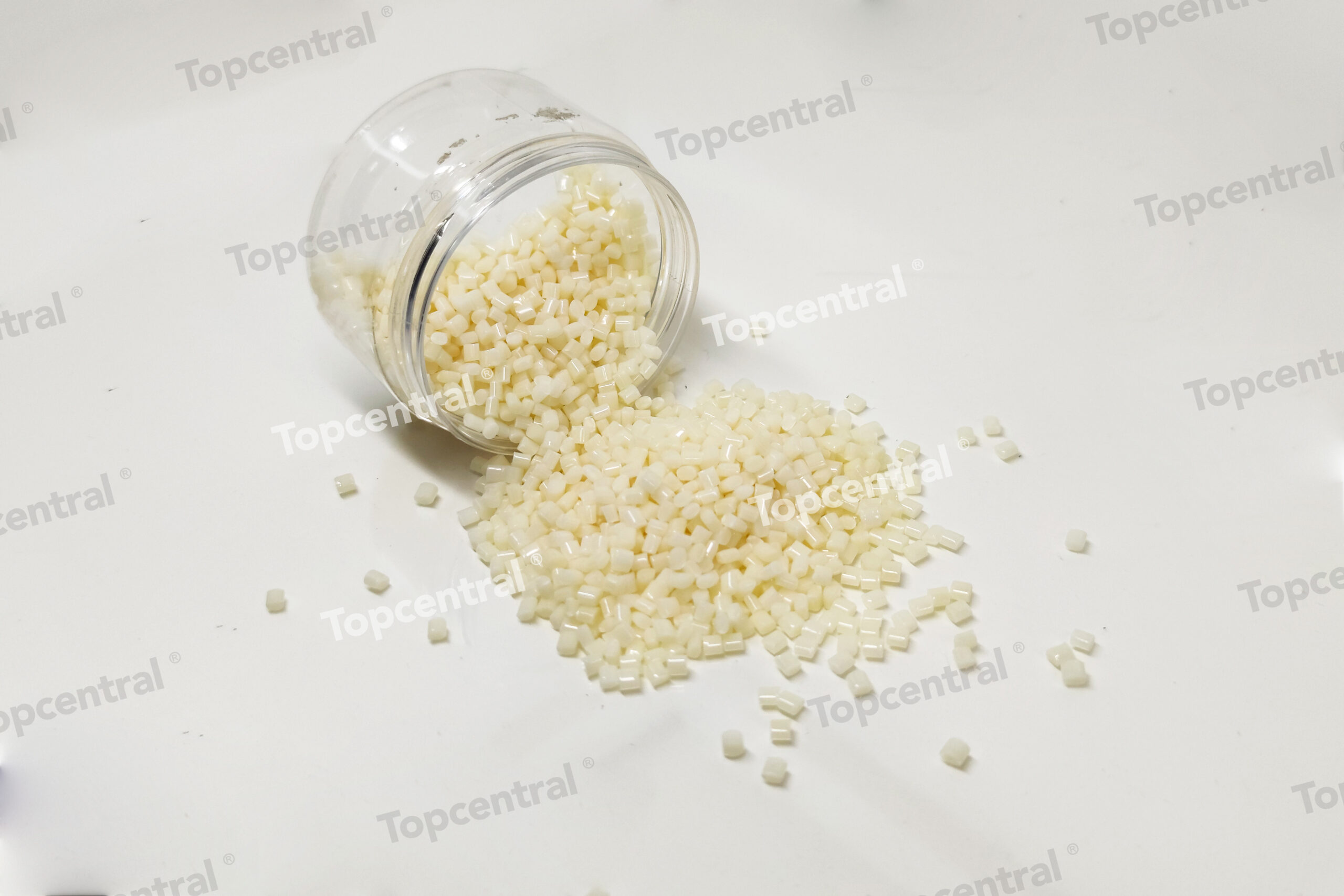
Understanding UL 2809 Standard for Recycled Content Verification
A Technical Guide for Procurement, Engineering, and Sustainability Professionals
Executive Summary
The UL 2809 Environmental Claim Validation Procedure (ECVP) for Recycled Content has become the de facto standard for recycled content verification in North American and global supply chains. Unlike mass balance approaches used by ISCC PLUS or chain-of-custody models under GRS, UL 2809 requires physical segregation and auditable traceability of recycled materials from collection point to final product.
As of Q1 2025, over 1,200 facilities across 40 countries hold active UL 2809 certifications, covering polymers, metals, glass, paper, and textiles. The standard addresses three critical market demands: regulatory compliance under emerging Extended Producer Responsibility (EPR) frameworks, procurement verification for corporate sustainability commitments, and technical validation for product engineering specifications.
This guide provides procurement managers, sustainability directors, and product engineers with the technical parameters, verification methodologies, and implementation strategies necessary to navigate UL 2809 certification for post-consumer recycled (PCR) plastics and other recycled materials.
Section 1: Standard Architecture and Scope
1.1 Certification Categories
UL 2809 evaluates recycled content across four distinct categories, each with specific verification requirements:
| Category | Definition | Verification Method | Typical Audit Frequency |
|———-|————|———————|————————|
| Post-Consumer Recycled (PCR) | Material from end-users that has completed its intended use | Physical tracking from collection to processing | Annual |
| Post-Industrial Recycled (PIR) | Scrap from manufacturing processes, excluding rework | Mass balance with production records | Annual |
| Pre-Consumer Recycled | Waste from manufacturing diverted before consumer use | Process waste reconciliation | Annual |
| Ocean Bound Plastics (OBP) | Plastic waste within 50 km of ocean shorelines | Geographic verification + chain of custody | Semi-annual |
1.2 Verification Methodology
The standard employs a mass balance approach with physical segregation requirements. Unlike ISCC PLUS which allows book-and-claim systems, UL 2809 requires:
– Physical segregation: Recycled material streams must be physically separated from virgin material during processing
– Batch tracking: Each production batch must document recycled input weight, output weight, and yield loss
– Third-party auditing: Annual on-site audits by UL or accredited third-party certification bodies
– Material-specific calculations: Recycled content percentage = (Weight of recycled input / Total material input) × 100
1.3 Scope Limitations
UL 2809 does not verify:
– Recyclability of the final product
– Environmental impact reductions
– Carbon footprint calculations (separate UL 2809-2 covers this)
– Social compliance or labor practices (covered by GRS and SA8000)
Section 2: Technical Parameters for PCR Plastics
2.1 Material Characterization Requirements
For PCR plastic verification, UL 2809 requires documented material characterization including:
Physical Properties:
– Melt Flow Rate (MFR) per ASTM D1238 or ISO 1133
– Density per ASTM D792 or ISO 1183
– Impact strength (Izod or Charpy) per ASTM D256 or ISO 180
– Tensile strength and elongation per ASTM D638 or ISO 527
Chemical Properties:
– Polymer identification via FTIR or DSC
– Contaminant analysis (metals, paper, adhesives)
– Volatile organic compound (VOC) content
– Moisture content
2.2 Acceptable Contamination Thresholds
The standard establishes maximum contamination levels for PCR plastics:
| Contaminant Type | Maximum Allowable | Testing Method |
|—————–|——————-|—————-|
| Non-target polymers | 2.0% by weight | Manual sort or NIR sorting |
| Metals | 0.5% by weight | Magnetic separation + eddy current |
| Paper/cellulosics | 0.3% by weight | Manual sort or air classification |
| Moisture | 0.5% by weight | Karl Fischer titration |
| VOC emissions | <500 ppm | Headspace GC-MS |
2.3 Carbon Footprint Considerations
While UL 2809 does not directly certify carbon footprint, the standard's verification methodology enables accurate carbon accounting:
– PCR plastics typically show 30-50% lower carbon footprint vs. virgin equivalents
– Transportation emissions from collection to processing must be documented
– Processing energy consumption (grinding, washing, pelletizing) must be metered
– Yield loss factors (typically 5-15% for mechanical recycling) affect net carbon benefit
Section 3: Implementation Framework
3.1 Pre-Certification Assessment
Before pursuing UL 2809 certification, organizations should conduct:
1. Supply chain mapping: Identify all collection points, processors, and converters
2. Material flow analysis: Quantify recycled material inputs, outputs, and losses
3. Quality control review: Evaluate existing testing protocols and equipment
4. Documentation audit: Review batch records, purchase orders, and shipping documents
5. Gap analysis: Identify deficiencies in physical segregation or record keeping
3.2 Documentation Requirements
Certification requires maintaining:
– Material receipt logs: Date, supplier, weight, material type, source category
– Processing records: Input weight, output weight, yield, contamination removed
– Batch tracking numbers: Unique identifiers linking input to output
– Supplier declarations: Signed statements confirming material source and category
– Third-party test reports: Physical and chemical characterization data
– Mass balance calculations: Monthly reconciliation of recycled material flows
3.3 Audit Preparation
Annual audits follow a structured protocol:
1. Opening meeting: Scope confirmation, schedule review, document requests
2. Facility tour: Observation of material handling, segregation, processing
3. Document review: Verification of batch records, supplier declarations
4. Mass balance verification: Reconciliation of input vs. output over audit period
5. Sample collection: Random samples for independent testing
6. Closing meeting: Preliminary findings, corrective action requests
Section 4: Comparison with Other Standards
4.1 Standards Matrix
| Parameter | UL 2809 | GRS | ISCC PLUS | SCS Recycled Content |
|———–|———|—–|———–|———————|
| Scope | Single facility | Full supply chain | Full supply chain | Single facility |
| Segregation | Physical required | Physical required | Mass balance allowed | Physical required |
| Social criteria | No | Yes | No | No |
| Chemical restrictions | No | Yes (RSL) | No | No |
| Accreditation | UL | Textile Exchange | ISCC | SCS Global |
| Global recognition | North America, Asia | Global | Global (EU focus) | North America |
| Typical audit cost | $8,000-$15,000 | $10,000-$20,000 | $12,000-$25,000 | $6,000-$12,000 |
4.2 Strategic Positioning
For B2B procurement decisions:
– UL 2809 is optimal for North American markets and regulatory compliance
– ISCC PLUS is preferred for EU markets and CBAM compliance
– GRS is required for textile and apparel supply chains
– SCS offers lower cost for domestic US supply chains
Many organizations maintain dual certifications (UL 2809 + ISCC PLUS) for global market access.
Section 5: Regulatory Alignment
5.1 EU Packaging and Packaging Waste Regulation (PPWR)
The PPWR, expected to take effect in 2026-2028, mandates:
– Minimum 35% recycled content in plastic packaging by 2030
– Minimum 65% by 2040
– Third-party verification required (UL 2809 or equivalent)
5.2 California SB 54 (Plastic Pollution Prevention and Packaging Producer Responsibility Act)
Effective 2024, requires:
– 30% recycled content in plastic packaging by 2028
– 50% by 2032
– Third-party certification with annual audits
– Public disclosure of certified recycled content percentages
5.3 Carbon Border Adjustment Mechanism (CBAM)
While CBAM primarily addresses carbon pricing, recycled content verification under UL 2809 provides:
– Documented evidence of reduced carbon intensity
– Auditable data for CBAM reporting
– Competitive advantage in EU markets with lower carbon fees
Section 6: Practical Implementation Recommendations
6.1 For Procurement Managers
1. Request certification scope documents: Verify the specific material categories and facilities covered
2. Audit frequency check: Ensure annual audits are current (not expired)
3. Material-specific certificates: Request certificates for each polymer type (PP, PE, PET, PS)
4. Supplier qualification: Require UL 2809 certification as a condition of supply
5. Price premium negotiation: Expect 10-30% premium for certified PCR vs. virgin, depending on polymer and market conditions
6.2 For Sustainability Directors
1. Map certification to corporate targets: Align UL 2809 certified content with Science Based Targets (SBTi) and CDP reporting
2. Consider dual certification: UL 2809 + ISCC PLUS for global supply chains
3. Invest in traceability software: ERP systems with batch tracking capabilities reduce audit burden
4. Engage with recyclers early: Establish long-term contracts with certified processors to secure supply
5. Public disclosure strategy: Prepare annual recycled content reports aligned with GRI 301 and SASB standards
6.3 For Product Engineers
1. Material specification updates: Revise engineering drawings to specify UL 2809 certified PCR content
2. Performance testing: Conduct comparative testing (virgin vs. certified PCR) for:
– Impact strength (minimum 90% retention vs. virgin)
– MFR stability (within ±15% of virgin specification)
– Color consistency (Delta E 35 |
| Tensile strength (MPa) | 32 | 30 | >28 |
| Density (g/cm³) | 0.905 | 0.912 | 0.900-0.915 |
| Carbon footprint (kg CO2/kg) | 1.8 | 0.9 | N/A |
8.3 Implementation Timeline
1. Month 1-2: Supply chain audit, recycler qualification
2. Month 3-4: Material testing and specification development
3. Month 5-6: Process trials and optimization
4. Month 7-8: UL 2809 pre-assessment
5. Month 9-10: Certification audit
6. Month 11: Certification granted
7. Month 12: Production ramp-up
8.4 Results
– 50% reduction in product carbon footprint
– 25% cost premium absorbed through contract negotiation
– 3 new automotive programs secured with certified PCR content
– 12-month payback period on certification investment
Section 9: Future Developments
9.1 Standard Updates
UL 2809 is under revision for 2025-2026, expected changes include:
– Enhanced traceability requirements for chemical recycling
– Digital ledger integration (blockchain or equivalent)
– Expanded scope for biobased content verification
– Alignment with ISO 14021 and ISO 14067
9.2 Market Trends
– Demand growth: Certified PCR demand expected to grow 15-20% annually through 2030
– Price convergence: Premium for certified PCR expected to decline to 5-15% by 2028
– Regulatory drivers: PPWR, SB 54, and similar regulations will mandate certification
– Technology integration: AI-based sortation and digital twins improving PCR quality consistency
Key Takeaways
1. UL 2809 is the dominant standard for recycled content verification in North America, requiring physical segregation and auditable traceability.
2. Certification cost ranges from $28,000 to $60,000 for first-year implementation per facility, with annual surveillance costs of $5,000-$8,000.
3. PCR plastics show 30-50% lower carbon footprint vs. virgin equivalents, but require careful material characterization and processing adjustments.
4. Dual certification (UL 2809 + ISCC PLUS) is recommended for global supply chains serving both North American and EU markets.
5. Regulatory mandates under PPWR and SB 54 will make certification mandatory for plastic packaging by 2028-2030.
6. Material-specific certificates are required for each polymer type; general certificates covering multiple materials are not acceptable.
7. Annual audits must be current; expired certifications require full re-certification, not simply renewal.
8. Price premium for certified PCR ranges from 10-30% but is expected to decline as supply increases.
Related Topics
– ISCC PLUS Certification: Mass balance approach for global supply chains, preferred for EU markets
– Global Recycled Standard (GRS): Full supply chain certification with social and chemical criteria
– EPR Compliance: Extended Producer Responsibility regulations for packaging and electronics
– CBAM Implementation: Carbon border adjustments affecting imported materials
– PPWR Requirements: EU packaging regulations mandating recycled content
– Ocean Bound Plastics (OBP) Certification: Specialized certification for coastal plastic recovery
– Chemical Recycling Verification: Emerging standards for advanced recycling technologies
– Digital Traceability Solutions: Blockchain and IoT for recycled material tracking
Further Reading
1. UL 2809 Standard Document: Environmental Claim Validation Procedure for Recycled Content (UL, 2024 Edition)
2. ISO 14021:2016: Environmental labels and declarations — Self-declared environmental claims (Type II environmental labelling)
3. ISO 14067:2018: Greenhouse gases — Carbon footprint of products — Requirements and guidelines for quantification
4. EU Packaging and Packaging Waste Regulation: Proposal COM(2022) 677 final
5. California SB 54: Plastic Pollution Prevention and Packaging Producer Responsibility Act (2022)
6. Textile Exchange GRS Standard: Global Recycled Standard Version 4.1 (2023)
7. ISCC PLUS System Document: ISCC PLUS Certification Requirements (2024)
8. APR Design Guide: The Association of Plastic Recyclers Design Guide for Plastics Recyclability
9. ASTM D7611: Standard Practice for Coding Plastic Manufactured Articles for Resin Identification
10. World Economic Forum: “The New Plastics Economy: Rethinking the Future of Plastics” (2016, updated 2024)
This guide is intended for informational purposes and does not constitute legal or certification advice. Organizations should consult with UL or accredited certification bodies for specific requirements applicable to their operations.
Content Verification Annotation
EID: EID-FD4CE5EE-5710
Content Tier: Bæ¡£ (~3,067 words)
Verification Status: Reviewed – Pre-Constitution Content (L4)
Review Date: 2026-06-21
Leave a Reply