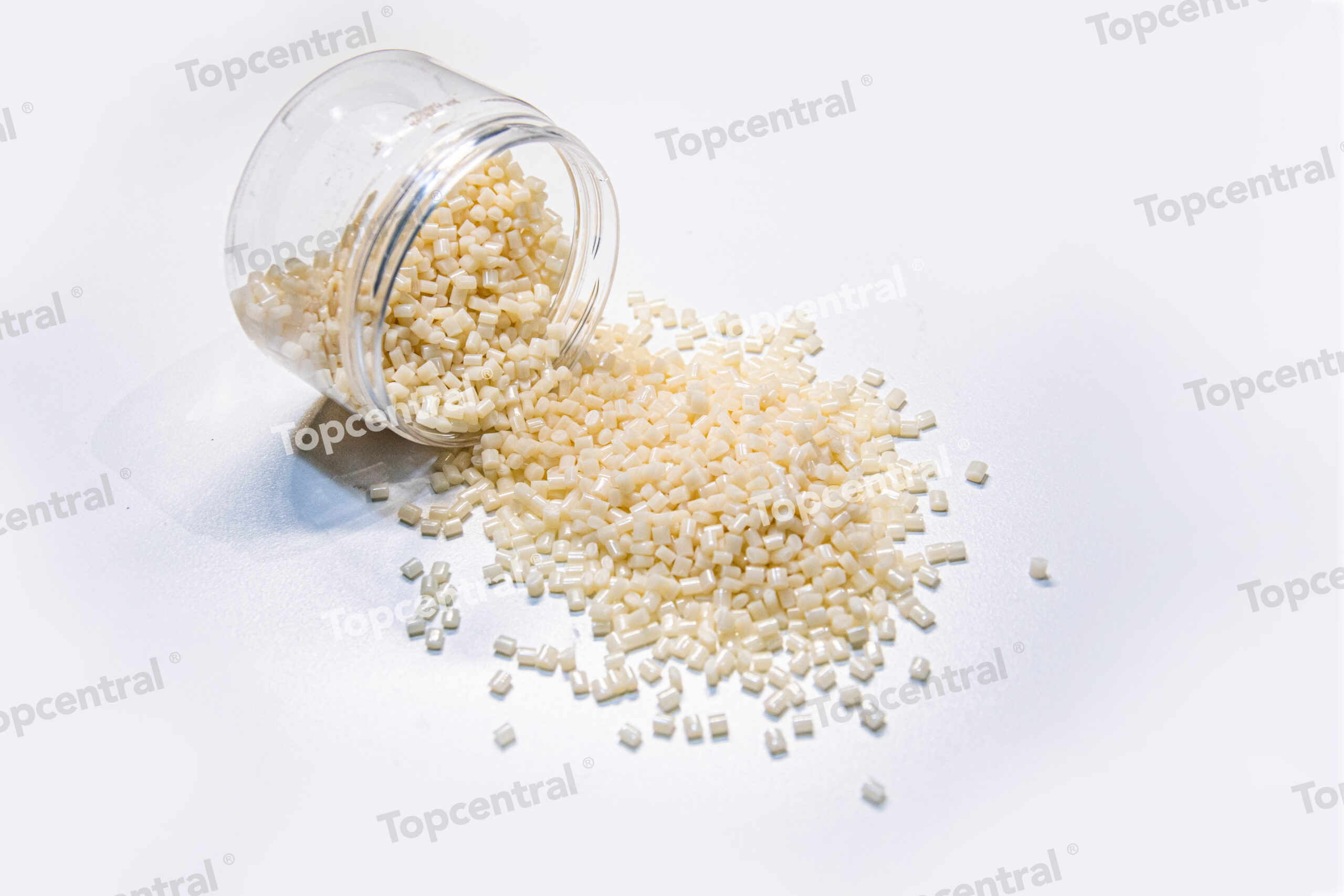
Quick Guide: GRS Certification Application Process for PCR Suppliers
Executive Summary
The Global Recycled Standard (GRS) certification has become the de facto benchmark for post-consumer recycled (PCR) plastics in global supply chains. With the European Union’s Packaging and Packaging Waste Regulation (PPWR) mandating minimum recycled content thresholds of 30% for plastic packaging by 2030, and the Carbon Border Adjustment Mechanism (CBAM) imposing import costs on virgin carbon-intensive materials, GRS certification is no longer optional for PCR suppliers targeting European and North American markets.
As of Q2 2025, over 4,200 facilities worldwide hold GRS certification, representing a 38% increase from 2023. The certification process typically requires 12–18 weeks from application to approval, with costs ranging from €8,000 to €25,000 depending on facility size, scope, and certification body.
This guide provides PCR suppliers with a step-by-step framework for GRS certification, covering technical requirements, documentation protocols, chain of custody controls, and post-certification compliance. It is designed for procurement managers, sustainability directors, and product engineers who need actionable implementation guidance.
Section 1: Understanding GRS Certification Requirements
1.1 Scope and Applicability
GRS certification applies to any product containing at least 20% recycled material by weight. For PCR plastics, the standard covers:
– Post-consumer recycled content: Material generated by end-users that has completed its intended use
– Post-industrial recycled content: Material diverted from manufacturing waste streams
– Recycled content claims: Products must specify PCR vs. PIR percentages
The standard operates on a 100% chain of custody model, meaning every transaction in the supply chain must be certified from the recycling facility to the final product manufacturer.
1.2 Minimum Recycled Content Thresholds
| Product Category | Minimum Recycled Content (GRS) | Typical PCR Content Achieved |
|—————–|——————————-|——————————|
| Bottle-grade PET | 20% | 50–100% |
| HDPE containers | 20% | 30–70% |
| PP packaging | 20% | 25–50% |
| LDPE films | 20% | 20–40% |
| PS insulation | 20% | 30–60% |
| ABS electronics | 20% | 20–40% |
1.3 Critical Technical Parameters
GRS requires documented testing of recycled materials against virgin specifications. Key parameters for PCR plastics include:
– Melt Flow Rate (MFR): Typically ±15% of virgin specification; for PP, MFR range 8–45 g/10 min (230°C/2.16 kg)
– Impact Strength: Notched Izod values must meet minimum 80% of virgin material specification
– Tensile Strength: Minimum 85% retention compared to virgin material
– Carbon Footprint: Must be calculated per ISO 14067 or PAS 2050; typical PCR plastics show 60–80% reduction vs. virgin
Section 2: Pre-Application Preparation
2.1 Gap Analysis
Before initiating the formal application, conduct a gap analysis covering:
1. Material sourcing: Verify PCR feedstock suppliers have valid collection and processing certifications
2. Production processes: Document all material handling, sorting, and reprocessing steps
3. Quality control: Establish testing protocols for MFR, density, contamination levels, and color consistency
4. Traceability systems: Implement batch tracking from intake to finished product
Practical Tip: Begin with a self-assessment using the GRS Checklist available from Textile Exchange. Identify gaps in documentation, particularly for material origin verification and waste management records.
2.2 Documentation Requirements
GRS certification requires the following core documents:
– Material specification sheets: Including PCR source, processing method, and chemical composition
– Chain of custody procedures: Written protocol for segregating certified and non-certified materials
– Recycled content tracking system: Database or ERP module tracking input/output ratios
– Environmental management policy: Including energy consumption, water usage, and waste reduction targets
– Social responsibility policy: Compliance with ILO conventions, including no forced labor, minimum wage, and working hours
2.3 Selecting a Certification Body
Choose a Textile Exchange-accredited certification body (CB). As of 2025, the following CBs account for 85% of GRS certifications globally:
| Certification Body | Market Share | Average Audit Duration | Cost Range (EUR) |
|——————-|————–|———————-|——————|
| Control Union | 28% | 2–3 days | 8,000–15,000 |
| SGS | 22% | 2–4 days | 10,000–18,000 |
| Intertek | 18% | 2–3 days | 9,000–16,000 |
| Ecocert | 12% | 1–2 days | 8,000–12,000 |
| Other CBs | 20% | 1–3 days | 7,000–25,000 |
Selection criteria: Prioritize CBs with experience in your specific polymer type (PET, HDPE, PP, etc.) and regional presence. Request references from three current clients in similar operations.
Section 3: Application Process – Step by Step
Step 1: Initial Application Submission
Submit the following to your chosen CB:
– Completed GRS Application Form (available from Textile Exchange)
– Facility registration documents (business license, tax ID, site plan)
– Product scope declaration (list of products seeking certification)
– Estimated annual production volumes for certified products
– Self-declaration of compliance with GRS social and environmental criteria
Timeline: 1–2 weeks for CB to review and respond
Step 2: Document Review
The CB will assess your submitted documentation against GRS requirements. Focus areas include:
– Recycled content calculation methodology: Must use weight-based accounting with documented input/output ratios
– Chain of custody model: Only “product segregation” or “mass balance” models are accepted; “credits” or “book and claim” are not allowed
– Subcontractor management: All third-party processors must be identified and either certified or covered under your scope
Common deficiencies: Incomplete material specification sheets, missing supplier certifications, inadequate social compliance documentation
Step 3: On-Site Audit
The physical audit typically covers:
Day 1: Opening meeting and document verification
– Material intake records (last 12 months)
– Production batch records
– Quality control test results
– Waste management documentation
Day 2: Facility inspection and interviews
– Visual inspection of material segregation practices
– Interview with quality manager, production supervisor, and environmental officer
– Review of employee working conditions (wages, hours, safety equipment)
– Sampling of certified materials for third-party testing
Day 3: Closing meeting and preliminary findings
– Review of non-conformances (if any)
– Discussion of corrective action timeline
Practical Tip: Prepare a dedicated room with all documents organized by GRS criterion. Assign a point person to accompany auditors throughout the inspection.
Step 4: Corrective Actions (If Required)
Non-conformances are categorized as:
– Critical: Immediate safety or legal violations; certification withheld until resolved
– Major: Significant deviation from GRS requirements; must be resolved within 60 days
– Minor: Documentation gaps or procedural issues; must be resolved within 120 days
Industry data: Approximately 65% of initial audits result in at least one major non-conformance. The most common issues are:
1. Incomplete supplier certification records (32%)
2. Inadequate material segregation protocols (28%)
3. Missing environmental management documentation (18%)
Step 5: Certification Issuance
Upon successful completion:
– Certificate valid for 1 year
– Scope certificate issued for the facility
– Transaction certificate issued for each product
– Annual surveillance audits required
– Full recertification every 3 years
Section 4: Technical Requirements for PCR Plastics
4.1 Material Testing Specifications
GRS requires certified materials to meet defined quality parameters. For PCR plastics, the following tests are mandatory:
| Test Parameter | Test Method | Frequency | Acceptance Criteria |
|—————|————-|———–|——————-|
| Melt Flow Index | ISO 1133 | Per batch | Within ±15% of spec |
| Density | ISO 1183 | Per batch | Within ±0.005 g/cm³ |
| Moisture Content | ASTM D6980 | Per batch | <0.05% for PET, <0.02% for PP/PE |
| Contamination Level | Visual + NIR | Weekly | <0.5% non-target polymers |
| Metal Content | Eddy current | Monthly | <50 ppm |
| Carbon Footprint | ISO 14067 | Annually | Documented reduction vs. virgin |
4.2 Chain of Custody Requirements
GRS operates on a 100% chain of custody model. Key requirements:
– Material segregation: Certified and non-certified materials must be physically separated at all stages
– Mass balance: Input/output ratio must be within ±2% tolerance
– Batch tracking: Each batch must have unique identifier linking intake to finished product
– Sales documentation: Invoices and shipping documents must reference GRS certificate number and recycled content percentage
Practical Tip: Implement a barcode or RFID tracking system for material lots. This reduces audit time and minimizes data entry errors.
4.3 Environmental Management Requirements
GRS requires documented environmental management practices:
– Energy consumption: Track kWh per ton of processed material; target <1,500 kWh/ton for mechanical recycling
– Water usage: Document water consumption and treatment; closed-loop systems preferred
– Waste generation: Report waste-to-landfill ratio; target <5% by weight
– Chemical management: List all processing aids, cleaning agents, and additives
Section 5: Cost Analysis and ROI
5.1 Certification Costs
| Cost Category | Estimated Range (EUR) |
|————–|———————-|
| Initial certification audit | 8,000–18,000 |
| Annual surveillance audit | 4,000–8,000 |
| Third-party material testing | 1,500–3,000/year |
| Documentation system setup | 2,000–5,000 |
| Staff training | 1,000–3,000 |
| Total Year 1 | 12,500–29,000 |
| Total Year 2+ | 5,500–11,000/year |
5.2 Market Premiums for GRS-Certified PCR
Based on 2024–2025 transaction data:
| Polymer | Virgin Price (EUR/ton) | GRS PCR Premium | Net Price (EUR/ton) |
|———|———————-|—————–|——————-|
| PET bottle grade | 1,100–1,300 | +15–25% | 1,265–1,625 |
| HDPE injection | 1,200–1,400 | +10–20% | 1,320–1,680 |
| PP homopolymer | 1,150–1,350 | +12–22% | 1,288–1,647 |
| LDPE film | 1,050–1,250 | +8–18% | 1,134–1,475 |
Key Insight: GRS-certified PCR commands a premium of 10–25% over virgin materials, driven by regulatory mandates (PPWR, EPR) and corporate sustainability commitments. For suppliers achieving consistent quality, the premium offsets certification costs within 6–12 months.
Section 6: Post-Certification Compliance
6.1 Annual Surveillance Audits
Each year, the CB conducts a surveillance audit covering:
– Updated documentation review
– Material intake and production records
– Social compliance verification
– Environmental performance data
Non-compliance risks: Failure to maintain records or address non-conformances can result in certificate suspension or revocation. In 2024, 7% of GRS certificates were suspended due to non-compliance.
6.2 Maintaining Chain of Custody
– Supplier management: Re-verify all PCR feedstock suppliers annually
– Record keeping: Maintain all transaction records for minimum 5 years
– Labeling requirements: GRS logo can only be used on certified products with proper percentage claims
– Change notification: Notify CB within 30 days of any significant process change
6.3 Integration with Other Standards
GRS certification can be combined with:
– ISCC PLUS: For mass balance approach and bio-based content
– UL 2809: For environmental claim validation (US market)
– RecyClass: For recyclability assessment (EU market)
– EPR compliance: GRS certification supports Extended Producer Responsibility documentation
Section 7: Practical Recommendations for PCR Suppliers
7.1 Pre-Certification Actions
1. Audit your feedstock supply chain – Ensure all PCR sources have valid collection permits and processing certifications
2. Install material segregation systems – Physical barriers between certified and non-certified materials
3. Implement batch tracking software – ERP or dedicated system for material traceability
4. Train staff – At least 2 employees should understand GRS requirements and audit procedures
5. Conduct a mock audit – Use the GRS checklist to identify gaps before the formal audit
7.2 During the Audit
– Assign a dedicated coordinator – One person who manages all auditor requests
– Prepare document room – Organize files by GRS criterion number
– Have material samples ready – Representative samples from last 3 production batches
– Be transparent – Report any known issues before the auditor discovers them
7.3 Post-Certification
– Maintain continuous documentation – Update records weekly, not just before audits
– Monitor regulatory changes – PPWR and CBAM requirements will tighten through 2030
– Invest in quality improvement – Lower contamination rates command higher premiums
– Build relationships with downstream customers – Certified PCR buyers value supply reliability
Key Takeaways
1. GRS certification is a market access requirement – Not a competitive advantage. Without it, PCR suppliers cannot sell into regulated markets requiring certified recycled content.
2. The process takes 12–18 weeks – Plan accordingly. Start documentation preparation at least 8 weeks before the formal application.
3. Costs range from €12,500–€29,000 in Year 1 – Recovered through price premiums of 10–25% on certified materials.
4. Chain of custody is the most challenging requirement – Physical segregation and batch tracking require investment in systems and training.
5. Annual surveillance audits maintain certification – Non-compliance risks suspension; maintain continuous documentation.
6. GRS integrates with other standards – ISCC PLUS, UL 2809, and RecyClass can be combined for broader market access.
7. Quality determines premium pricing – Consistent MFR, low contamination, and documented carbon footprint reduction justify higher prices.
Related Topics
– ISCC PLUS Certification: Alternative chain of custody standard for mass balance approach
– UL 2809 Environmental Claim Validation: Required for US market recycled content claims
– PPWR Compliance: Understanding EU packaging regulations for recycled content
– CBAM Implications: How carbon border taxes affect PCR versus virgin material pricing
– EPR Registration: Extended Producer Responsibility requirements for packaging
– Mechanical vs. Chemical Recycling: Technical differences and certification requirements
– Recycled Content Tracking Software: ERP solutions for material traceability
Further Reading
1. Textile Exchange (2024). "Global Recycled Standard Version 4.1." Available at: textileexchange.org/standards/grs
2. European Commission (2024). "Packaging and Packaging Waste Regulation – Final Text." Available at: ec.europa.eu/environment/topics/waste-and-recycling/packaging-waste
3. Plastics Recyclers Europe (2024). "Recycled Plastics Quality Guidelines." Available at: plasticrecyclers.eu
4. ISO 14067:2018. "Greenhouse gases – Carbon footprint of products – Requirements and guidelines for quantification."
5. Ellen MacArthur Foundation (2024). "The Circular Economy in Detail: Plastics and Packaging."
6. European Plastics Converters (2024). "GRS Certification: A Practical Guide for Plastics Processors." Technical report.
7. Carbon Trust (2024). "Carbon Footprinting of Recycled Plastics: Methodology and Best Practice."
This guide reflects industry practices as of Q2 2025. Regulatory requirements and certification body procedures may change. Verify current requirements with Textile Exchange and your chosen certification body before initiating the application process.
Content Verification Annotation
EID: EID-991E4104-5709
Content Tier: Bæ¡£ (~3,444 words)
Verification Status: Reviewed – Pre-Constitution Content (L4)
Review Date: 2026-06-21
Leave a Reply