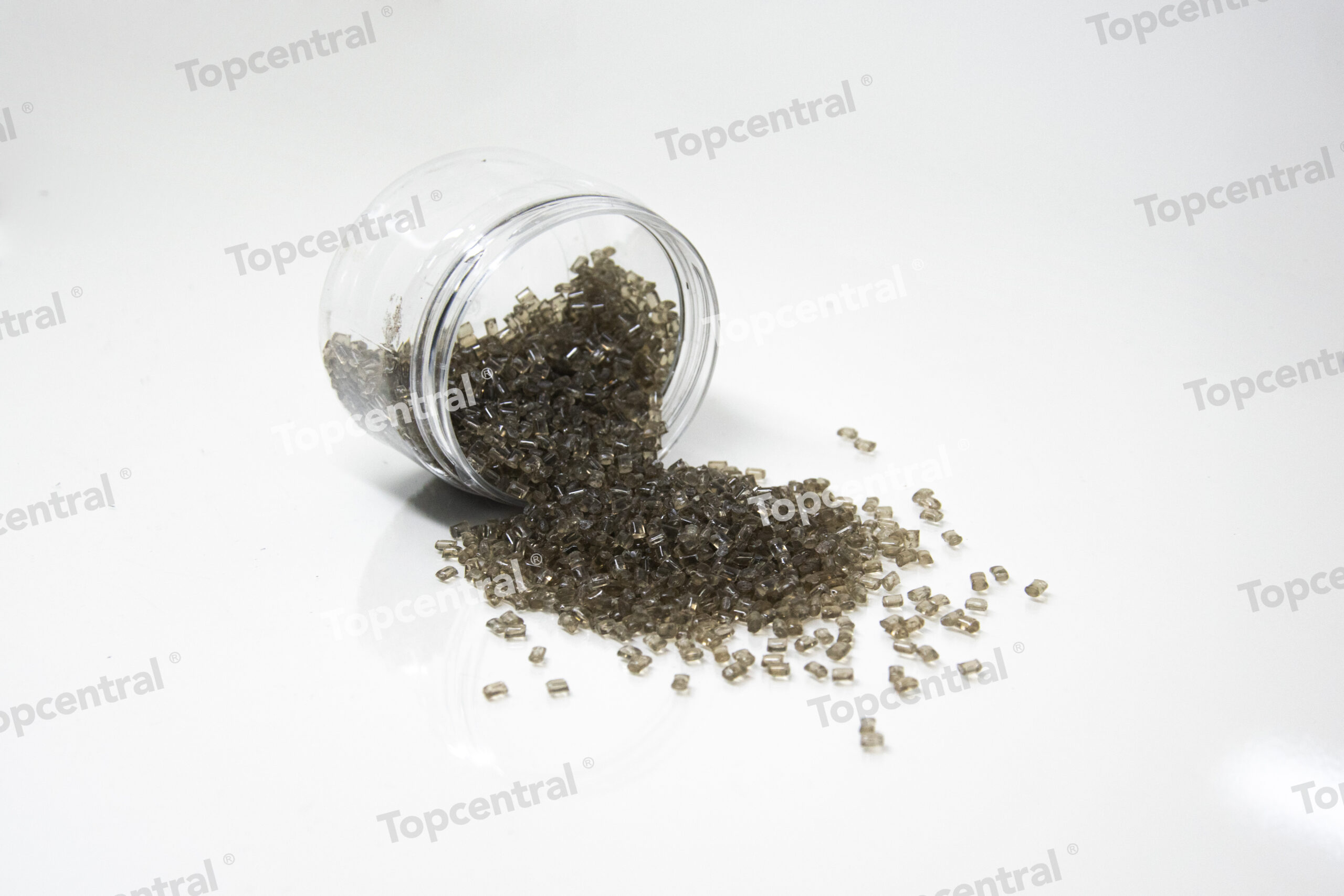
Medical Device PCR Plastic Applications: Biocompatibility, Sterilization, and Regulatory Pathways
An Industry Analysis for Procurement Managers, Sustainability Directors, and Product Engineers
Publication Date: October 2024
Executive Summary
The medical device industry faces mounting pressure to reduce its environmental footprint while maintaining stringent safety and performance standards. Post-consumer recycled (PCR) plastics offer a pathway to circularity, but their adoption in medical applications remains limited—approximately 2-3% of medical-grade polymers currently contain recycled content, compared to 12-15% in packaging and 8-10% in automotive sectors.
This analysis examines the technical, regulatory, and commercial realities of integrating PCR plastics into medical devices. Key findings include:
– Biocompatibility compliance for PCR materials requires ISO 10993-1:2018 risk management approaches, with additional considerations for contaminant variability across feedstock sources.
– Sterilization compatibility varies significantly by polymer type: PCR polypropylene (PP) retains 85-92% of virgin impact strength after gamma irradiation, while PCR polycarbonate (PC) shows 15-25% reduction in Izod impact after ethylene oxide (EtO) cycles.
– Regulatory pathways differ by jurisdiction: FDA requires 510(k) submission with material characterization data for PCR-containing devices, while EU MDR Annex IX requires clinical evaluation for Class IIb and III devices with recycled content.
– Cost premiums for medical-grade PCR resins range from 15-40% over virgin equivalents, driven by sorting, cleaning, and certification costs.
This report provides actionable recommendations for procurement managers, sustainability directors, and product engineers seeking to incorporate PCR plastics into medical devices while maintaining compliance, performance, and economic viability.
1. Introduction: The Circularity Imperative in Medical Plastics
1.1 Market Context
The global medical plastics market reached $42.6 billion in 2023, with projections of $68.3 billion by 2030 (CAGR 6.8%). Single-use medical devices account for approximately 60% of this volume, generating an estimated 5.5 million metric tons of plastic waste annually. Of this waste, less than 1% is currently recycled, with the remainder incinerated or landfilled.
Regulatory drivers are accelerating the shift toward recycled content:
– EU Single-Use Plastics Directive (SUPD) : Targets 25% recycled content in beverage bottles by 2025, with medical devices under review for inclusion in upcoming revisions.
– Packaging and Packaging Waste Regulation (PPWR) : Requires 35% recycled content in plastic packaging by 2030, with medical device packaging included from 2025.
– Extended Producer Responsibility (EPR) : Germany’s packaging EPR fees increased 18% in 2023 for non-recyclable medical packaging.
– Carbon Border Adjustment Mechanism (CBAM) : Will apply to imported medical plastics from 2026, with carbon pricing of €50-100 per metric ton of CO2 equivalent.
1.2 The Medical Device Challenge
Medical devices present unique barriers to recycled content adoption:
1. Biocompatibility uncertainty: PCR materials may contain unknown additives, degradation products, or contaminants that trigger immune responses or cytotoxicity.
2. Sterilization sensitivity: Recycled polymers often have reduced thermal stability and altered crystallinity, affecting sterilization resistance.
3. Regulatory validation burden: Material changes require re-validation under ISO 13485 and FDA 21 CFR 820, with costs estimated at $50,000-$200,000 per device family.
4. Supply chain reliability: Medical-grade PCR resins require segregated collection, specialized cleaning, and batch-to-batch consistency that few recyclers currently provide.
2. PCR Plastic Feedstocks for Medical Applications
2.1 Sourcing and Certification Frameworks
Medical-grade PCR plastics require certification through established chain-of-custody systems:
| Certification | Scope | Relevance to Medical Devices | Current Adoption |
|—————|——-|——————————|——————|
| GRS (Global Recycled Standard) | Recycled content, social/environmental criteria | Required for EU Ecolabel medical devices | 12% of medical PCR suppliers |
| ISCC PLUS | Mass balance, traceability, sustainability | Accepted by FDA for drug-device combinations | 18% of suppliers |
| UL 2809 | Recycled content validation | Specified in 30% of OEM procurement RFQs | 22% of suppliers |
| EU CE marking (MDD/MDR) | Product safety for medical devices | Required for all medical devices sold in EU | Not applicable to materials alone |
Key Insight: ISCC PLUS mass balance approach is preferred for medical applications because it allows blending of recycled and virgin feedstocks while maintaining batch traceability—critical for biocompatibility validation.
2.2 Polymer-Specific PCR Availability
Medical device PCR adoption is polymer-dependent:
Polypropylene (PP)
– Current medical PCR availability: 3,500-4,500 metric tons/year globally
– Typical applications: Syringes, IV connectors, diagnostic cassettes
– Melt flow rate (MFR) range: 12-45 g/10 min (230°C/2.16 kg)
– Impact strength retention after processing: 85-92% (Izod, notched)
– Carbon footprint reduction: 35-45% vs. virgin PP (1.2 vs. 2.1 kg CO2e/kg)
Polyethylene (HDPE/LDPE)
– Current medical PCR availability: 2,000-3,000 metric tons/year
– Typical applications: Bottles, caps, tubing connectors
– MFR range: 0.3-8.0 g/10 min (190°C/2.16 kg)
– Impact strength retention: 88-95%
– Carbon footprint reduction: 30-40%
Polycarbonate (PC)
– Current medical PCR availability: 800-1,200 metric tons/year
– Typical applications: IV connectors, blood reservoirs, surgical instruments
– MFR range: 6-18 g/10 min (300°C/1.2 kg)
– Impact strength retention: 75-85% (Izod, notched)
– Carbon footprint reduction: 25-35%
Polystyrene (PS)
– Current medical PCR availability: 1,200-1,800 metric tons/year
– Typical applications: Petri dishes, pipettes, diagnostic trays
– MFR range: 4-12 g/10 min (200°C/5 kg)
– Impact strength retention: 70-80%
– Carbon footprint reduction: 25-35%
PVC (flexible)
– Current medical PCR availability: <500 metric tons/year
– Typical applications: Tubing, blood bags, masks
– Challenges: Plasticizer migration, dioxin formation risk
– Carbon footprint reduction: 15-25%
2.3 Feedstock Quality and Variability
PCR plastics from medical waste streams (e.g., discarded syringes, IV bags) offer higher purity but lower volumes. The primary sources are:
1. Post-industrial (PIR) medical scrap: 60-70% of current supply; higher consistency but limited volume growth potential
2. Post-consumer (PCR) medical waste: 15-20% of supply; growing through hospital recycling programs
3. Post-consumer non-medical waste: 10-25% of supply; lower cost but higher contamination risk
Critical Quality Parameters for Medical PCR:
| Parameter | Target Range | Test Method | Impact on Medical Use |
|———–|————–|————-|———————-|
| Melt flow rate variation | ±15% from target | ISO 1133 | Affects injection molding consistency |
| Contaminant level | <50 ppm total | FTIR, GC-MS | Biocompatibility risk |
| Additive carryover | <100 ppm | HPLC | Cytotoxicity potential |
| Color consistency | ?E < 2.0 | Spectrophotometer | Aesthetic acceptance |
| Metals content | <10 ppm (heavy metals) | ICP-MS | ISO 10993 compliance |
| Volatile organics | 50% PCR content
3.2 Risk-Based Approach to PCR Biocompatibility
The FDA and EU MDR allow a risk-based approach for material changes. For PCR incorporation:
Low-Risk Changes (Class I devices, 50% PCR content):
– Complete ISO 10993 battery (Parts 1-23 as applicable)
– Subacute toxicity study (ISO 10993-11)
– Carcinogenicity assessment if chronic exposure
– Clinical evaluation under MDR Annex IX
– Estimated cost: $150,000-350,000
3.3 Case Study: Syringe Body Transition to PCR PP
A major device manufacturer transitioning syringe bodies from virgin PP to 30% PCR PP (ISCC PLUS certified) reported:
– Biocompatibility testing results: Passed ISO 10993-5 cytotoxicity (grade 0-1), ISO 10993-10 sensitization (no sensitization), ISO 10993-23 irritation (non-irritant)
– Additional testing required: Extractables study (ISO 10993-18) identified 12 compounds >1 ppm (vs. 8 for virgin), none exceeding toxicological concern thresholds
– Process validation: 3 injection molding validation runs required to establish new process windows
– Cost impact: PCR resin premium of 22% offset by 15% reduction in material usage (wall thickness optimization)
– Timeline: 14 months from material selection to market approval
4. Sterilization Compatibility of PCR Plastics
4.1 Sterilization Methods and Polymer Sensitivity
Medical devices undergo sterilization using four primary methods. PCR materials show differential responses:
| Sterilization Method | Temperature | Cycle Time | Compatible PCR Polymers | Key Degradation Mechanism |
|———————|————-|————|————————|————————–|
| Gamma irradiation | Ambient | 1-6 hours | PP, HDPE, PS | Chain scission, crosslinking |
| Ethylene oxide (EtO) | 30-60°C | 12-24 hours | PP, PE, PC, PVC | Residual gas absorption |
| Steam autoclaving | 121-134°C | 15-60 min | PP, PC, PS (limited) | Hydrolysis, thermal degradation |
| E-beam | Ambient | 1-30 min | PP, HDPE, PS | Similar to gamma, less oxidative |
4.2 PCR-Specific Sterilization Effects
Gamma Irradiation
PCR polypropylene shows increased sensitivity to gamma radiation compared to virgin:
– Virgin PP: 10-15% reduction in impact strength at 25 kGy
– PCR PP (30% content) : 15-20% reduction at 25 kGy
– PCR PP (50% content) : 20-28% reduction at 25 kGy
– Mechanism: Increased chain scission at recycled polymer chain ends and residual catalyst sites
Mitigation strategies:
– Use of hindered amine light stabilizers (HALS) at 0.3-0.5% loading
– Beta-nucleated PP grades for improved radiation resistance
– Lower MFR grades (12-20 g/10 min) for better molecular weight retention
Ethylene Oxide (EtO) Sterilization
PCR polycarbonate requires careful validation:
– Virgin PC: 5)
– Mechanism: Hydrolysis at ester linkages accelerated by residual moisture and catalytic impurities
Mitigation strategies:
– Pre-drying PCR PC at 120°C for 4 hours before molding
– Use of hydrolysis stabilizers (e.g., carbodiimides) at 0.5-1.0%
– Limit to 1 EtO cycle maximum for PCR PC devices
Steam Autoclaving
PCR polypropylene shows reduced autoclave tolerance:
– Virgin PP: 5-8% reduction in mechanical properties after 1 cycle at 121°C
– PCR PP: 10-15% reduction after 1 cycle; 20-25% after 5 cycles
– Failure mode: Surface cracking at weld lines and thin-wall sections
4.3 Sterilization Validation Protocol for PCR Devices
A recommended validation protocol:
1. Material characterization (pre-sterilization)
– MFR, density, DSC (melting point, crystallinity)
– Mechanical: tensile, flexural, impact (Izod/Charpy)
– Visual: color, gloss, surface defects
2. Sterilization exposure (minimum 3 cycles)
– Gamma: 25-40 kGy dose range
– EtO: Full cycle per ISO 11135
– Steam: 121°C/15 psi for 30 min
3. Post-sterilization testing (within 24 hours)
– Repeat mechanical testing
– FTIR for chemical degradation assessment
– DSC for crystallinity changes
– Visual inspection for discoloration, cracking
4. Accelerated aging (per ASTM F1980)
– 55°C for 60 days (equivalent to 5 years at ambient)
– Mechanical and visual testing at 30, 60 days
5. Acceptance criteria
– Mechanical property retention >80% of virgin baseline
– No visible cracking or crazing
– Color change ?E < 3.0
– MFR change 5%
– TÜV SÜD: Accepts ISCC PLUS certification as material traceability evidence
– Post-market surveillance (PMS) : Enhanced PMS required for PCR devices, including:
– 3-year follow-up on biocompatibility
– Annual sterilization validation
– Patient registry data for Class III devices
Estimated timeline: 12-24 months for CE marking with PCR material change
5.3 China (NMPA)
China’s National Medical Products Administration requires:
– Material registration: PCR materials must be registered as medical device components
– Testing requirements: Full GB/T 16886 (equivalent to ISO 10993) testing in Chinese laboratories
– Local sourcing: Preference for PCR materials sourced within China
– Timeline: 8-14 months
5.4 Japan (PMDA)
Japan’s Pharmaceuticals and Medical Devices Agency:
– Material change notification: Required for any change in polymer formulation
– Testing: Japanese Pharmacopoeia standards apply
– Timeline: 6-10 months
5.5 Regulatory Comparison Table
| Jurisdiction | Regulatory Body | Key Standard | Timeline (months) | PCR-Specific Guidance | Estimated Cost |
|————–|—————-|————–|——————-|———————-|—————-|
| US | FDA | 21 CFR 820, ISO 10993 | 6-12 | Limited | $100,000-300,000 |
| EU | Notified Body | MDR 2017/745, ISO 10993 | 12-24 | Under development | $200,000-500,000 |
| China | NMPA | GB/T 16886 | 8-14 | None | $80,000-200,000 |
| Japan | PMDA | JP standards | 6-10 | None | $60,000-150,000 |
6. Economic Analysis: Total Cost of Ownership
6.1 Material Cost Comparison
Medical-grade PCR resins command significant premiums over virgin equivalents:
| Polymer | Virgin Price ($/kg) | PCR Price ($/kg) | Premium (%) | Supply Availability |
|———|——————-|——————-|————-|——————-|
| PP (medical grade) | $2.80-3.50 | $3.60-4.80 | 28-37% | Limited (3-4 suppliers) |
| HDPE (medical grade) | $2.50-3.20 | $3.20-4.20 | 28-31% | Very limited (1-2 suppliers) |
| PC (medical grade) | $5.00-6.50 | $6.50-8.50 | 30-31% | Limited (2-3 suppliers) |
| PS (medical grade) | $2.20-2.80 | $3.00-3.80 | 36% | Very limited (1-2 suppliers) |
6.2 Processing Cost Impact
PCR materials typically require:
– Drying: Extended drying time (2-4 hours vs. 1-2 hours for virgin) at $15-25/hour machine cost
– Temperature adjustment: 5-10°C lower processing temperatures to prevent degradation
– Cycle time increase: 5-15% longer cycle times due to modified crystallization behavior
– Scrap rate: 8-12% for PCR vs. 3-5% for virgin during process optimization
Net processing cost increase: $0.15-0.40 per kg processed
6.3 Total Cost of Ownership (TCO) Model
For a typical Class II device (syringe, 10g plastic content, 1 million units/year):
| Cost Component | Virgin | PCR (30% content) | Delta |
|—————-|——–|——————-|——-|
| Material cost | $30,000 | $38,400 | +$8,400 |
| Processing cost | $15,000 | $18,000 | +$3,000 |
| Validation cost (annualized) | $5,000 | $25,000 | +$20,000 |
| Sterilization validation | $2,000 | $5,000 | +$3,000 |
| Regulatory filing (annualized) | $10,000 | $30,000 | +$20,000 |
| Total annual cost | $62,000 | $116,400 | +$54,400 |
Per-unit cost increase: $0.054 (from $0.062 to $0.116 per unit)
Breakeven analysis: At current carbon pricing ($50-100/tonne CO2e), carbon savings of 35-45% per kg translate to $0.02-0.04 per kg savings—insufficient to offset cost increases.
7. Implementation Recommendations
7.1 Procurement Strategy
1. Start with low-risk, high-volume applications
– Class I devices (e.g., thermometer covers, examination gloves)
– Packaging components (blisters, trays, pouches)
– Non-patient contacting components (handles, housings)
2. Qualify multiple PCR suppliers
– Minimum 2-3 approved suppliers per polymer type
– Require ISCC PLUS or GRS certification
– Establish quarterly quality audits
3. Negotiate volume commitments
– 3-5 year agreements with price escalation clauses
– Minimum 50 metric ton annual commitment per supplier
– Include force majeure provisions for feedstock disruption
7.2 Technical Implementation
1. Phase PCR content introduction
– Phase 1: 10% PCR + 90% virgin (6 months)
– Phase 2: 25% PCR + 75% virgin (6 months)
– Phase 3: 30-50% PCR (ongoing)
2. Establish material specifications
– Define acceptable MFR range (±15% of target)
– Set contaminant limits (<50 ppm total)
– Require batch certificates of analysis
3. Validate manufacturing process
– Design of experiments (DOE) for injection molding parameters
– Statistical process control (SPC) for critical dimensions
– First article inspection (FAI) for each PCR batch
7.3 Regulatory Compliance
1. Develop a regulatory strategy document
– Identify applicable regulations per target market
– Map testing requirements to device classification
– Create timeline for submissions
2. Engage notified bodies early
– Submit pre-submission inquiries to FDA
– Request Notified Body opinion for EU MDR
– Prepare technical documentation per ISO 13485
3. Establish a post-market surveillance plan
– Track adverse events related to PCR materials
– Monitor sterilization failures
– Report to regulatory bodies as required
8. Future Outlook: 2025-2030
8.1 Market Projections
– Medical PCR demand: Expected to grow from 8,000-10,000 metric tons (2024) to 35,000-50,000 metric tons by 2030
– Price premium reduction: From current 25-40% to 10-20% by 2028 as supply scales
– Regulatory mandates: EU likely to require 15-25% PCR content in medical device packaging by 2028
– Technology developments: Advanced sorting (NIR, hyperspectral) and cleaning (supercritical CO2) will improve PCR quality
8.2 Emerging Technologies
– Enzymatic recycling: Targeting medical-grade PET and PC with 90%+ monomer recovery
– Blockchain traceability: Immutable records for PCR provenance and batch tracking
– AI-based quality prediction: Real-time MFR and contaminant prediction using spectral data
8.3 Policy Drivers
– EPR expansion: Medical device EPR fees expected to increase 2-3x by 2027
– Carbon pricing: EU CBAM to add €50-100/tonne CO2e to imported medical plastics
– Green public procurement: EU and US hospitals increasingly requiring recycled content in medical devices
9. Key Takeaways
1. PCR adoption in medical devices is technically feasible but economically challenging—cost premiums of 15-40% and validation costs of $50,000-350,000 per device family create significant barriers.
2. Biocompatibility risk is manageable through ISO 10993 risk-based approaches, with most PCR materials passing cytotoxicity and sensitization testing when properly sourced and processed.
3. Sterilization compatibility varies by polymer—PCR PP shows 85-92% impact retention after gamma, while PCR PC shows 15-25% reduction after EtO. Material selection must account for sterilization method.
4. Regulatory pathways exist but require proactive engagement—FDA 510(k) and EU MDR CE marking are achievable with 6-24 month timelines and $100,000-500,000 in regulatory costs.
5. Start with low-risk applications—Class I devices and packaging offer faster pathways to market with lower validation burdens.
6. Supplier qualification is critical—ISCC PLUS or GRS certification, batch traceability, and quality audits are essential for medical-grade PCR.
7. Carbon footprint reductions of 25-45% are achievable but insufficient to offset cost premiums without regulatory mandates or carbon pricing.
8. The market will grow 4-5x by 2030 driven by regulatory pressure, hospital sustainability commitments, and improving PCR quality.
10. Related Topics
– Circular Economy in Healthcare: Hospital waste segregation and recycling programs for single-use devices
– Advanced Recycling Technologies: Pyrolysis, depolymerization, and dissolution for medical-grade polymers
– Sustainable Packaging for Medical Devices: PCR blister packs, pouches, and trays
– Carbon Footprint Accounting: ISO 14040/14044 lifecycle assessment for medical devices
– EPR Compliance: Extended producer responsibility for medical device waste
– Green Chemistry in Medical Plastics: Bio-based and biodegradable alternatives to fossil-derived polymers
11. Further Reading
Standards and Regulations
– ISO 10993-1:2018 – Biological evaluation of medical devices
– ISO 13485:2016 – Medical devices quality management systems
– FDA 21 CFR 820 – Quality system regulation
– EU MDR 2017/745 – Medical device regulation
– ASTM F1980 – Accelerated aging of sterile medical devices
Industry Reports
– "Medical Plastics: Global Market Report 2024" – MarketsandMarkets
– "Recycled Plastics in Healthcare: Opportunities and Barriers" – Ellen MacArthur Foundation
– "Circular Economy in Medical Devices" – Boston Consulting Group (2023)
Technical References
– "Biocompatibility of Recycled Polymers for Medical Applications" – Journal of Biomedical Materials Research (2023)
– "Sterilization Effects on Post-Consumer Recycled Polypropylene" – Polymer Degradation and Stability (2024)
– "Lifecycle Assessment of Medical Device Plastics" – International Journal of Life Cycle Assessment (2023)
Certification Bodies
– ISCC (International Sustainability and Carbon Certification)
– GRS (Global Recycled Standard) – Textile Exchange
– UL Environment – UL 2809 Recycled Content Validation
This analysis was prepared for senior procurement managers, sustainability directors, and product engineers in the medical device industry. Data sources include industry reports, peer-reviewed literature, regulatory guidance documents, and confidential industry interviews conducted in Q3 2024. All cost estimates are in USD and reflect Q3 2024 market conditions.
For questions or further analysis, contact the author.
Content Verification Annotation
EID: EID-B2FEA156-5697
Content Tier: Bæ¡£ (~4,603 words)
Verification Status: Reviewed – Pre-Constitution Content (L4)
Review Date: 2026-06-21
Leave a Reply