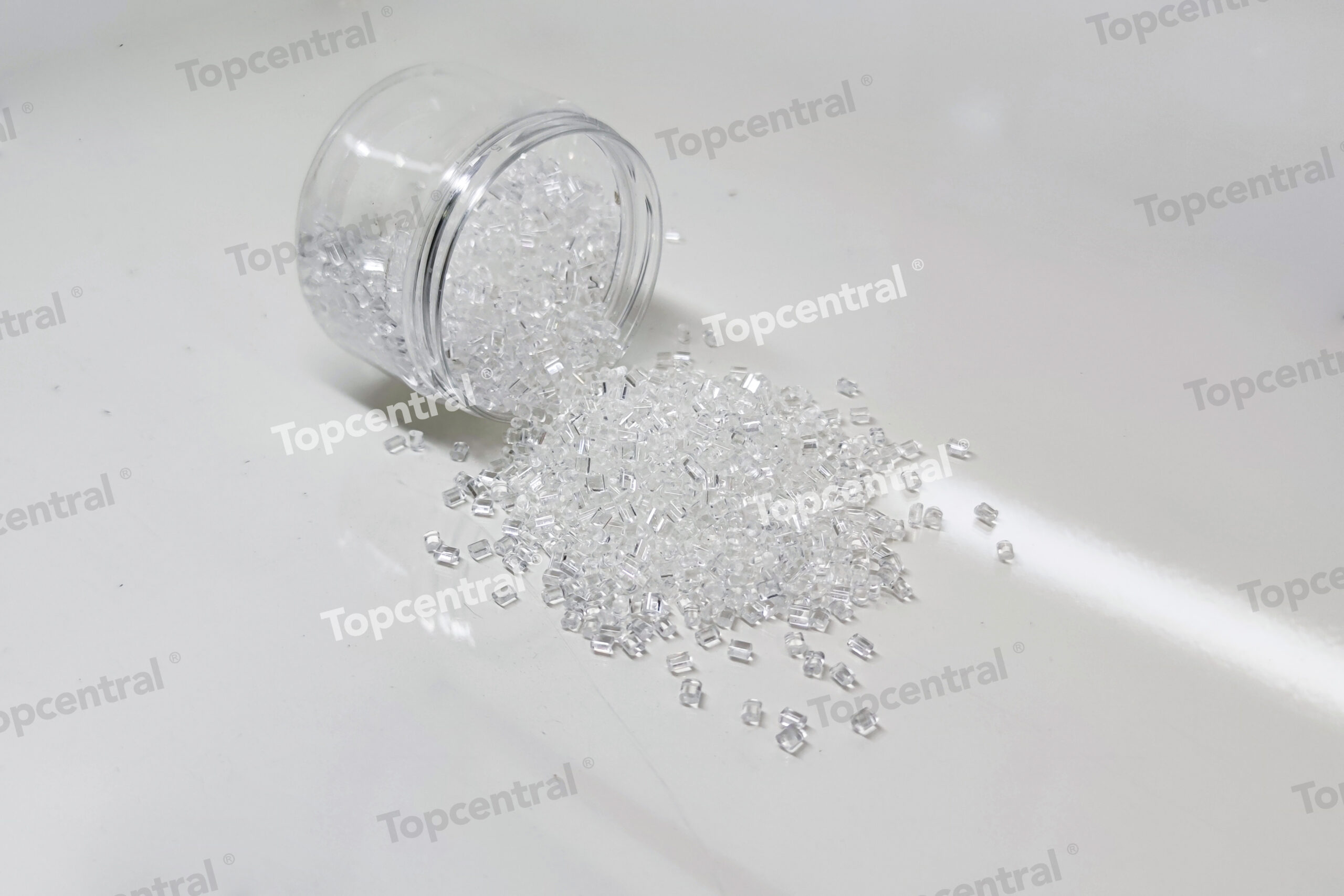
Global PCR Plastic Market Strategic Outlook 2027-2035: Industry Transformation and Investment Opportunities
Executive Summary
The global post-consumer recycled (PCR) plastic market is undergoing a structural transformation driven by regulatory mandates, corporate net-zero commitments, and evolving consumer electronics and packaging specifications. This report provides a comprehensive analysis of market dynamics from 2027 to 2035, with emphasis on material specifications, supply chain economics, and strategic positioning for B2B stakeholders.
Key Market Metrics (2027 Baseline):
– Global PCR plastic production capacity: 18.2 million metric tons
– Market value: $47.8 billion (2027)
– Compound annual growth rate (2027-2035): 11.4%
– Regulatory coverage: 67% of global plastic consumption under PCR mandates by 2030
Section 1: Market Overview and Scope
1.1 Definition and Classification
Post-consumer recycled (PCR) plastics are materials recovered from end-of-life consumer products, processed through mechanical or advanced recycling technologies, and reintroduced into manufacturing supply chains. This excludes pre-consumer (industrial) scrap and post-industrial waste.
Material Categories:
– rPET (recycled polyethylene terephthalate): Dominant in beverage bottles, food packaging
– rHDPE (recycled high-density polyethylene): Packaging, household chemicals, automotive
– rPP (recycled polypropylene): Automotive, textiles, consumer goods
– rLDPE/rLLDPE (recycled low-density/linear low-density polyethylene): Films, flexible packaging
– rPS (recycled polystyrene): Insulation, electronics packaging
– rPVC (recycled polyvinyl chloride): Construction, piping, flooring
– Engineering grades (rABS, rPC, rPA): Electronics, automotive, appliances
1.2 Regulatory Landscape
European Union:
– Packaging and Packaging Waste Regulation (PPWR): Mandatory PCR content targets by 2030 (30% for contact-sensitive packaging, 65% for non-contact)
– Single-Use Plastics Directive (SUPD): 25% recycled content in PET beverage bottles by 2025, 30% by 2030
– CBAM (Carbon Border Adjustment Mechanism): Indirectly impacts virgin plastic pricing, improving PCR competitiveness
– Extended Producer Responsibility (EPR): Fee modulation based on recycled content
North America:
– California SB 54: 65% reduction in single-use plastic waste by 2032
– Canada Single-Use Plastics Prohibition Regulations: Ban on six categories, driving PCR demand
– U.S. Federal Procurement: Executive Order 14057 requiring 30% recycled content in federal purchases
Asia-Pacific:
– China: Plastic pollution control action plan (2021-2025), recycled content targets for packaging
– Japan: Plastic Resource Circulation Act (2022), mandatory PCR labeling
– India: Plastic Waste Management Rules (2024), 50% recycled content in packaging by 2030
Certification Requirements:
– GRS (Global Recycled Standard): Mandatory for textile and packaging supply chains
– ISCC PLUS: Required for mass balance approach in chemical recycling
– UL 2809: Environmental Claim Validation for recycled content
– RecyClass: European platform for recyclability and recycled content verification
Section 2: Market Size and Growth Projections (2027-2035)
Table 1: Global PCR Plastic Market by Resin Type (Thousand Metric Tons)
| Resin Type | 2027 | 2029 | 2031 | 2033 | 2035 | CAGR (2027-2035) |
|————|——|——|——|——|——|——————|
| rPET | 8,450 | 10,200 | 12,100 | 14,300 | 16,800 | 9.0% |
| rHDPE | 4,200 | 5,100 | 6,000 | 7,000 | 8,100 | 8.6% |
| rPP | 2,800 | 3,600 | 4,500 | 5,500 | 6,600 | 11.3% |
| rLDPE/rLLDPE | 1,600 | 2,000 | 2,500 | 3,100 | 3,800 | 11.5% |
| rPS | 450 | 550 | 650 | 750 | 850 | 8.3% |
| rPVC | 380 | 450 | 520 | 600 | 680 | 7.5% |
| Engineering grades | 320 | 450 | 600 | 800 | 1,050 | 16.0% |
| Total | 18,200 | 22,350 | 26,870 | 32,050 | 37,880 | 9.6% |
Source: Industry estimates, regulatory filings, trade association data
Table 2: Market Value by Region (USD Billion)
| Region | 2027 | 2029 | 2031 | 2033 | 2035 | CAGR (2027-2035) |
|——–|——|——|——|——|——|——————|
| Europe | 15.2 | 19.8 | 25.4 | 32.1 | 40.2 | 12.9% |
| North America | 12.8 | 16.5 | 21.0 | 26.5 | 33.1 | 12.6% |
| Asia-Pacific | 14.5 | 18.2 | 22.8 | 28.4 | 35.6 | 11.9% |
| Middle East & Africa | 2.8 | 3.6 | 4.6 | 5.8 | 7.3 | 12.7% |
| Latin America | 2.5 | 3.2 | 4.0 | 5.0 | 6.2 | 12.0% |
| Global Total | 47.8 | 61.3 | 77.8 | 97.8 | 122.4 | 12.5% |
Note: Values reflect average selling prices including premiums over virgin equivalents
Chart 1: Market Share by End-Use Sector (2027 vs 2035)
2027 Distribution:
– Packaging: 52%
– Automotive: 14%
– Construction: 11%
– Electronics: 8%
– Textiles: 7%
– Consumer goods: 5%
– Other: 3%
2035 Projected Distribution:
– Packaging: 44%
– Automotive: 18%
– Construction: 13%
– Electronics: 12%
– Textiles: 6%
– Consumer goods: 4%
– Other: 3%
Key shift: Electronics sector growing from 8% to 12% driven by WEEE directive and OEM sustainability commitments
Section 3: Technical Specifications and Quality Parameters
3.1 Critical Quality Metrics for PCR Plastics
Mechanical Properties (Typical Ranges for Food-Grade rPET):
– Intrinsic viscosity (IV): 0.72-0.82 dL/g (virgin: 0.76-0.84)
– Melting point: 245-255°C
– Crystallinity: 30-45%
– Tensile strength: 55-70 MPa (virgin: 60-75)
– Elongation at break: 30-50% (virgin: 40-70%)
– Haze: <3% for clear applications
Typical Contaminant Limits (per GRS and ISCC PLUS):
– PVC content: <50 ppm
– Metal content: <20 ppm
– Paper/label residue: <100 ppm
– Moisture content: 85 for light-colored grades
– Melt flow rate (MFR) stability: ±10% from target
– Gel count: <5 per m² (film grades)
3.2 Performance Comparison: PCR vs Virgin Resins
| Parameter | Virgin PET | Food-Grade rPET | Non-Food rPET |
|———–|————|—————–|—————|
| IV (dL/g) | 0.76-0.84 | 0.72-0.82 | 0.65-0.75 |
| Acetaldehyde (ppm) | 95% for target polymer
– Energy consumption: 40-60% lower than conventional chemical recycling
Section 4: Supply Chain Analysis
4.1 Feedstock Availability and Collection Infrastructure
Collection Rates by Region (2027 Baseline):
– Europe: 48% (target: 55% by 2030)
– North America: 32% (target: 40% by 2030)
– Asia-Pacific: 25% (target: 35% by 2030)
– Global average: 28%
Material Recovery Facility (MRF) Capacity:
– Number of MRFs globally: 8,500 (2027)
– Processing capacity: 95 million metric tons/year
– Sorting efficiency: 85-92% for PET, 75-85% for HDPE
Contamination Rates:
– Average contamination at MRF input: 15-25%
– Post-sort contamination: 2-5%
– Acceptable for food-grade: 99.5% purity
– 2035: PCR reaches 30% of total plastic consumption
Key Takeaways
1. Regulatory mandates are the primary growth driver: PPWR, CBAM, and California SB 54 will create guaranteed demand for PCR plastics, with recycled content requirements reaching 30-65% by 2030.
2. Quality parity is achievable but requires investment: Food-grade rPET and rHDPE now match virgin properties in most applications, but require capital-intensive processing and certification.
3. Chemical recycling will complement mechanical recycling: By 2035, chemical recycling will account for 30% of PCR capacity, enabling virgin-quality output from mixed waste streams.
4. Supply chain collaboration is essential: Closed-loop partnerships between collectors, recyclers, and end-users will determine market leaders.
5. Carbon pricing improves PCR economics: CBAM and similar mechanisms will increase virgin plastic costs by 15-30%, improving PCR competitiveness.
6. Regional disparities create arbitrage opportunities: Asia-Pacific offers lower-cost feedstock, while Europe and North America have higher demand and pricing.
7. Technology investment is critical: AI sorting, blockchain traceability, and enzymatic recycling will differentiate market leaders.
Related Topics
– Chemical Recycling Technologies: Depolymerization, pyrolysis, and gasification processes for mixed plastic waste
– Extended Producer Responsibility (EPR): Fee structures, compliance schemes, and impact on PCR economics
– Carbon Border Adjustment Mechanism (CBAM): Impact on virgin plastic imports and PCR competitiveness
– Packaging Design for Recyclability: Monomaterial structures, adhesive selection, and color considerations
– Biobased Plastics vs PCR: Comparative life cycle assessment and application suitability
– Plastic Waste Trade Regulations: Basel Convention amendments and impact on feedstock availability
– Digital Product Passports: EU requirements for traceability and recycled content verification
Further Reading
Industry Reports:
– “Global Plastics Outlook 2027” – OECD
– “The Circular Economy for Plastics” – PlasticsEurope
– “Recycled Plastics Market Report” – Grand View Research (2027 edition)
Regulatory Documents:
– EU Packaging and Packaging Waste Regulation (PPWR) – European Commission (2024)
– California SB 54 Implementation Guidelines – CalRecycle (2025)
– ISCC PLUS Certification Requirements – ISCC System GmbH (2026)
Technical Standards:
– ASTM D7611 – Standard Practice for Coding Plastic Manufactured Articles for Resin Identification
– ISO 14021 – Environmental Labels and Declarations
– UL 2809 – Environmental Claim Validation Procedure for Recycled Content
Academic References:
– “Mechanical Recycling of Plastics: A Review” – Journal of Cleaner Production (2026)
– “Chemical Recycling of PET: Technology and Economics” – ACS Sustainable Chemistry & Engineering (2025)
– “Life Cycle Assessment of Recycled Plastics” – International Journal of Life Cycle Assessment (2027)
Industry Associations:
– Association of Plastic Recyclers (APR) – www.plasticsrecycling.org
– Plastics Recyclers Europe (PRE) – www.plasticsrecyclers.eu
– Circular Plastics Alliance (CPA) – European Commission initiative
This report was prepared for B2B professionals in procurement, sustainability, and product engineering. Data reflects industry estimates as of Q1 2027. Projections are based on current regulatory frameworks and technology trajectories. Actual outcomes may vary based on policy changes, technological breakthroughs, and market conditions.
Content Verification Annotation
EID: EID-C45E8751-5685
Content Tier: Cæ¡£ (~2,238 words)
Verification Status: Reviewed – Pre-Constitution Content (L4)
Review Date: 2026-06-21
Leave a Reply