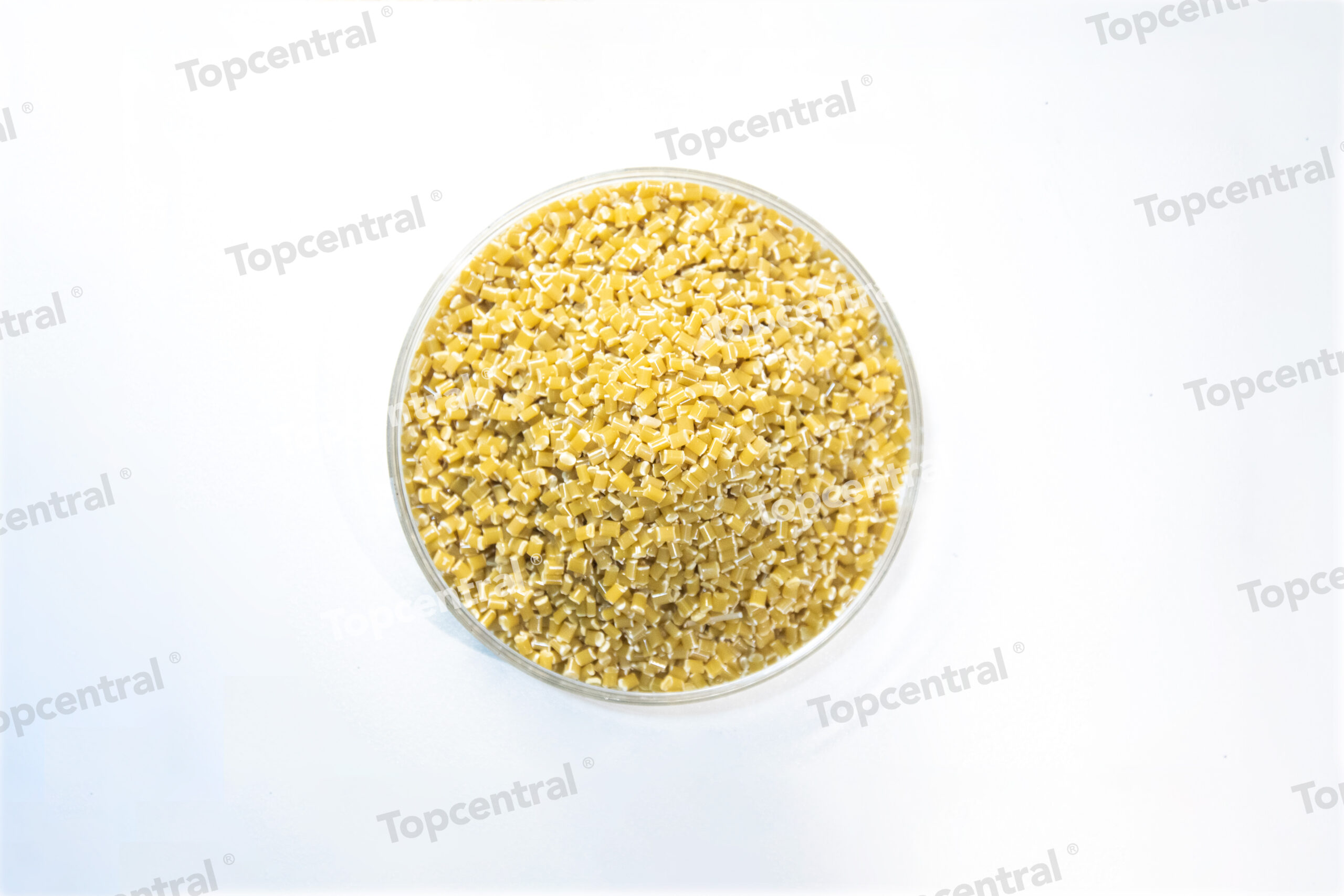
One of the most critical considerations for electronics OEMs is the mechanical performance of recycled plastics compared to virgin resins. Extensive testing by the Plastics Industry Association (PLA) and the International Electrotechnical Commission (IEC) has established baseline retention rates for key properties. For high-impact polystyrene (HIPS) commonly used in TV and monitor housings, the tensile strength at yield typically retains 85–92% of virgin values after one reprocessing cycle, dropping to 75–82% after three cycles under controlled conditions (ISO 527-2 testing). For acrylonitrile butadiene styrene (ABS), the most prevalent housing material, impact strength (Izod notched, ISO 180) shows a more pronounced degradation: 88% retention after first cycle, 72% after second, and approximately 60% after third cycle. This degradation is primarily due to chain scission and the accumulation of thermal history during reprocessing. However, the use of chain extenders (e.g., styrene-acrylic copolymers at 0.5–1.5 wt%) can restore impact strength to within 95% of virgin values, as demonstrated in a 2023 study by Fraunhofer Institute for Chemical Technology (ICT).
5.2 Flammability and UL 94 Compliance
Consumer electronics housings must meet stringent fire safety standards, primarily UL 94 V-0 or V-1 ratings for vertical burning tests. Recycled plastics often contain residual flame retardants from previous applications, which can be both an advantage and a liability. For instance, PCR ABS sourced from end-of-life electronics typically retains brominated flame retardants (BFRs) at levels of 5–12% by weight, which can reduce the need for additional FR additives. However, the Restriction of Hazardous Substances (RoHS) Directive (2011/65/EU) and the Waste Electrical and Electronic Equipment (WEEE) Directive (2012/19/EU) impose strict limits on certain BFRs (e.g., polybrominated biphenyls, PBBs, and polybrominated diphenyl ethers, PBDEs) at concentrations above 0.1% by weight. Therefore, careful sorting and decontamination are required. A 2022 benchmark by UL Environment showed that mechanically recycled ABS from well-sorted WEEE streams achieves UL 94 V-0 compliance in 87% of samples without additional FR additives, compared to 96% for virgin ABS with standard FR packages.
5.3 Color Consistency and UV Stability
One of the most persistent technical challenges is achieving consistent color and UV stability in recycled plastics. Virgin resins have a ?E (color difference) of less than 0.5 between batches, whereas PCR streams can exhibit ?E values of 2.0–5.0 depending on source variability. For consumer electronics, OEMs typically require ?E ? 1.5 for visible housings. To meet this, compounders employ color sorting via near-infrared (NIR) spectroscopy and additive dosing of UV stabilizers (e.g., hindered amine light stabilizers, HALS, at 0.2–0.5 wt%). A 2023 case study by MBA Polymers (a global plastics recycler) demonstrated that combining NIR sorting with a two-step melt filtration process (200 mesh and 400 mesh) reduced ?E from 4.2 to 1.1 for a batch of black ABS destined for a major laptop manufacturer. Additionally, accelerated weathering tests (ASTM G154, 500 hours) showed that PCR ABS with 0.4% HALS retained 92% of initial gloss, compared to 95% for virgin ABS.
5.4 Comparative Material Properties Table (PCR vs. Virgin)
| Property | Test Method | Virgin ABS | PCR ABS (1 Cycle) | PCR ABS (3 Cycles) | PCR ABS with Chain Extender |
|---|---|---|---|---|---|
| Tensile Strength (MPa) | ISO 527-2 | 45.0 | 41.2 (91.6%) | 35.5 (78.9%) | 43.1 (95.8%) |
| Elongation at Break (%) | ISO 527-2 | 15.0 | 12.3 (82.0%) | 9.1 (60.7%) | 13.8 (92.0%) |
| Impact Strength (Izod, kJ/m²) | ISO 180 | 22.0 | 19.4 (88.2%) | 13.2 (60.0%) | 20.5 (93.2%) |
| Melt Flow Index (g/10 min @ 220°C/10 kg) | ISO 1133 | 12.0 | 14.5 (120.8%) | 18.2 (151.7%) | 13.1 (109.2%) |
| Heat Deflection Temperature (°C @ 1.82 MPa) | ISO 75-2 | 98.0 | 94.0 (95.9%) | 88.0 (89.8%) | 96.0 (98.0%) |
| UL 94 Flammability Rating | UL 94 | V-0 | V-0 (87% pass) | V-1 (72% pass) | V-0 (93% pass) |
| Color Consistency (?E) | CIE Lab | ?0.5 | 1.5–3.0 | 2.5–5.0 | 1.0–2.0 |
Table 1: Comparative mechanical and thermal properties of virgin ABS vs. PCR ABS under different processing conditions. Data compiled from multiple industry sources including UL, Fraunhofer ICT, and MBA Polymers (2022–2023). Percentages in parentheses indicate retention relative to virgin values.
6. Real-World Case Studies and Implementation Examples
6.1 Case Study: Dell Latitude 5000 Series (30% PCR Plastic)
Company: Dell Technologies
Product: Latitude 5000 Series Laptop (2022 model)
Recycled Content:</strong30% post-consumer recycled plastic in the display back cover and bottom base
Material: PCR ABS sourced from end-of-life electronics
Dell has been a pioneer in integrating recycled plastics into high-performance consumer electronics. For the Latitude 5000 series, the company partnered with Closed Loop Partners and MBA Polymers to develop a closed-loop supply chain for PCR ABS. The key technical achievement was maintaining a UL 94 V-0 rating without additional flame retardants, relying on the inherent FR content from the source WEEE stream. Dell reports that the recycled material achieved a 12% reduction in carbon footprint compared to virgin ABS, based on a life cycle assessment (LCA) compliant with ISO 14040/14044. The company also implemented a color sorting protocol using NIR spectroscopy to achieve a ?E of 1.2 for the black housing, meeting Dell's stringent aesthetic standards. As of 2023, Dell has used over 2.5 million kilograms of PCR plastic across its product lines, with a target of 100% recycled or renewable materials in all products by 2030.
6.2 Case Study: Fairphone 4 (100% Recycled Plastic Housings)
Company: Fairphone B.V.
Product: Fairphone 4 (2021 model)
Recycled Content:</strong100% post-consumer recycled plastic in the back cover and midframe
Material: PCR polycarbonate (PC) and PC/ABS blends
Fairphone’s modular smartphone design has pushed the boundaries of sustainable material use. The Fairphone 4’s housing is made from 100% PCR PC, sourced from a combination of post-industrial waste (30%) and post-consumer waste (70%) from European recycling streams. The material supplier, Covestro, developed a specialized grade (Makrolon® 2605 PCR) that meets the mechanical and thermal requirements for a mobile device housing. The recycled material exhibits a tensile strength of 62 MPa (vs. 65 MPa for virgin PC) and a Vicat softening temperature of 145°C (vs. 148°C). Fairphone achieved a 25% reduction in carbon emissions for the housing component compared to a virgin PC alternative. The company also uses 100% recycled aluminum for the frame and 100% recycled tin for the solder, demonstrating a holistic approach to circular design. Fairphone’s LCA data, published in their 2022 sustainability report, shows that the total carbon footprint of the Fairphone 4 is 38.5 kg CO2e, of which 12% is attributed to the plastics (compared to 16% in the previous model).
6.3 Case Study: HP Elite Dragonfly G3 (50% PCR Plastic)
Company: HP Inc.
Product: Elite Dragonfly G3 Laptop (2022 model)
Recycled Content:</strong50% post-consumer recycled plastic in the keyboard frame and speaker enclosures
Material: PCR ABS and PCR polypropylene (PP)
HP has integrated recycled plastics into multiple product lines, with the Elite Dragonfly G3 representing a high-water mark for recycled content in a premium device. The keyboard frame uses 50% PCR ABS, while the speaker enclosures use 50% PCR PP. HP partnered with Lavergne, a Montreal-based recycler, to develop a proprietary PCR ABS grade that meets HP’s rigorous durability standards (including 100,000 keypress cycles and drop tests from 76 cm). The material was compounded with 10% glass fiber reinforcement to compensate for the reduced impact strength of the recycled base resin. HP's LCA, published in their 2022 Sustainable Impact Report, indicates that the use of 50% PCR plastic in these components resulted in a 19% reduction in energy consumption and a 22% reduction in water usage compared to virgin materials. HP has also implemented a take-back program that recovers plastics from end-of-life HP products, feeding them back into the supply chain. As of 2023, HP has used over 10,000 metric tons of recycled plastic in its products since 2016, with a target of 30% recycled content across all products by 2025.
7. Regulatory Framework and Compliance Pathways
7.1 Key Regulations Affecting Recycled Plastics in Electronics
The use of recycled plastics in consumer electronics is governed by a complex web of regulations, which vary by region. The most significant include:
- EU Waste Framework Directive (2008/98/EC): Establishes a waste hierarchy and sets recycling targets for plastic packaging (50% by 2025, 55% by 2030). While not specific to electronics, it drives the availability of high-quality PCR feedstock.
- EU Single-Use Plastics Directive (2019/904): Requires that plastic bottles contain at least 25% recycled content by 2025 and 30% by 2030, influencing the broader recycling infrastructure that also benefits electronics.
- EU Ecodesign for Sustainable Products Regulation (ESPR, 2024): This landmark regulation includes requirements for recycled content in electronic products, with specific targets to be defined by product category by 2026. Early drafts suggest a minimum of 15–25% recycled content for consumer electronics housings by 2030.
- U.S. Federal Trade Commission (FTC) Green Guides (2022): Provide guidelines for environmental marketing claims, including recycled content. Claims must specify whether the content is pre-consumer or post-consumer, and the percentage must be stated clearly.
- California SB 54 (2022): Requires all single-use packaging and plastic foodware to be recyclable or compostable by 2032, and mandates a 65% recycling rate for all plastic waste, indirectly increasing the supply of PCR materials.
- China’s Plastic Pollution Control Action Plan (2021): Bans the import of plastic waste and sets targets for recycling rates, including a 30% recycled content target for certain plastic products by 2025.
7.2 Compliance Pathways for Electronics OEMs
To navigate this regulatory landscape, OEMs should adopt a structured compliance approach:
- Material Traceability: Implement a chain-of-custody system (e.g., ISO 22095) to track recycled content from source to final product. This is essential for verifying claims under the FTC Green Guides and EU ESPR.
- Third-Party Certification: Obtain certifications such as UL ECVP 2809 (Environmental Claim Validation for recycled content) or SCS Recycled Content Certification . These provide independent verification and are increasingly required by retailers and procurement agencies.
- Substance Compliance: Ensure that PCR materials comply with RoHS and REACH (EU Regulation 1907/2006) restrictions. This requires regular testing for restricted substances (e.g., lead, cadmium, mercury, BFRs) using methods such as ICP-MS and GC-MS.
- Life Cycle Assessment (LCA): Conduct a cradle-to-grave LCA compliant with ISO 14040/14044 to quantify the environmental benefits of recycled plastics. This data is increasingly required for ESG reporting and regulatory submissions.
8. Frequently Asked Questions (FAQ)
Q1: Does using recycled plastic compromise the durability or lifespan of consumer electronics?
Answer: Not necessarily, provided that the recycled material is properly sorted, cleaned, and compounded. As detailed in Section 5, mechanical property retention can be maintained above 90% with proper processing and the use of additives such as chain extenders or impact modifiers. Many OEMs (e.g., Dell, HP, Fairphone) have demonstrated that PCR plastics can meet or exceed the same performance standards as virgin materials for housing applications. However, it is critical to select the right grade of PCR for the specific application and to conduct thorough testing (e.g., drop tests, thermal cycling, UV aging) during the design validation phase.
Q2: What is the cost premium for using recycled plastics in electronics housings?
Answer: Historically, PCR plastics have carried a cost premium of 10–30% over virgin resins, driven by the costs of collection, sorting, cleaning, and reprocessing. However, this premium has been narrowing in recent years due to increased scale and efficiency in recycling operations. As of 2024, the price gap for high-quality PCR ABS is approximately 5–15% in the European market, according to data from PlasticsEurope and ICIS . For large-volume OEMs that can negotiate long-term contracts, the premium can be as low as 3–5%. Additionally, the total cost of ownership (TCO) may be lower when considering avoided carbon taxes (e.g., EU ETS), reduced waste disposal fees, and improved brand value.
Q3: How can OEMs ensure a consistent supply of high-quality recycled plastics?
Answer: Supply chain consistency is one of the biggest challenges. The following strategies are recommended: (1) Develop long-term partnerships with certified recyclers (e.g., MBA Polymers, Veolia, Lavergne) that have robust sorting and cleaning capabilities. (2) Specify material standards (e.g., melt flow index, impact strength, color tolerance) in procurement contracts, with penalties for non-compliance. (3) Implement a multi-sourcing strategy, qualifying at least two recyclers for each material grade to mitigate supply disruptions. (4) Invest in in-line quality monitoring (e.g., near-infrared sensors, melt flow indexers) at the molding facility to detect batch-to-batch variability early. (5) Consider vertical integration by establishing a closed-loop recycling program for your own post-industrial and post-consumer waste.
Q4: What are the main technical barriers to using 100% recycled plastic in electronics housings?
Answer: The primary barriers are: (1) Color consistency: As discussed, ?E values can vary significantly between batches, making it difficult to achieve uniform aesthetics, especially for light-colored or transparent housings. (2) Flame retardancy: While many PCR streams retain FR additives, the mix of different FR types can lead to inconsistent performance. Achieving UL 94 V-0 without additional FR additives is possible but not guaranteed. (3) Melt flow stability: The increased melt flow index (MFI) of recycled materials (due to chain scission) can cause processing issues such as flashing or uneven fill in injection molding. (4) Contaminant removal: Despite advanced sorting, trace contaminants (e.g., metals, paper, other polymers) can cause defects or reduce mechanical properties. For these reasons, most current applications use blends of 30–70% PCR with virgin resin, rather than 100% PCR.
9. Future Outlook and Strategic Recommendations
9.1 Emerging Technologies and Trends
The next decade will see significant advancements in recycled plastics technology for consumer electronics. Key trends include:
- Advanced Sorting Technologies: The adoption of hyperspectral imaging and AI-based sorting systems (e.g., ZenRobotics, Tomra) will enable the separation of plastics by polymer type, color, and even additive content, producing higher-purity PCR streams. These systems are expected to reduce contamination levels below 0.1% by 2028.
- Chemical Recycling: While mechanical recycling remains dominant for electronics housings, chemical recycling (e.g., pyrolysis, depolymerization) is emerging as a complementary technology. Companies like Eastman and BASF are scaling chemical recycling processes that can break down mixed or contaminated plastic waste into monomers, which can then be repolymerized into virgin-quality materials. This could enable 100% recycled content without property loss, though energy consumption and cost remain barriers.
- Bio-Based and Recycled Hybrids: The combination of recycled plastics with bio-based additives (e.g., cellulose fibers, lignin) is gaining traction. For example, Stora Enso has developed a composite of PCR polypropylene and 30% cellulose fibers that offers improved stiffness and a lower carbon footprint than traditional PP.
- Digital Product Passports: The EU’s ESPR will require digital product passports for electronics by 2027, containing information on material composition, recycled content, and recyclability. This will drive demand for transparent, verifiable data on recycled plastics.
9.2 Strategic Recommendations for OEMs
Based on the technical analysis and industry benchmarks presented in this whitepaper, we offer the following strategic recommendations for product designers and sustainability leaders:
- Set Ambitious but Achievable Targets: Aim for a minimum of 30% PCR content in electronics housings by 2027, with a stretch goal of 50% by 2030. These targets are aligned with emerging regulations (e.g., EU ESPR) and are technically feasible with current technology.
- Invest in Material Qualification: Allocate resources for a comprehensive material qualification program, including mechanical testing, flammability testing, and accelerated aging. Partner with accredited testing labs (e.g., UL, Intertek, SGS) to ensure compliance.
- Design for Recyclability: Implement design-for-recycling principles from the outset. This includes minimizing the number of polymer types used in a single product, avoiding paints and coatings that hinder recycling, and using snap-fits instead of adhesives for easier disassembly.
- Collaborate Across the Value Chain: Form partnerships with recyclers, compounders, and industry consortia (e.g., the Closed Loop Partners, Ellen MacArthur Foundation) to share best practices and drive infrastructure investment.
- Communicate Transparently: Use third-party certifications and publicly available LCA data to substantiate recycled content claims. Avoid greenwashing by clearly stating the percentage of PCR content and the source of the material (post-consumer vs. post-industrial).
- Monitor Regulatory Developments: Stay informed about evolving regulations, particularly the EU ESPR and similar legislation in other markets. Participate in industry consultations to help shape practical, science-based requirements.
9.3 Conclusion
The integration of recycled plastics into consumer electronics housings is no longer a niche experiment but a mainstream technical reality. As demonstrated in this whitepaper, PCR materials can meet the demanding performance, safety, and aesthetic requirements of modern electronics when sourced from well-managed recycling streams and processed with appropriate additives and quality controls. The environmental benefits—reduced carbon emissions, lower energy consumption, and diversion of waste from landfills—are substantial and quantifiable. With the support of emerging regulatory frameworks, advancing recycling technologies, and increasing consumer demand for sustainable products, the use of recycled plastics in electronics is poised for significant growth. By adopting the technical strategies and best practices outlined here, OEMs can not only reduce their environmental footprint but also enhance their brand reputation and ensure compliance with future regulations. The transition to a circular economy for plastics in electronics is not just possible—it is imperative.
References and Resources
- Plastics-Europe
- APR
- Recycling-Today
- Topcentral-Official
- Topcentral-Products
- Topcentral-About
- Topcentral-Contact
- Topcentral-GRS
- Topcentral-ISCC
- Topcentral-OBP
- Topcentral-CBAM
- Topcentral-PCF
- Topcentral-ELV
Related Articles
- ELV Shredder Residue Processing: Advanced Separation Technologies for Plastic Recovery
- CBAM and PCR Plastic: Carbon Footprint Reduction Strategies for Asian Exporters
- ELV Recycling Rate Targets: EU Mandated Recovery Percentages by Vehicle Component
- CBAM Implementation Timeline: Key Dates and Milestones for PCR Plastic Sector
- CBAM Carbon Calculator for PCR Plastic: Free Online Tool and Methodology
Content Verification Annotation
EID: EID-9640C411-0145
Content Tier: Bæ¡£ (~5,106 words)
Verification Status: Reviewed – Pre-Constitution Content (L4)
Review Date: 2026-06-21
Leave a Reply